Wood flooring quotes
Choose wood flooring by matching the timber, finish and installation method to the room’s moisture, traffic and subfloor. The work may involve lifting existing coverings, levelling the base, fitting boards, allowing movement gaps and finishing edges. Correct preparation prevents movement, gaps, squeaks and premature wear.
What this covers
Wood flooring is the installation, repair, restoration or replacement of timber boards, parquet blocks or engineered wood products inside a property. The service may involve diagnosing movement, squeaks, gaps, damp-related damage or surface wear before deciding whether the floor needs local repair, sanding, refinishing or complete replacement.
A proper assessment considers the existing floor construction, subfloor level and condition, moisture exposure, room dimensions, traffic, heating, access and adjoining surfaces. Engineered and solid boards behave differently, while parquet and reclaimed timber require their own preparation and setting-out considerations. The fitting method may be secret-nailing, gluing or floating, depending on the product and base.
The work can also include lifting and disposing of old coverings, repairing or levelling the subfloor, acclimatising boards, allowing movement gaps, trimming doors, adjusting skirtings, fitting thresholds and protecting completed surfaces. Clear advice should explain the cause of any defect, the recommended scope, expected disruption and aftercare requirements rather than treating every flooring problem as a reason for full replacement.
How the work is done
The first visit establishes what is under the floor, where movement occurs and whether moisture or unevenness is involved. Furniture is cleared, floor coverings are removed where necessary, and the subfloor is checked for level, soundness and contamination. Damaged boards may be marked for repair rather than automatically replacing the whole room.
Next, the installer agrees the board direction, joint layout, thresholds, finish and edge treatment. Boards are acclimatised where the chosen product requires it, then the base is prepared with levelling, cleaning or local repairs. The fitting method may be secret-nailing, gluing or floating on an appropriate underlay.
Boards are installed with planned movement gaps, accurate cuts around pipes and neat transitions at doors. Skirtings or beading are refitted, door clearances are checked and waste is removed. Sanding and sealing follow for unfinished timber; prefinished boards usually need protection rather than site coating. The customer should receive care instructions and understand when the floor can take normal traffic.
What affects the cost
The main cost drivers are the area and shape of the rooms, the chosen timber, board width, pattern and finish, and how much preparation the base needs. A clear open room is simpler than one with alcoves, curved edges, multiple thresholds, stair openings or many fixed units.
Removal and disposal add work when existing boards, adhesive, tiles or carpet must be lifted. Uneven, contaminated or damp subfloors may require cleaning, levelling, repair or further investigation before timber can be fitted. Solid boards, parquet, reclaimed material and site finishing generally demand more handling than straightforward prefinished engineered boards.
Access affects labour where materials must pass through narrow entrances, upper floors or occupied rooms. Costs can also change if skirtings need removal, doors need trimming, appliances require moving, or adjoining surfaces need making-good. A useful quotation separates preparation, materials, fitting, finishing, thresholds, protection, waste and any provisional investigation so the comparison reflects the complete job.
Before you hire
Useful evidence is a provider who can distinguish board movement caused by moisture from movement caused by an uneven subfloor, and explain the repair before recommending replacement. They should identify the existing timber or board construction, discuss compatible adhesives and finishes, and show how thresholds, movement gaps and skirting edges will be handled. For sanding, inspect whether enough timber remains above the tongue before removing material. A written scope should name the fitting method, preparation, protection, curing or settling requirements and aftercare product rather than simply stating that the floor will be renewed.
Recent work
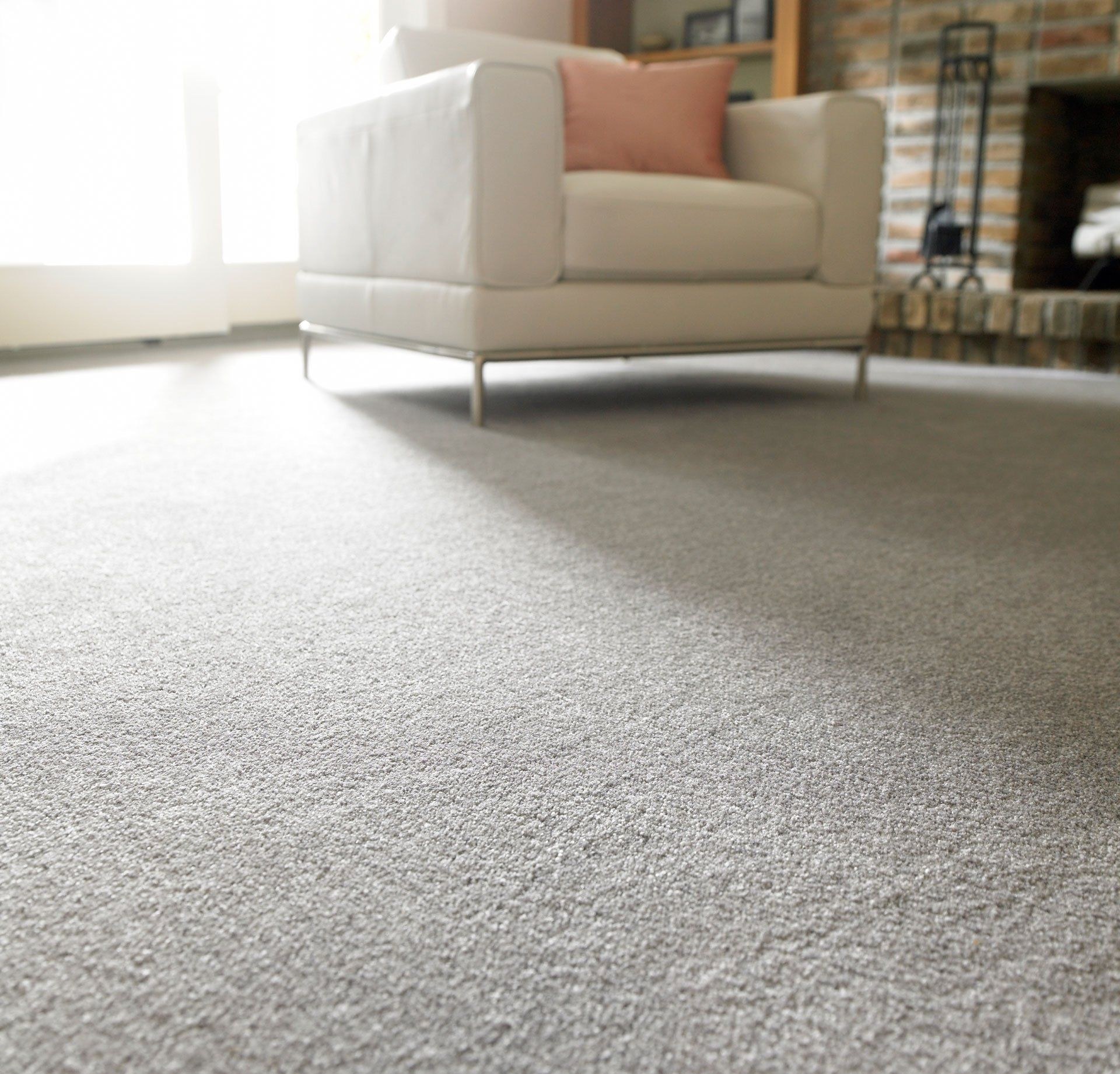 Flooring (wood, laminate, vinyl, carpet) project 1
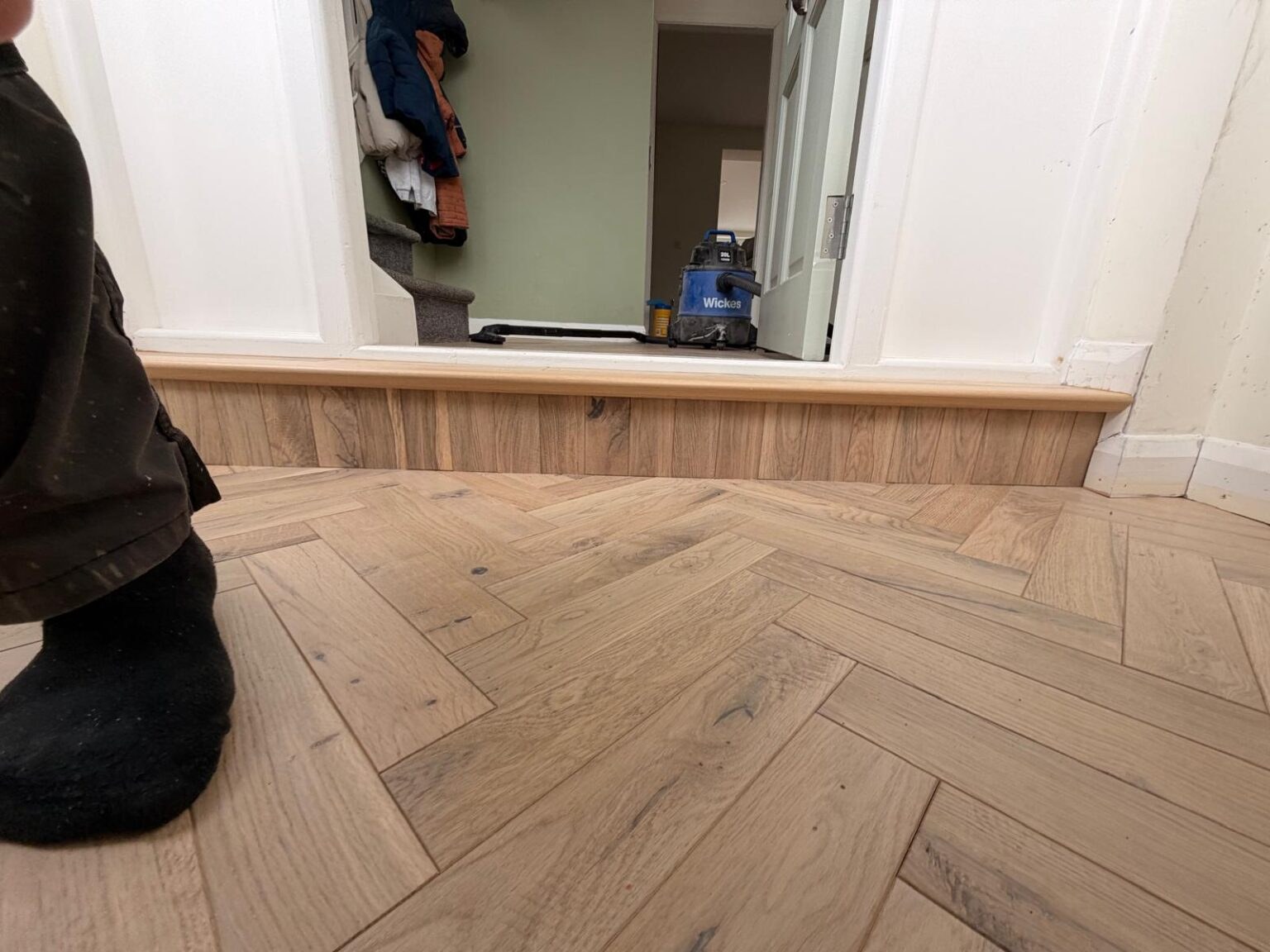 Flooring (wood, laminate, vinyl, carpet) project 1
 Flooring (wood, laminate, vinyl, carpet) project 1
 Flooring (wood, laminate, vinyl, carpet) project 1
 Flooring (wood, laminate, vinyl, carpet) project 1
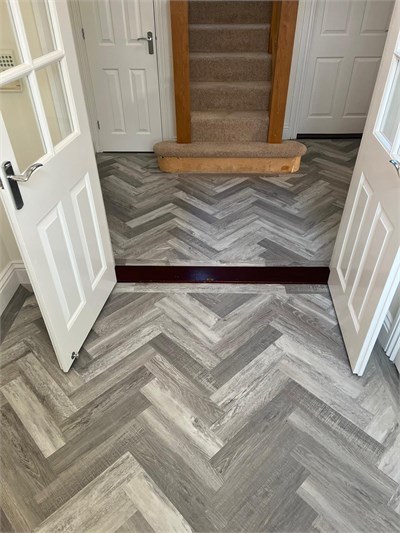 Flooring (wood, laminate, vinyl, carpet) project 1
 Flooring (wood, laminate, vinyl, carpet) project 1
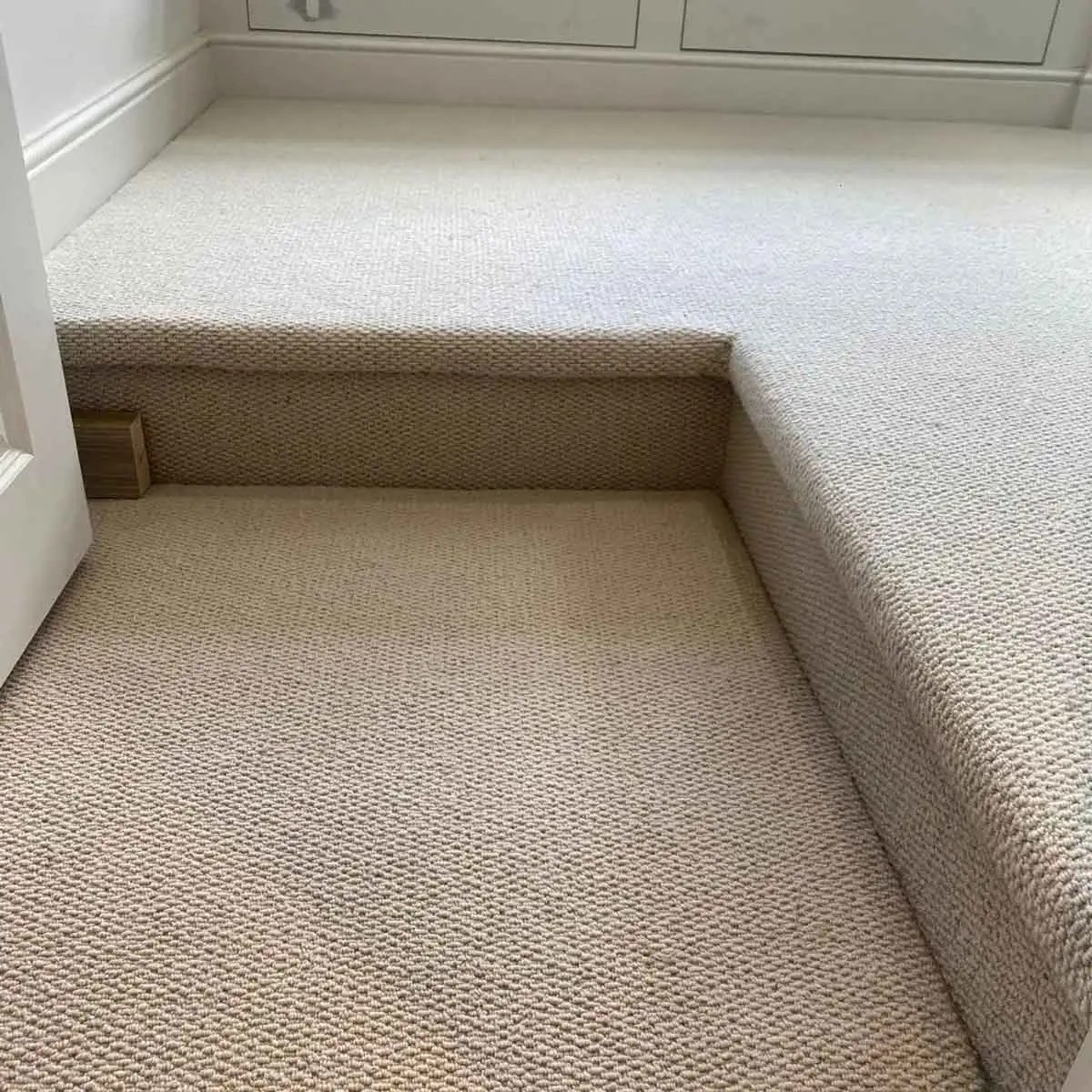 Flooring (wood, laminate, vinyl, carpet) project 1
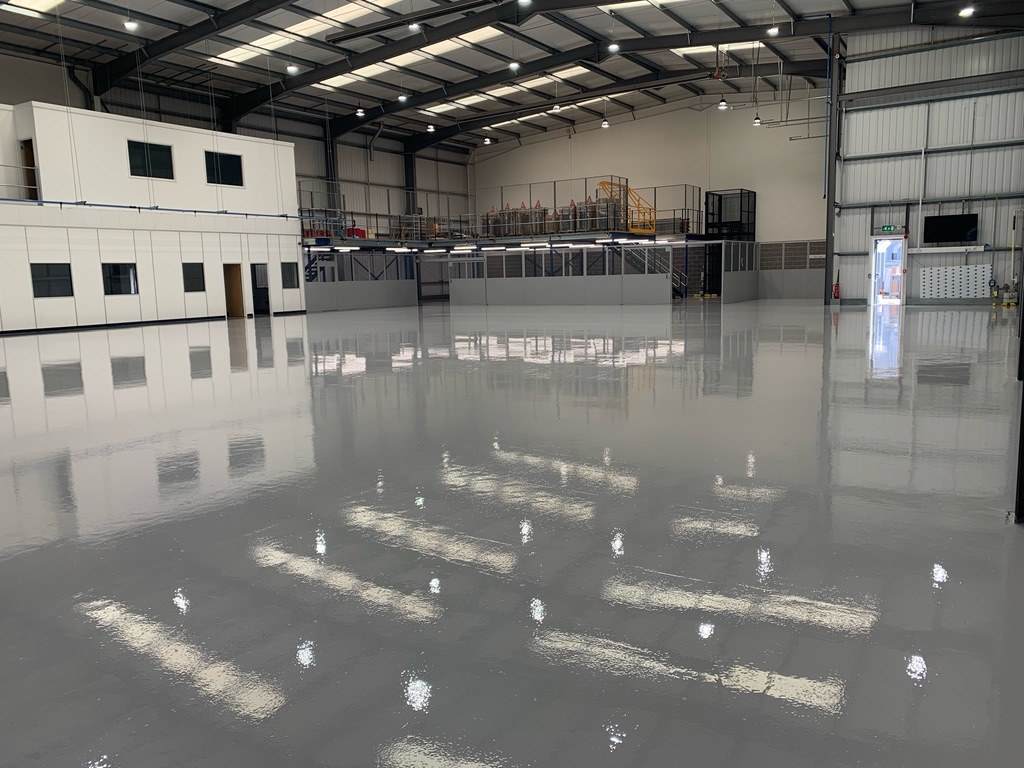 Flooring (wood, laminate, vinyl, carpet) project 1
 Flooring (wood, laminate, vinyl, carpet) project 1
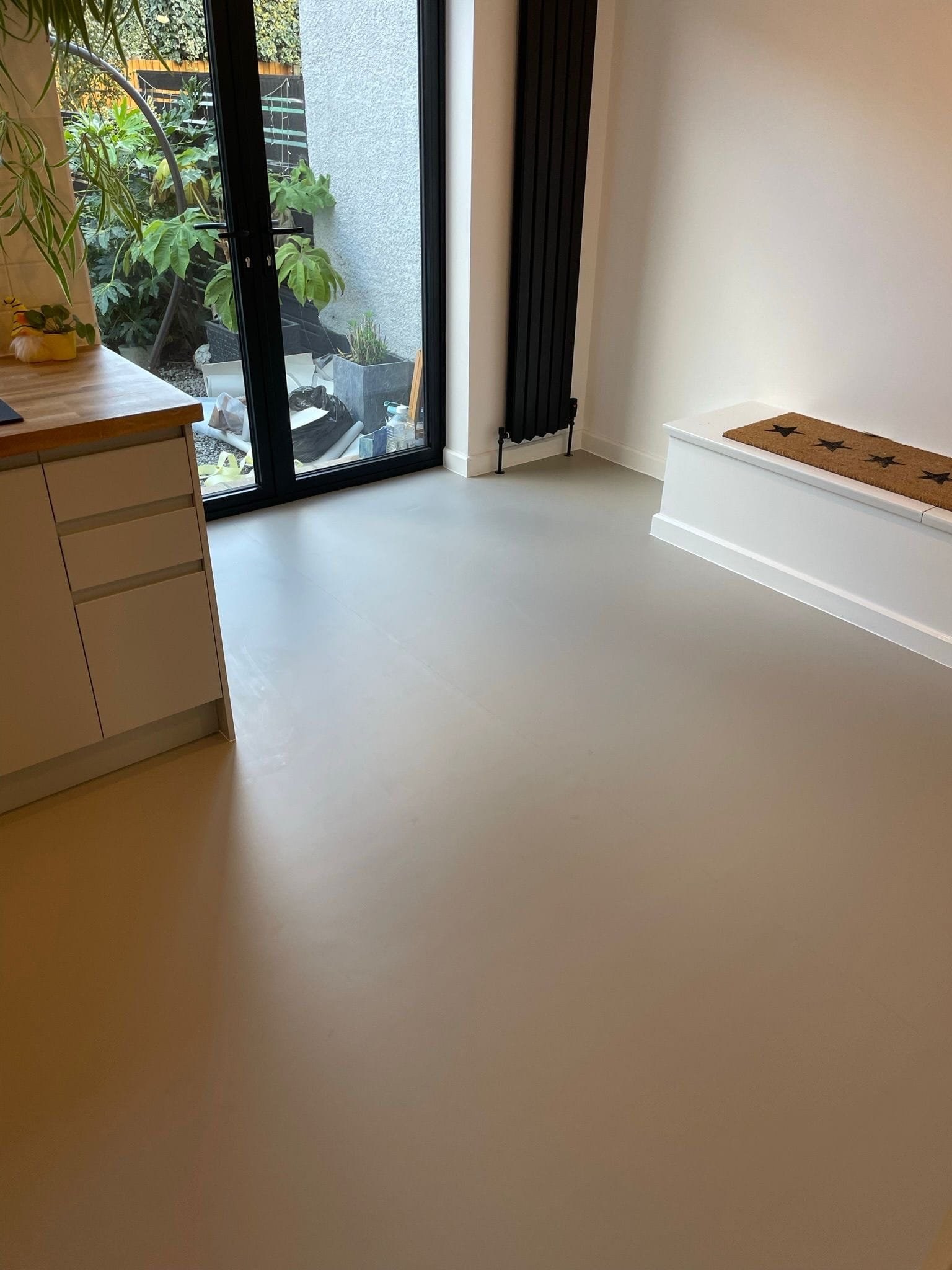 Flooring (wood, laminate, vinyl, carpet) project 1
 Flooring (wood, laminate, vinyl, carpet) project 2
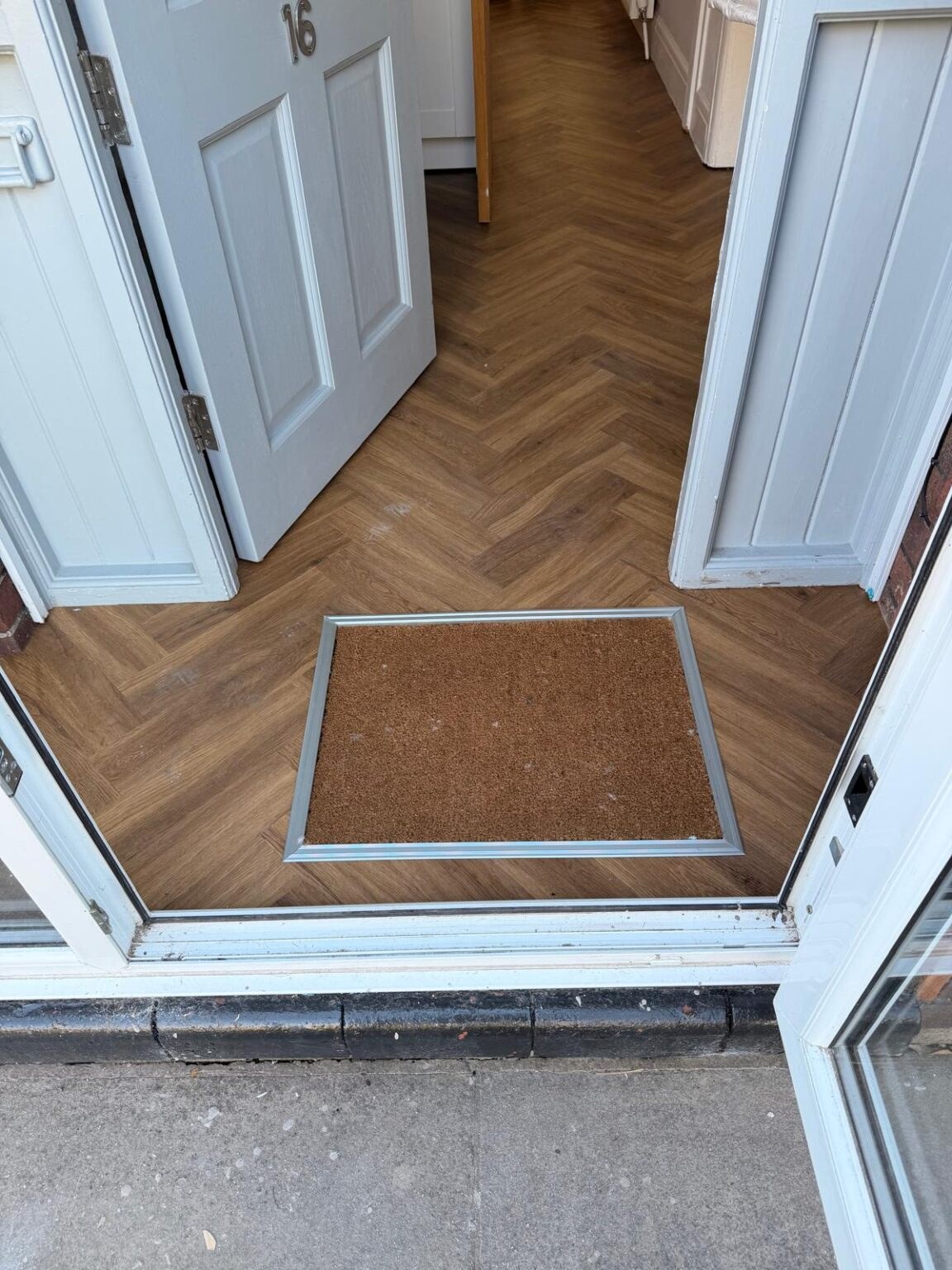 Flooring (wood, laminate, vinyl, carpet) project 2
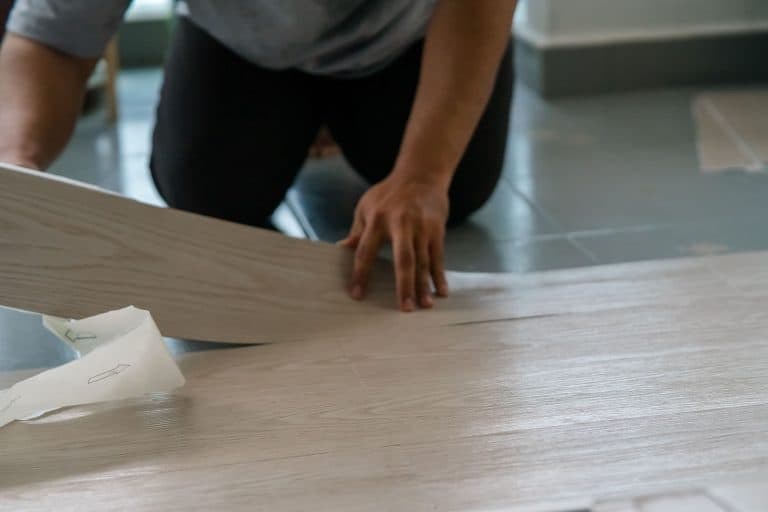 Flooring (wood, laminate, vinyl, carpet) project 2
 Flooring (wood, laminate, vinyl, carpet) project 2
 Flooring (wood, laminate, vinyl, carpet) project 2