Window repairs quotes
Arrange an inspection if a window is draughty, leaking, difficult to operate, misted between panes or damaged. Window repairs may involve replacing seals, glass, hinges, handles, locks, hinges, gaskets or damaged frames, restoring weather resistance, security and safe operation without automatically replacing the entire window.
What this covers
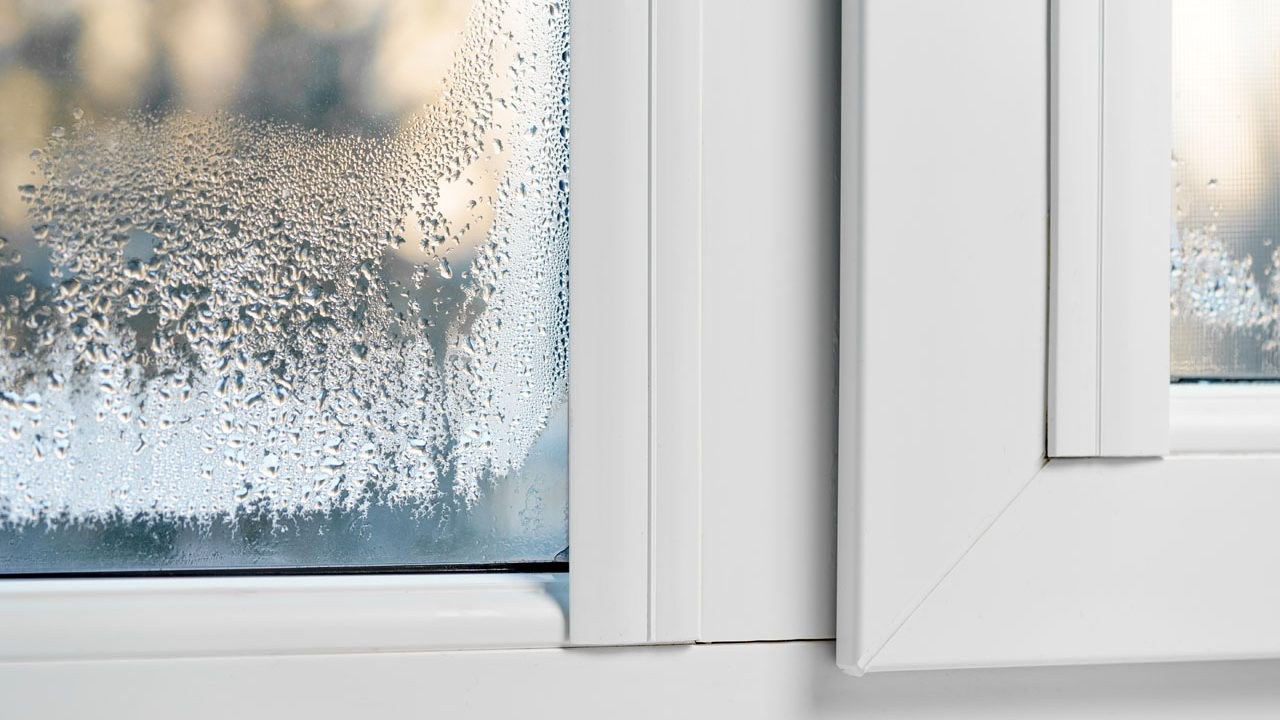
The work starts with an inspection of the complete window rather than an isolated component. The tradesperson checks the frame for distortion, decay, cracks and failed joints; tests opening sashes, hinges, friction stays, handles and locks; examines seals and gaskets; and looks for blocked drainage channels or water staining around the reveal. Glazing is assessed for cracked panes, failed sealed units and misting between panes.
A repair may involve easing and realigning a sash, replacing hardware, renewing seals, clearing drainage, splicing decayed timber, filling minor surface damage, replacing a pane or fitting a new sealed glass unit. The surrounding plaster, render, sill and internal finish may also need making good after water ingress. uPVC repairs often focus on replaceable mechanisms and gaskets, while timber work may require careful joinery and compatible paint systems. Aluminium frames need attention to thermal breaks, seals and proprietary components. The objective is to restore the specific failed function while retaining sound material, not to disguise a structural or moisture problem.
How the work is done
First, the tradesperson records the symptoms, checks access and examines the window internally and externally. They test operation, inspect the glass and seals, look for moisture trails, and establish whether the frame, opening or surrounding wall is contributing to the fault.
Next, the repair scope is agreed. This may mean ordering a matching sealed unit or proprietary mechanism before returning, particularly where the existing hardware is obsolete. The work area is protected, the opening is made safe, and damaged components are removed without unnecessarily enlarging the aperture.
The technician then cleans contact surfaces, repairs or adjusts the frame, fits the replacement component, and checks alignment, compression, drainage and lock engagement. Timber repairs may require cutting back decayed material and mechanically fixing a sound splice before finishing. Glass is installed with suitable packers and seals rather than relying on excess sealant.
Finally, the window is operated repeatedly, inspected for air and water paths, and the surrounding finish is made good where included. The customer should receive clear information about curing, painting, cleaning and any limitation that makes replacement more appropriate.
What affects the cost
The main cost driver is the fault’s scope: replacing a handle or seal is materially different from repairing a distorted frame, renewing rotten timber or removing a damaged sealed unit. Glass specification, pane size, thickness, safety requirements and specialist coatings affect the component and fitting method.
Access can add work where the window is high, awkwardly positioned or obstructed by conservatories, extensions, roof slopes or internal finishes. Scaffolding, access equipment, protection, waste removal and making good should be clear in the quotation. Timber repairs may involve drying, cutting back, joinery, priming and repainting; matching existing profiles or colours takes additional preparation.
Listed status or conservation controls can restrict materials, glazing patterns and external appearance, increasing design and approval work. Obsolete hardware, non-standard dimensions and concealed damage may only become clear after removal. Ask whether the quote covers diagnosis, replacement parts, installation, disposal, finishing, testing and follow-up adjustment, and whether any compliance documentation is included.
Before you hire
Competence is visible in the diagnosis. A capable window-repair specialist distinguishes failed glazing from frame movement, identifies the drainage route, checks locking points and explains why a component rather than the whole window needs attention. For timber, look for evidence of proper splicing, moisture control and compatible finishing; for uPVC or aluminium, ask how proprietary parts will be matched. If replacement glazing or a complete installation affects thermal performance, ask how U-values, WER ratings and relevant Building Regulations will be addressed. FENSA or CERTASS registration may be relevant to replacement work, but it does not substitute for a defect-specific explanation and a clear repair scope.
Recent work
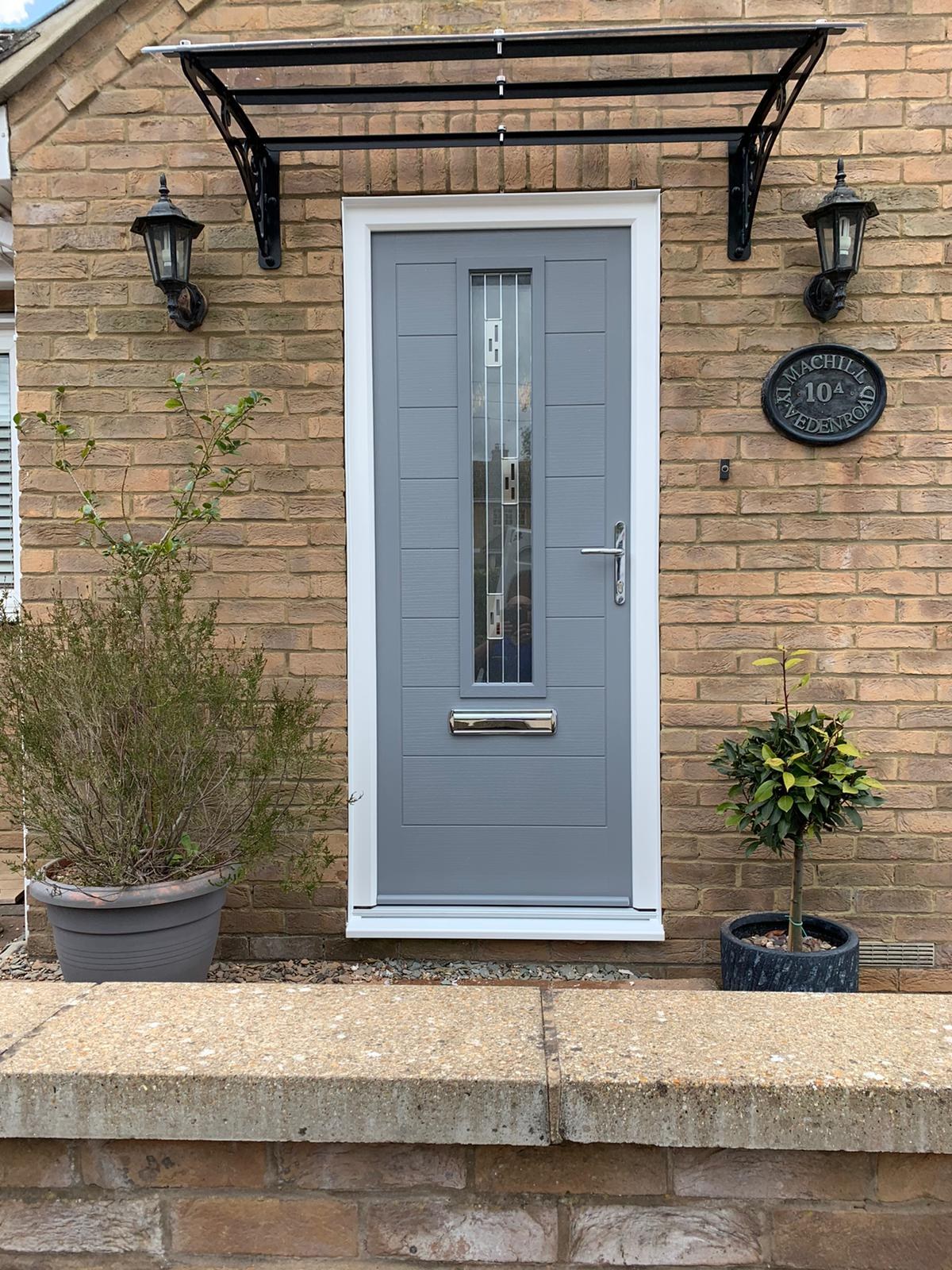 Windows & doors project 1
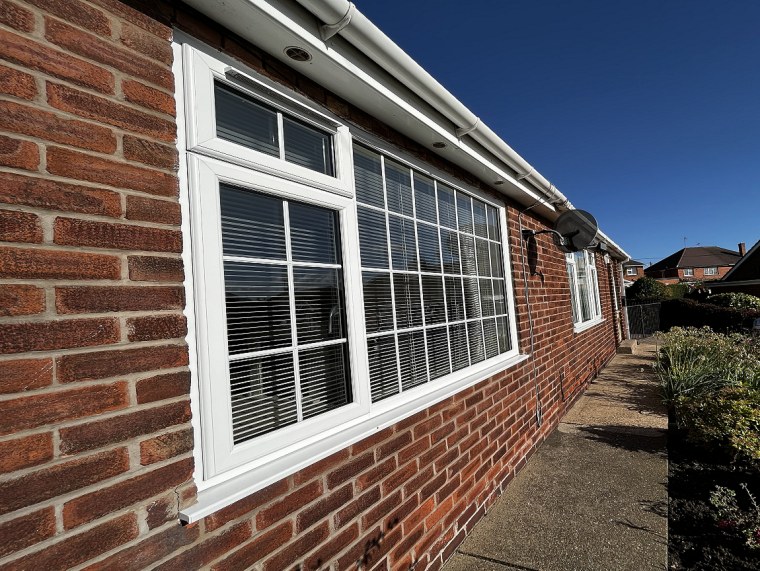 Windows & doors project 1
 Windows & doors project 1
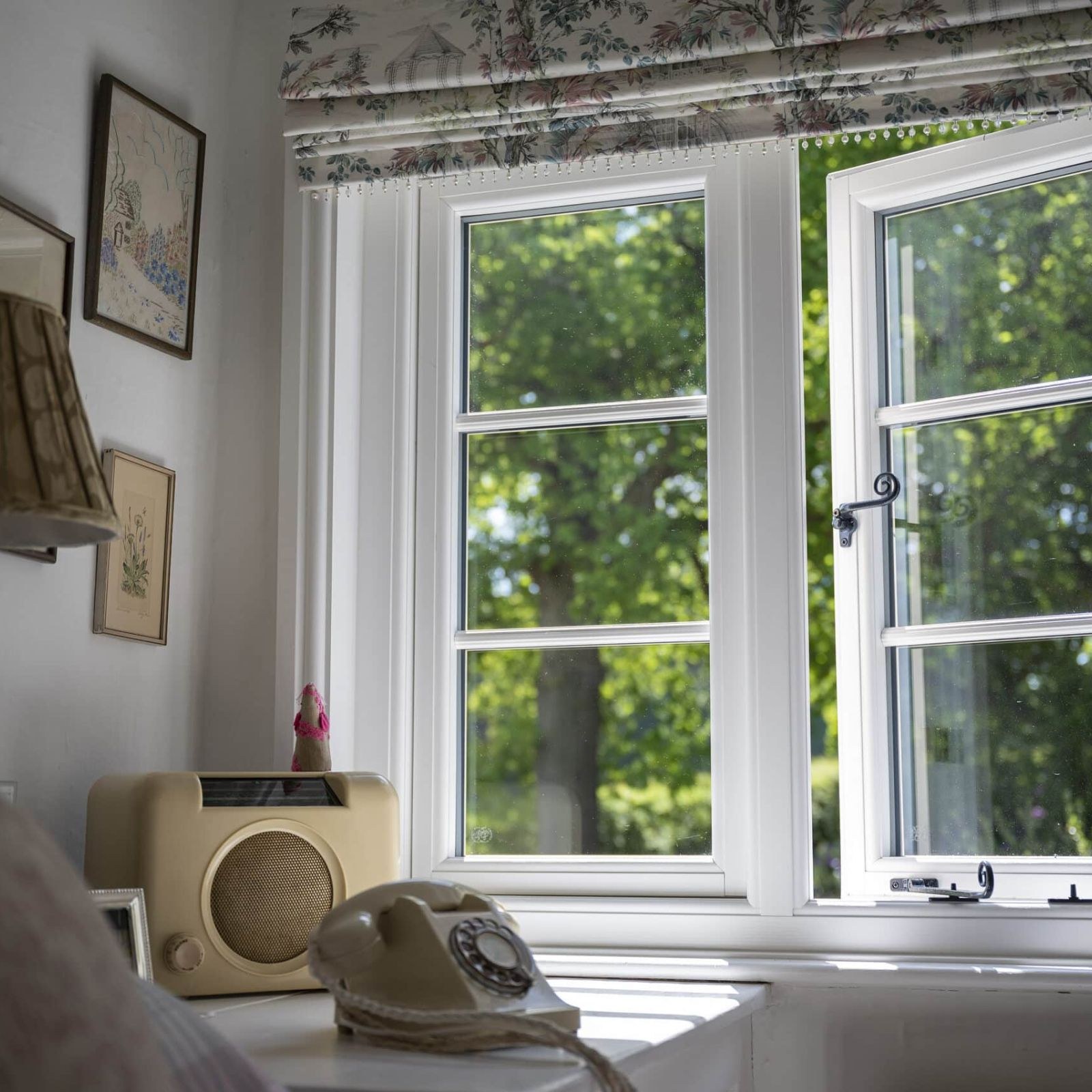
 Windows & doors project 1
 Windows & doors project 1
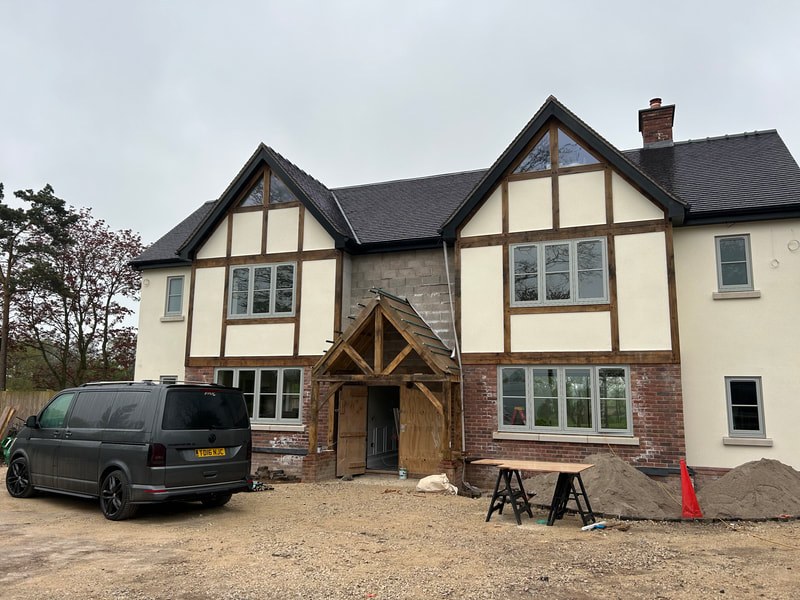 Windows & doors project 1
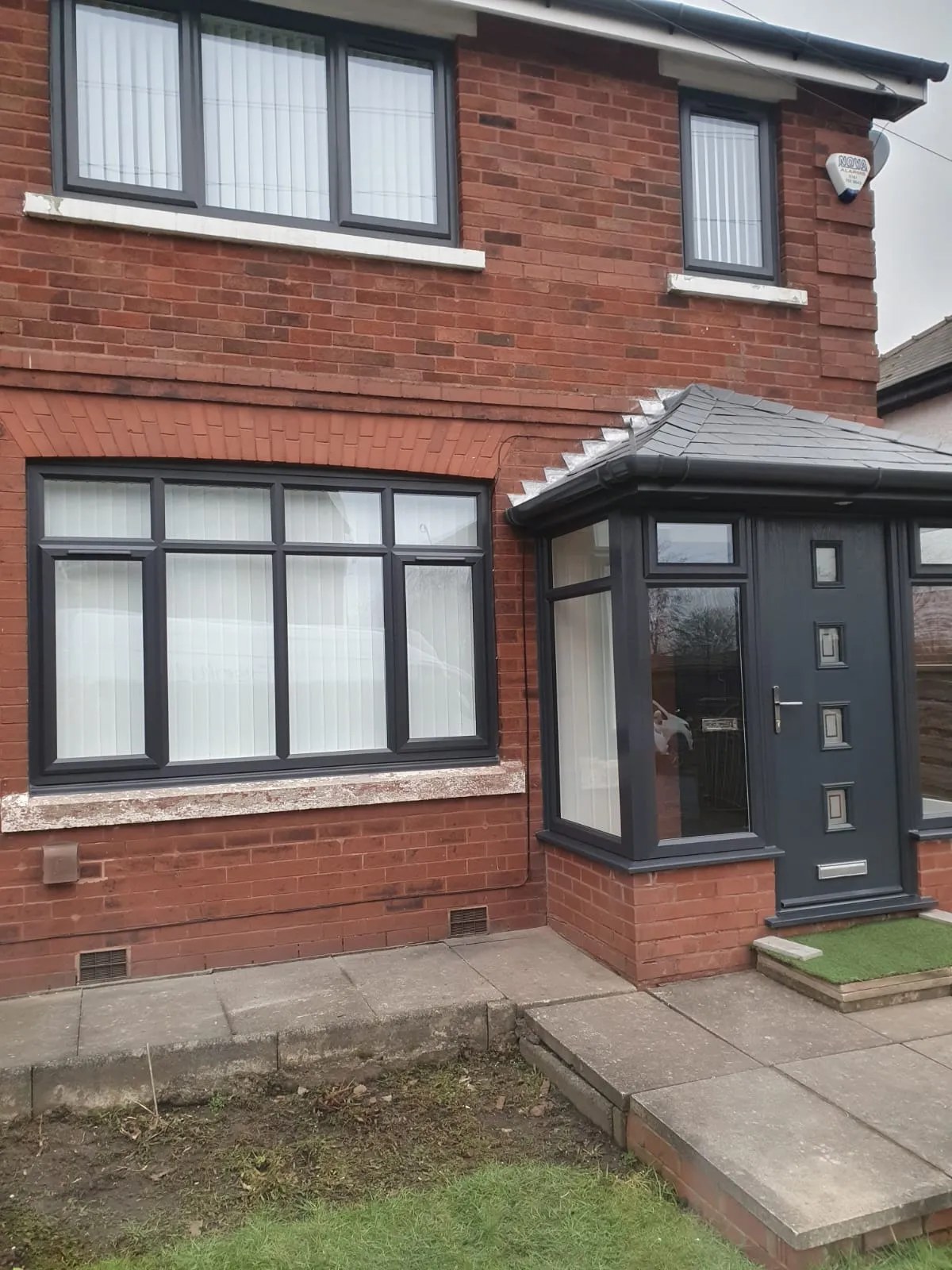 Windows & doors project 1
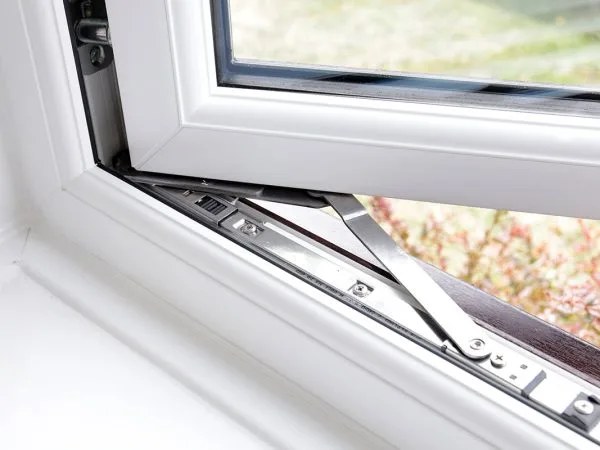 Windows & doors project 1
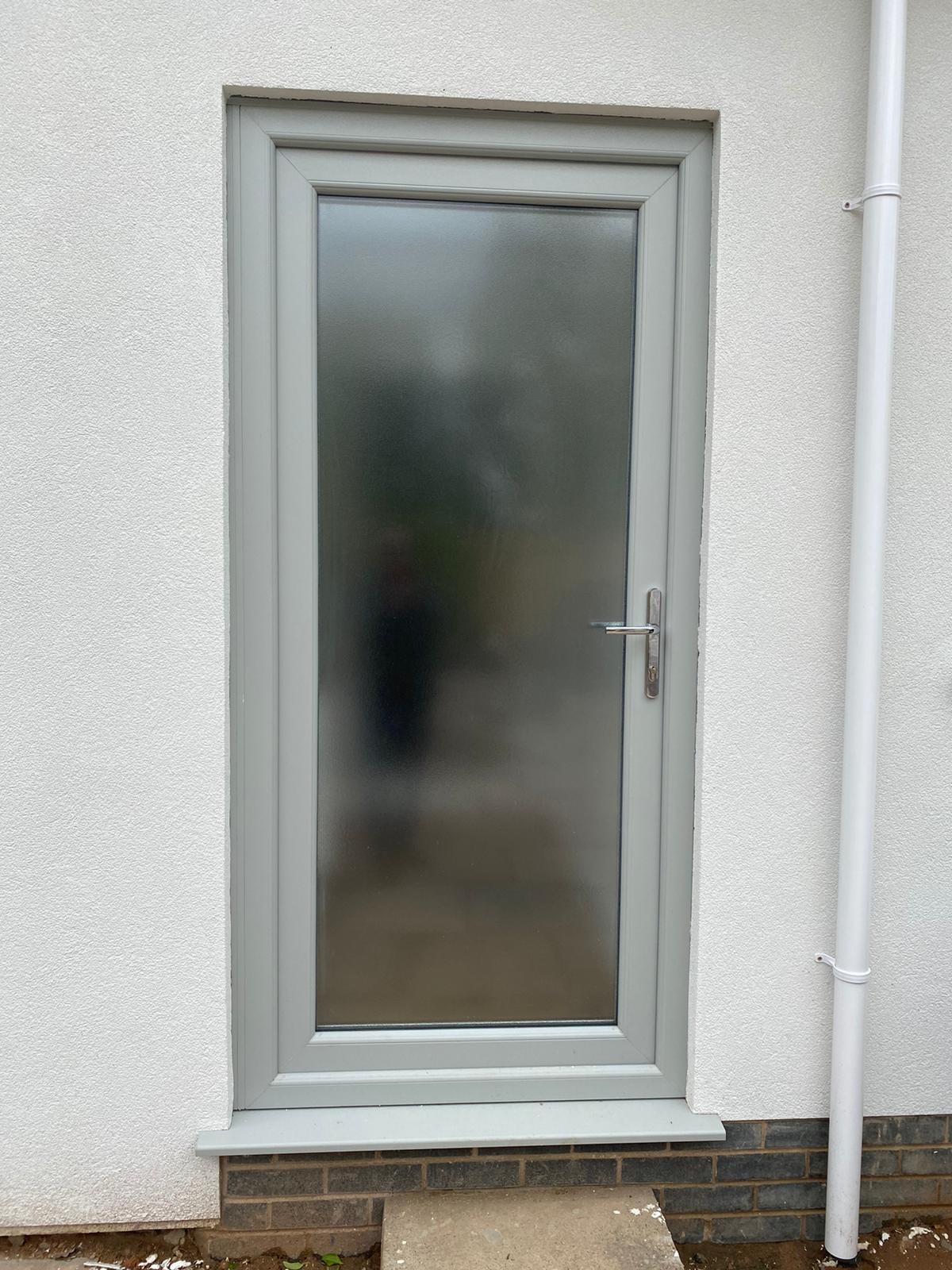 Windows & doors project 2
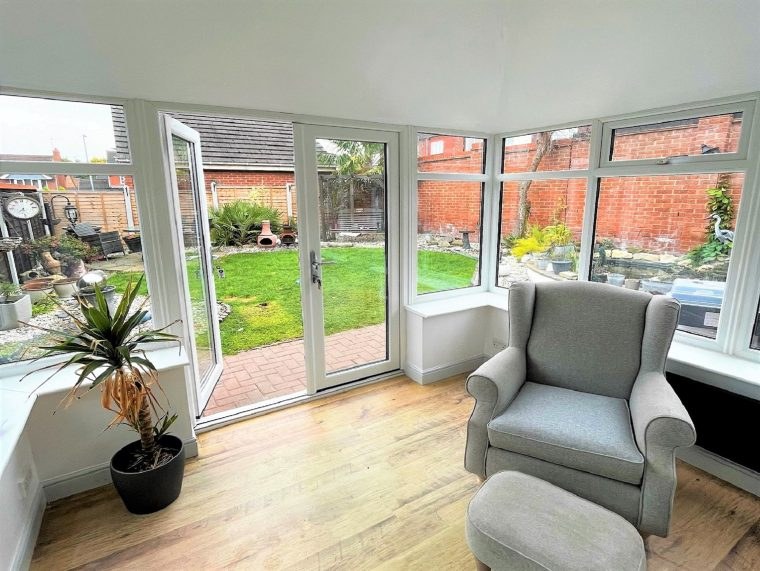 Windows & doors project 2
 Windows & doors project 2
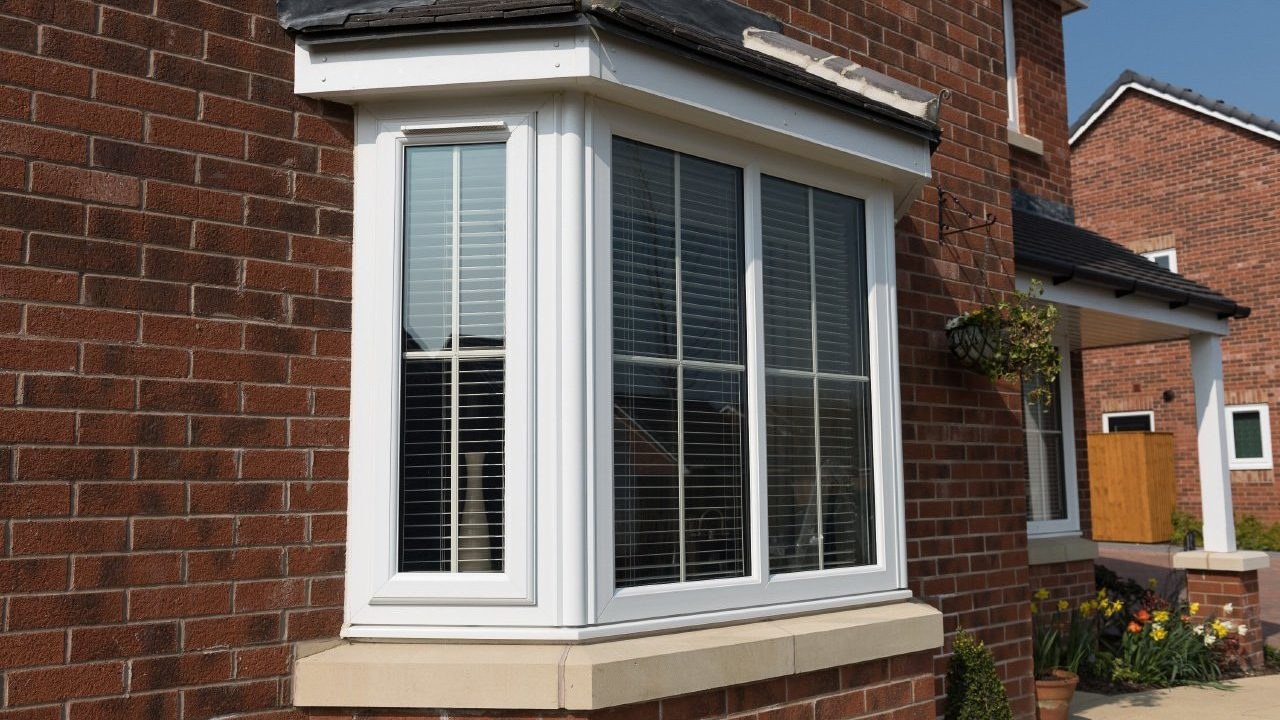 Windows & doors project 2
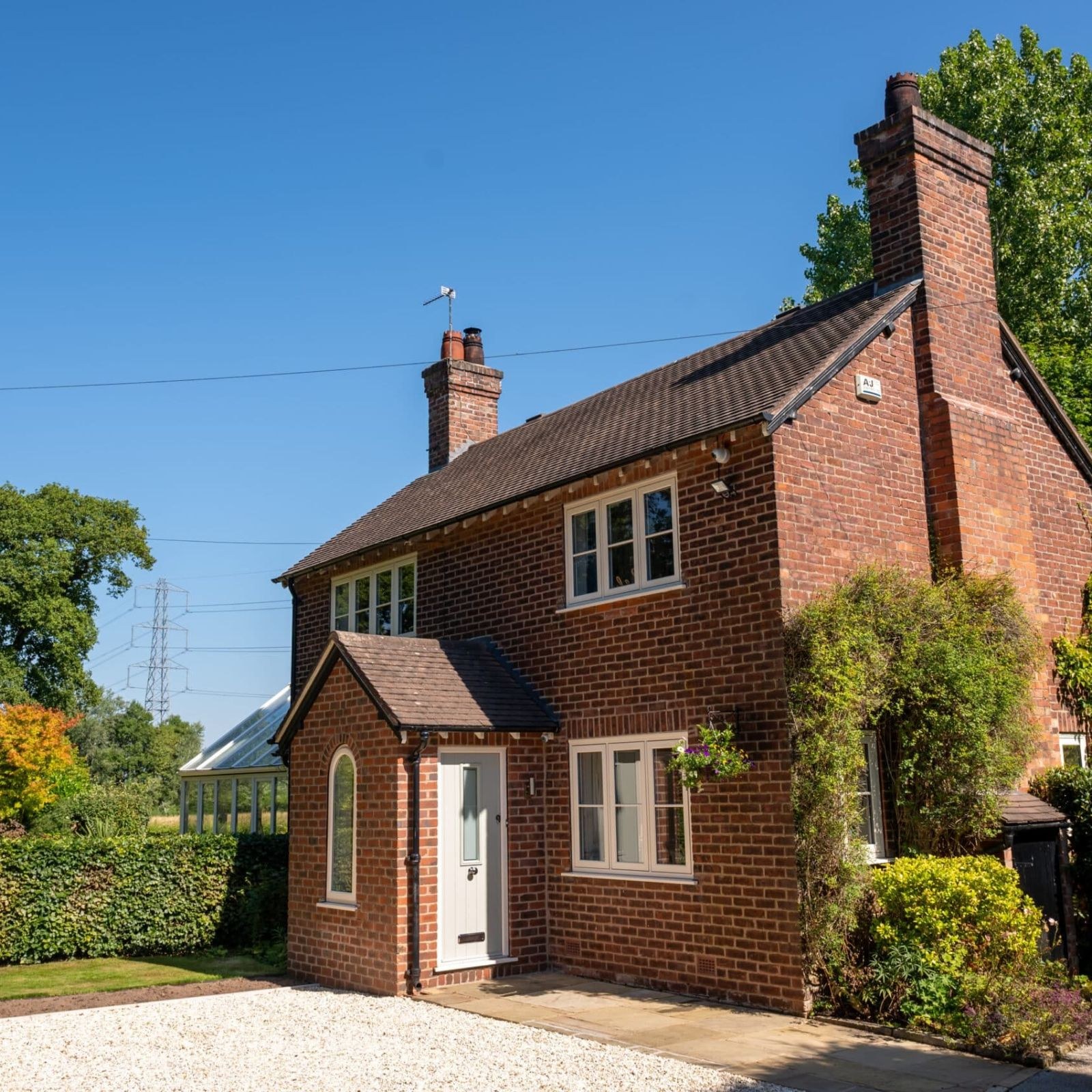 Windows & doors project 2
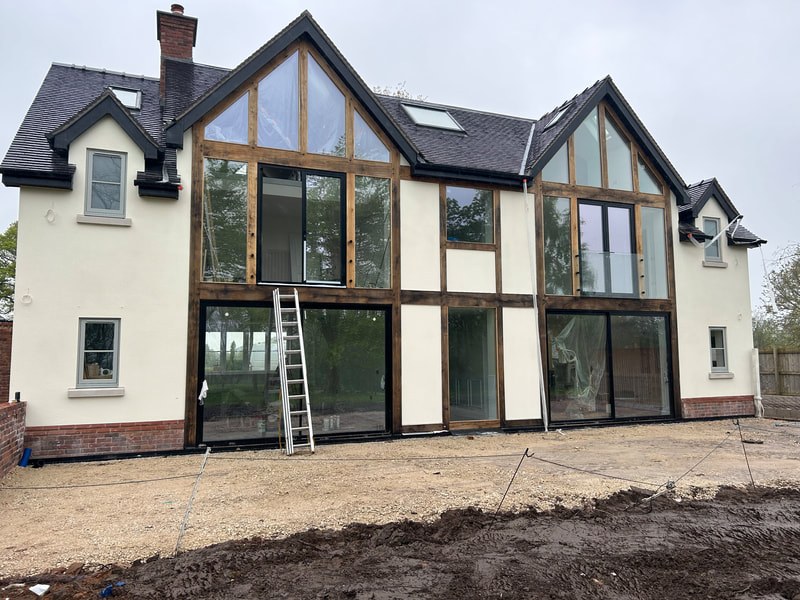 Windows & doors project 2
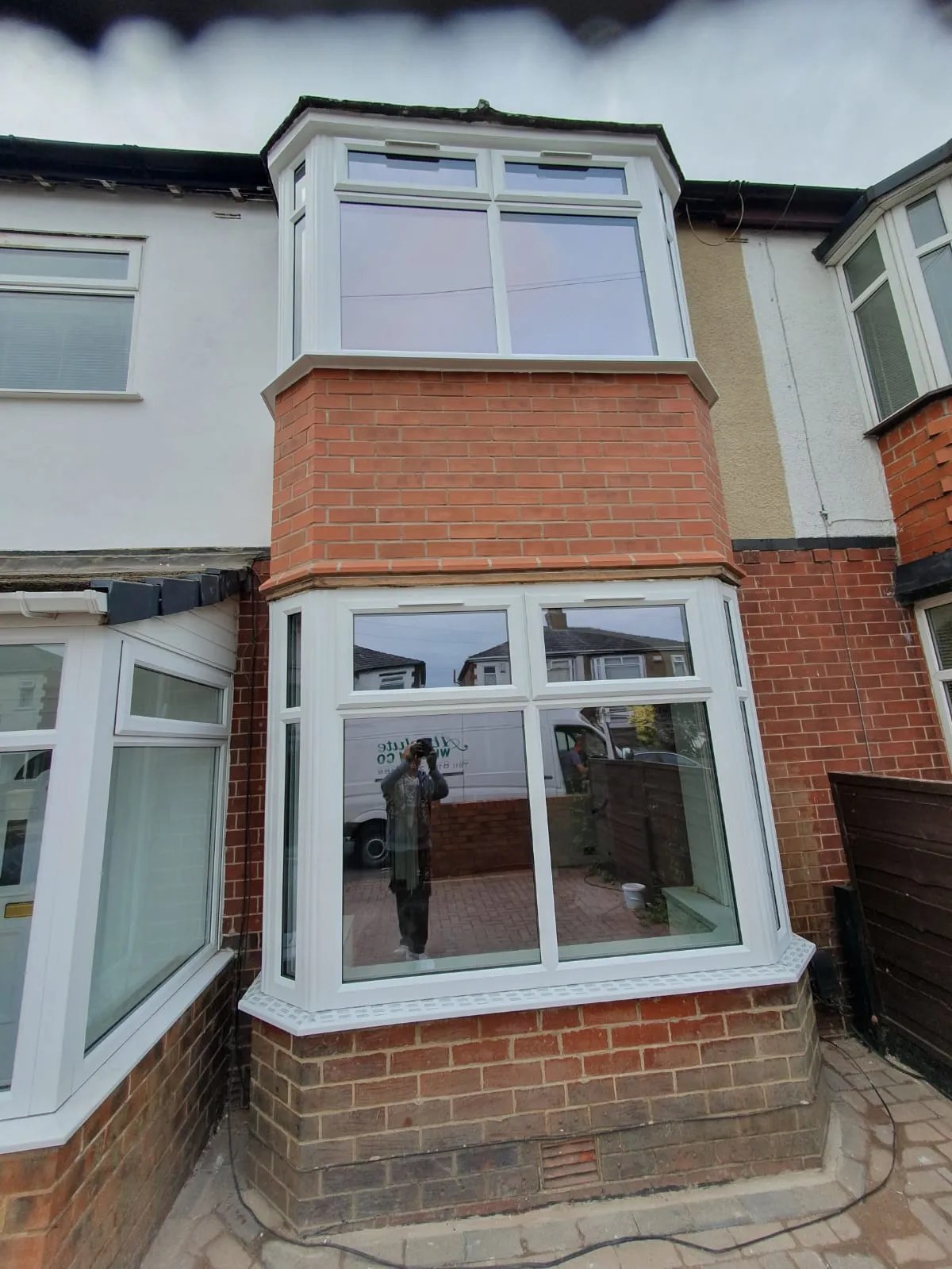 Windows & doors project 2
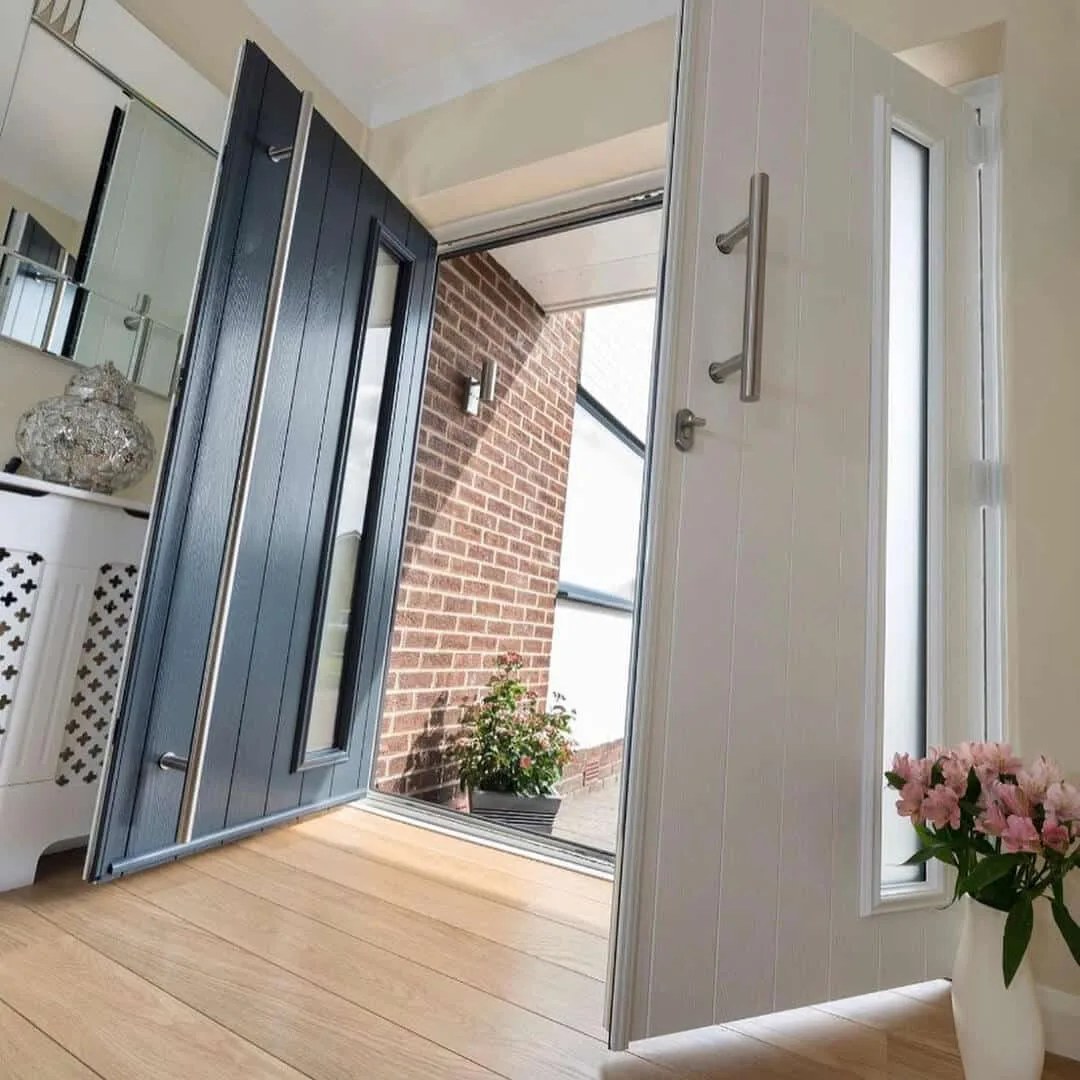 Windows & doors project 2