Website design quotes
Website design plans and builds the structure, appearance, content and user journeys of a site so visitors can find information and take action. It is needed when an existing site is difficult to use, performs poorly on mobile, no longer reflects the organisation, or cannot support required enquiries or sales.
What this covers
The work starts by understanding what visitors need to do and where the present site prevents them from doing it. A designer may review analytics, existing pages, search queries, competitor conventions supplied by you and enquiries from customers. They then create a content structure, page hierarchy and user journeys before producing wireframes or visual layouts. Development turns approved designs into responsive page templates, components, forms and connections to services such as booking, payment, email marketing or customer-management systems. Content may need editing, migration or new production, while images require suitable cropping and compression. Testing covers screen sizes, browsers, keyboard use, form handling, links, page speed and error states. The final stage includes launch preparation, redirects where page addresses change, analytics checks, backups and handover. Website design can therefore range from improving a few key templates to replacing the whole site, depending on the condition of the platform and the extent of the required change.
How the work is done
First, the provider confirms the purpose of the site, priority audiences, required actions and constraints in the existing platform. They audit pages, content, technical connections, analytics and search-relevant addresses, then agree what should be retained, rewritten, merged or removed. Next, they map navigation and produce wireframes showing page order, content hierarchy and key interactions. Visual design follows, using agreed typography, colour, imagery and component rules. Development then builds responsive templates, loads or migrates content, configures forms and connects approved services. Testing checks mobile and desktop layouts, browsers, keyboard navigation, headings, links, validation messages, loading behaviour and tracking. You review staged work at defined points rather than discovering the whole result at launch. Before release, the team takes backups, checks redirects, confirms domain and hosting access, tests live forms and records update instructions. Post-launch monitoring should address faults found in real use without treating every request as included redevelopment.
What affects the cost
Website design cost is driven by scope rather than the label of the service. A small set of page templates costs less to plan and build than many distinct layouts, complex account areas or personalised journeys. Existing content that is accurate and organised reduces migration work; rewriting, photography, illustration, translation and product data increase it. The platform matters because a stable system may be adapted, while obsolete code, poor hosting access or incompatible extensions can require reconstruction or migration. Integrations with payments, bookings, stock, customer records or email platforms add configuration and testing. Custom functionality, accessibility remediation, search-preserving redirects, copywriting and analytics setup also expand the work. Ask whether discovery, design revisions, development, content loading, testing, launch support, hosting, licences and post-launch fixes are included. Clarify who supplies assets and who owns accounts, code and content so later charges do not arise from unclear responsibility.
Before you hire
Useful evidence includes annotated wireframes linked to visitor tasks, a component system that explains repeated design decisions, and testing records covering mobile, keyboard use, forms and error states. For a redesign, the provider should explain content migration, redirects, analytics continuity and rollback arrangements in plain language. For an integration, ask how failed submissions, duplicate records and unavailable third-party services are handled. A credible handover includes editable content guidance, account ownership, technical dependencies and a clear distinction between included corrections and new requests.
Recent work
 Web design & development project 1
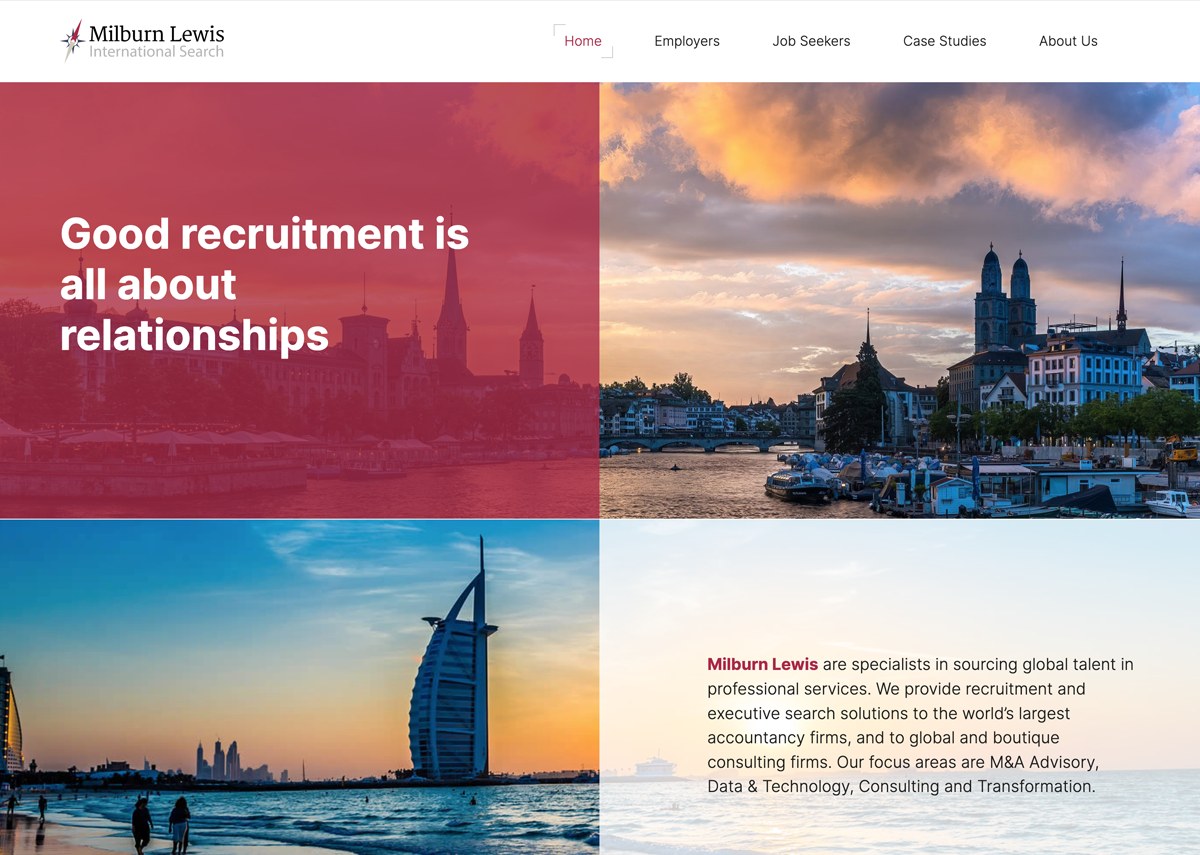 Web design & development project 1
 Web design & development project 1
 Web design & development project 1
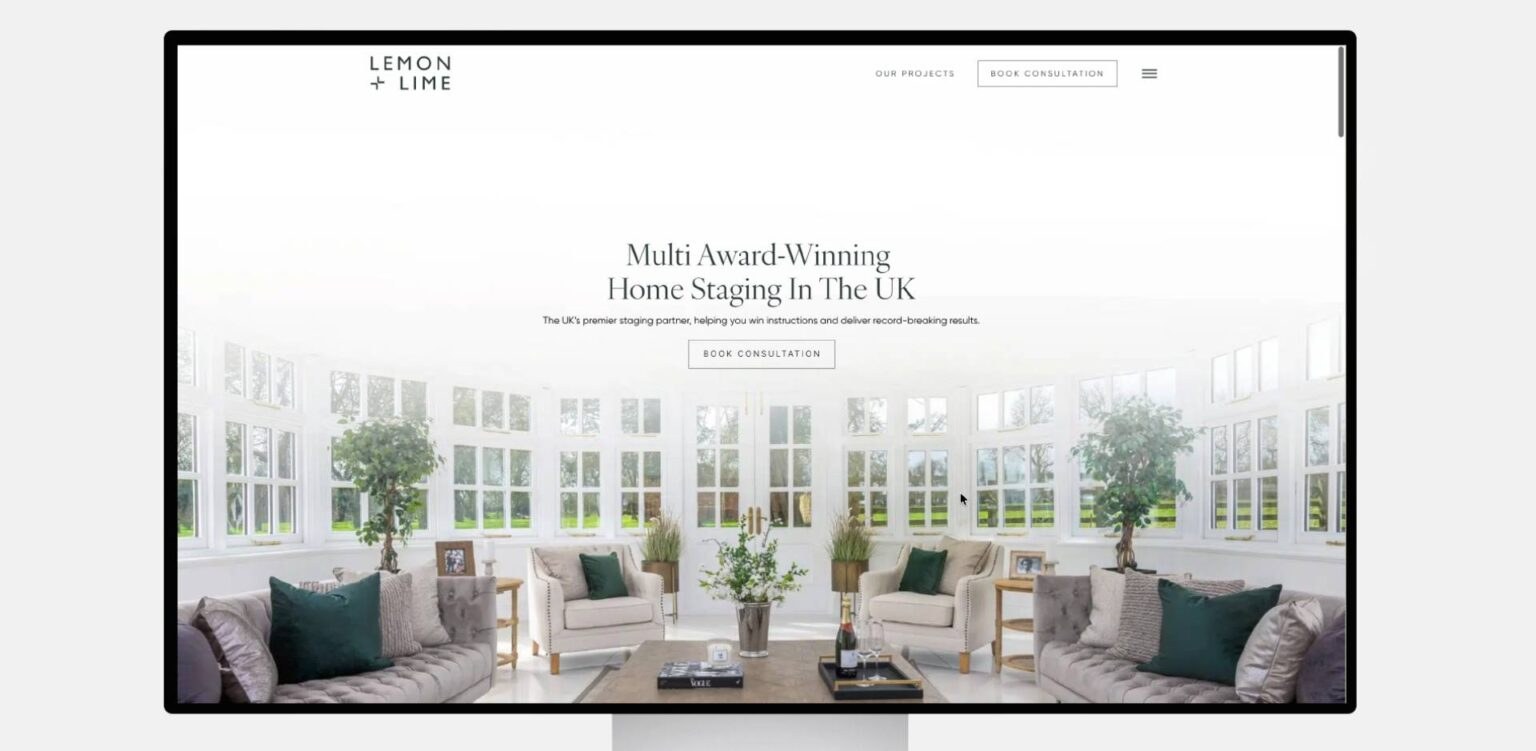 Web design & development project 1
 Web design & development project 1
 Web design & development project 2
 Web design & development project 2
 Web design & development project 2
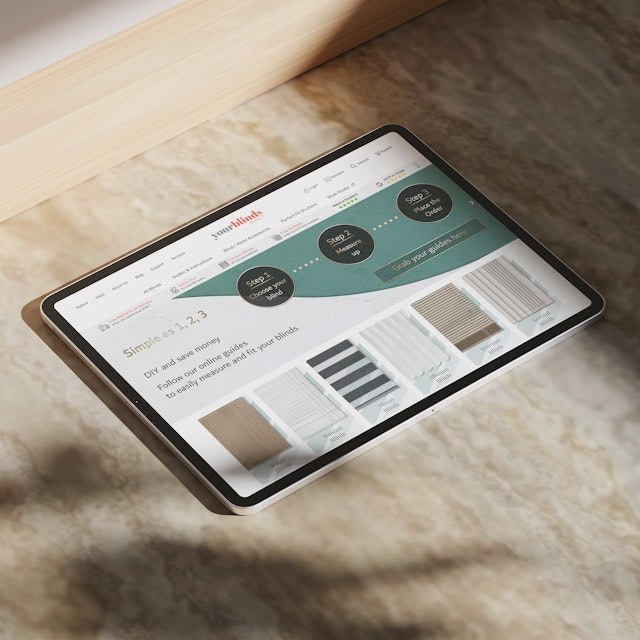 Web design & development project 2
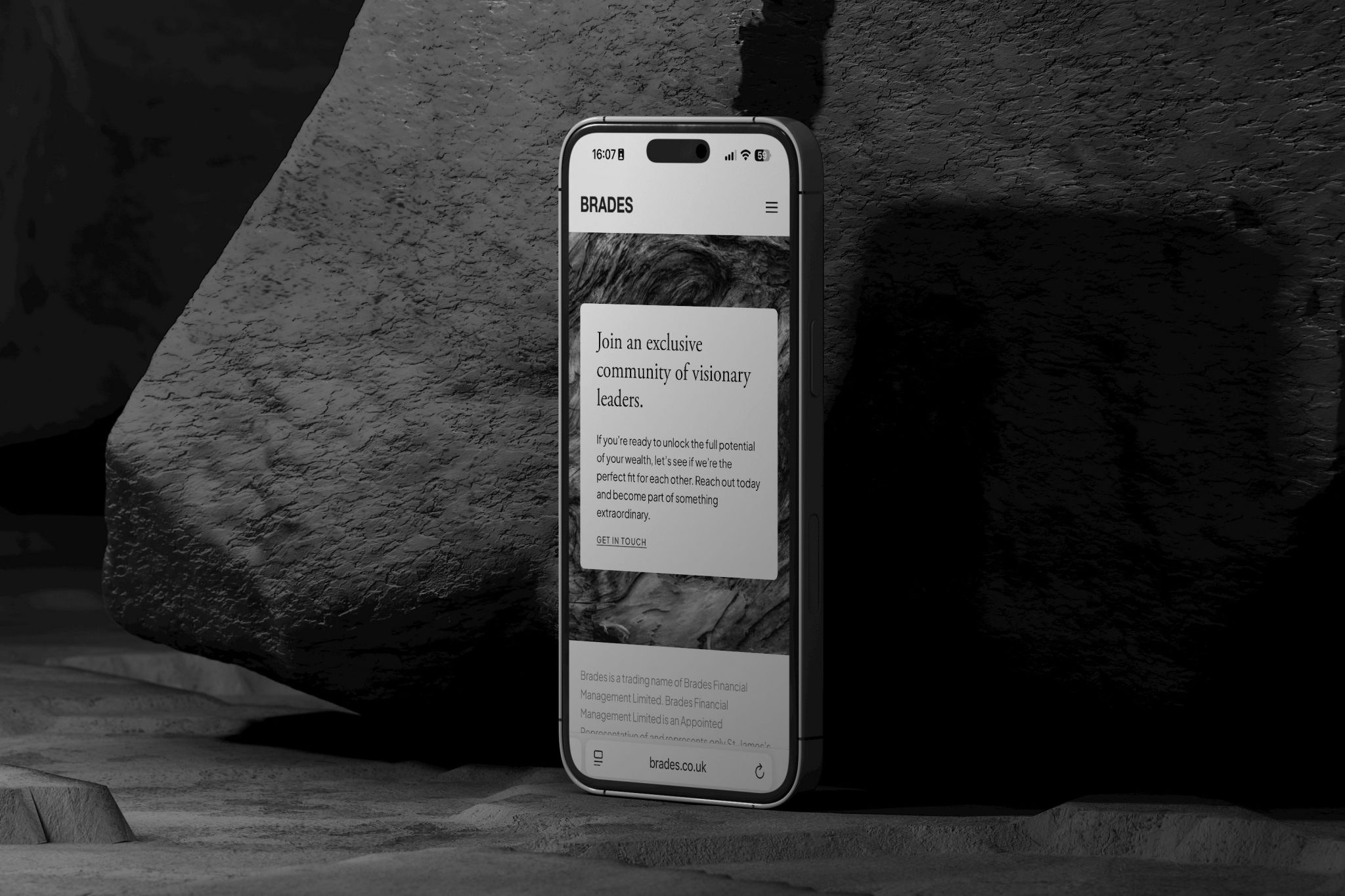 Web design & development project 2
 Web design & development project 2
 Web design & development project 3
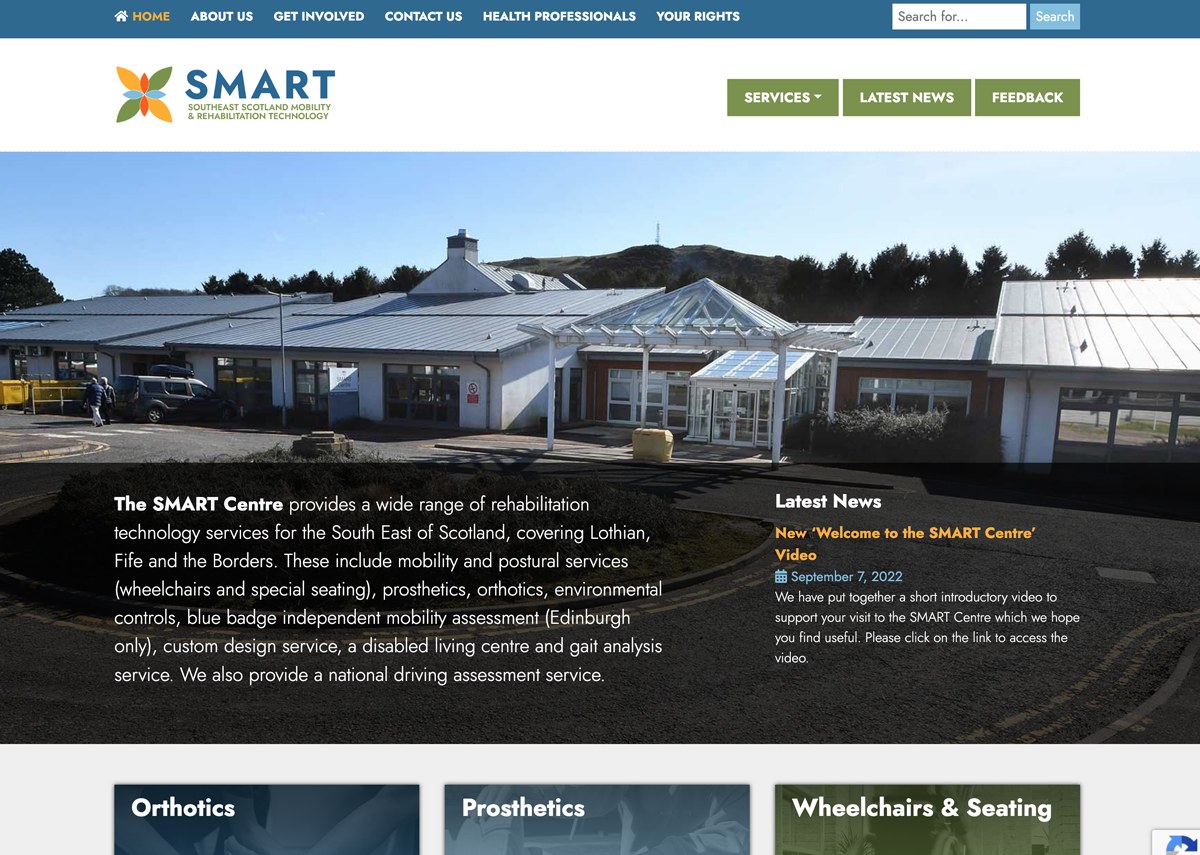 Web design & development project 3
 Web design & development project 3
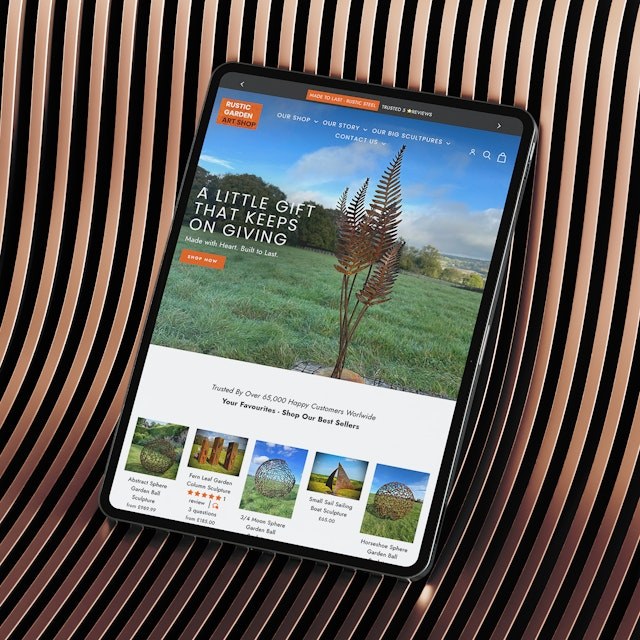 Web design & development project 3