Web hosting & DevOps quotes
Choose Web hosting & DevOps support when slow deployments, recurring outages, weak backups or unreliable scaling are affecting a website or application. The work combines hosting configuration, monitoring, security controls, automated releases and recovery planning so services remain available, maintainable and easier to change safely.
What this covers
The work starts by examining the application, domain records, hosting account, code repository, databases, integrations, access permissions and existing backup arrangements. A provider then maps how a change travels from developer commit to live service, identifying manual steps, single points of failure and actions that cannot be reversed easily.
Practical work may include configuring virtual machines or managed platforms, separating development, testing and production, setting environment variables securely, applying updates, creating deployment pipelines and defining rollback procedures. Monitoring is configured around useful signals such as response time, error rates, resource pressure, failed jobs and certificate expiry, with alerts routed to people who can act.
The scope can also include database migration, content delivery, load testing, firewall rules, secret management, log retention and recovery rehearsals. DevOps is not simply buying faster hosting: it connects infrastructure, software delivery and operational responsibility. The finished arrangement should show who can change it, how a change is checked, how failure is detected and how service is restored.
How the work is done
First, the provider records the current architecture, hosting access, domains, repositories, databases, integrations, traffic patterns and recovery expectations. This baseline identifies dependencies that could break during a move or release.
Next, they design the target arrangement and agree the change window, rollback route, responsibilities and acceptance checks. Existing credentials should be replaced or restricted where access is excessive.
Implementation then follows in a controlled environment. The provider provisions hosting, configures networking and certificates, moves or connects data, sets environment variables, builds deployment automation and adds monitoring. A test deployment checks application behaviour, forms, payments, email, scheduled jobs and integrations rather than merely confirming that a page loads.
The final stage is cutover, observation and handover. DNS or routing changes are made, logs and alerts are watched, and rollback remains available until checks pass. Documentation should cover architecture, credentials ownership, backups, deployment steps, incident contacts and routine maintenance.
What affects the cost
The main cost drivers are the number of applications, environments and hosting components being managed, not the label attached to the service. A simple site with one deployment path requires less design and testing than a platform with several services, databases, queues and third-party integrations.
Migration effort rises when documentation is poor, legacy software needs changes, DNS is fragmented, data must be transformed or a low-interruption cutover is required. Ongoing support reflects monitoring coverage, alert response, patching responsibility, backup retention, recovery testing and the amount of engineering time included.
Redundancy, separate staging systems, traffic testing, managed security controls and compliance evidence add configuration and operational work. A quote should distinguish one-off discovery, build, migration and testing from recurring hosting and support. It should also state storage, bandwidth, backup treatment, monitoring, incident response, software licences, VAT where applicable, and charges for work outside the agreed service.
Before you hire
Useful evidence includes a clear architecture diagram, a written migration and rollback plan, and deployment records that show what was changed. For DevOps work, ask how the provider tests database restoration, protects secrets, separates environments and handles failed releases. Competence is also visible in monitoring designed around application symptoms rather than server availability alone. A credible handover should leave the customer with access ownership, runbooks, backup status, alert routes and documented assumptions, not an opaque hosting account that only the supplier can operate.
Recent work
 Web hosting & DevOps project 1
 Web hosting & DevOps project 1
 Web hosting & DevOps project 1
 Web hosting & DevOps project 1
 Web hosting & DevOps project 1
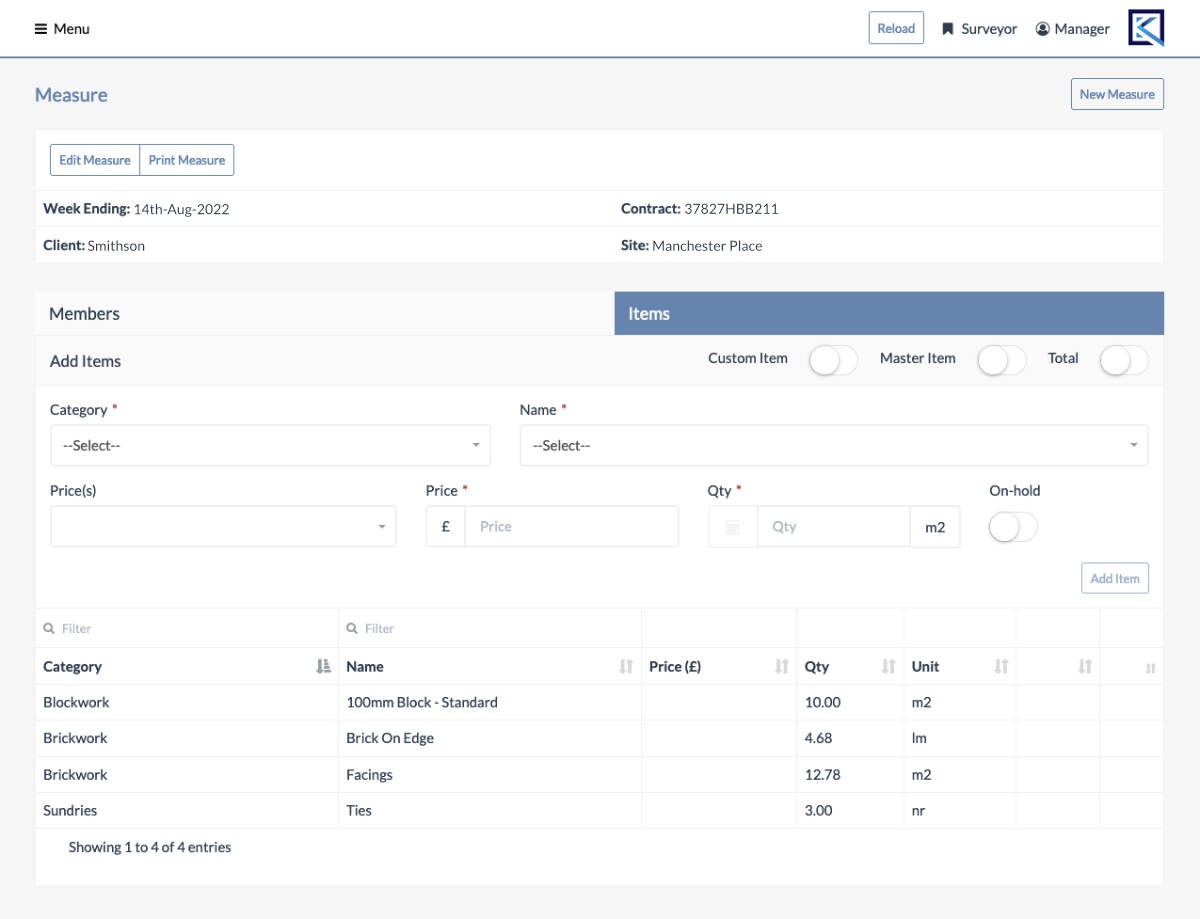 Web hosting & DevOps project 1
 Web hosting & DevOps project 1
 Web hosting & DevOps project 1
 Web hosting & DevOps project 2
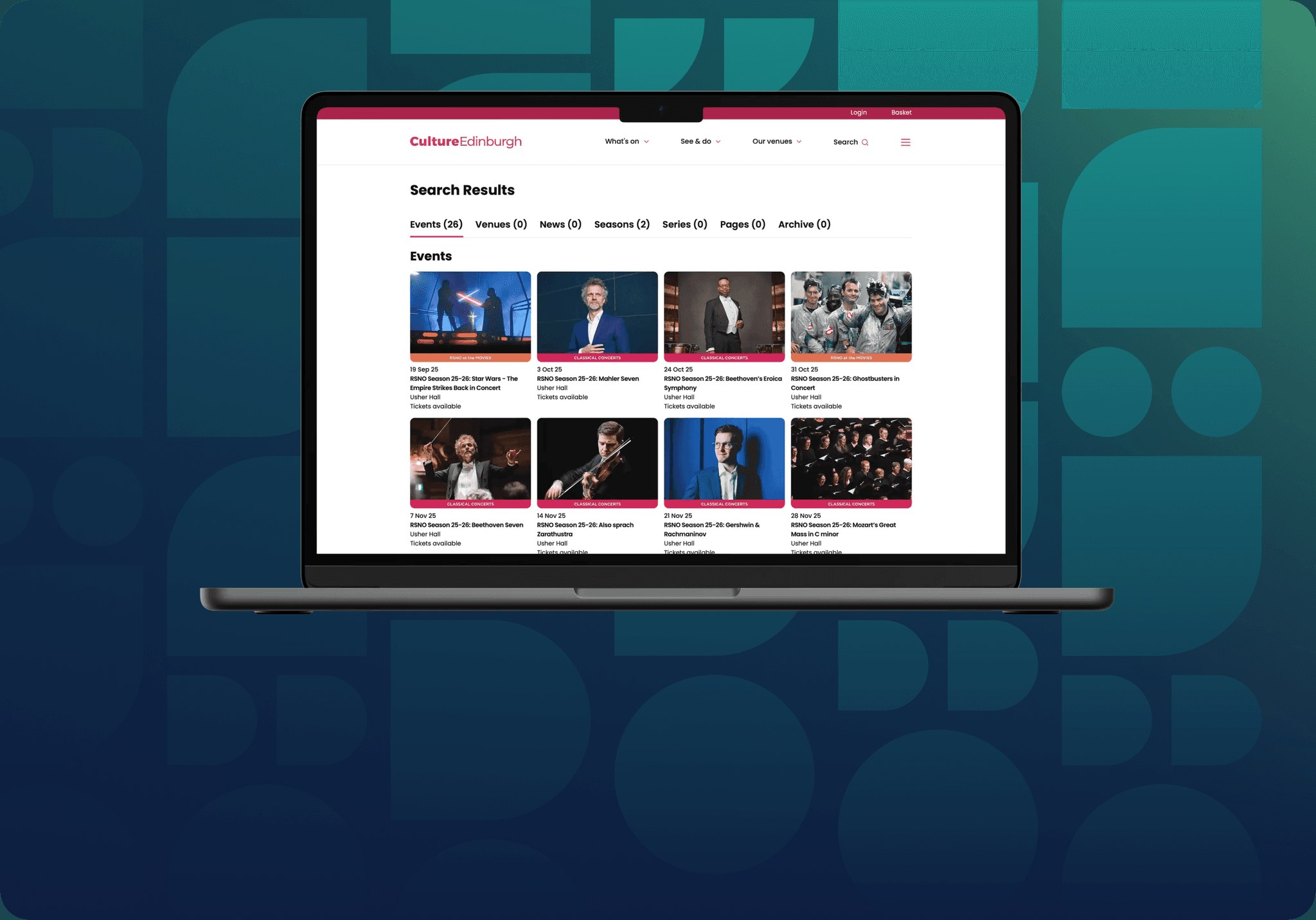 Web hosting & DevOps project 2
 Web hosting & DevOps project 2
 Web hosting & DevOps project 2
 Web hosting & DevOps project 2
 Web hosting & DevOps project 2
 Web hosting & DevOps project 2
 Web hosting & DevOps project 2