Wallpapering quotes
Wallpapering involves preparing walls, measuring and matching drops, then applying paper or wallcovering with suitable adhesive. It is appropriate when surfaces need a durable decorative finish, pattern, texture or protection, but success depends mainly on sound preparation, accurate alignment and choosing material suited to the room.
What this covers
A complete wallpapering service starts by inspecting the walls, existing covering and room conditions rather than applying paper immediately. Loose or layered wallpaper may be stripped, adhesive residue removed and damaged plaster filled. Cracks, dents and joints are sanded, then porous or stained areas may need sealing so adhesive does not dry unevenly or marks bleed through.
The installer measures walls, checks the roll width and pattern repeat, plans the starting point and cuts drops with enough allowance for trimming. Depending on the product, adhesive is applied to the wall or the reverse of the paper. Each length is positioned, smoothed to remove air and pressed into corners, around openings and beside fixed fittings. Seams are aligned without forcing them together, and excess material is trimmed with a sharp blade.
The finished scope may include removing old paper, lining walls, hanging decorative paper, applying paste-the-wall products, covering ceilings or feature walls, and making good minor surface damage. It normally excludes major plastering, damp repairs, electrical alterations and moving substantial furniture unless these are separately agreed.
How the work is done
The work normally begins with a room inspection. The tradesperson checks for loose paper, flaking paint, cracks, damp staining, friable plaster and obstacles such as radiators or fitted furniture. Furniture and floors are protected, and power may be isolated if fittings need safe temporary removal.
Existing wallcovering is stripped where necessary, with adhesive residue washed or scraped away. Small defects are filled and sanded; larger movement, damp or plaster failure should be dealt with before hanging. Porous surfaces may be sealed, and lining paper can be installed if the agreed finish requires it.
Next, the installer confirms roll direction, pattern repeat and the best starting point. Drops are measured and cut, adhesive is applied using the product's method, and each length is positioned, smoothed and trimmed. Seams, corners, sockets, architraves and window reveals receive particular attention.
Finally, the room is checked for lifting edges, bubbles, open seams and pattern drift. Surplus paste is removed carefully, waste is cleared and ventilation is managed so drying does not cause avoidable seam stress.
What affects the cost
Wallpapering costs are driven first by preparation. Stripping several layers, removing stubborn paste, repairing damaged plaster, sealing stains or hanging lining paper adds labour before the decorative covering is installed. Walls with cracks, loose surfaces or damp-related damage require separate investigation and may need another trade.
The wallcovering itself affects the quotation through roll price, width, pattern repeat, texture, weight and expected waste. A large repeat needs more careful matching and additional material. Ceilings, stairwells, alcoves, high walls and rooms with many windows or doors increase measuring, cutting and access work.
Other drivers include moving or protecting furniture, removing radiators or faceplates safely, disposing of old paper, supplying adhesive, and making good after stripping. Ask whether the figure includes materials, surface preparation, protection, cleanup and return visits for agreed snags. A useful quotation separates included preparation from exclusions, so a low initial figure does not hide repairs that become necessary once old paper is removed.
Before you hire
Wallpapering competence shows in the preparation plan as much as in the finished pattern. Look for someone who tests whether old paper will release cleanly, identifies porous plaster or damp staining, calculates pattern repeat and explains the proposed starting point. They should know when lining paper is appropriate and when it would merely conceal movement.
For the completed work, inspect sample seams, corners, sockets and window reveals rather than judging only a broad wall. The quotation should name the product, adhesive method, preparation included, waste treatment and exclusions. A careful installer also follows the wallcovering manufacturer's hanging and cleaning instructions instead of relying on one method for every paper.
Recent work
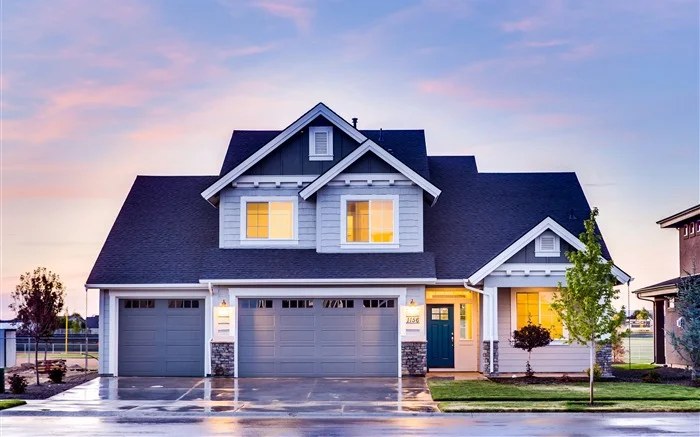 Painting & decorating project 1
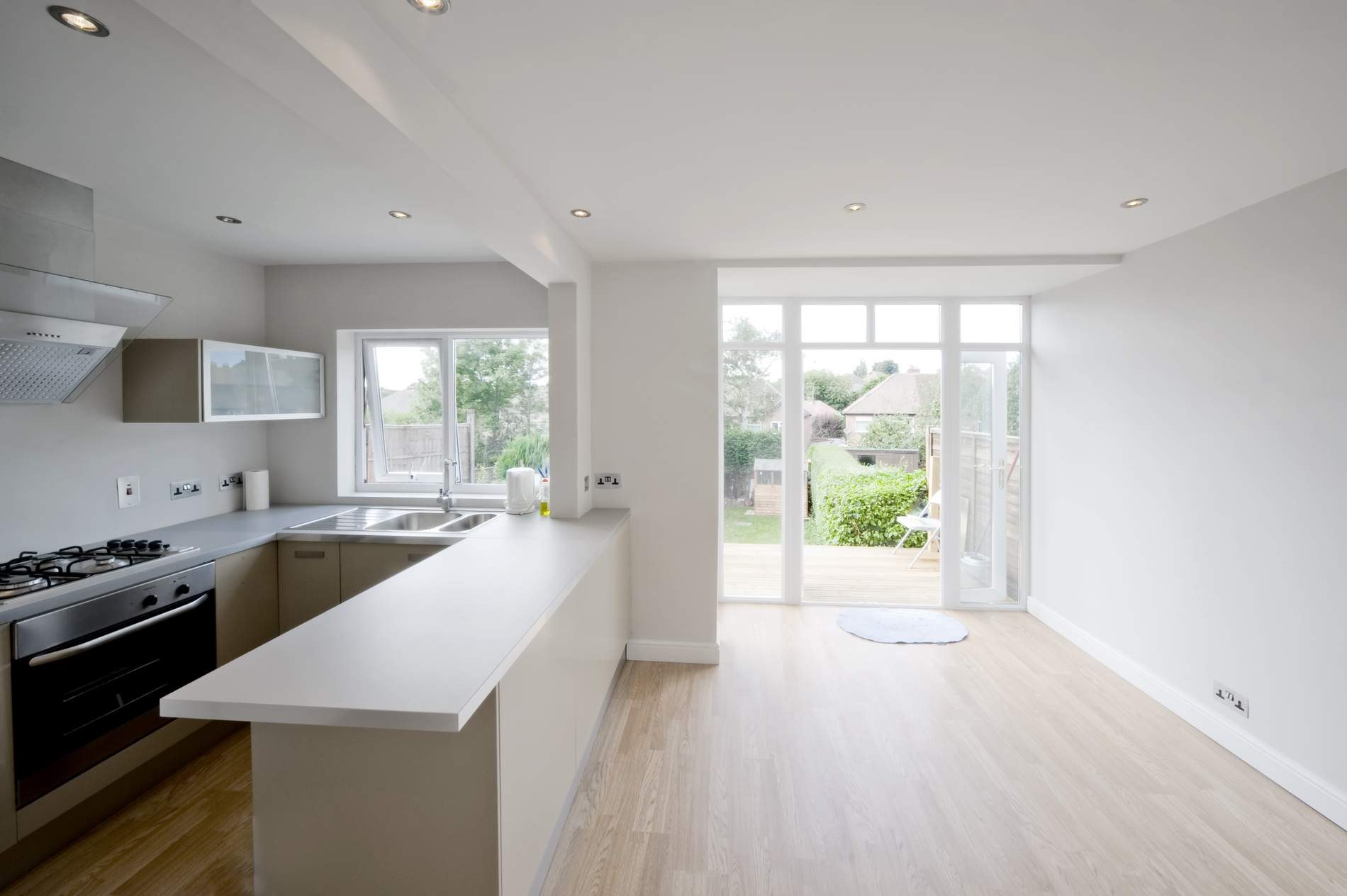 Painting & decorating project 1
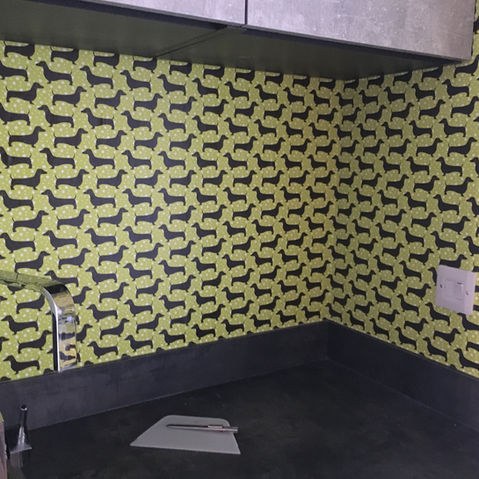 Painting & decorating project 1
 Painting & decorating project 1
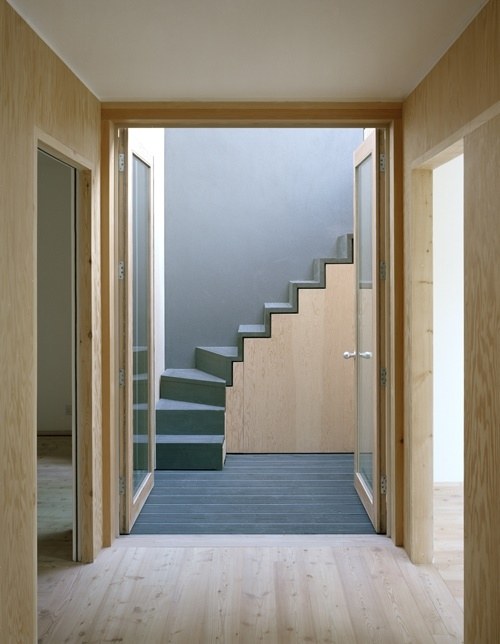 Painting & decorating project 2
 Painting & decorating project 2
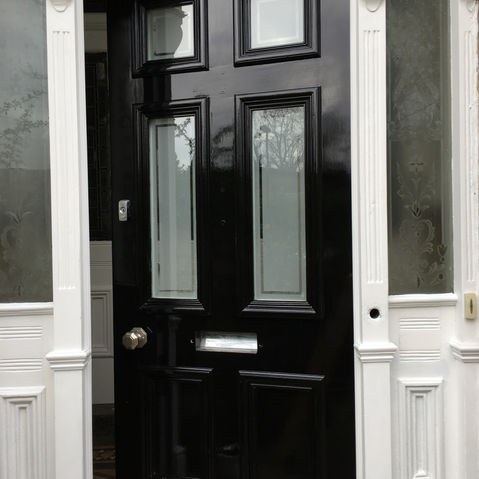 Painting & decorating project 2
 Painting & decorating project 2
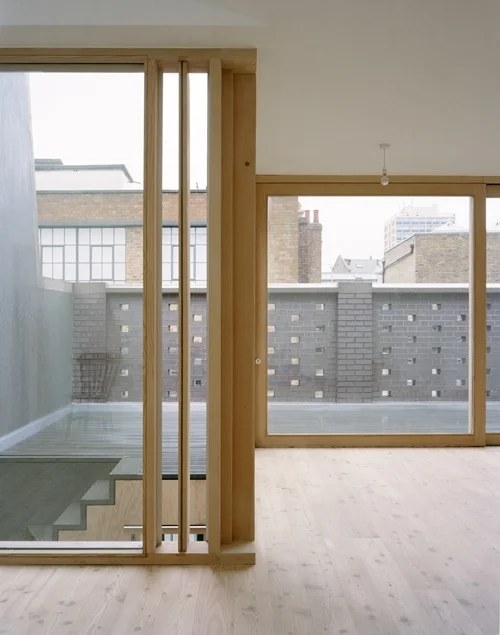 Painting & decorating project 3
 Painting & decorating project 3
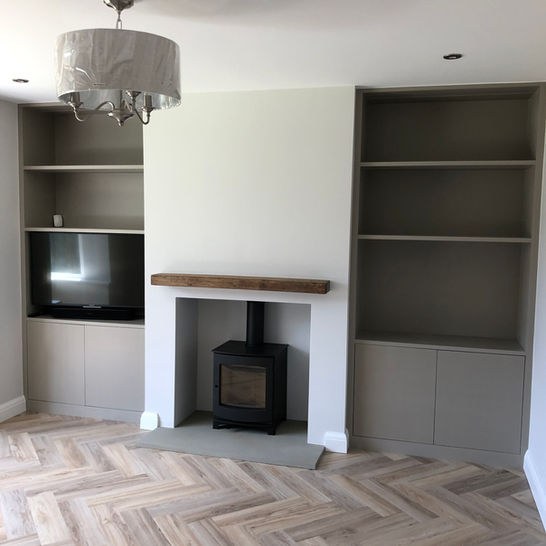 Painting & decorating project 3
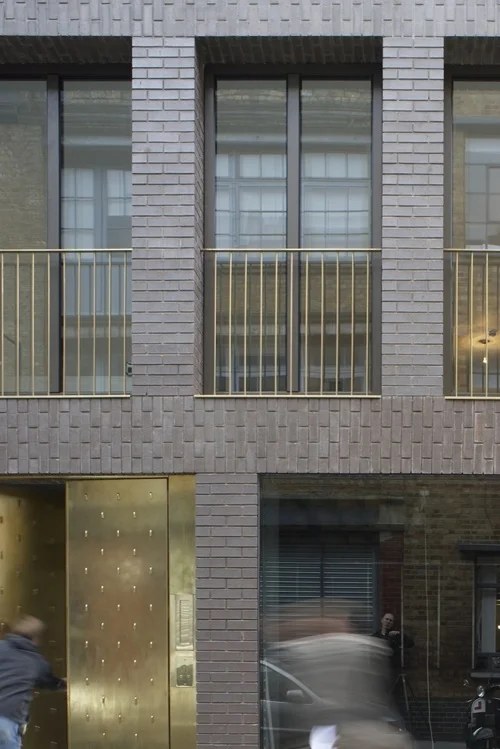 Painting & decorating project 4
 Painting & decorating project 4
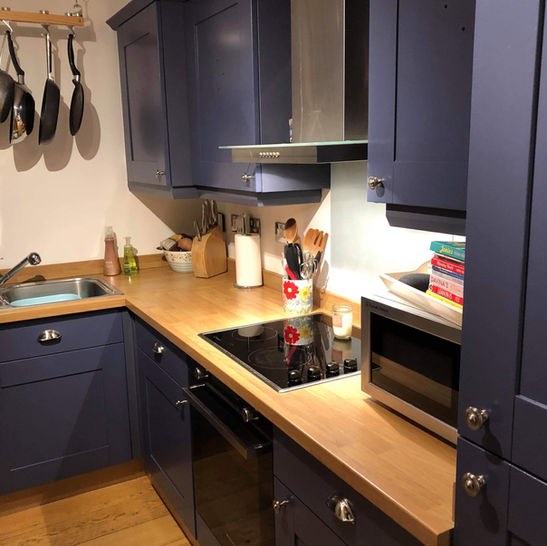 Painting & decorating project 4