Tree surgery & arborists quotes
Arrange tree surgery when dead limbs, structural defects, excessive growth, storm damage or roots threaten people, buildings, access or healthy trees. An arborist assesses the tree first, then may prune, reduce, dismantle or remove it using controlled cuts, climbing equipment and suitable grounds protection.
What this covers
The work starts with identifying the tree, its defects and the target outcome: safer clearance from a roof, removal of deadwood, improved structure, controlled growth or complete removal. An arborist inspects the trunk, unions, root flare and canopy, looking for decay, cavities, fungal fruiting bodies, cracks, included bark, dead branches and signs of root disturbance. They then choose climbing, mobile elevated access equipment or sectional dismantling according to access and loading risks.
Pruning may include deadwood removal, crown lifting, selective reduction or formative cuts. Each cut should have a stated purpose and avoid unnecessary removal of live growth. A dismantled tree is cut into manageable sections and lowered or directed into a controlled landing area, rather than allowed to fall across a garden or structure. Removal may include cutting the stem to a low stump, with grinding considered separately. The service can also include branch chipping, timber processing and removal, but these inclusions must be clear in the quotation.
How the work is done
The arborist first discusses the concern and inspects the tree from ground level, including its surroundings, access route and likely drop zones. They identify defects, confirm the work required and note obstacles such as conservatories, fences, parked vehicles, play equipment, public paths or overhead services.
The crew then plans climbing, rope access, a mobile elevated work platform or sectional dismantling. They establish a controlled work area, protect vulnerable surfaces and arrange suitable pedestrian or vehicle management where necessary. A climber removes small branches first, then larger limbs, using lowering ropes when dropping material would damage property. For reduction or lifting, cuts are distributed through the crown rather than taken from one side without a structural reason.
The main stem is dismantled in sections if removal is required. Ground staff process branches, stack agreed timber, load waste and rake the work area. The final check covers remaining hazards, stump height, access routes and any agreed making-good. The customer should receive a clear record of what was completed and any defects needing later monitoring.
What affects the cost
The cost of tree surgery is driven by the tree itself and the controls needed around it, not simply by its height. Species, stem diameter, crown spread, decay, multiple trunks and the position of weak unions affect how safely branches can be cut and lowered. A tree beside a roof, wall, public path, road, greenhouse or overhead service requires more protection and tighter control than one in open ground.
Access is another major driver. Narrow gates, steps, soft lawns, steep slopes and limited vehicle space can prevent machinery use and increase manual handling. A mobile elevated work platform, traffic management, additional ground staff or specialist rigging may alter the scope. Pricing can also change according to whether the work is pruning, sectional removal, stump grinding, emergency response, or work requiring a climbing inspection first.
Check that the quotation states the exact trees, cuts, stump height, waste handling, timber retention, site protection, access arrangements and any follow-up inspection. Clarify exclusions such as utility-company work, repeated visits, permissions and repairs to surfaces or fencing.
Before you hire
Job-specific competence shows in the inspection and the proposed method, not merely in ownership of a chainsaw. Look for an arborist who identifies defects by location, explains why climbing, a platform or rigging is suitable, and accounts for target areas beneath the crown. The written scope should distinguish deadwood removal, reduction, lifting, dismantling and stump work. During the job, competent ground staff maintain an exclusion zone, communicate with the climber, control lowered sections and protect retained trees, paving and structures. Ask how waste will be processed and what condition the site will be left in.
Recent work
 Tree surgery & arborists project 1
 Tree surgery & arborists project 1
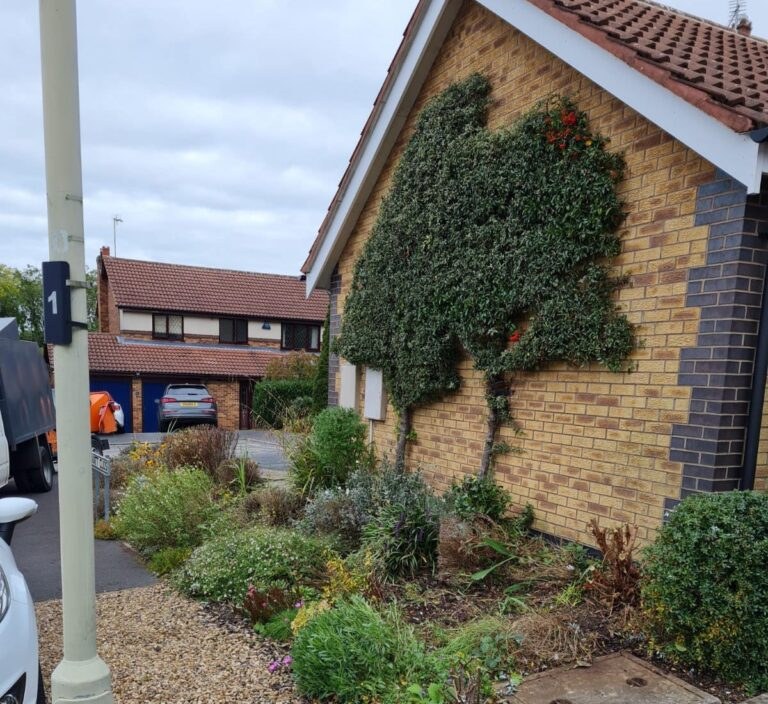 Tree surgery & arborists project 1
 Tree surgery & arborists project 1
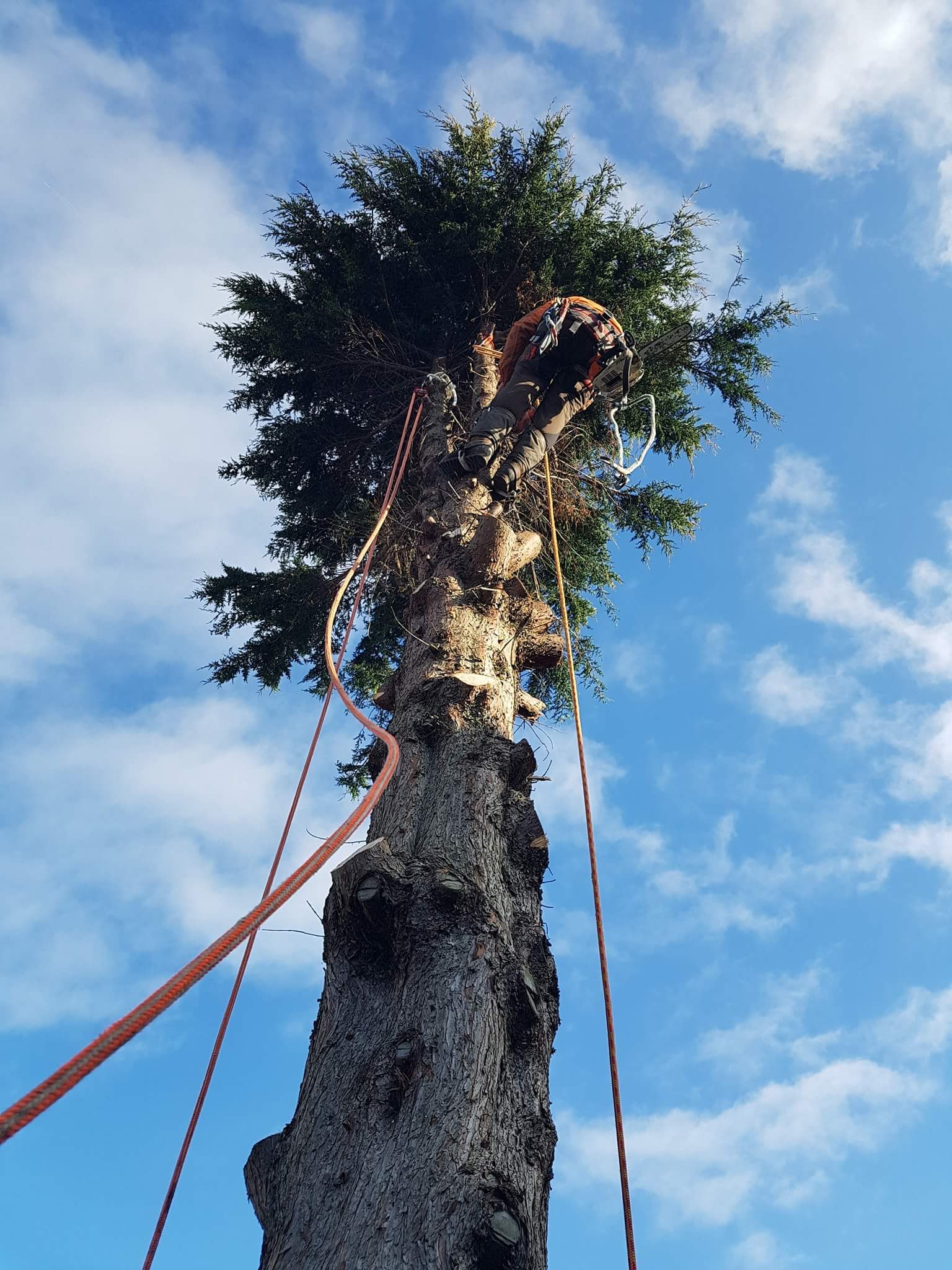 Tree surgery & arborists project 1
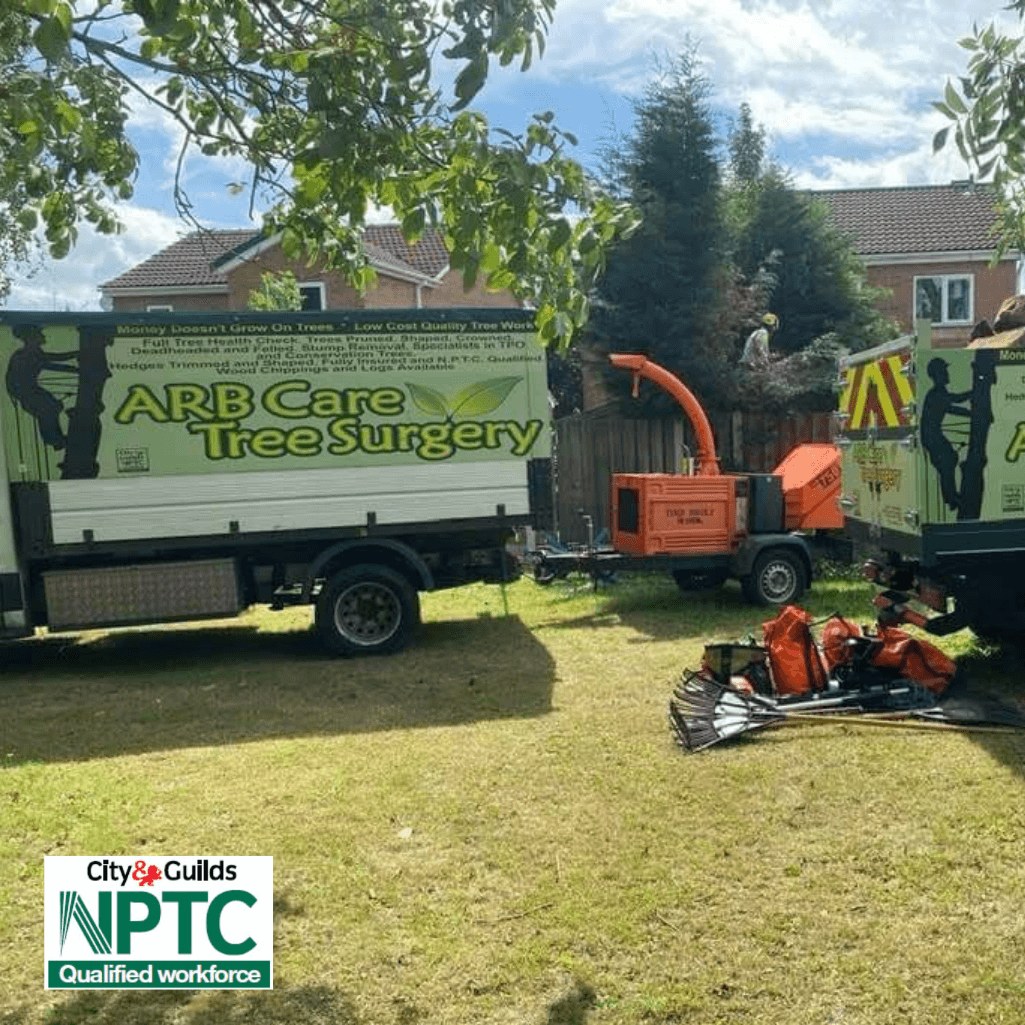 Tree surgery & arborists project 1
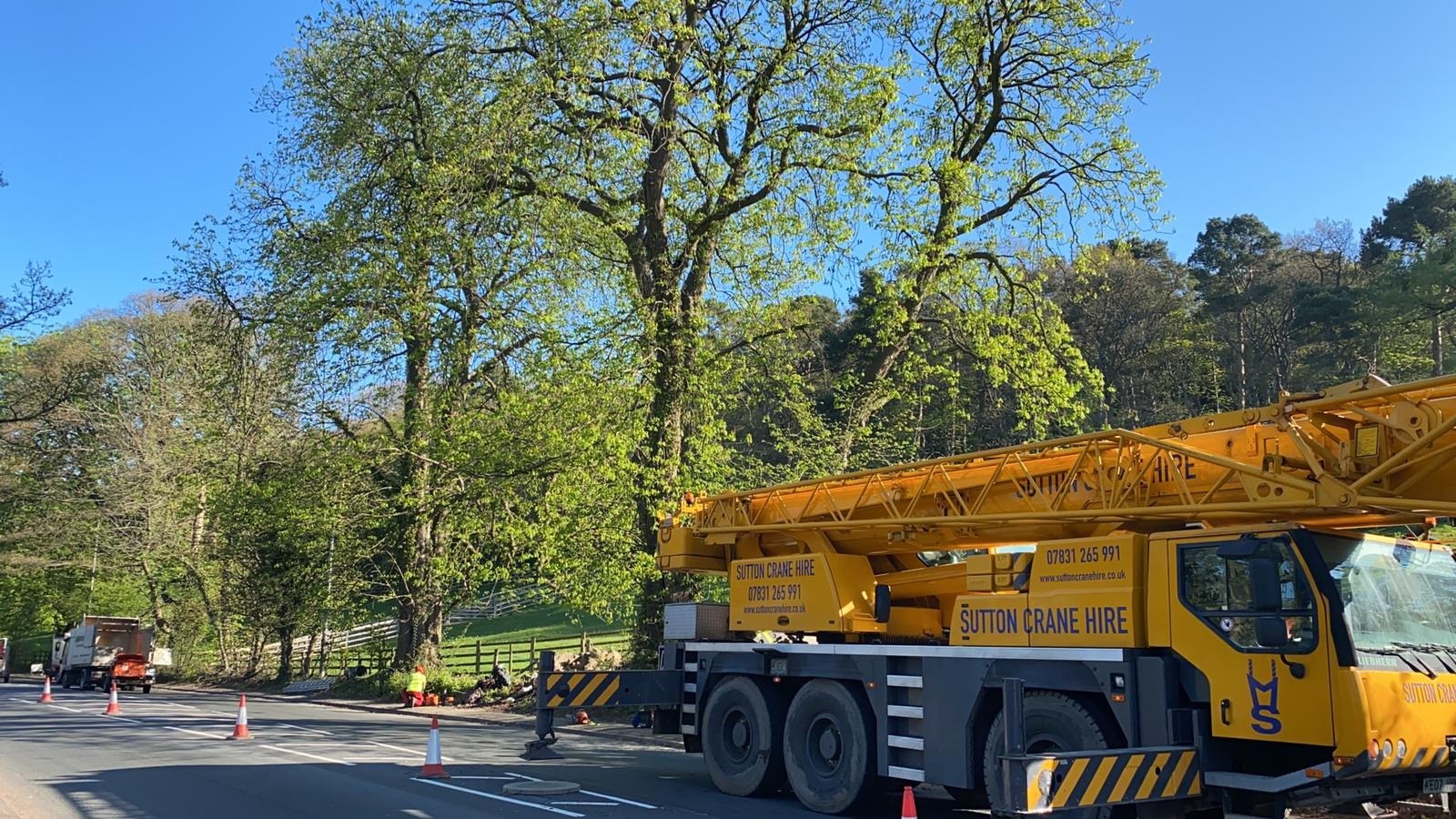 Tree surgery & arborists project 1
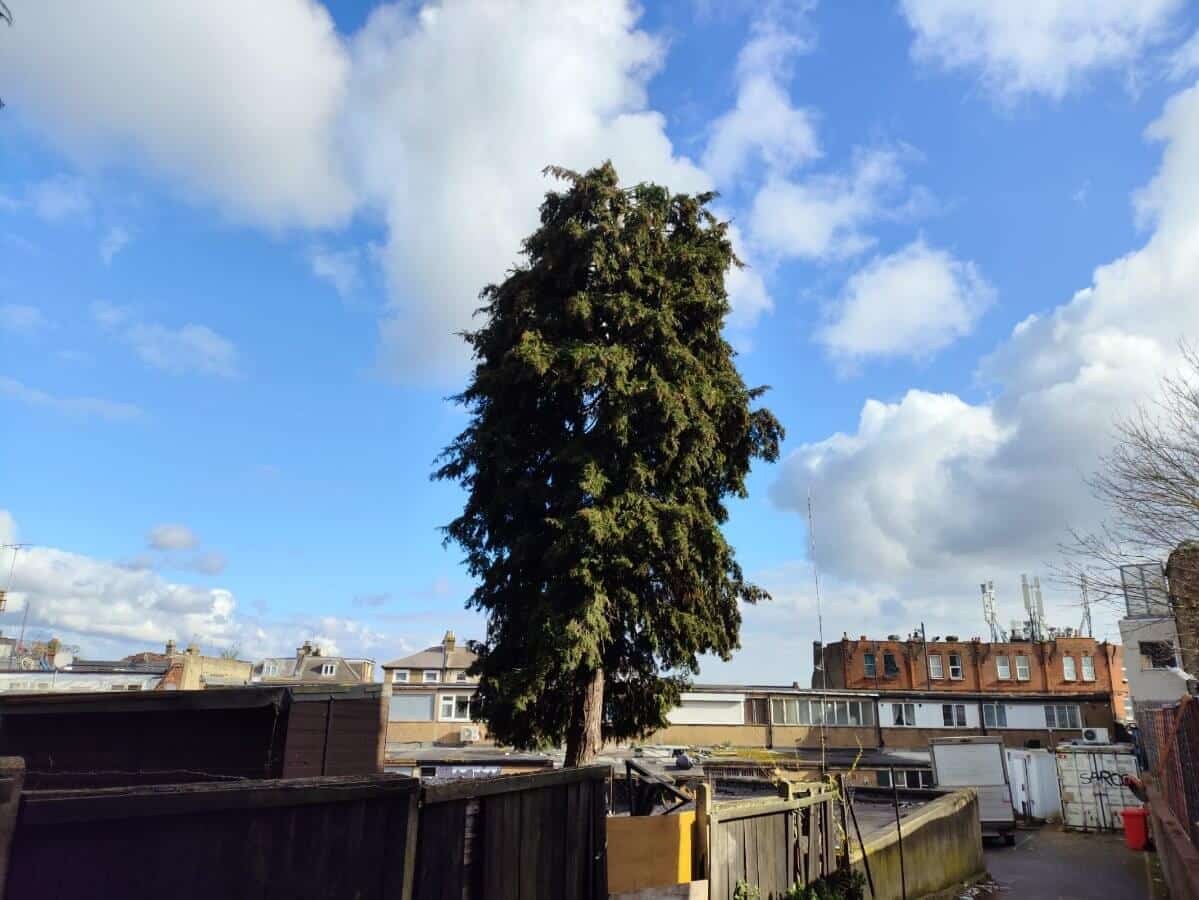 Tree surgery & arborists project 1
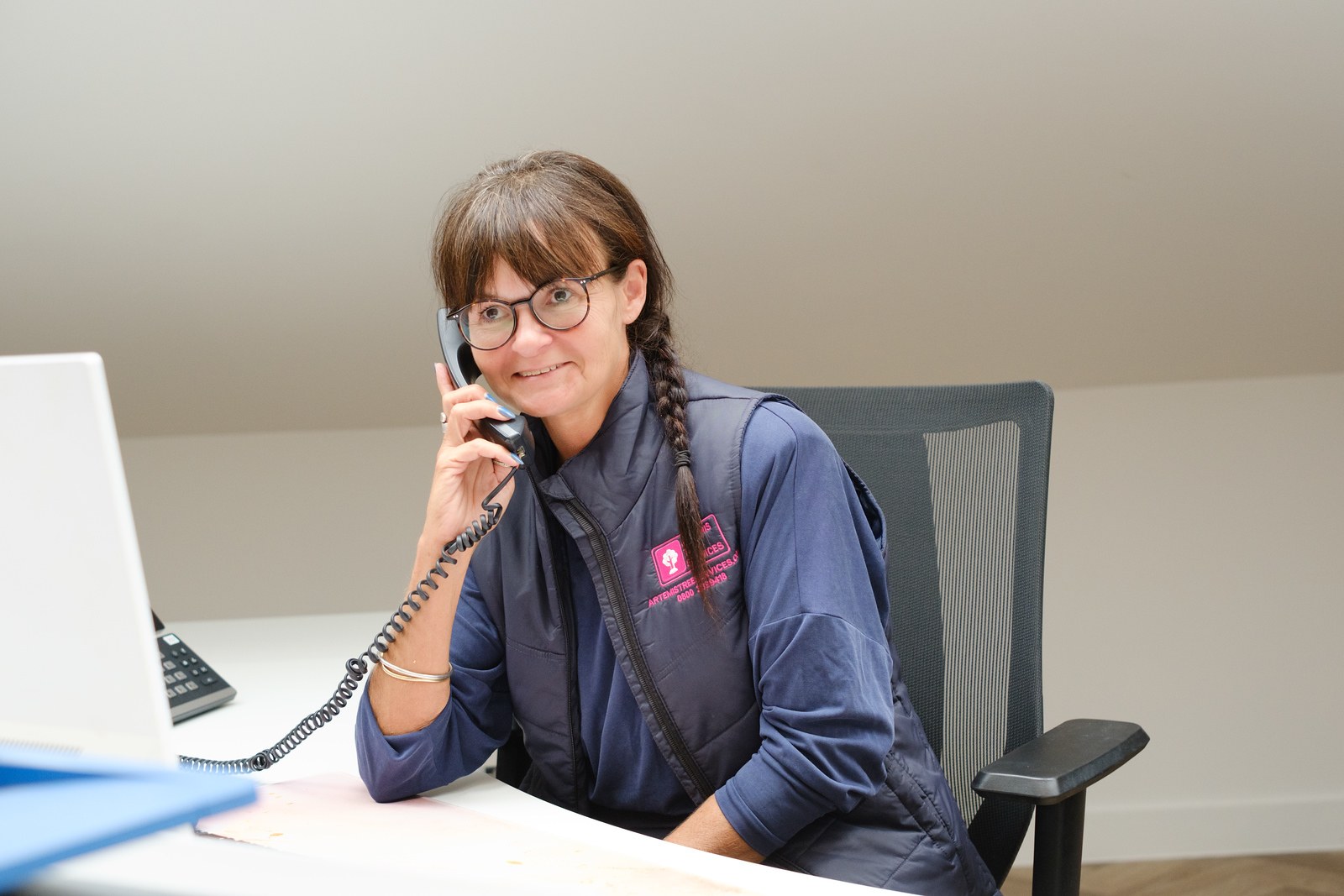 Tree surgery & arborists project 1
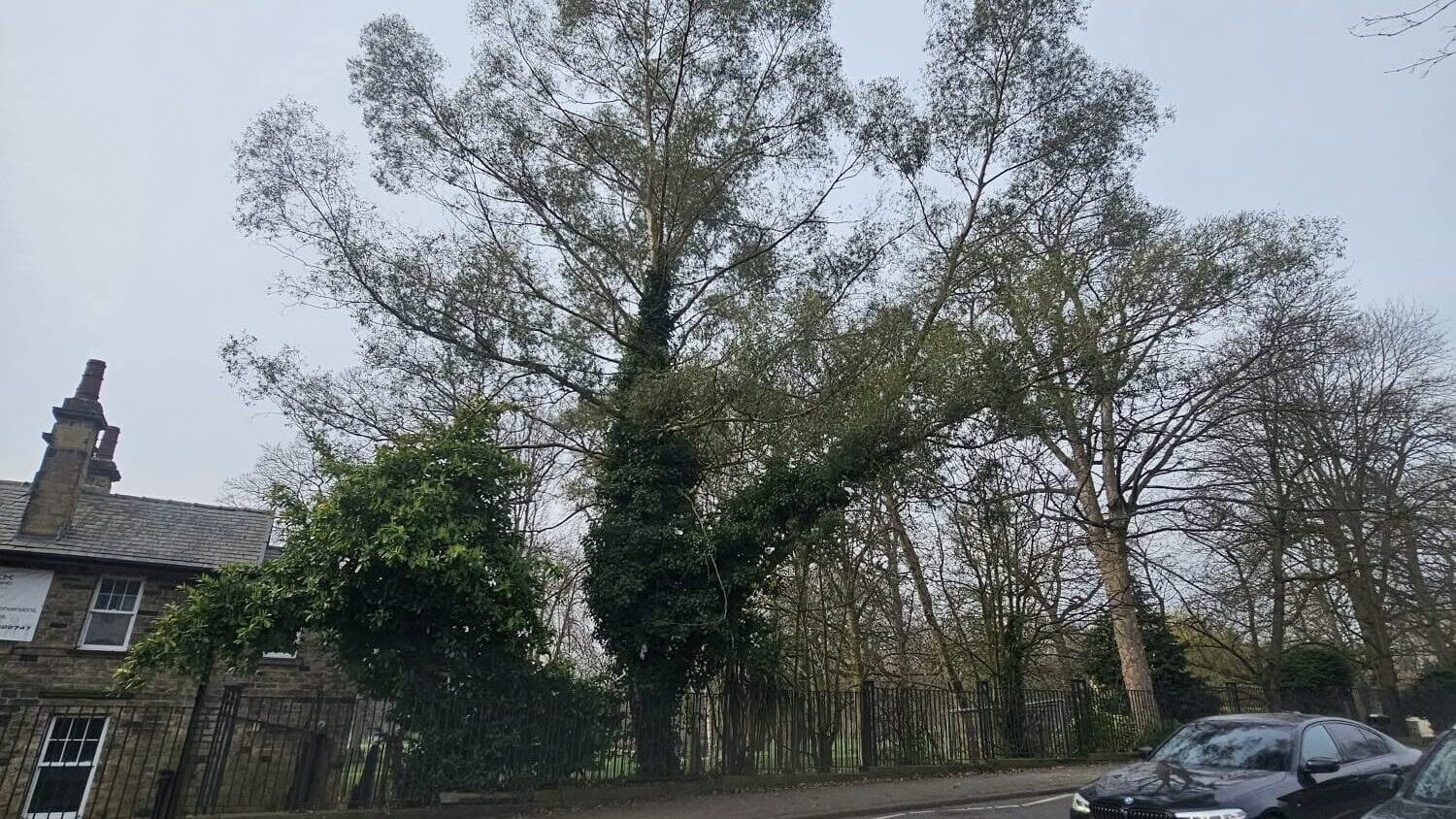 Large eucalyptus tree beside the road near Potternewton Park in Leeds before removal
 Tree surgery & arborists project 2
 Tree surgery & arborists project 2
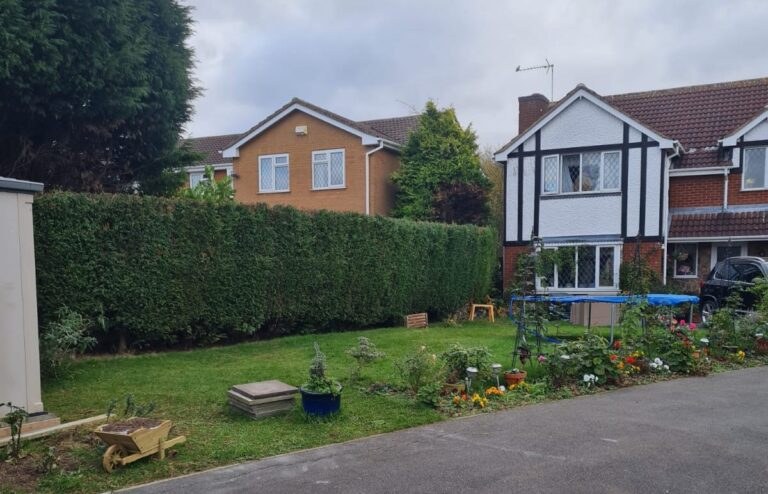 Tree surgery & arborists project 2
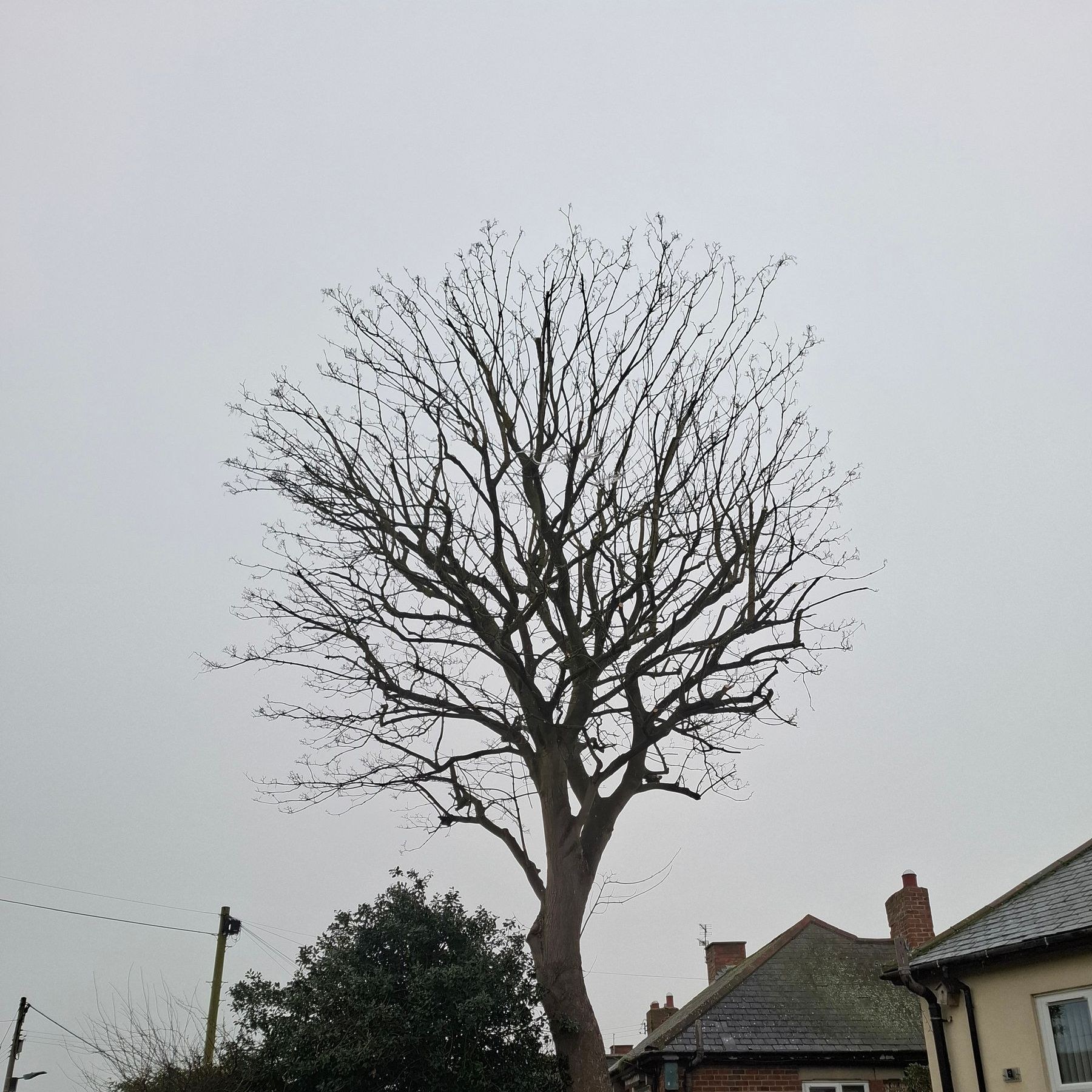 Tree surgery & arborists project 2
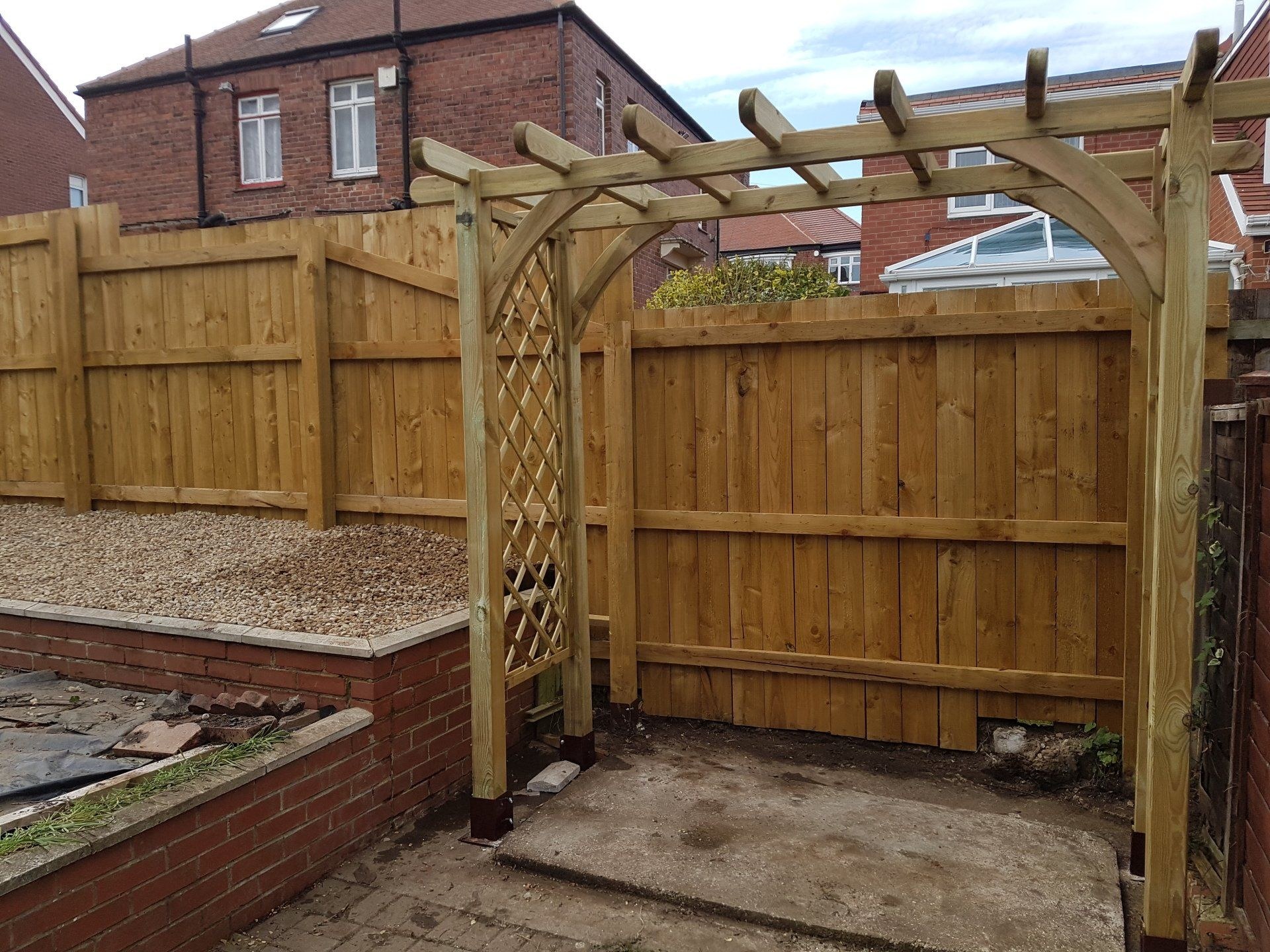 Tree surgery & arborists project 2
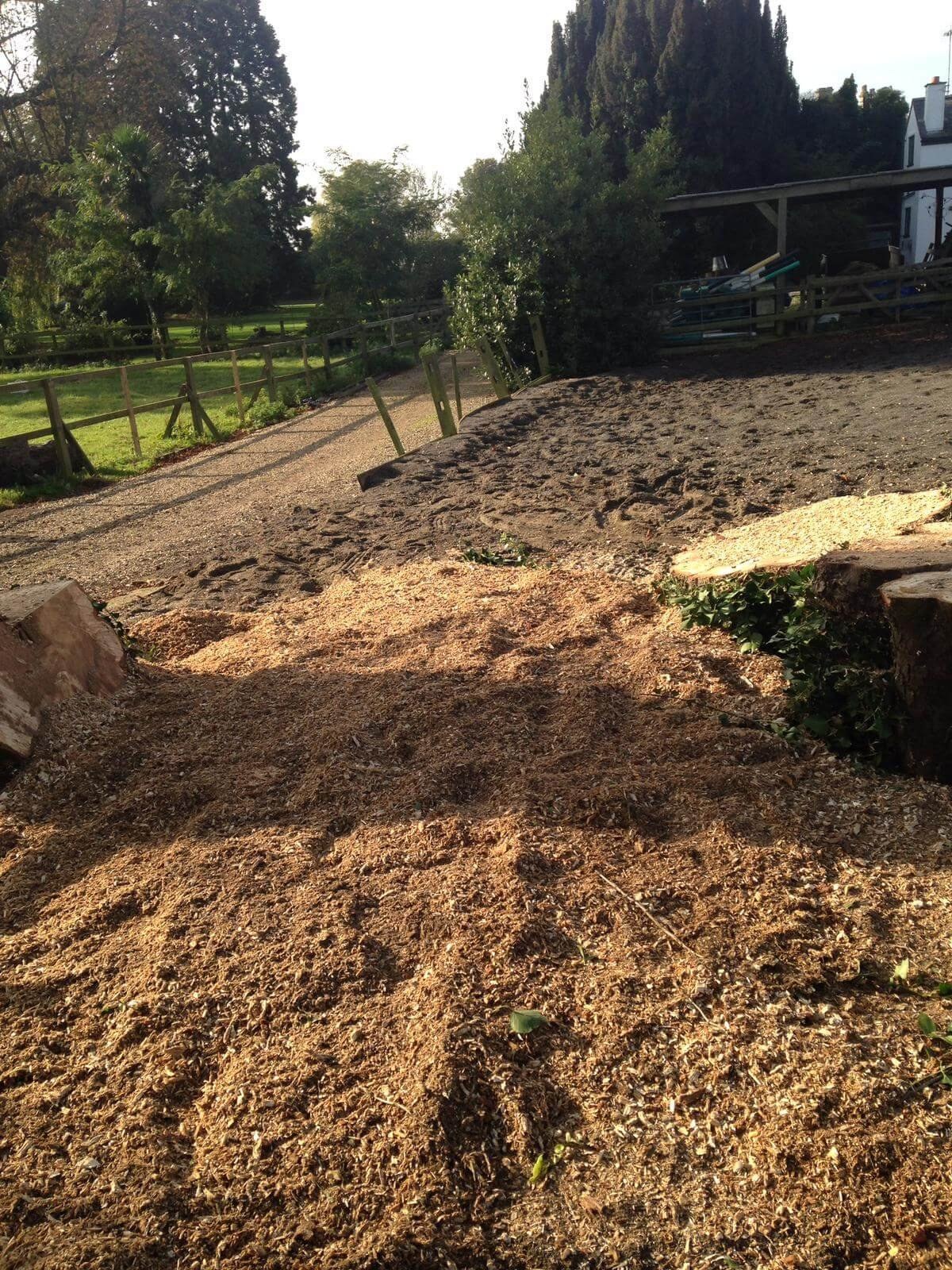 Tree surgery & arborists project 2