Taps, sinks and basins quotes
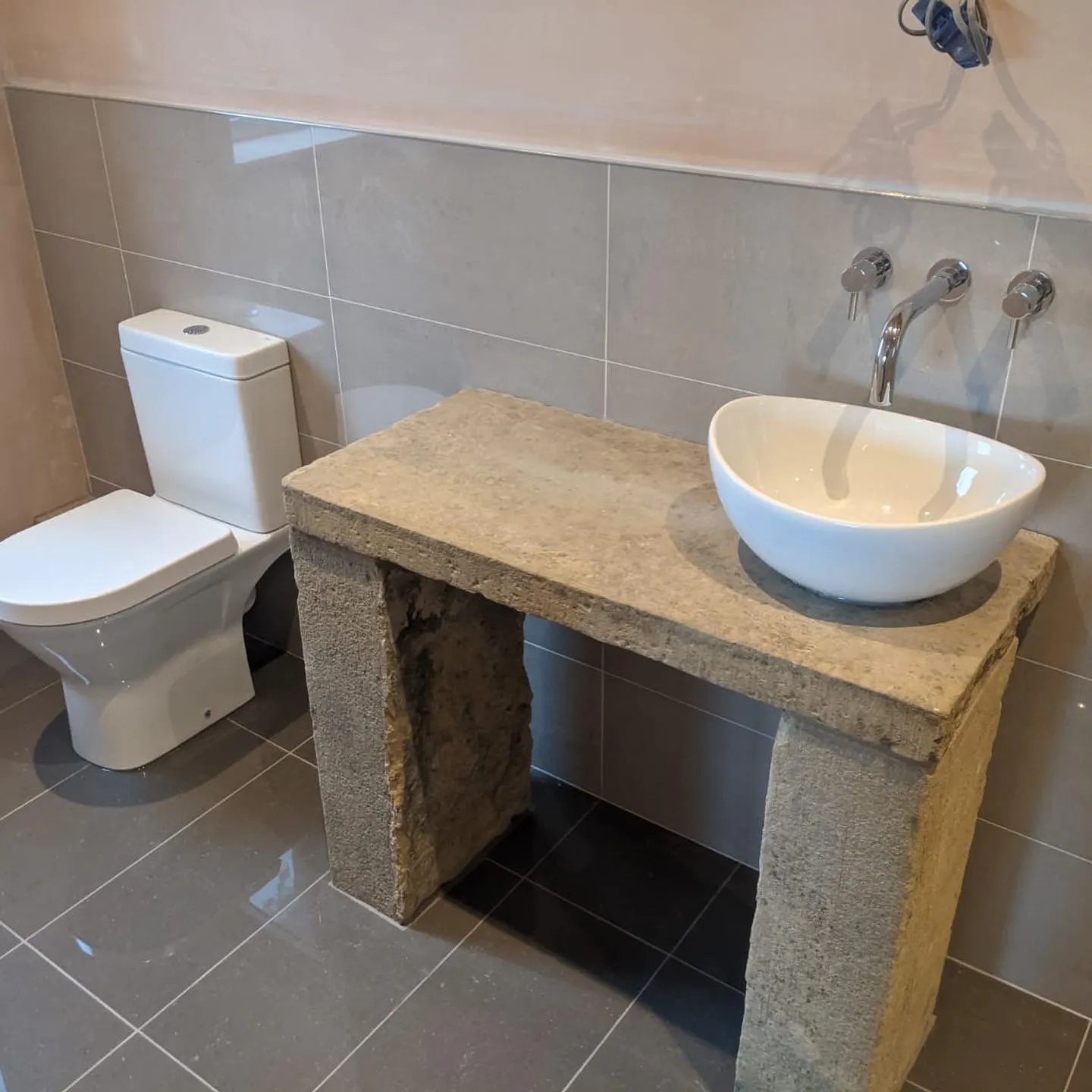
A plumber repairs or replaces leaking, damaged or poorly fitting taps, sinks and basins, including waste connections, traps, isolation valves and sealant. The work resolves drips, slow drainage, movement, staining and hygiene problems, while checking that the new fitting suits existing pipework and the room’s available space.
What this covers
The job starts with identifying the failure and checking how the fitting connects to the supply and waste. A tradesperson may inspect tap cartridges, flexible hoses, compression joints, waste seals, traps, overflow routes, brackets and the supporting worktop or wall. They then isolate the relevant water supply, drain residual water and protect cabinets, flooring and sanitaryware before removal.
Installation can mean replacing a tap alone, fitting a new sink or basin, renewing the waste assembly, or correcting pipework that has been cut, strained or poorly aligned. The opening must support the chosen fitting, and the waste must fall sufficiently to discharge without persistent standing water. Sealant, clips, brackets and washers are fitted according to the manufacturer’s instructions rather than relying on excess silicone to conceal movement.
The finished work includes reconnecting supplies, checking hot and cold operation, filling and emptying the bowl, inspecting joints for seepage and confirming that doors, drawers and access panels still work. If the property has unusual water pressure, an unvented cylinder or restricted access, those conditions influence the suitable fitting and method.
How the work is done
First, the tradesperson identifies the symptom, checks the fitting’s dimensions and examines visible supplies, wastework, supports and surrounding damage. They confirm where water can be isolated and protect nearby surfaces before disconnecting the tap or removing the sink or basin.
The supply is isolated and the fitting drained. Existing clips, brackets, sealant, trap and waste parts are removed carefully so the worktop, wall tiles and cabinet are not unnecessarily damaged. Any failed valves, corroded connectors, distorted pipework or weakened supports are identified before the replacement is committed.
The new fitting is dry-fitted to verify hole positions, clearance and alignment. The waste, overflow and trap are assembled, then supplies are connected without cross-threading or forcing pipes into position. The fitting is secured mechanically, with sealant used at the correct interface rather than as structural support.
Finally, water is restored gradually. The tap is run through hot and cold settings, the bowl is filled and emptied, and every joint is inspected both under flow and afterwards. The area is cleaned, removed materials are dealt with as agreed, and any access panels are left usable.
What affects the cost
The main cost drivers are the fitting selected, the amount of pipework alteration and how easily the connections can be reached. A direct replacement with matching hole positions is usually less involved than moving a sink, enlarging a worktop cut-out or converting a basin to wall-mounted supplies.
Access adds work where cabinets, drawers, tiled panels or boxing conceal the trap and valves. Corroded fixings, seized isolation valves, contaminated wastework, damaged worktops and damp cabinet bases can turn removal into repair and making-good. Solid-surface, stone or thick worktops may require specialist cutting, while heavy sinks need stronger support.
A clear quotation should distinguish the fitting, valves, waste and trap from labour, disposal, access equipment, carpentry, tiling and decoration. It should also state whether concealed defects are excluded, how additional work is authorised and what testing follows. Plumbing changes associated with hot-water systems may require relevant competence, particularly around unvented cylinders.
Before you hire
For this job, useful competence is visible in the inspection rather than in broad claims. The tradesperson should identify the existing connection sizes, check support and waste alignment, protect finished surfaces during removal and test the completed installation under both supply pressure and discharge flow. They should understand the implications of WRAS-compatible fittings where potable-water connections are involved.
Ask how concealed valves, traps and hoses will remain accessible, what happens if the worktop or cabinet is damaged during removal, and which making-good tasks are included. If the work affects an unvented cylinder or its connected hot-water arrangement, confirm that the person undertaking that part has the relevant qualification.
Recent work
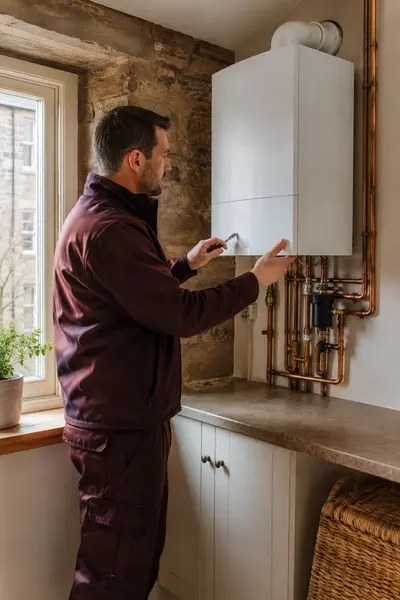 Plumbing & heating project 1
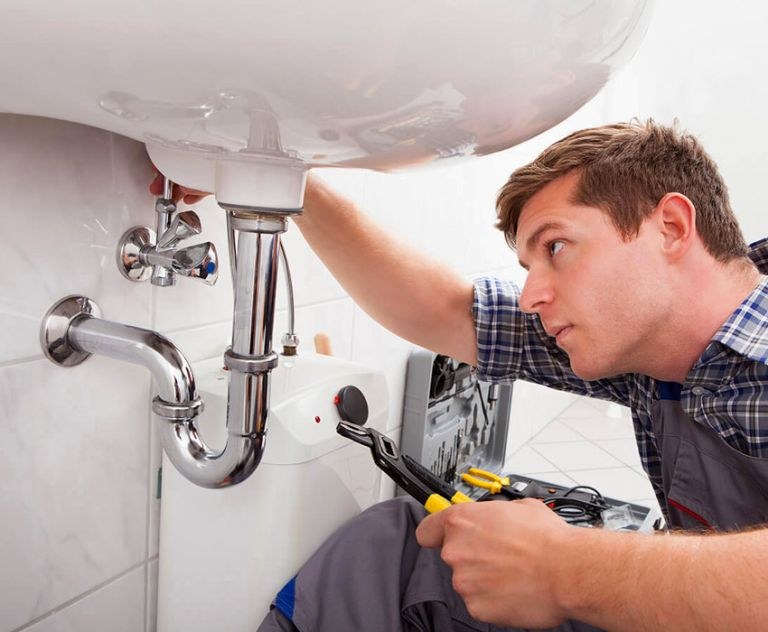 Plumbing & heating project 1
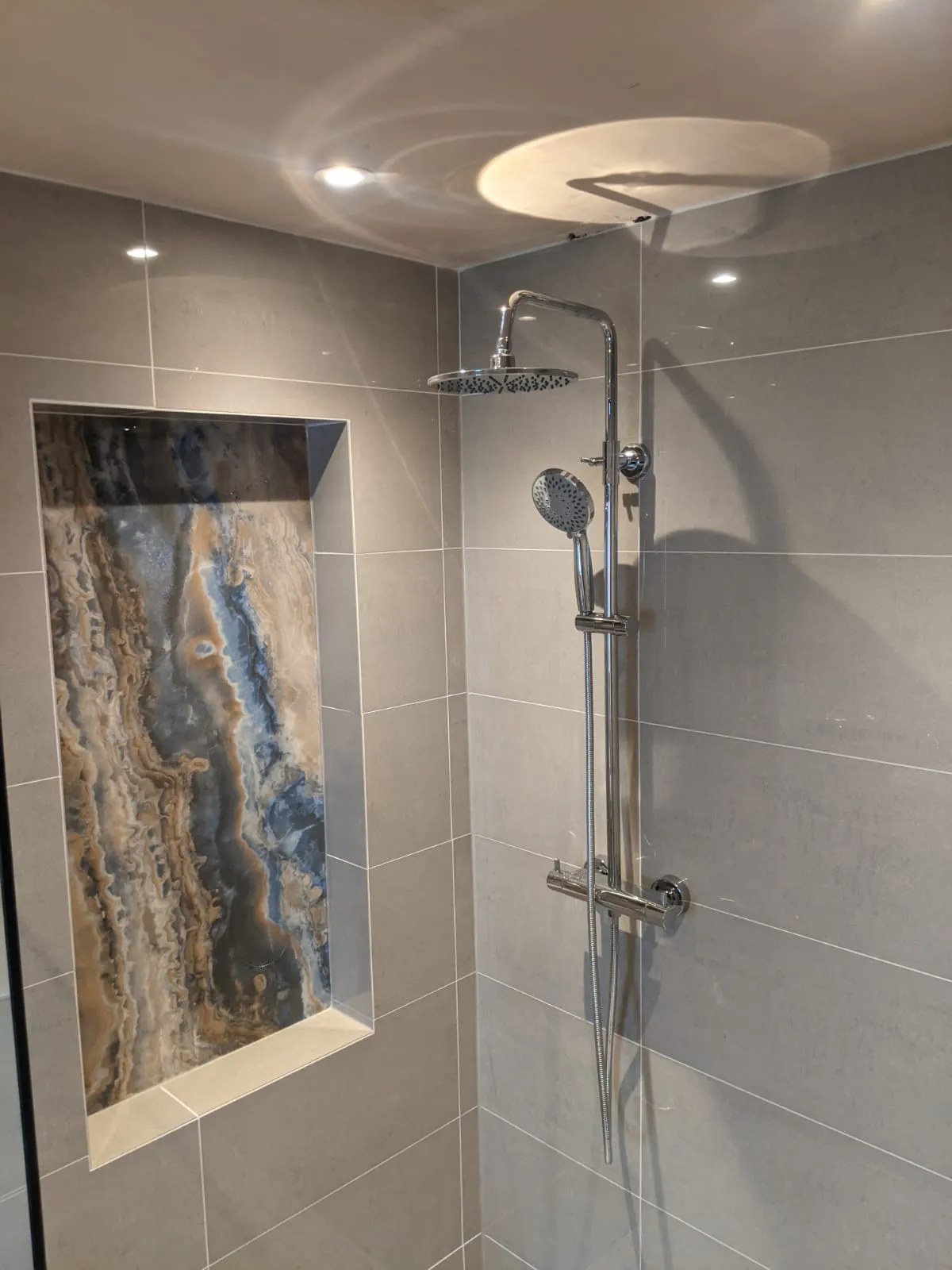 Plumbing and heating installation
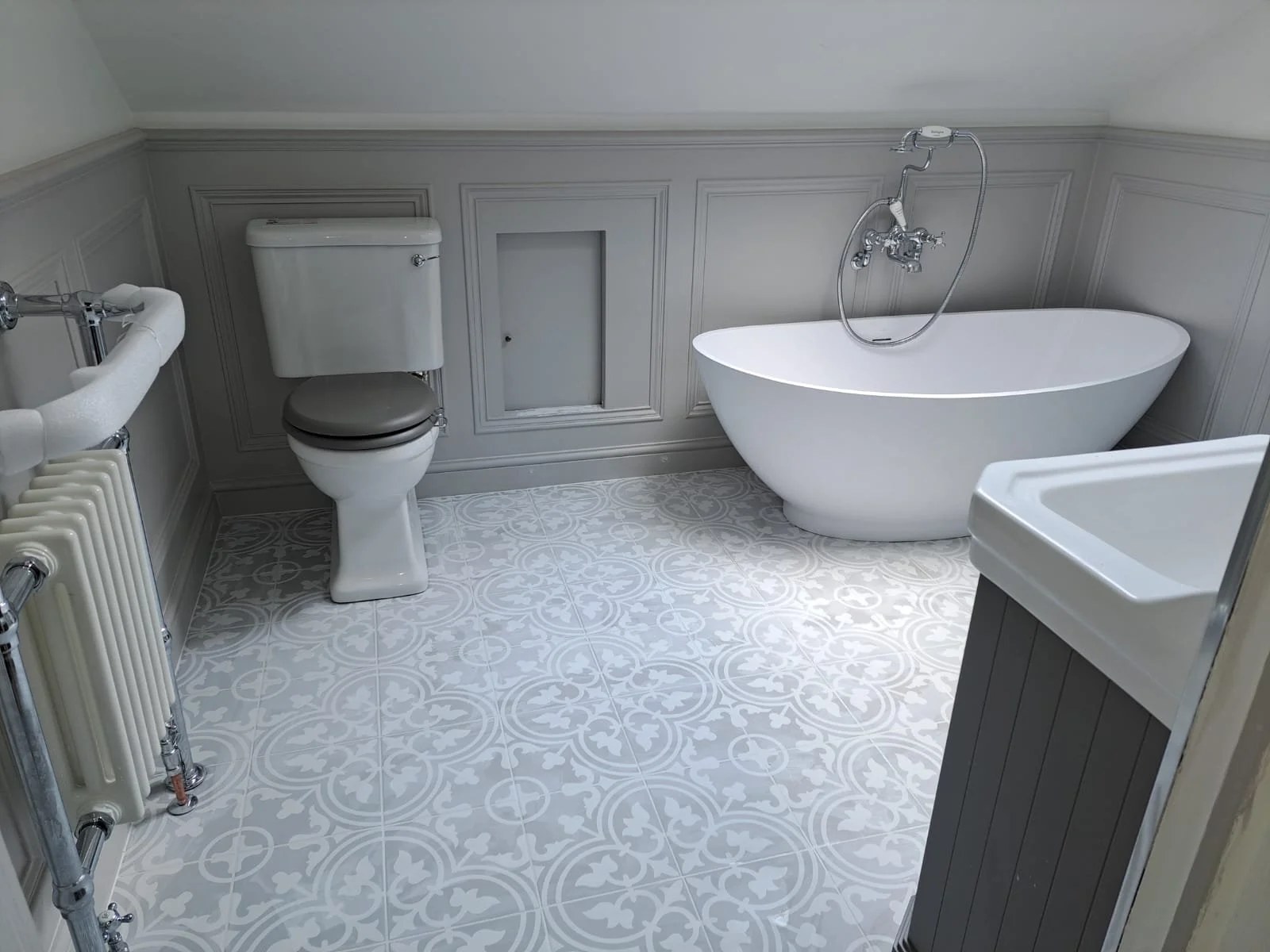 Plumbing and heating installation
 Plumbing & heating project 2
 Plumbing & heating project 2
 Plumbing and heating installation
 Plumbing and heating installation
 Plumbing & heating project 3
 Plumbing and heating installation
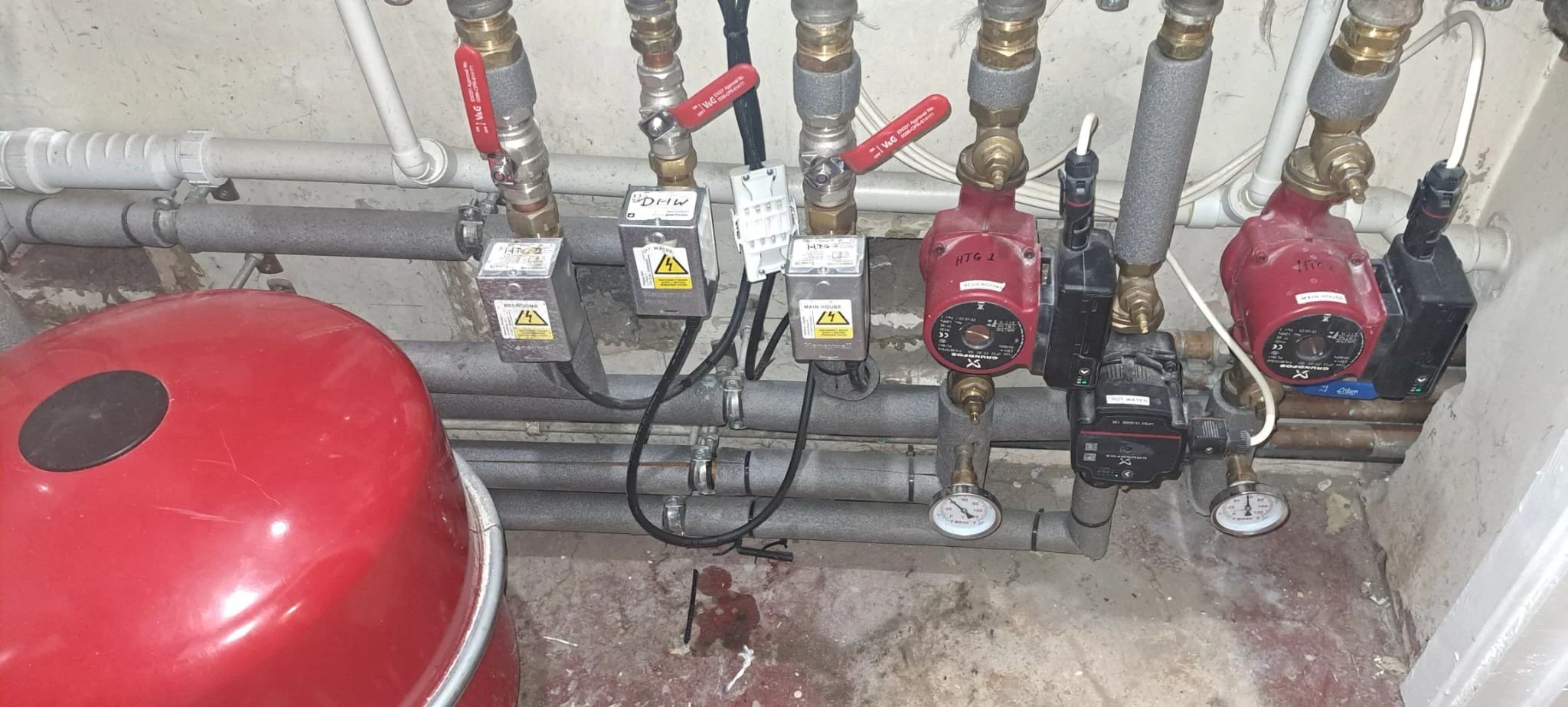 Plumbing and heating installation
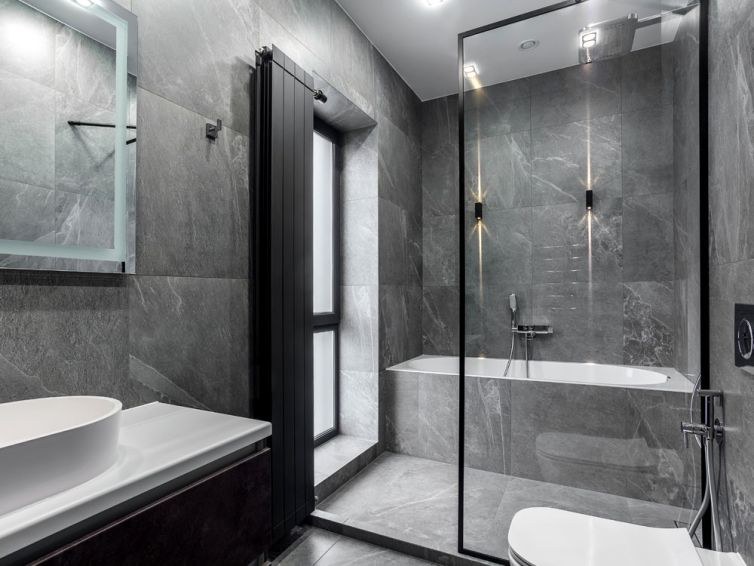 Plumbing & heating project 4
 Plumbing and heating installation