Storage and move quotes
Storage and move services pack, protect, transport and temporarily store household belongings during a house move. They help when completion dates do not align, a property is not ready, access is restricted or furniture needs secure handling between homes, reducing damage, congestion and rushed decisions.
What this covers
The service covers the controlled movement of possessions from one property into a vehicle, storage facility or new home, with protection and records maintained through each handover. A provider may supply cartons and wrapping, pack rooms or selected items, dismantle beds and wardrobes, label boxes, photograph vulnerable goods and record the condition of furniture before loading.
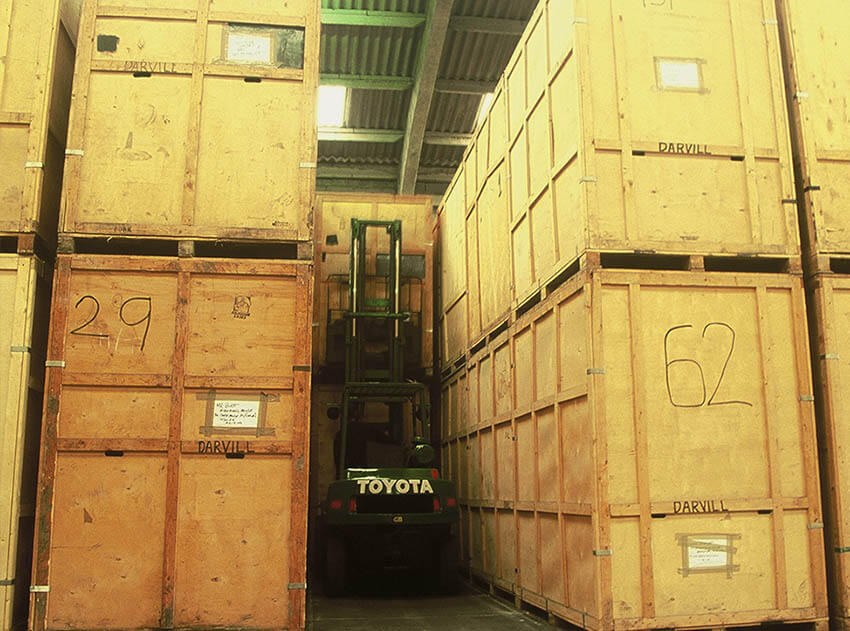
The physical work starts with an access assessment. Narrow hallways, steep stairs, lifts, long carrying distances, parking restrictions and fragile surfaces affect the equipment and crew required. Items are then grouped by destination or storage requirement, wrapped according to material and loaded to prevent movement. Storage may be short-term or extend across a gap between occupation dates, renovation work or delayed access.
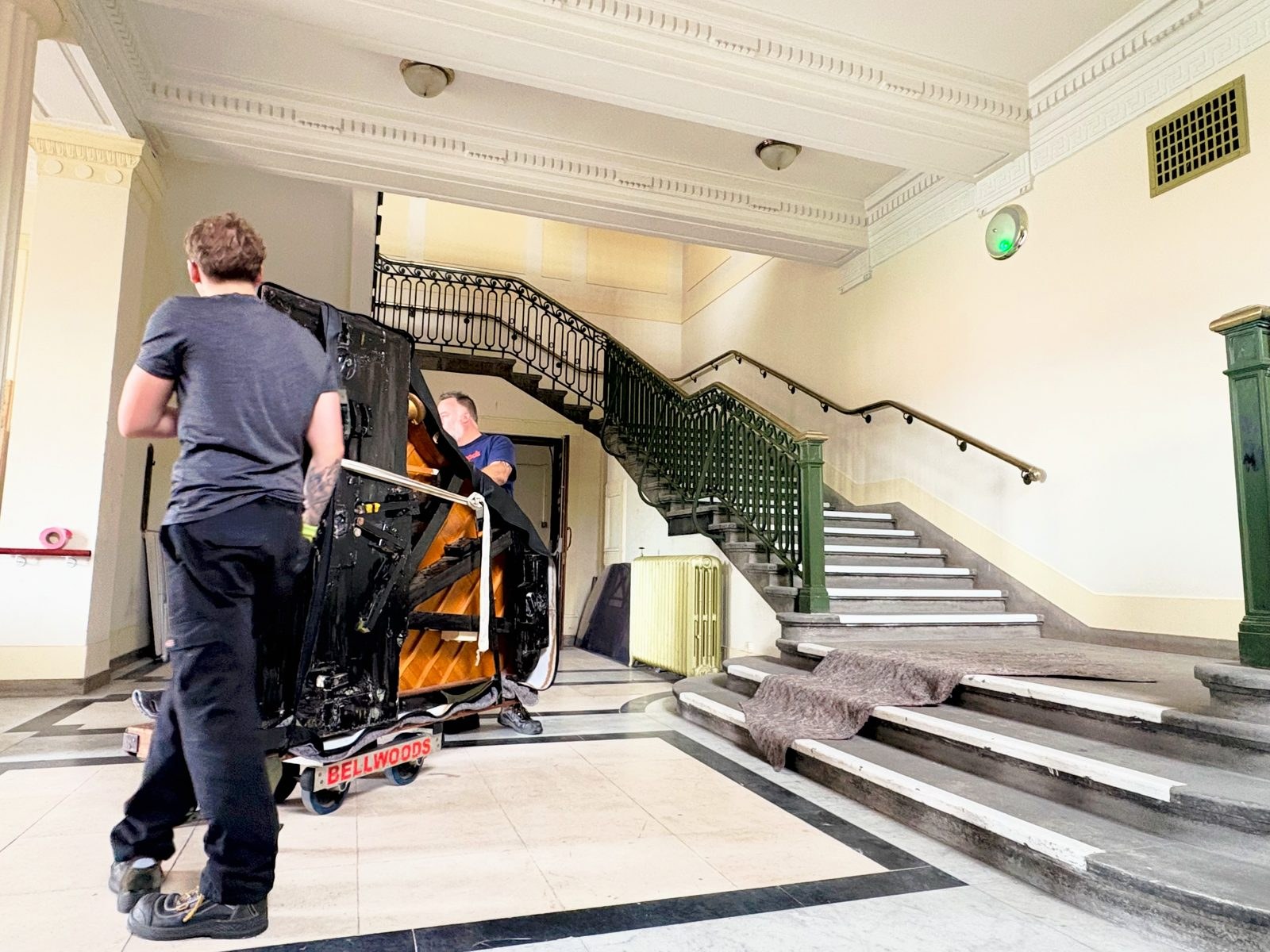
At delivery, the team protects floors and doorways, unloads in an agreed order, reassembles included furniture and places boxes where instructed. Exclusions matter: specialist handling for pianos, antiques, artwork, safes, large appliances or unusually heavy items may need separate planning. The service is therefore more than transport; it is a chain of packing, lifting, securing, storing and delivering without losing accountability for the contents.
How the work is done
The process normally begins with a survey of both addresses, the items to be moved, access points and the period or conditions of storage. The provider records special requirements such as fragile collections, appliances, wardrobes, outdoor equipment and furniture requiring dismantling.
Next, packing is agreed. The crew may pack everything, only selected rooms or items supplied by the customer. Boxes are labelled by room or destination, while high-risk goods receive appropriate wrapping and separate handling notes. Furniture is protected, measured where access is tight and dismantled if necessary.
On moving day, paths are protected, items are carried in a planned order and the vehicle is loaded so weight is distributed and goods cannot shift. An inventory or condition record supports the handover into storage or transport.
At the storage stage, contents are placed in an allocated space or container and access arrangements are recorded. For delivery, the crew checks the destination, unloads in sequence, reassembles agreed furniture, positions items and notes any apparent damage before completion.
What affects the cost
The quote is driven by the volume and weight of possessions, the number of rooms, packing coverage, dismantling, storage duration and the distance between collection, storage and delivery points. Access can alter the work substantially: stairs, narrow corridors, long walks from parking, restricted lifts, difficult loading areas and delivery-floor arrangements may require more labour or equipment.
Costs also rise where items need specialist packing, crating, disconnection, protection or handling. Pianos, safes, large appliances, antiques, artwork and delicate electronics should be identified before quotation rather than added at the doorway. Storage charges depend on the space occupied, access arrangement and required environmental or security conditions.
Check whether cartons, wrapping, inventory preparation, furniture dismantling, reassembly, waiting time, delivery from storage, floor protection, parking-related arrangements and disposal are included. Ask how damage claims, declared valuables, customer-packed boxes and cancellation or date changes are treated. A clear written scope is more useful than a low headline figure that excludes necessary handling.
Before you hire
Useful job-specific evidence includes a structured survey that records stairs, lifts, carrying distances, parking and destination access rather than relying on a rough room count. Competent crews explain how they protect upholstered furniture, glass, appliances and dismantled parts, and show how inventory and condition records follow goods into storage.
Look for a written scope that separates packing, transport, storage access, delivery, reassembly and specialist items. The provider should be able to explain storage ventilation, security, pest controls, damage reporting and what happens when an item does not fit through the planned route. Vague answers about exclusions or customer-packed boxes deserve clarification before booking.