Stonework quotes
Repair or build stonework when cracked joints, loose stones, damp penetration or structural movement threaten the wall, chimney, retaining feature or façade. The work may involve cleaning, repointing, rebuilding sections or replacing damaged stone, using compatible materials and methods suited to the building.
What this covers
Stonework covers the construction, repair and conservation of walls, façades, chimneys, boundary features, steps, arches and other masonry made from natural or reconstituted stone. The physical work may include removing failed mortar, cutting out damaged sections, sourcing a compatible replacement, rebuilding unstable areas, resetting loose stones and finishing joints to match the existing character.
A sound repair begins with examining the stone type, joint profile, moisture paths, previous alterations and signs of movement. Hard cement pointing can trap water in softer historic stone, while an incorrect replacement may weather differently and stand out visually. Damaged masonry is usually addressed only after the cause is understood; otherwise, fresh joints or replacement blocks can fail again.
The scope can be highly localised, such as repointing a short run beneath a window, or more involved where scaffolding, temporary support, dismantling and rebuilding are required. Chimneys, retaining walls and elevated façades need particular care because falling material, instability or hidden water entry can affect occupants and adjacent property.
How the work is done
The work normally starts with an inspection from ground level and, where necessary, from access equipment. The contractor records loose stones, open joints, staining, bulging, cracking and any change in alignment, then considers drainage, roof junctions, vegetation and earlier repairs as possible causes.
Next, the repair area is made safe. Loose material is removed carefully, vulnerable sections may be supported, and access is arranged so the mason can reach joints without damaging sound masonry. Failed mortar is raked out to an appropriate depth rather than simply covered.
The selected stone is then cut or dressed to fit, with bedding surfaces prepared so loads transfer properly. Rebuilding follows the existing bond and proportions. Mortar is mixed to suit the stone and exposed conditions, then pressed into joints and finished to match the surrounding work.
After curing, the area is brushed clean without aggressive treatment that could erode the face. The contractor should check alignment, joint finish, water-shedding details and remaining defects, while explaining any follow-up monitoring or maintenance.
What affects the cost
Stonework costs are driven by the amount of masonry affected, the method needed to reach it and the difficulty of matching existing materials. A short repointing repair is fundamentally different from dismantling and rebuilding a leaning wall, replacing large blocks or stabilising a chimney.
Access can become a major factor where work is high, confined, above a conservatory or beside a busy route. Scaffolding, edge protection, lifting equipment, protection of windows and removal of waste should be clear in the quotation. Stone type, thickness, dressing detail and availability also affect preparation and sourcing.
Other drivers include the depth and hardness of failed mortar, the need for temporary support, hidden damage revealed after opening joints, and making-good around rooflines, flashings or render. Cleaning, sample panels, laboratory-style testing or specialist conservation methods may add work where appearance and fabric are particularly sensitive. Ask the provider to separate inspection findings, essential repairs, provisional items and exclusions so the price can be compared on the same scope.
Before you hire
Useful evidence of stonework competence includes photographs showing joints, bonds, indents and rebuilt sections rather than only polished finished elevations. The provider should be able to identify the existing stone’s porosity and likely failure mechanism, explain why a mortar has been selected, and produce a small trial area where colour or joint finish matters.
For chimney, retaining-wall or elevated façade work, look for a method that addresses temporary support, safe access and hidden conditions. A careful mason will distinguish sound stone from material needing removal, preserve reusable pieces where practical and state what happens if opening-up reveals deeper movement or water damage.
Recent work
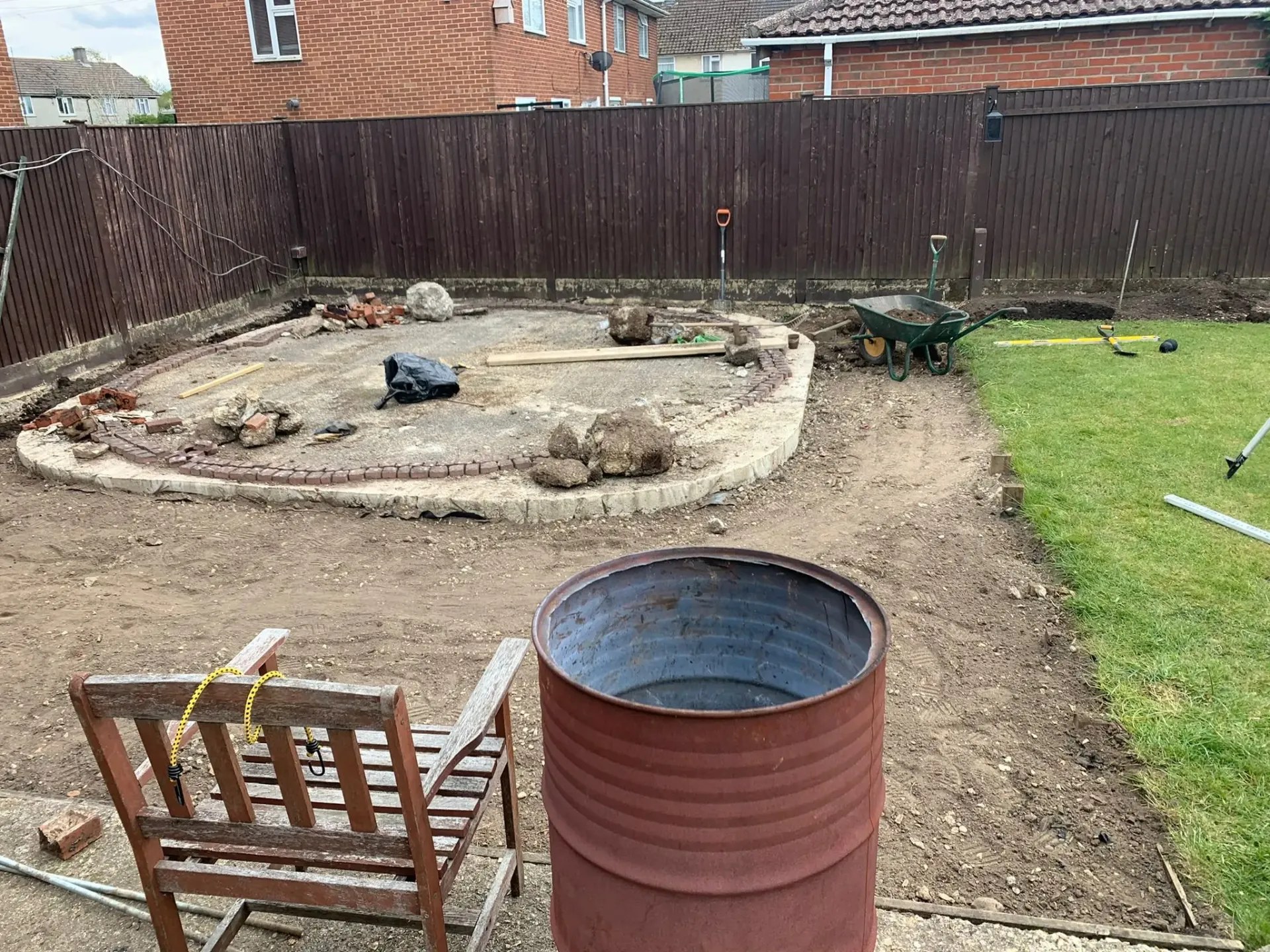 Bricklaying & masonry project 1
 Bricklaying & masonry project 1
 Bricklaying & masonry project 1
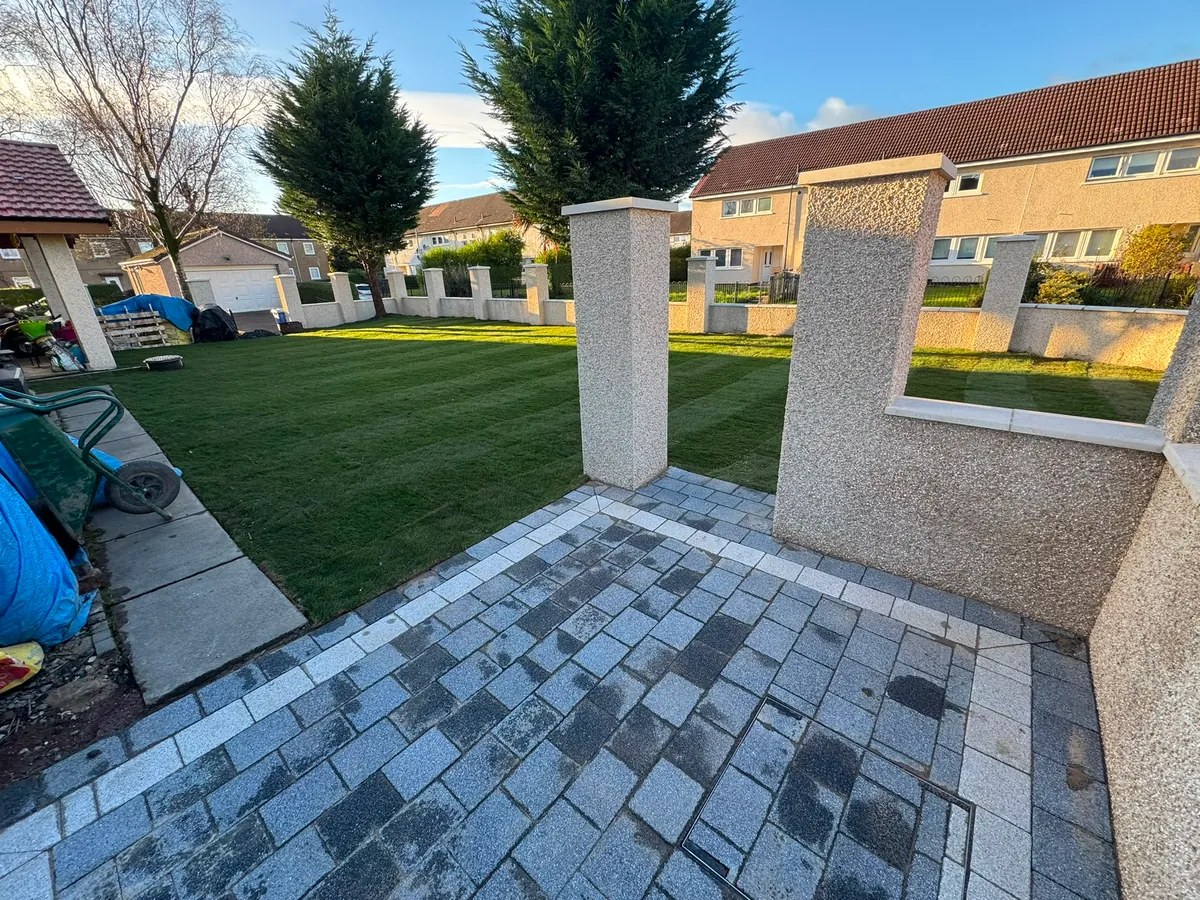 Bricklaying & masonry project 1
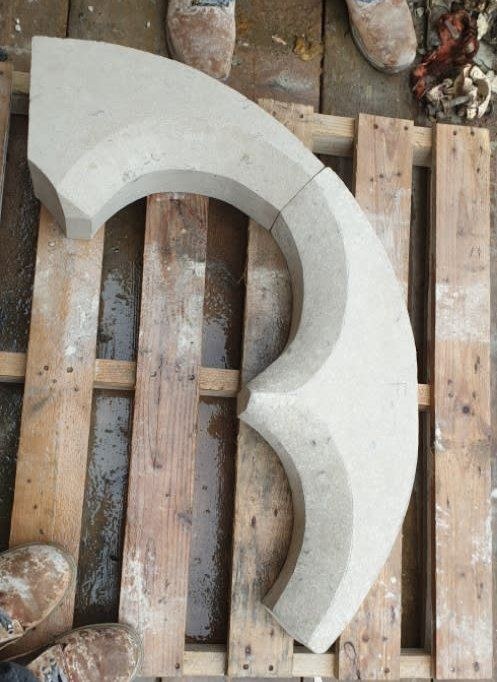 Bricklaying & masonry project 1
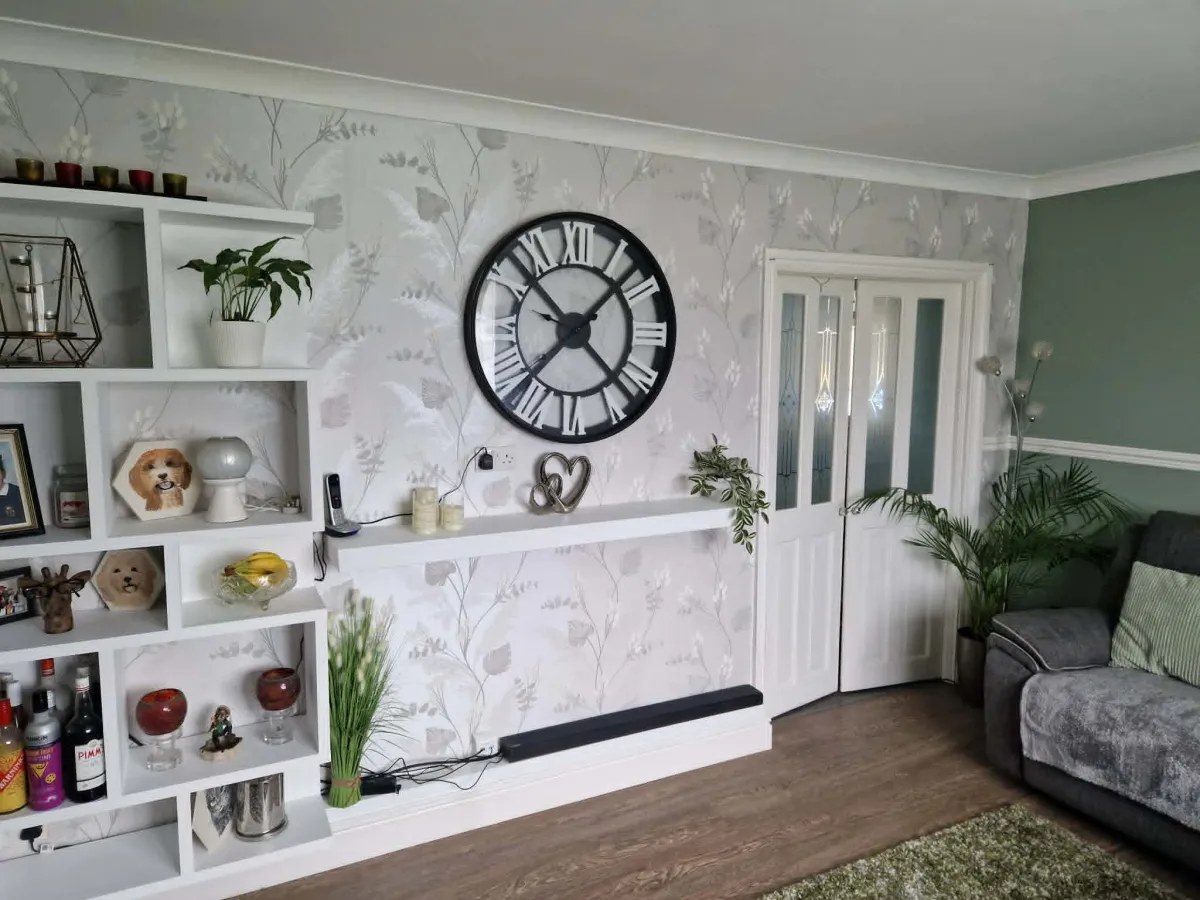 Bricklaying & masonry project 1
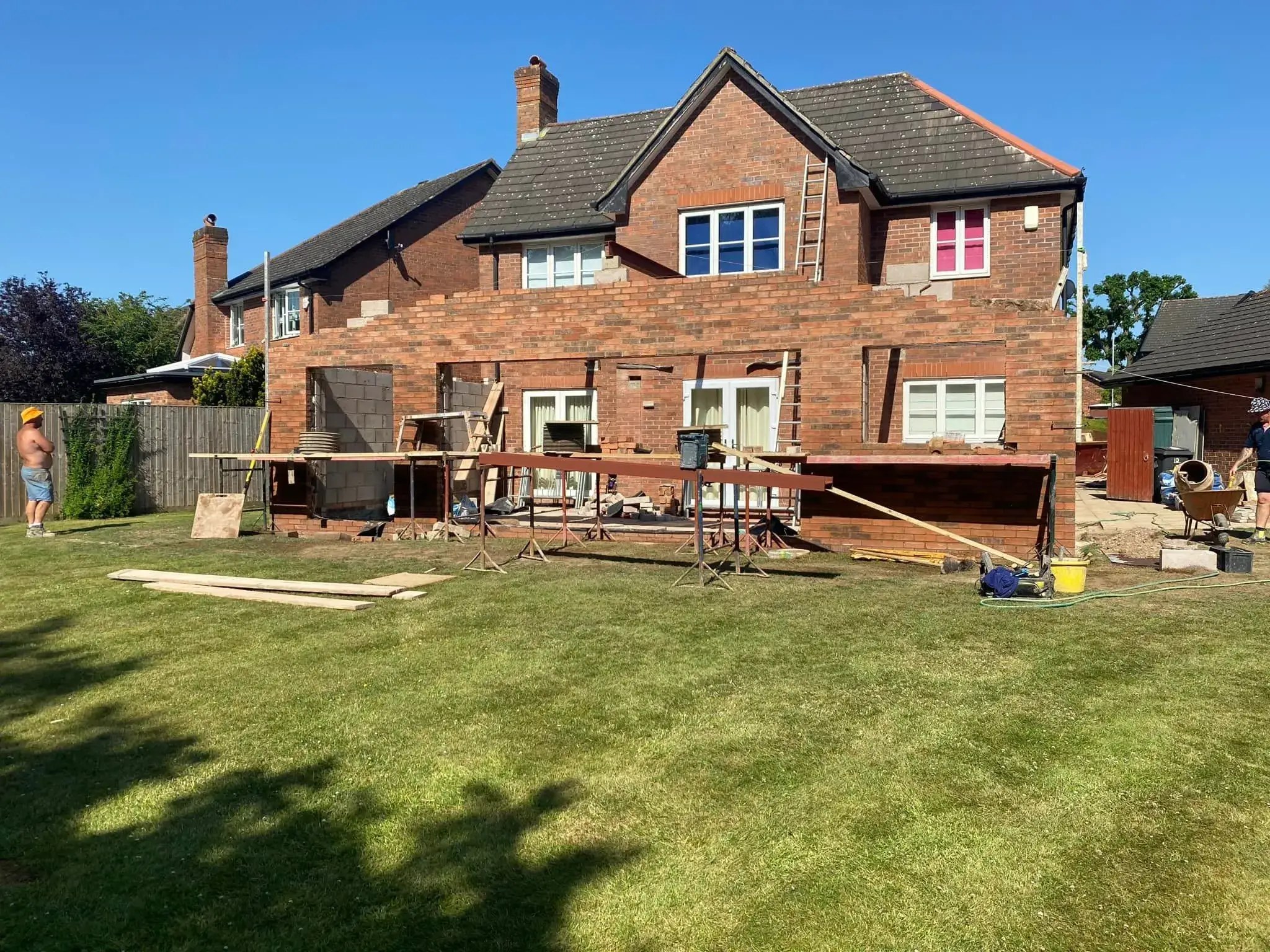 Bricklaying & masonry project 1
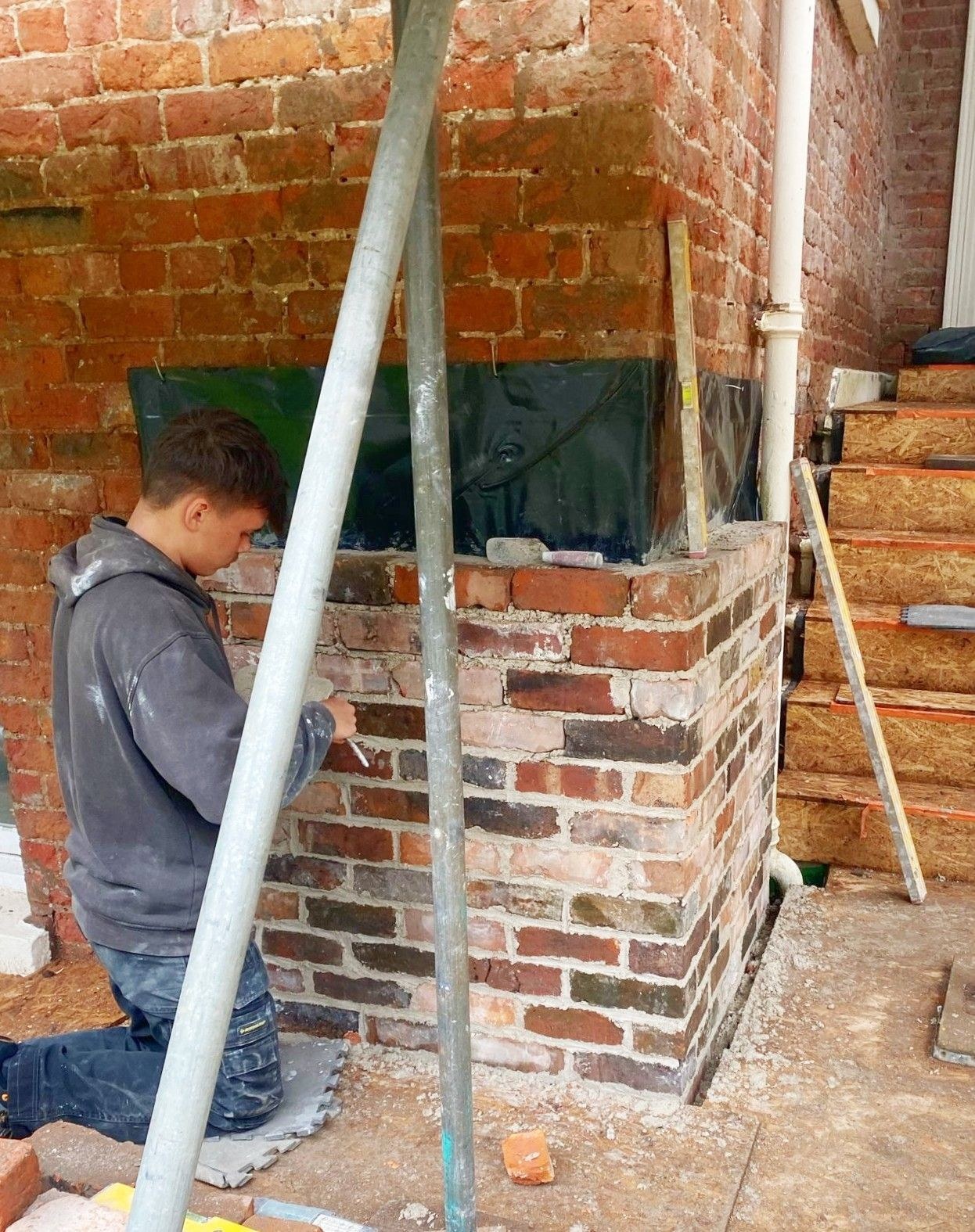 Bricklaying & masonry project 1
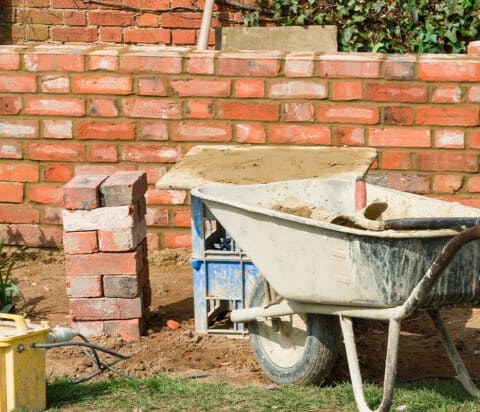 Bricklaying & masonry project 1
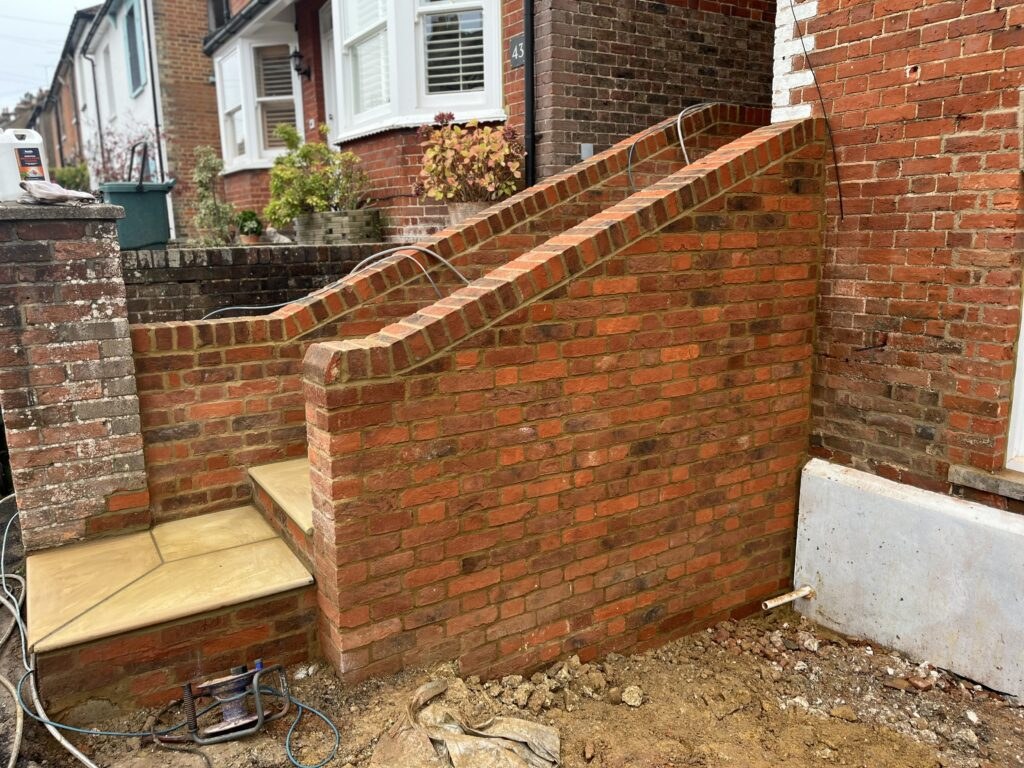 Bricklaying & masonry project 1
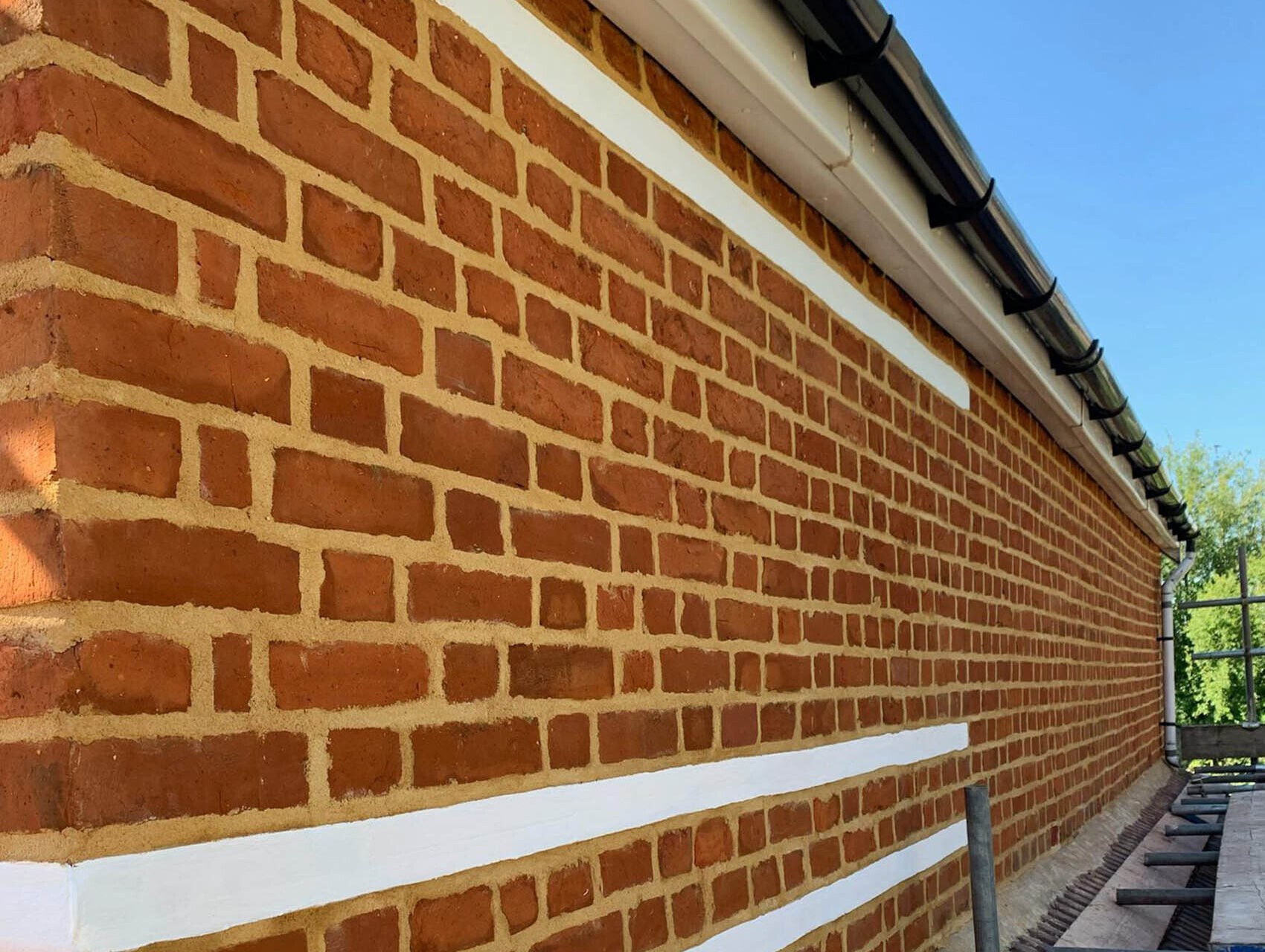 Bricklaying & masonry project 1
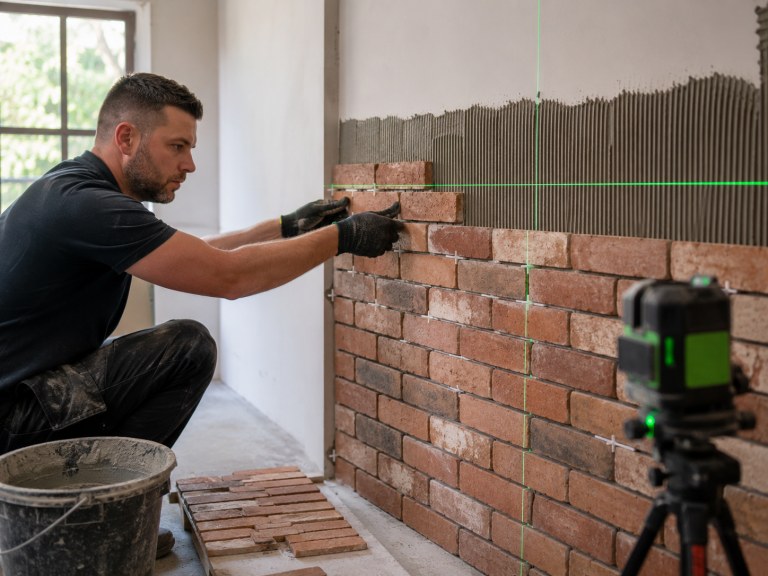 Bricklaying & masonry project 1
 Bricklaying & masonry project 1
 Bricklaying & masonry project 1
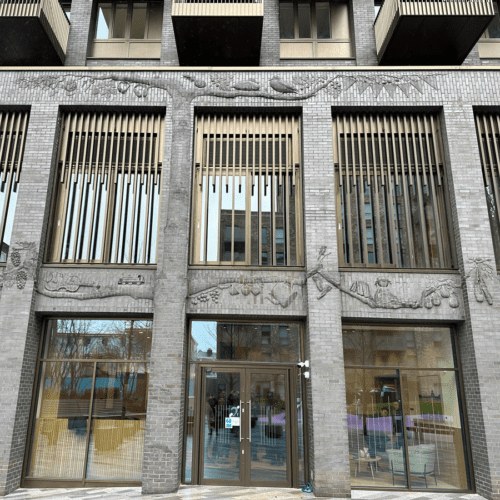 Bricklaying & masonry project 1
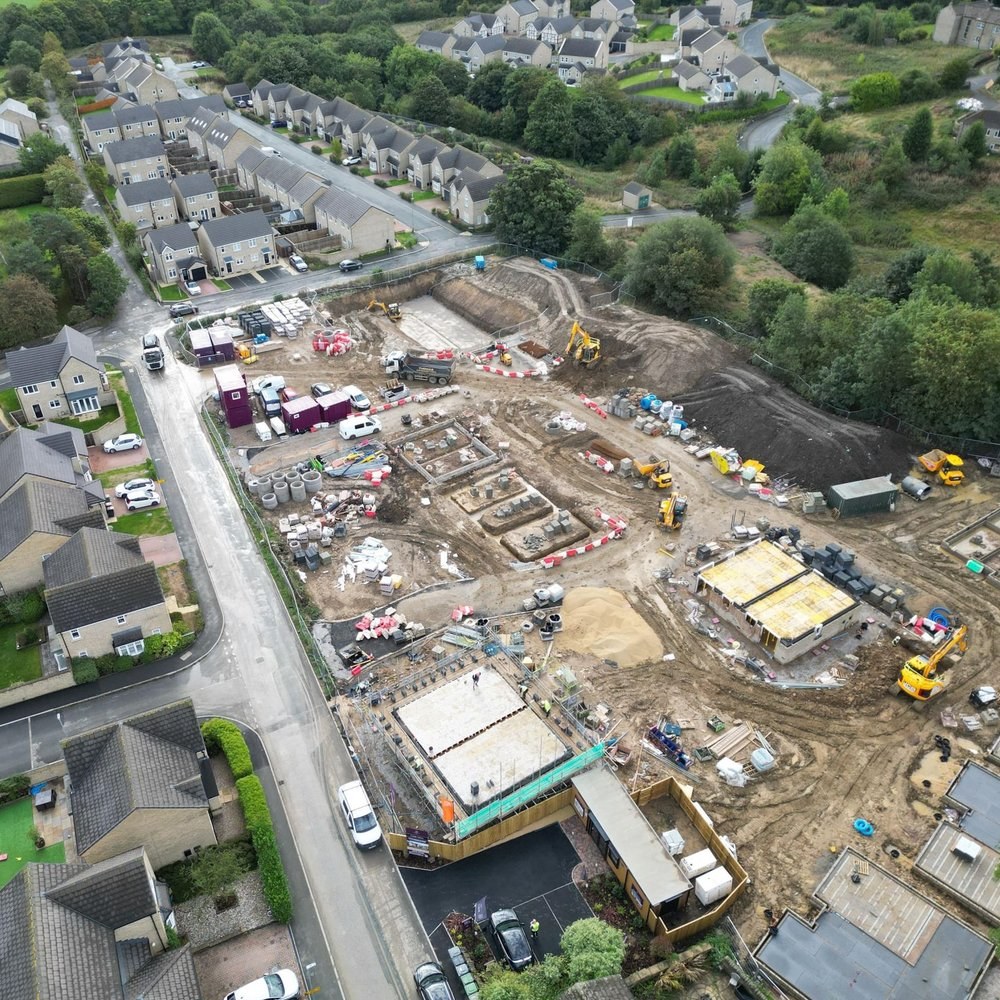 Bricklaying & masonry project 1