Skip hire & waste containers quotes
Choose a skip or waste container by matching its capacity, waste type, loading access and placement restrictions to the job. It provides a controlled way to collect, store and remove renovation, clearance or garden waste, reducing trips to disposal facilities and keeping loose materials away from walkways.
What this covers
The service begins with assessing the waste stream, estimated volume and the route a delivery vehicle must use. A provider supplies a skip or enclosed container, positions it on an agreed surface, then collects it when full or no longer needed. Depending on the waste, the load may be sorted, transferred, recycled or sent for disposal through the provider's waste-handling arrangements.
For a house clearance, this might mean mixed household items and packaging. A building project can produce heavy inert materials such as bricks, concrete, soil and tiles, which place different demands on container selection and safe loading. Garden work may generate branches, turf and soil that should not automatically be mixed with other waste. Plasterboard, electrical items, paint, gas cylinders and other restricted materials require specific confirmation before loading.
The physical work also includes keeping the load within the container, protecting access, arranging collection and checking the final chargeable waste category. The right setup prevents loose debris, repeated vehicle trips and unsafe lifting around the property.
How the work is done
Start by describing the work, waste materials, approximate quantity and intended loading point. The provider should then check access for the delivery vehicle, including gate width, turning space, overhead cables, trees, gradients and the surface that will support the container.
Next, agree the container type, placement, collection arrangement and materials that must remain outside it. If the container is to stand where public access is affected, ask what permission or protective arrangements are needed rather than assuming the provider will handle them. Before delivery, remove vehicles and fragile items from the route and make the loading area safe.
On arrival, the driver positions the container as agreed. Load evenly, keep heavy material from being piled dangerously to one side, and do not exceed the rim unless the provider expressly supplies a covered arrangement. Contact the provider before adding uncertain items. Collection then removes the container, while any sorting, recycling or disposal is handled according to the accepted waste stream and agreed service terms.
What affects the cost
The main cost drivers are container capacity, hire duration, waste type, estimated weight, collection distance and the work needed to sort or process the load. Heavy materials such as soil, concrete and bricks can make weight more important than visible volume. Mixed loads may cost more to handle than separated recyclable streams, particularly if contamination prevents straightforward recovery.
Access also affects the quote. A difficult approach, narrow entrance, restricted turning space, soft ground, overhead obstruction or need for protective boards can alter delivery arrangements. Placement on land affected by public access may involve additional administration or protective measures, depending on the location and provider's responsibilities.
Ask whether delivery, collection, disposal, VAT, container cover, excess loading, prohibited-material handling and changes to the waste category are included. A vague phrase such as waste removal is not enough to compare like with like. Describe the materials and show photographs of the access point so the provider can identify avoidable assumptions before confirming the service.
Before you hire
A competent provider asks what the waste actually contains instead of quoting from container size alone. Look for clear advice on heavy-load limits, prohibited materials, enclosed versus open options and safe loading height. They should be able to explain how the vehicle will reach the proposed position and what happens if the waste category changes.
Job-specific confidence also comes from a written description of delivery, collection, disposal handling and any placement arrangements. The driver should position the container carefully on the agreed surface, and the provider should offer a clear route for reporting damaged access, contamination or an urgent collection issue.
Recent work
 Skip hire & waste containers project 1
 Skip hire & waste containers project 1
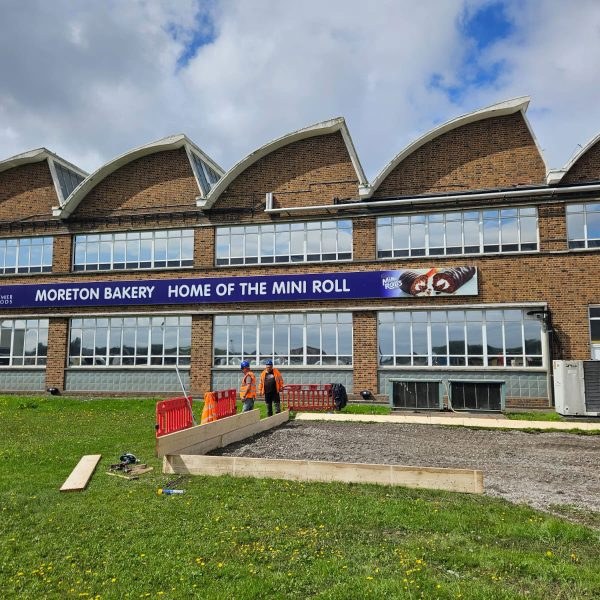 Skip hire & waste containers project 1
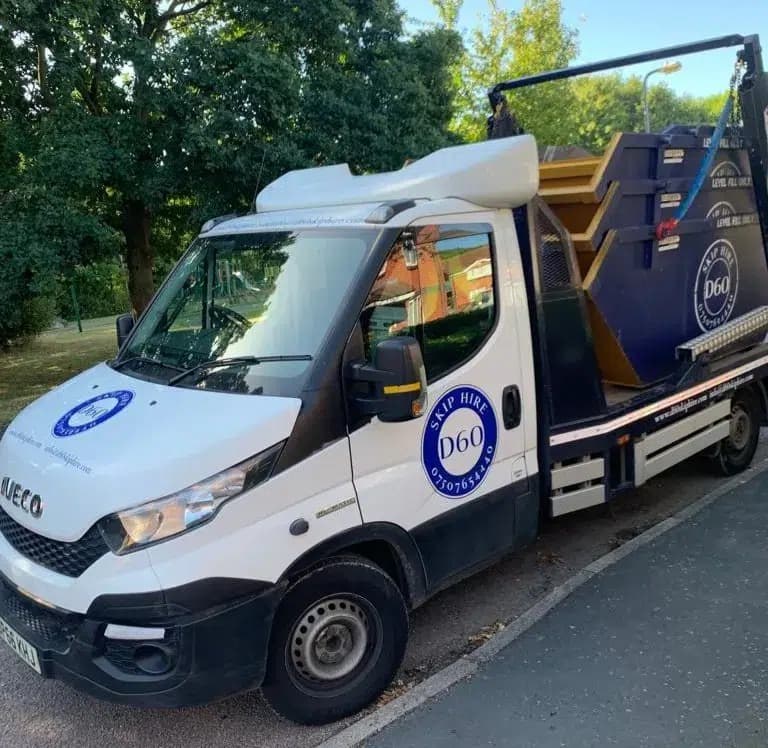 Skip hire & waste containers project 1
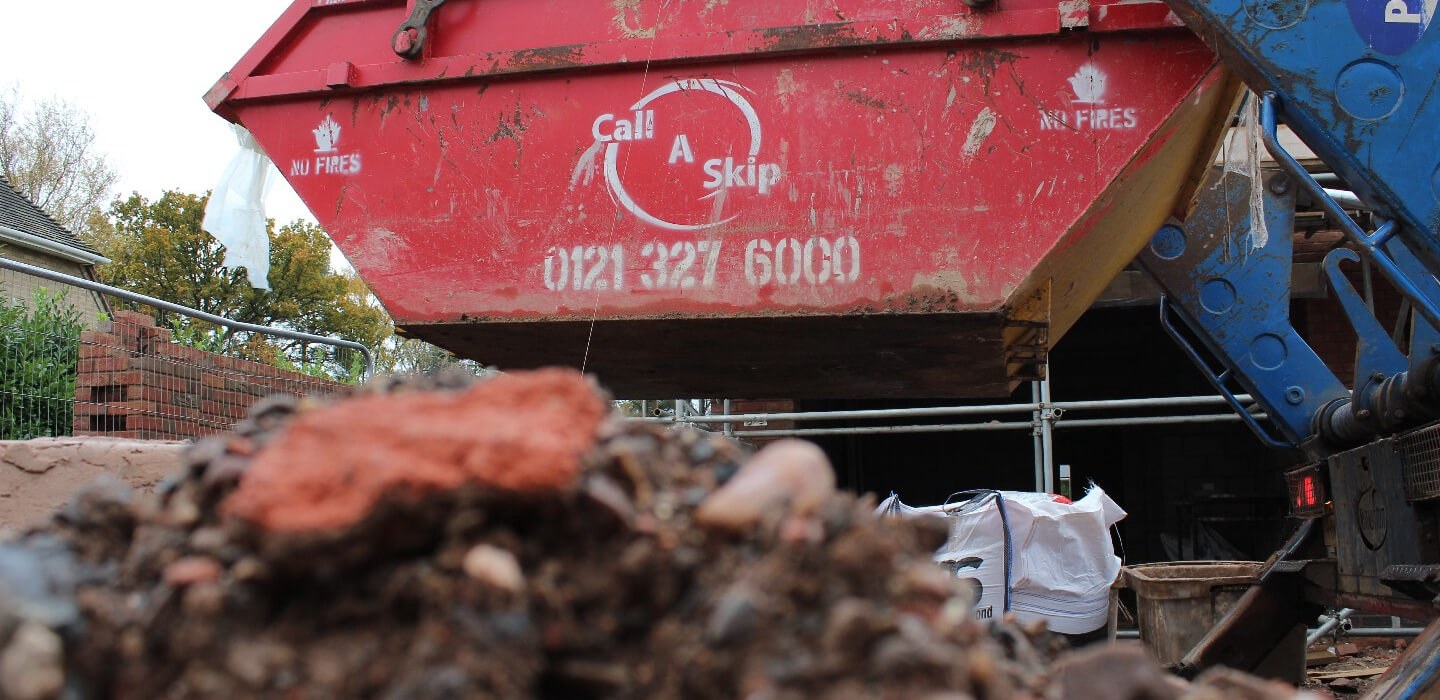 Skip hire & waste containers project 1
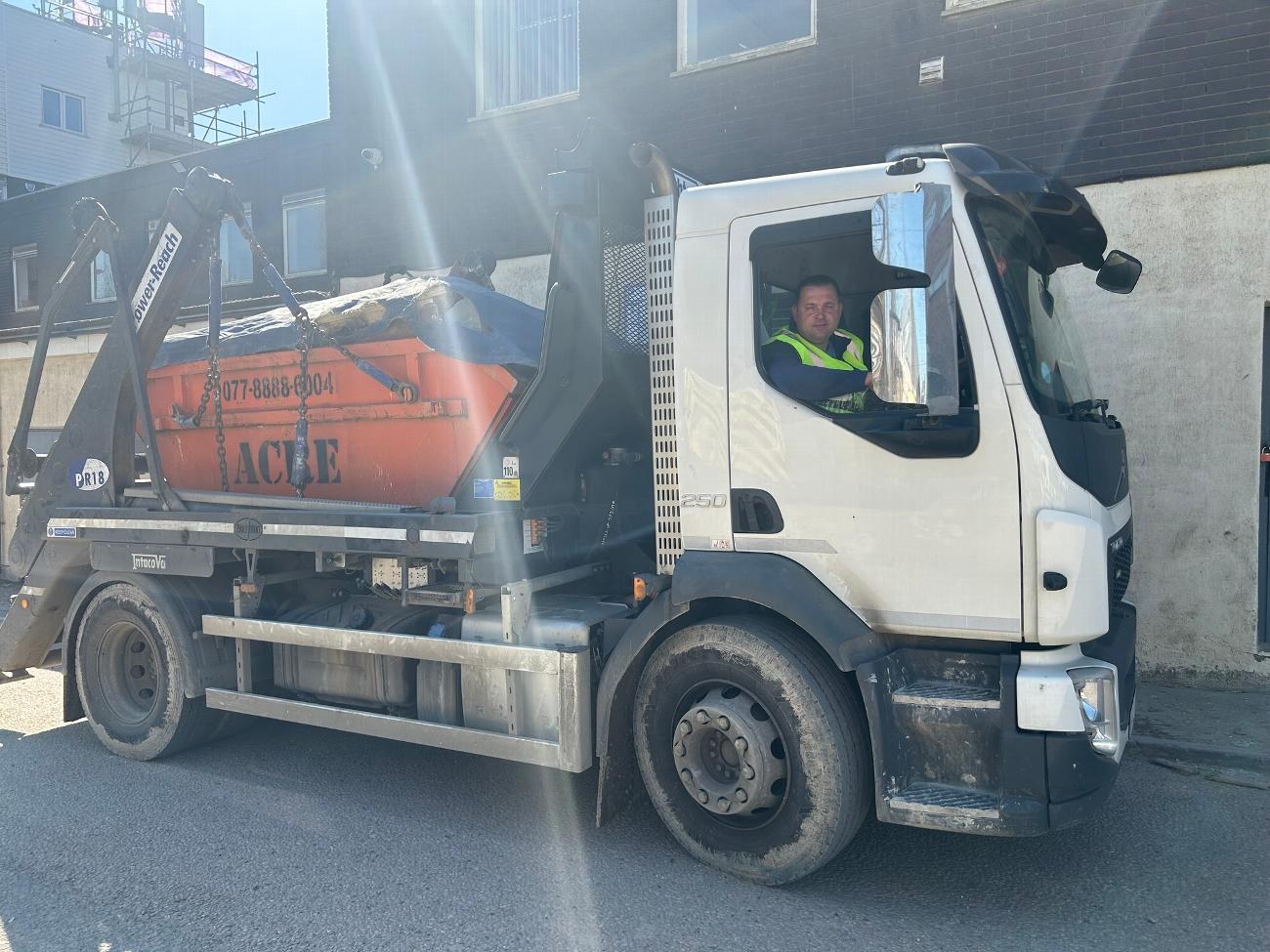 Skip hire & waste containers project 1
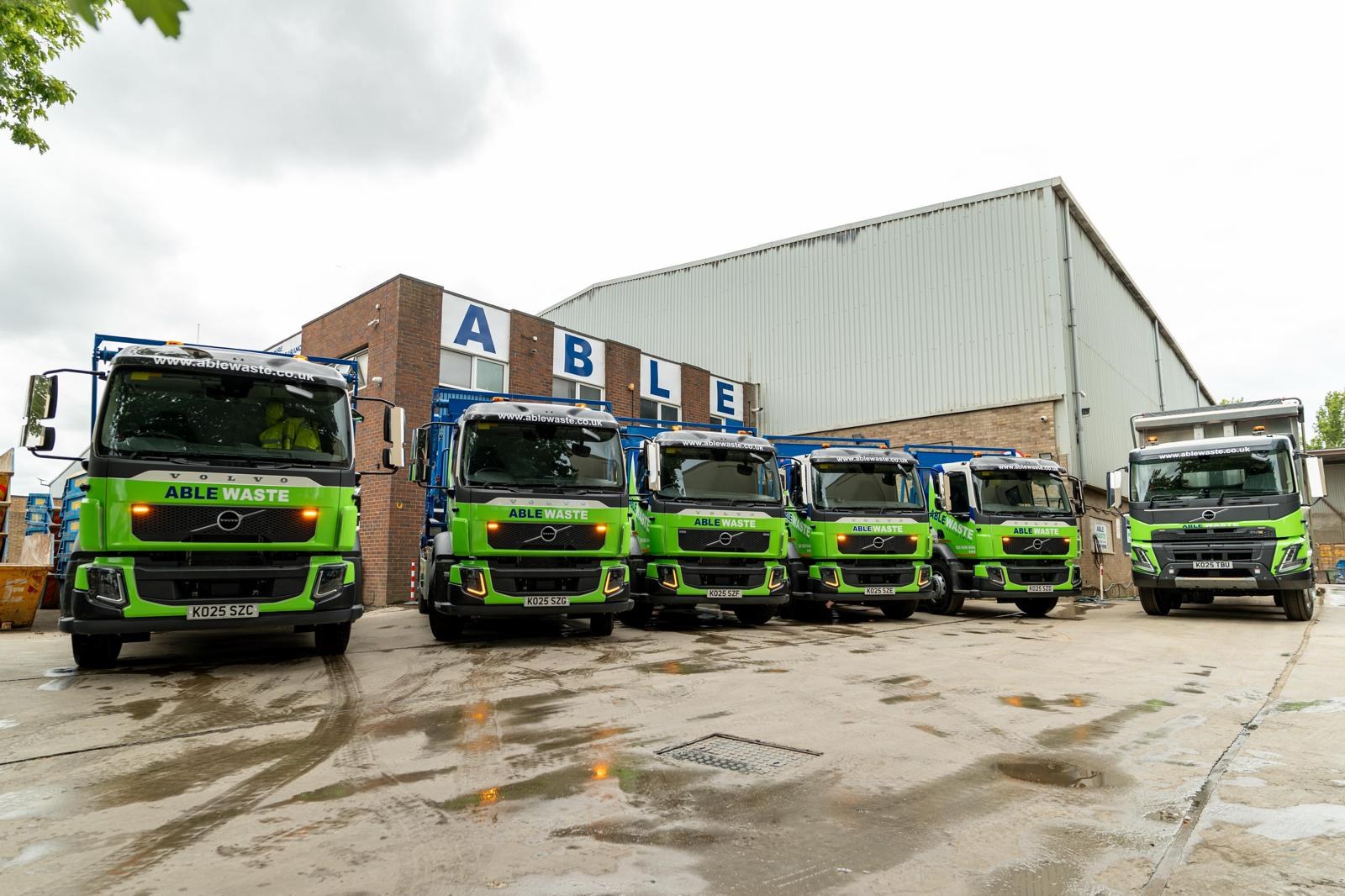 Skip hire & waste containers project 1
 Skip hire & waste containers project 2
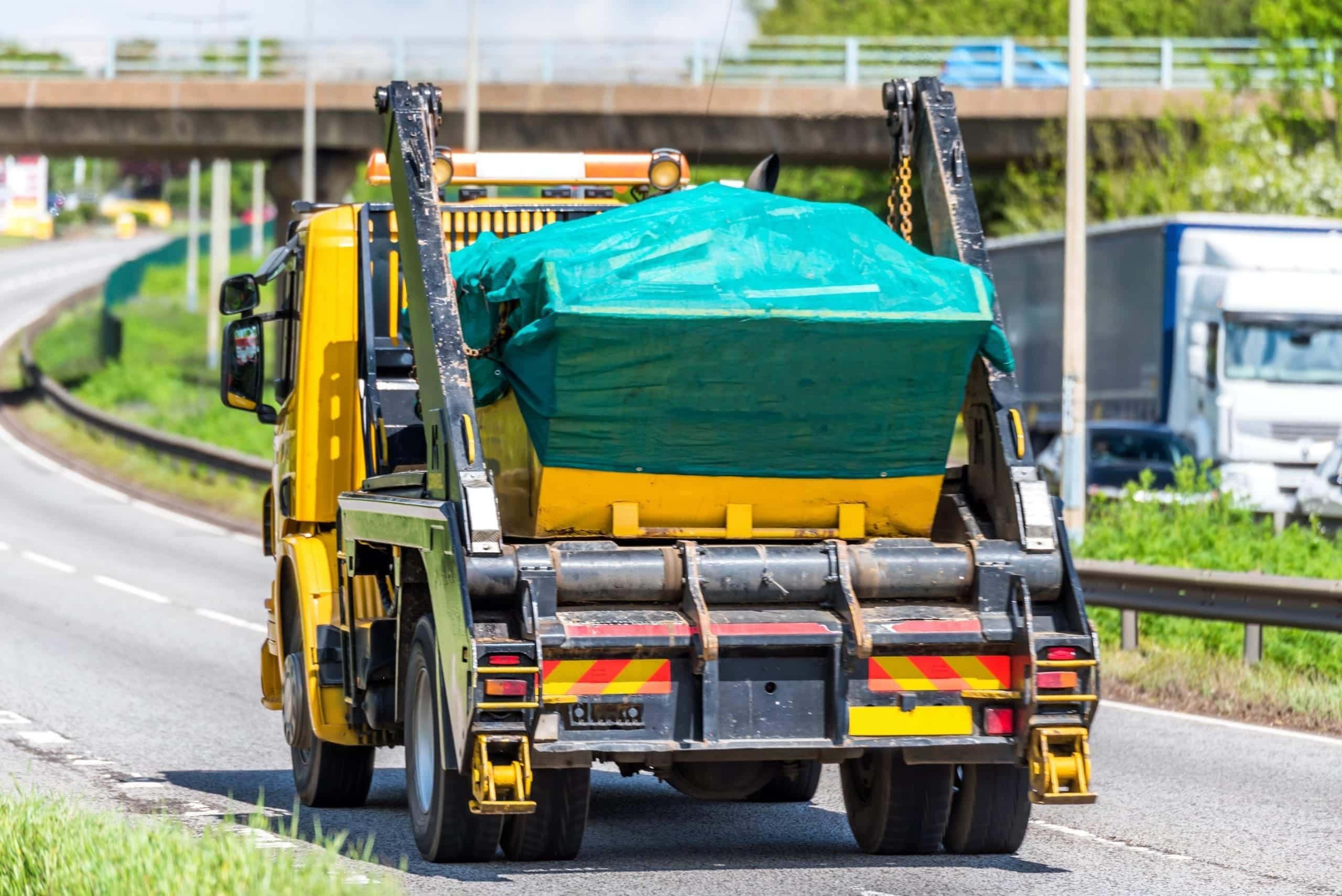 Skip hire & waste containers project 2
 Skip hire & waste containers project 2
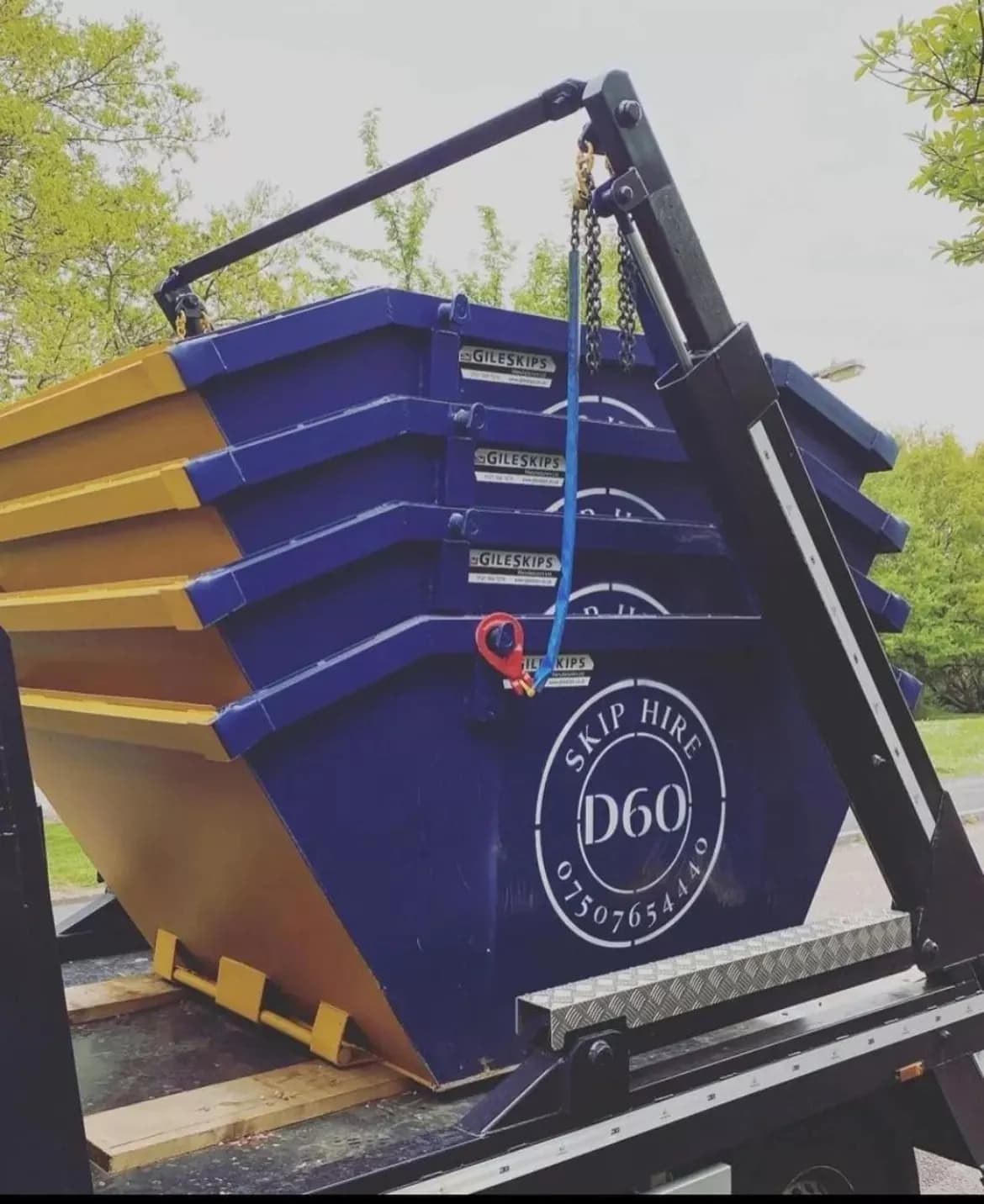 Skip hire & waste containers project 2
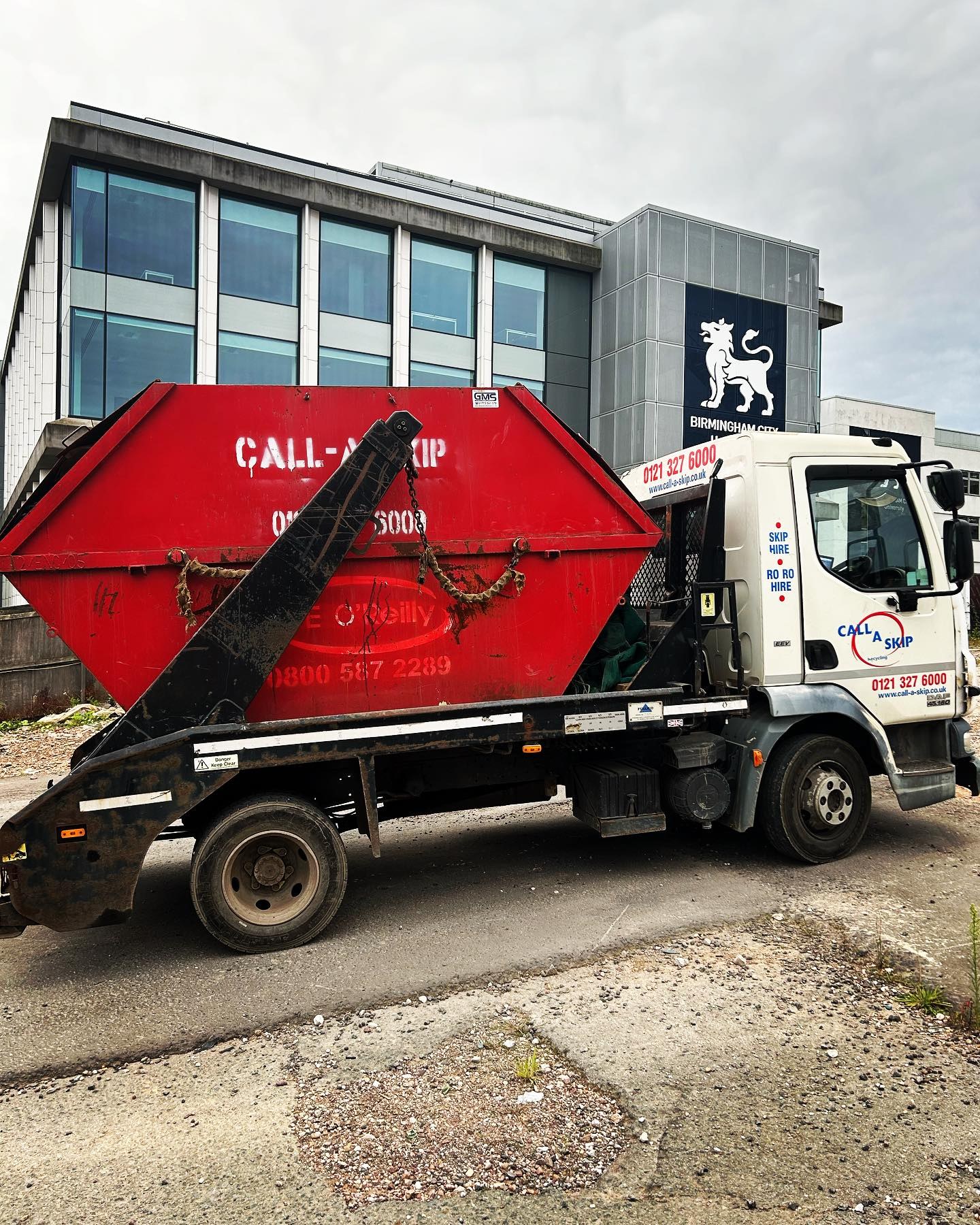 Skip hire & waste containers project 2
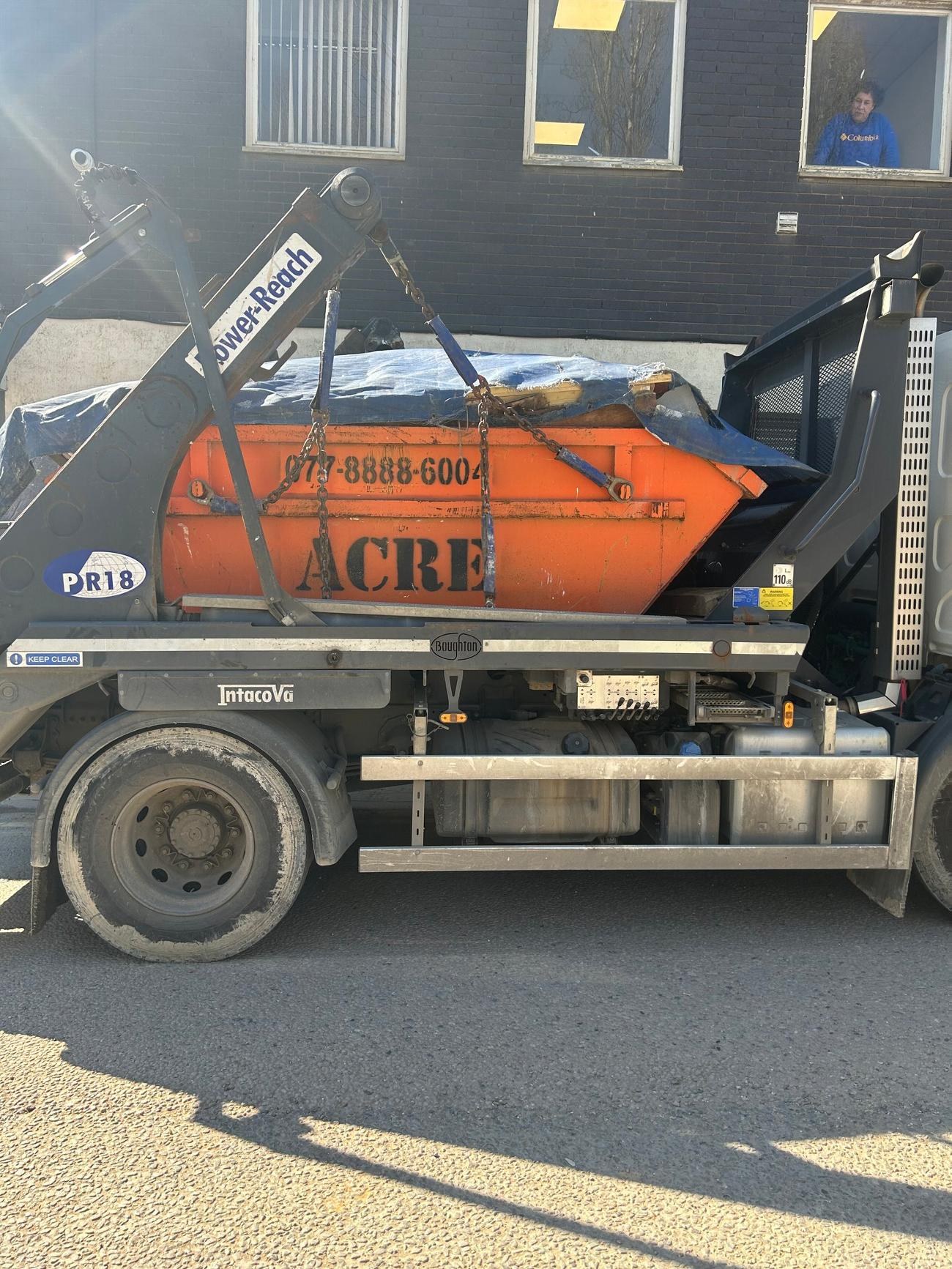 Skip hire & waste containers project 2
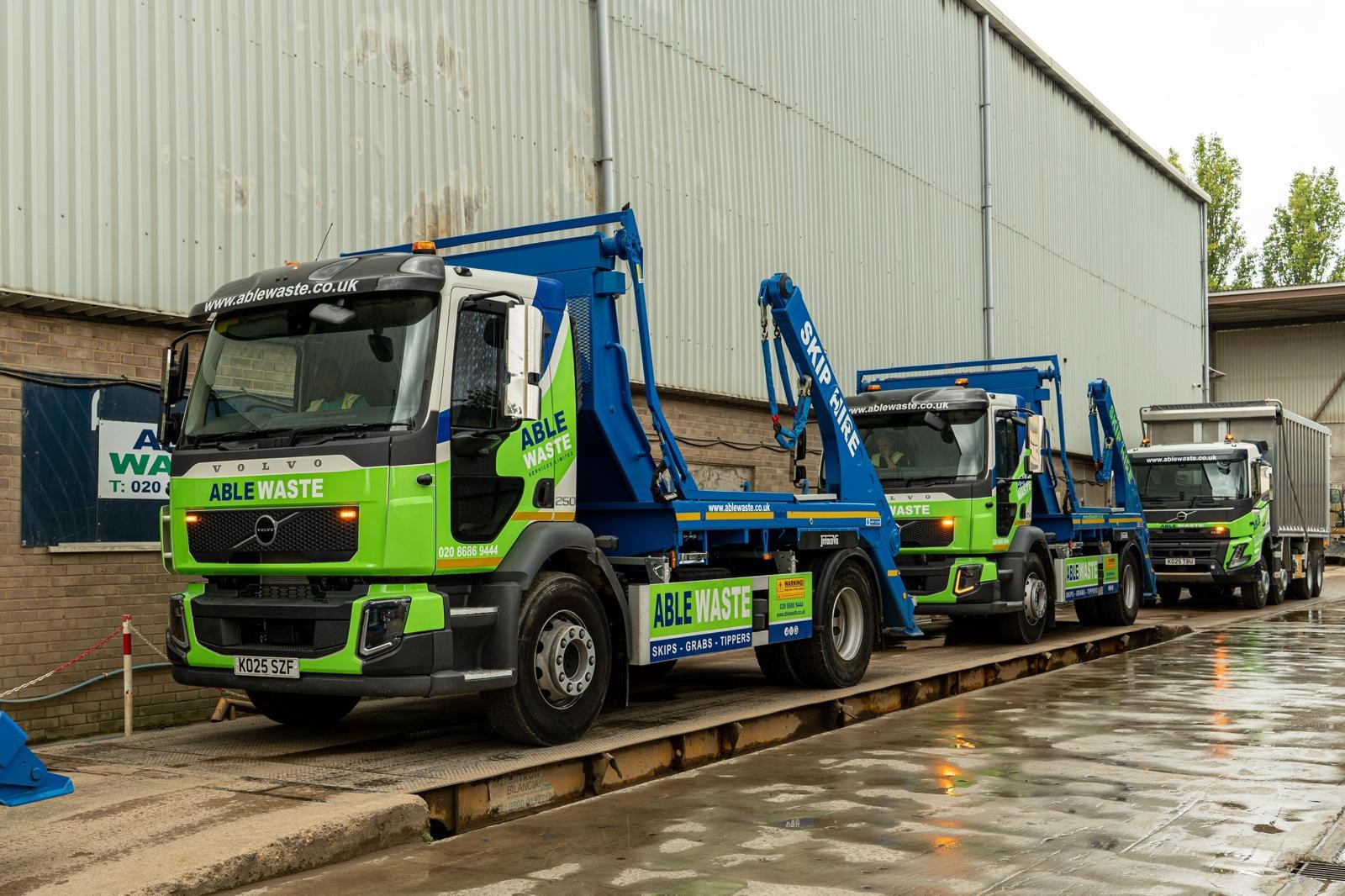 Skip hire & waste containers project 2
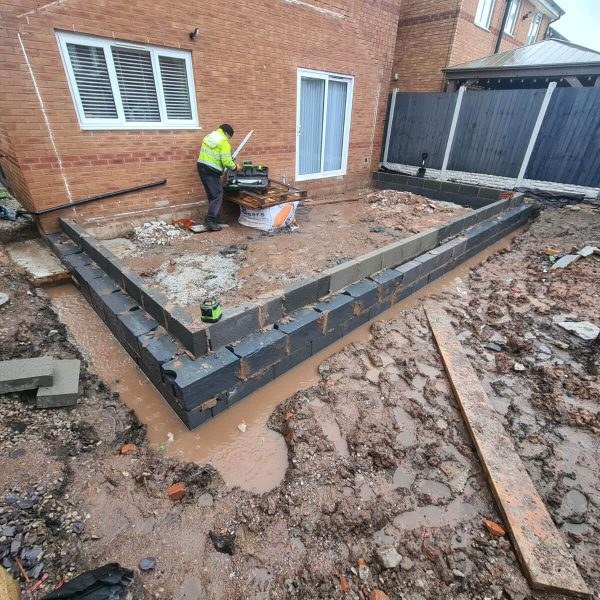 Skip hire & waste containers project 3
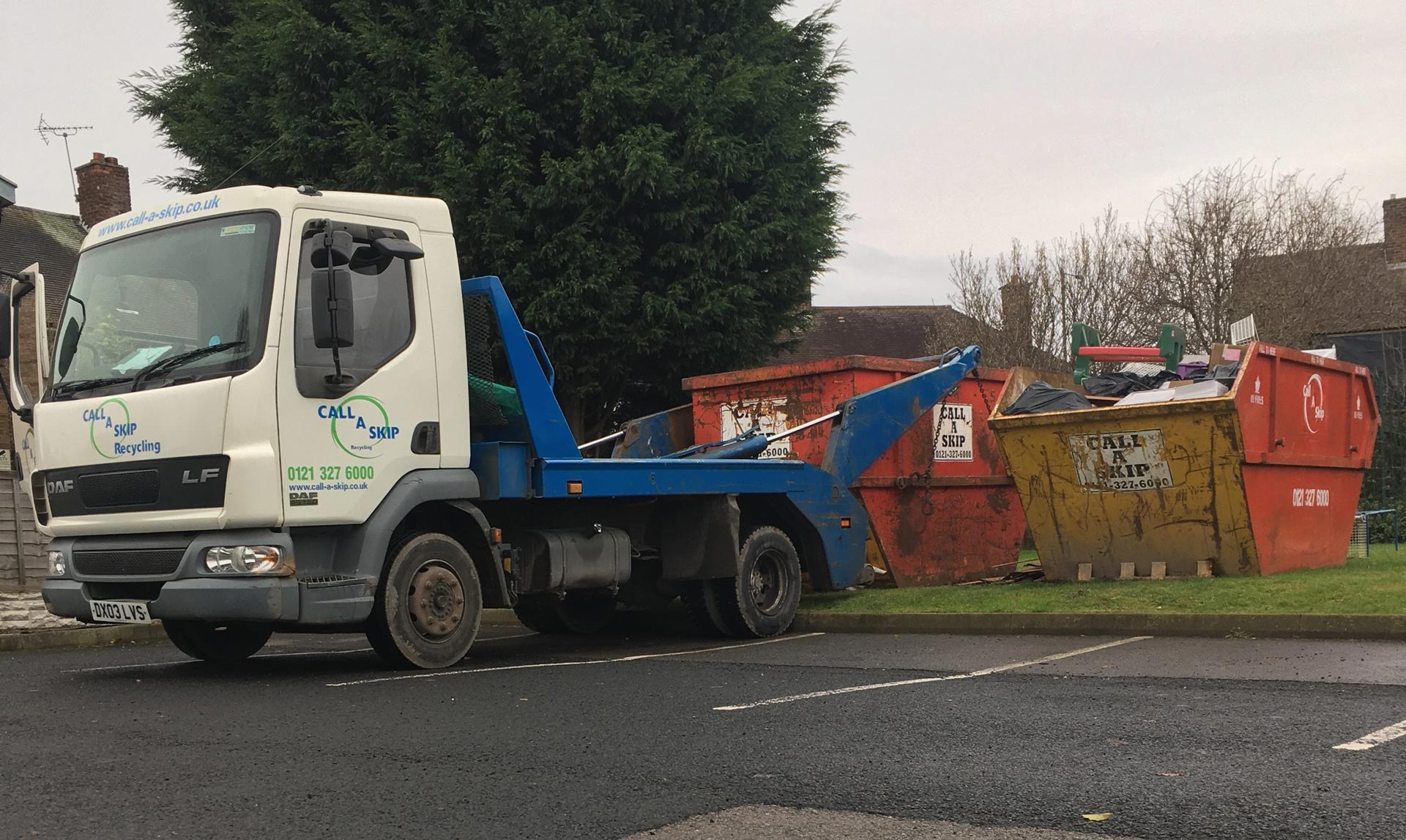 Skip hire & waste containers project 3