Skip hire quotes
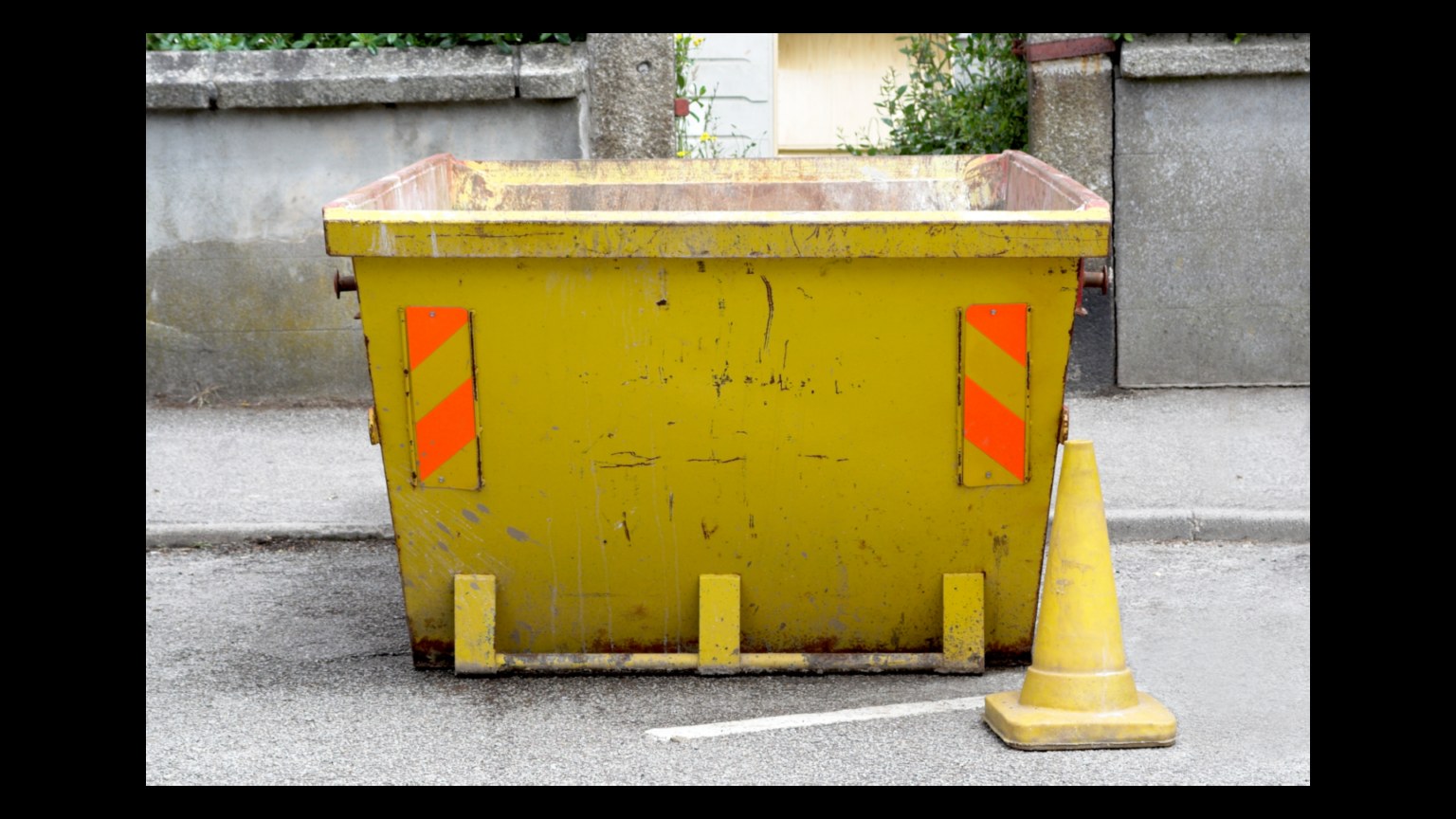
Skip hire provides a designated container for collecting renovation, clearance or garden waste before licensed disposal or recovery. Choose the size and waste type carefully, then confirm placement, access, loading limits and collection arrangements so the project does not stall or create handling risks.
What this covers
The work starts with assessing the waste stream and estimating the container capacity needed without allowing material to protrude above the sides. A provider delivers an empty skip, positions it on an agreed surface, and later collects it for transfer, sorting, recycling or disposal through its waste-handling arrangements. You load the skip unless a separate loading service has been agreed.
Suitable contents can include separated rubble, timber, soil, garden waste, household items or mixed renovation debris, but restrictions vary by provider and waste type. Paint, solvents, asbestos, gas cylinders, electrical equipment and other potentially hazardous materials should not be placed in an ordinary skip without specific confirmation. Heavy materials also affect the practical size because vehicle and container loading limits matter.
The job may include delivery, collection, a defined hire period, waste processing and site-access checks. It does not automatically include dismantling, sorting, sweeping, carrying waste through a building or obtaining permission for placement. Those points should be agreed before delivery.
How the work is done
First, describe the project, waste materials and approximate volume, including bulky items that may not compact easily. The provider then checks access for the delivery vehicle, the intended standing position and any clearance needed for safe placement and collection.
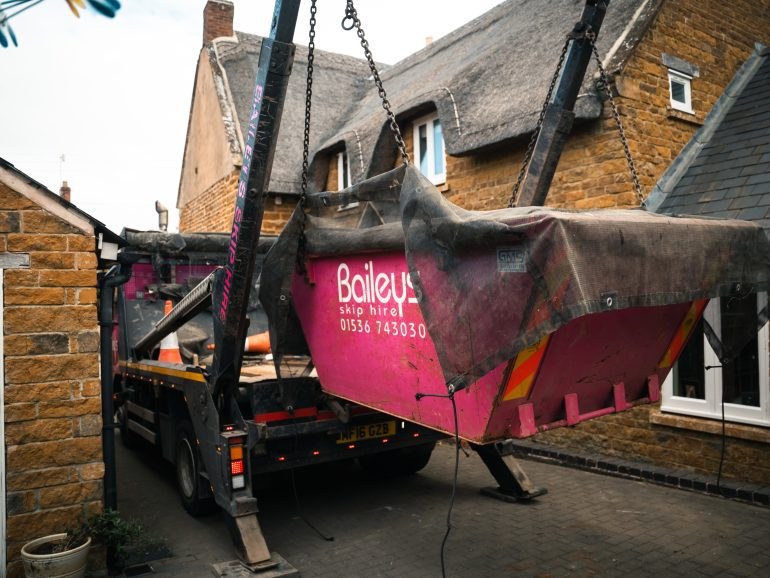
Before delivery, confirm accepted materials, maximum loading level, hire terms and whether the location requires any separate permission or protection. The empty container is delivered and placed on the agreed surface, with consideration given to gates, overhead obstructions, slopes and vehicle manoeuvring.
Load waste evenly rather than concentrating heavy material at one end. Keep prohibited items out and do not allow debris to rise above the rim, because an unsafe or overloaded skip may need attention before transport. Once finished, arrange collection or the agreed exchange. The provider removes the container and directs its contents through the stated waste route. Any leftover spillages, sharp fragments or damage to the standing area should be addressed after removal.
What affects the cost
Skip hire cost is driven by container size, waste category, total load weight, delivery distance, collection arrangements and the time the container remains on site. General mixed waste can be handled differently from clean soil, rubble, timber, plasterboard, garden waste or potentially hazardous material, so accurate descriptions matter more than a broad project label.
Access can add complexity where the vehicle must navigate a narrow entrance, awkward turning area, slope, soft ground or overhead obstruction. Placement on a public area may involve separate permissions, protection or administration, depending on the location and local arrangements; confirm this before delivery rather than assuming the provider handles every requirement.
Ask whether delivery, collection, processing, a standard hire period, extensions, failed delivery, overloading and prohibited materials are covered. A low initial figure can become less useful if the container is exchanged, kept longer, rejected at collection or charged for contaminated contents. Request written confirmation of the waste description and all conditional charges.
Before you hire
A competent skip provider should ask precise questions about material type, estimated volume, density, access, placement and collection rather than offering one container without qualification. Their advice should distinguish clean inert loads from mixed or potentially hazardous waste and explain what cannot be loaded.
Useful job-specific evidence includes clear delivery dimensions, instructions for safe filling, a transparent process for rejected materials and an identifiable waste transfer or processing route. The provider should also explain how an exchange, overfilled container or inaccessible collection is handled. Vague answers about disposal, weight or prohibited items deserve caution because those details affect both safety and the final cost.