Skimming quotes
Skimming involves applying a thin coat of plaster, creating a smooth finish on walls or ceilings. It's needed when surfaces are uneven, damaged, or after drywall installation. This process addresses imperfections and prepares surfaces for painting or wallpapering, enhancing the aesthetic quality of your space.
What this covers
Skimming is the application of a thin layer of finishing plaster onto existing walls or ceilings. It smooths out imperfections, creating an ideal surface for painting or wallpapering. Generally done over plasterboard or existing plaster, the process rejuvenates old or damaged surfaces. Skimming is common in renovations and new constructions, where aesthetics and surface uniformity are crucial. It's also used to cover up outdated textures like Artex, albeit with necessary safety checks if suspected to contain asbestos. The skill lies in achieving a flawlessly smooth finish, adding both elegance and value to your space.
How the work is done
First, the area is prepped by covering floors and removing any loose debris from walls or ceilings. The surface is then primed to ensure the plaster adheres properly. Plaster mix is prepared and evenly applied to the surface in thin coats. While wet, it's worked into a smooth finish. Careful attention is given to edges and corners for uniformity. Drying is crucial, taking several hours or more, depending on conditions. Skimmed surfaces are sanded lightly for any residual imperfections, readying them for painting or wall treatments.
What affects the cost
The cost of skimming is influenced by surface area, accessibility, and the condition of existing walls. Larger areas naturally require more materials and time. Poorly maintained surfaces may need additional prep work, driving up labour costs. Property type also matters; listed buildings might restrict material choices like lime for authenticity. Accessibility can affect price—scaffolding could be needed in high or awkward spaces, adding to the expenses.
Before you hire
Look for tradespeople with a strong portfolio of successful skimming jobs, showcasing varied materials and settings. Competence involves precise plaster application and a clean finish. Seek those skilled in both modern and traditional methods, especially if work on a listed building is needed. Membership in professional bodies like the Federation of Plastering and Drywall Contractors adds trust.
Recent work
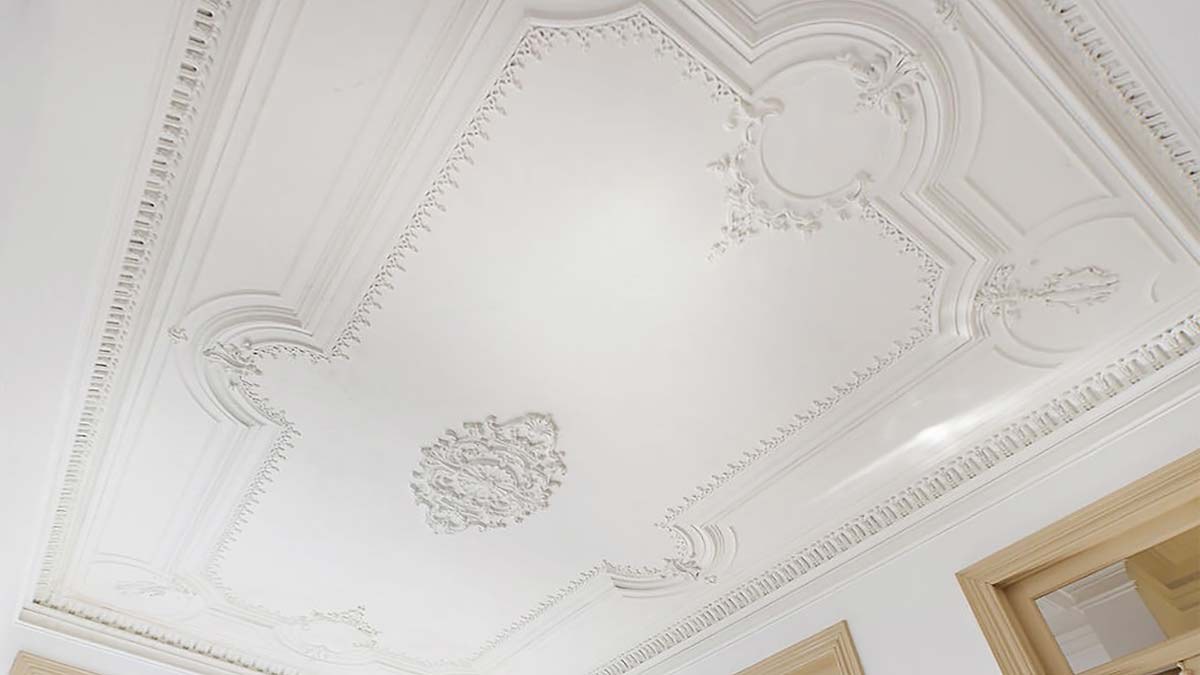 Plastering & rendering project 1
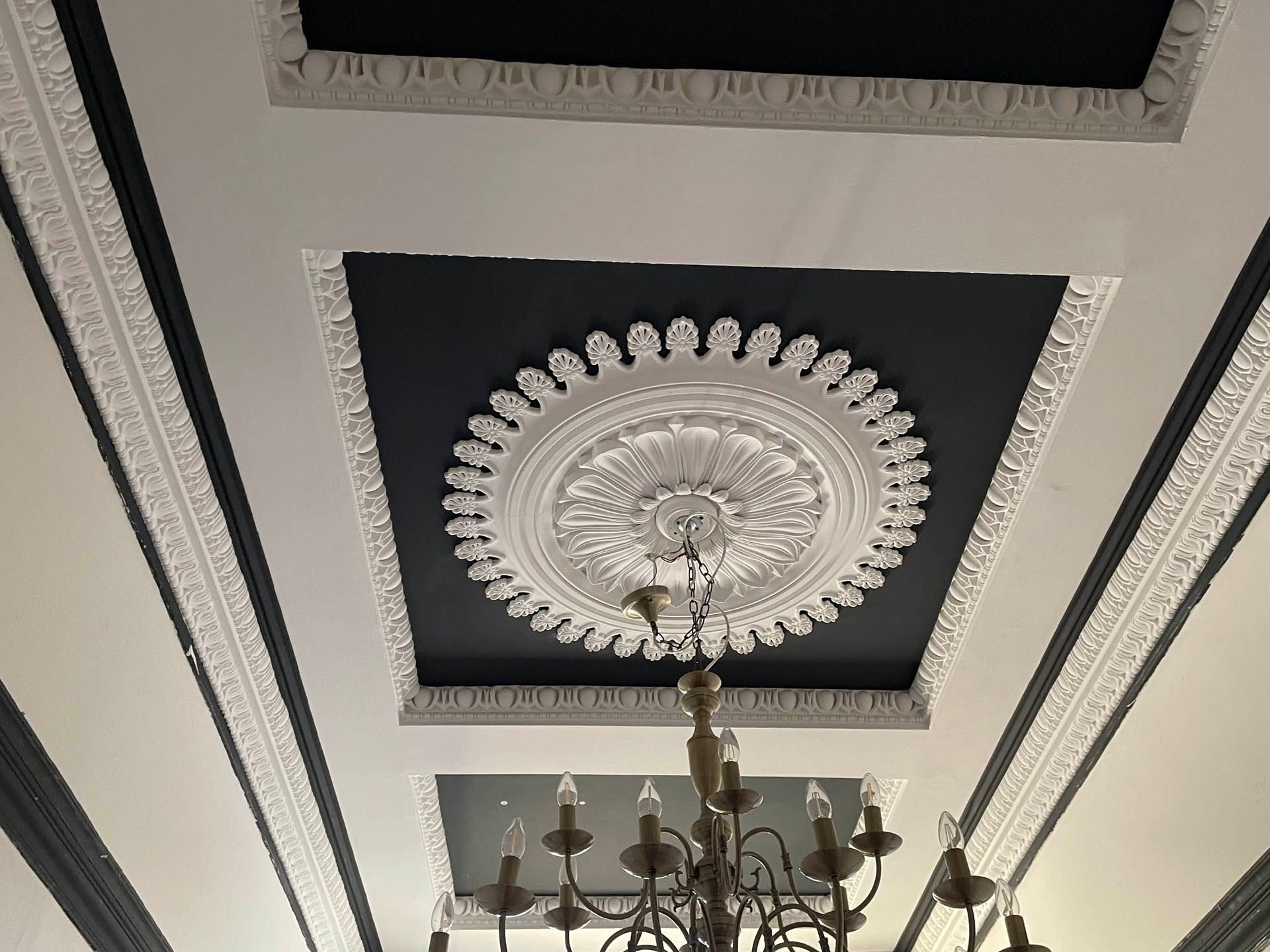 Plastering & rendering project 1
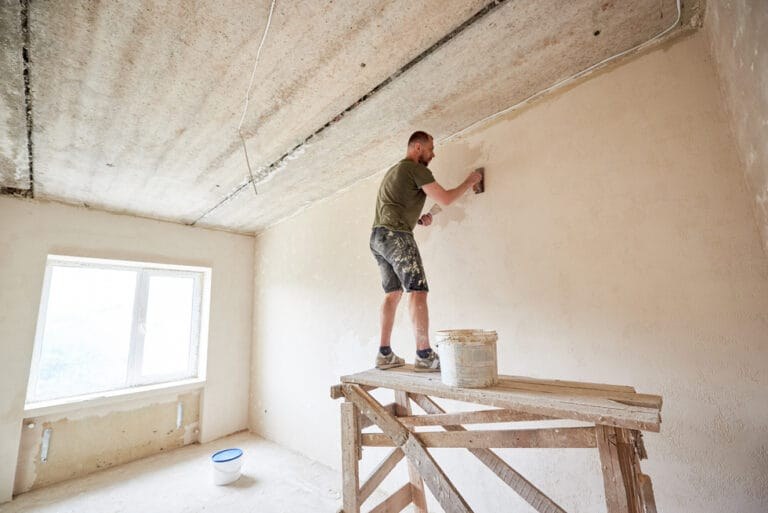 Plastering & rendering project 1
 Plastering & rendering project 1
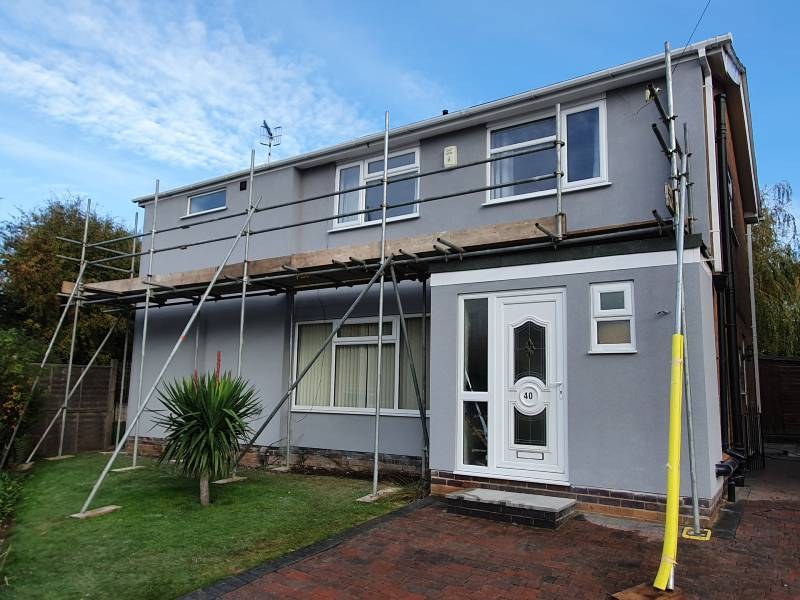 Plastering & rendering project 1
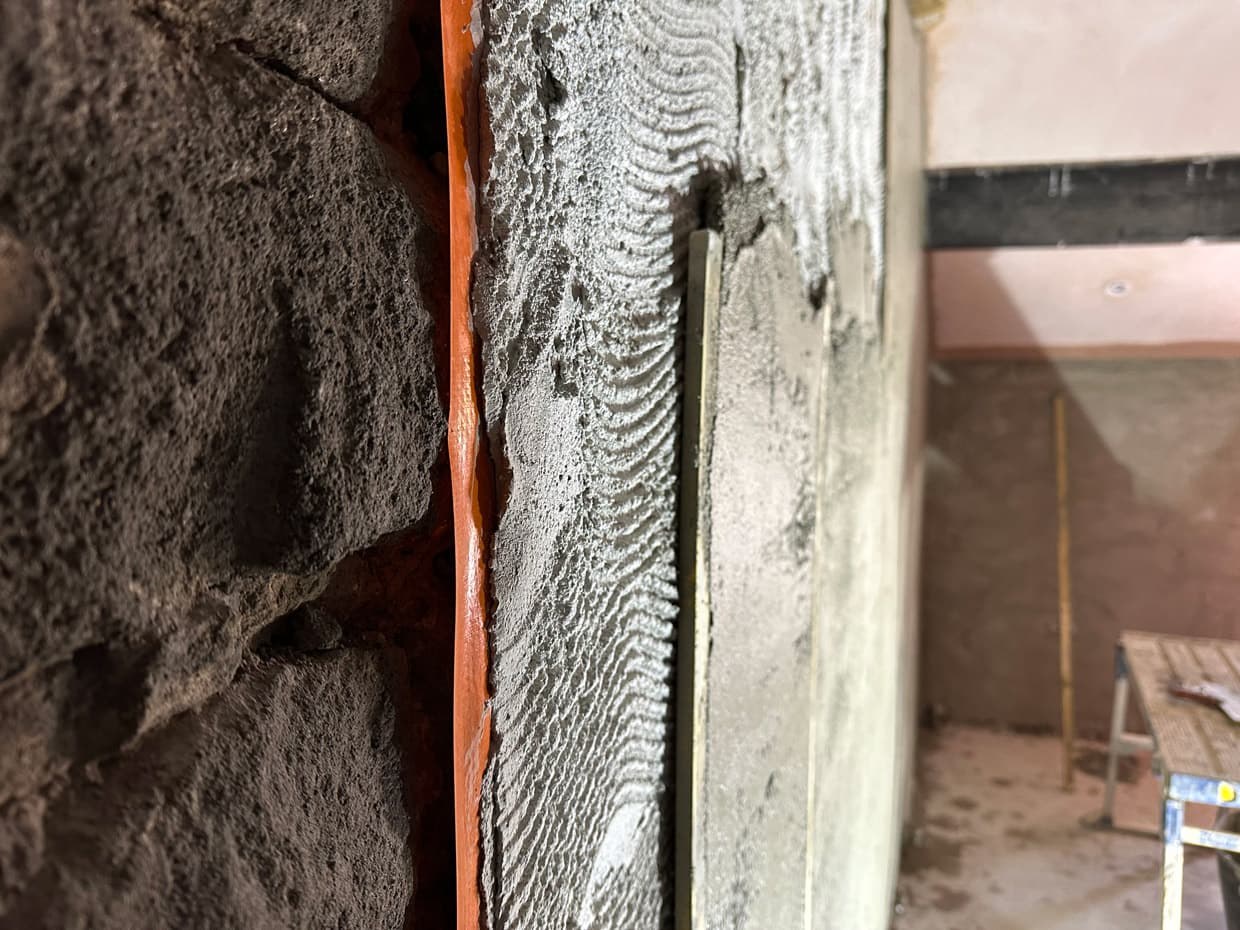 Plastering & rendering project 1
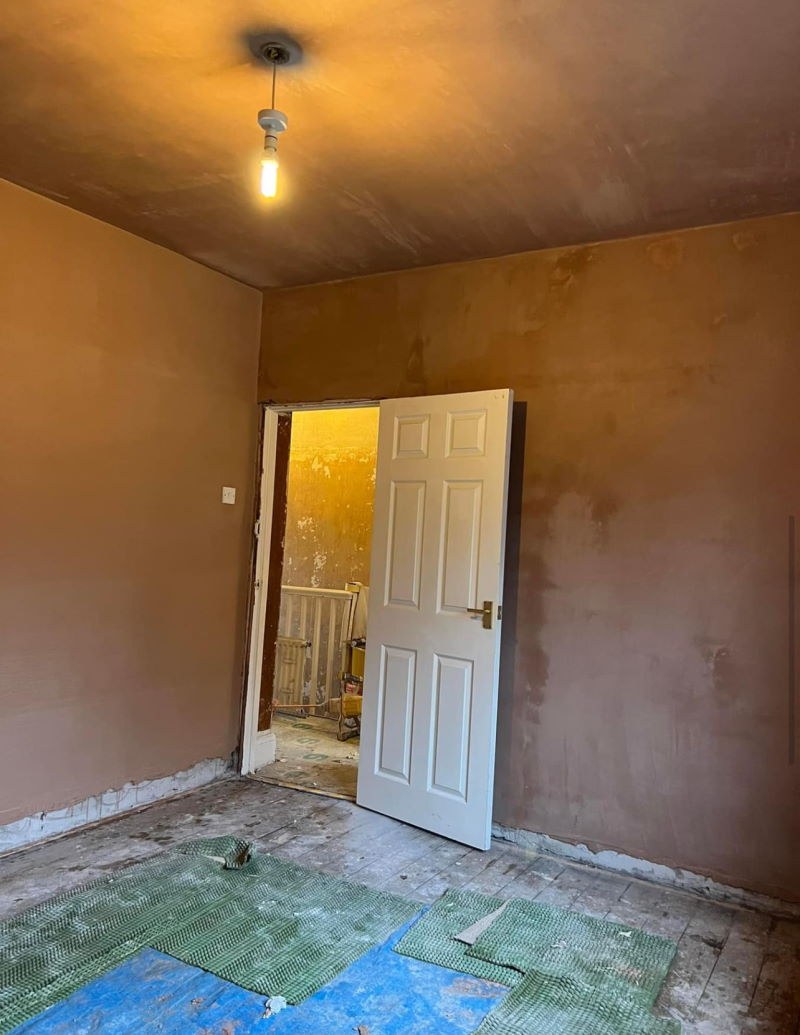 Plastering & rendering project 1
 Plastering & rendering project 1
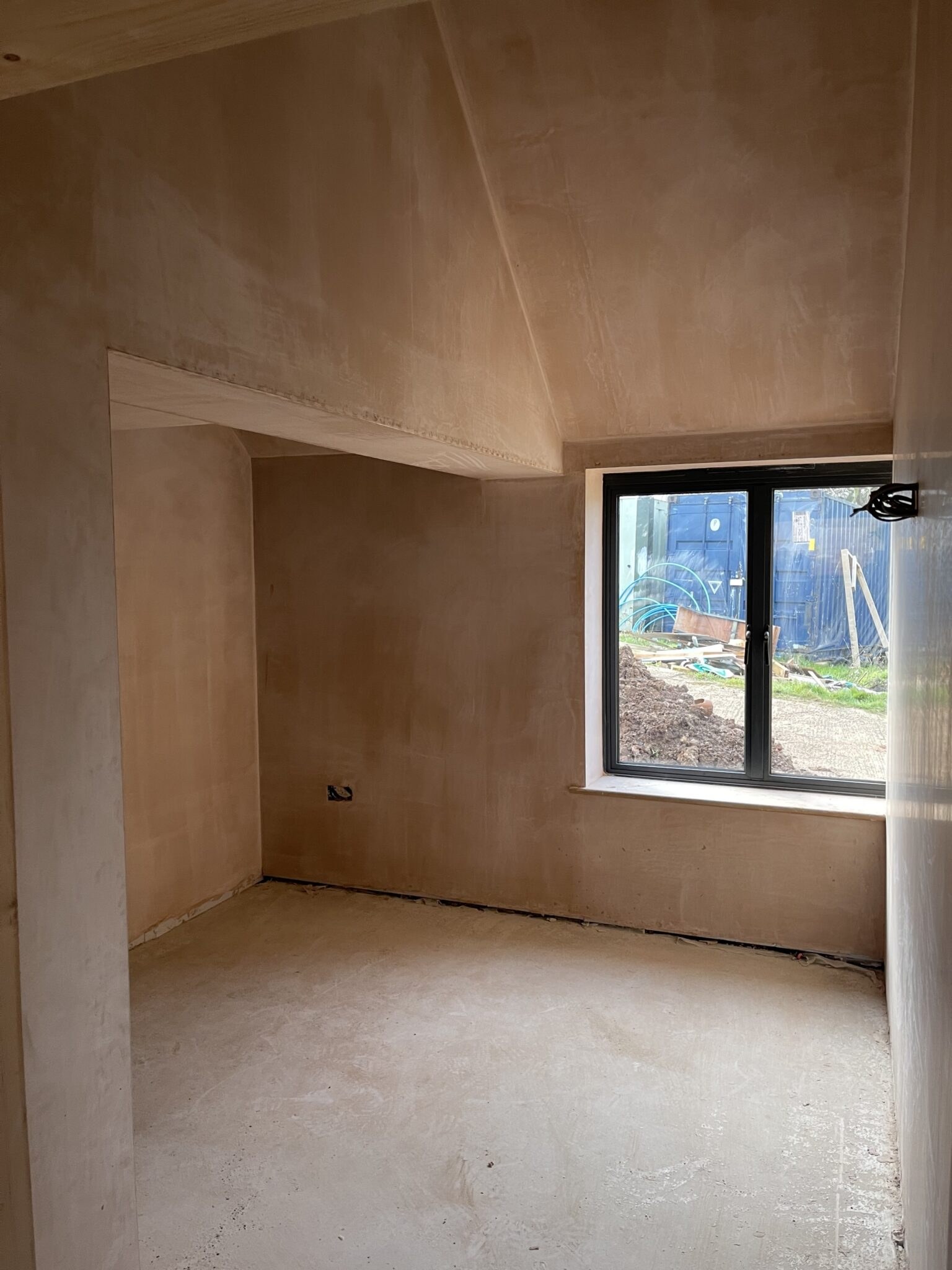 Plastering & rendering project 1
 Plastering & rendering project 1
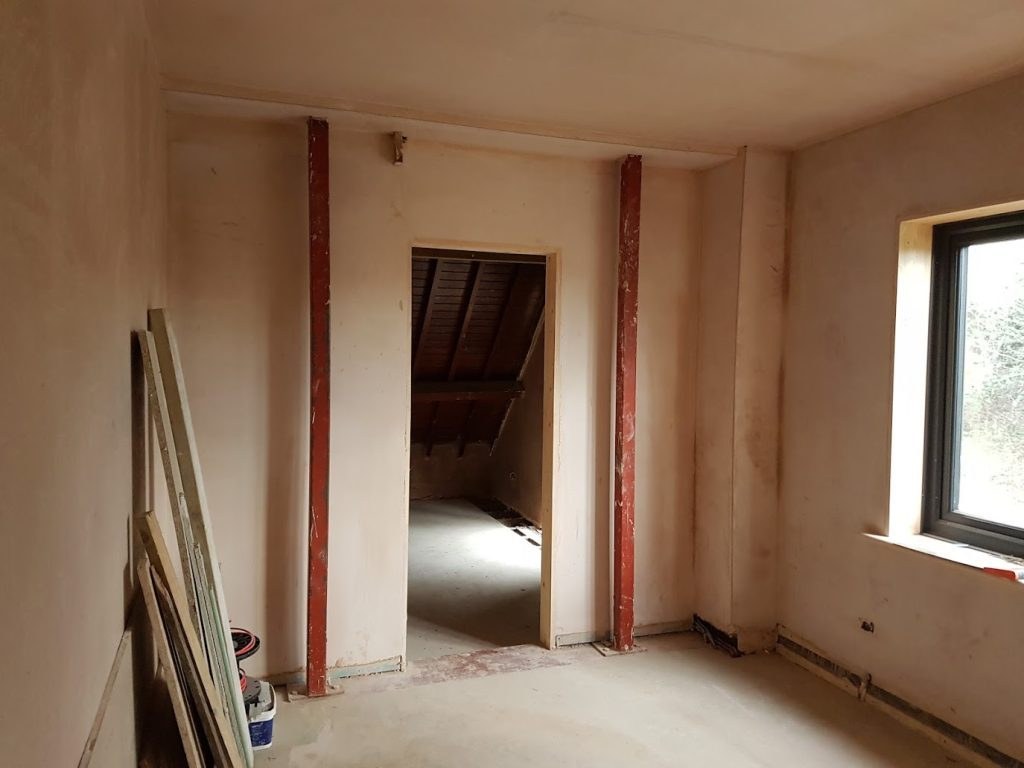 Plastering & rendering project 1
 Plastering & rendering project 2
 Plastering & rendering project 2
 Plastering & rendering project 2
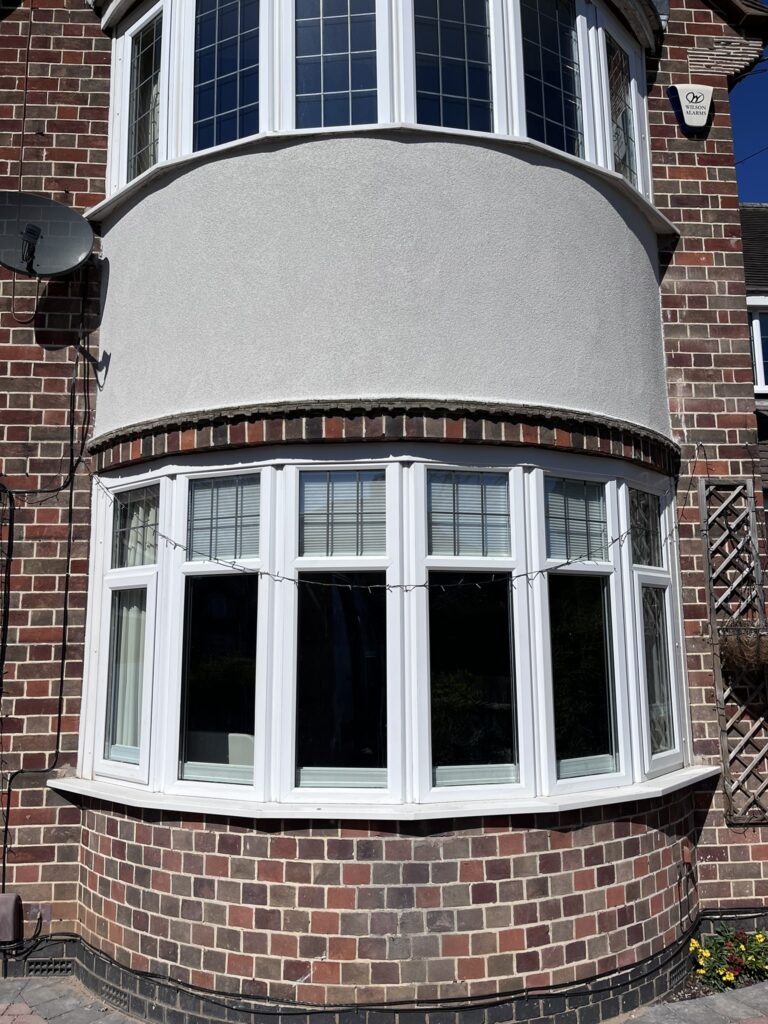 Plastering & rendering project 2
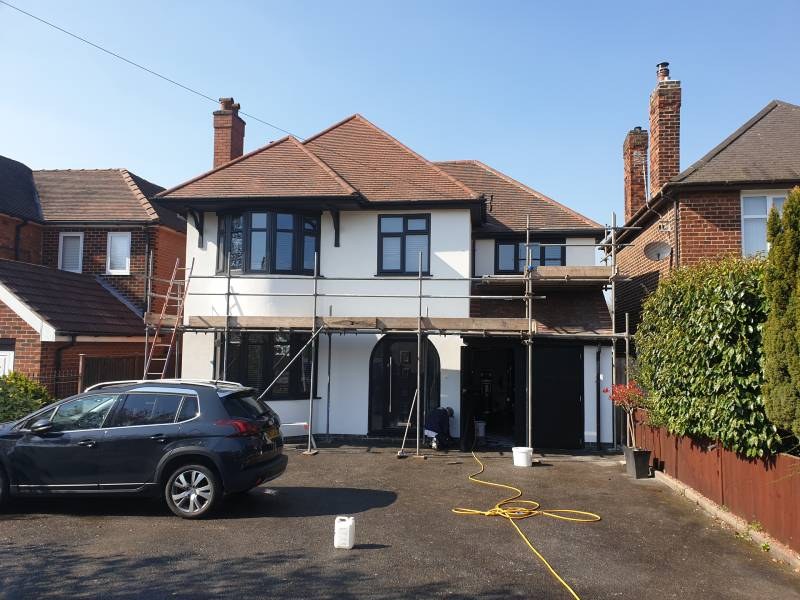 Plastering & rendering project 2