Site clearance quotes
Arrange site clearance when rubble, vegetation, abandoned materials, contaminated ground or unsafe structures prevent safe use or planned works. The service involves assessing the area, separating recoverable materials, removing waste through appropriate channels and leaving the ground accessible, stable and ready for construction, landscaping, sale or occupation.
What this covers
The work starts with inspecting the area and identifying what must remain, what can be recovered and what needs controlled removal. Teams may clear vegetation, rubble, soil, concrete, timber, fencing, abandoned contents, small structures and other obstructions. They may dismantle sheds or walls, cut back roots, excavate buried material, load waste mechanically or by hand, and screen ground where contamination or hidden debris is suspected.
Clearance is not automatically demolition, excavation or landscaping. Those activities may form part of the scope where the site demands them, but they should be described separately so the finished result is understood. The provider should explain whether the quotation covers only removal, or also grading, topsoil replacement, drainage protection, making safe, temporary surfacing and final sweeping.
The intended end state matters. Land prepared for construction may need accurate levels and unobstructed access, while a garden clearance may simply require removal of vegetation and waste. Occupied properties also need controls for dust, noise, public access and damage to retained features.
How the work is done
The provider first walks the site with the customer, records retained items, checks access and identifies obvious hazards, unstable structures, buried waste and sensitive boundaries. They then agree the clearance limit, working hours, equipment, loading position and intended finish.
Next, workers isolate the area where needed, protect retained trees or surfaces, remove loose contents and dismantle structures in a controlled order. Vegetation is cut back before larger roots, fencing, slabs, timber, rubble or soil are tackled. Hand work is used around services, walls and restricted entrances; excavators or loaders are used where space and ground conditions allow.
Materials are segregated during loading rather than mixed unnecessarily. Reusable or recyclable items may be separated from general waste, while suspect materials are stopped and assessed instead of being broken or transported casually. Loads are taken through an appropriate waste route. Finally, the team checks for sharp objects, voids, remaining obstructions and access damage, then leaves the agreed surface condition, such as levelled ground, swept hardstanding or prepared formation.
What affects the cost
The main cost drivers are the volume and type of material, how densely it is packed, and whether it can be separated for recovery. Heavy concrete, soil and masonry affect loading and transport differently from light mixed waste. Contaminated, unknown or difficult-to-classify material can require extra assessment and a different disposal route.
Access is equally important. Narrow entrances, restricted parking, soft ground, steep slopes and distance from the loading point increase manual handling or require smaller equipment. Retained walls, trees, utilities, neighbouring properties and occupied buildings add protection and sequencing work. Dismantling a structure costs more than simply collecting loose items because it involves making it safe, breaking it down and managing fixings or foundations.
Check whether the quote includes permits or site controls where relevant, labour, machinery, loading, transport, waste handling, disposal, sorting, final sweeping, grading and reinstatement. Clarify assumptions about hidden voids, buried waste, asbestos-like materials, contaminated soil and extra trips. A low figure that excludes the finished ground condition may not represent the complete job.
Before you hire
Site-clearance competence shows in the survey before the machinery arrives. Look for a provider who records access widths, ground bearing, retained boundaries, services, trees, unstable structures and the intended finished level. Their method should explain manual and mechanical stages, segregation, loading and what happens if unknown or suspect material is found.
Useful evidence includes clear waste documentation, itemised exclusions, suitable equipment for the entrance and ground, and photographs or records showing the area before and after. For dismantling, excavation or work near occupied premises, ask how collapse, dust, noise, public access and damage to retained features will be controlled. Job-specific competence is visible in the questions asked before a price is offered.
Recent work
 Site clearance project 1
 Site clearance project 1
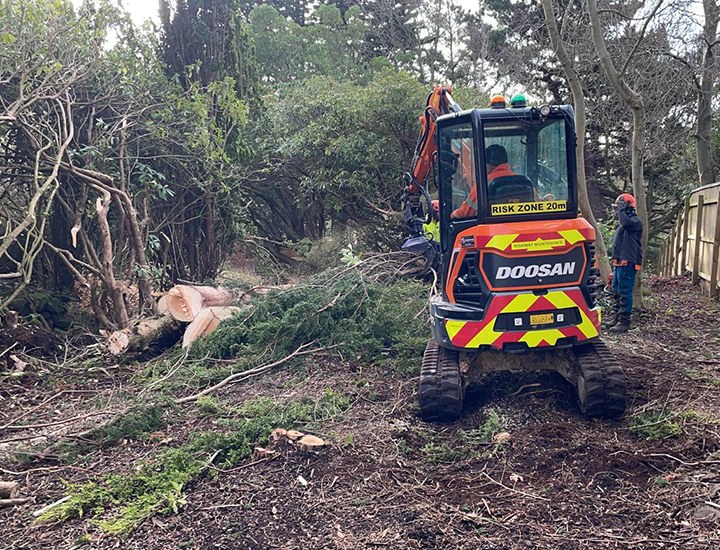 Site clearance project 1
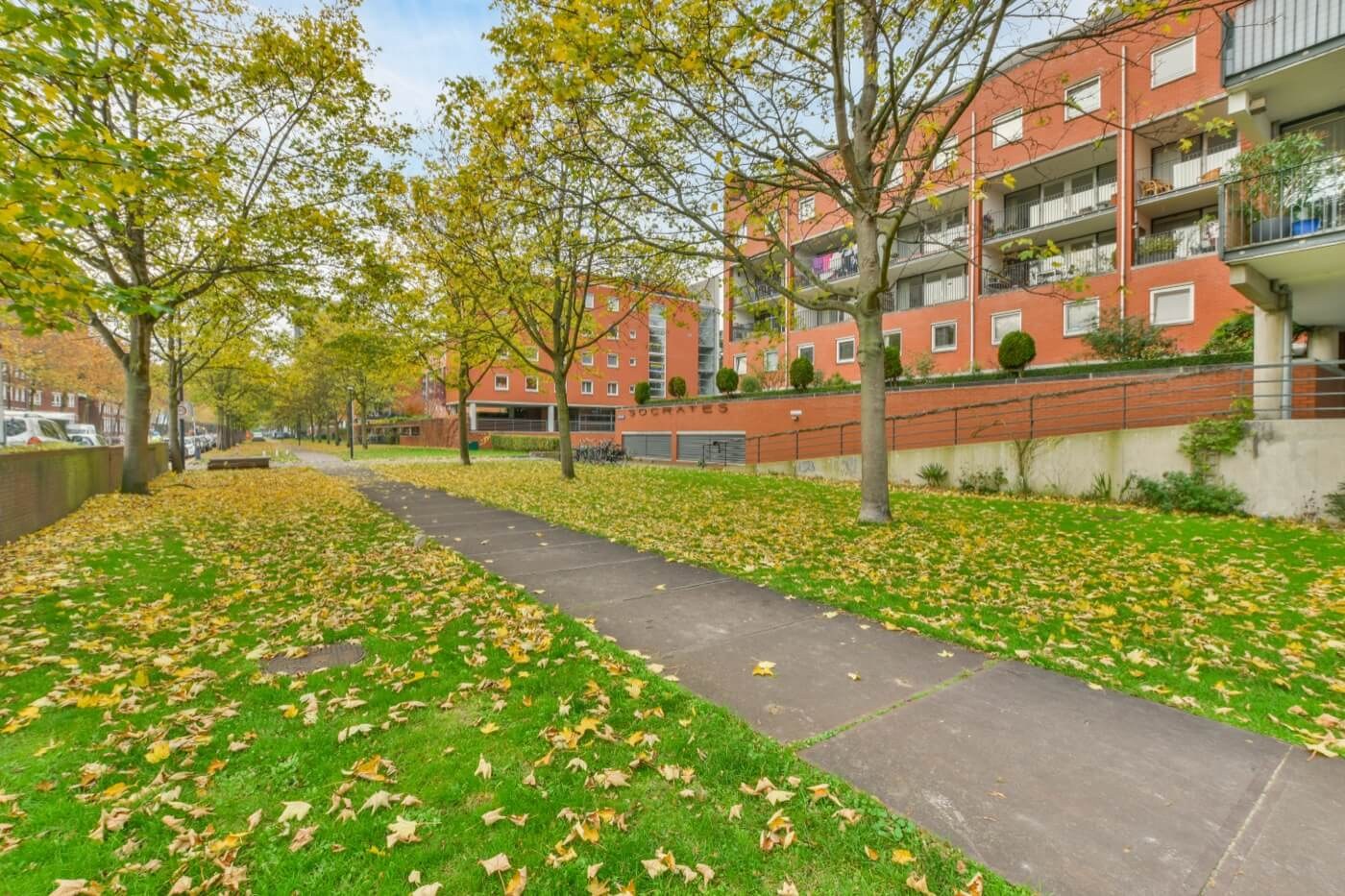 Site clearance project 1
 Site clearance project 1
 Site clearance project 2
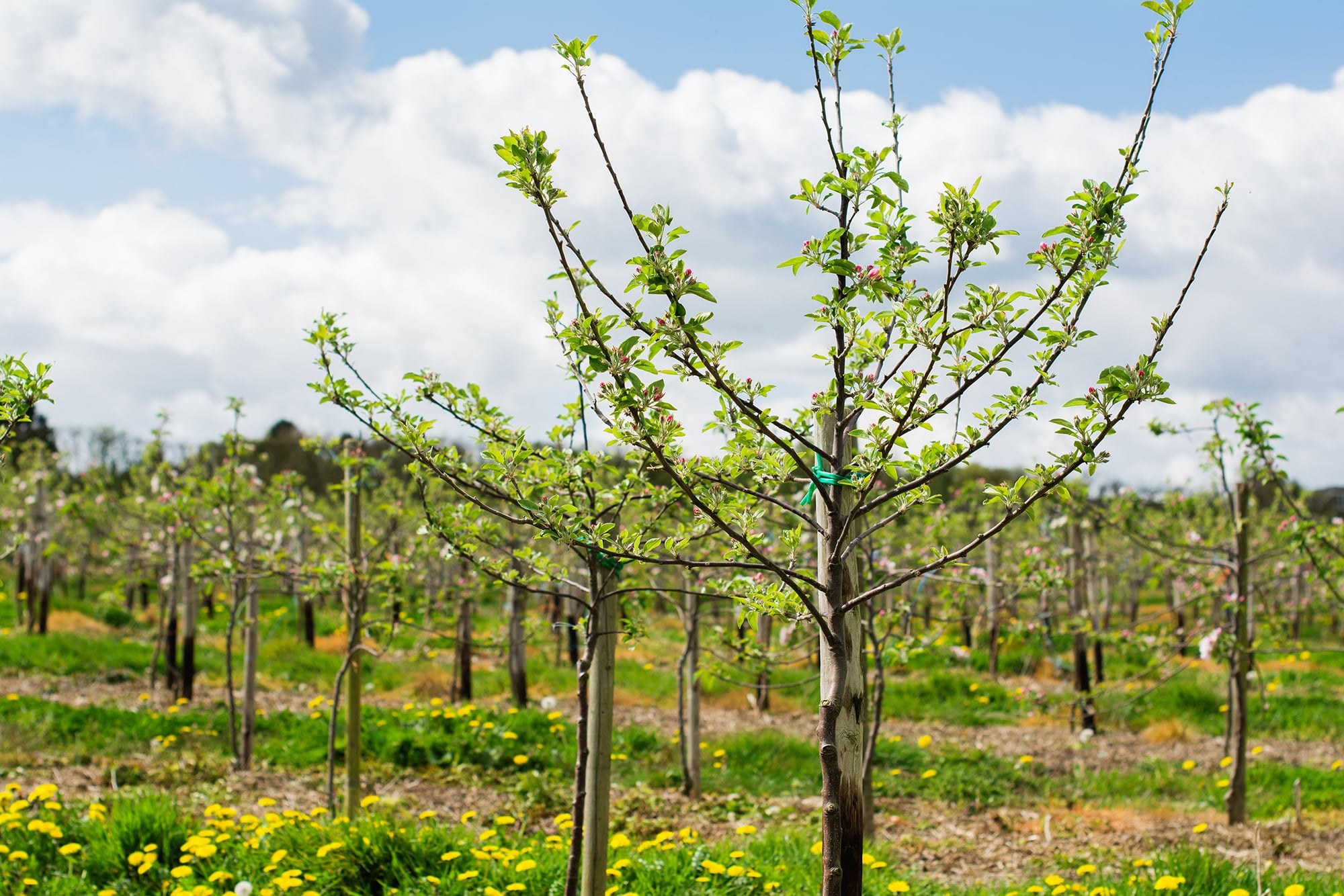 Site clearance project 2
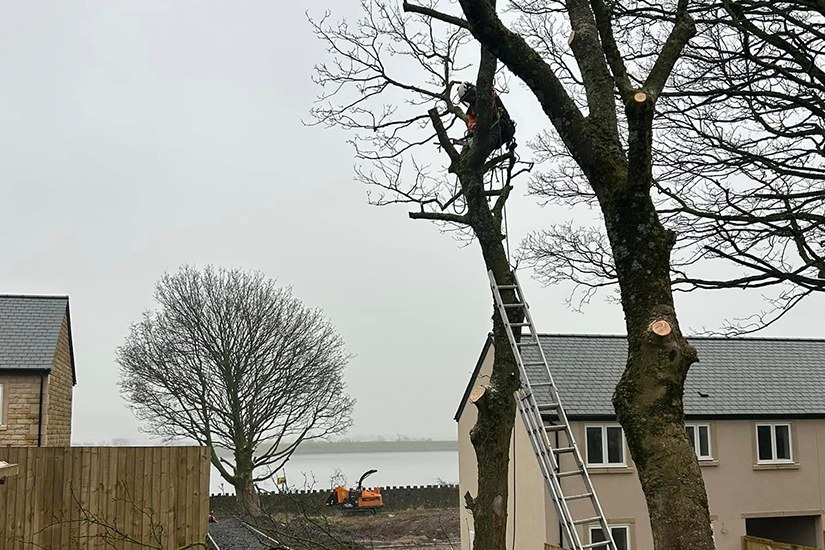 Site clearance project 2
 Site clearance project 2
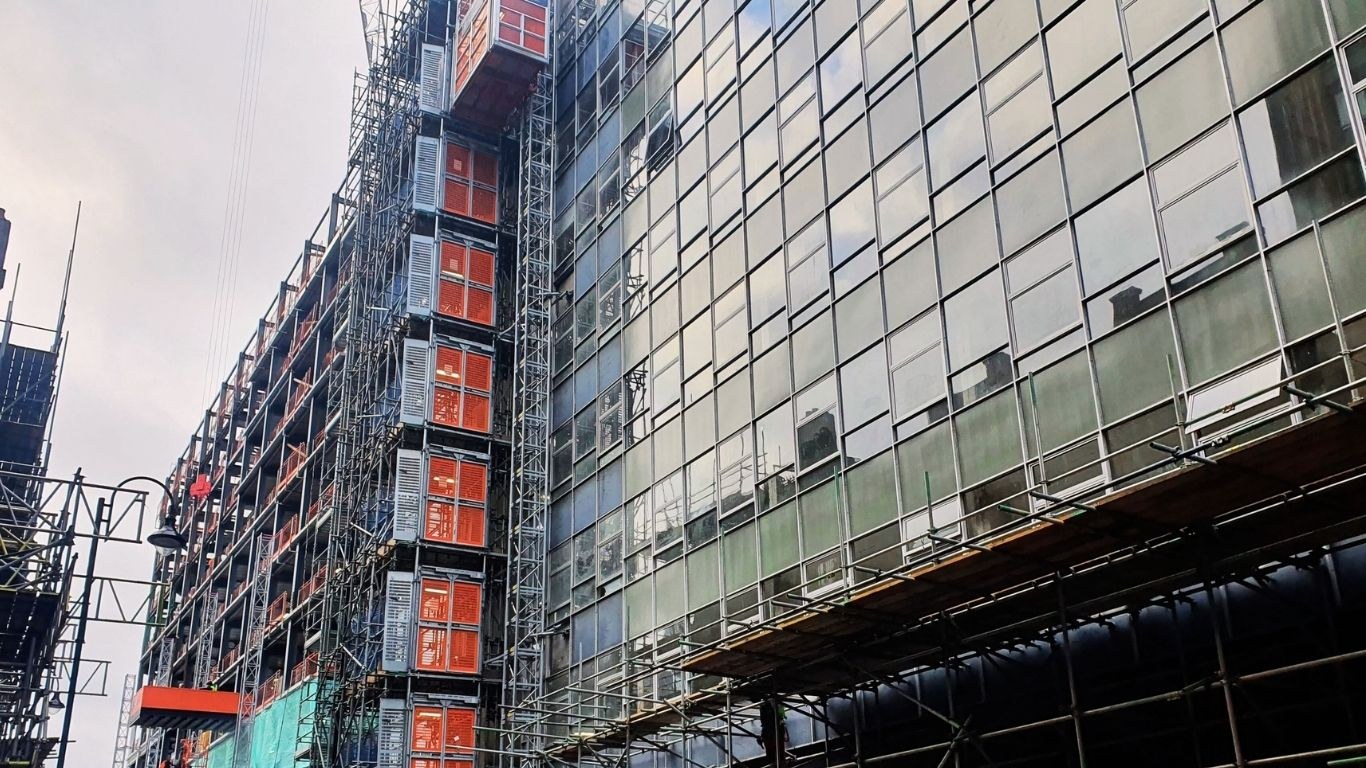 Site clearance project 2
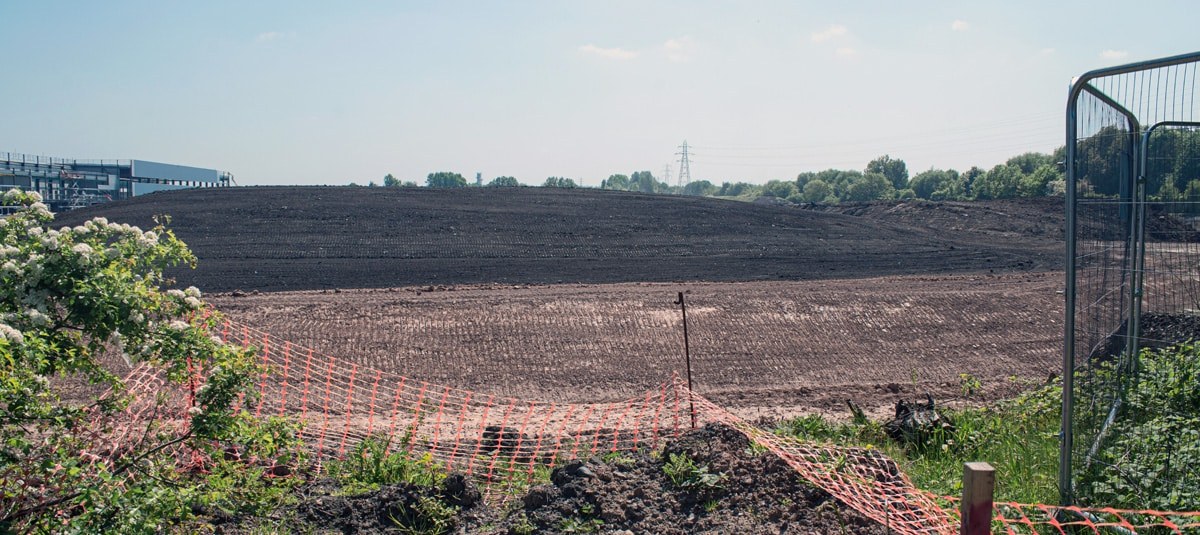 Site clearance project 3
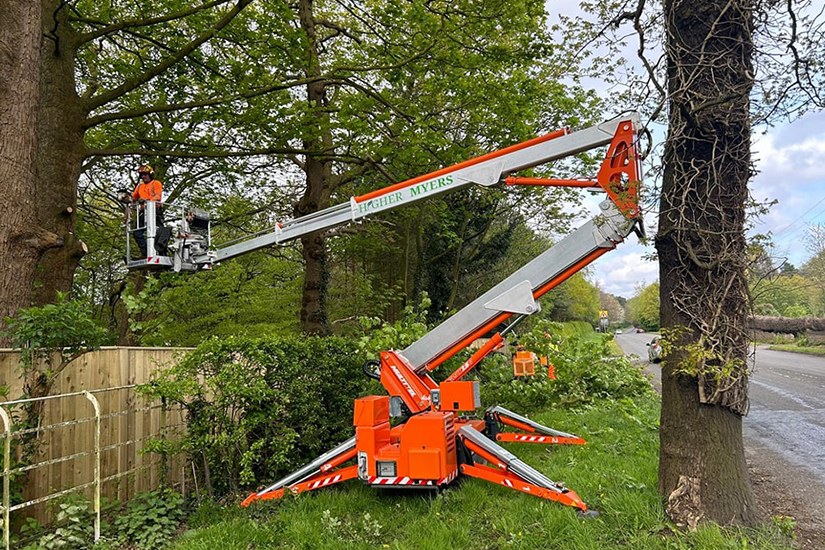 Site clearance project 3
 Site clearance project 3
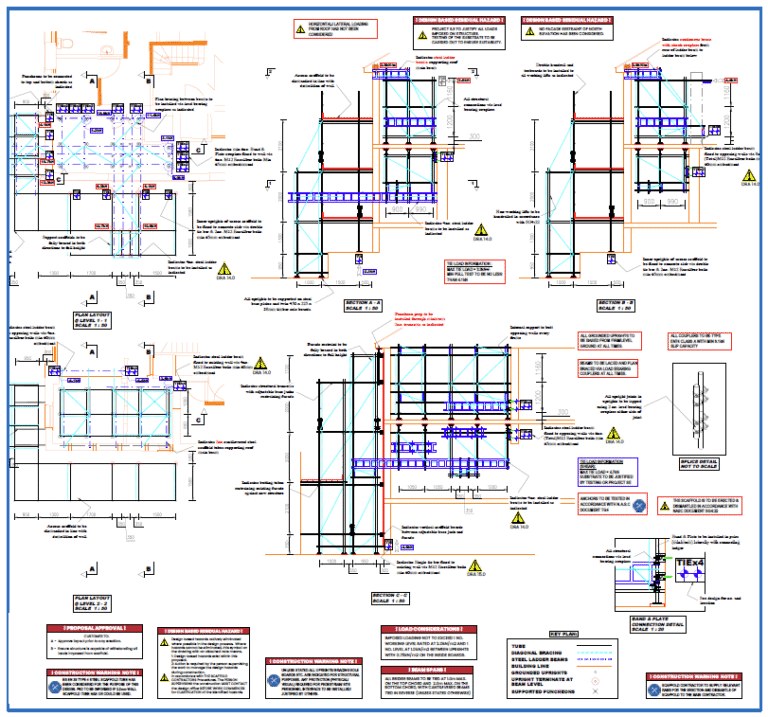 Site clearance project 3
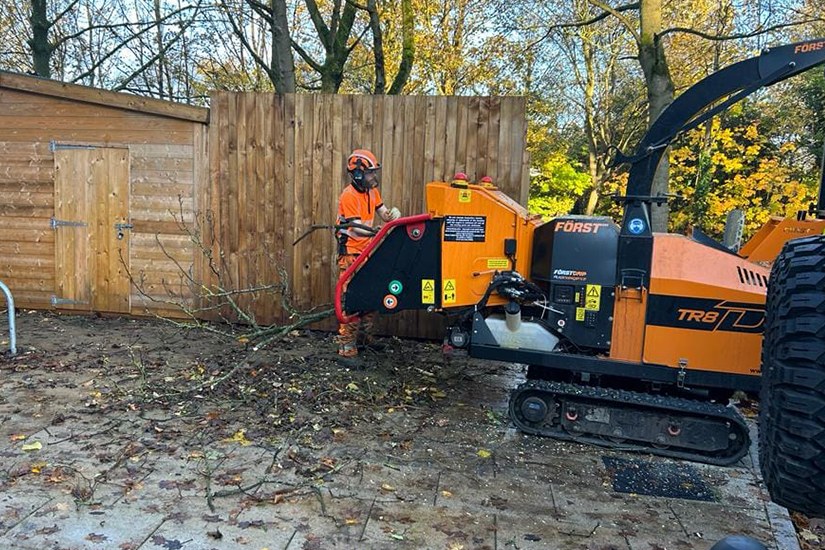 Site clearance project 4
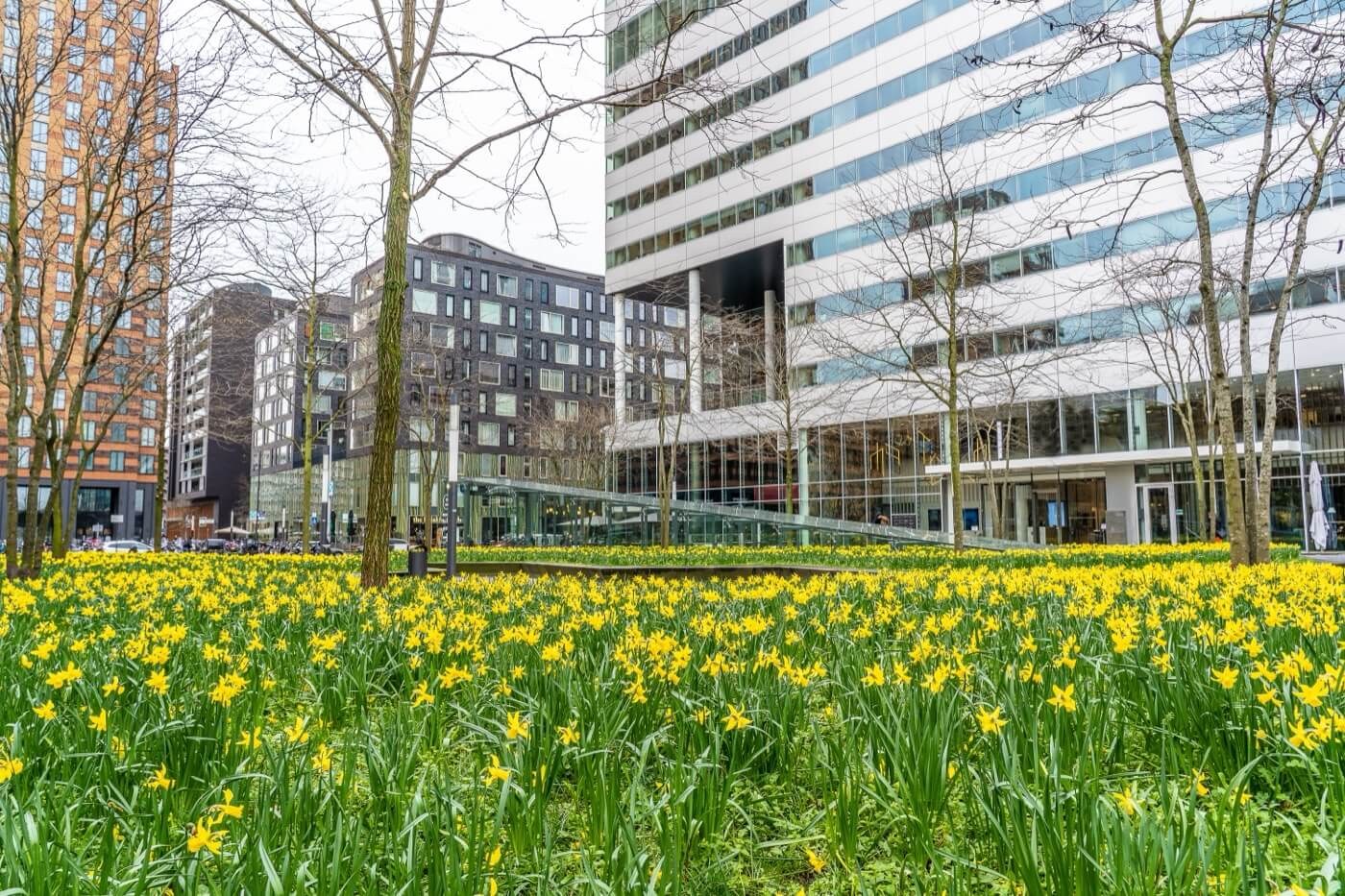 Site clearance project 4