Security installs quotes
Security installs protect people and property by fitting or upgrading locks, alarms, cameras, access controls and related hardware. They are appropriate after a break-in, during refurbishment, before occupation or when existing equipment no longer controls entry, records activity or provides dependable warning.
What this covers
The work starts with inspecting entrances, vulnerable openings, existing hardware, power supplies and communications routes. A tradesperson then agrees the security objective: restricting entry, detecting intrusion, identifying visitors, recording evidence or alerting a responsible person. Physical installation can include cylinders, mortice locks, bolts, door closers, key safes, alarm contacts, sounders, control panels, cameras, intercoms, readers and electric locking hardware.
Cabling may be chased into walls, clipped discreetly, routed through loft or floor voids, or protected in surface containment. Wireless devices reduce disturbance where suitable, but still need dependable signal paths and battery access. Cameras must be positioned for useful identification without creating unnecessary views into neighbouring areas. Access-control equipment requires careful alignment of doors, hinges, closers and release mechanisms. The installer should configure devices, label controls, test failure conditions, explain operation and provide records of settings, keys, codes and maintenance requirements.
How the work is done
The installer first discusses the incident, concern or operational requirement and checks who needs access. They inspect doors, frames, windows, gates, power, network availability and possible cable routes, noting obstructions and weak points. The proposed equipment is then mapped to each opening or detection area, with positions agreed before drilling.
Existing locks or devices are isolated and removed only where replacement is agreed. New hardware is fixed to sound material, with strike plates, hinges, closers and electric releases aligned so the door operates smoothly. Cables are routed through suitable voids or containment, while wireless devices are paired and signal-tested in their final positions. Cameras are adjusted for useful coverage and controlled glare; alarms and access permissions are configured.
Finally, the system is tested from the user’s perspective: entry, exit, alarm triggering, notifications, power interruption, code changes and any remote functions. The customer receives operating instructions, keys or credentials, device locations, warranty information and maintenance recommendations.
What affects the cost
The main cost drivers are the number and type of openings, the condition of doors and frames, equipment specification, cable distance, power availability and the amount of configuration required. Replacing a cylinder is materially different from strengthening a frame, fitting multiple locks or integrating alarms, cameras and access control.
Access affects labour where installers must work at height, above ceilings, within lofts, behind finished walls or around difficult joinery. Solid masonry, reinforced doors, listed fabric and concealed services can require slower, more careful methods and additional making-good. Wireless equipment may reduce installation disturbance but can introduce battery, signal and commissioning considerations.
A useful quotation should identify every device, fixing method, cable route, containment, programming task, testing stage, disposal item and handover document. Check whether batteries, monitoring, cloud storage, call-out support, maintenance visits, remedial building work and VAT are included or separate. Emergency attendance, out-of-hours access and replacement parts can also change the final amount.
Before you hire
For security installs, useful evidence is specific to the equipment and building: accurate surveys of door construction, correct lock and frame alignment, tidy cable routes, documented alarm zones, tested camera views and a clear failure or override procedure. The installer should explain how power loss, flat batteries, lost credentials and network failure affect operation. Ask to see the proposed product specifications, commissioning record and handover information rather than accepting a broad claim of experience.
Recent work
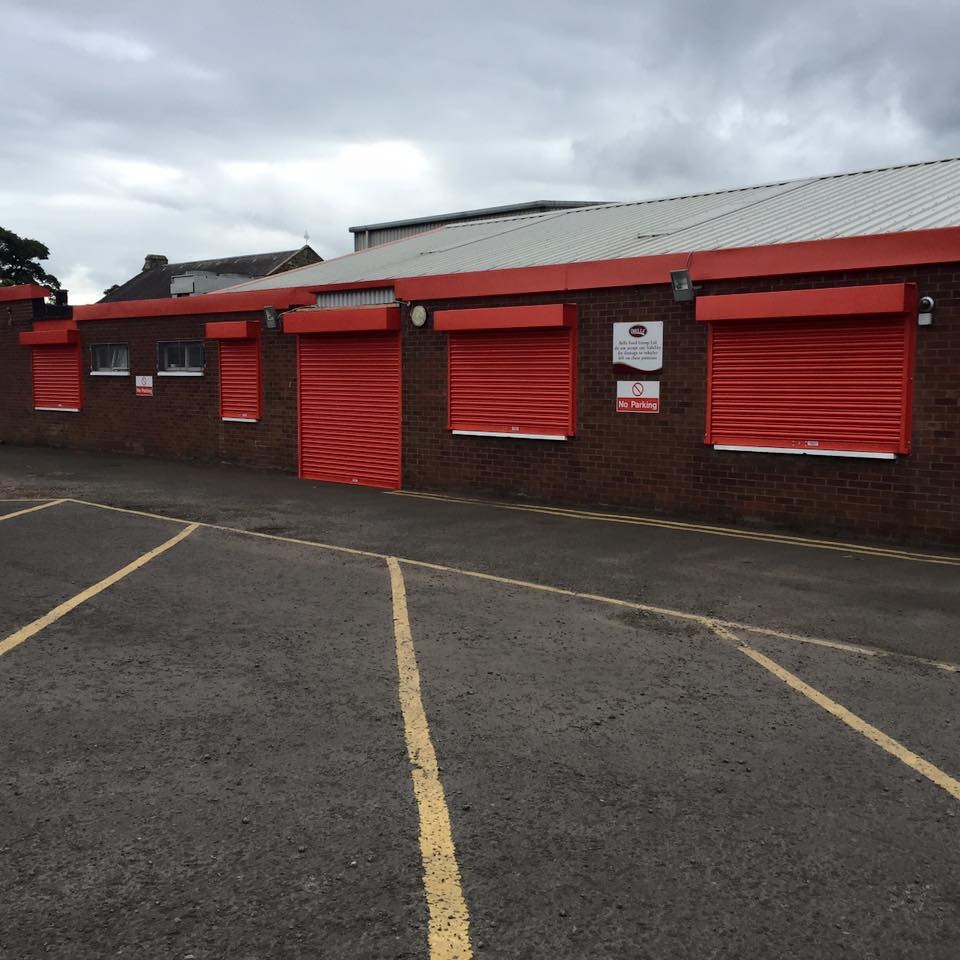 Locksmiths & security installs project 1
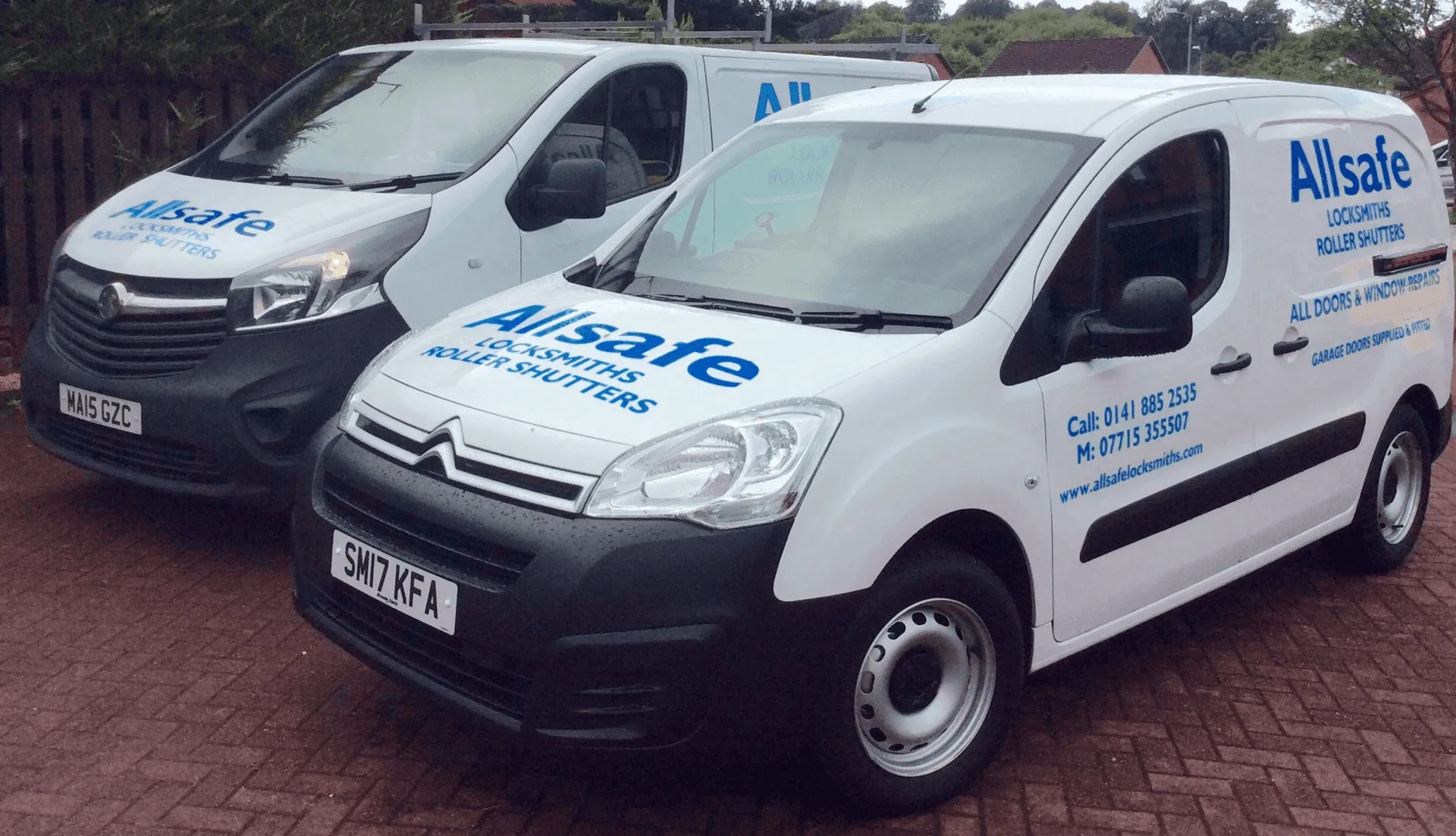 Locksmiths & security installs project 1
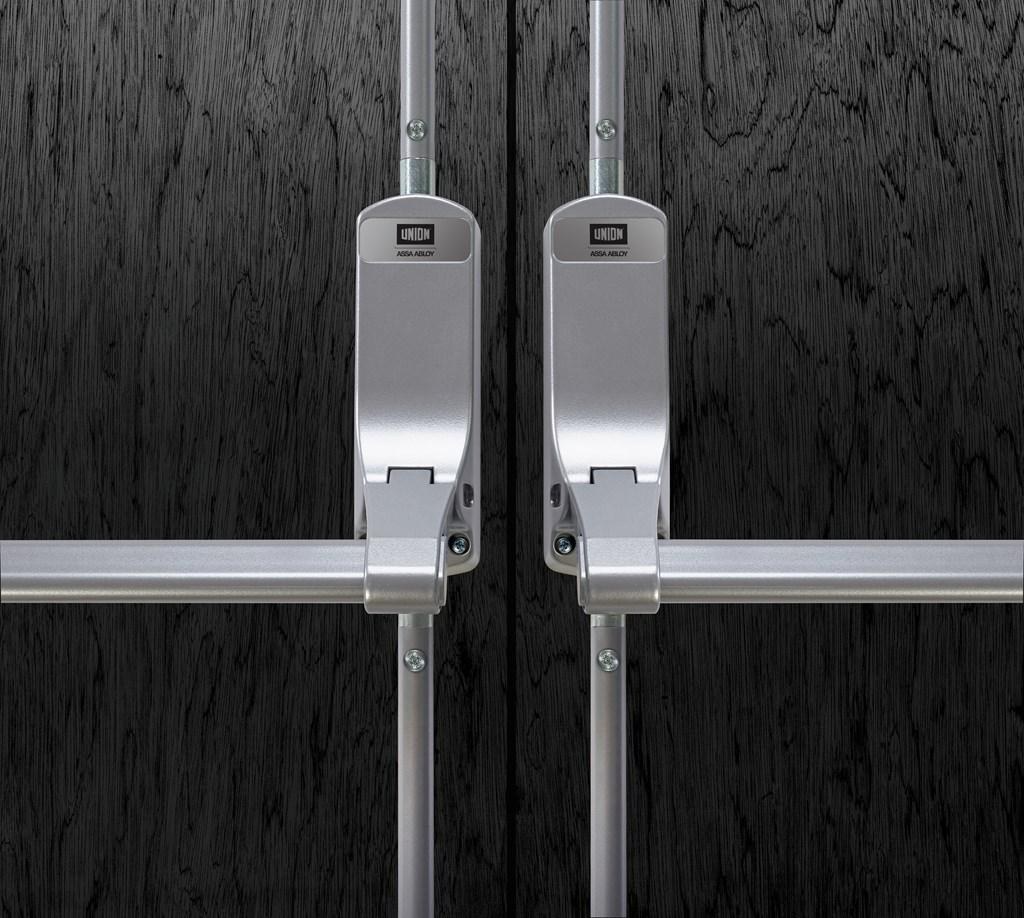 Locksmiths & security installs project 1
 Locksmiths & security installs project 1
 Locksmiths & security installs project 1
 Locksmiths & security installs project 1
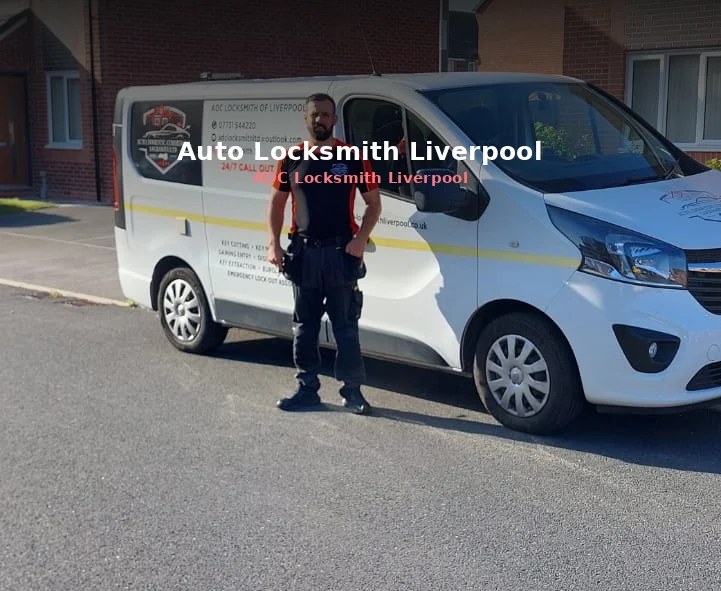 Locksmiths & security installs project 1
 Locksmiths & security installs project 1
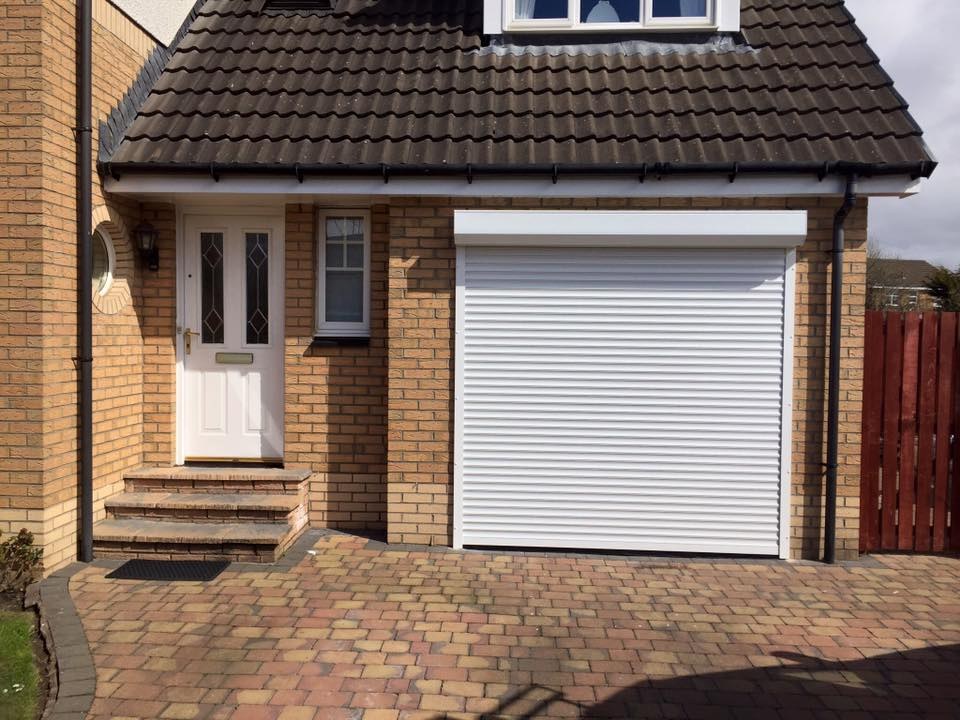 Locksmiths & security installs project 2
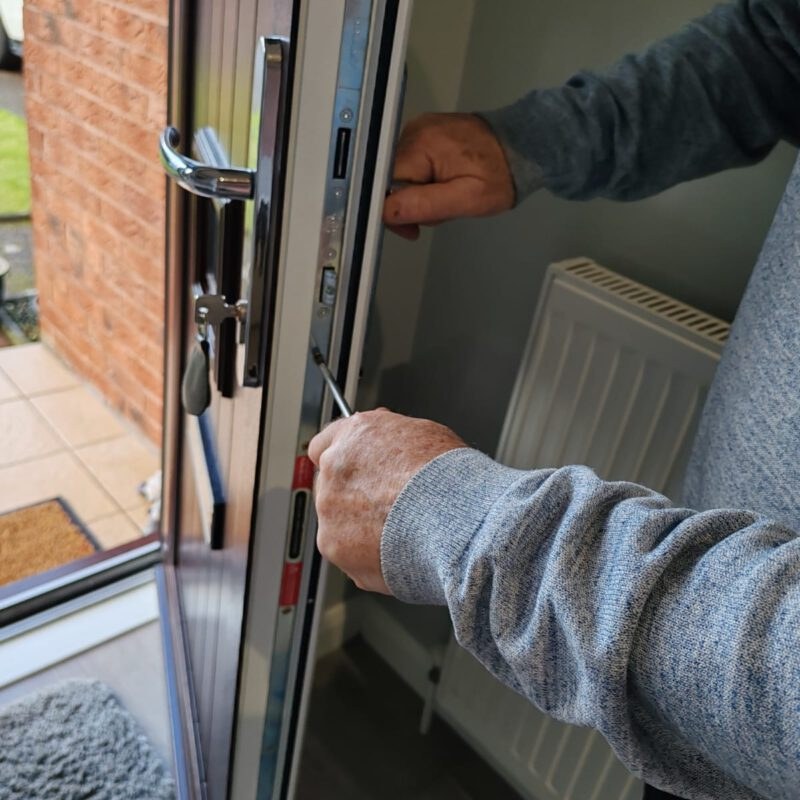 Locksmiths & security installs project 2
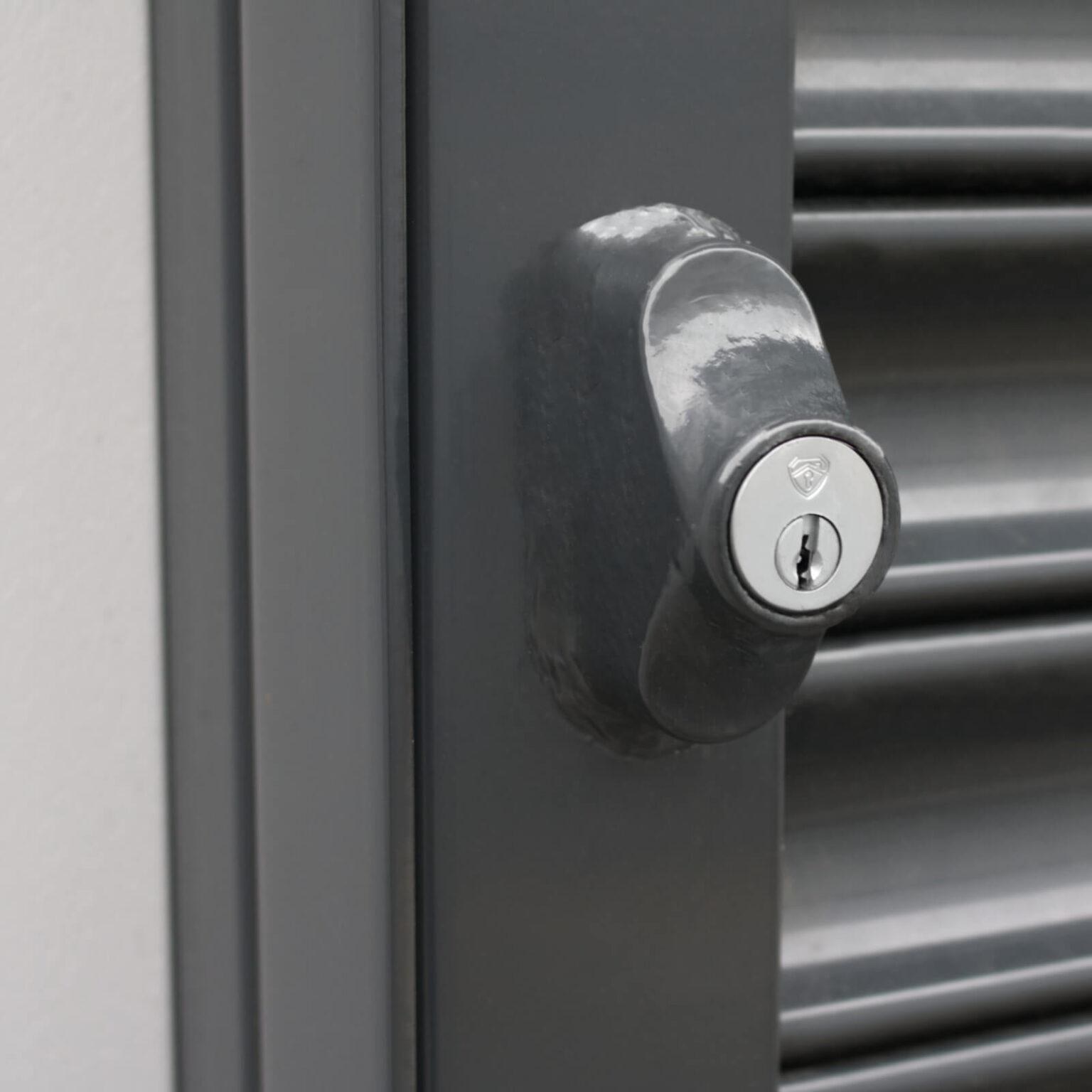 Locksmiths & security installs project 2
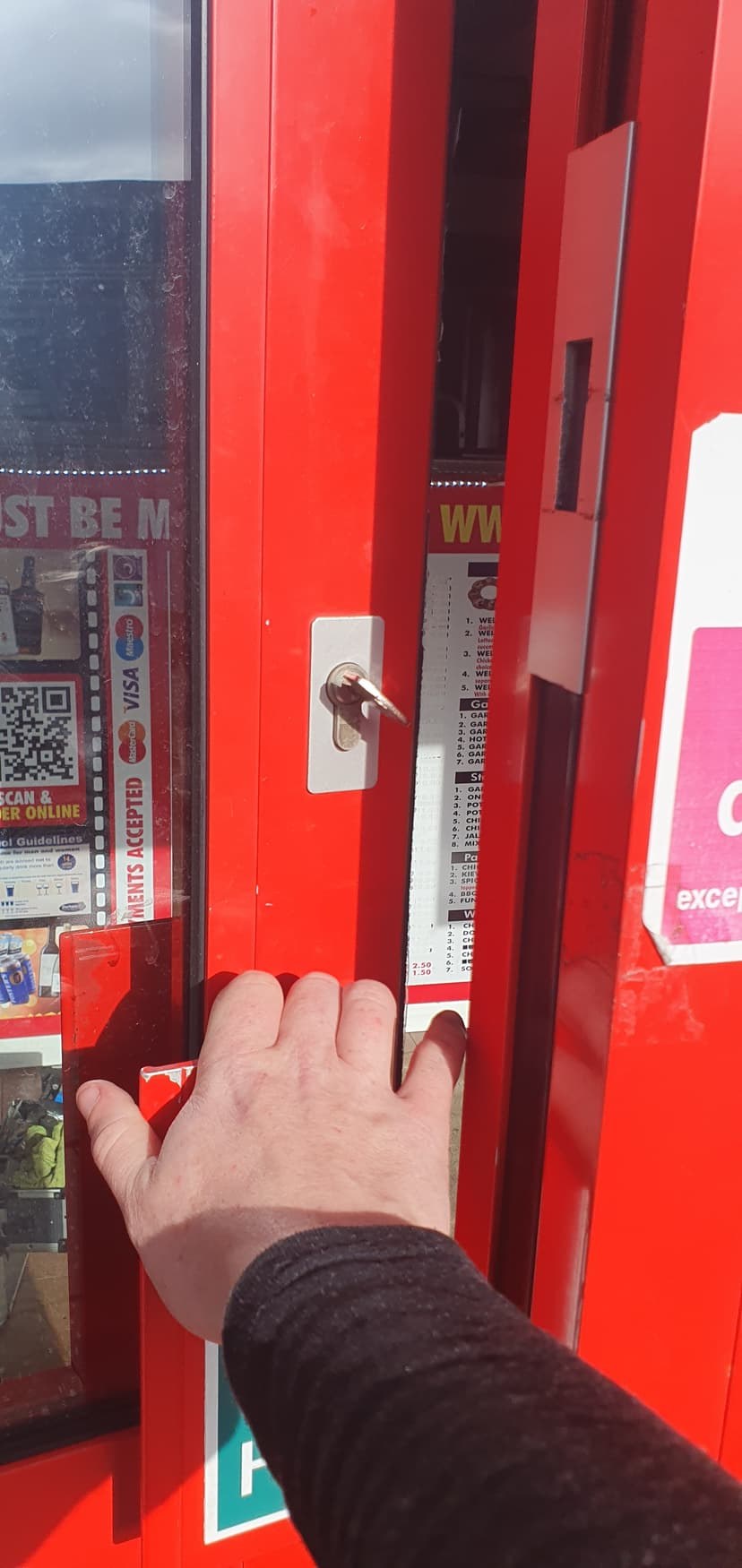 Locksmiths & security installs project 2
 Locksmiths & security installs project 2
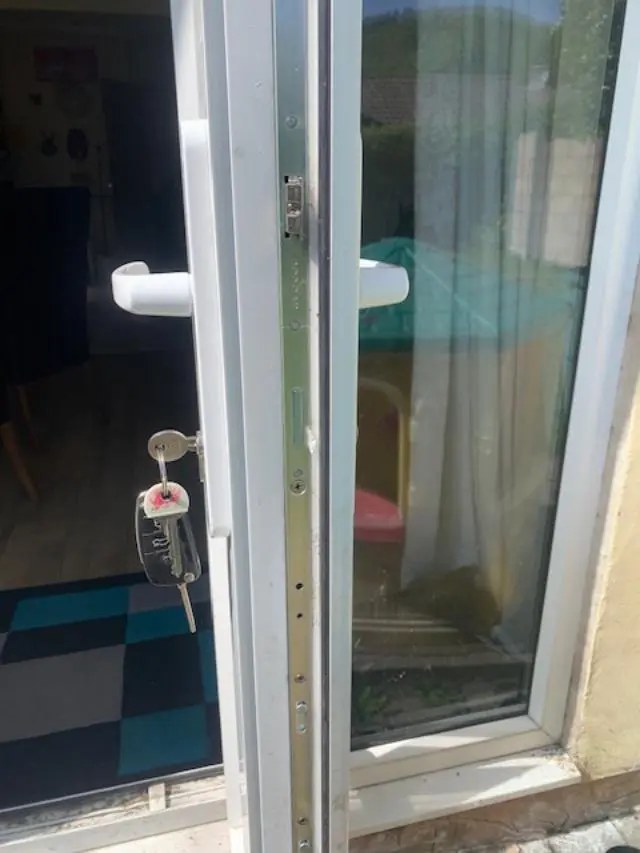 Locksmiths & security installs project 2
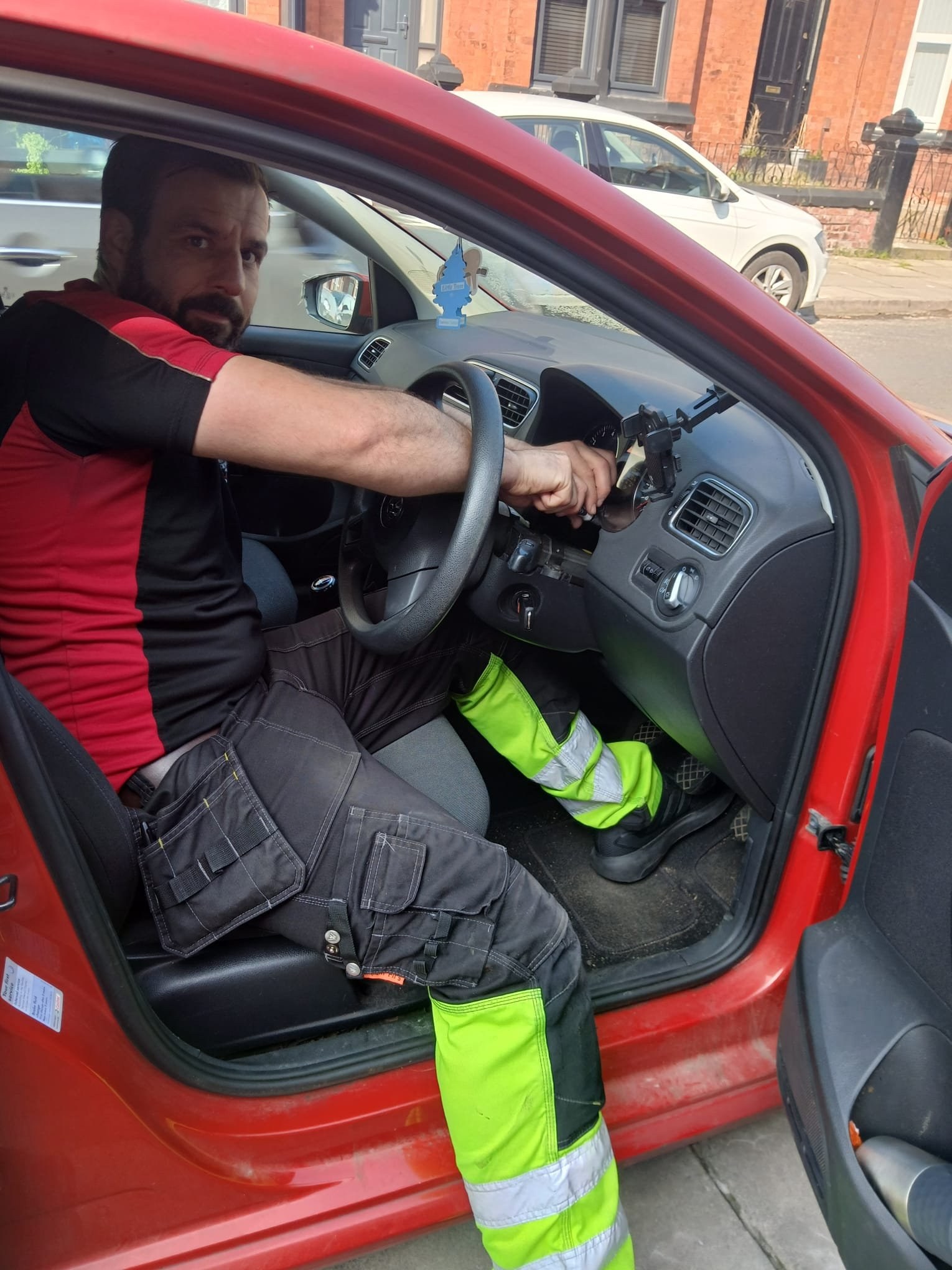 Locksmiths & security installs project 2
 Locksmiths & security installs project 2