Security guards quotes
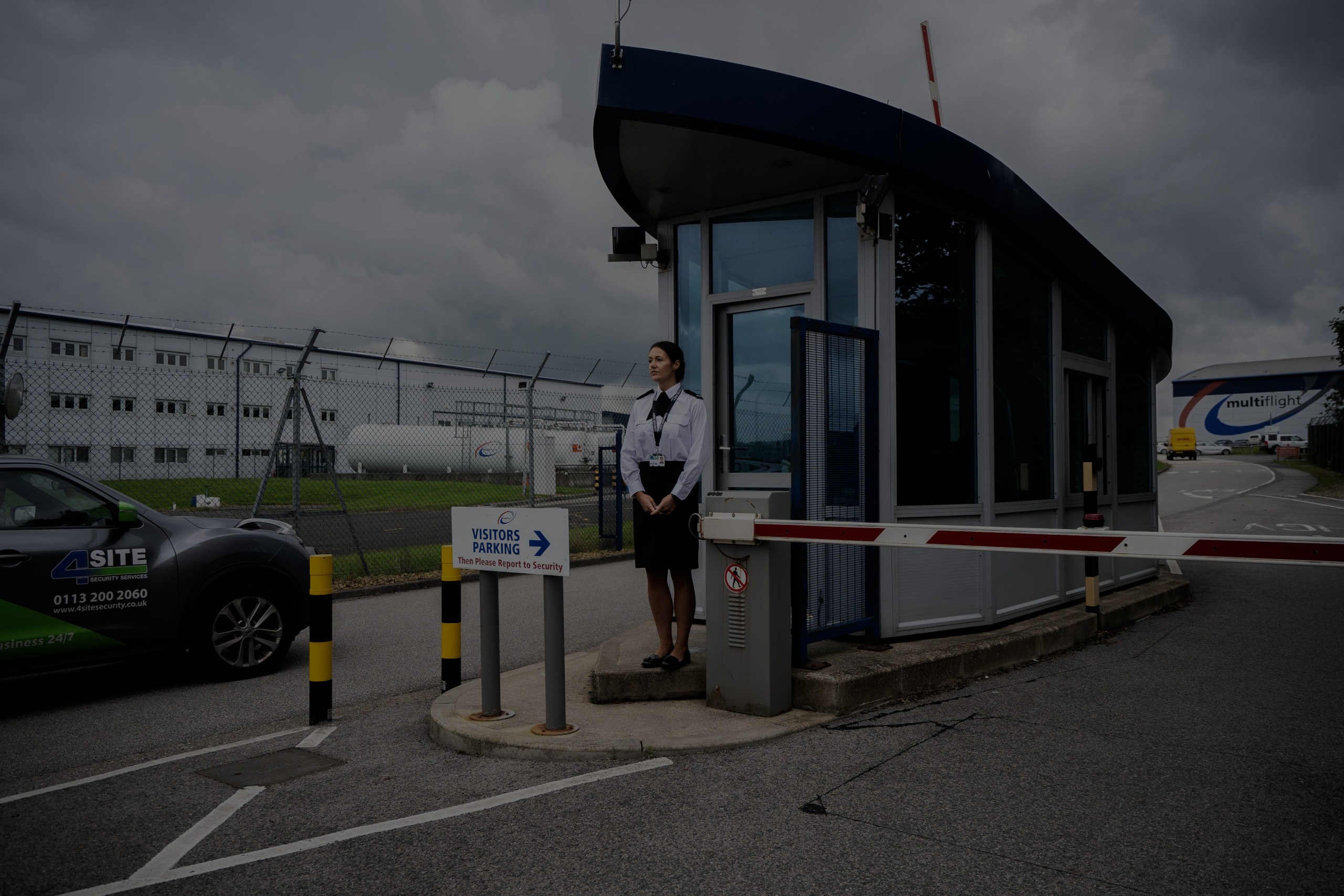
Security guards provide a visible, human security presence for premises, events, people or assets. They deter unauthorised access, monitor activity, respond to incidents and record evidence. Guards are useful where technology alone cannot assess behaviour, manage visitors, challenge access or make proportionate decisions during a developing situation.
What this covers
The work starts with a site-specific assessment of entrances, exits, vulnerable areas, lighting, alarm points, fire routes and places where a guard could safely observe or patrol. The provider then agrees a post order setting out checks, permitted actions, reporting routes, emergency contacts and limits on intervention.
On duty, a guard may verify identification, control vehicle or pedestrian access, escort visitors, search in accordance with the agreed procedure, patrol internal and external areas, watch cameras, receive deliveries, lock or unlock rooms and preserve an incident scene. They record observations in a daily occurrence book or electronic system, including times, people involved, actions taken and outstanding concerns.
The role is not automatically the same as a police response, enforcement service or investigations team. A guard should know when to challenge, when to withdraw, whom to contact and how to keep records that are useful to the client and emergency services. Events, construction sites, vacant properties, offices, retail premises and residential blocks each require different instructions.
How the work is done
The provider first discusses the site, operating pattern, known incidents, vulnerable assets and the decisions the guard must make. A survey then maps access points, patrol routes, blind spots, welfare facilities, alarm controls, emergency exits and safe communication points.
Next, the client and provider agree the number of posts, hours, uniform or plain-clothes approach, equipment, reporting format and escalation contacts. Written post orders translate those decisions into opening checks, visitor procedures, patrol frequencies, key control and incident actions.
At mobilisation, the guard receives site induction, keys or access credentials where appropriate, emergency information and instructions on boundaries of authority. The first shift should confirm that doors, radios, lighting, cameras, alarm interfaces and welfare arrangements work as expected.
During each shift, the guard monitors the assigned area, completes agreed checks, challenges or assists people proportionately, records events and escalates exceptions. The outgoing guard gives a structured handover, while the supervisor reviews records, responds to recurring issues and adjusts instructions when the site or threat changes.
What affects the cost
The cost of security guarding is driven chiefly by coverage: hours, shift pattern, number of posts, lone-working arrangements, weekends or overnight duties and whether relief cover is needed. A site requiring continuous attendance costs more to resource than one needing defined opening, closing or patrol visits.
Access and complexity also matter. Multiple entrances, large boundaries, public interaction, high visitor turnover, key control, vehicle movements and difficult patrol routes increase supervision and handover work. Specialist duties, protective equipment, discreet clothing, control-room integration, travel between locations and rapid response arrangements may add operational requirements.
Ask whether the quotation includes mobilisation, site survey, post orders, supervision, uniform, communications, reporting software, holiday or sickness cover, training, travel, equipment, VAT and any technology interface. Clarify what happens if the guard is delayed or absent, and whether extra attendance, incident response or amended instructions are charged separately. The cheapest visible presence may provide fewer checks, weaker records or no meaningful contingency.
Before you hire
Useful evidence is specific to the post: a site survey that identifies blind spots, a written escalation plan, realistic patrol instructions and a handover method that preserves unresolved issues. Ask how supervisors check attendance, records and alertness, and how absence or late arrival is covered. The provider should explain the guard’s communication equipment, incident-reporting process and approach to lone working. For public-facing duties, look for clear procedures for refusals, complaints, vulnerable people and proportionate intervention rather than promises of force or guaranteed prevention.