Rural property maintenance quotes
Rural property maintenance keeps houses, outbuildings, access routes and services weatherproof, safe and usable. It is needed for problems such as leaking roofs, blocked drainage, failed gates, damaged cladding or unsafe electrics, with early inspection helping separate a straightforward repair from work requiring specialist trades or regulatory consideration.
What this covers
The work begins with inspecting the property as a connected system rather than isolating every defect. A contractor may examine roof coverings, flashings, chimneys, gutters, downpipes, walls, windows, doors, timber, drainage, fencing, gates, paths and service installations. They look for water entry, rot, movement, blocked flow, corrosion, loose fixings, pest access and hazards created by poor access or neglected vegetation.
Physical work can include clearing gutters, replacing broken tiles, repointing appropriate joints, repairing render or cladding, treating or replacing decayed timber, adjusting doors, renewing seals, repairing drainage runs, stabilising gates and making safe damaged electrical or lighting installations. Some tasks are completed from ground level; others need towers, scaffolding, lifting equipment or specialist access.
The scope should record the cause, not just the symptom. A damp patch may reflect failed flashing rather than defective plaster, while a sticking door may result from frame movement or moisture. Listed buildings and conservation areas can restrict window and door alterations. Replacement glazing may affect U-values, WER ratings and Building Regulations Part L or Part Q considerations; secondary glazing can reduce disruption where retaining existing fabric matters.
How the work is done
First, the contractor records the property layout, access constraints and symptoms, then inspects accessible areas without opening up finishes unnecessarily. Roof edges, valleys, gutters, wall junctions, joinery, drainage outlets, gates and service points are checked for movement, moisture, decay, corrosion and unsafe exposure.
Next, immediate hazards are isolated or protected. Loose masonry, unstable gates, exposed wiring or active leaks may require temporary controls before the main repair. The written scope should then separate cleaning, repair, replacement and investigation, explaining where hidden damage cannot be confirmed without lifting coverings or opening fabric.
Preparation follows: access equipment is positioned, vulnerable surfaces are protected, waste routes are agreed and services are isolated where relevant. The physical repair may involve removing failed material, drying or cleaning the substrate, correcting the cause, installing compatible replacement material, sealing or fixing it, and making good adjacent finishes.
Finally, the contractor tests drainage flow, door operation, weather seals, gate movement or repaired services as applicable. Photographs and maintenance notes should identify any remaining defects, recommended monitoring and the point at which further specialist work becomes necessary.
What affects the cost
The main cost drivers are the number of defects, their location and whether the visible damage hides a larger cause. A leaking gutter at ground level is simpler to access than a roof valley requiring scaffolding, while a sound gate needing adjustment is different from one with rotten posts and disturbed foundations.
Materials alter the scope through availability, compatibility and finish. Matching reclaimed or specialist tiles, repairing original joinery, replacing bespoke ironmongery or sourcing conservation-sensitive products can involve more preparation than standard replacement. Access across soft ground, narrow tracks or occupied buildings may require protection, lifting equipment or additional handling.
A quote should make clear whether inspection, opening-up, scaffolding, temporary protection, waste removal, making-good, testing and follow-up visits are included. Electrical work, drainage excavation, asbestos discovery, structural movement and specialist glazing can introduce separate trades or surveys. Comparing like-for-like scopes is more useful than comparing a single headline total, particularly where one proposal allows for hidden damage and another does not.
Before you hire
Useful evidence is specific to the defect: roof work should include checking underlay, battens, flashings and ventilation, not merely replacing visible tiles. Joinery competence shows in careful frame measurement, draught sealing and preserving sound original timber. Drainage work should identify falls, inspection points and the cause of repeated blockage. For windows and doors, ask how the proposed installation addresses U-values, WER ratings, Part L or Part Q considerations and any listed-building or conservation constraints. Electrical tasks should be handled by an appropriately competent specialist who can isolate, test and document the installation rather than simply replace fittings.
Recent work
 Rural property maintenance project 1
 Rural property maintenance project 1
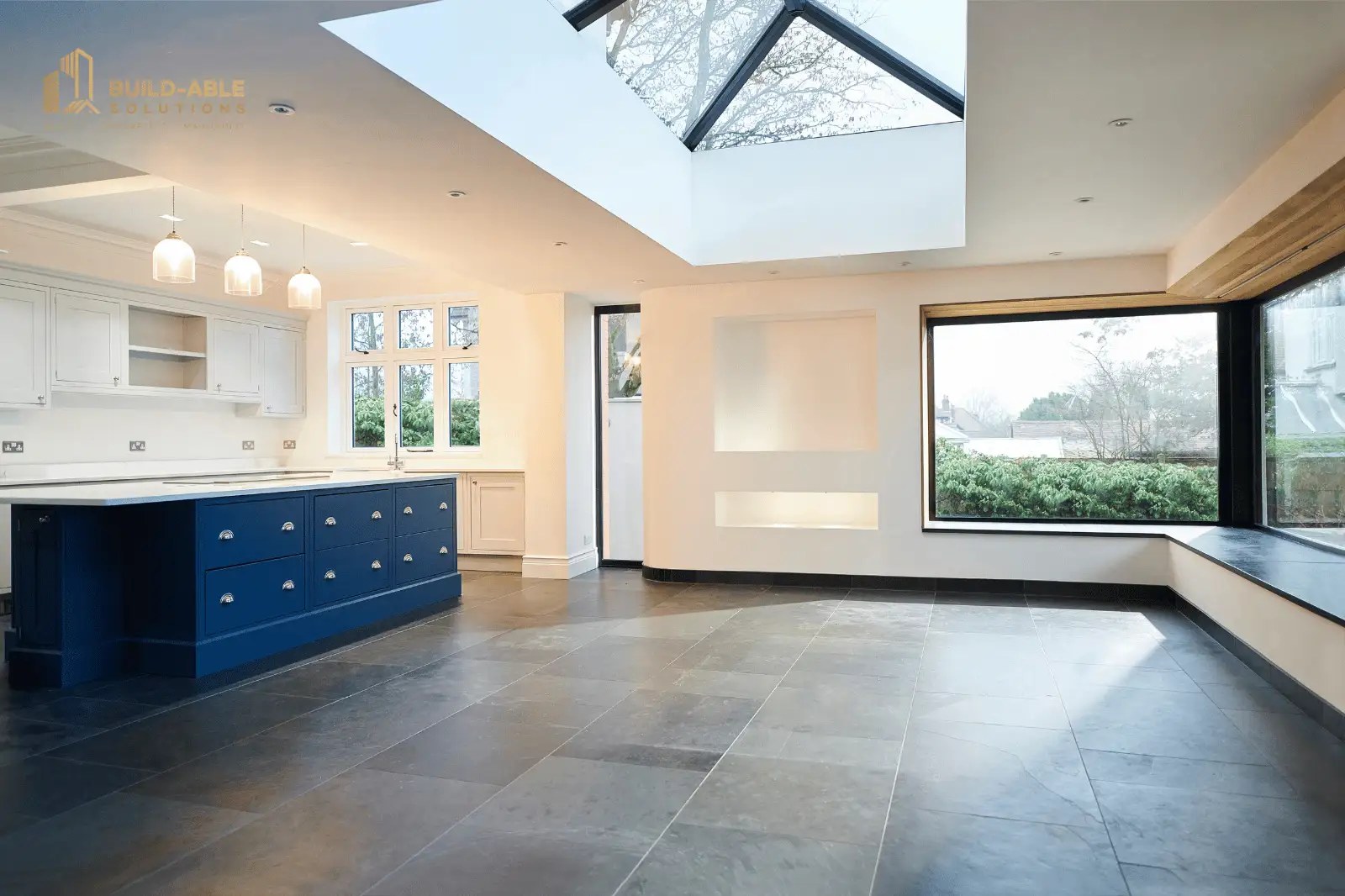 Rural property maintenance project 1
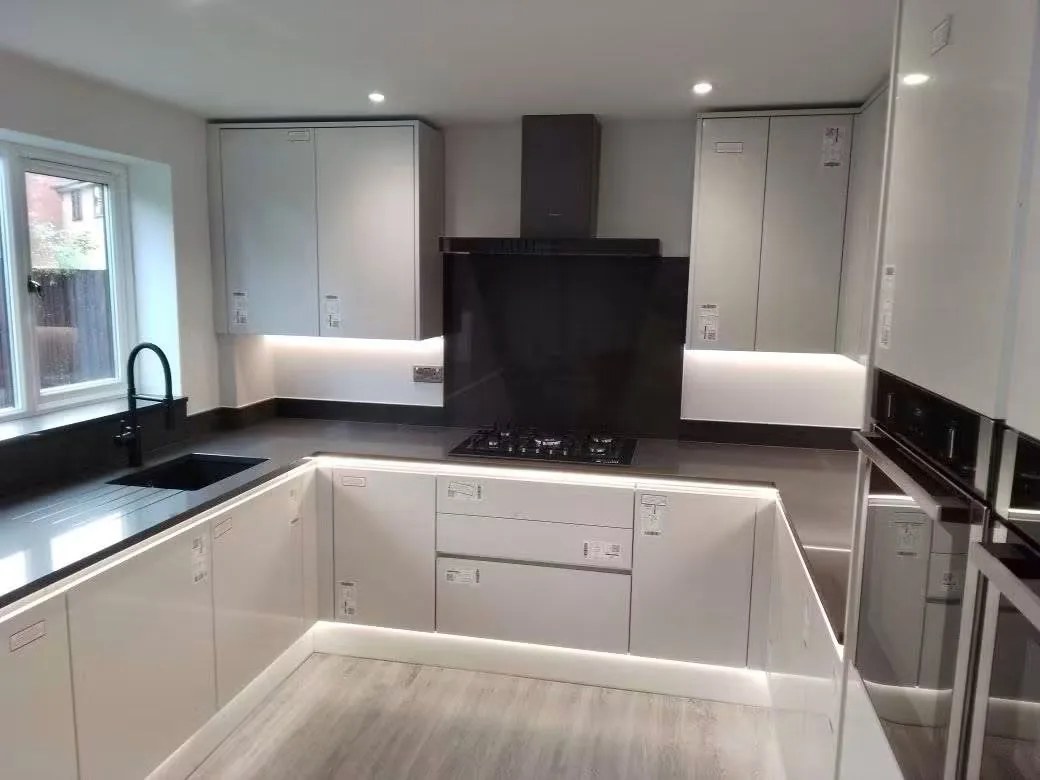 Rural property maintenance project 1
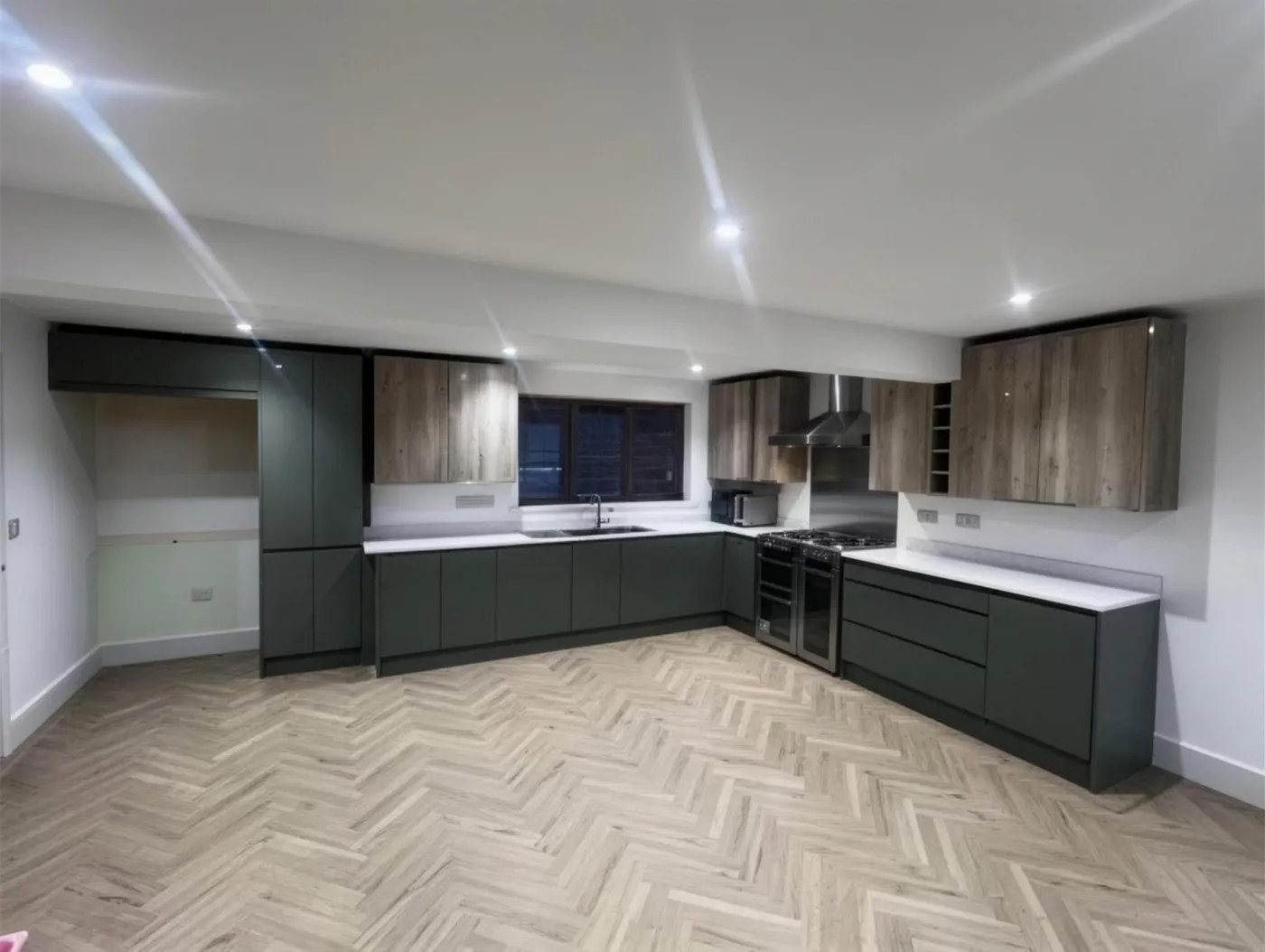 Rural property maintenance project 1
 Rural property maintenance project 1
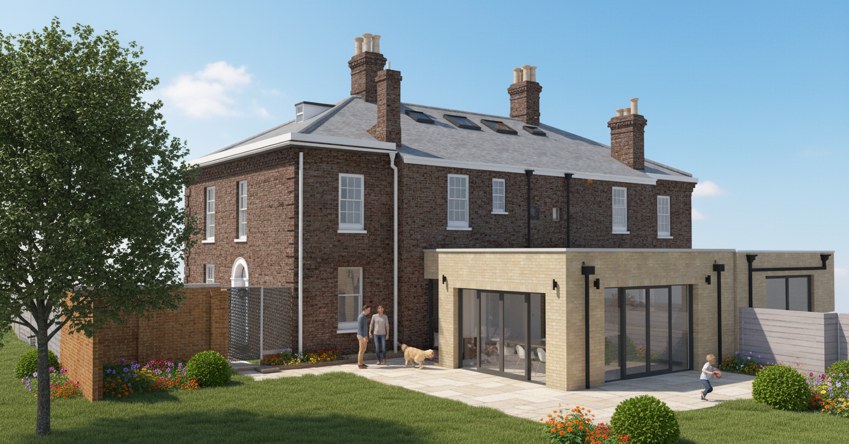 Rural property maintenance project 1
 Rural property maintenance project 1
 Rural property maintenance project 1
 Rural property maintenance project 1
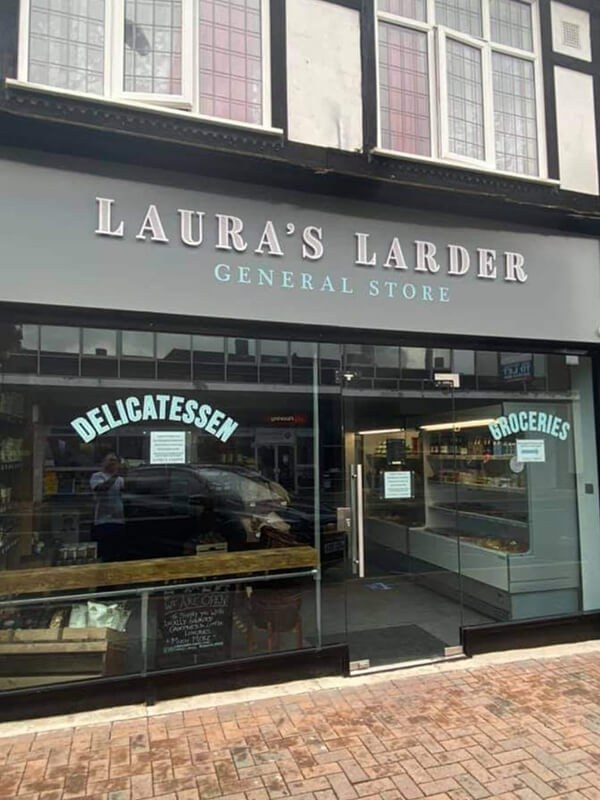 Rural property maintenance project 1
 Rural property maintenance project 2
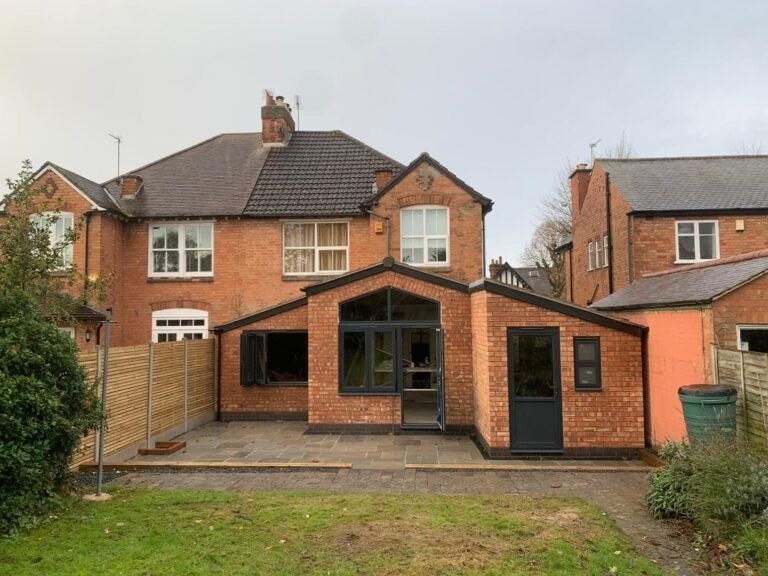 Rural property maintenance project 2
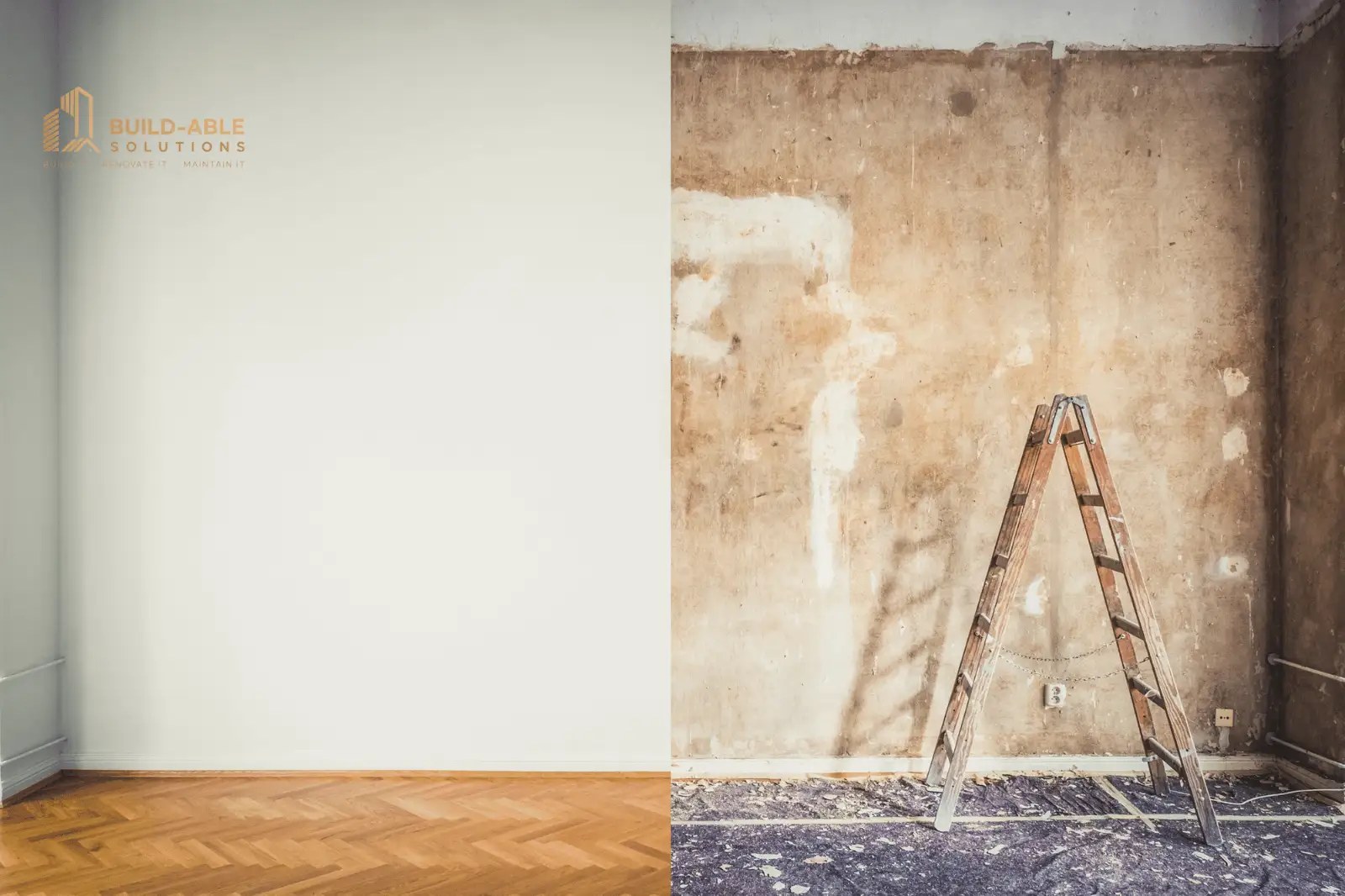 Rural property maintenance project 2
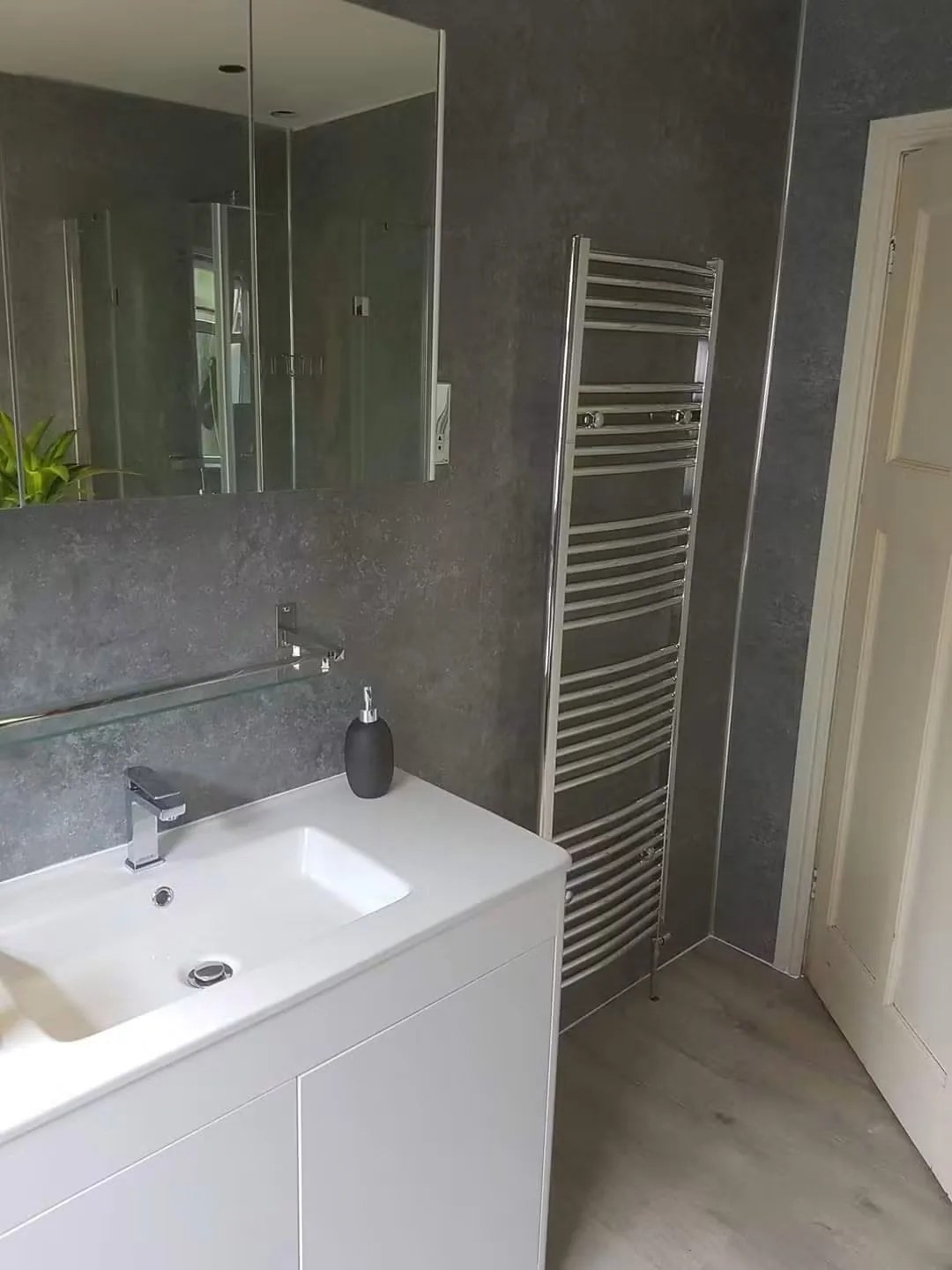 Rural property maintenance project 2
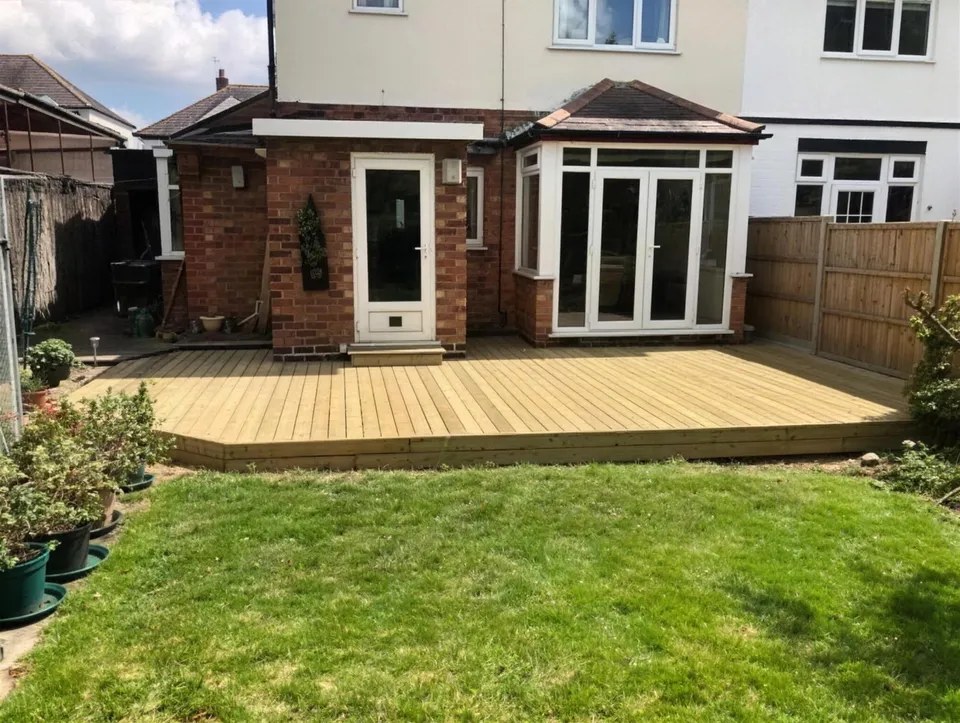 Rural property maintenance project 2