Roof windows and skylights quotes
Repair or replace a leaking, failed or poorly fitted roof window or skylight after checking the flashing, frame, glazing and surrounding roof covering. The right remedy may be a local seal repair, replacement flashing, full unit replacement or an interim weatherproofing measure, depending on the failure.
What this covers
The job starts with identifying whether water enters through the glazing, frame, flashing, roof covering or an obstructed drainage channel. A roofer or installer may remove tiles or slates around the opening, inspect the underlay and battens, then expose fixings and junctions that cannot be assessed from inside. Local repairs can include replacing cracked tiles, renewing flashing, clearing channels, resealing a frame or correcting a small covering defect. More extensive work involves removing the existing unit, checking the structural opening, replacing damaged timber, fitting a compatible window or skylight, and integrating its flashing with the roof covering. The installer should also check insulation continuity and the internal reveal, because a cold bridge can create condensation after an otherwise watertight installation. Internal work may include renewing plasterboard, trims, decoration and a vapour-control detail. Glazing, ventilation and opening controls need to suit the room, while the finished installation should not obstruct drainage or compromise the roof's weathering.
How the work is done
The provider first records the symptom, checks the room below and inspects the unit externally, including glazing, frame, flashing, roof covering and drainage channels. They identify whether water appears during rain, condensation or wind-driven weather, rather than assuming the window itself has failed. Access equipment is then planned; scaffolding may be needed where ladders cannot provide a safe working platform. Roof coverings around the opening are carefully removed and stored where reusable. The underlay, battens, timber opening and flashing are examined for rot, displacement or poor previous detailing. A repair may involve replacing a flashing section, seal, tile or fixing. For replacement, the old unit is removed, the opening adjusted if appropriate, insulation and weatherproof layers reinstated, and the new frame levelled and secured. Flashing is fitted in the manufacturer's sequence before coverings are replaced. Internally, damaged reveals or plasterboard are made good. The final check should include water-shedding details, operation, ventilation, insulation continuity and safe removal of waste.
What affects the cost
The main cost drivers are diagnosis, access and the extent of hidden damage. A straightforward flashing or seal repair costs less in complexity than removing a complete unit, but only if the frame, glazing, timber opening and surrounding roof covering are sound. Scaffolding, edge protection, restricted access and waste handling add work before the repair begins. Roof pitch, storey height and fragile coverings affect safe access and the time needed to protect the roof. Slate or specialist tiles may require careful removal and matching replacements. Replacement costs also reflect glazing specification, frame material, opening size, ventilation controls and whether the product is suitable for a listed building or conservation area. Internal plasterboard, insulation, decoration and electrical alterations can sit outside the external roofing scope. Ask whether the quote includes investigation, temporary weatherproofing, access equipment, protection of furnishings, flashing, making-good, waste disposal and any compliance documentation. Storm-related damage may need photographs and insurer approval before repair work alters evidence.
Before you hire
Job-specific competence shows in an inspection that separates rain penetration from condensation, traces the water path and includes the roof covering, underlay, battens, flashing and frame. The provider should explain why a local repair is adequate or why replacement is justified, rather than defaulting to sealant or a new unit. Look for an installation plan covering safe access, manufacturer's flashing sequence, insulation at the reveal and internal making-good. Where a replacement affects thermal performance, ask how Part L considerations and the product's U-value will be addressed. FENSA or CERTASS registration may be relevant to replacement window work, while listed-property constraints should be recognised before materials are ordered.
Recent work
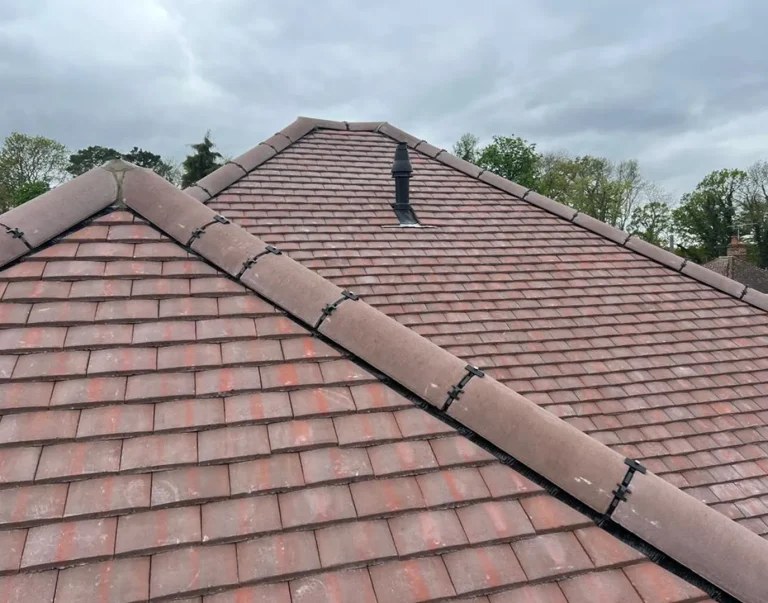 Roof repairs project 1
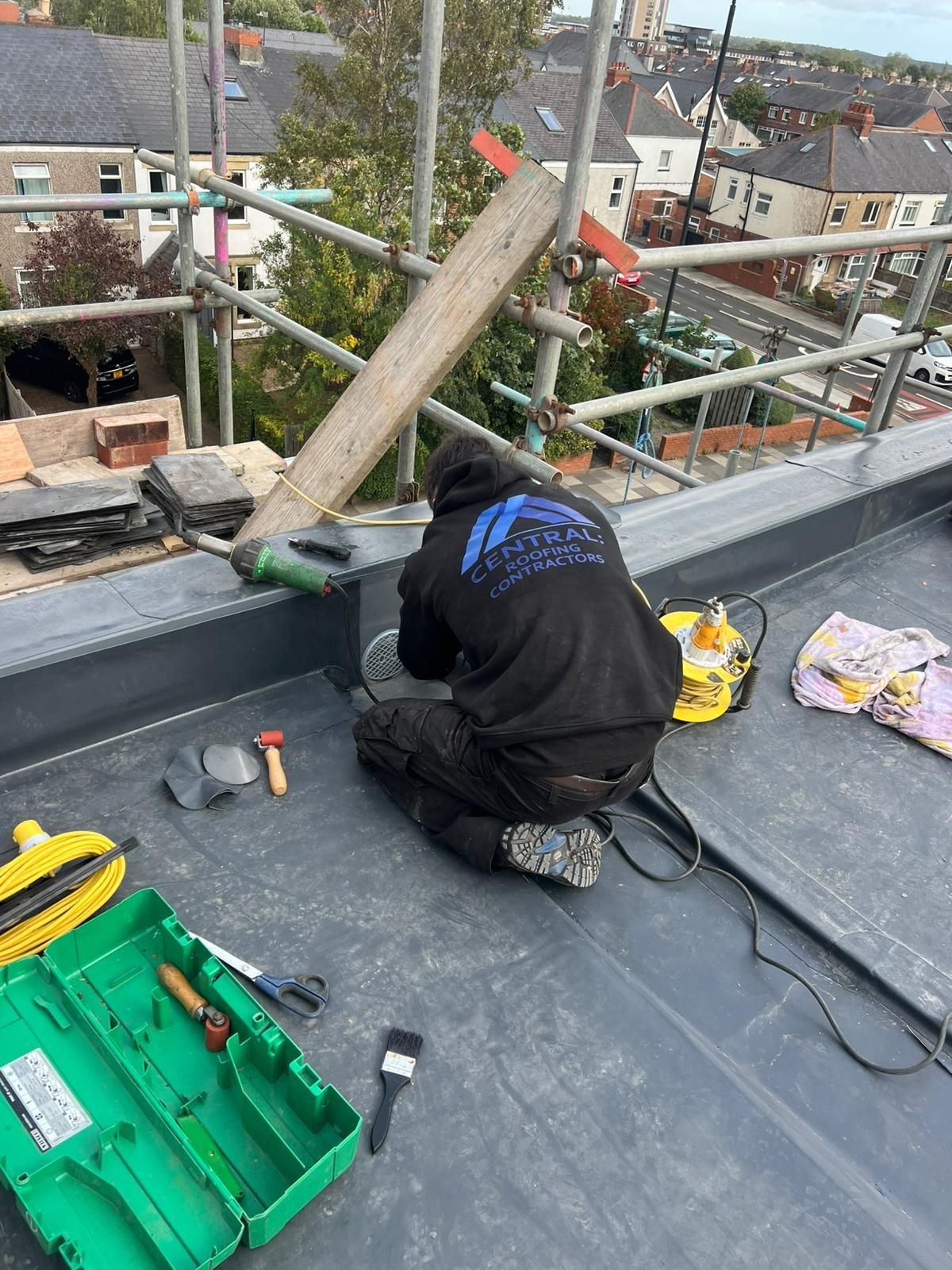 Roof repairs project 1
 Roof repairs project 1
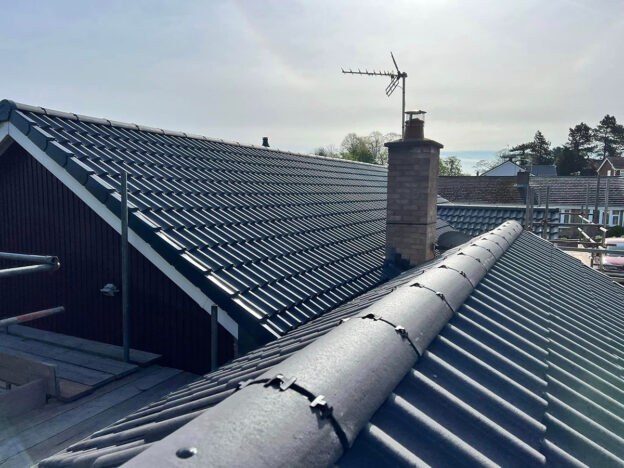 Roof repairs project 1
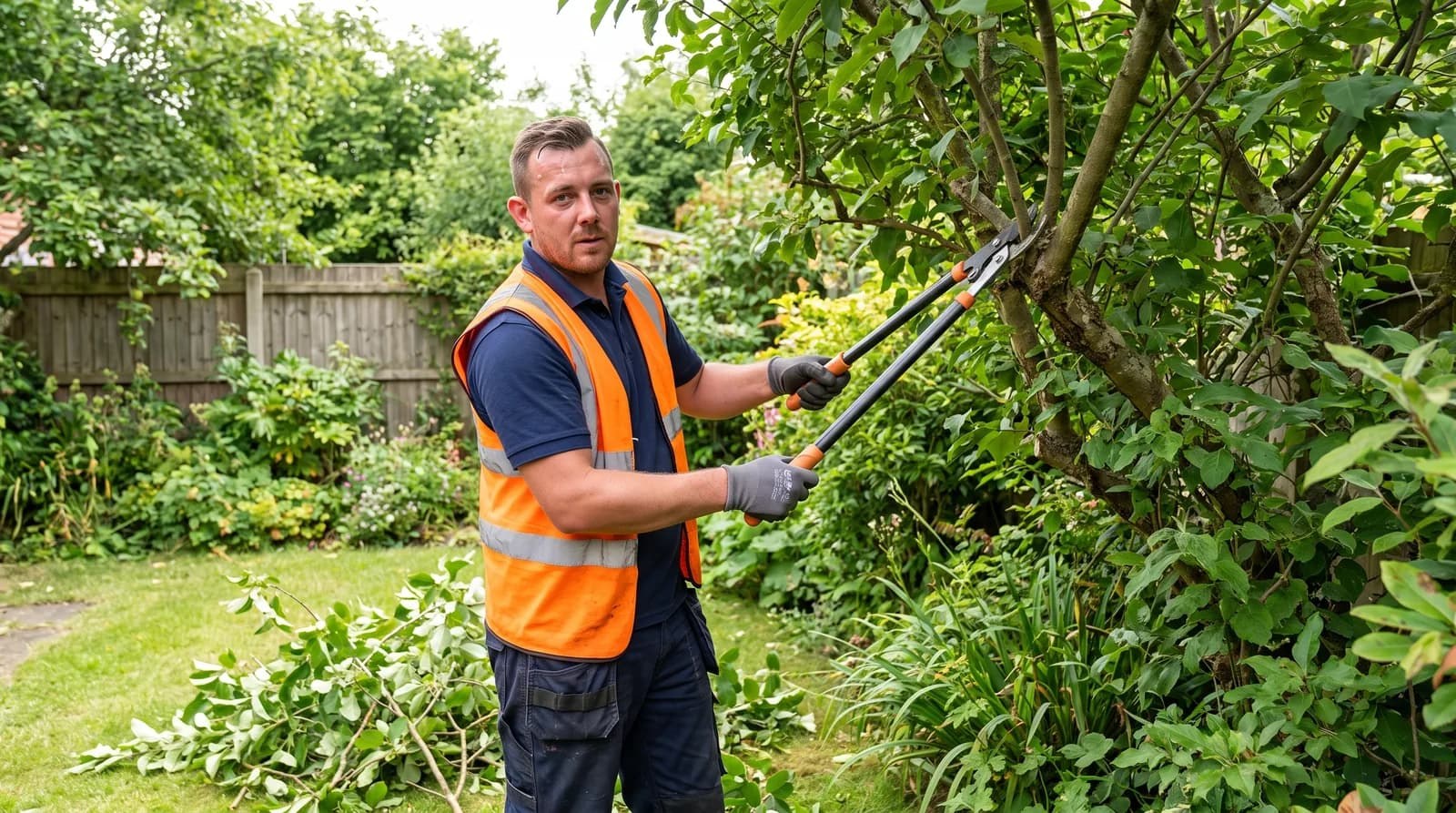 Roof repairs project 1
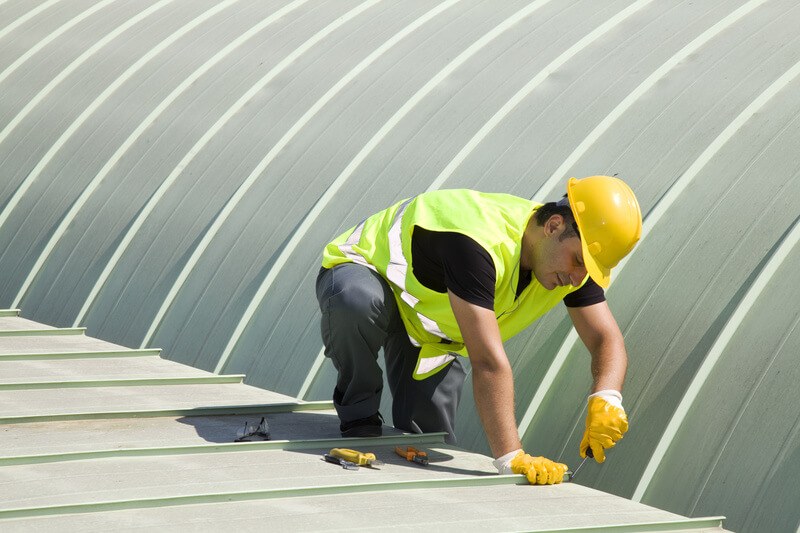 Roof repairs project 1
 Roof repairs project 1
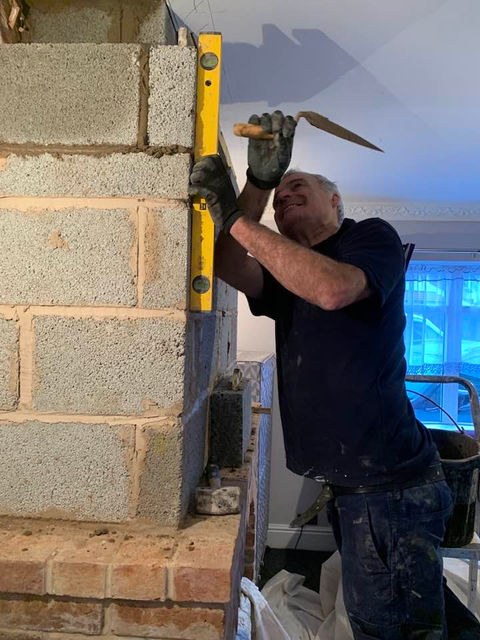 Roof repairs project 1
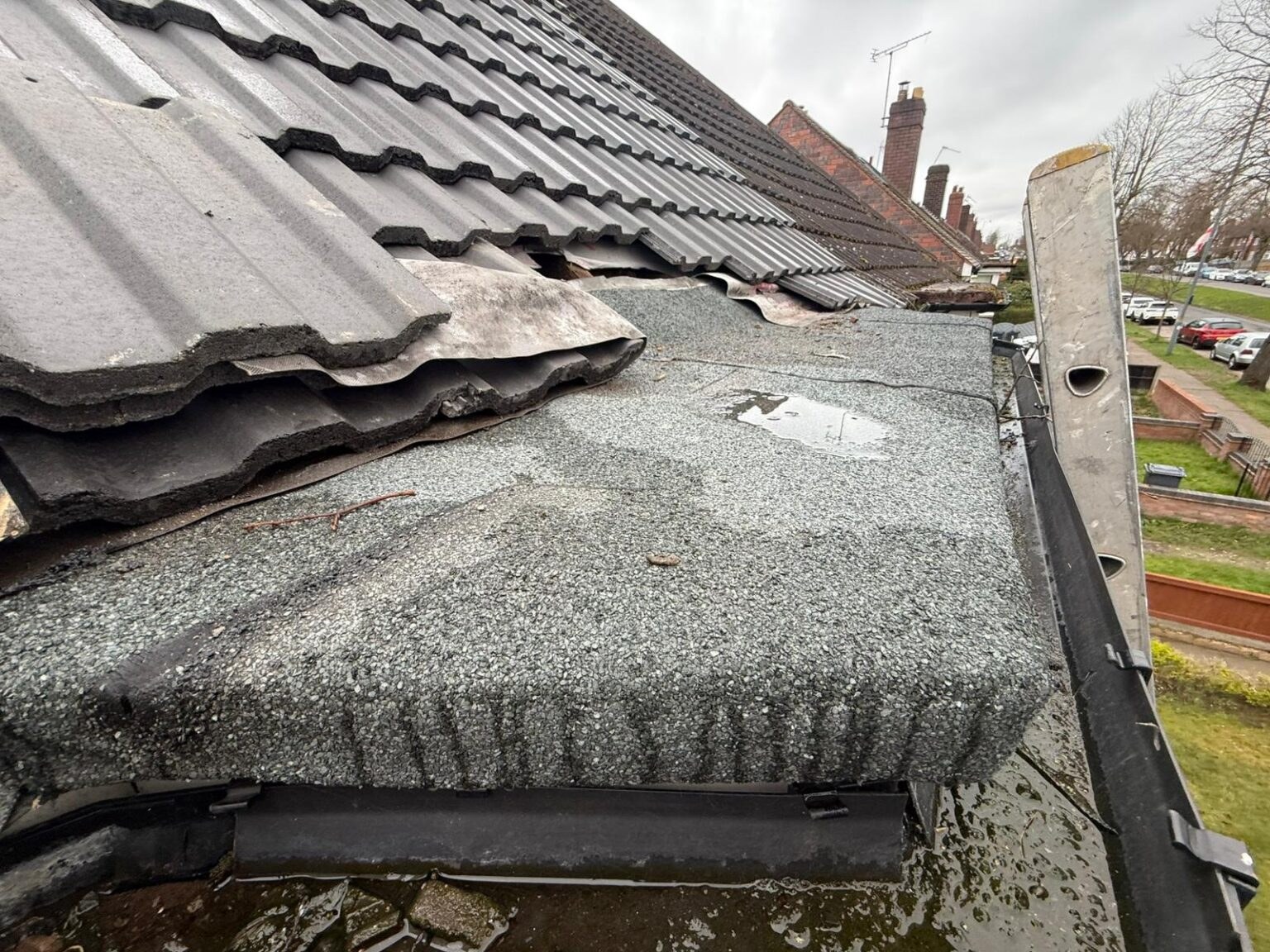 Roof repairs project 1
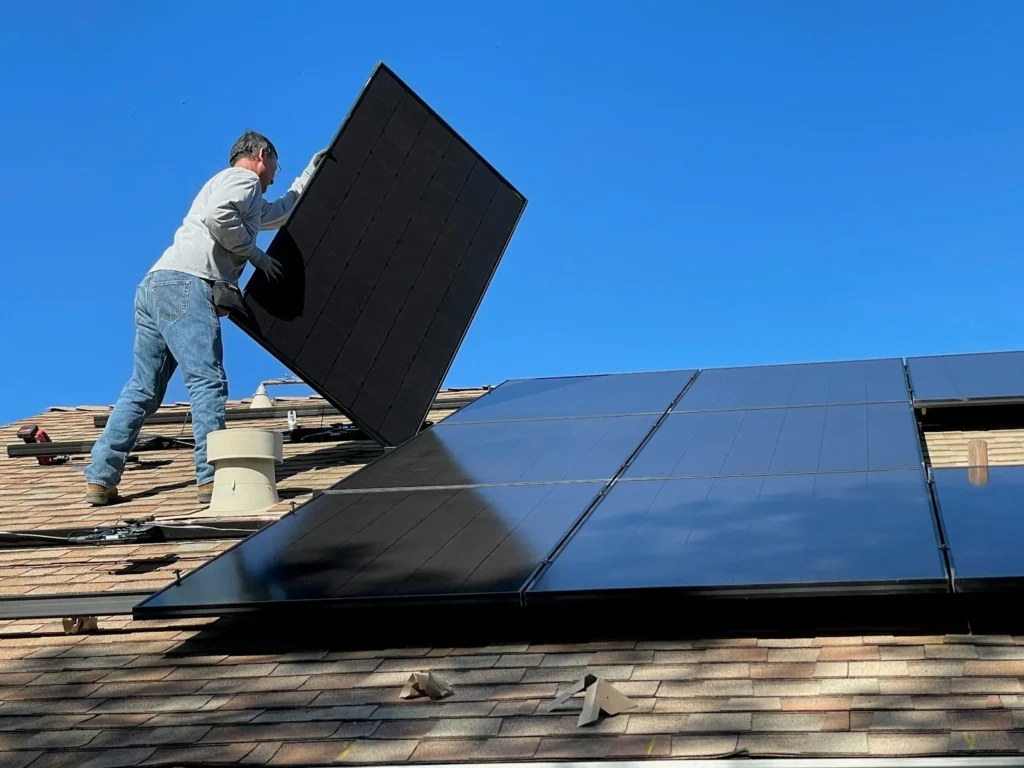 Roof repairs project 1
 Roof repairs project 1
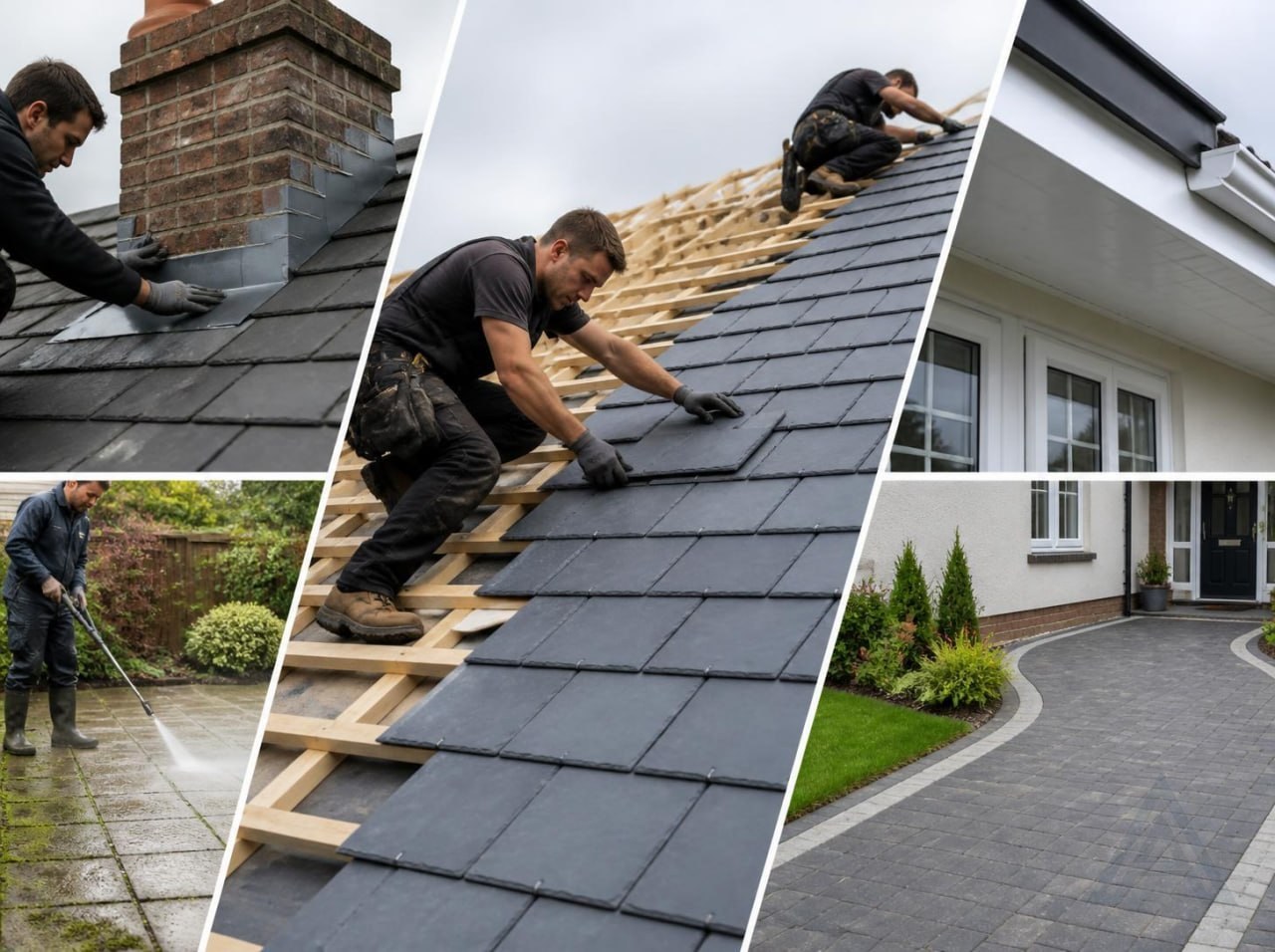 Roof repairs project 1
 Roof repairs project 1
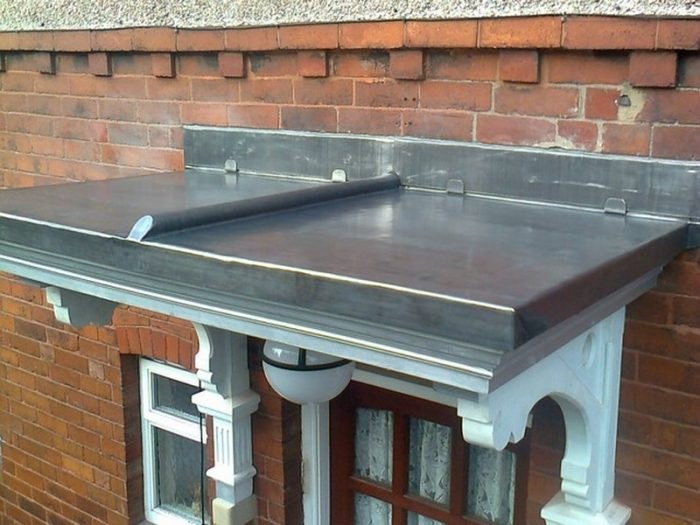 Roofing & guttering project 1
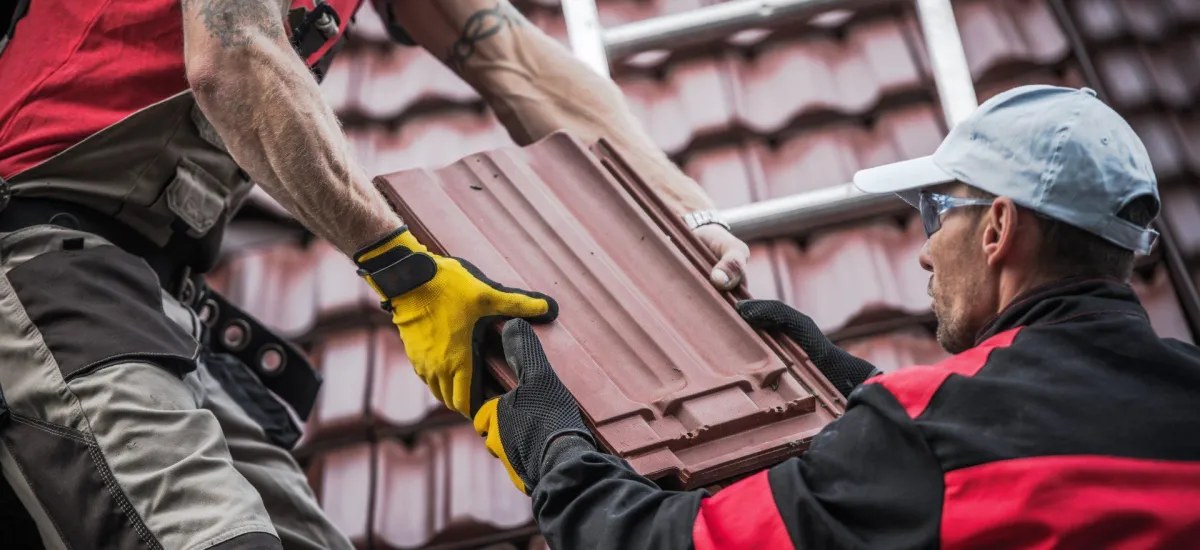 Roofing & guttering project 1
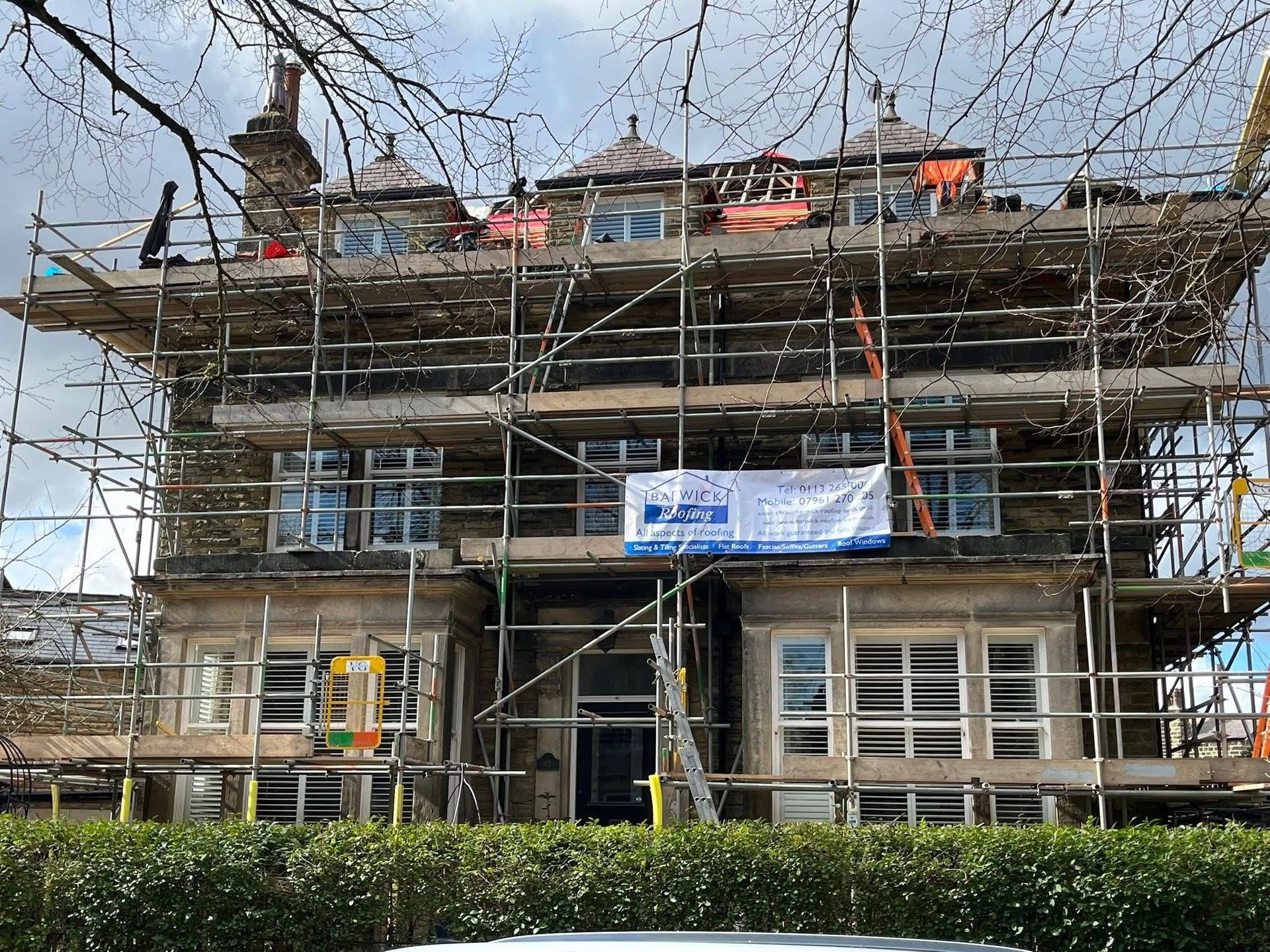 Barwick Roofing