Rewiring quotes
Rewiring replaces unsafe or outdated cables, accessories and protective equipment so an electrical installation can carry modern loads safely. It may be needed after repeated faults, an unsatisfactory EICR, damaged insulation or major alteration. The work usually involves lifting floors or boards, opening walls and testing every circuit afterwards.
What this covers
Rewiring is the planned removal, replacement or substantial alteration of fixed electrical wiring and associated equipment within a property. It can include cables concealed in walls, floors, ceilings and lofts, together with sockets, switches, lighting points, junctions, the consumer unit, earthing, bonding and circuit protection. The precise scope depends on the installation’s condition, design, access and intended use.
An electrician normally begins by inspecting and testing existing circuits, reviewing previous alterations and discussing appliance loads and room layouts. The findings determine whether the property needs a complete rewire, selected circuit replacement or smaller remedial work. A rewire is not simply a consumer-unit upgrade: changing the board does not automatically correct deteriorated cables, poor connections or unsuitable circuit arrangements.
Work may involve lifting floorboards, opening walls, removing accessories and temporarily isolating areas. New routes are then installed, protected and connected before testing verifies continuity, insulation resistance, polarity, earthing and protective-device operation as applicable. The completed installation should be labelled and supported by the appropriate electrical certification. Making-good, decoration and flooring may require separate trades unless expressly included in the quotation.
How the work is done
The work begins with a survey and discussion of symptoms, appliance locations, planned alterations and any existing EICR findings. The electrician maps circuits, checks access and agrees socket, switch, lighting and data-related positions. Before opening the installation, the supply is isolated and proved dead.
Old cables and accessories are removed or made safe in a controlled sequence. New cable routes are formed through lofts, floor voids, wall chases or accessible partitions, with protection where cables pass near fixings or exposed areas. The consumer unit and circuit protective equipment are installed or adapted, then accessories are connected and labelled.
The electrician energises circuits progressively after inspection, carrying out continuity, insulation-resistance, polarity, earth-fault and protective-device tests as applicable. Faults are corrected before completion. The customer should receive an explanation of controls, test documentation and any relevant electrical installation certificate. Chasing, plaster repairs, decorating, flooring and rubbish removal should be checked against the agreed scope rather than assumed.
What affects the cost
The main cost drivers are the number and condition of circuits, the size of the property, cable-route complexity and how easily floors, ceilings and wall voids can be reached. Solid masonry, concrete floors, tight loft spaces and multiple storeys increase labour because routes take longer to form and protect.
The specification also changes the total: consumer-unit replacement, additional sockets, lighting alterations, bonding work, outbuilding supplies, electric heating, showers and dedicated appliance circuits each add design, materials or testing requirements. Listed features, delicate finishes and occupied rooms can require slower access methods and careful reinstatement.
Check whether the quotation includes isolation, removal of redundant wiring, accessories, protective devices, testing, certification, waste disposal and making-good. Plastering, decorating, flooring and moving fitted furniture may be excluded. A staged rewire can spread disruption, but temporary supplies, repeated visits and protecting completed areas may alter the overall cost compared with completing accessible sections together.
Before you hire
For rewiring, look for evidence that the provider can design, install and test a complete domestic installation rather than only replace accessories. Useful job-specific signals include a circuit schedule, an explained cable-routing plan, clear treatment of earthing and bonding, and quotations that distinguish electrical completion from plastering or decorating. Ask which testing and certification will be supplied and whether the work is covered through an appropriate Part P competent-person route, such as NICEIC or NAPIT registration, where relevant. A capable electrician should explain findings from an EICR in plain language and show how each observation affects the proposed scope.
Recent work
 Electrical & smart home project 1
 Electrical & smart home project 1
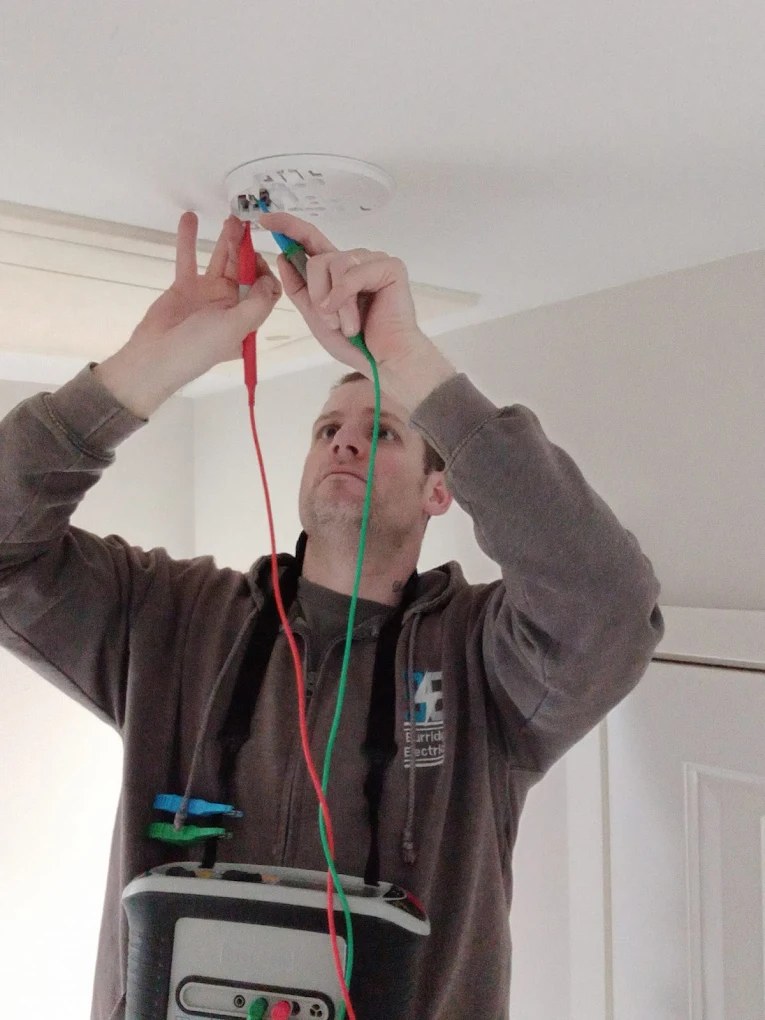 Electrical & smart home project 1
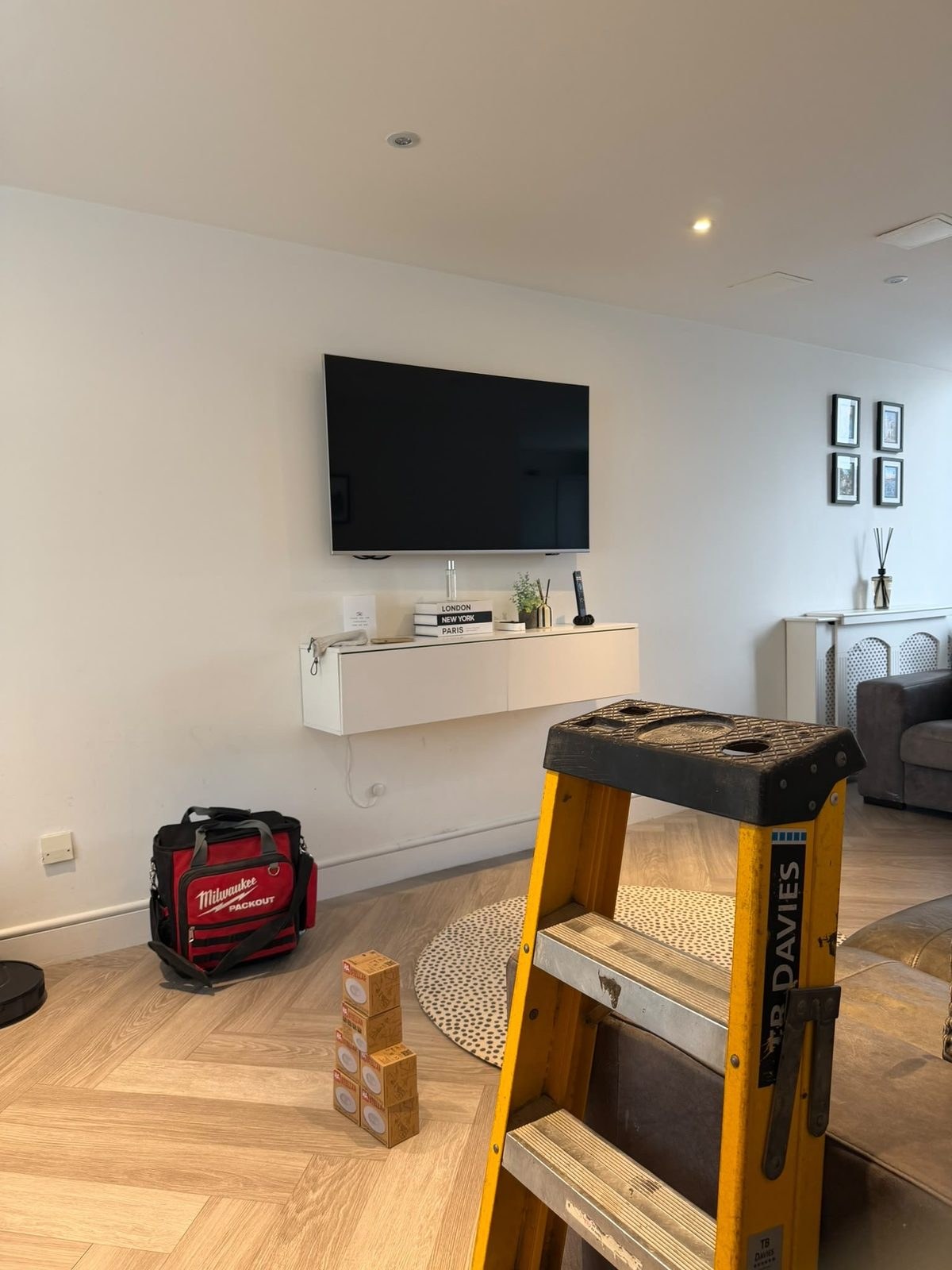 Electrical & smart home project 1
 Electrical & smart home project 1
 Electrical & smart home project 1
 Electrical & smart home project 1
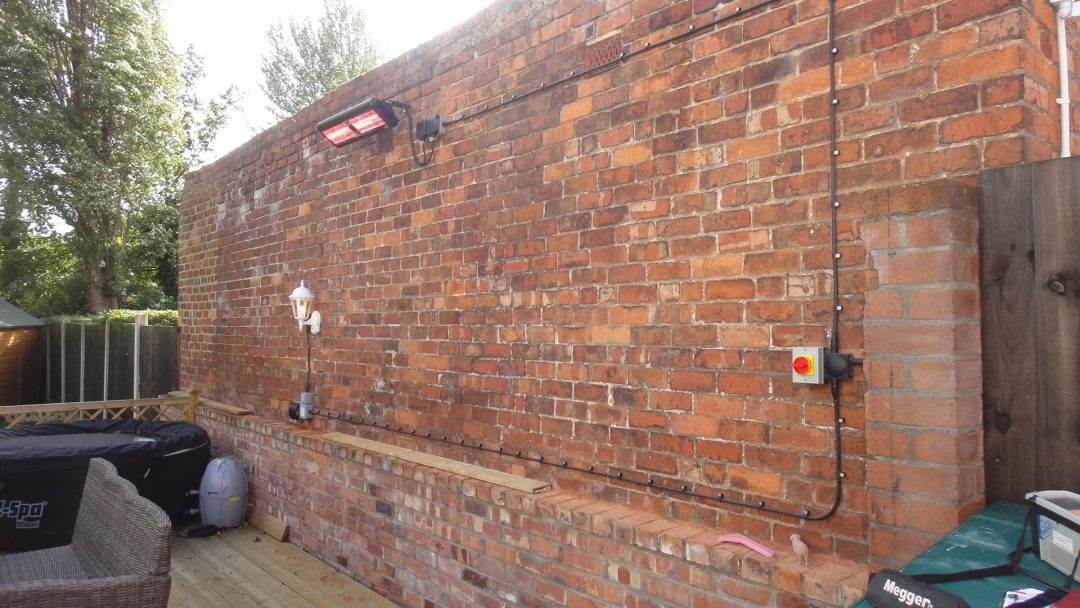 Electrical & smart home project 1
 Electrical & smart home project 1
 Electrical & smart home project 1
 Electrical & smart home project 1
 Electrical & smart home project 1
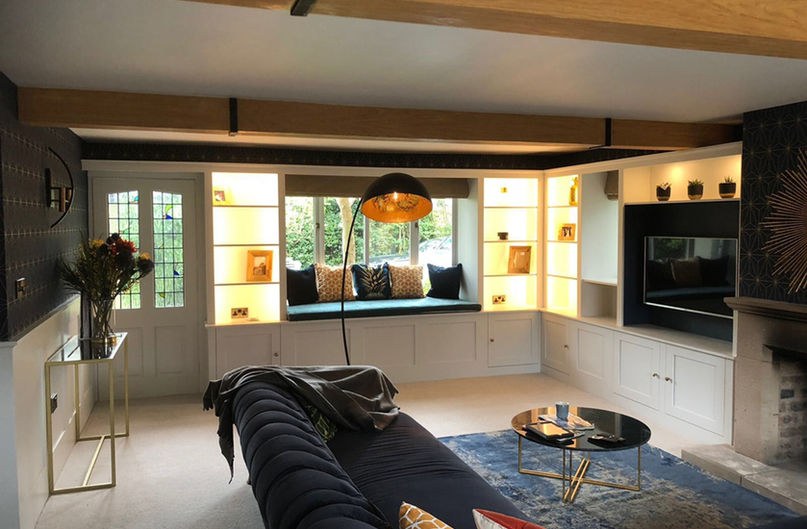 Electrical & smart home project 1
 Electrical & smart home project 1
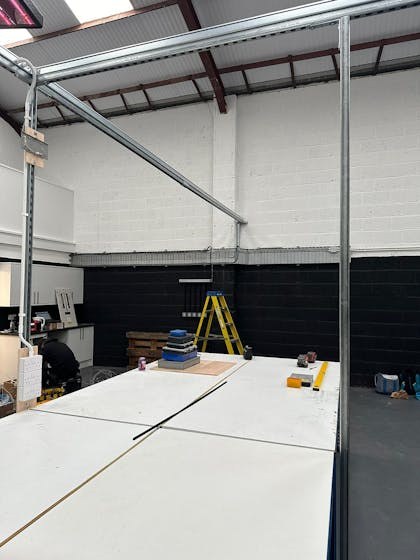 Electrical & smart home project 1
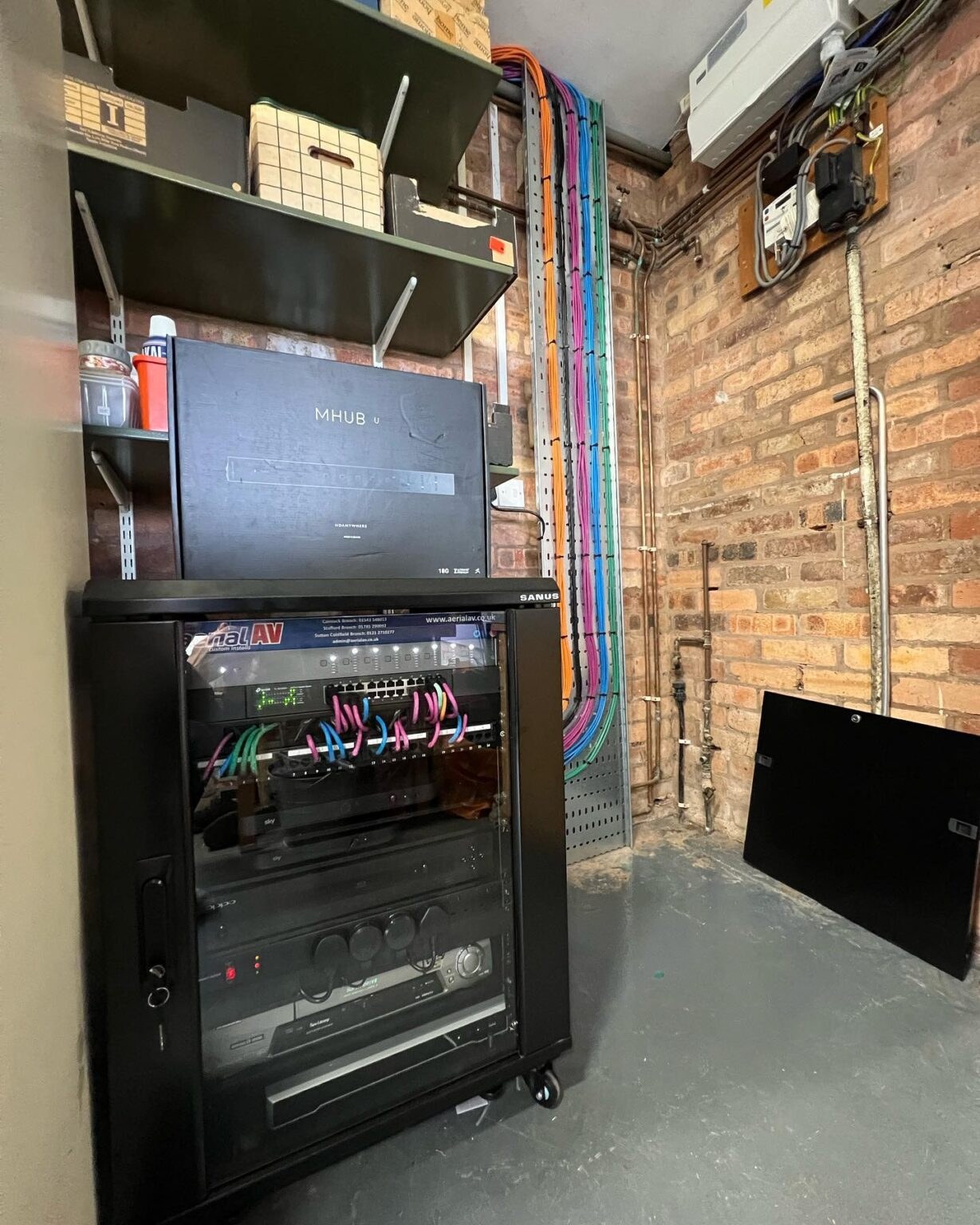 Electrical & smart home project 1