Quantity surveyors quotes
Quantity surveyors control construction cost, scope and commercial risk by measuring work, testing quotations, valuing changes and checking payment evidence. They are useful before refurbishment, extension or repair work, particularly where drawings are incomplete, several contractors are involved or unexpected variations could make the final account difficult to control.
What this covers
A quantity surveyor turns proposed building work into measurable, costed and contract-manageable information. They inspect the available drawings, specifications and site constraints, identify missing items, measure quantities and prepare an estimate or bill of quantities where appropriate. For a domestic project, that may include demolition, temporary works, foundations, structure, insulation, finishes, mechanical services, electrical allowances, access equipment, waste removal and making good.
Before work starts, they can package the scope for tender, issue clarifications and compare returned quotations on a like-for-like basis. During construction, they record instructed changes, check applications for payment against completed work, assess provisional sums and maintain a forecast of the likely final cost. If defects, delays or disputed variations arise, their records help separate agreed work from unsupported claims.
The appointment can be limited to cost advice or extend into contract administration. It does not replace an architect, structural engineer, building control body or principal contractor, although the surveyor may coordinate commercial information between them. The useful question is which decisions need independent measurement and cost control.
How the work is done
The work normally begins with a brief defining the property, proposed alterations, procurement route and decisions the surveyor must control. They review drawings, specifications, surveys and contractor information, then inspect the site where access, existing construction and working restrictions affect measurement.
Next, they create a cost plan or measured schedule. Missing details are identified, assumptions are recorded and allowances are separated from firm quantities. If contractors are tendering, the same information is issued to each bidder, questions are answered consistently and returns are analysed against the scope rather than headline totals.
After appointment of a contractor, the surveyor records agreed contract values and monitors progress through site information, valuations, instructions and variation assessments. They update the forecast when design details, access, materials or site conditions change. At completion, they review defects-related deductions, outstanding work, credits and final measurements before recommending the final account. The client should receive clear records showing what was included, changed, paid and remains unresolved.
What affects the cost
The fee for quantity surveying is driven by the service boundary, project complexity and amount of information requiring review, not simply by the property size. Preparing an early cost plan is different from measuring a full bill, running a tender, attending progress meetings, valuing changes and negotiating a final account.
Cost rises where drawings are incomplete, existing construction is concealed, access is restricted, the property remains occupied or several specialist packages must be coordinated. Listed or unusually detailed buildings can require more investigation and careful specification, while structural alterations create greater reliance on surveys and engineering information. A project with repeated design changes also needs more variation assessment and forecast updates.
Ask for the appointment to state whether site visits, tender queries, payment certification, contract administration, dispute support, expenses and VAT are included. Check how additional instructions are authorised and whether the fee covers the whole construction period or ends at tender. The cheapest narrow appointment may leave the client paying contractors without independent checks at the point of greatest commercial risk.
Before you hire
Relevant competence shows in the records produced, not in a generic claim of experience. Look for a surveyor who can explain measurement rules, exclusions, provisional sums, tender equalisation and the difference between a variation and a contractor pricing error. For live work, ask how site progress is evidenced before payment is recommended and how changes are logged.
A credible appointment should identify the contract form or commercial route, reporting frequency, assumptions, deliverables and limits of responsibility. Useful samples are anonymised cost plans, tender comparison tables, valuation reports and final-account reconciliations. The surveyor should also state when structural, design, building control or legal advice must come from another appointed professional.
Recent work
 Quantity surveyors project 1
 Quantity surveyors project 1
 Quantity surveyors project 1
 Quantity surveyors project 1
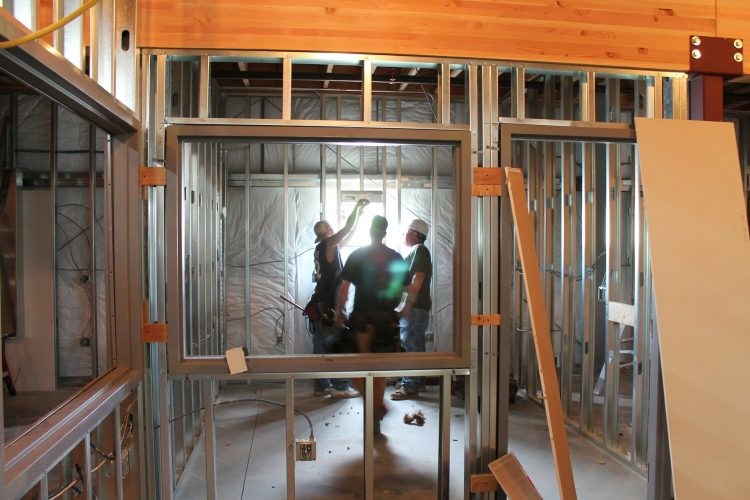 Quantity surveyors project 1
 Quantity surveyors project 1
 Quantity surveyors project 1
 Quantity surveyors project 1
 Quantity surveyors project 2
 Quantity surveyors project 2
 Quantity surveyors project 2
 Quantity surveyors project 2
 Quantity surveyors project 2
 Quantity surveyors project 2
 Quantity surveyors project 2
 Quantity surveyors project 2