PPC & paid social quotes
PPC and paid social use sponsored search, display or social adverts to reach defined audiences and generate measurable visits, enquiries or sales. They are useful when organic visibility is too slow, demand needs testing, or a business wants control over targeting, budgets, creative and conversion tracking.
What this covers
The work starts by translating a commercial objective into measurable actions, such as a completed enquiry, telephone call, product purchase or qualified form submission. A provider then researches search terms or defines social audiences, separates campaigns by intent, writes or adapts creative, and builds adverts with relevant landing pages. PPC may include search, shopping, display or remarketing activity; paid social may use feed, video, story or lead-form placements. Tracking connects advert interactions with on-site actions, subject to the available analytics setup and consent choices.
Management continues after launch. Search terms are reviewed for irrelevant demand, bids and budgets are adjusted, adverts are tested, audience exclusions are maintained, and landing-page performance is examined. Social campaigns require creative rotation because an advert can lose response as people see it repeatedly. A properly scoped service therefore includes account hygiene, measurement checks, quality controls and reporting, not merely turning campaigns on. The exact channel mix depends on the buying journey, audience evidence, margins, conversion path and capacity to handle resulting enquiries.
How the work is done
First, the provider confirms the objective, target audience, offer, conversion action, available budget controls and the route a prospect takes after clicking. Existing analytics, advertising accounts, product feeds, landing pages and historic performance data are checked for gaps.
Next, search themes, exclusions, audience signals and campaign structure are planned. Tracking is configured and tested by completing forms, checking call actions, placing test orders where appropriate, and confirming that platforms receive the intended event. Ad copy, images or video are then prepared in the required formats, with landing pages matched to each message.
Campaigns are launched with location, device, schedule, audience, placement and spend settings reviewed. After traffic arrives, search terms, placement quality, frequency, conversion quality and delivery are examined. Weak adverts or irrelevant segments are amended, while useful patterns receive controlled testing rather than automatic expansion. Reports should explain what changed, what was measured, what remains uncertain and which action follows.
What affects the cost
The main cost drivers are management scope, advertising channels, account complexity and the quality of assets already available. A small search account with established tracking needs less restructuring than several channels spanning different audiences, products, landing pages and conversion routes. Fees can rise where research, copywriting, image or video production, feed maintenance and landing-page changes are included.
Technical work also matters. Time may be needed to audit analytics, configure events, test call tracking, resolve consent-related measurement gaps, connect a product catalogue or reconcile platform data with business records. Ongoing effort is shaped by the number of campaigns, search-term volume, creative testing cadence, reporting depth and frequency of strategic reviews.
Ask whether management fees, creative production, tracking work, landing-page amendments and advertising spend are separated clearly. The quote should identify account access, deliverables, approval responsibilities, reporting intervals and what happens when tracking fails or a campaign needs urgent pausing.
Before you hire
Job-specific competence is visible in the account, not just in a presentation. Look for a measurement plan that names each conversion and explains how it will be tested, alongside a clear distinction between platform-reported actions and qualified business outcomes. Strong practitioners can show how search terms become exclusions, how audiences are suppressed or retargeted, and how creative tests isolate one meaningful change. They should also explain consent-dependent measurement, feed errors, landing-page friction and the limits of attribution without presenting incomplete data as certainty.
Recent work
 Digital marketing project
 Digital marketing project
 Digital marketing project
 Digital marketing project
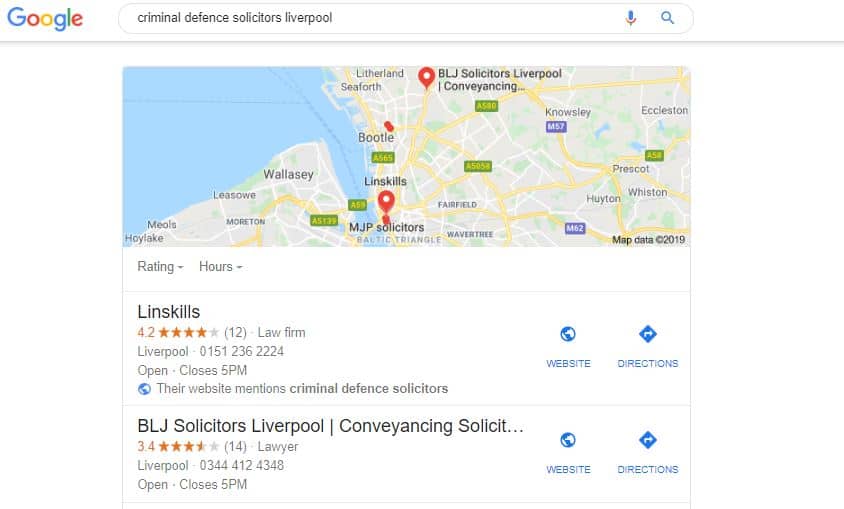 Digital marketing project
 Web design project
 Web design project
 Web design project
 Web design project
 SEO project
 SEO project
 SEO project
 Digital marketing project
 Digital marketing project
 Digital marketing project
 Digital marketing project