Plumbing repairs quotes
A plumbing repair restores a failed or leaking water, drainage or heating component before it causes further damage. It may involve isolating the supply, locating the fault, replacing a washer, valve, pipe, trap, tap or pump, then testing for leaks, pressure and safe operation.
What this covers
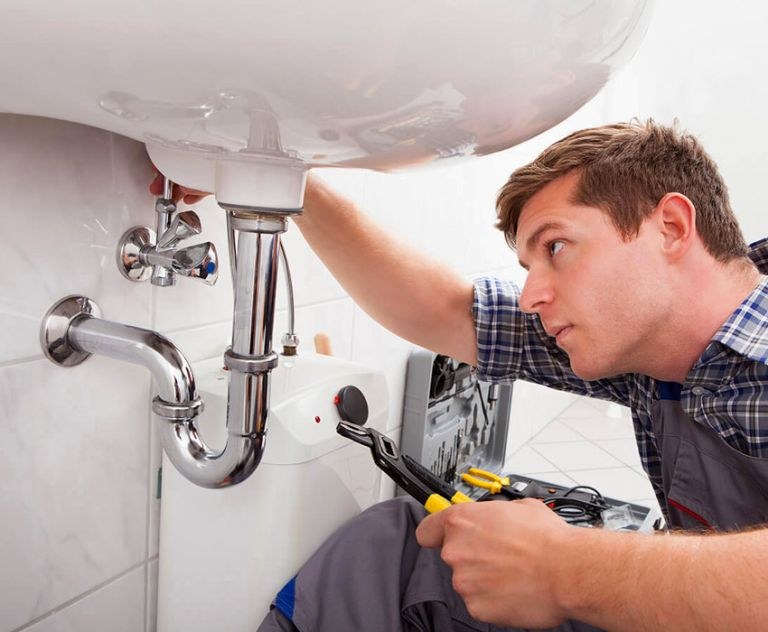
The work normally begins by identifying whether the problem affects clean water, wastewater, heating water or a connected appliance. The tradesperson isolates the relevant valve or electrical supply, drains only the necessary section and protects cupboards, floors and decorations. They then expose the fault, which may be a failed seal, corroded pipe, loose compression joint, blocked trap, damaged toilet mechanism, seized valve, leaking cylinder connection or failed pump.
Repair can mean tightening and resealing a joint, replacing a serviceable component, cutting out a damaged pipe section or clearing an obstruction without disturbing sound installation. If a concealed leak is suspected, moisture marks, staining, swollen flooring, mould or unexplained pressure loss help determine where investigation should focus. The finished work includes reconnecting services, checking flow and drainage, inspecting joints while pressurised and making sure appliances operate correctly. Opening walls, floors or boxing may require separate making-good, so this should be identified before work starts.
How the work is done
First, describe the symptom, its location and any change in flow, pressure, temperature, noise or smell. The tradesperson inspects visible pipework, valves, appliances, ceilings, cupboards and adjacent finishes, then decides whether the fault can be isolated locally. They shut the appropriate valve or electrical supply and drain the affected section safely.
Next, they expose enough of the installation to confirm the cause, removing a trap, access panel, fitting or small section of covering where necessary. The damaged part is cleaned, tightened, resealed, cleared or replaced using a compatible component. If the fault is concealed, investigation may precede opening a wall or floor, with access and making-good discussed separately.
After reconnection, the system is refilled or restored gradually. Joints are checked under working pressure, waste is tested with running water, toilets are flushed repeatedly and heating repairs are checked for circulation and leaks. The tradesperson should explain what was changed, identify any remaining defect and leave the area safe, dry and accessible.
What affects the cost
The main cost drivers are diagnosis, access and the extent of replacement rather than the visible symptom alone. A loose accessible joint may need little preparation, while a leak beneath flooring, behind boxing or inside a wall can involve tracing, lifting finishes, drying damage and making good. The material, size and location of the failed component also affect labour and parts.
Charges can increase where the system must be drained extensively, a seized isolation valve cannot shut off the supply, pipework is corroded beyond the immediate fault or replacement fittings are non-standard. Drainage work becomes more involved when the obstruction lies beyond a trap or requires specialist inspection equipment. Heating repairs may need system refilling, venting, balancing or replacement of related controls.
Before approval, ask whether diagnosis, isolation, parts, testing, waste removal, emergency attendance, access equipment and making-good are included. Gas-connected work should be handled by a Gas Safe registered engineer, and unvented cylinder work calls for the relevant qualification. A written scope helps separate necessary repair from optional improvement.
Before you hire
For this job, useful evidence is accurate fault diagnosis rather than a long list of unrelated services. A competent tradesperson should explain the isolation point, identify the failed component, recognise pipe material and show how the replacement matches pressure, temperature and connection requirements. They should protect finishes, avoid unnecessary opening-up and test the repair under realistic use.
Ask who will undertake work involving gas appliances, and use a Gas Safe registered engineer for that part. Work on an unvented cylinder calls for the relevant qualification. For potable-water fittings, ask whether suitable WRAS-approved components are being used. A clear written scope should distinguish repair, access, testing and making-good.
Recent work
 Plumbing & heating project 1
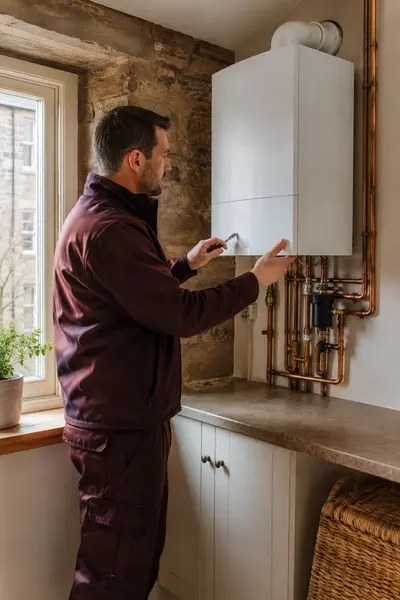
 Plumbing & heating project 1
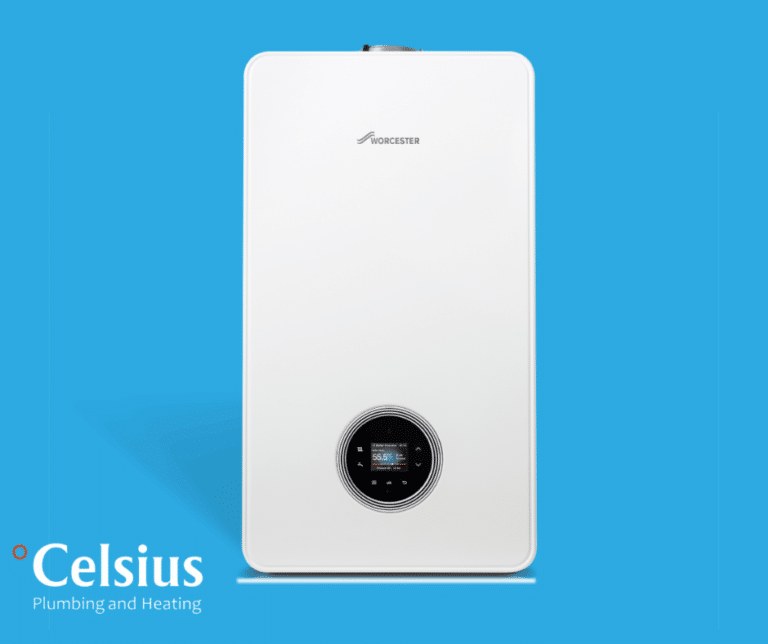
 Plumbing & heating project 1
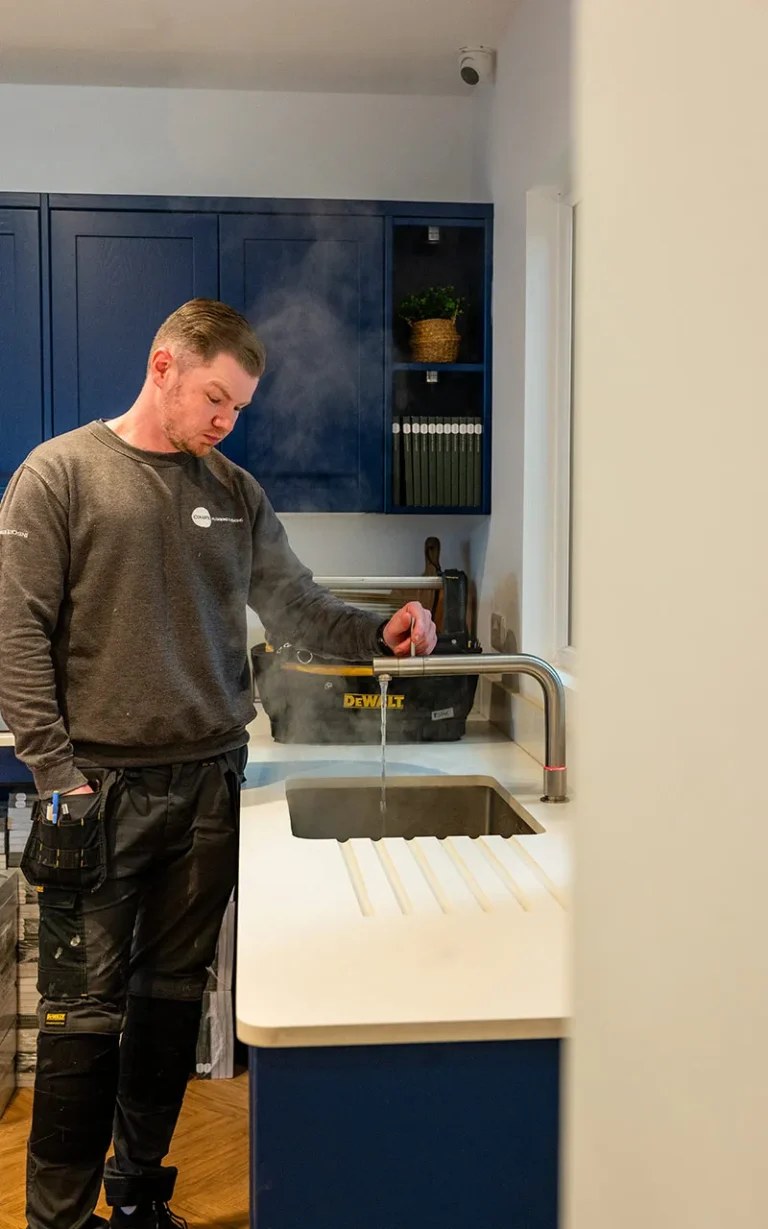
 Plumbing & heating project 1
 Plumbing & heating project 1
 Plumbing & heating project 1
 Plumbing & heating project 1
 Plumbing & heating project 1
 Plumbing & heating project 1
 Plumbing & heating project 1
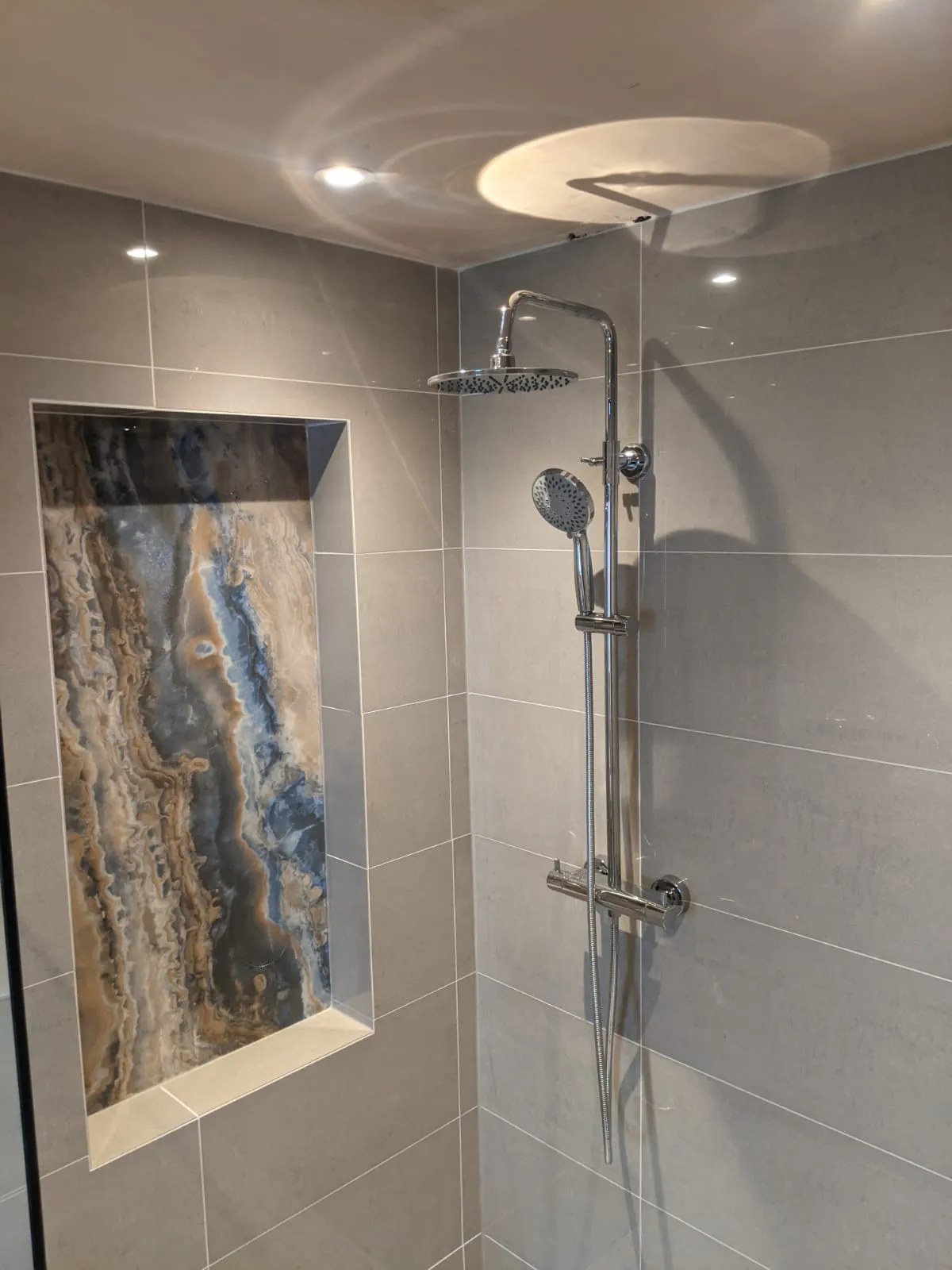 Plumbing and heating installation
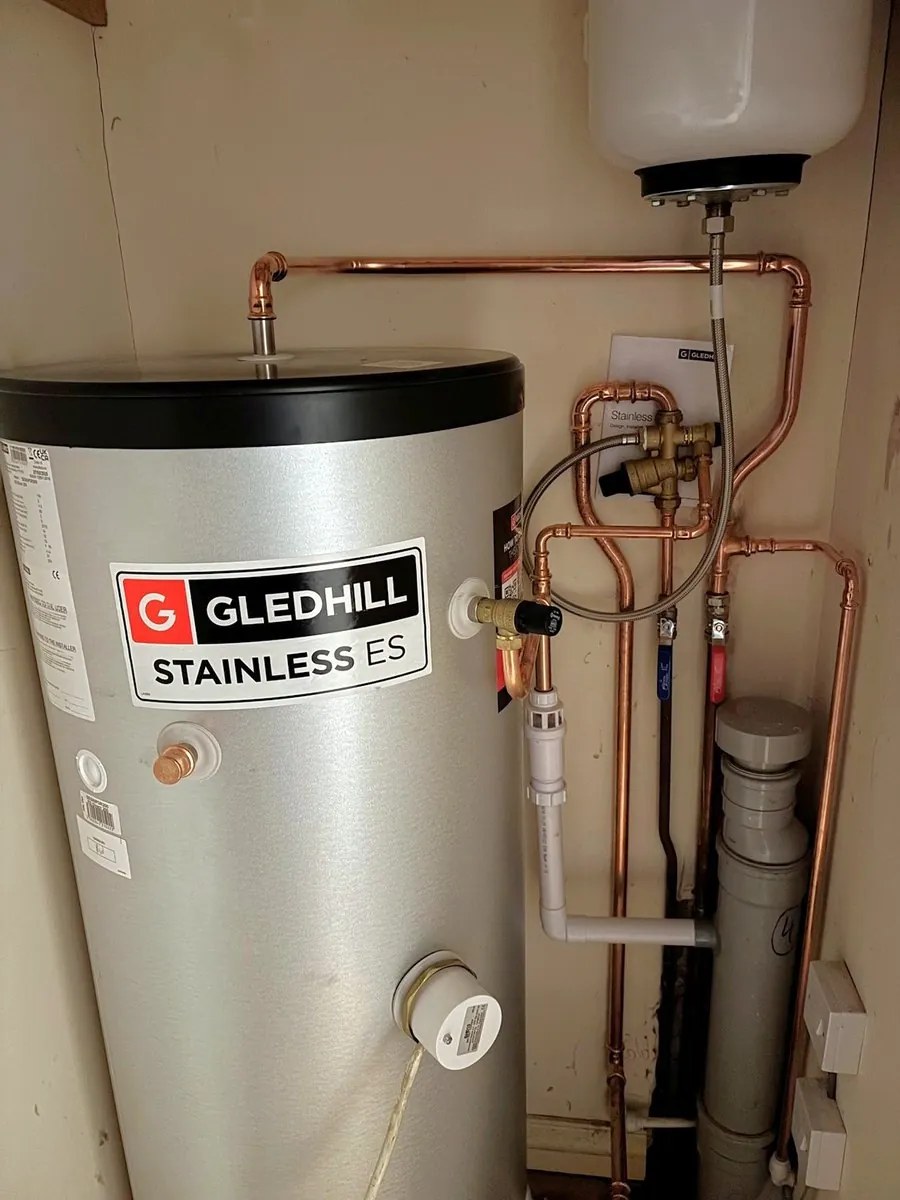 Plumbing & heating project 2
 Plumbing & heating project 2
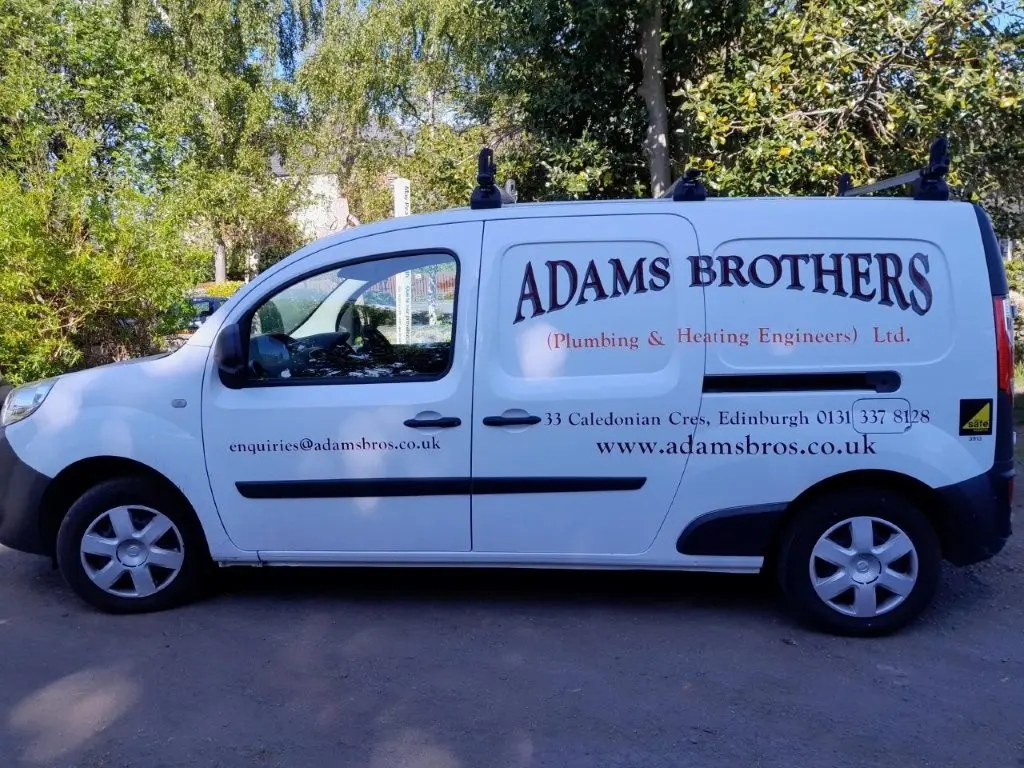 Plumbing & heating project 2
 Plumbing & heating project 2
 Plumbing & heating project 2