Planning consultants quotes
Planning consultants help property owners and developers assess proposals, interpret planning policy, prepare applications and manage discussions with planning authorities. They are useful where permission is uncertain, a proposal may affect neighbours or heritage interests, or an application needs clear supporting evidence and professional coordination.
What this covers
The work starts with understanding the property, proposed change and planning history. The consultant may review local planning policies, map constraints, inspect the site, examine previous decisions and identify matters such as access, appearance, overlooking, parking, trees, flood risk or heritage sensitivity. They then test whether the proposal can be justified and explain changes that could improve its prospects.
For an application, the consultant can help define the submission strategy, coordinate drawings and specialist reports, write the planning statement and complete or review the forms and supporting information. They may submit the package, monitor validation, answer officer queries and negotiate revisions. Some also advise on appeals, conditions, enforcement issues, certificates of lawfulness and pre-application discussions.
The consultant does not replace an architect, surveyor, engineer or solicitor where their separate evidence is needed. Instead, they connect that technical material to the planning question: what is proposed, which policies apply, what effects matter and why the decision-maker should accept the scheme.
How the work is done
First, the consultant records the proposal, property history, ownership position and intended outcome. They may inspect the site and surrounding pattern of development, photograph relevant relationships and review earlier permissions or refusals.
Next, they check the applicable planning policies and identify constraints affecting design, use, access and impact. This produces an initial view of the main arguments, weaknesses and evidence required. The consultant then works with the client and designer to refine the scheme, such as adjusting scale, siting, materials, parking or neighbour relationships.
For submission, they assemble the planning forms, location and block plans, design information and supporting reports into a consistent package. They write the planning statement or justification, submit or review the application and track validation issues.
After submission, they respond to planning officer questions, assess consultee comments and advise on revisions. The final stage may involve negotiating conditions, explaining a refusal, preparing an appeal or advising on lawful next steps. The exact sequence changes where the work concerns enforcement, an appeal or a certificate rather than a standard application.
What affects the cost
Planning consultancy fees are driven by the complexity of the planning question and the amount of evidence needed, rather than simply by property size. A modest application with clear policy support may involve limited review and document preparation. A scheme with mixed uses, disputed history, sensitive surroundings or several technical constraints requires more investigation, coordination and negotiation.
Cost also changes with the service boundary. Reviewing an existing application is different from developing the planning strategy, instructing or coordinating architects and specialists, preparing a statement, submitting forms, monitoring validation and responding to officer queries. Appeals, enforcement representations and retrospective applications often require detailed analysis of decisions, evidence and procedural options.
Ask whether the quote covers a site visit, planning-history research, meetings, specialist coordination, submission, validation responses, officer negotiation and post-decision advice. Clarify what happens if the authority requests revisions, extra evidence or a redesigned proposal. Separate specialist reports, application fees, survey work and drawing changes should be identified rather than assumed to sit inside the consultancy fee.
Before you hire
Useful evidence of planning competence includes clearly reasoned statements that connect each design choice to relevant policy and site circumstances. For a proposal of this type, look for experience handling the same application route, comparable property constraints and the authority's likely information requirements. A capable consultant should distinguish planning judgement from technical evidence, explain unresolved risks, identify assumptions and show how officer comments or refusal reasons will be addressed. They should also define whether their role ends at submission or includes validation, negotiation, conditions, appeal preparation or enforcement advice.
Recent work
 Planning consultants project 1
 Planning consultants project 1
 Planning consultants project 1
 Planning consultants project 2
 Planning consultants project 2
 Planning consultants project 2
 Planning consultants project 3
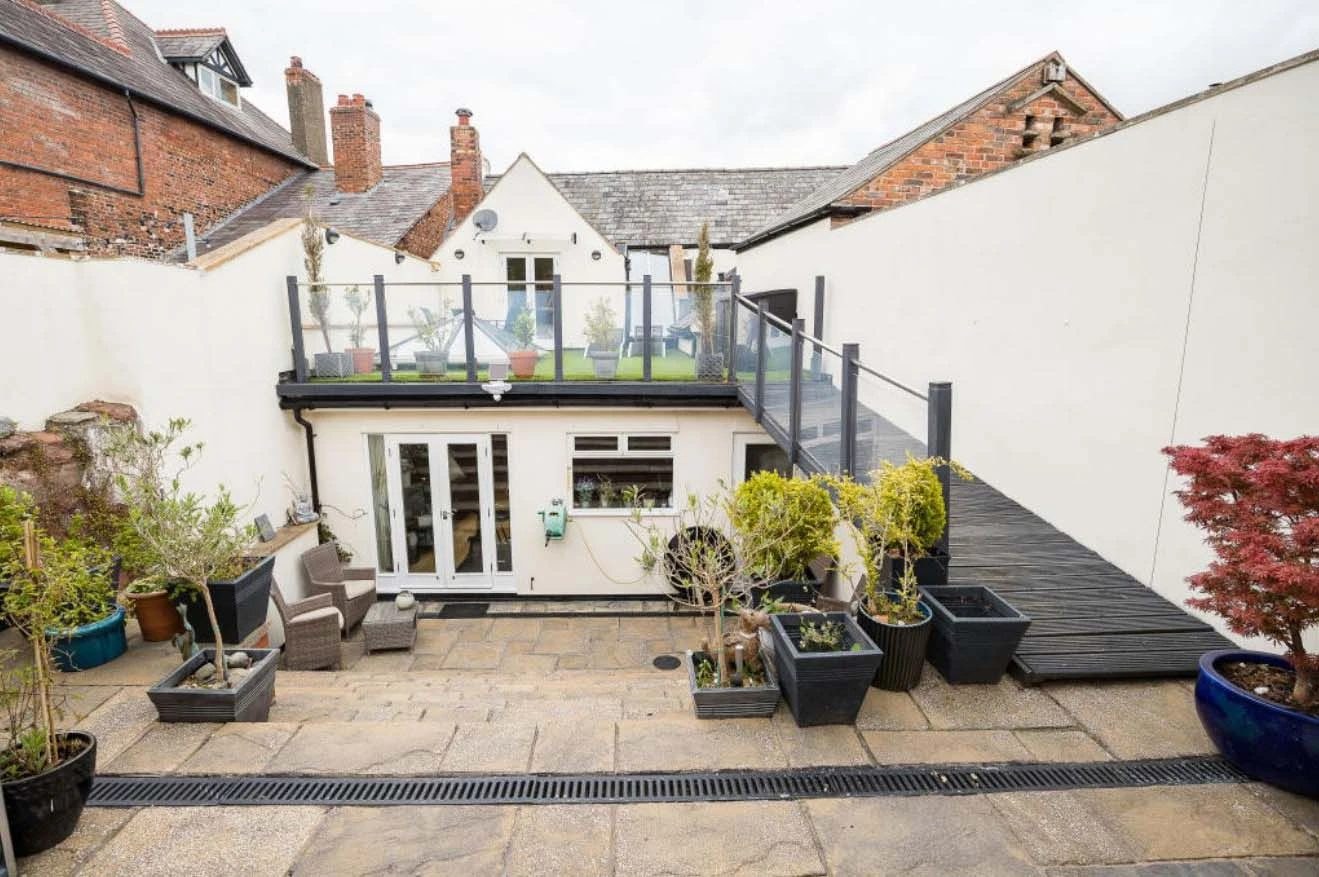 Planning consultants project 3
 Planning consultants project 3
 Planning consultants project 4
 Planning consultants project 4