Pen testing quotes
Pen testing identifies exploitable weaknesses in an organisation’s systems by safely simulating attacks. It is useful before launching a new application, after significant changes, or when evidence of compromise appears. The result prioritises realistic attack paths so owners can fix exposure before criminals use it.
What this covers
The work starts by agreeing written rules of engagement: target addresses, domains, applications, user roles, permitted techniques, testing windows, emergency contacts and exclusions. The tester then gathers information about the approved attack surface, checks exposed services and maps likely entry points without treating every automated alert as a confirmed weakness.
Manual testing follows. This may include attempting authentication bypass, privilege escalation, insecure direct object references, injection, unsafe file handling, weak session controls or exploitable configuration errors. For an internal test, the assessor examines what a compromised workstation or ordinary account could reach. For a web application test, they follow user journeys and test authorisation between roles. Social engineering or denial-of-service activity is separate and must be explicitly authorised.
Findings are evidenced without unnecessary data exposure. A technical report normally explains affected assets, reproduction steps, severity reasoning, likely impact and remediation priorities. An executive summary translates the results into decisions for owners and risk managers. Retesting can confirm whether fixes closed the demonstrated route rather than merely changing its symptoms.
How the work is done
First, the provider holds a scoping session with the owner and records assets, test accounts, exclusions, acceptable techniques and escalation contacts. Written authorisation prevents a legitimate test being mistaken for unauthorised activity.
Next, the tester validates the supplied targets and performs reconnaissance, service discovery and application mapping. They identify technologies, entry points, trust relationships and authentication paths before attempting controlled exploitation.
During the assessment, manual checks test how weaknesses combine. The tester records requests, responses, privileges gained and data reached, while avoiding destructive actions unless explicitly approved. If a serious exposure appears, the agreed contact is notified promptly.
After testing, the provider explains initial findings, removes temporary accounts or tooling, and supplies a report with evidence, severity, affected assets, business consequences and corrective actions. A technical debrief allows questions about reproduction and priorities. Where included, a retest checks the original attack path after remediation and records whether it remains exploitable.
What affects the cost
Pen testing cost is driven by the amount of work required to obtain reliable evidence, not simply by the number of assets. Scope affects effort: a single application with a few roles differs from a large estate containing public services, internal networks, APIs, cloud accounts and remote access. The number of workflows, privilege levels and integrations also matters because each path needs testing.
Access changes the method. Black-box reconnaissance can take longer, while supplied architecture, source code or test accounts may allow deeper assessment more efficiently. Testing regulated or operationally sensitive environments may require additional planning, approvals, monitoring and carefully limited techniques. Out-of-hours work, travel to restricted sites, separate environments, social engineering and retesting are commonly distinct deliverables.
A meaningful quotation should state assets, assumptions, exclusions, test type, reporting depth, communication arrangements and whether remediation advice or retesting is included. Check that the figure covers secure handling of evidence and a debrief, rather than comparing headline prices for different scopes.
Before you hire
Job-specific competence appears in the provider’s scoping questions. A capable tester asks about user roles, trust boundaries, APIs, cloud ownership, production safeguards, sensitive data and third-party permissions before proposing techniques. Their sample reporting should show reproducible evidence, affected assets, impact reasoning and remediation that an engineer can implement.
Look for clear distinction between automated findings and manually verified vulnerabilities, safe handling of captured data, documented escalation routes and a retest method tied to the original attack path. Relevant technical certifications can support confidence, but they do not replace a scope that matches your architecture or a report written for your actual stakeholders.
Recent work
 Pen testing project 1
 Pen testing project 1
 Pen testing project 1
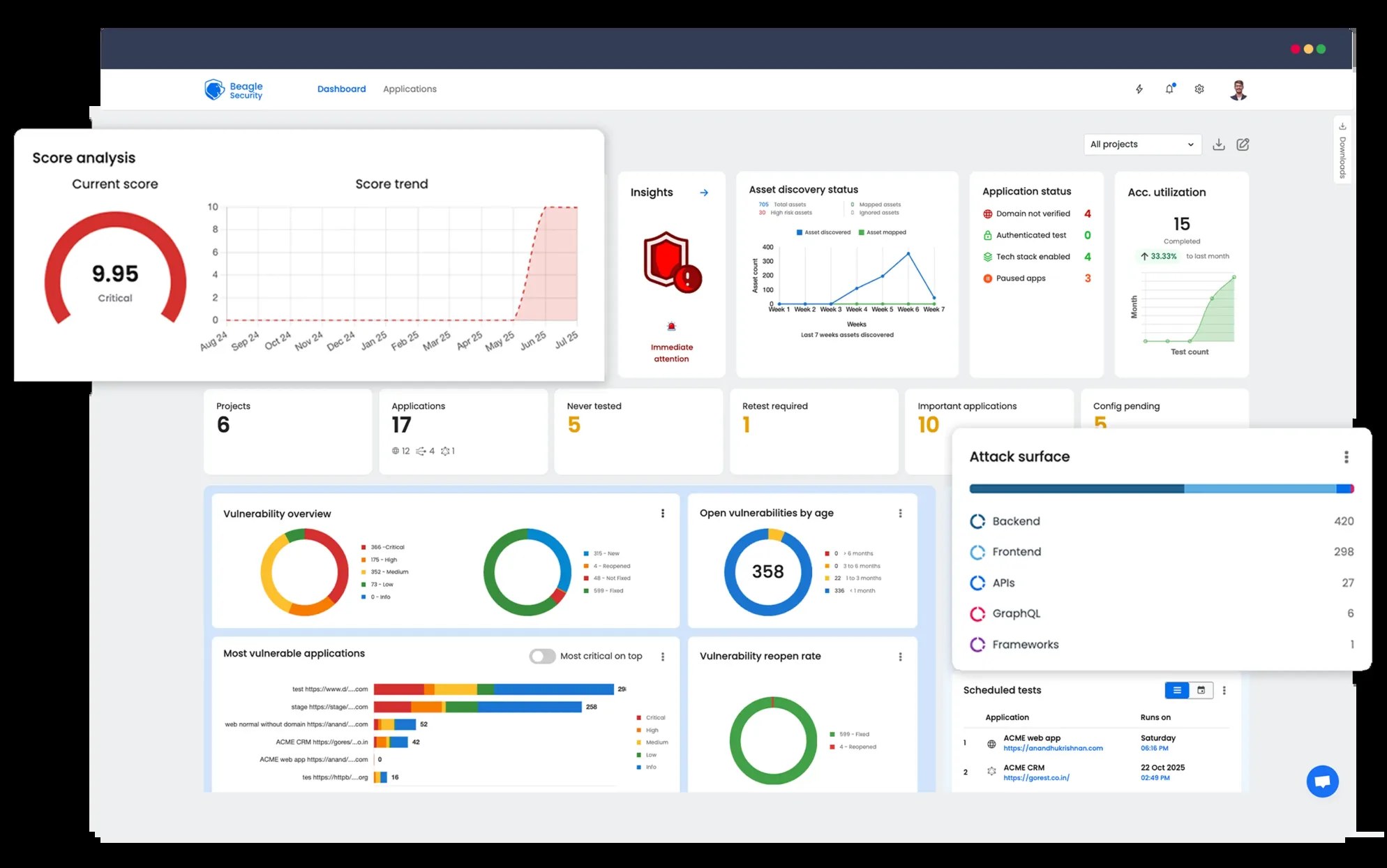 Pen testing project 1
 Pen testing project 1
 Pen testing project 1
 Pen testing project 1
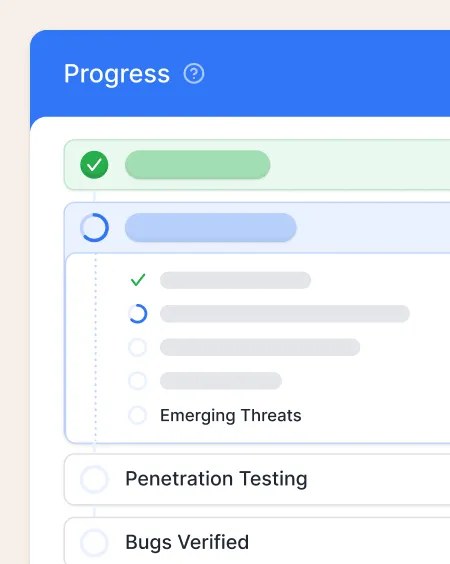 Pen testing project 1
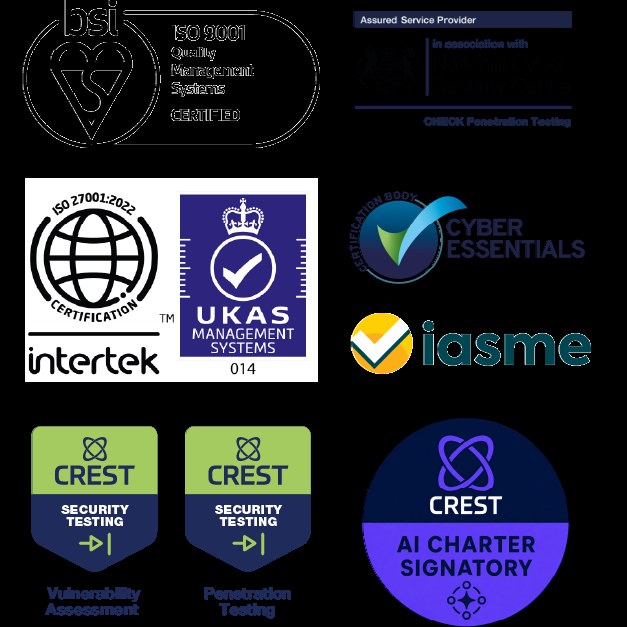 Pen testing project 2
 Pen testing project 2
 Pen testing project 2
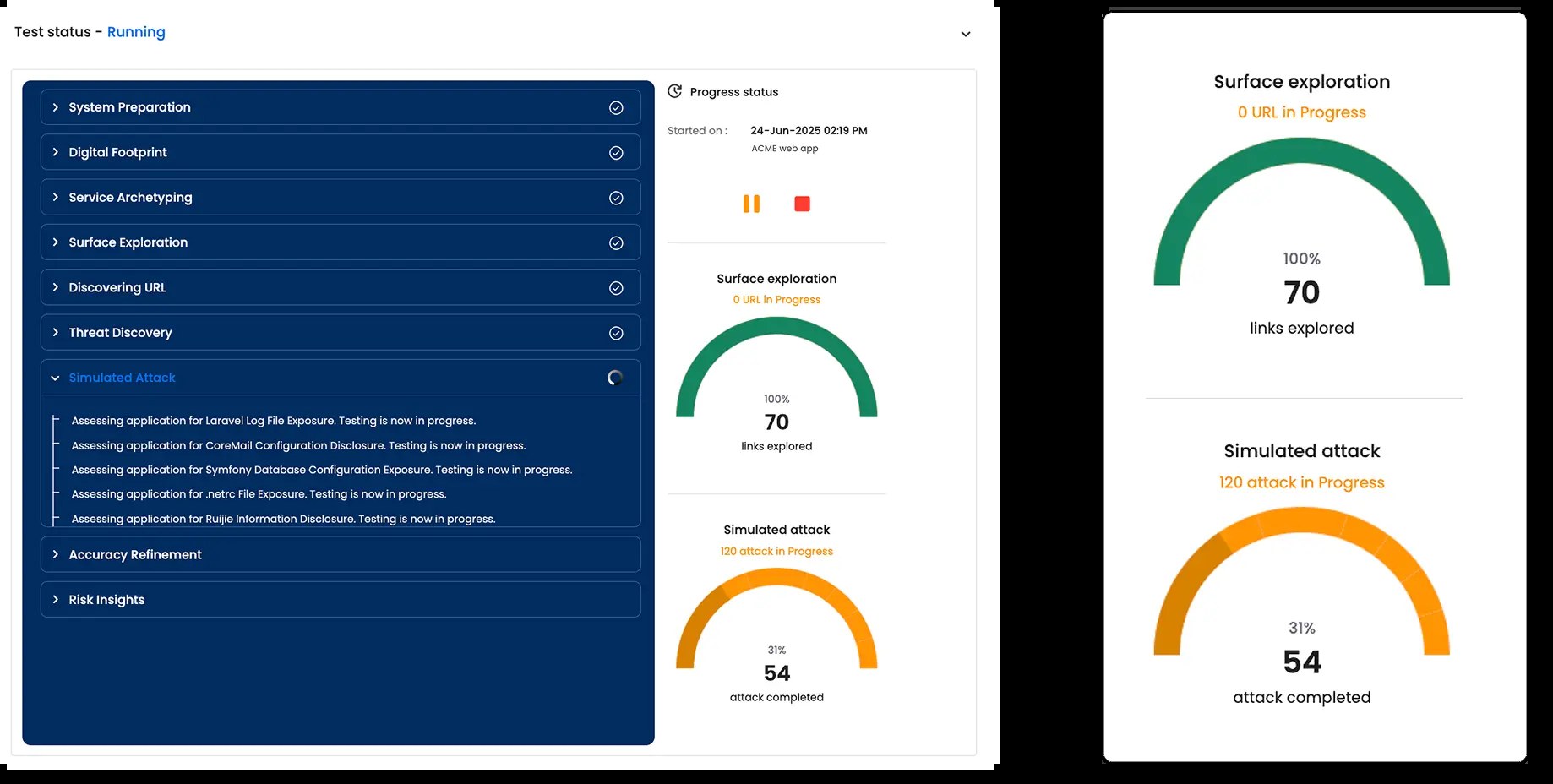 Pen testing project 2
 Pen testing project 2
 Pen testing project 2
 Pen testing project 2
 Pen testing project 2