Painting & decorating quotes
Painting and decorating prepares, repairs and finishes walls, ceilings, woodwork and exterior surfaces. It is needed for flaking coatings, staining, damaged plaster, tired finishes or a change of colour. The work protects substrates, improves appearance and can reveal moisture or movement needing attention first.
What this covers
The work starts with protecting floors, furniture, fittings and adjoining surfaces, followed by inspection of the substrate. Loose paint is scraped or sanded away; holes, cracks and failed sealant are repaired; uneven plaster may need filling or local skimming. Stains, bare timber, nicotine marks or porous masonry can require a suitable primer or sealer before finishing coats are applied.
Interior decorating may cover walls, ceilings, coving, skirting, doors, radiators and built-in joinery. Exterior work can include render, masonry, timber cladding, fascias, soffits, windows and doors, with safe access planned before preparation begins. The decorator controls dust, splashes and ventilation, then applies the specified system at the correct coverage and re-coat stage.
A sound result depends on the surface beneath it. Paint can disguise a symptom temporarily, but persistent damp, movement, leaking gutters or defective render need investigation rather than repeated coating. The agreed scope should therefore state what is being repaired, what remains excluded and how the finished surface will be left.
How the work is done
The decorator first confirms rooms, surfaces, colours, finish levels and items that must remain in place. Furniture is moved or covered, floors are protected, and fittings are masked or removed where practical. The substrate is then inspected for damp, loose coating, cracks, failed sealant, mould or movement.
Preparation follows: washing or degreasing, scraping, sanding, filling, caulking and spot-priming. Dust is controlled and surfaces are left suitably dry before application. On exterior work, access equipment is positioned and the coating is removed or stabilised where necessary.
Paint is applied in the agreed sequence, commonly ceiling, walls, woodwork and final detail work, although the order changes around access and repairs. Between coats, the decorator checks coverage, sheen and drying. At completion, masking is removed carefully, floors and fittings are cleaned, waste is cleared, and defects such as misses, runs or visible lap marks are recorded for correction.
What affects the cost
The main cost drivers are surface condition, preparation time and the number of separate elements being finished. Flaking paint, extensive filling, damaged plaster, stained surfaces, mould treatment or failed sealant all add labour before decoration begins. High ceilings, stairwells, awkward layouts and restricted access increase setup, protection and working time.
Materials vary with coverage, substrate and finish: stain-blocking primer, specialist masonry coating, breathable products, durable washable paint and detailed woodwork systems do not carry the same requirements. Exterior work may need scaffolding, towers, access restrictions and weather-sensitive scheduling. Moving or protecting contents, removing fittings, repairing timber and disposing of waste can also change the quotation.
Ask whether the figure includes preparation, primer, number of coats, access equipment, furniture handling, protection, minor making-good, waste removal and final snagging. A low price may reflect less preparation or narrower exclusions rather than a cheaper equivalent result.
Before you hire
Job-specific competence shows in the questions asked before work starts: what caused the staining, how sound is the existing coating, and whether damp, timber decay or movement needs attention. A capable decorator can explain why a primer, filler, breathable coating or finish has been selected for that substrate.
Look for a method statement or quotation that identifies preparation, protection, access, coats and exclusions. Useful evidence includes neat cutting around fittings, controlled sanding, consistent sheen, clean edges and sample areas where colour or compatibility is uncertain. For exterior work, the provider should explain how access and surface dryness will be managed rather than promising a finish without inspecting the elevations.
Recent work
 Painting & decorating project 1
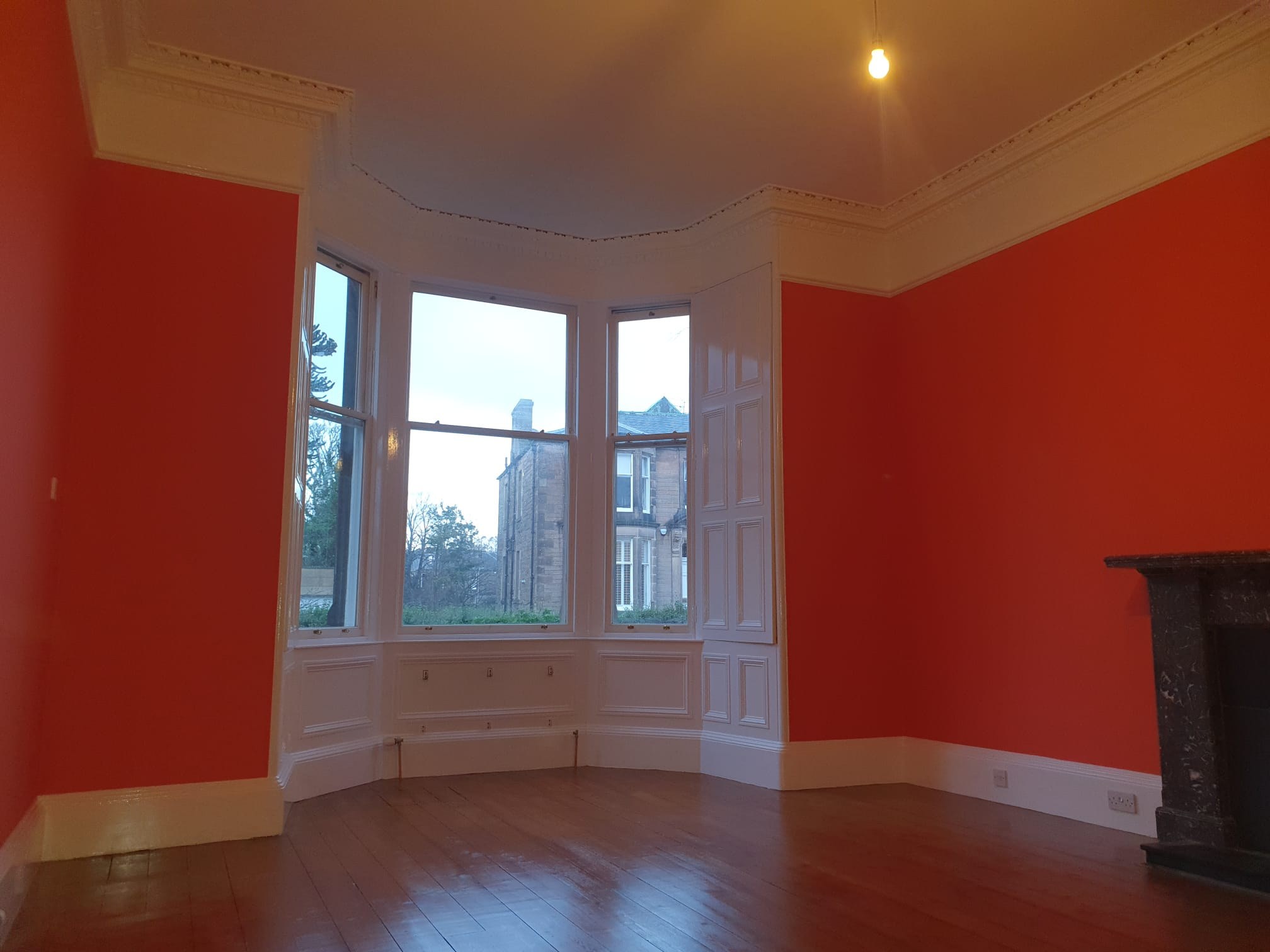 Painting & decorating project 1
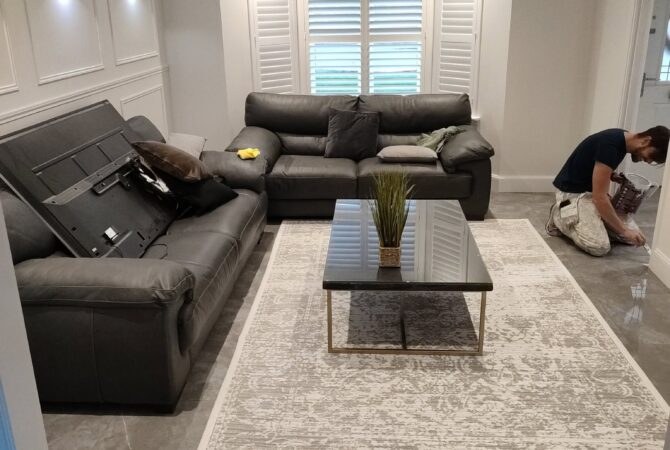 Painting & decorating project 1
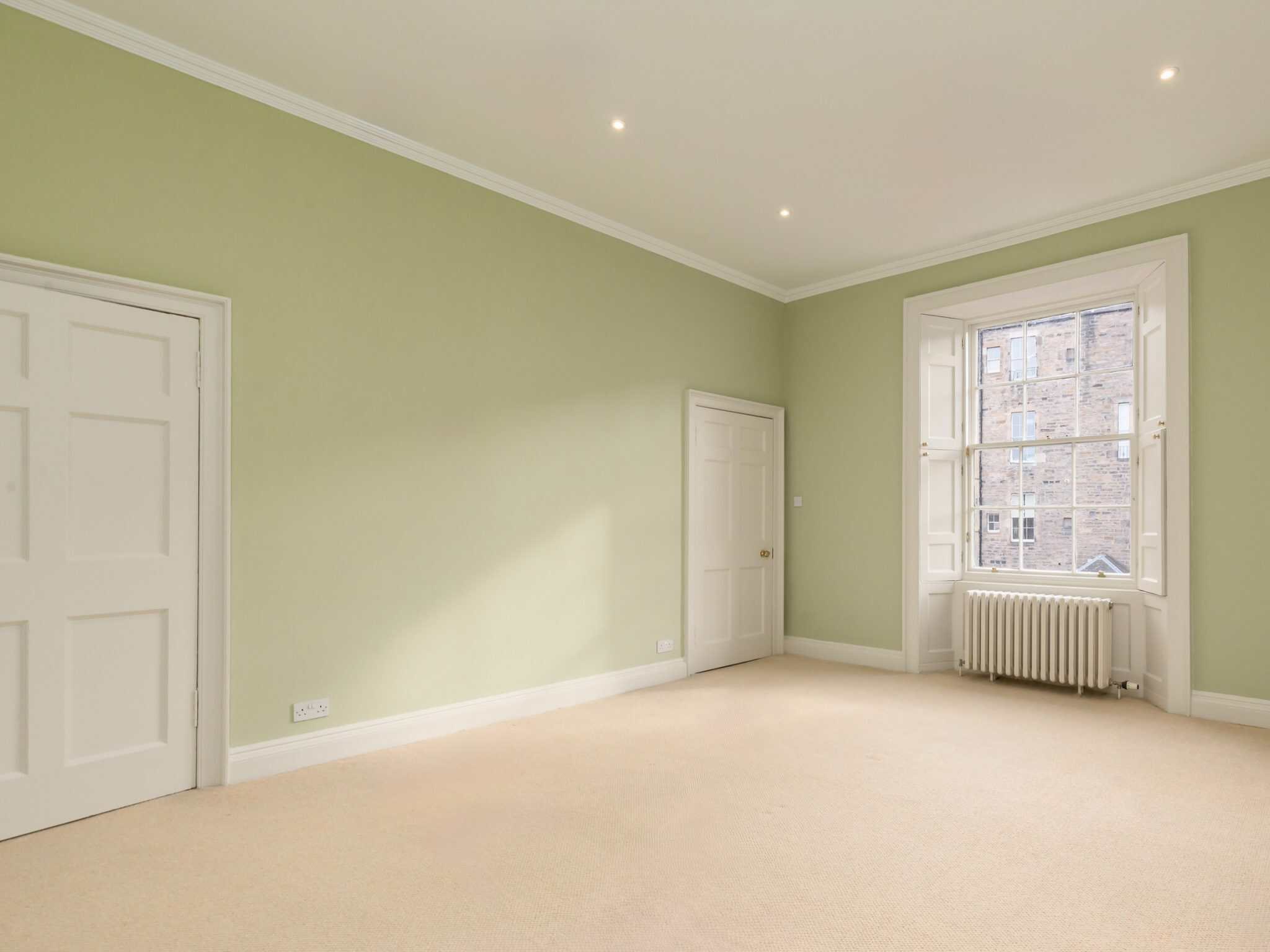 Painting & decorating project 1
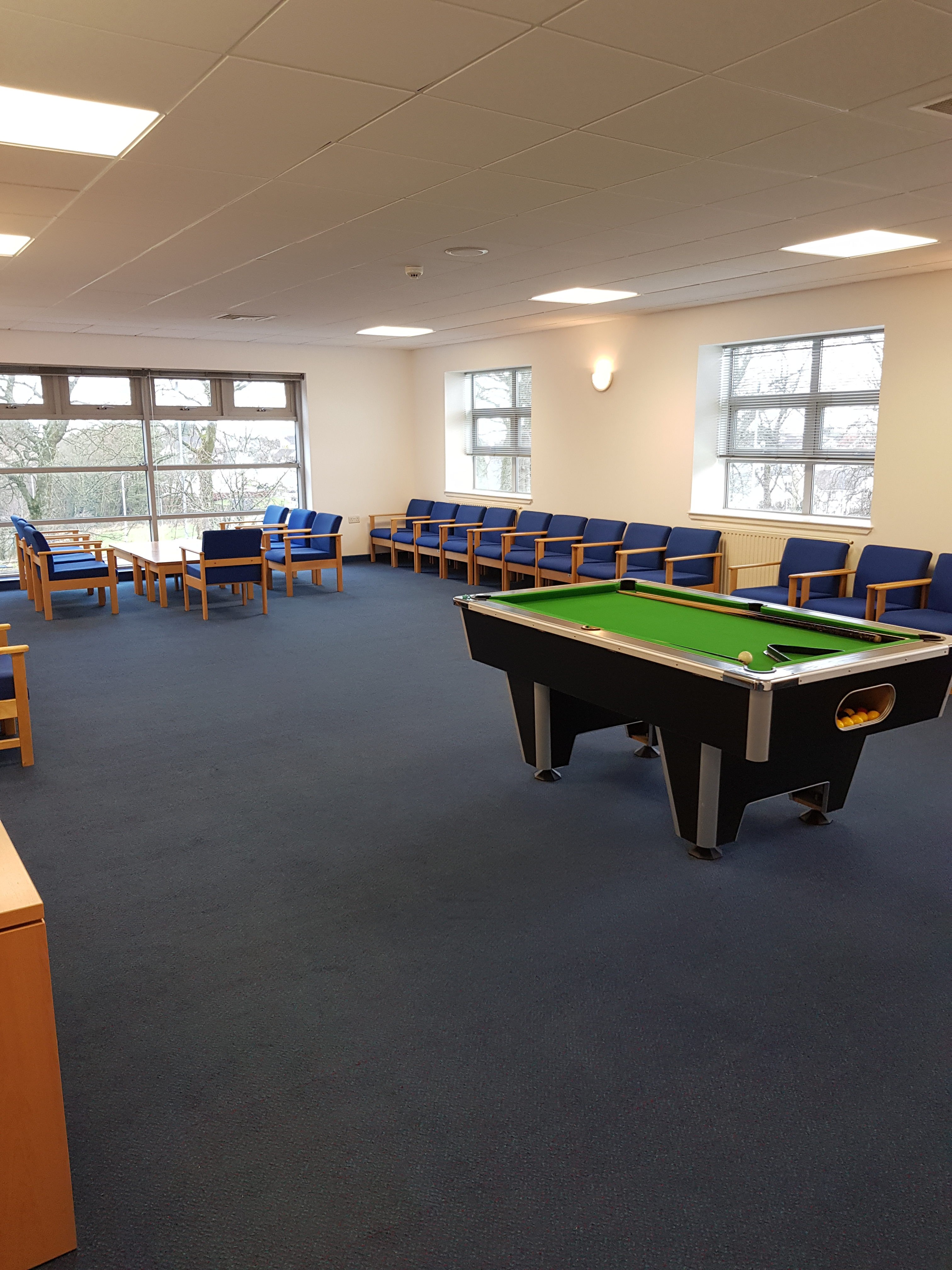 Painting & decorating project 1
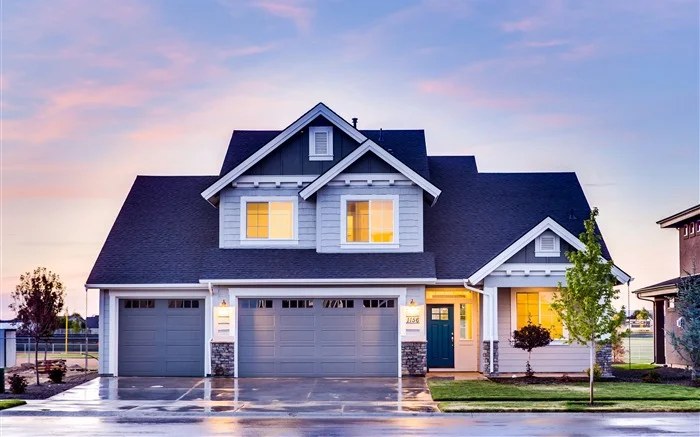 Painting & decorating project 1
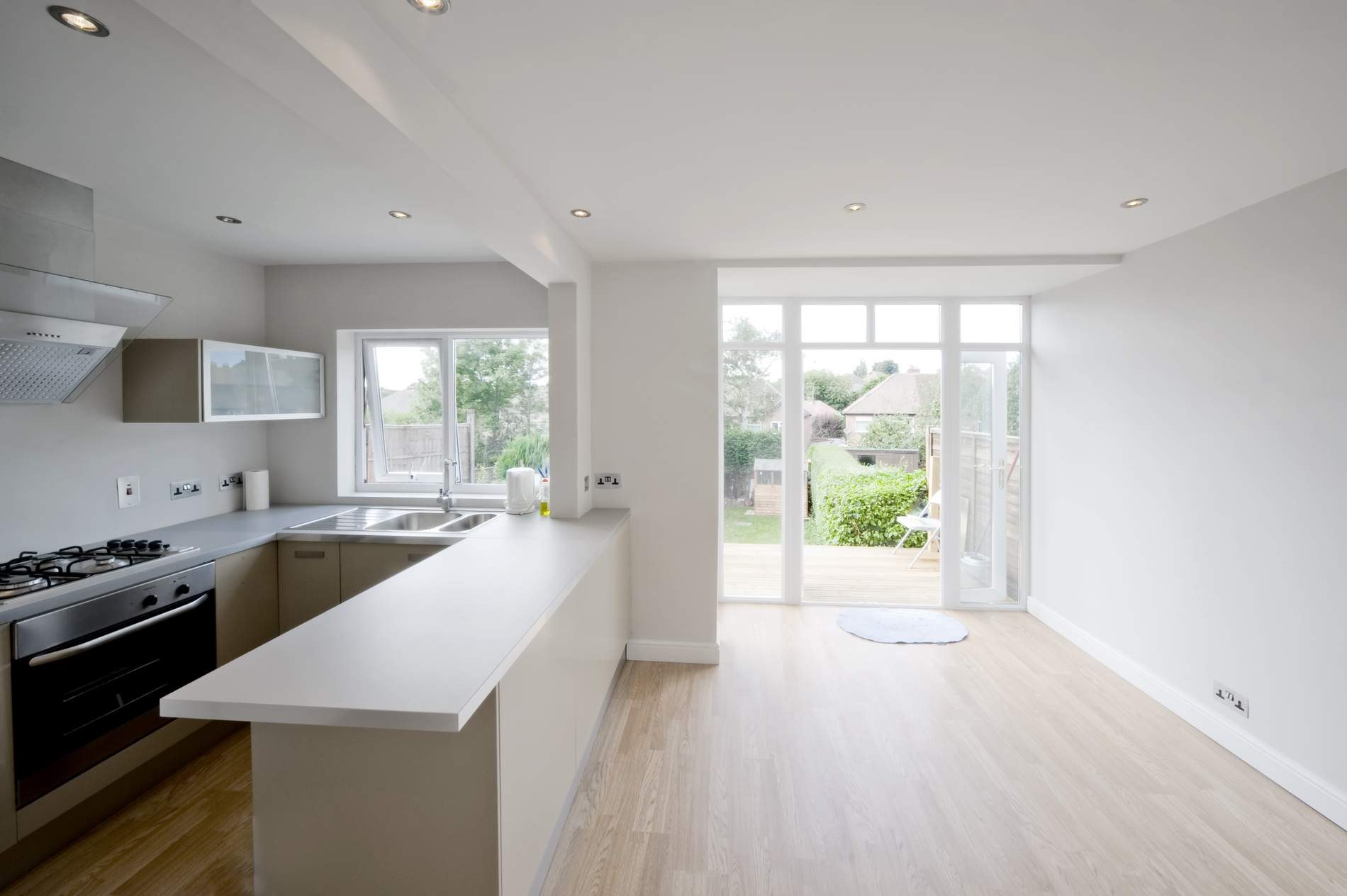 Painting & decorating project 1
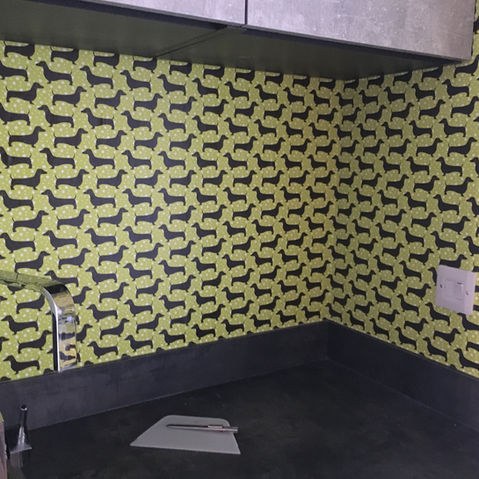 Painting & decorating project 1
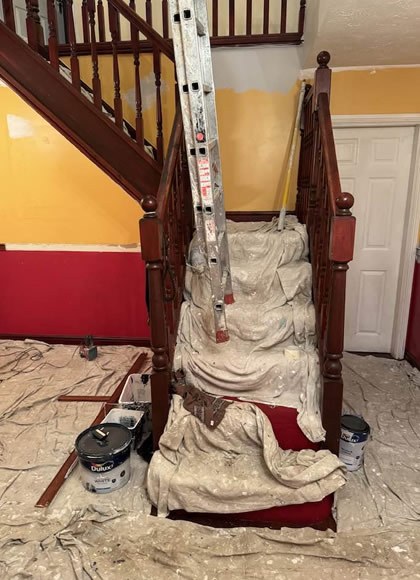 Painting & decorating project 1
 Painting & decorating project 1
 Painting & decorating project 1
 Painting & decorating project 1
 Painting & decorating project 1
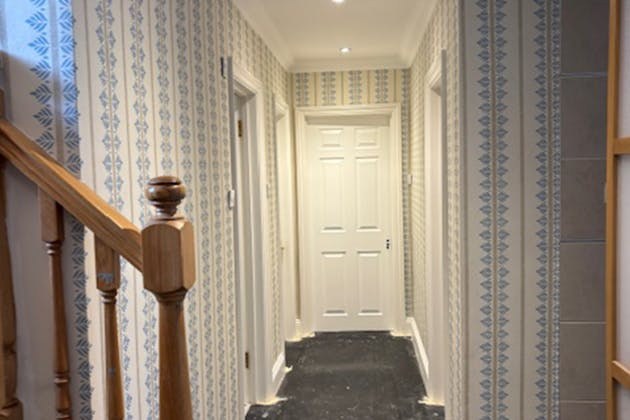 Painting & decorating project 1
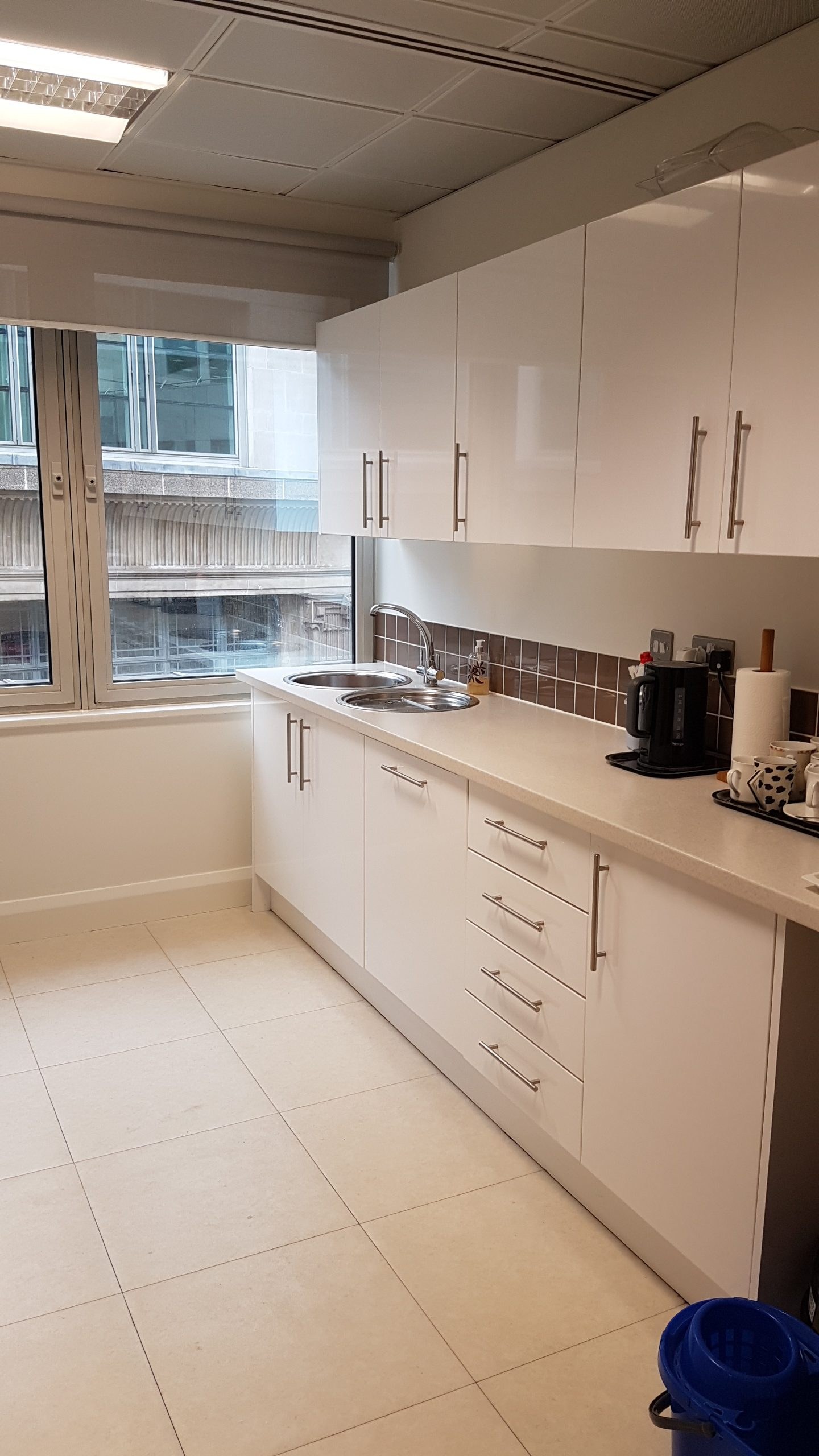 Painting & decorating project 1
 Painting & decorating project 1