Locksmiths quotes
Call a locksmith when a lock has failed, keys are lost, entry is blocked, or a property needs stronger security. The work may involve non-destructive entry, repairing the mechanism, replacing a cylinder, fitting a lock, or adjusting the door so it closes and secures correctly.
What this covers
The job starts with identifying the fault rather than assuming the lock itself is defective. A locksmith may inspect the key, cylinder, latch, deadbolt, handles, hinges, strike plate and door alignment. For a lockout, they may attempt non-destructive entry before drilling or replacing a component, because preserving the door and mechanism can reduce later repair work. Once access is restored, the faulty part is removed, measured and matched to the door, frame and existing hardware. A replacement cylinder may be keyed alike, supplied with new keys or selected to improve resistance to common attack methods. On timber, composite, uPVC or aluminium doors, the fitting method and available space differ. The locksmith may also adjust keeps, hinges or multipoint locking rods if the door is dropping or binding. The finished work should leave the door closing smoothly, the key turning without excessive force and the locking points engaging fully. It can include removal of a snapped key, installation of additional security hardware or repair after attempted forced entry.
How the work is done
The locksmith first confirms the address, access problem and authority to work on the property, then examines the door without assuming that drilling is necessary. They check how the key behaves, whether the handle moves, and whether misalignment or a failed internal part is preventing entry. If possible, they use a non-destructive method suited to the lock. If damage is unavoidable, they explain the consequence before opening the mechanism. After entry, the door, frame, keeps and locking points are inspected for the underlying cause. The defective cylinder, latch or gearbox is measured and removed, with care taken not to enlarge holes or damage finishes unnecessarily. A repair or replacement is installed, followed by adjustment of hinges, keeps or multipoint rods where needed. The locksmith tests locking and unlocking from both sides, checks that keys withdraw cleanly, and confirms that the door closes without excessive pressure. Any temporary limitation, spare-key requirement or follow-up work should be explained before they leave.
What affects the cost
The cost is driven first by urgency, access and the method needed to open the door. A straightforward lock change differs from work requiring non-destructive entry, drilling, broken-key extraction or repair after forced entry. Parts also matter: a basic cylinder, specialist key system, multipoint gearbox, digital lock or complete hardware set involves different supply and fitting requirements. Door material, lock profile, unusual dimensions and restricted working space can increase labour because the mechanism may need careful measurement or dismantling. A damaged frame, warped door or failed hinges may require adjustment or additional repair before a new lock will operate correctly. Ask whether the quotation includes call-out, out-of-hours attendance, replacement keys, disposal of old parts, drilling, making-good and testing. If a fault cannot be diagnosed until access is gained, request a clear explanation of what could change the scope. For managed property, confirm whether records, master-key arrangements or tenant access procedures add work.
Before you hire
Useful job-specific evidence includes the ability to identify lock profiles, explain non-destructive entry before drilling, and distinguish a cylinder fault from door or frame misalignment. The locksmith should recognise differences between timber, composite, uPVC and aluminium systems, measure replacement parts accurately and test every locking point after fitting. Ask for a written description of the proposed repair, the part being supplied, any making-good, and what remains unresolved if a temporary opening method is used. For electronic or specialist systems, confirm familiarity with the specific operating method rather than accepting a generic lock-change approach.
Recent work
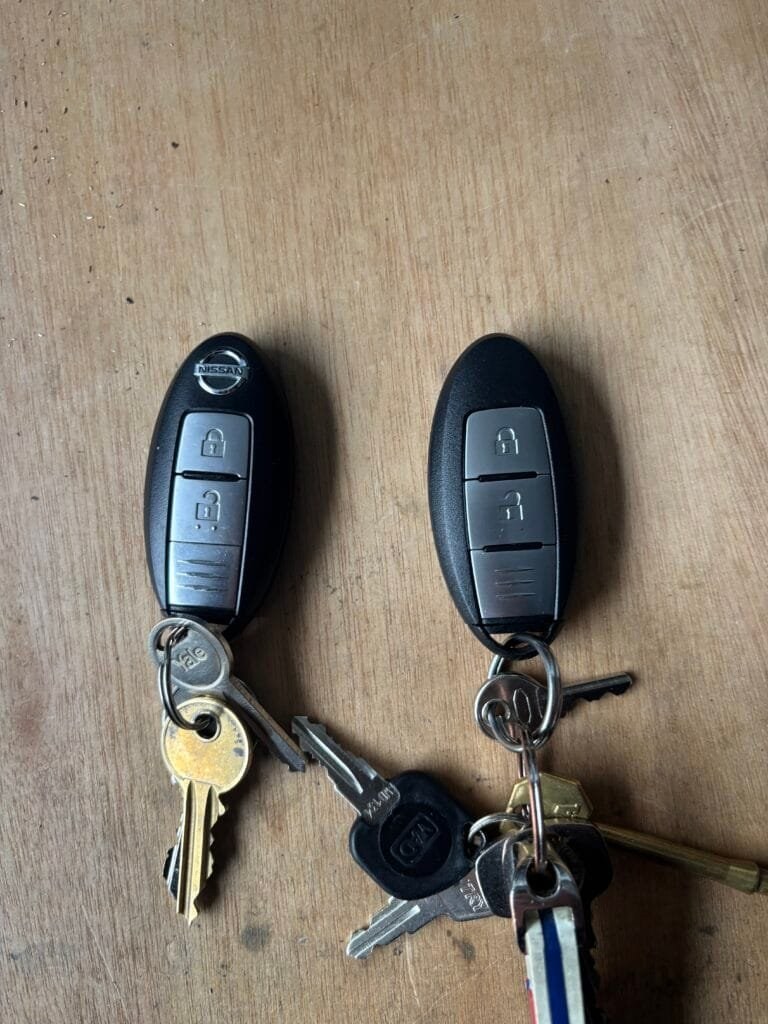 Alarm installers project 1
 Locksmiths & security installs project 1
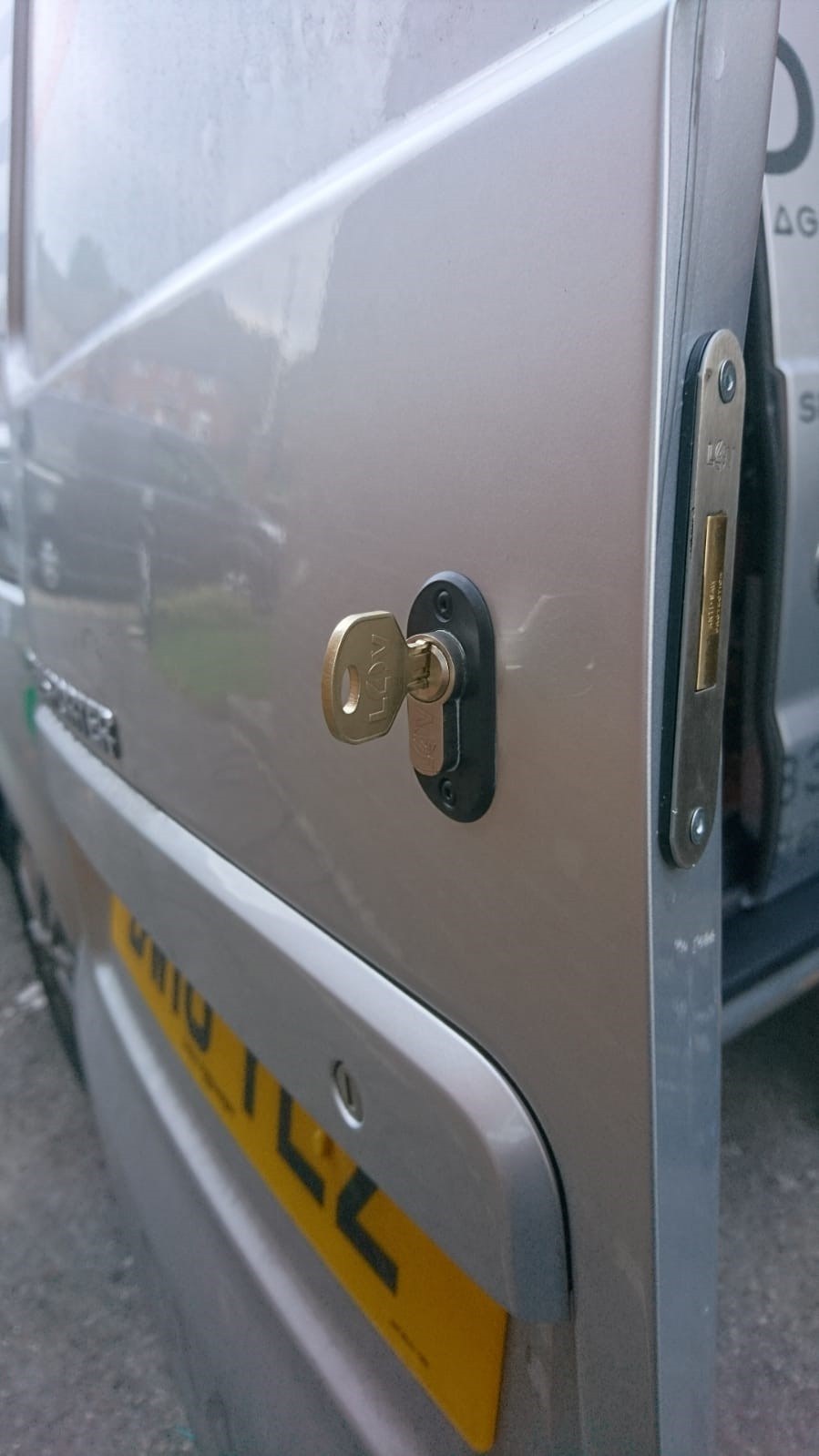 Locksmiths & security installs project 1
 Alarm installers project 2
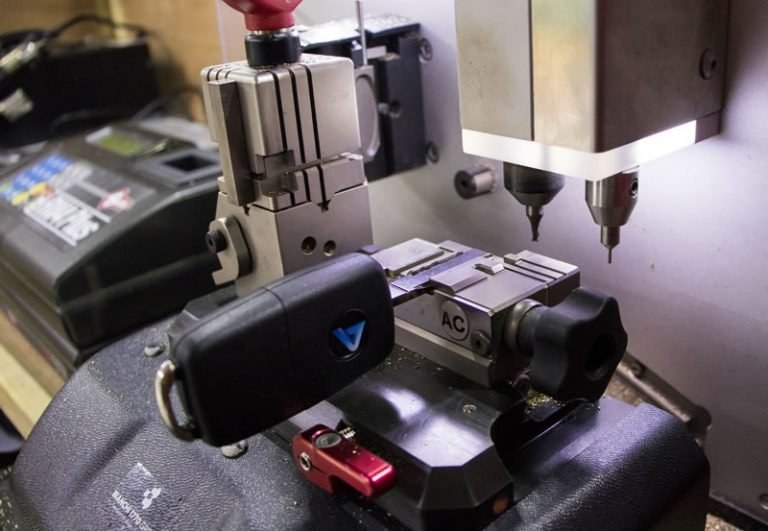 Locksmiths & security installs project 2
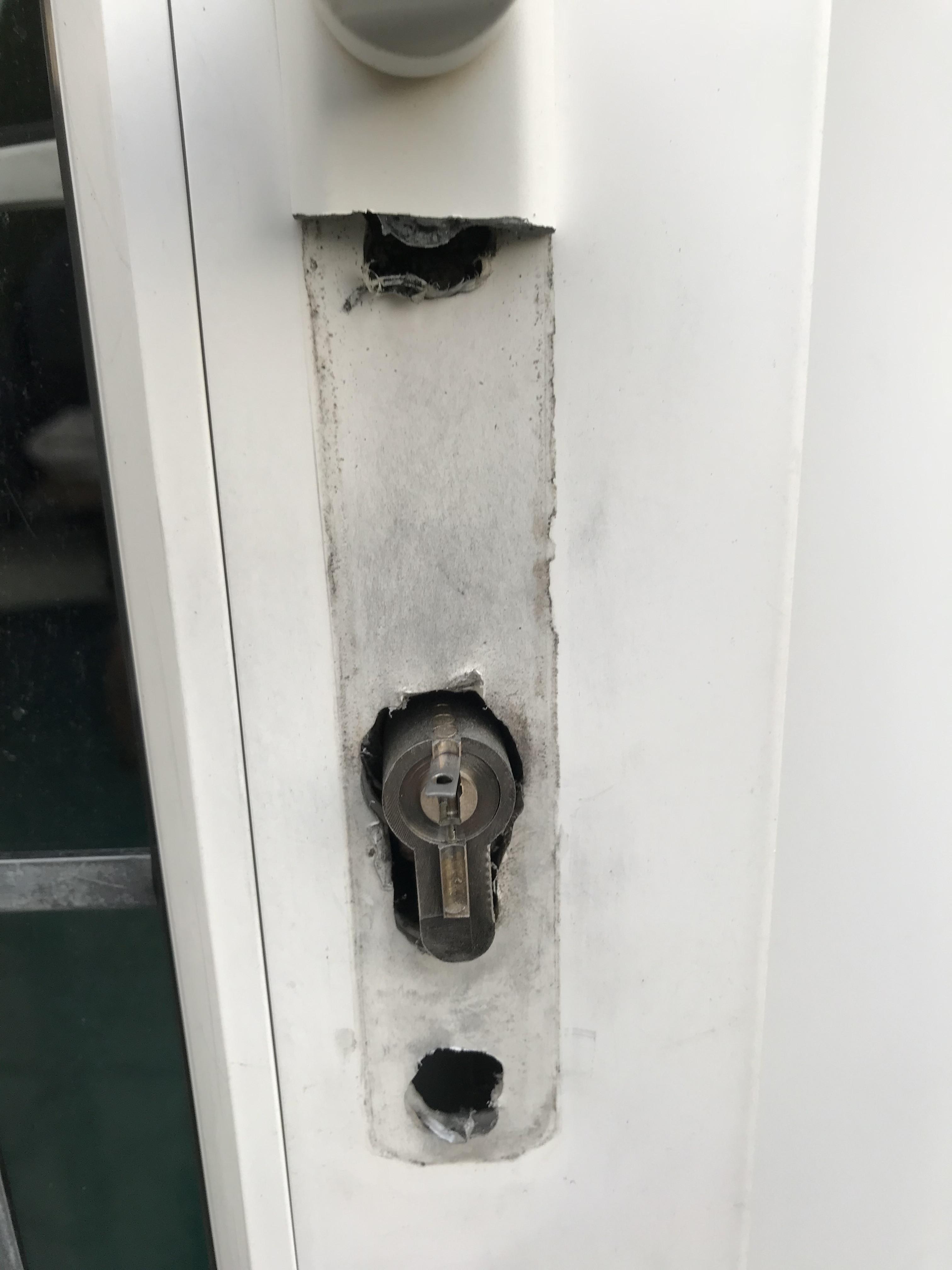 Locksmiths & security installs project 2
 Alarm installers project 3
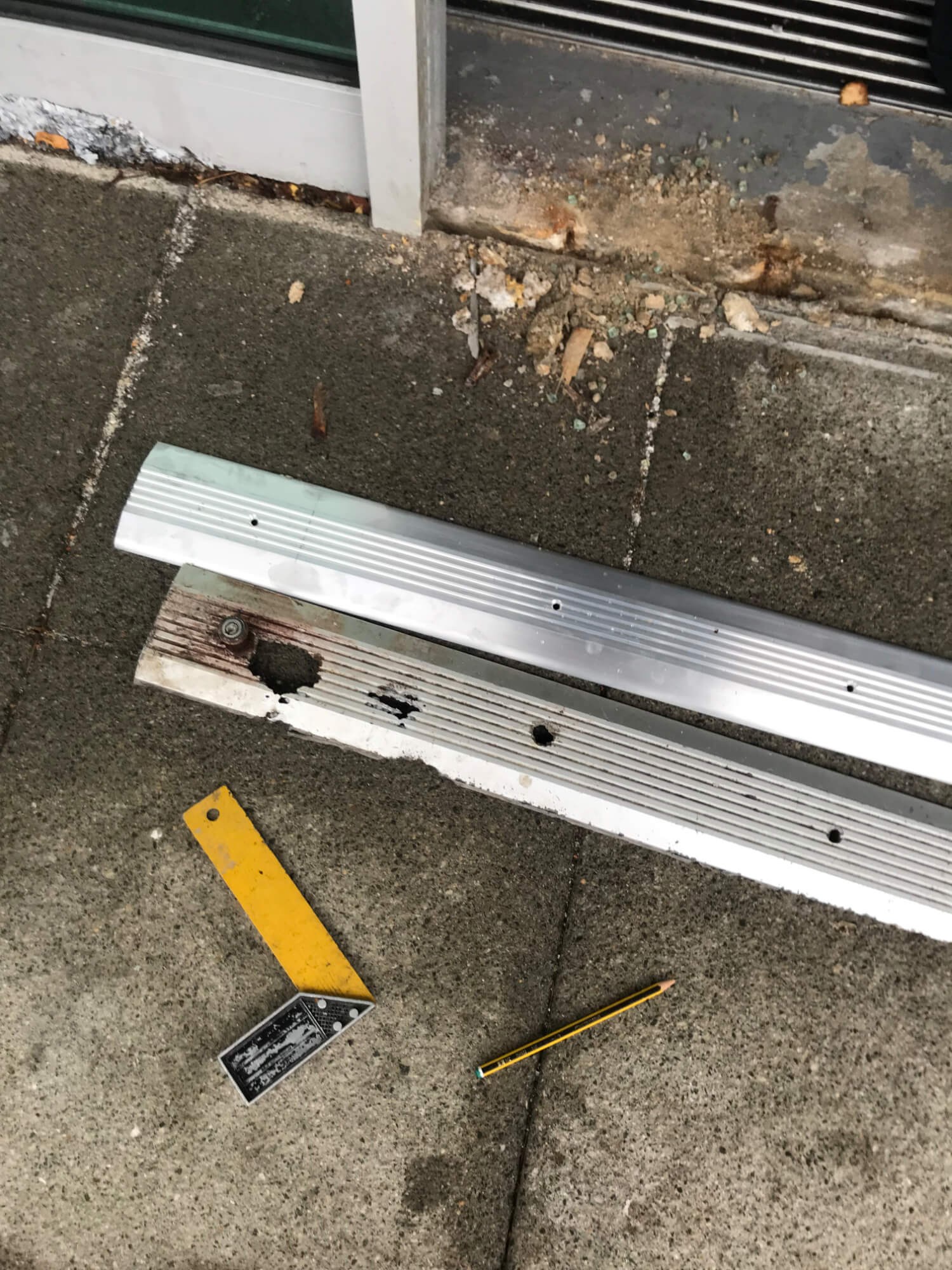 Locksmiths & security installs project 3
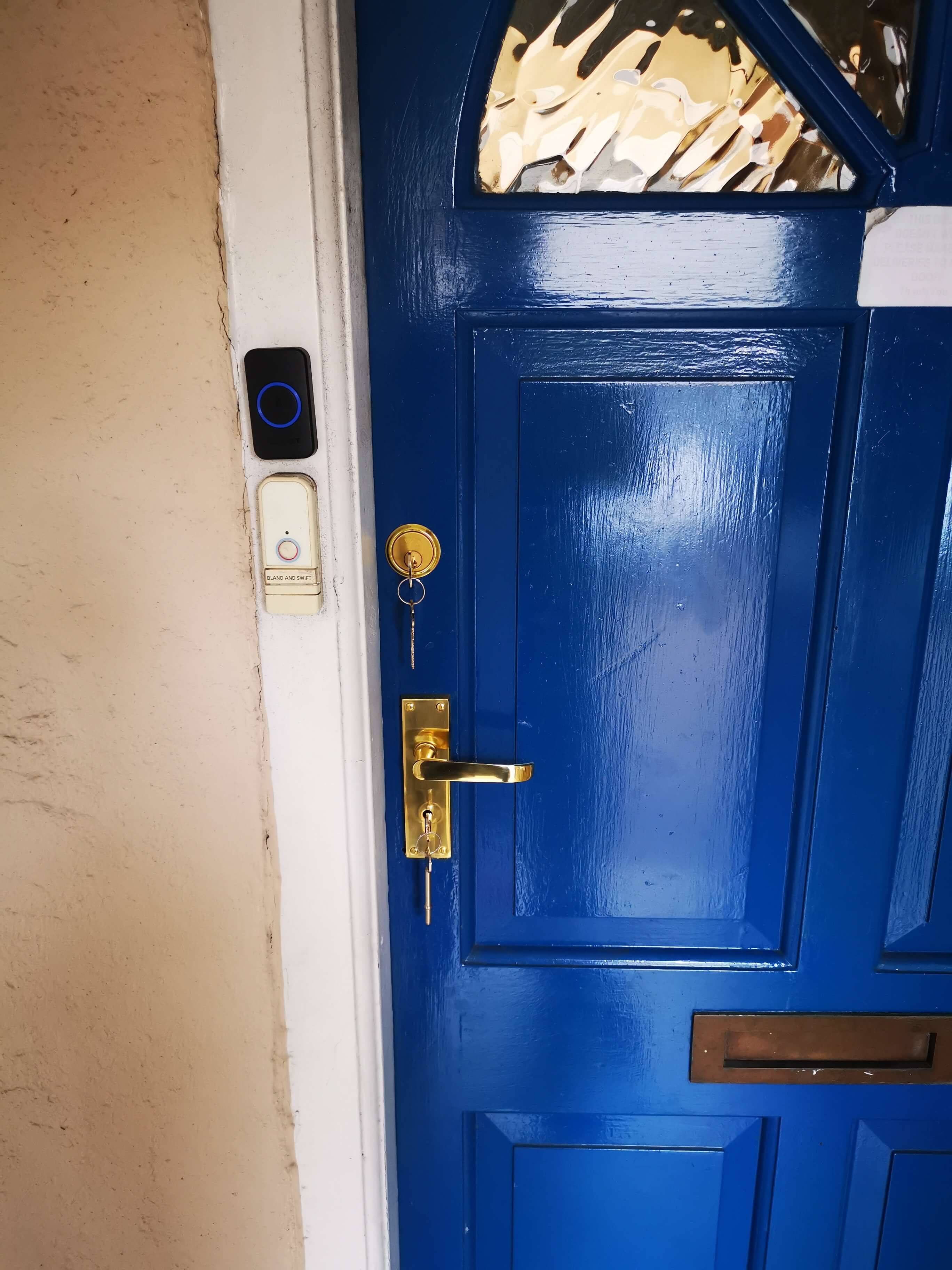 Locksmiths & security installs project 4