Landscaping suppliers quotes
Landscaping suppliers provide plants, soil, aggregates, paving, turf, fencing and related materials for outdoor projects. They are useful when a garden requires coordinated deliveries, specialist products or bulk quantities, helping homeowners and property managers match materials to ground conditions, access, drainage requirements and the intended finish.
What this covers
The work starts with understanding the finished landscape and the conditions beneath it. A supplier may help calculate volumes for soil, aggregate, paving or mulch, identify compatible products and arrange delivery to the point where a contractor can safely use them. This can include bulk bags, loose loads, palletised paving, rolls of turf, plants, fencing panels, posts, edging, drainage channels and geotextiles.
Material selection depends on ground bearing, drainage, shade, exposure, expected foot traffic and the character of the property. A driveway needs a suitable sub-base and surface, while a planting scheme needs soil that supports the chosen plants rather than simply looking dark and loose. Paving requires consistent dimensions, compatible bedding materials and enough spare product for cuts or future repairs.
The supplier may also confirm packaging, storage, unloading requirements and disposal implications. It should be clear which items are supplied only and which services include measuring, design input, delivery, craning, unloading or installation by a separate landscaper.
How the work is done
The first stage is a site and project conversation covering dimensions, levels, access, existing surfaces, drainage, planting conditions and the required finish. Measurements are then converted into quantities, allowing for cuts, compaction, settlement and unavoidable wastage.
The supplier confirms product specifications, colours, sizes, batch availability, packaging and delivery constraints. For paving, this may involve checking thickness, slip characteristics and matching accessories. For soil or aggregate, it means identifying the grade and whether the site needs screened, blended or structural material.
Delivery is booked around the site's unloading method. The customer must provide a clear route, protect vulnerable surfaces and confirm where loose or palletised goods can be placed. On arrival, quantities and visible damage should be checked before materials are distributed.
Installation normally follows ground preparation: excavation, removal of unsuitable material, formation of levels, drainage and sub-base, followed by edging, bedding, surfacing, planting or fencing. The supplier's responsibility should be separated from the landscaper's workmanship so defects can be traced accurately.
What affects the cost
The main cost drivers are material type, quantity, specification, delivery distance, unloading method and the amount of preparation required before products can be used. Heavy goods such as paving, soil and aggregate cost more to move and may need a vehicle with suitable access or mechanical unloading.
Site access matters particularly where a lorry cannot reach the working area. Extra handling, narrow gates, steps, protected driveways or long barrow routes increase labour and the risk of damage. Small quantities can also carry higher delivery costs because transport is not spread across a full load.
The quote should distinguish supply, delivery, unloading, installation, waste removal and making good. Ask whether products are sold by weight, area, pack or bulk bag, and whether stated quantities allow for cuts, settlement or compaction. Bespoke cuts, unusual colours, imported stone, matching replacement batches and urgent plant availability can also affect the total.
Before you hire
A capable landscaping supplier can translate drawings or measurements into realistic quantities and explain why a product suits the ground, loading, drainage and maintenance requirement. Useful evidence includes clear technical specifications, sample or batch advice, accurate calculation of sub-base and surface layers, and practical guidance on storage and unloading.
For plants, look for advice based on soil, exposure and mature size rather than catalogue appearance alone. For hard landscaping, the supplier should identify compatible bedding, jointing, edging and drainage components. They should also state clearly where their responsibility ends, especially if a separate contractor is carrying out excavation or installation.
Recent work
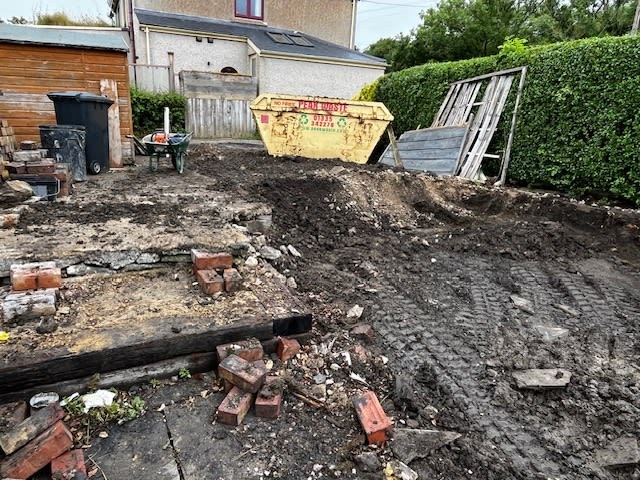 Landscaping suppliers project 1
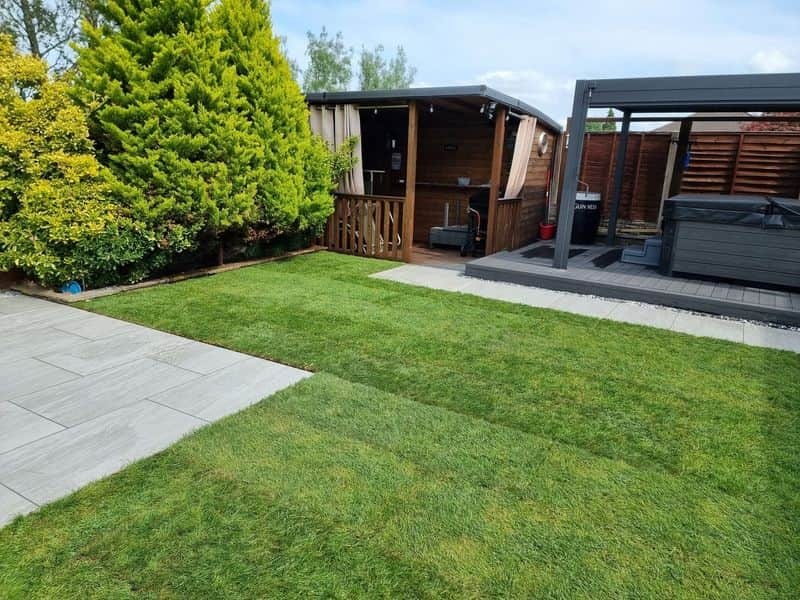 Landscaping suppliers project 1
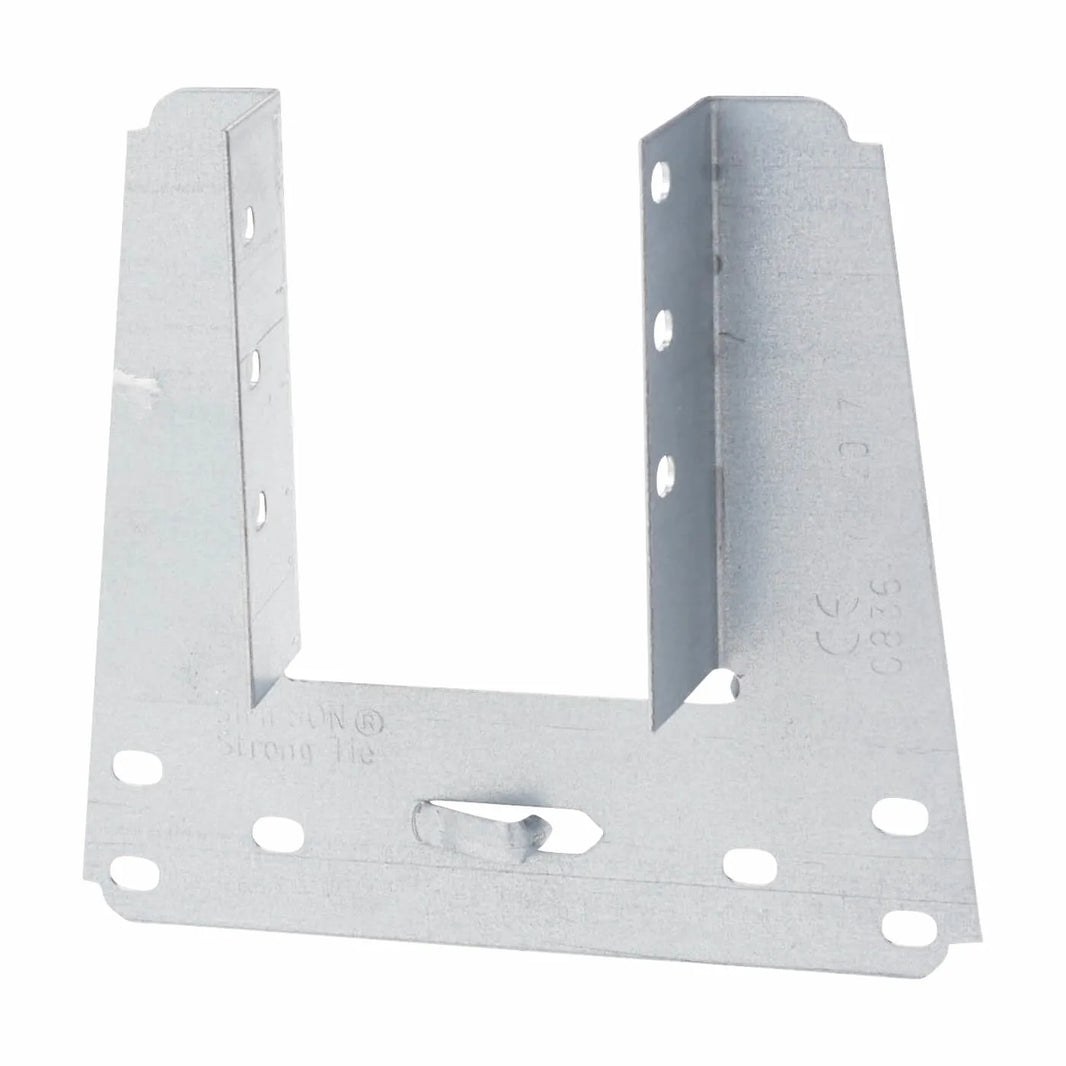 Landscaping suppliers project 1
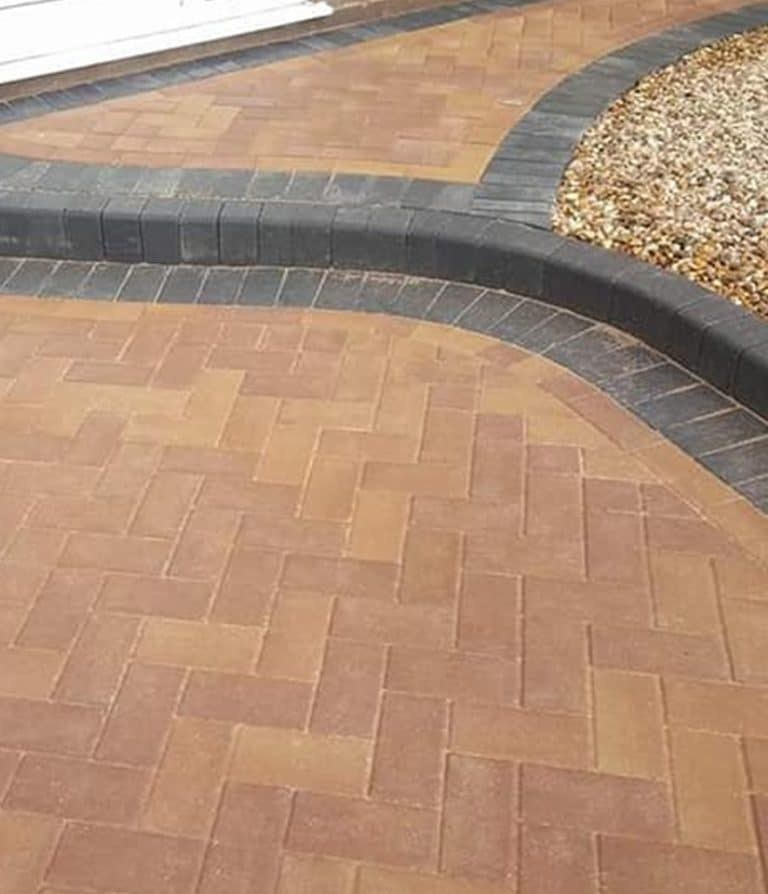 Landscaping suppliers project 1
 Landscaping suppliers project 1
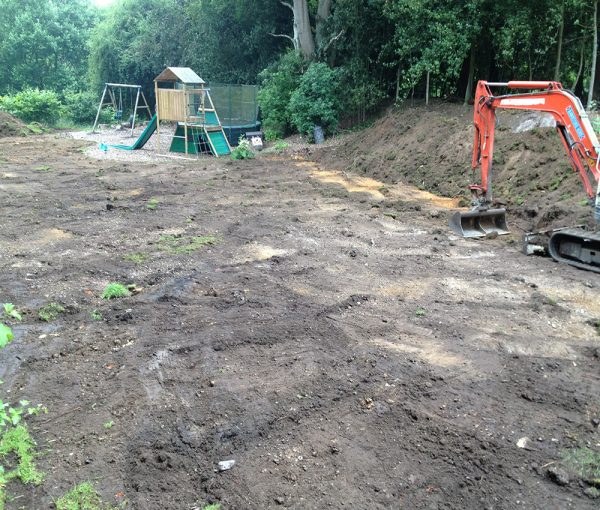 Landscaping suppliers project 1
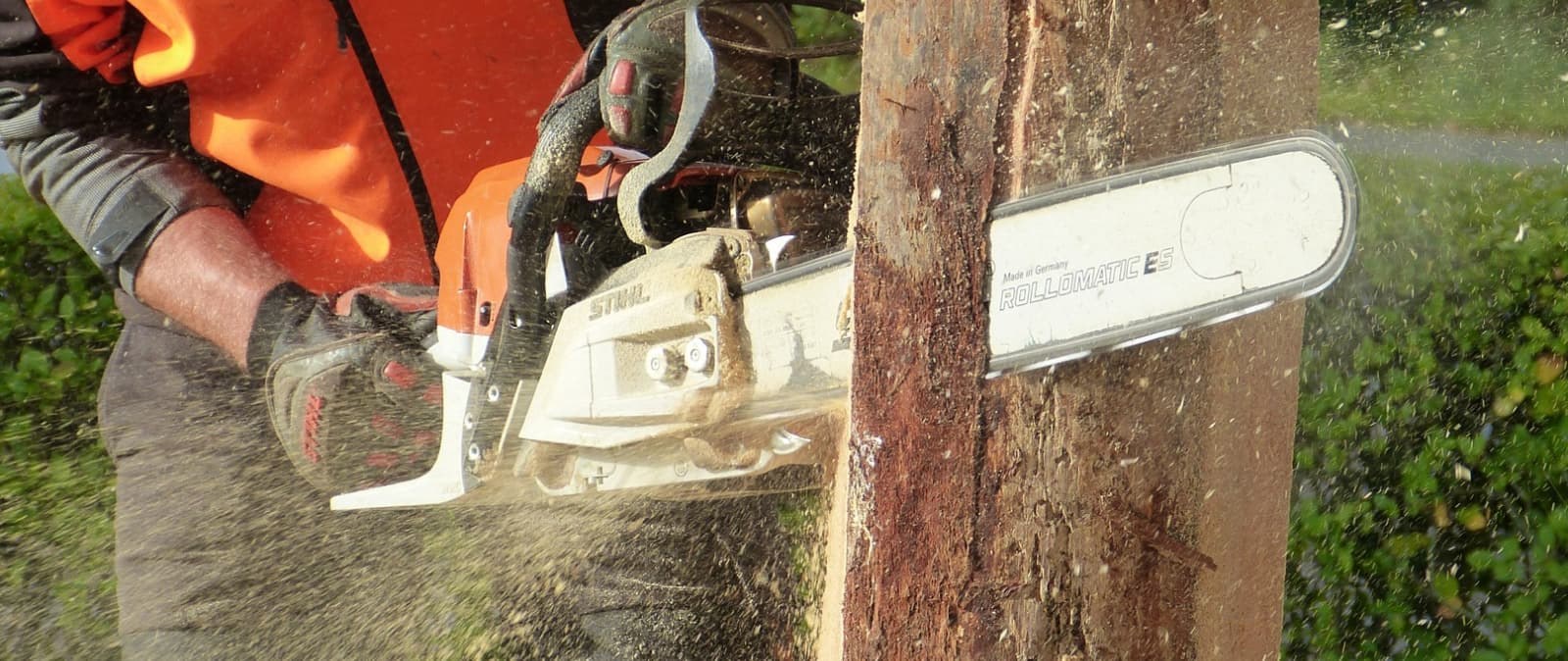 Landscaping suppliers project 1
 Landscaping suppliers project 1
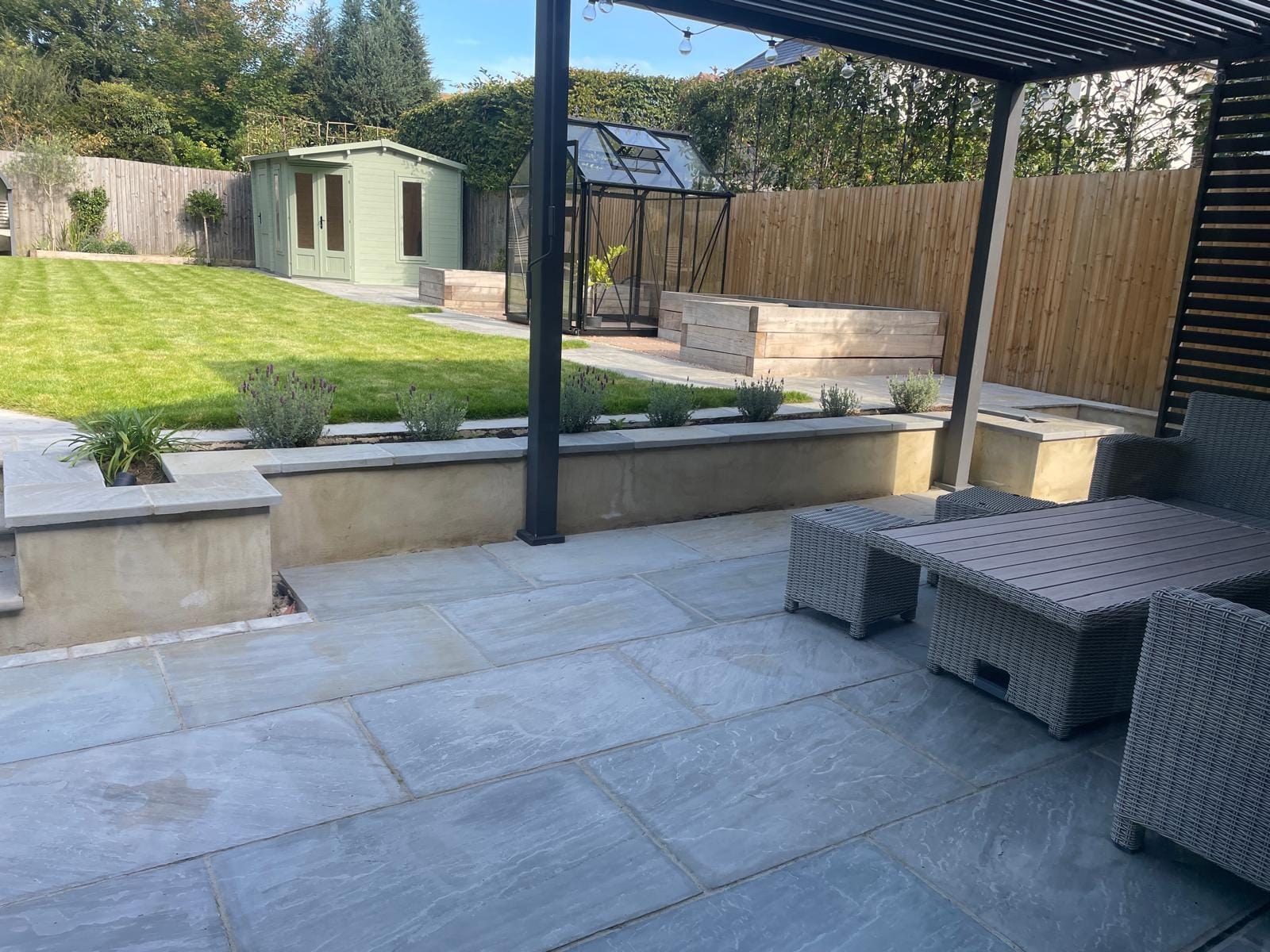 Landscaping suppliers project 1
 Landscaping suppliers project 1
 Landscaping suppliers project 1
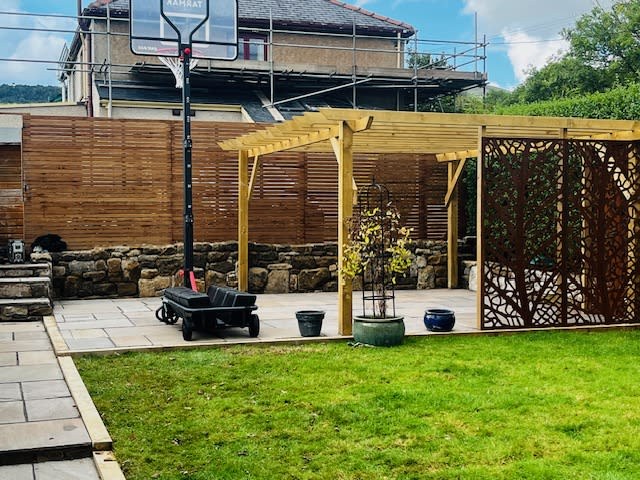 Landscaping suppliers project 2
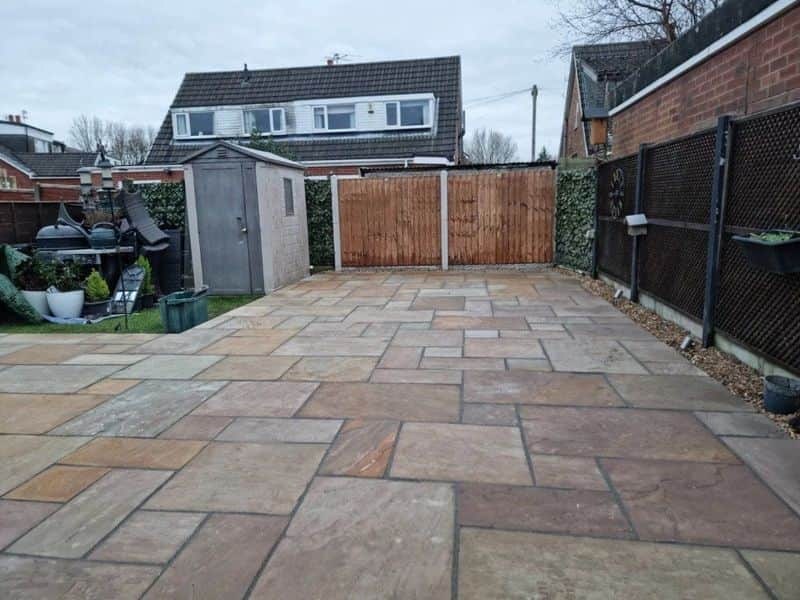 Landscaping suppliers project 2
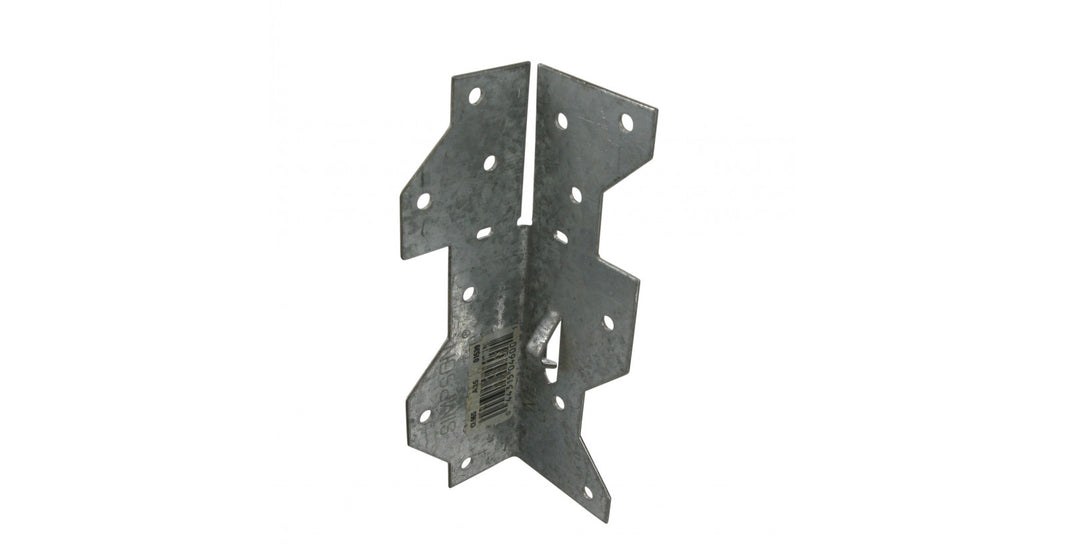 Landscaping suppliers project 2
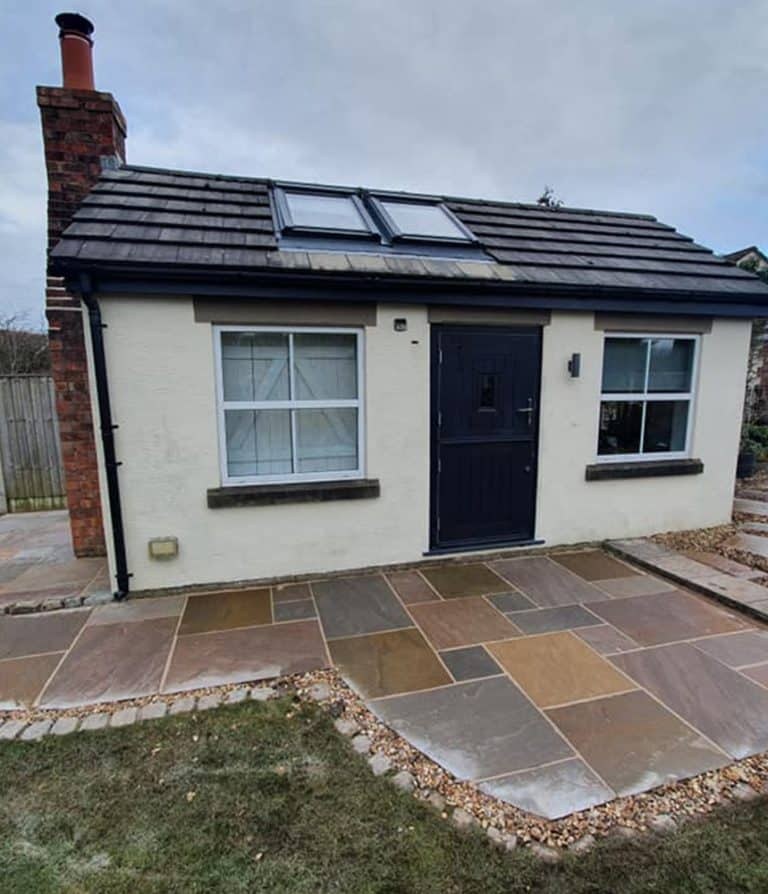 Landscaping suppliers project 2
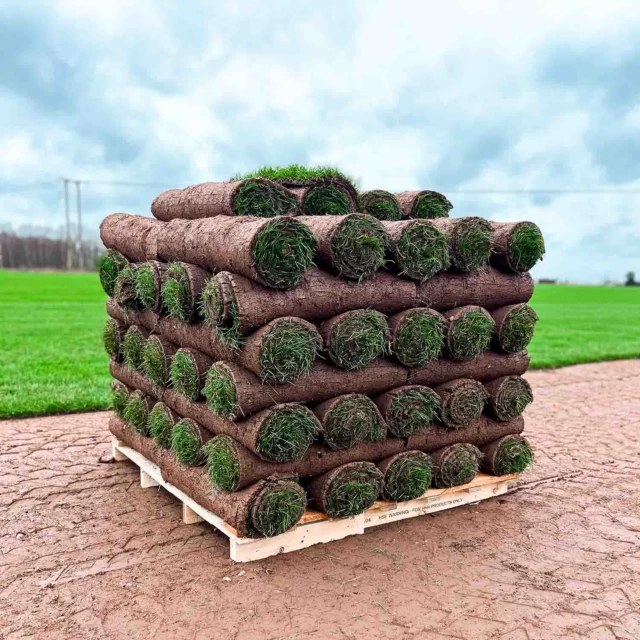 Landscaping suppliers project 2