Junk removal quotes
Clear unwanted furniture, appliances, building materials and household waste safely by booking a junk removal service. A provider sorts what can be reused, recycled or disposed of, then loads it from the property. It is useful after a clearance, renovation, move, tenancy change or large delivery.
What this covers
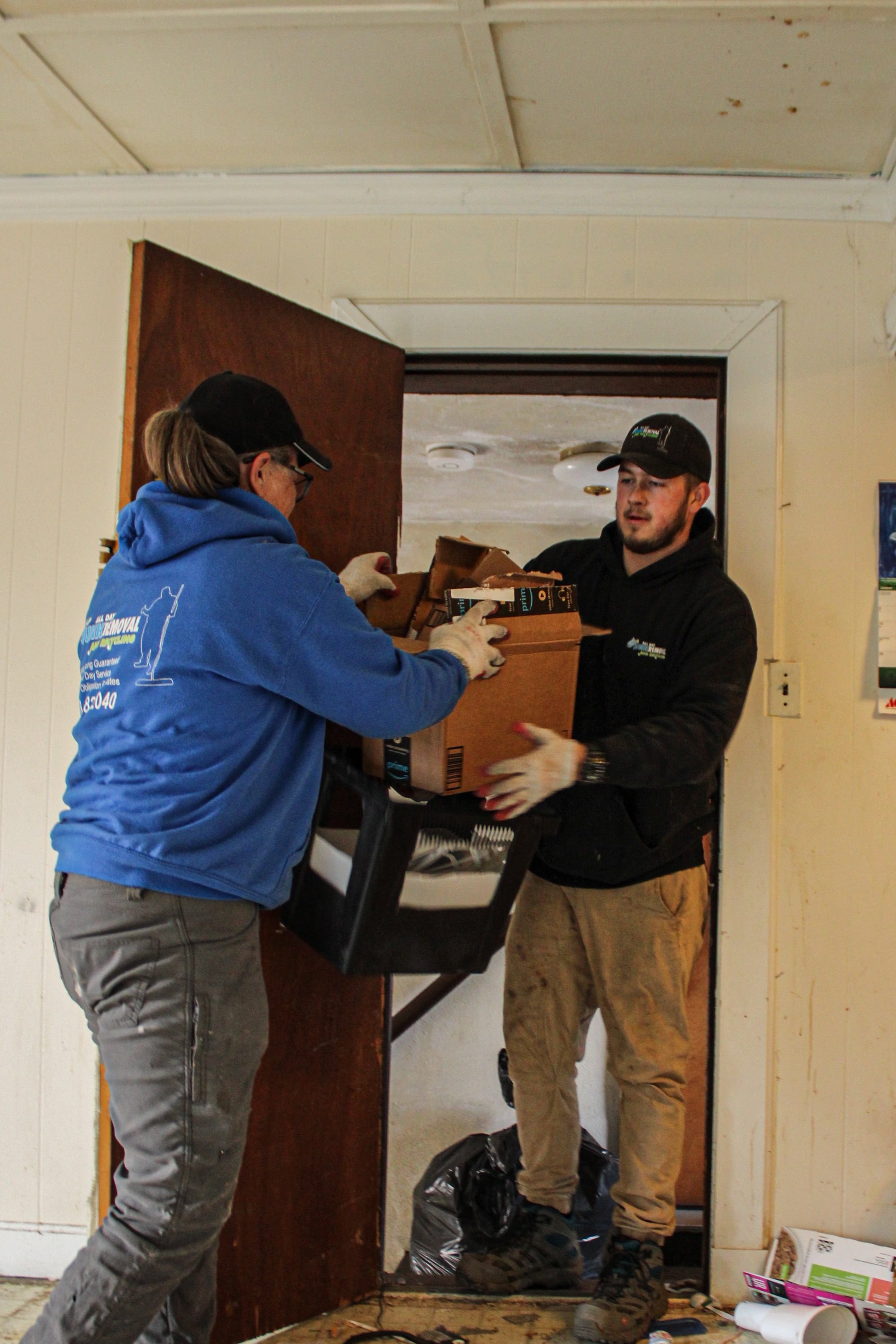
The work starts with assessing the volume, material and location of the items. A provider may identify furniture, electrical appliances, timber, plasterboard, metal, garden waste, packaging or general household contents, because different materials can require different handling routes. Items are then separated where practical, carried through the property, protected against damage and loaded into a suitable vehicle.
A straightforward collection might involve lifting a sofa from a ground-floor room and clearing the remaining packaging. A larger job can include dismantling wardrobes, removing contents from lofts or outbuildings, and making repeated trips through narrow access. Heavy, sharp, wet, contaminated or unstable items need more careful handling than dry household goods.
The service should leave the agreed areas free of the collected items, but it does not automatically include cleaning, demolition, disconnection of utilities or removal of hazardous substances. Those boundaries should be settled before work begins. The provider should also explain how reusable, recyclable and residual materials will be handled, rather than treating every load as identical.
How the work is done
First, describe the items, approximate volume, access route and any unusual conditions. Photographs can help establish whether furniture needs dismantling or whether the vehicle can reach the loading point. The provider should confirm included items and exclusions before arrival.
On site, the crew checks the agreed scope and identifies heavy, fragile, sharp, wet or potentially unsuitable materials. They may dismantle furniture, isolate loose components and protect floors, walls and door frames along the carrying route. Items are then moved from rooms, lofts, gardens, sheds or external storage to the vehicle.
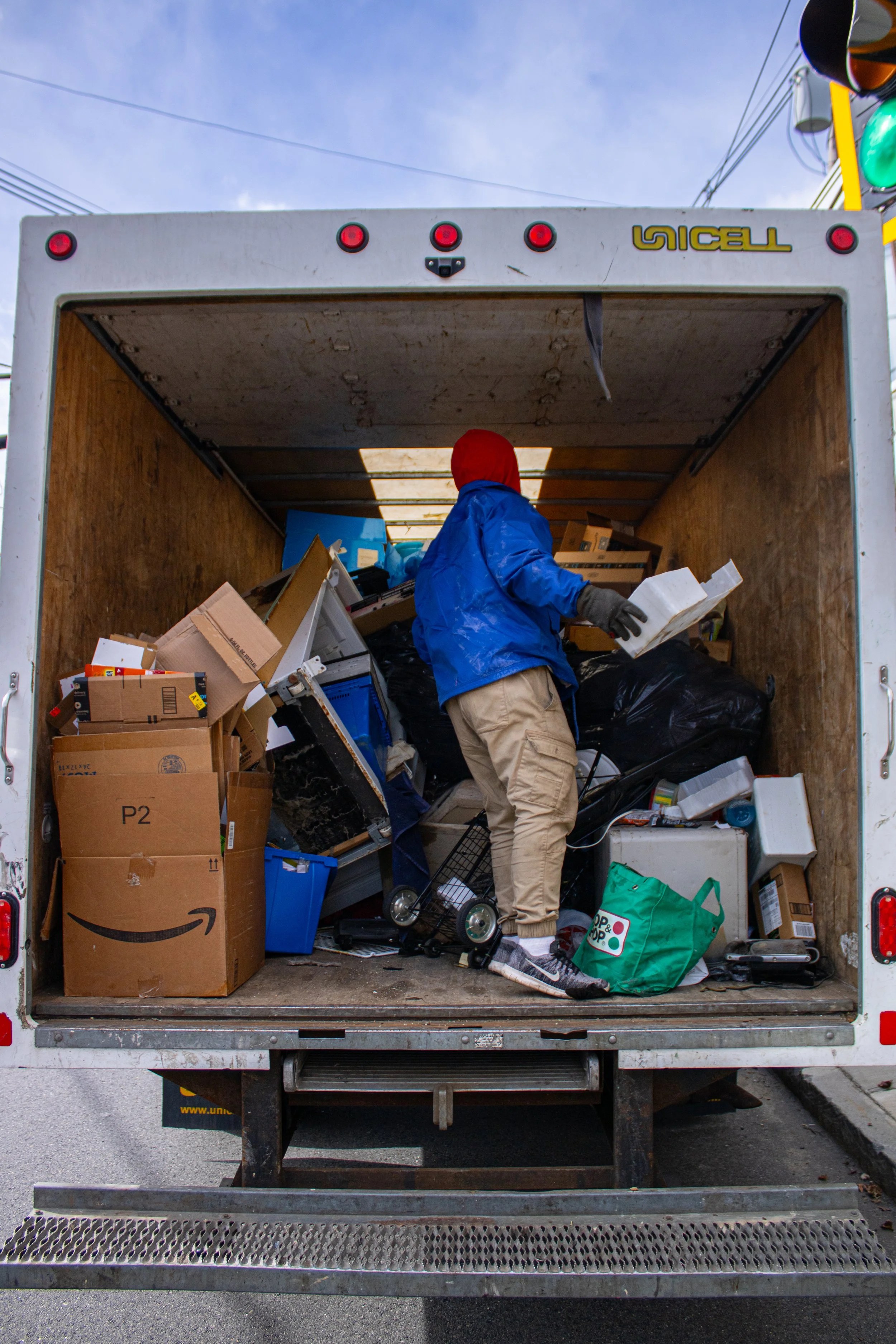
The load is organised so materials can be directed towards the appropriate recovery or disposal route. The team should identify anything they cannot accept rather than quietly mixing it into the load. After loading, the agreed areas are checked for remaining items and obvious debris. If the collection forms part of a larger clearance, the next stage may involve a further visit for materials discovered after access improves.
What affects the cost
The main cost drivers are the amount of material, the number and weight of bulky items, and the distance between the items and the vehicle. A sofa at the front door is simpler to load than a dismantled wardrobe from a loft reached by a narrow staircase. Floors, lifts, gates and shared access can all change the labour involved.
Price is also affected by sorting requirements, the need to dismantle furniture, extra crew for heavy objects, and the type of disposal or recovery route available. Electrical equipment, plasterboard, garden material and mixed renovation waste should be described accurately because they may not follow the same route as ordinary household contents.
Ask whether labour, loading, dismantling, transport, sorting and disposal are included. Clarify treatment of additional items found on site, failed access, waiting time and materials the provider cannot accept. A clear written scope is more useful than a low headline figure that excludes the difficult part of the job.
Before you hire
Job-specific competence shows in the questions asked before arrival: what the items are, where they are stored, how far they must be carried and whether anything is wet, sharp, heavy or potentially unsuitable. A capable provider explains exclusions rather than accepting every description without checking.
Look for a written scope covering dismantling, floor protection, loading, sorting and disposal routes. On site, careful lifting, stable loading and separation of materials are stronger signals than branded clothing or broad environmental claims. The provider should also identify items requiring another specialist instead of concealing them in a mixed load.