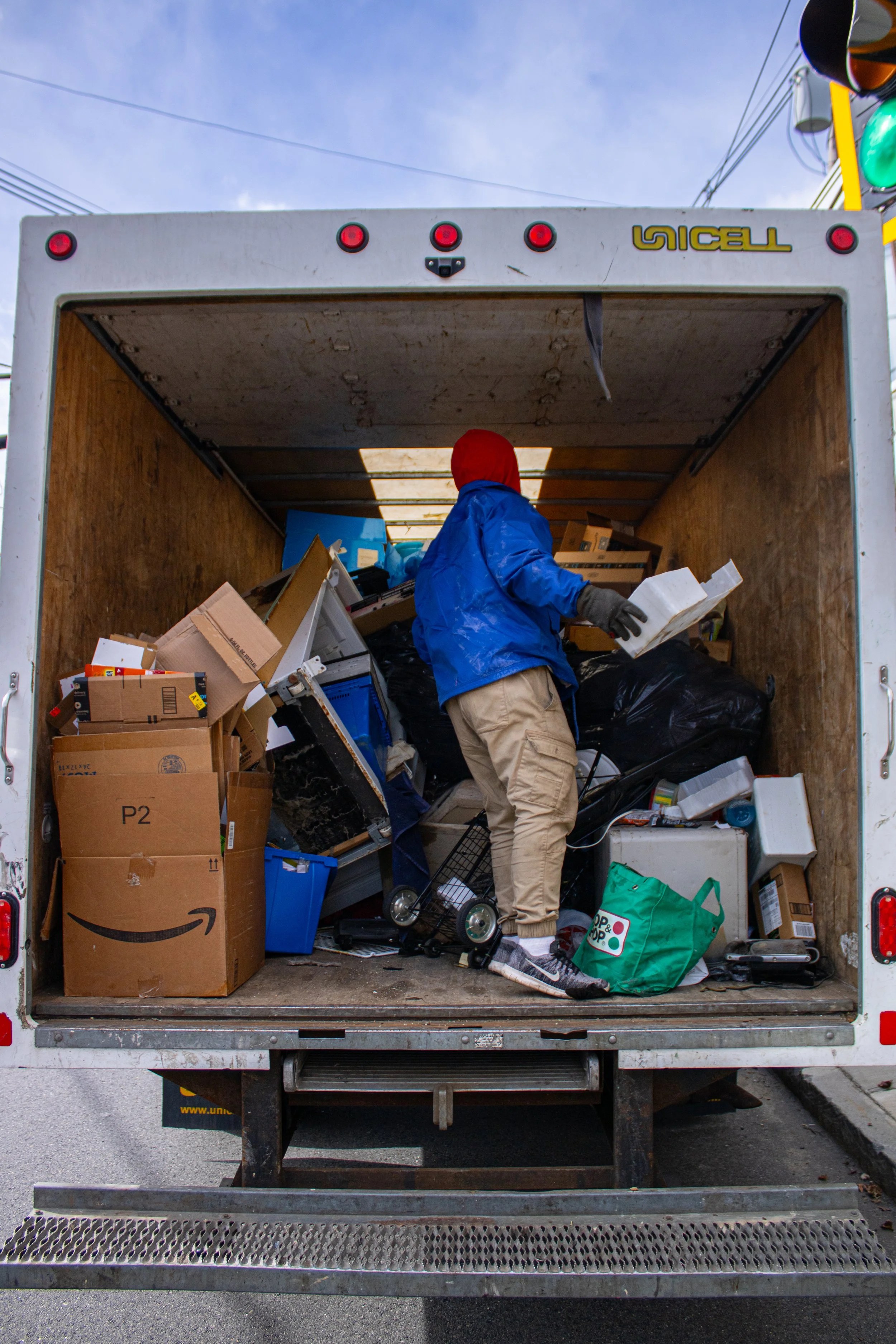
Junk removal quotes
Clear unwanted furniture, appliances, building materials and household waste safely by booking a junk removal service. A provider sorts the load, removes it from the property, transports it and arranges appropriate disposal or recycling, reducing manual handling, vehicle loading and the risk of leaving controlled or unsuitable waste behind.
What this covers
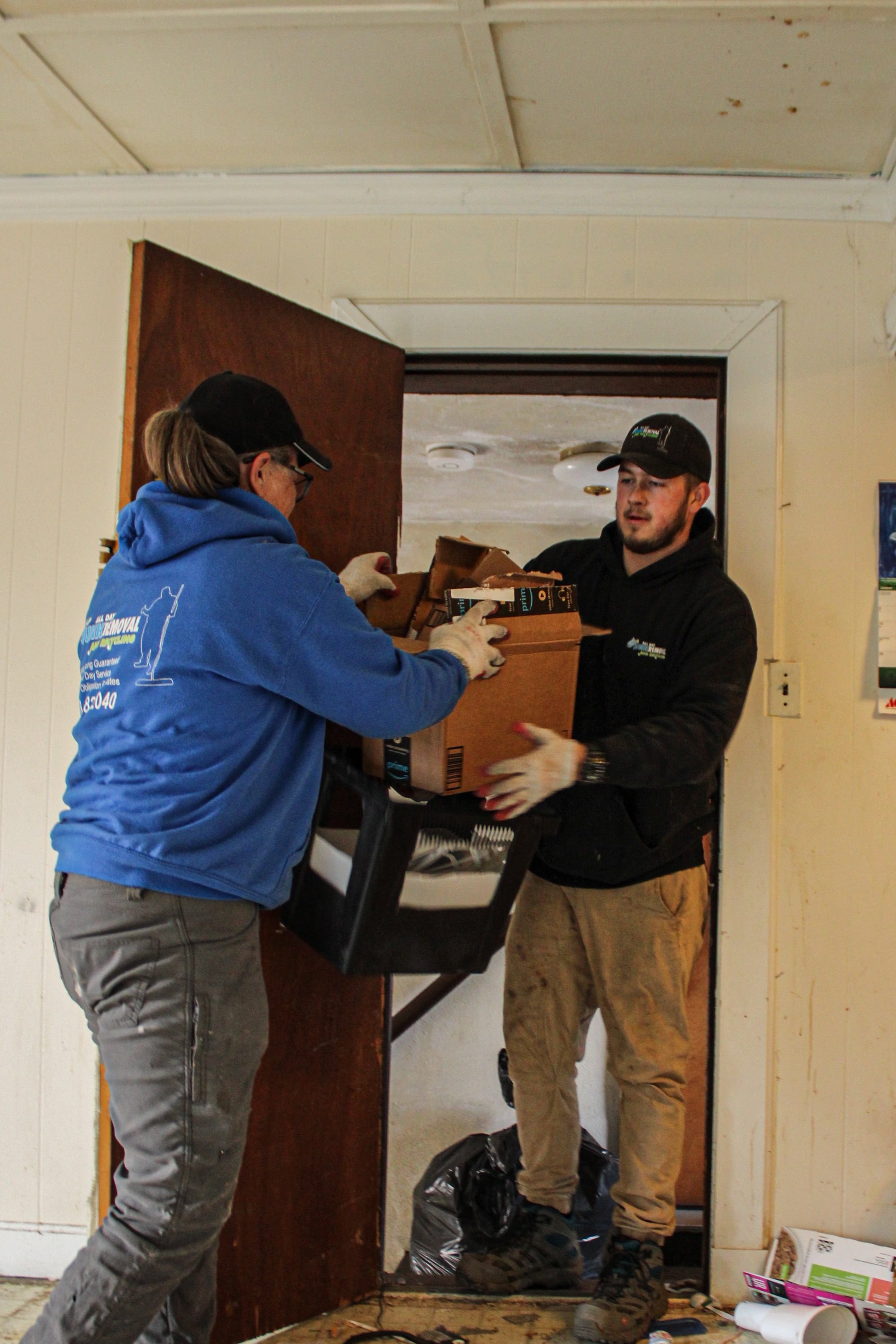
The job starts with agreeing which items are included and identifying anything requiring separate handling. Workers may move furniture, mattresses, appliances, timber, plasterboard, carpets, packaging, garden waste or mixed household contents from rooms, lofts, garages and outdoor areas. They protect vulnerable floors and walls where needed, dismantle large objects if agreed, and carry items along the actual route to the vehicle.
At the vehicle, the load is secured so it cannot shift during transport. Reusable items may be separated from recyclable materials, while contaminated, electrical or otherwise unsuitable waste needs an appropriate route rather than being mixed indiscriminately. A thorough service leaves the agreed areas clear and removes loose fragments created during dismantling.
The scope is not limited to lifting. It includes judging what can safely be handled, planning access, reducing bulky items, loading efficiently and keeping the final disposal route consistent with the materials collected. Customers should confirm exclusions before work begins, particularly for liquids, chemicals, gas cylinders, asbestos-suspect materials, clinical waste and items requiring specialist treatment.
How the work is done
First, the provider confirms the waste types, quantities, collection areas, access route and any items that must remain. Photographs or a visit may be used where a load cannot be judged reliably from a description. The team then identifies hazards such as unstable piles, sharp metal, leaking containers, restricted parking or fragile flooring.
Next, suitable items are emptied, separated and dismantled if that work is included. Workers protect vulnerable surfaces and carry waste through the agreed route, using additional handling equipment where weight or dimensions make manual movement unsafe. They load heavier material low and secure the vehicle before leaving.
After collection, the load is sorted according to its material and condition. Items suitable for reuse, recycling or specialist treatment should not simply be mixed with general waste. The provider should explain any excluded items, extra work discovered on site and the basis for additional charges before proceeding. Finally, the customer checks the agreed areas, remaining items and any swept-up fragments.
What affects the cost
The cost is driven by the amount and type of waste, the labour needed to reach it and the route available for removal. A ground-floor garage with bagged, sorted material is simpler than a loft clearance involving stairs, dismantling and careful carrying. Bulky furniture, appliances, rubble and dense soil increase loading effort because they occupy space or add substantial weight.
Access also matters. Narrow gates, restricted parking, long paths, lifts, upper floors and fragile surfaces can require more handling, protection or equipment. A provider may need to allow for sorting, dismantling, sweeping and returning for items that were not visible during the initial assessment.
Disposal charges vary with the materials and their handling route. Mixed loads, contaminated waste and items needing specialist treatment can cost more than clean, separated recyclables. Ask whether labour, transport, sorting, disposal, dismantling, protection and VAT are included, and request written agreement on excluded items before collection.
Before you hire
Job-specific competence shows in the questions asked before collection. A capable provider will identify waste categories, ask about stairs and carrying distances, check for restricted access, explain excluded materials and distinguish dismantling from simple lifting. They should load safely rather than relying on overfilled sacks or unstable stacking.
Look for a clear description of sorting and disposal routes, sensible treatment of electrical or suspect hazardous items, and evidence that the vehicle and crew match the load. A written record of included areas, exclusions and any changes agreed on site is more useful than a broad claim of experience.