House removals quotes
House removals involve packing, protecting, loading, transporting and unloading household belongings at a new property. They are needed when a move is too large, fragile, heavy or time-sensitive to manage safely alone, particularly where stairs, narrow access, storage, dismantling or specialist handling complicate the work.
What this covers
The work starts with assessing the property, belongings and access, then agreeing what will be packed, dismantled, transported, stored or left behind. Contents may be labelled by room, wrapped in protective materials and placed in cartons or specialist containers. Beds, wardrobes and other large furniture can be dismantled where this makes stairways, doorways or vehicle loading safer.
On collection, the team protects floors, walls and vulnerable furniture, then carries items along the planned route and loads the vehicle to limit movement. Heavy pieces need stable positioning; fragile cartons need separation from compression and impact. At the destination, items are unloaded into the requested rooms, reassembled where included and checked for obvious damage. Some moves also involve temporary storage, part-load transport, packing-only support, piano or safe handling, or removal of unwanted items. The agreed scope matters because packing, unpacking, dismantling, storage and disposal are separate physical tasks rather than automatic parts of basic transport.
How the work is done
First, the provider records the addresses, access conditions, contents and preferred moving date, including stairs, lifts, parking distance, narrow entrances and items needing special handling. The scope is then divided between customer packing, provider packing, dismantling, storage, disposal and reassembly.
Before loading, floors and vulnerable surfaces may be protected, cartons are labelled, and furniture is wrapped or secured. Large items are dismantled only where agreed and loose shelves, drawers or detachable parts are restrained. The vehicle is loaded with weight distribution and movement control in mind, rather than simply filling available space.
At the new property, the team follows the agreed room plan, places furniture carefully, reassembles included items and separates boxes requiring immediate access. The customer should check visible condition and confirm any outstanding work before the team leaves. If access, contents or responsibilities differ from the original assessment, the method and scope may need to be revised before carrying continues.
What affects the cost
The main cost drivers are the volume and weight of belongings, the distance between properties, packing requirements and the labour needed to carry items. Stairs, long walks from parking, narrow doors, lifts, restricted access and difficult loading positions increase handling time and may affect vehicle or equipment requirements.
Charges also vary with dismantling and reassembly, fragile or unusually heavy items, appliance handling, storage, unpacking, disposal and waiting caused by access or key arrangements. A move involving one straightforward load differs materially from a move split across properties or requiring contents to be held before delivery.
Ask whether the quotation includes cartons, protective materials, floor protection, mileage, labour, storage, reassembly and disposal. Check assumptions about customer packing, parking, access, timing and inventory changes. The cheapest-looking figure may exclude a task that later becomes necessary, while a detailed scope makes genuine differences between providers easier to compare.
Before you hire
Competence is visible in the questions asked before the quote: a capable removals team measures bulky items, checks stairs and turns, identifies fragile or heavy goods, and confirms parking and access at both properties. Its plan should explain wrapping, loading order, restraints and room placement rather than promising only a van and labour.
Job-specific evidence includes a clear inventory, written exclusions, safe handling arrangements for pianos or safes, and a practical response to storage, dismantling or restricted access. Staff should explain who disconnects appliances, who protects floors and how damage or changes in scope are recorded.
Recent work
 Storage units / self-storage project 1
 Removal companies project 1
 Removal companies project 1
 Removal companies project 1
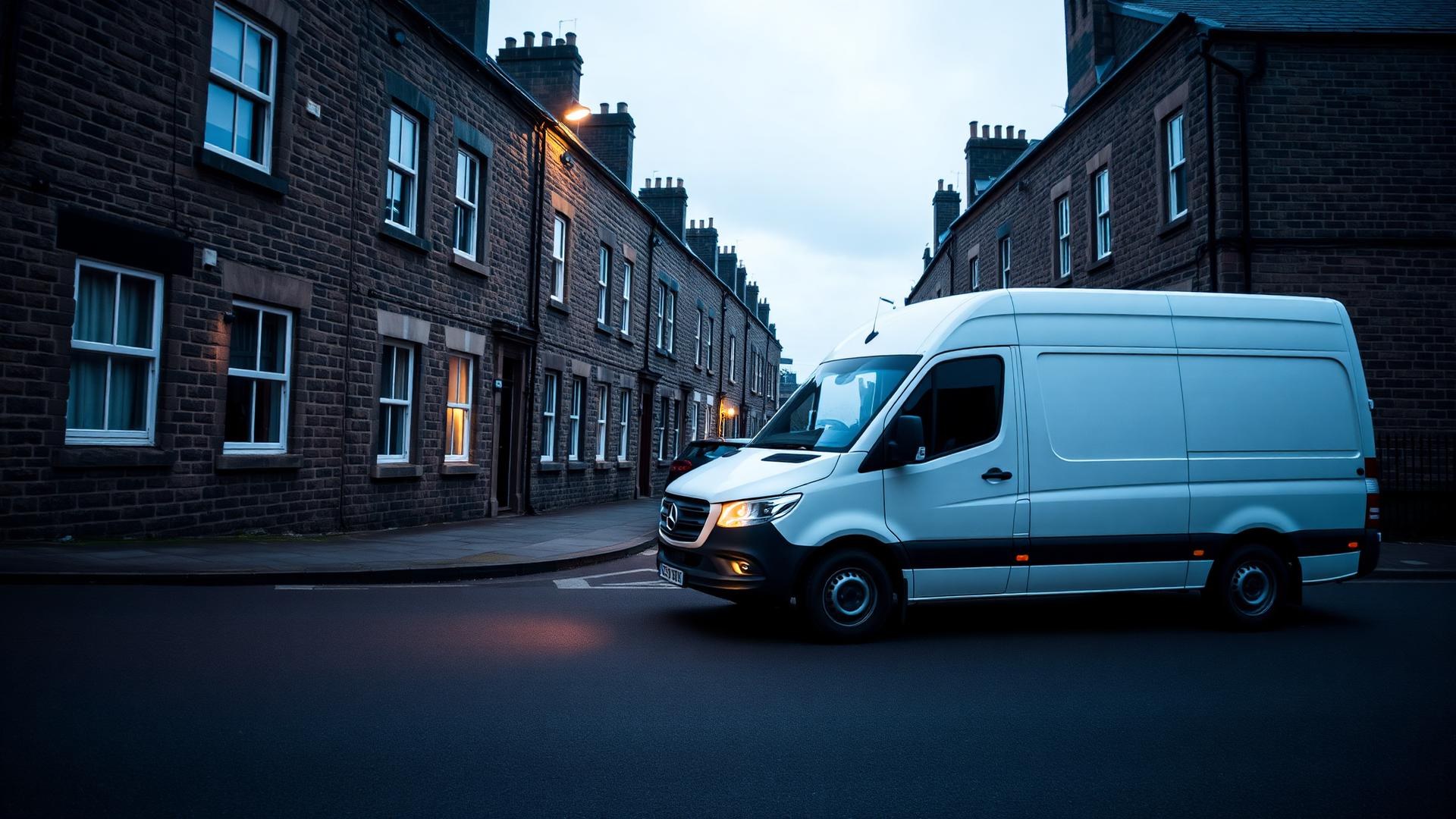 Removal companies project 1
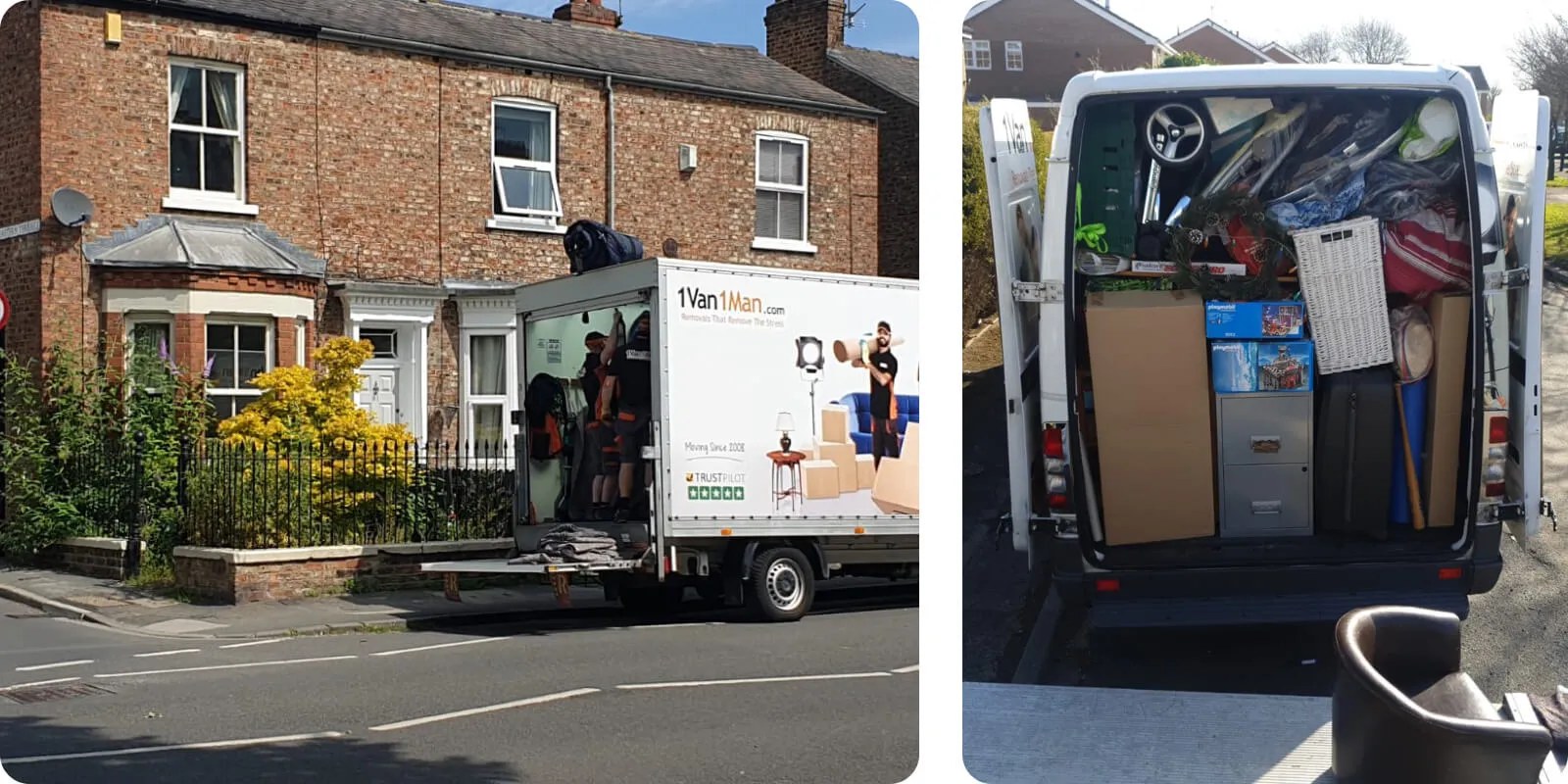 Storage units / self-storage project 2
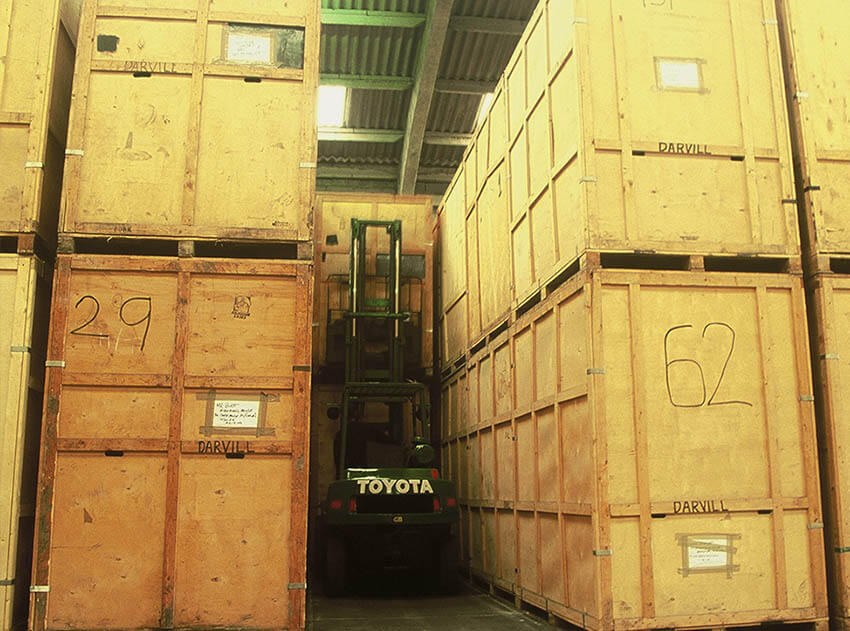 Removal companies project 2
 Removal companies project 2
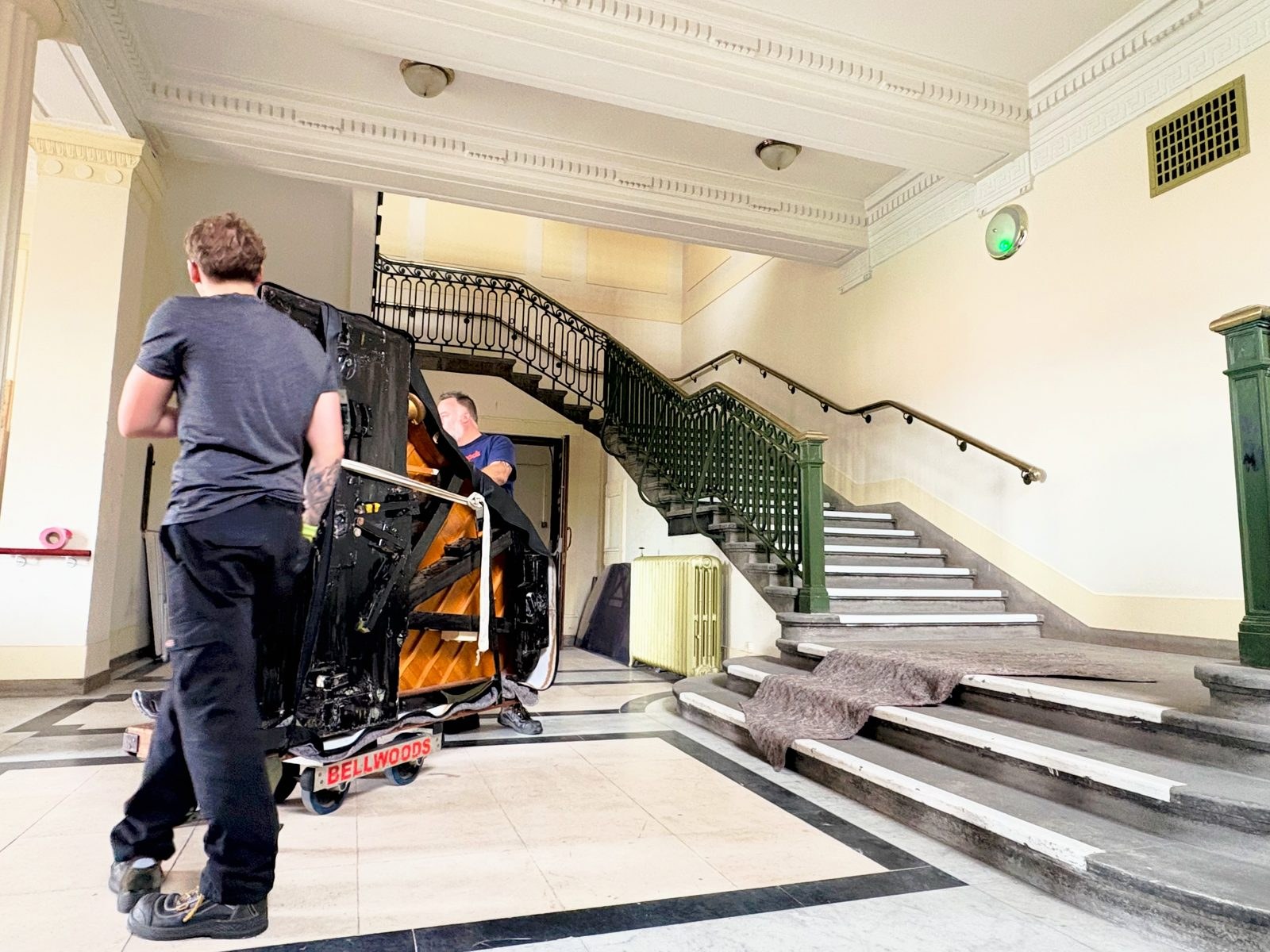 Removal companies project 2
 Removal companies project 2
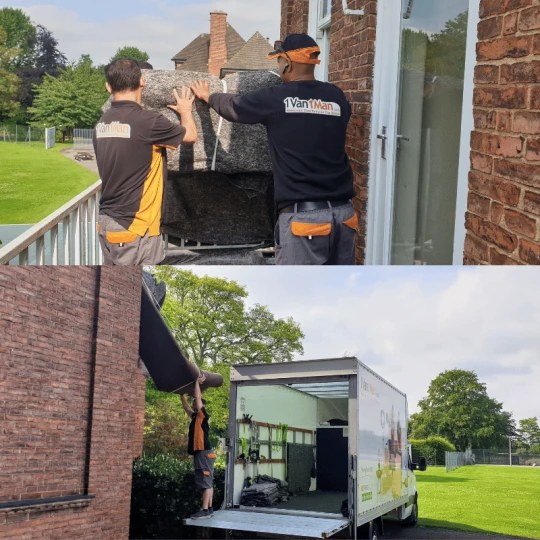 Storage units / self-storage project 3
 Removal companies project 3
 Removal companies project 3
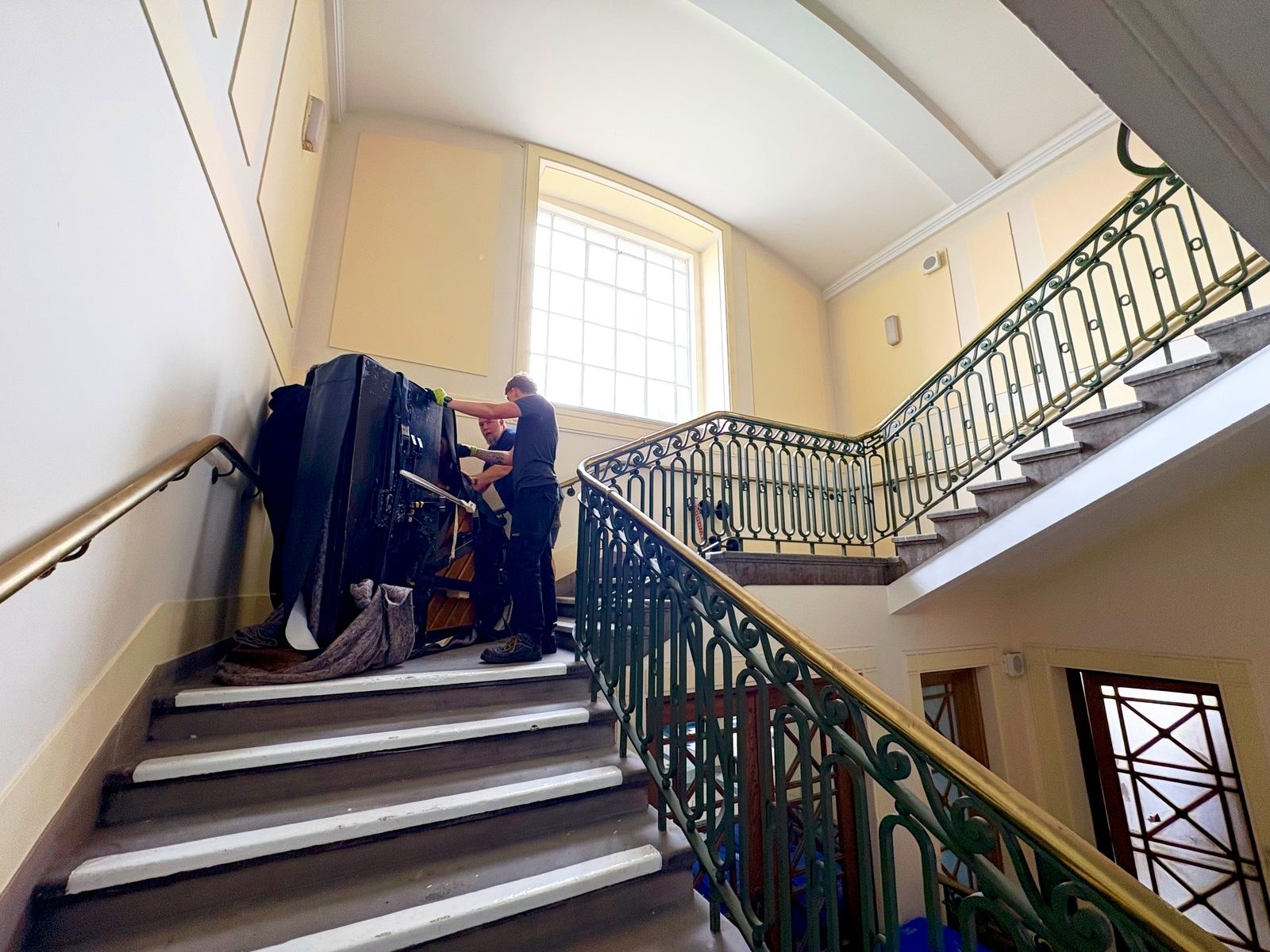 Removal companies project 3
 Removal companies project 3
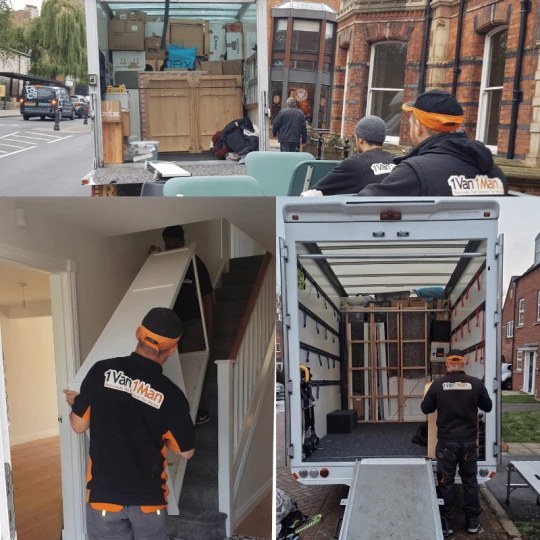 Storage units / self-storage project 4