House extensions quotes
House extensions add extra space to homes, ideal for growing families or increased functionality. They offer solutions like additional bedrooms, larger kitchens, or home offices, enhancing property value and lifestyle. Opting for an extension is often prompted by the need for more room without moving house.
What this covers
A house extension involves constructing additional space onto an existing building, often requiring structural modifications. It can be a single or multi-storey addition and may include elements like kitchens, bathrooms, or bedrooms. The process often involves laying foundations, structural framing, and integrating utilities such as electricity and plumbing. Depending on the design, it may also involve roofing and finishing work. Extensions usually require planning permission and must comply with Building Regulations, ensuring safety and functionality. By extending rather than relocating, homeowners can better tailor their living space to specific needs, all while potentially increasing the property's market value.
How the work is done
The extension process begins with design and planning, including obtaining necessary permissions. Next, groundwork and foundation laying occur, followed by constructing the framework. Walls and roofing are built, then windows and doors are installed. Internal work includes fitting electricals, plumbing, and heating. Finally, plastering, decorating, and finishing ensure the new space integrates with the existing home seamlessly. Collaboration with architects, contractors, and inspectors is key throughout, guaranteeing adherence to all regulations and high standards. Depending on complexity, the timeline can vary significantly, requiring flexible project management.
What affects the cost
Several factors drive the cost of a house extension. The complexity of the design, materials chosen, and site access are primary considerations. Foundation requirements, particularly challenging on uneven land, can add costs substantially. Labour intensity also affects pricing, as does compliance with Building Regulations which may necessitate specific materials or methods. Custom finishes and fittings further escalate costs. Engaging skilled professionals for accurate estimates and budgeting ensures a clear financial plan, avoiding unexpected expenses throughout the project timeline.
Before you hire
Look for builders with a strong portfolio of completed extensions that meet Building Regulations. Membership in trade bodies like the Federation of Master Builders indicates professionalism. Ask for structural calculations and planning permissions handling experience to ensure competence. Confirm they offer project management from design through to final inspection.
Recent work
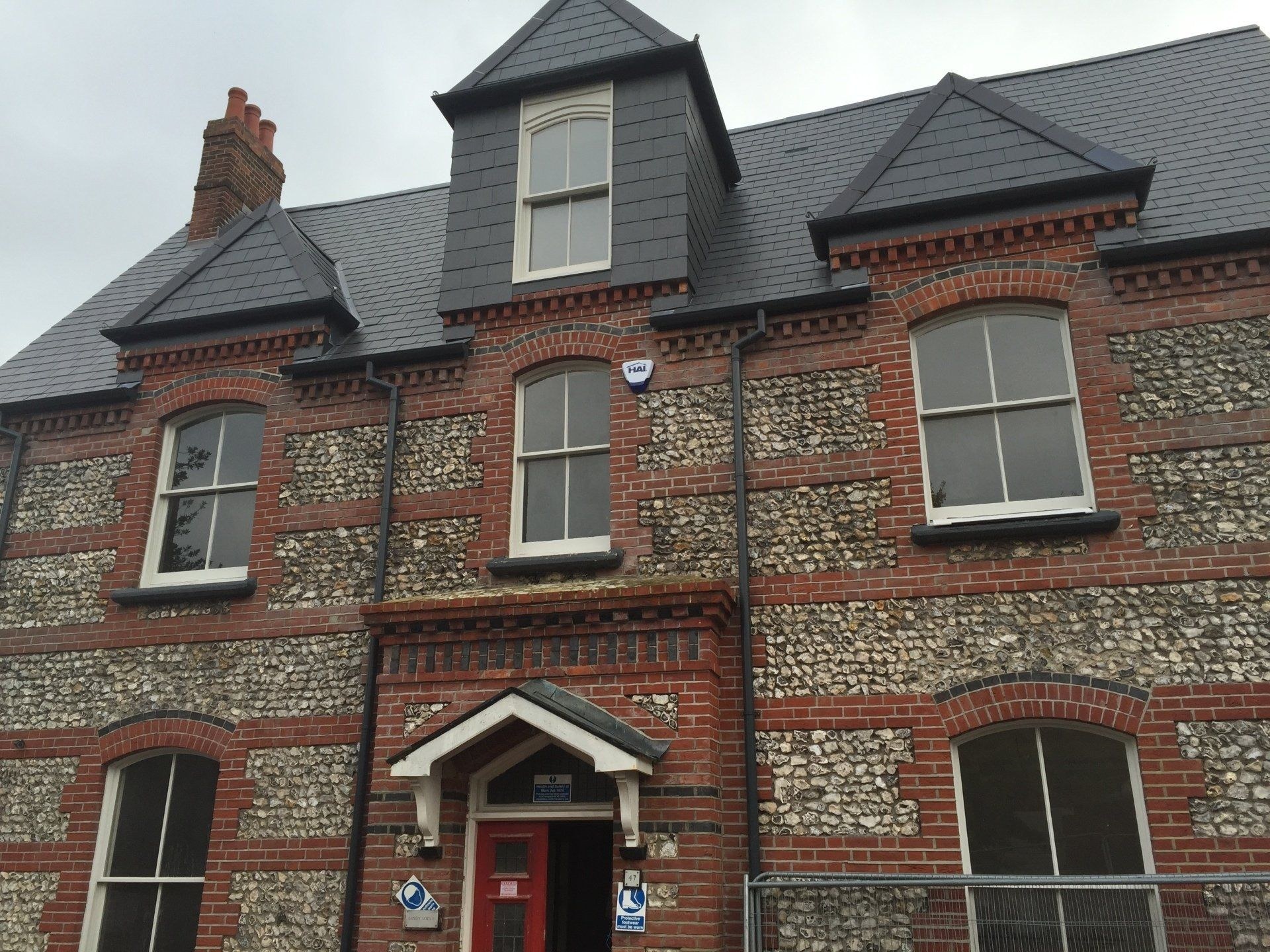 Extensions & conversions project 1
 Extensions & conversions project 1
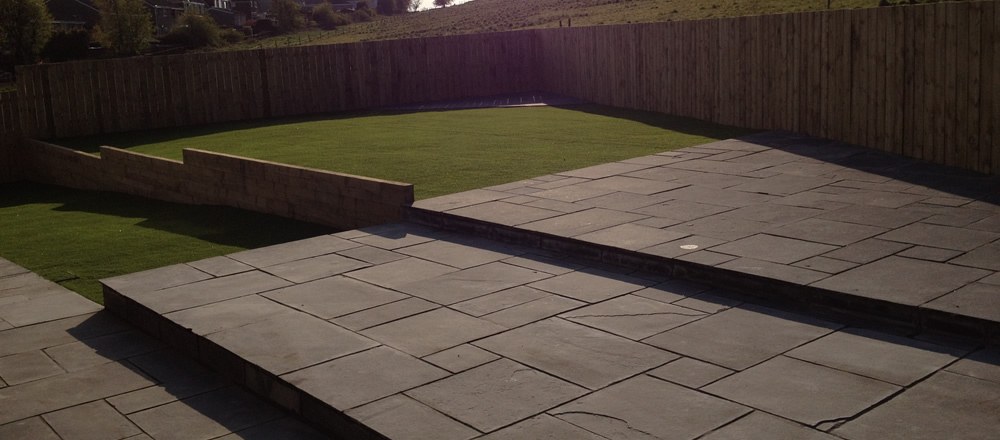 Extensions & conversions project 1
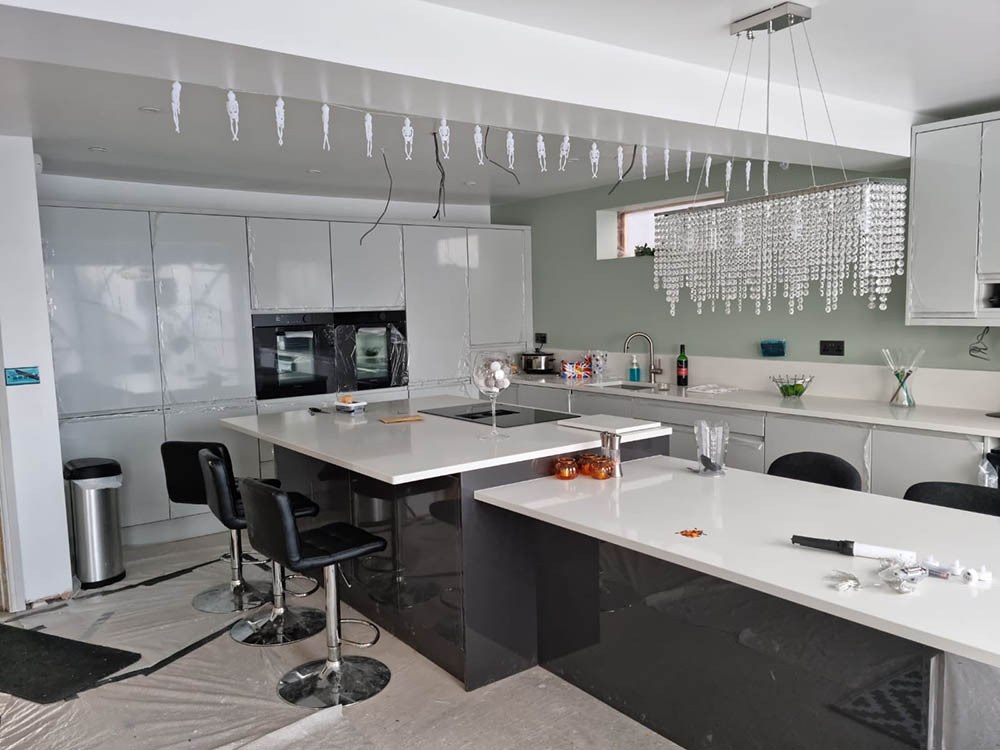 Extensions & conversions project 1
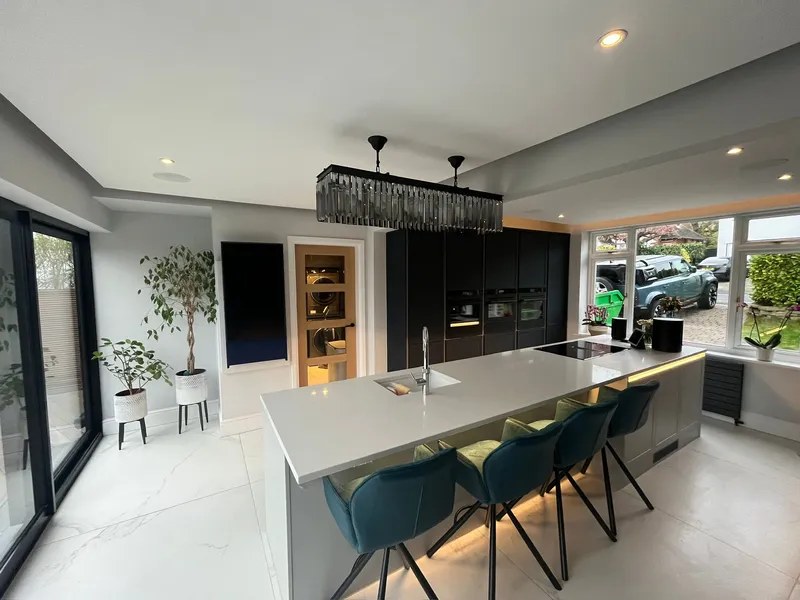 Extensions & conversions project 1
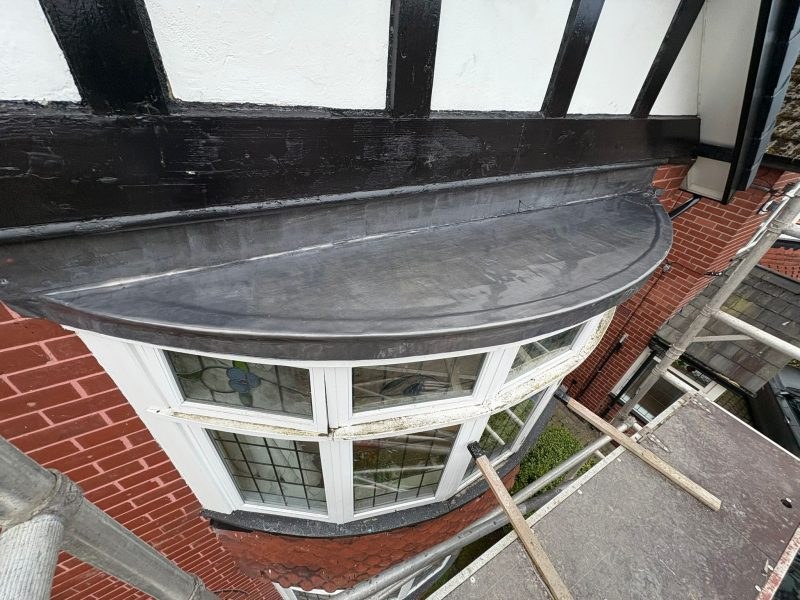 Extensions & conversions project 1
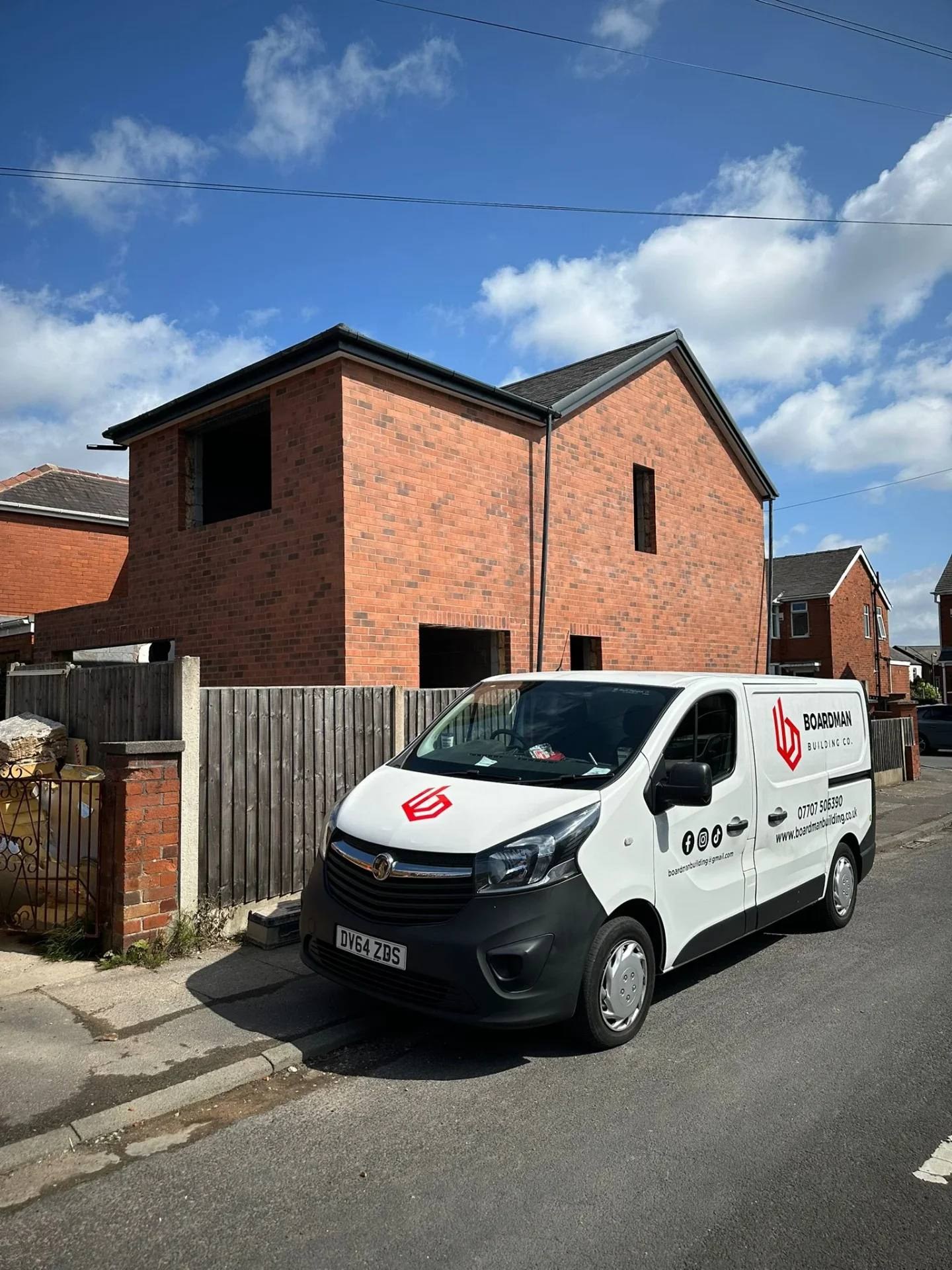 Extensions & conversions project 1
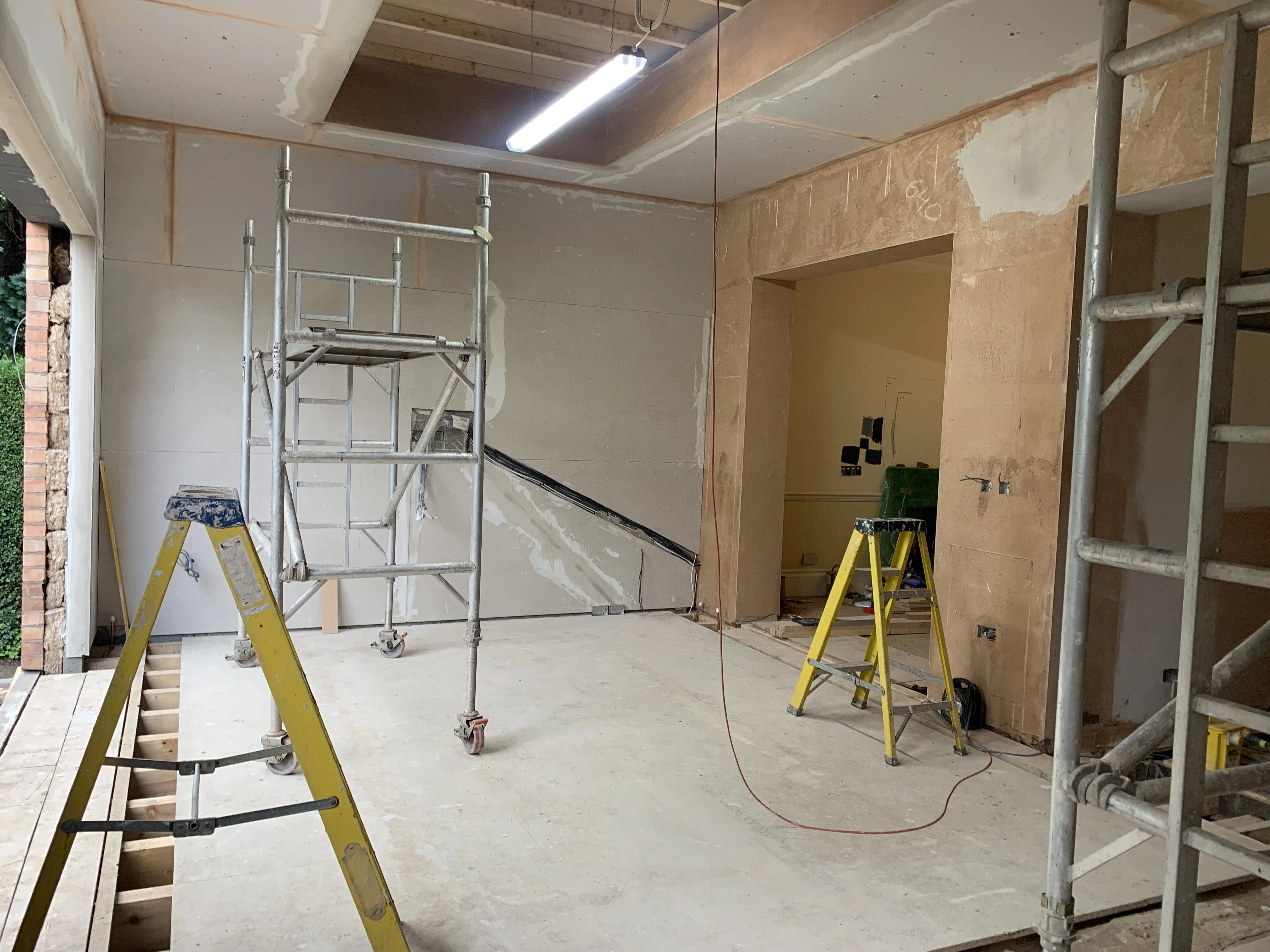 Extensions & conversions project 1
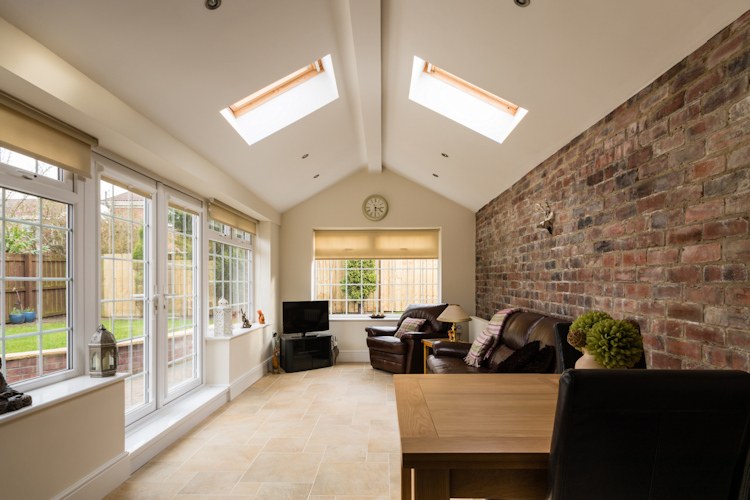 Extensions & conversions project 1
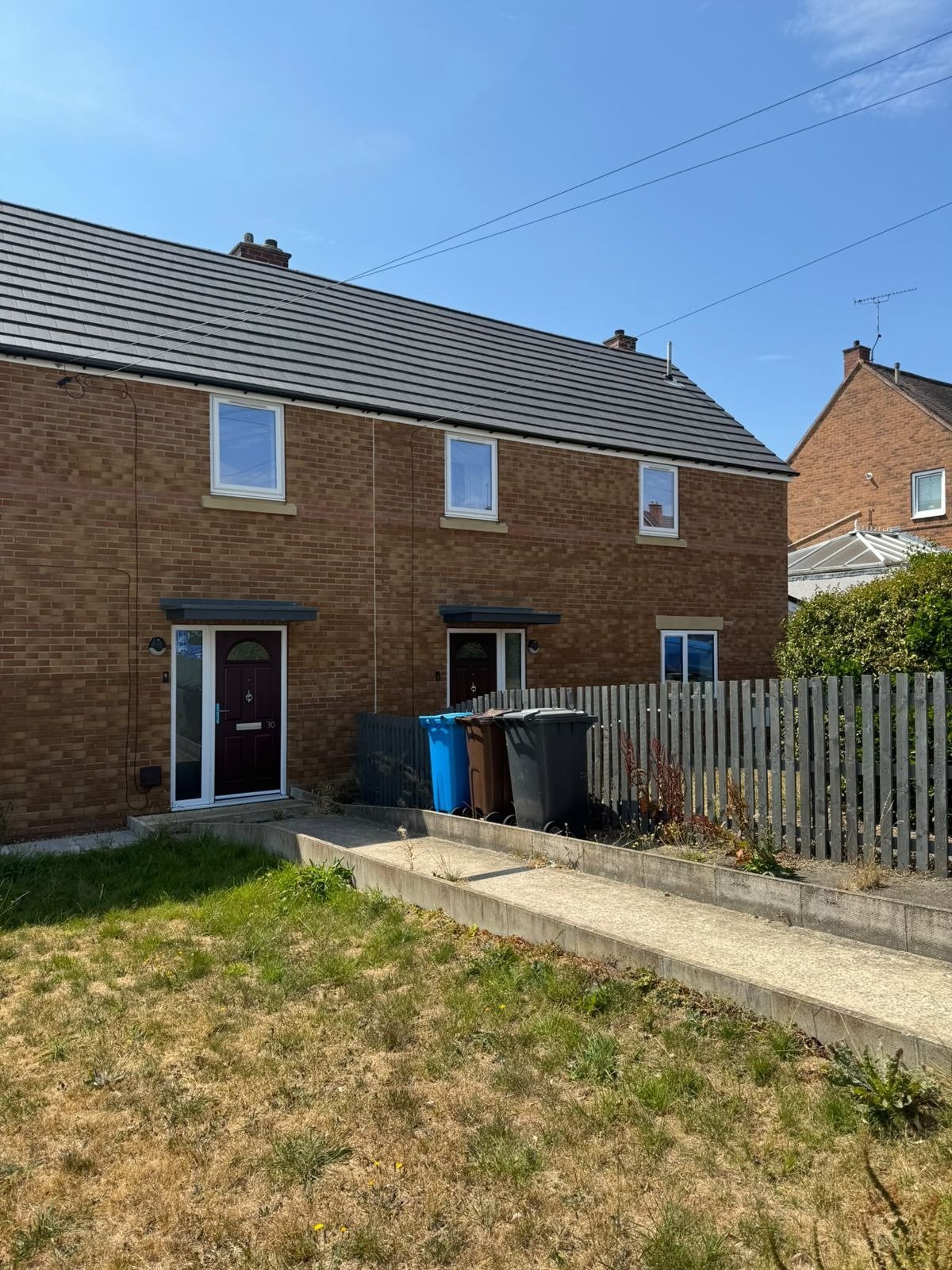 New build houses
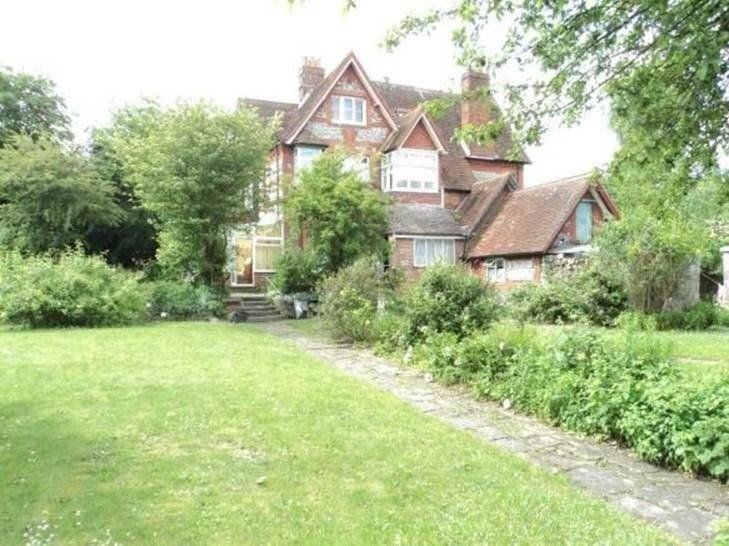 Extensions & conversions project 2
 Extensions & conversions project 2
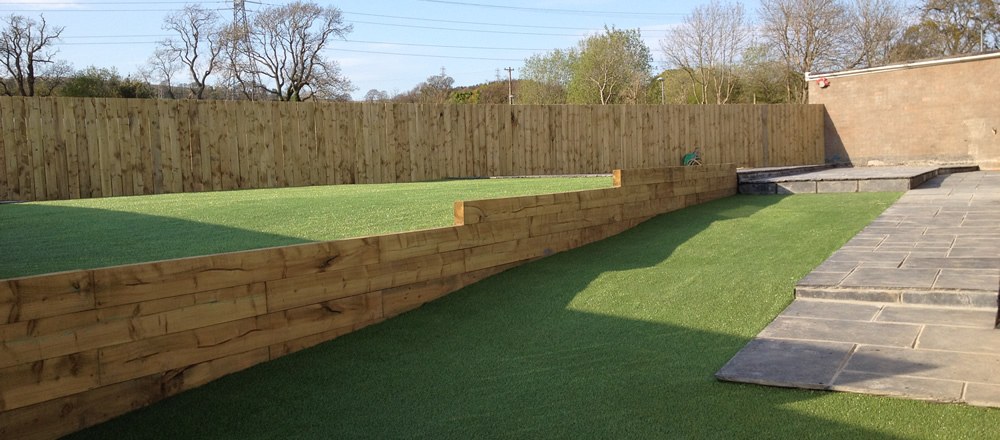 Extensions & conversions project 2
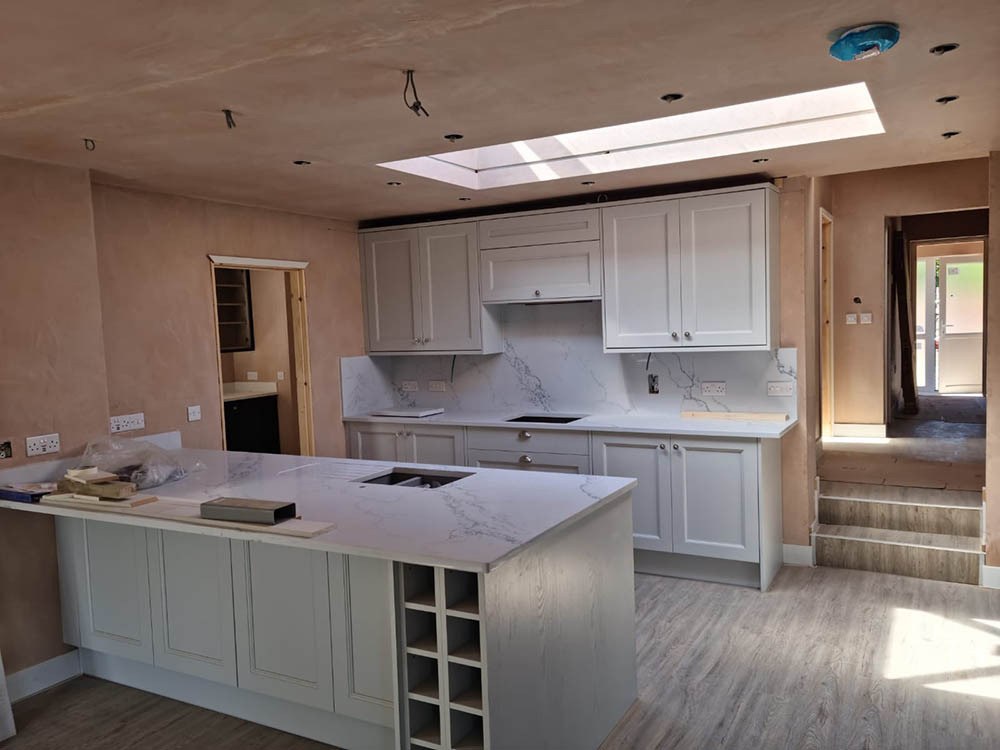 Extensions & conversions project 2
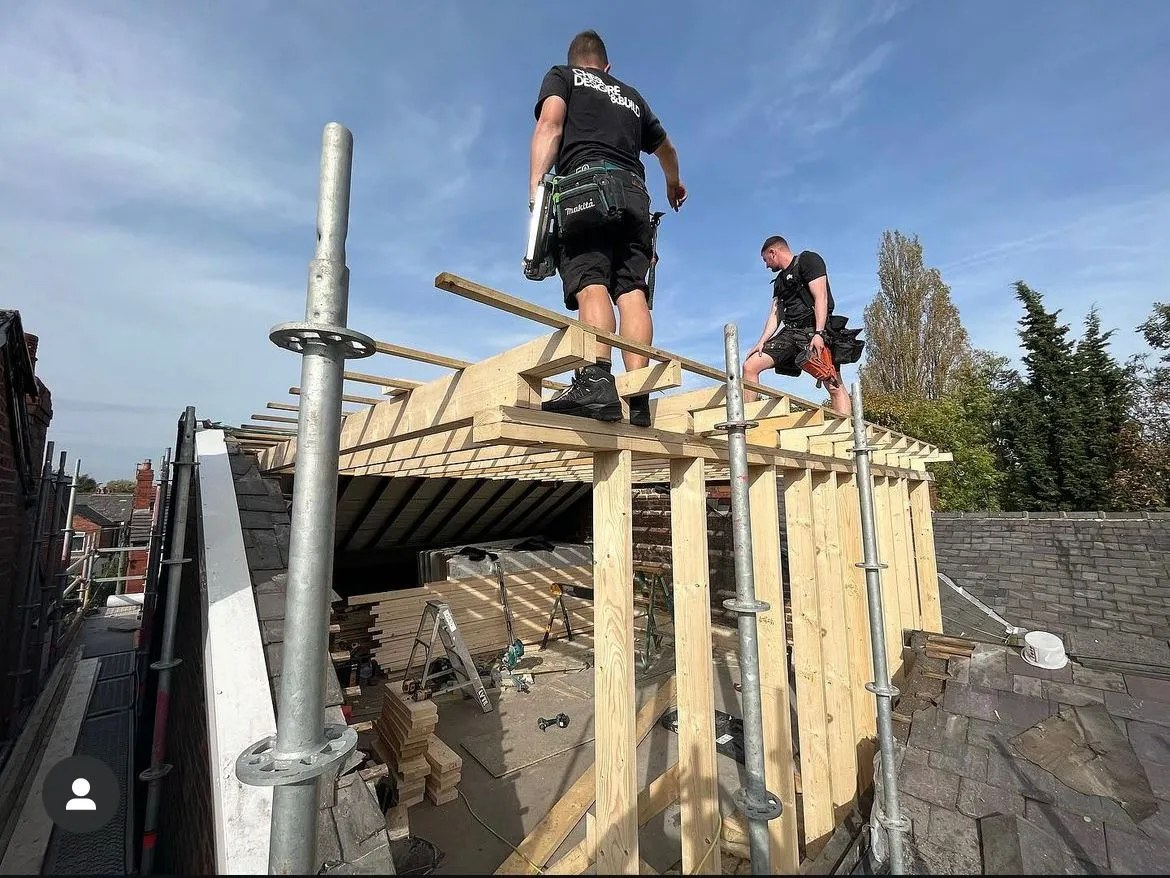 Extensions & conversions project 2
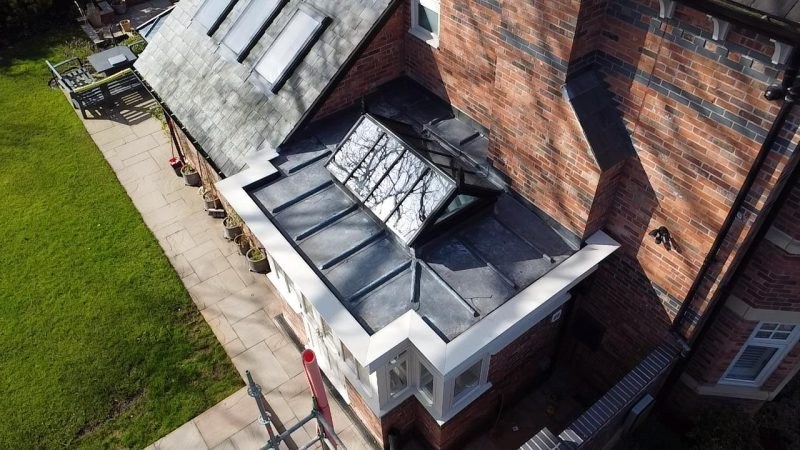 Extensions & conversions project 2