Home battery storage quotes
Home battery storage stores electricity for use later, helping a property use more of its own solar generation or draw less from the grid during expensive periods. Suitability depends on household consumption, available space, electrical capacity, solar output and the installation method proposed.
What this covers
The work begins with an assessment of electricity consumption, solar generation if present, the meter arrangement, consumer unit, available wall or floor space and the proposed battery location. The installer then designs the system around usable storage capacity, maximum charge and discharge rates, inverter compatibility and the circuits the battery will serve.
Physical installation normally involves fixing the battery and associated equipment securely, installing or adapting cable runs, connecting protection and control equipment, and integrating the system with solar panels, the grid connection or both. The existing electrical installation may need inspection before connection. Equipment must have appropriate clearances, protection from avoidable moisture and a location suitable for its operating conditions.
Commissioning includes configuring controls, checking charging and discharge behaviour, testing isolation and protective devices, registering monitoring access where applicable, and explaining safe operation. The handover should identify the equipment installed, operating settings, warranty information, maintenance expectations and what to do if an alarm appears.
How the work is done
The provider first reviews electricity bills or usage data, solar generation, planned tariffs, backup expectations and the location available for equipment. An installer then inspects the consumer unit, meter arrangement, earthing, cable routes and any existing inverter before confirming the design.
Next, the battery, inverter or compatible control equipment is positioned with safe clearances and secure support. The installer isolates relevant circuits, proves them safe, mounts the equipment, runs and protects cables, and connects the system according to the agreed design. If existing solar equipment is retained, compatibility and control communication are checked rather than assumed.
Commissioning follows. The installer tests charging, discharge, isolation, protective devices, monitoring and any backup circuits. Settings are configured to reflect the agreed operating mode, such as solar self-consumption or tariff-led charging. The customer receives operating instructions, warranty information, shutdown guidance and records of the installed equipment. Packaging, cable offcuts and disturbed surfaces should be dealt with before handover.
What affects the cost
The main cost drivers are the battery's usable capacity, power rating, chemistry, inverter arrangement and whether the installation is new or being integrated with existing solar equipment. A system designed only for energy shifting may involve fewer components than one intended to supply selected circuits during a power cut.
Access affects labour where equipment must be carried through restricted routes, mounted at height or positioned away from the consumer unit. Cable length, wall construction, protective containment, additional isolation equipment and changes to the consumer unit can all alter the work involved. Outdoor installation may require weather-resistant equipment and suitable support; indoor installation may require a more appropriate room or protection from impact and moisture.
A sound quote should make clear whether survey work, design, delivery, mounting, electrical alterations, commissioning, monitoring setup, documentation, waste removal and making good are included. It should also distinguish optional backup functionality, tariff controls and future expansion from the core installation.
Before you hire
Useful evidence is a design that shows usable capacity, maximum power, inverter compatibility, intended circuits and the agreed operating mode rather than only a battery model. The installer should be able to explain isolation, protection, clearances, mounting structure, cable routes and what happens during a grid outage.
Look for a method statement covering safe handling and commissioning, clear equipment documentation, recorded test results and a handover that explains alarms and shutdown. Job-specific competence also means checking the existing solar system and consumer unit before promising compatibility, then leaving monitoring configured and the installation legible for future maintenance.
Recent work
 Battery storage project 1
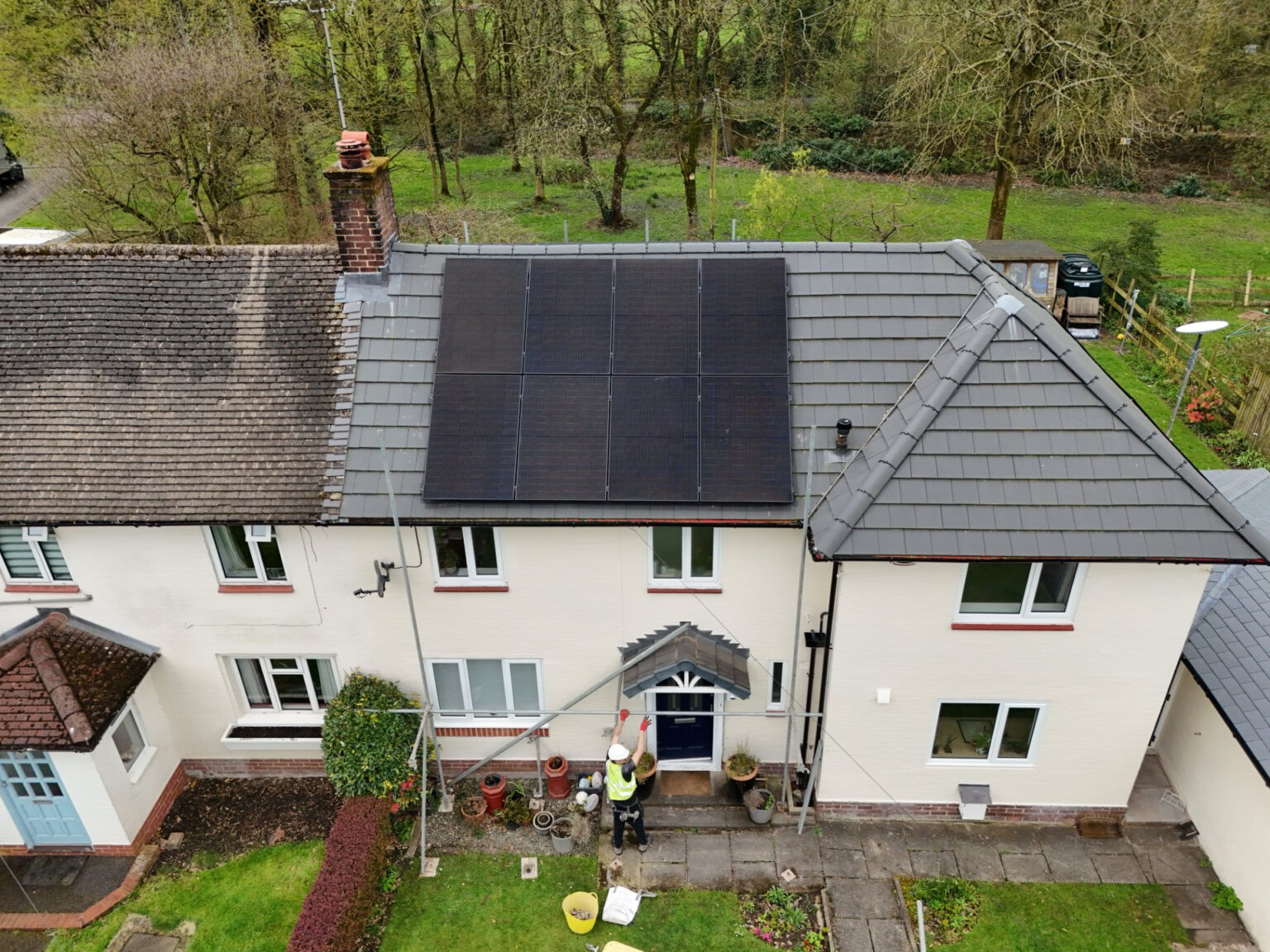 Battery storage project 1
 Battery storage project 1
 Battery storage project 1
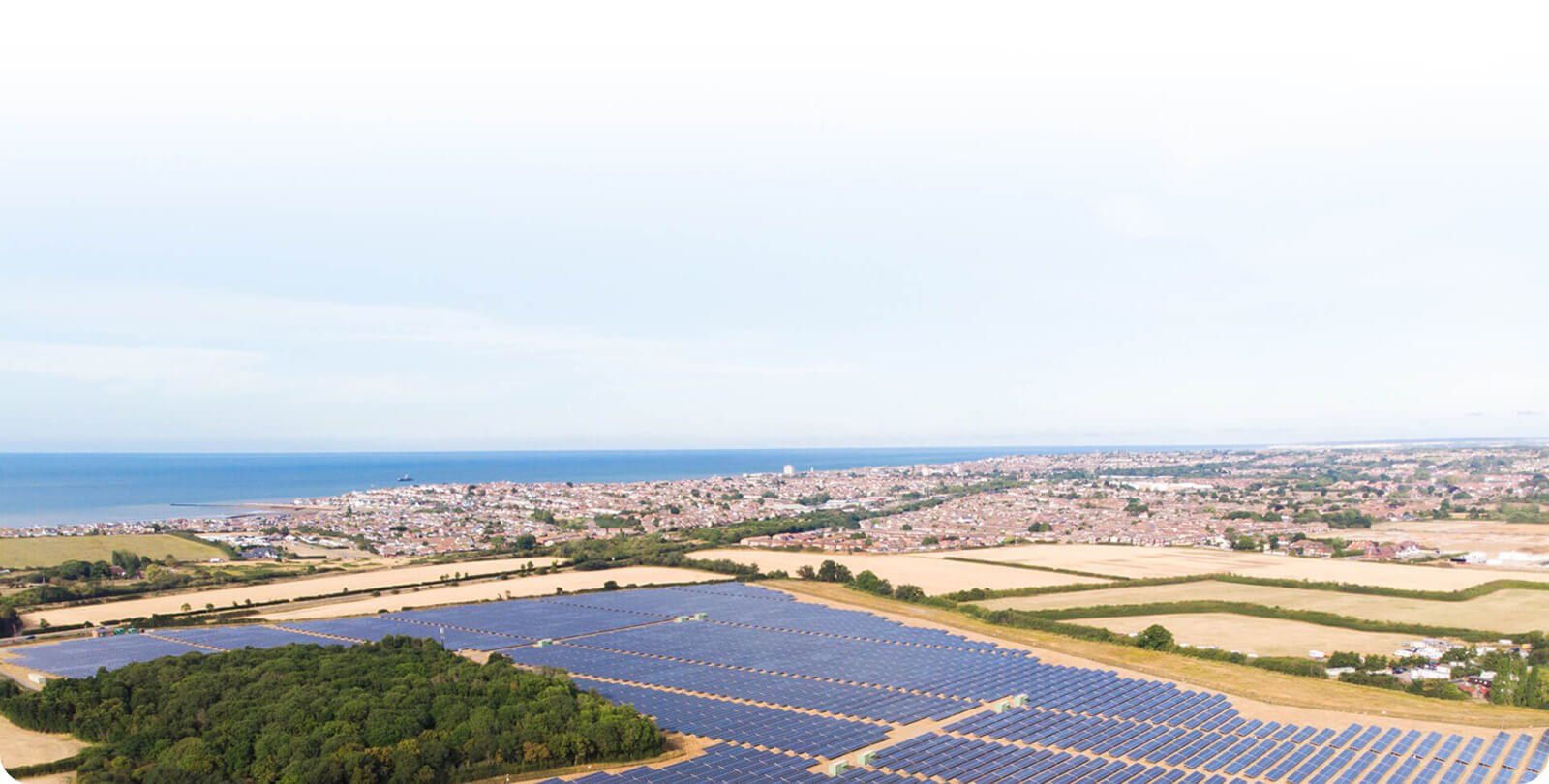 Battery storage project 1
 Battery storage project 1
 Battery storage project 2
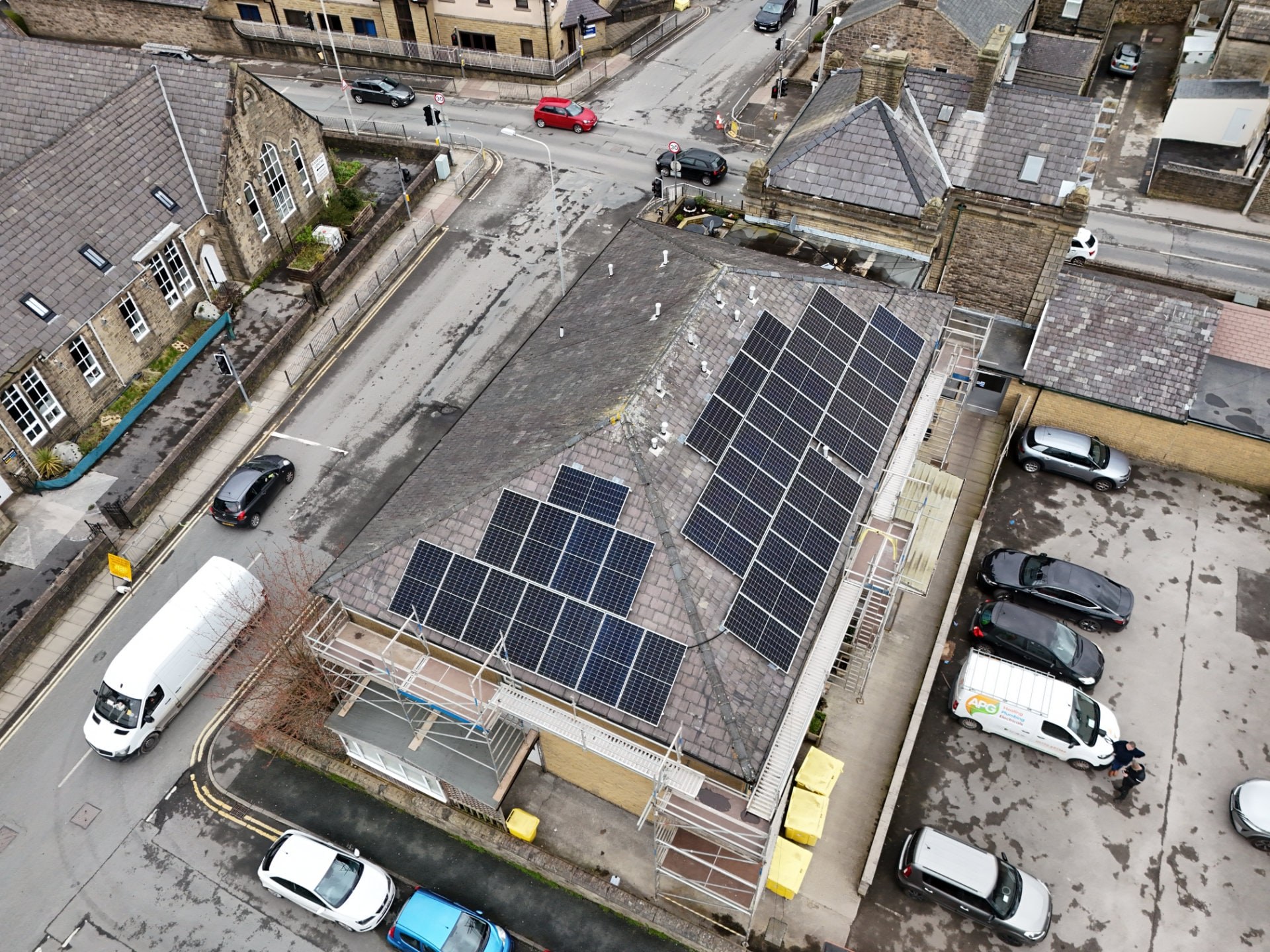 Battery storage project 2
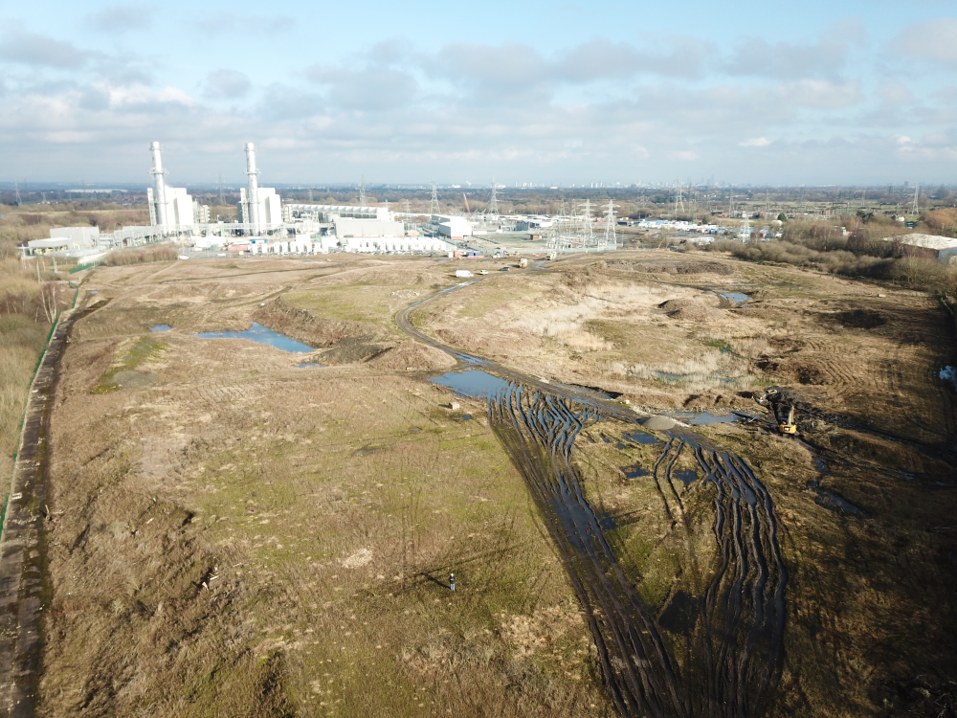 Battery storage project 2
 Battery storage project 2
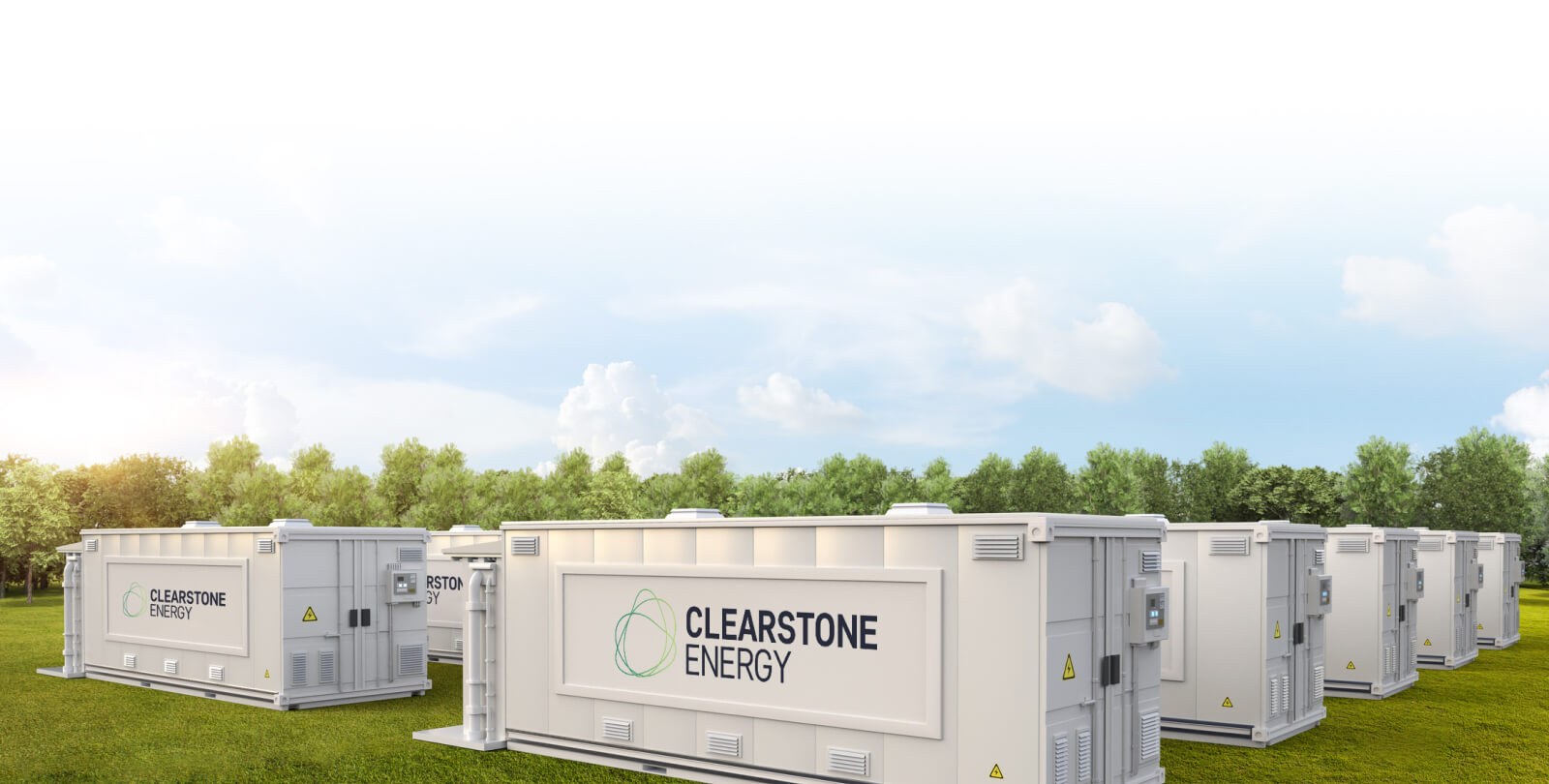 Battery storage project 2
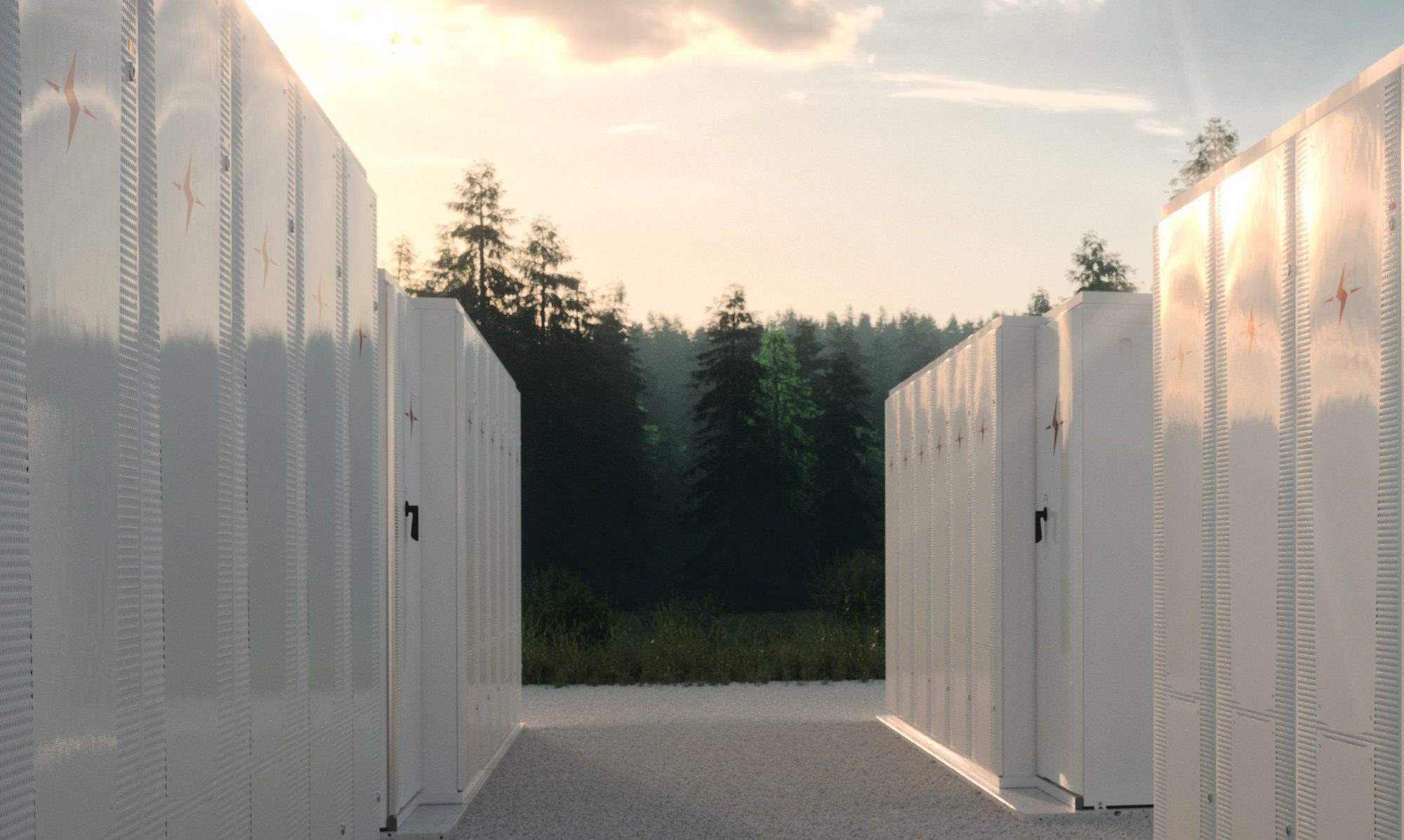 Battery storage project 2
 Battery storage project 3
 Battery storage project 3
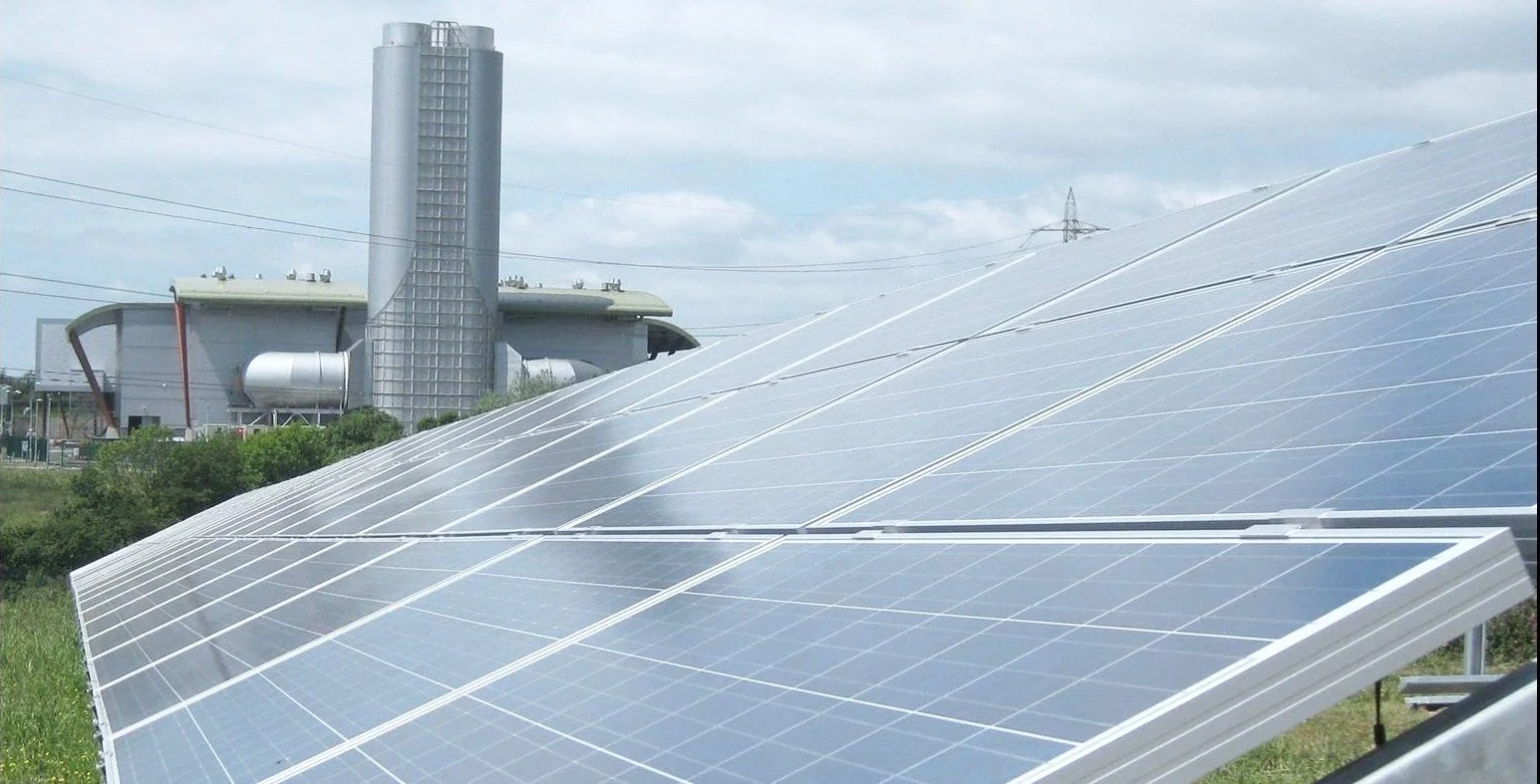 Battery storage project 3
 Battery storage project 3