Heating and radiators quotes
Cold radiators, uneven room temperatures, leaks or a noisy boiler circuit usually need diagnosis before replacement. Heating and radiator work may involve balancing, valve repairs, flushing, pipework alterations, radiator replacement or controls, with the right option depending on system type, property condition, access and safety requirements.
What this covers
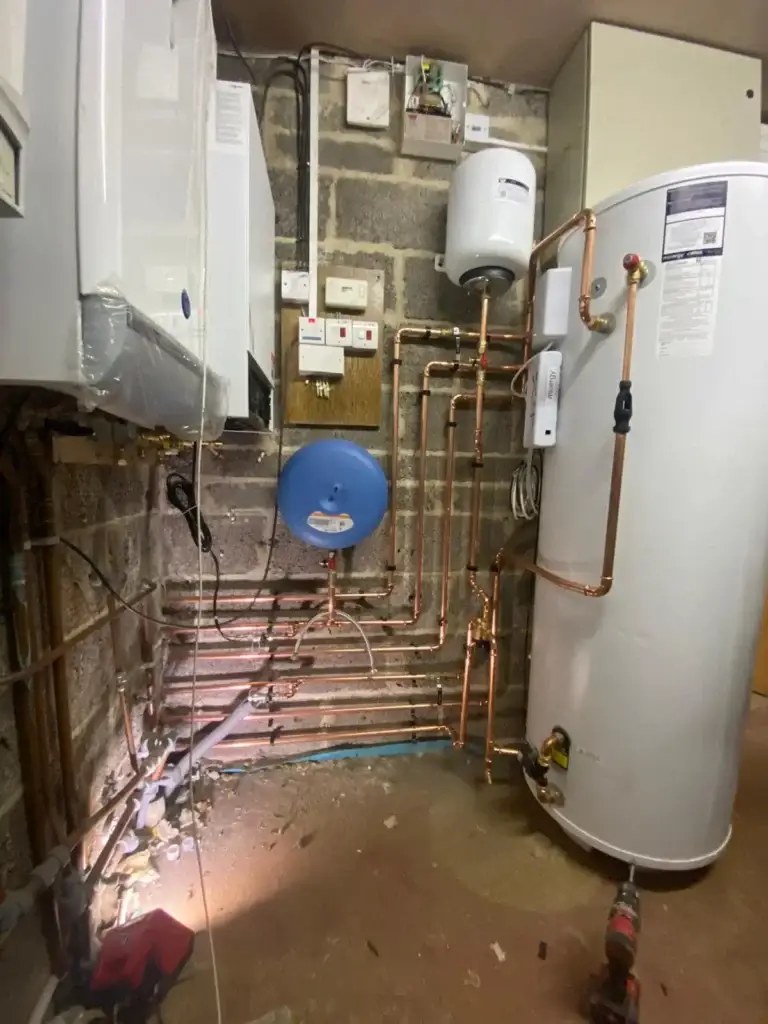
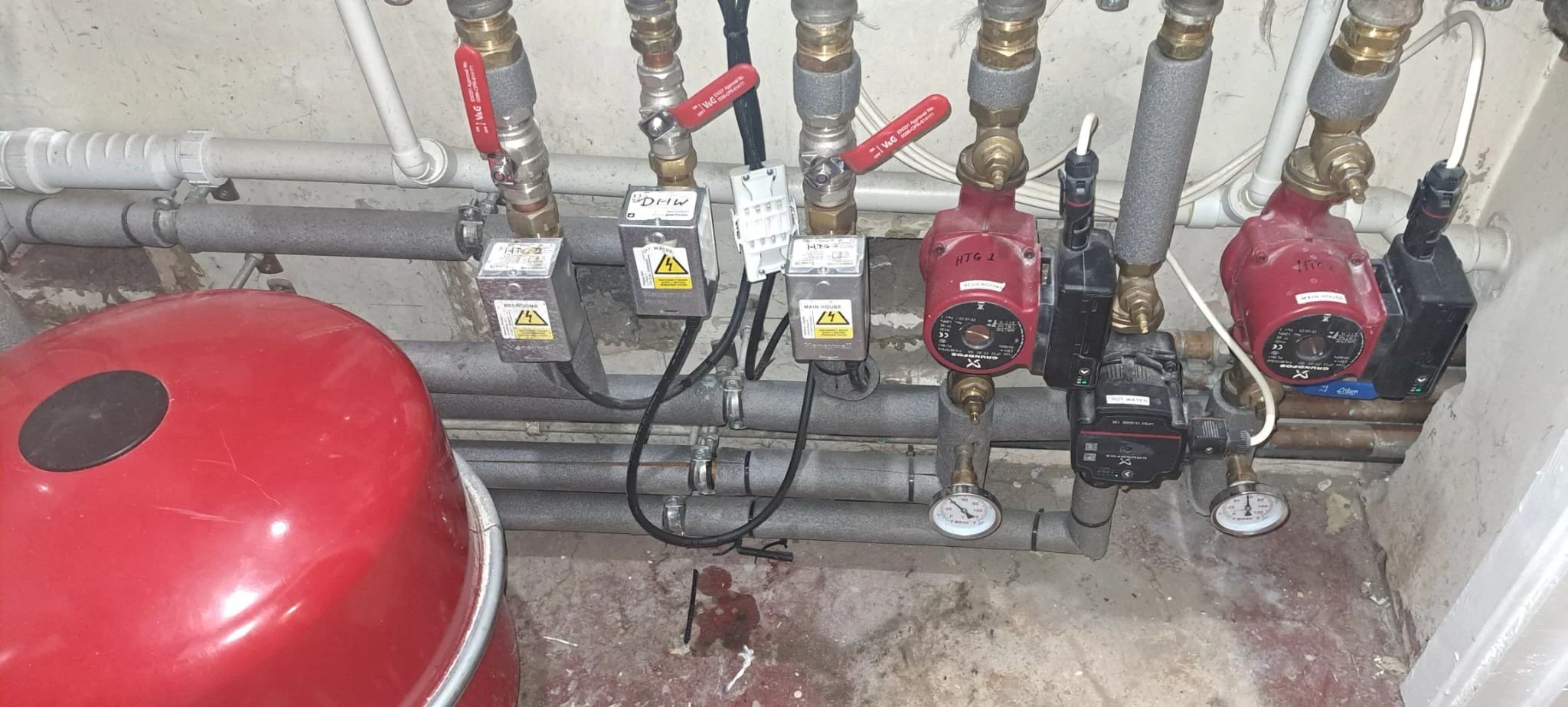
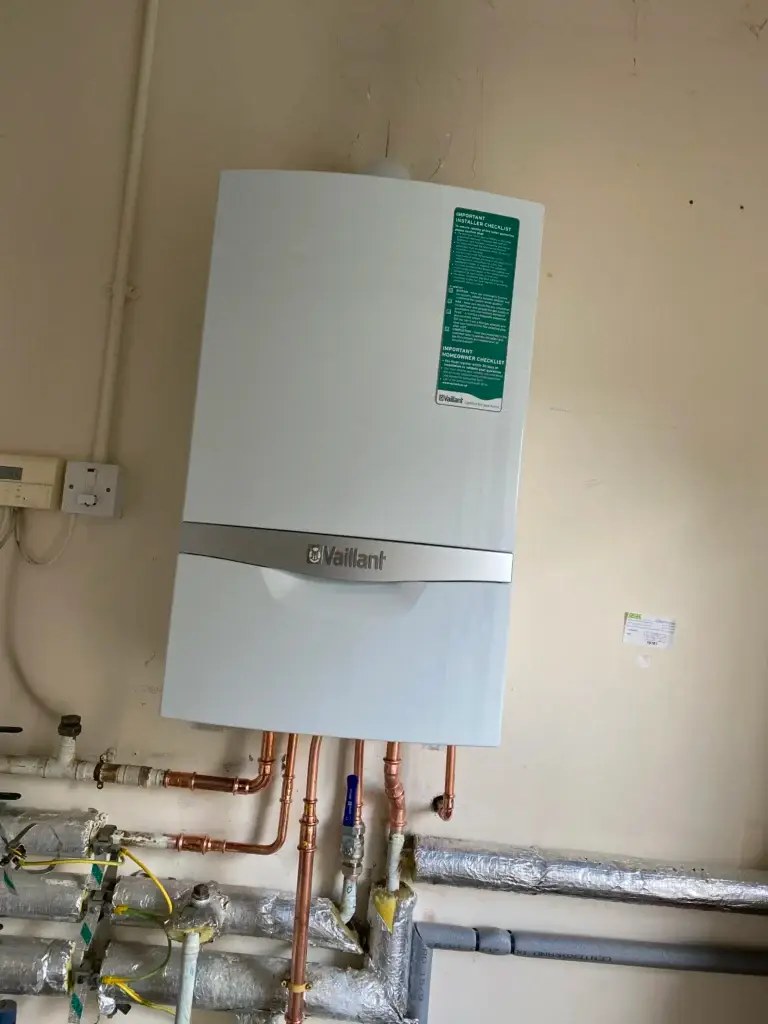
The work starts with identifying how the heating system is arranged: boiler, hot-water cylinder if present, radiators, valves, pumps, controls and visible pipework. A tradesperson may check pressure, temperature differences, air, sludge, leaks, valve movement and whether heat reaches each circuit. They then isolate the relevant part, drain or partially drain the system where necessary, remove the radiator or valve and protect floors and furnishings from residual water.
Repairs can include replacing thermostatic or lockshield valves, resealing joints, bleeding and balancing radiators, repairing accessible pipework, or fitting a new radiator to existing connections. More involved work may require lifting flooring, opening boxing, altering pipe routes or adding controls. System cleaning can remove circulating debris, but the treatment must suit the installation rather than being applied automatically.
A replacement involves measuring the available wall and pipe positions, selecting a suitable heat output and connection arrangement, fitting brackets, reconnecting pipework, refilling, venting and checking for leaks. The system should then be balanced and commissioned so the new component heats correctly without starving other rooms.
How the work is done
The first visit should establish the symptom and test the likely cause rather than assume that a cold radiator needs replacing. The tradesperson checks the system type, boiler pressure, controls, valves, radiator temperatures, visible joints and signs of staining or corrosion. They explain whether the remedy is local or linked to circulation across the system.
Before opening the circuit, they protect flooring, isolate the heating and allow hot components to cool. Depending on the work, they drain part or all of the system, remove the valve or radiator, and contain residual water. New brackets, valves or pipe sections are fitted with compatible connections, while concealed pipework is altered only where access and making-good have been agreed.
The system is refilled, air is removed and joints are checked under operating pressure. Radiators are balanced so flow is distributed appropriately, and controls are tested. For relevant boiler work, commissioning details should be recorded through the appropriate Benchmark process. The customer should receive an explanation of the repair, any limitations, and maintenance that may prevent recurrence.
What affects the cost
The main cost drivers are the diagnosis, number of affected components and access to the circuit. A single accessible valve is a smaller intervention than several radiators requiring draining, removal, cleaning and balancing. A replacement becomes more involved when the chosen radiator differs from the existing size, height, width or connection positions, because pipework and brackets may need alteration.
Access through tiled walls, boxed-in pipes, suspended floors or solid masonry can add labour and making-good. Difficult parking or internal protection may affect the practical setup, but the quotation should explain the work rather than hide it in a broad allowance. Material choice also matters: standard panel radiators and common valves are generally simpler to source and fit than unusual finishes, outputs or connection arrangements.
Ask whether isolation, draining, inhibitor, disposal, refilling, testing, balancing, decoration and floor or wall repairs are included. If the job involves a gas appliance, the relevant gas work must be handled by a Gas Safe registered professional. Work on an unvented cylinder requires the appropriate qualification, and water fittings should be suitable for the installation, including WRAS-approved items where relevant.
Before you hire
Job-specific competence shows in diagnosis before replacement, accurate radiator sizing, careful valve selection and an explanation of balancing rather than a blanket recommendation to flush. The provider should identify the system type, protect surfaces, isolate and drain it safely, check joints after refilling and record relevant commissioning information. If work extends to a gas appliance, use a Gas Safe registered professional. If an unvented cylinder is involved, confirm the appropriate qualification. Ask for a quotation that separates components, access, draining, disposal, testing and making-good.