Guttering quotes
Arrange an inspection if water is spilling over the gutter, staining masonry or collecting beside the foundations. The work may involve clearing debris, resealing joints, replacing damaged sections, correcting the fall or installing a complete new run so rainwater reaches the outlet without damaging the roof or walls.
What this covers
The work normally begins with a visual inspection from ground level and, where safe, from access equipment. The tradesperson checks the gutter’s fall towards each outlet, the condition of unions and stop ends, the security of brackets, the connection into downpipes and signs of water tracking behind the fascia. They may also inspect the roof edge, eaves protection and nearby masonry because a gutter fault can be a symptom rather than the only defect.
A minor job may involve removing a failed joint, cleaning the surfaces, fitting a replacement union or securing a loose bracket. More extensive work involves taking down sections, preserving sound components where compatible, replacing damaged fascia or soffit material, correcting the alignment and reconnecting downpipes. If the profile, colour or material is obsolete, matching existing sections may be difficult and a larger run may need replacing to avoid visible changes.
The finished system should collect roof runoff continuously, discharge it without splashing and remain secure under normal loading. Water testing or observation during rainfall can reveal leaks that dry-weather inspection misses.
How the work is done
First, the provider identifies where water escapes and whether the defect is limited to guttering or connected to the roof edge, fascia or drainage point. They assess access, protect paths and planting, and decide whether ladders, towers or scaffolding are appropriate for the height and working position.
Next, the affected run is cleared and dismantled only as far as necessary. Old sealant, fixings and damaged unions are removed so new components sit against clean, stable surfaces. Brackets are checked for spacing and strength, while the gutter is set with a controlled fall towards the outlet rather than simply following a distorted fascia.
Replacement sections are cut and joined using compatible fittings, with allowance for movement where the system requires it. Downpipes are reconnected, clips are secured and discharge is directed into the existing drain, soakaway or suitable collection point. If fascia boards are rotten, they must be repaired before the gutter is refitted.
Finally, the installer checks joints, outlets and fixings, then tests flow where practical. Waste is removed and the customer should receive a clear record of completed repairs, remaining defects and any maintenance needed.
What affects the cost
The main cost drivers are the length and height of the affected run, the number of corners and outlets, and whether access equipment or scaffolding is needed. A single accessible union is materially different from a full elevation requiring removal, disposal and reinstatement around a conservatory or extension.
Material affects the total through profile availability, fittings, finish, weight and the need for additional supports. Cast iron and specialist period profiles generally involve more handling and matching work than standard uPVC components. Labour also rises where fascia boards, soffits, roof-edge details or downpipes must be repaired before the gutter can function properly.
A sound quote should separate cleaning, repairs, replacement sections, access, waste disposal, drainage connections and making-good. It should state whether testing is included and identify defects found outside the guttering itself. Storm damage may need photographing and describing separately from wear, particularly where an insurance claim or an insurance-backed guarantee is relevant.
Before you hire
For this job, useful evidence is a clear explanation of the water path, not simply a promise to replace the gutter. The provider should distinguish a blocked outlet from a failed fall, rotten fascia, defective downpipe or roof-edge leak and show photographs of concealed damage before covering it.
Ask how access will be managed under CDM duties and whether scaffolding or other equipment is included where the working height demands it. For substantial roofing-related work, NFRC membership or CompetentRoofer participation may provide relevant signals, but the proposed guttering scope still needs checking. An insurance-backed guarantee should identify exactly what workmanship and components it covers.
Recent work
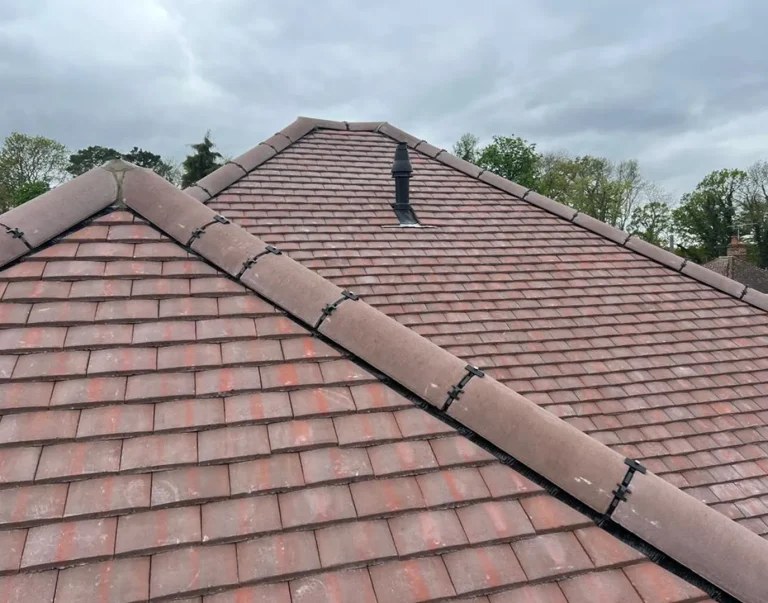 Roof repairs project 1
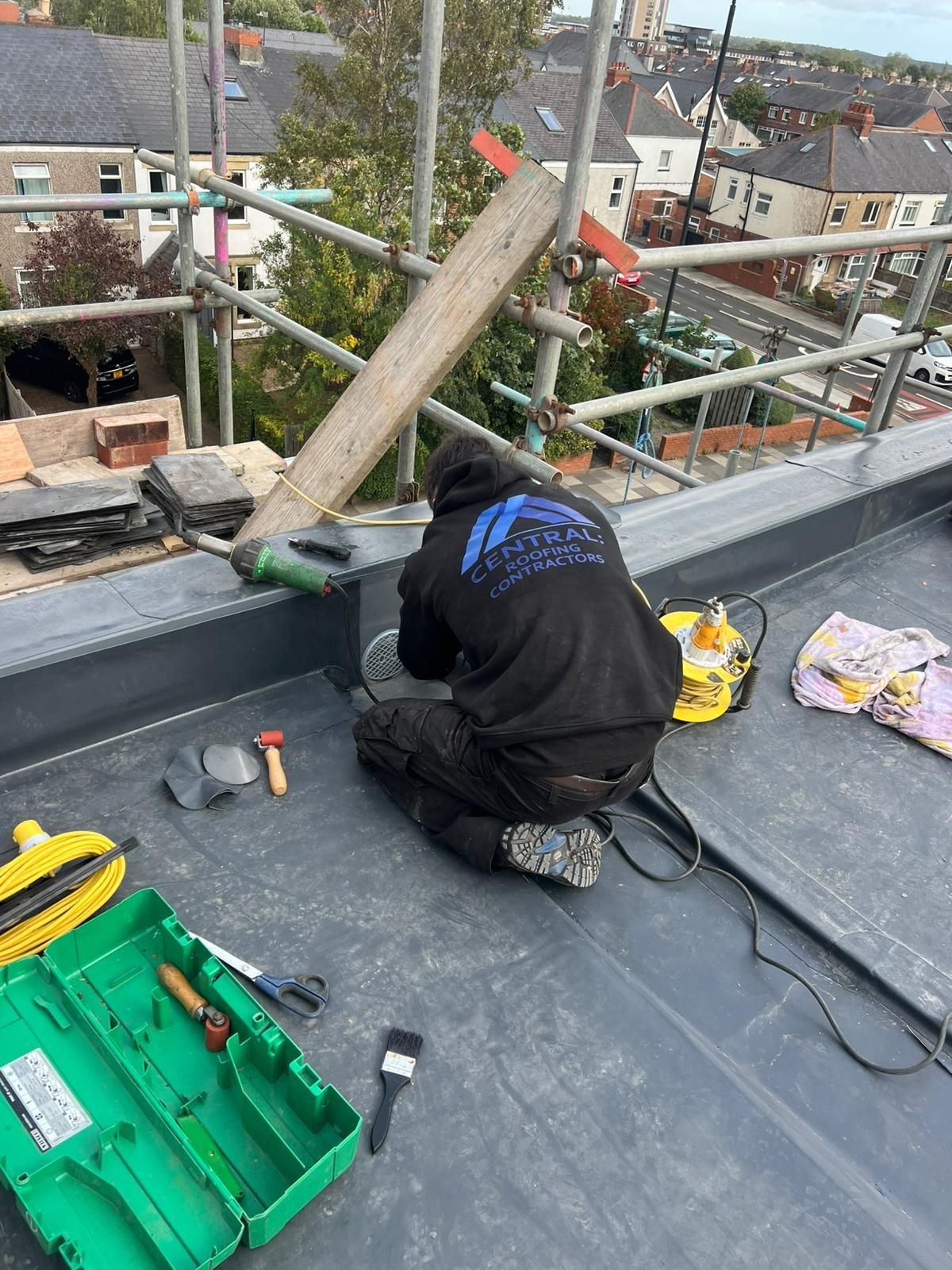 Roof repairs project 1
 Roof repairs project 1
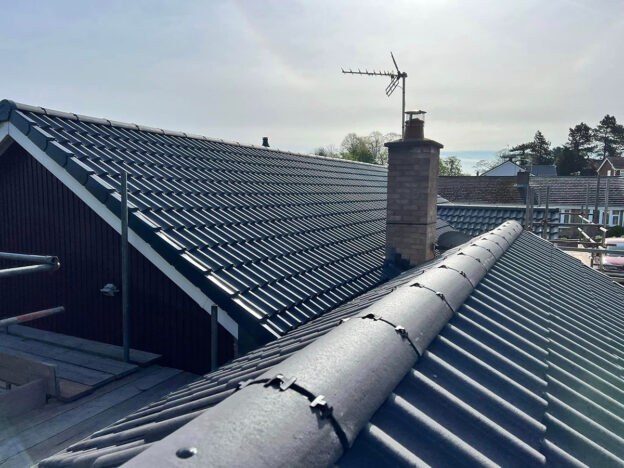 Roof repairs project 1
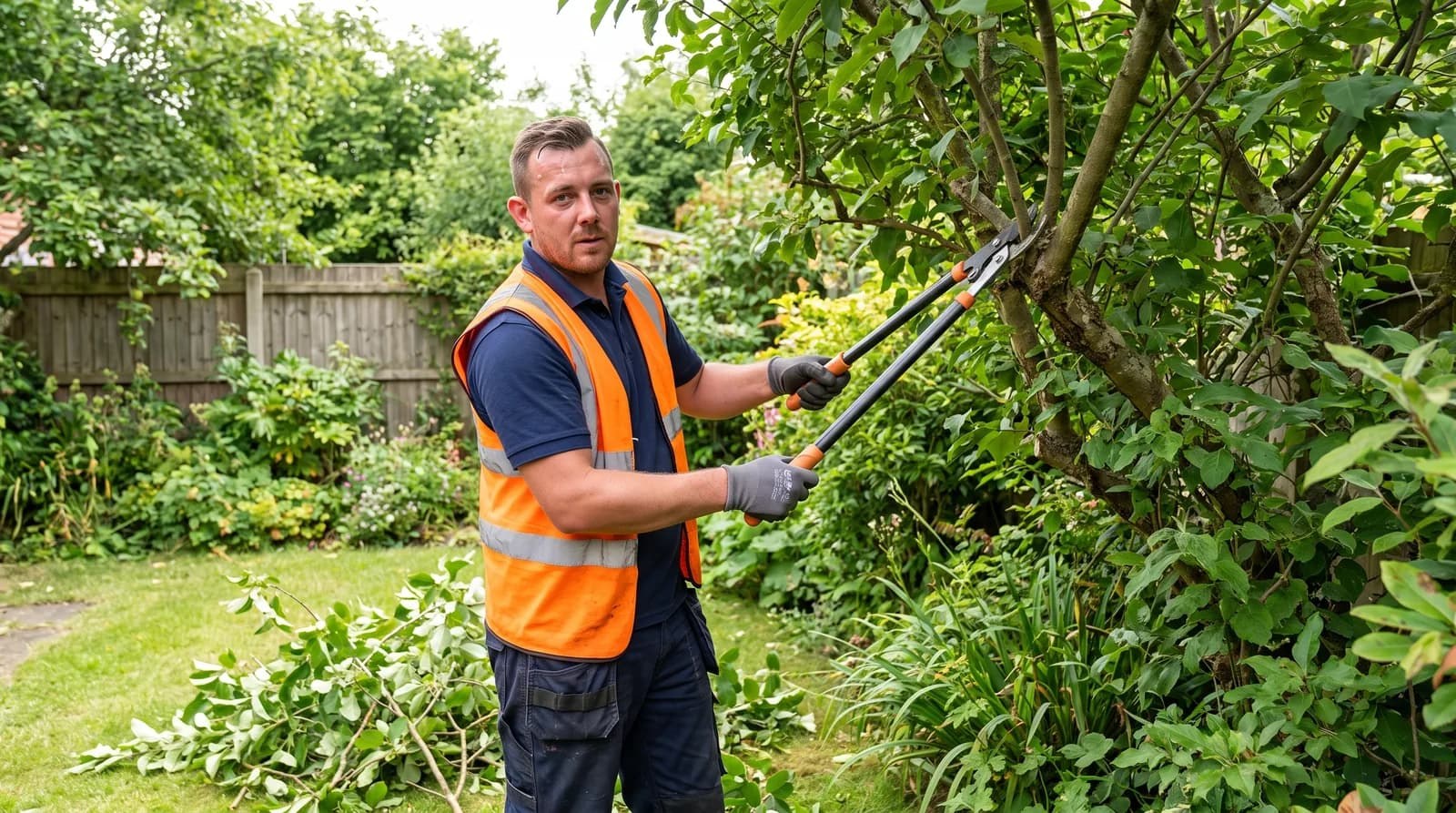 Roof repairs project 1
 Roof repairs project 1
 Roof repairs project 1
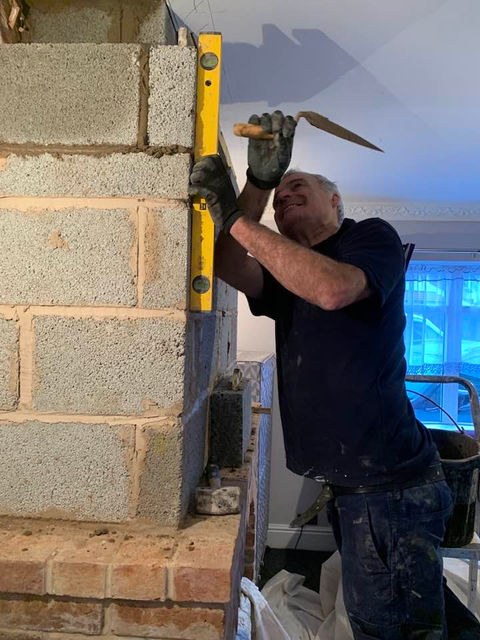 Roof repairs project 1
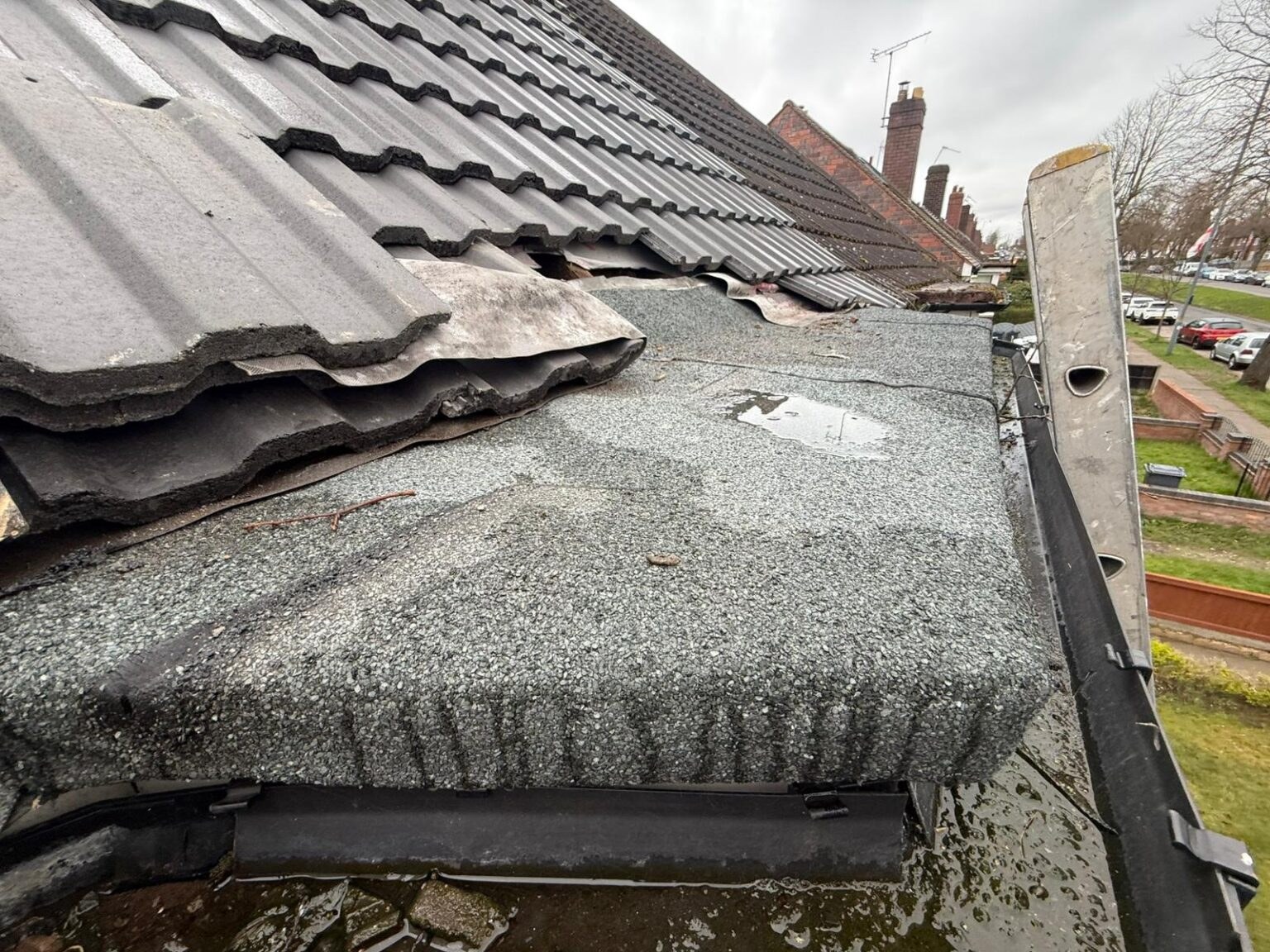 Roof repairs project 1
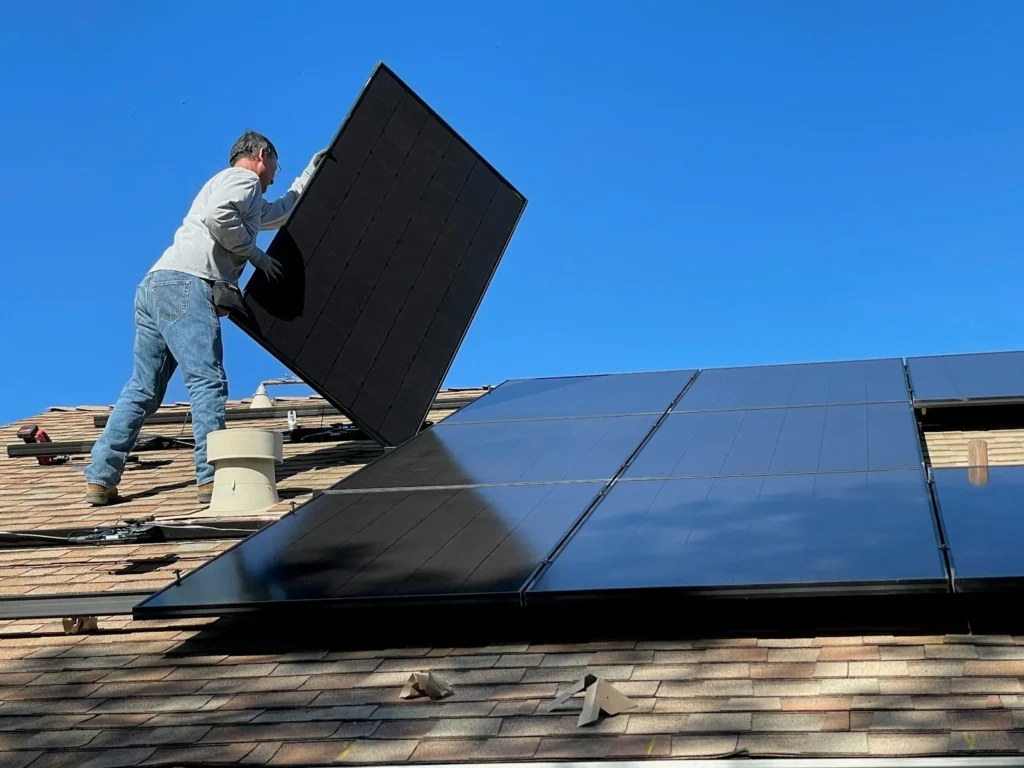 Roof repairs project 1
 Roof repairs project 1
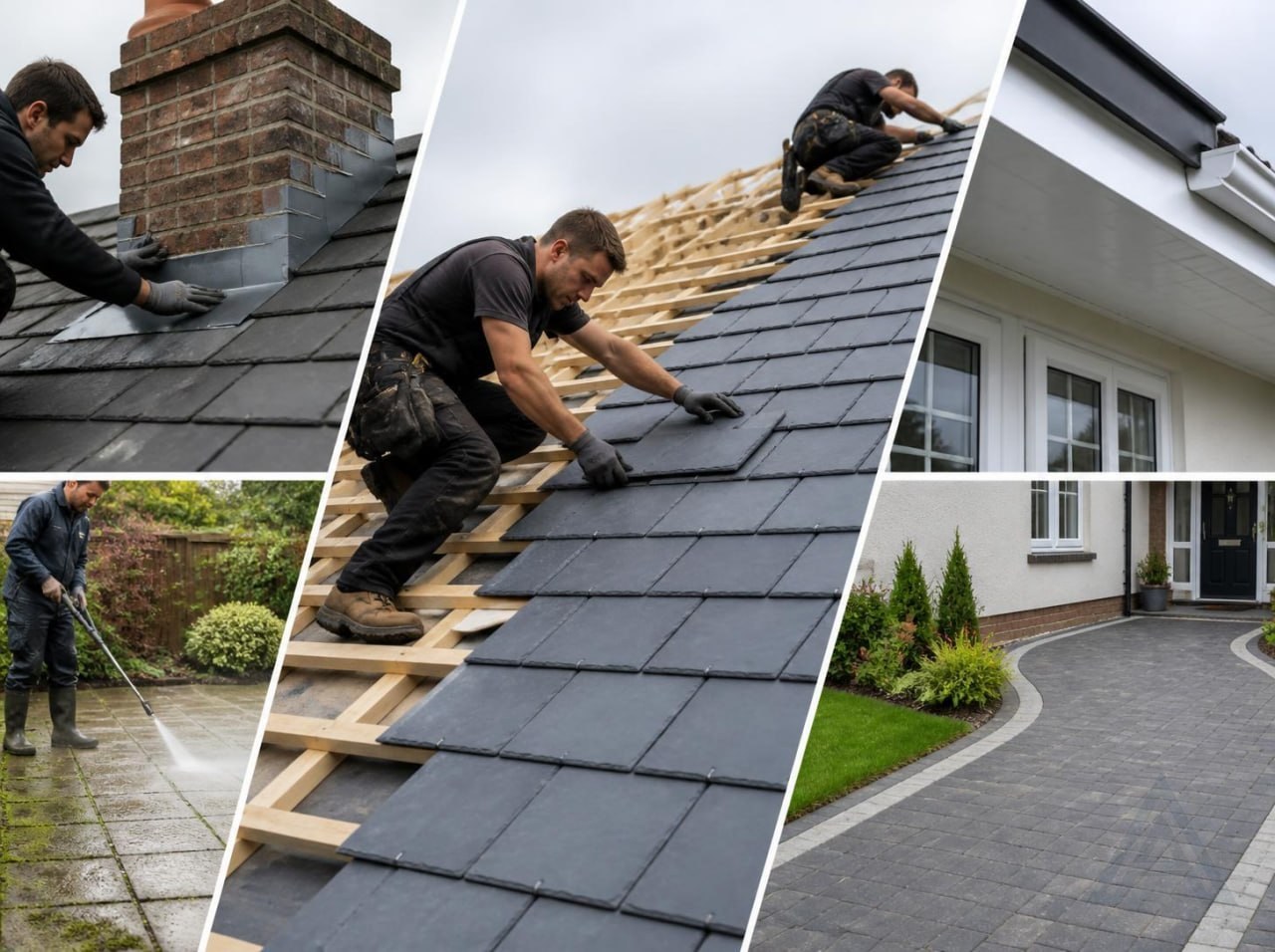 Roof repairs project 1
 Roof repairs project 1
 Flat roofing project 1
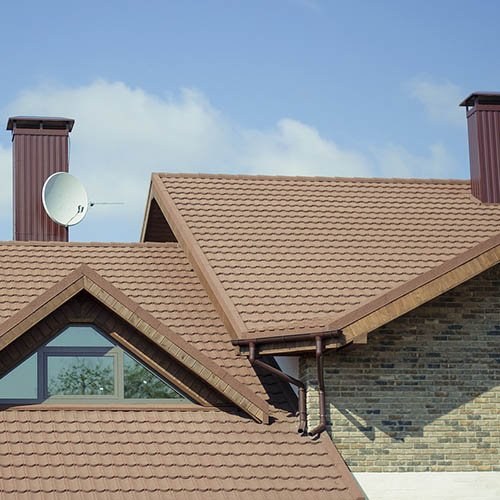 Roofing & guttering project 1
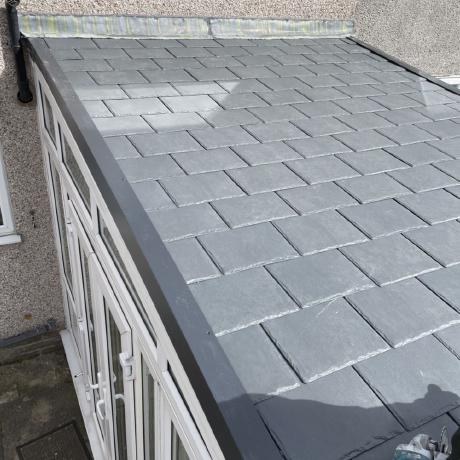 Roofing & guttering project 1