Groundskeeping contractors quotes
Groundskeeping contractors manage outdoor land through mowing, pruning, planting, drainage checks, weed control, clearance and repairs. They are useful when neglected grounds affect access, safety, appearance or drainage, or when a property owner needs scheduled maintenance that machinery, waste handling and specialist knowledge make difficult to manage alone.
What this covers
The work starts with inspecting the grounds rather than cutting everything to the same standard. A contractor checks grass length, soil condition, slopes, paths, kerbs, trees, hedges, beds, drainage points, boundary vegetation and areas that machinery cannot safely reach. They then agree priorities, such as restoring access, reducing trip hazards, opening blocked sightlines or maintaining a presentable communal area.
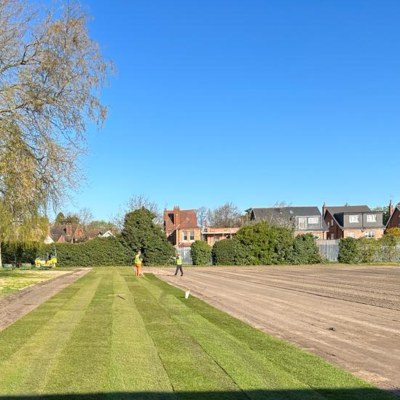
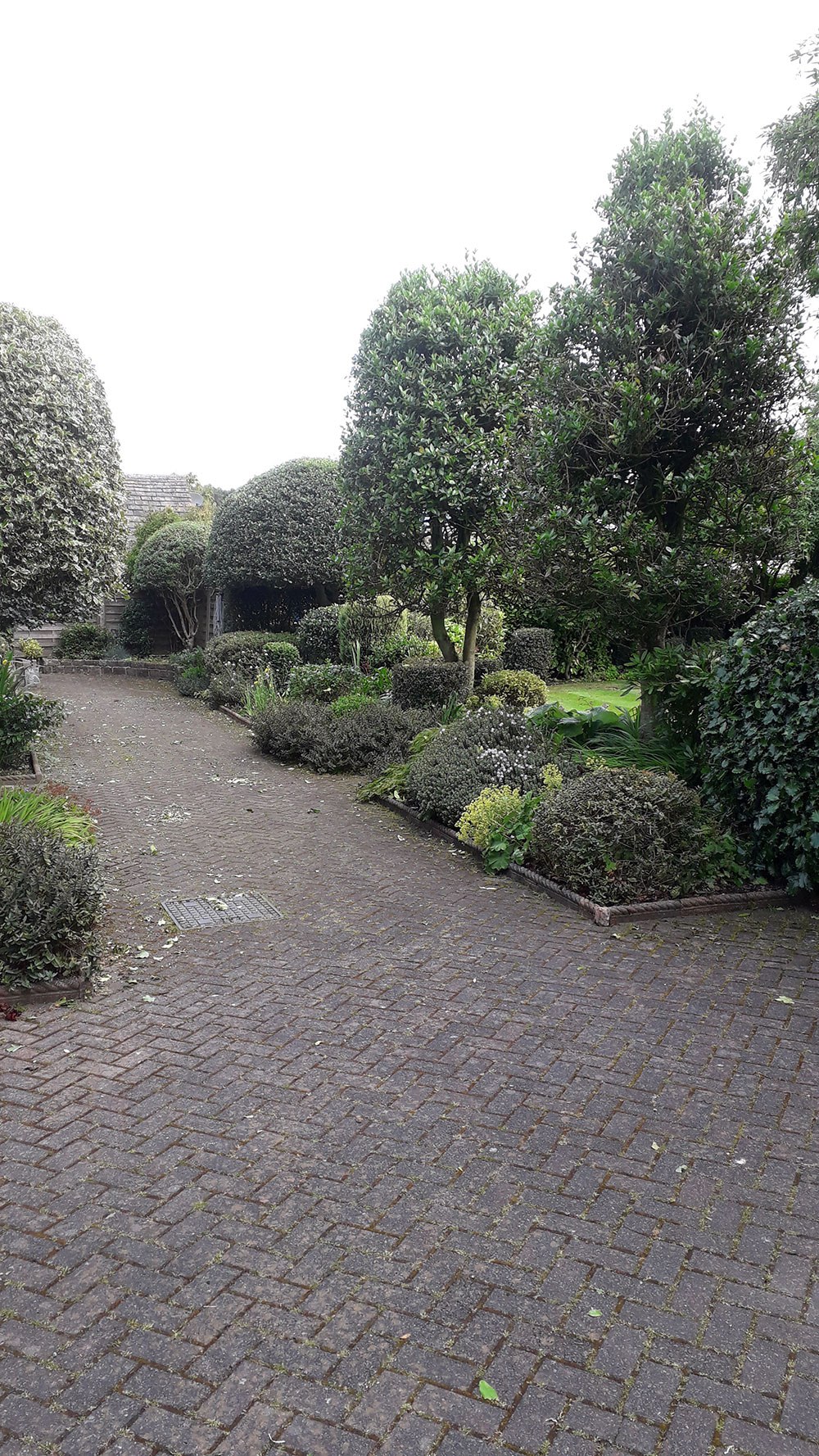
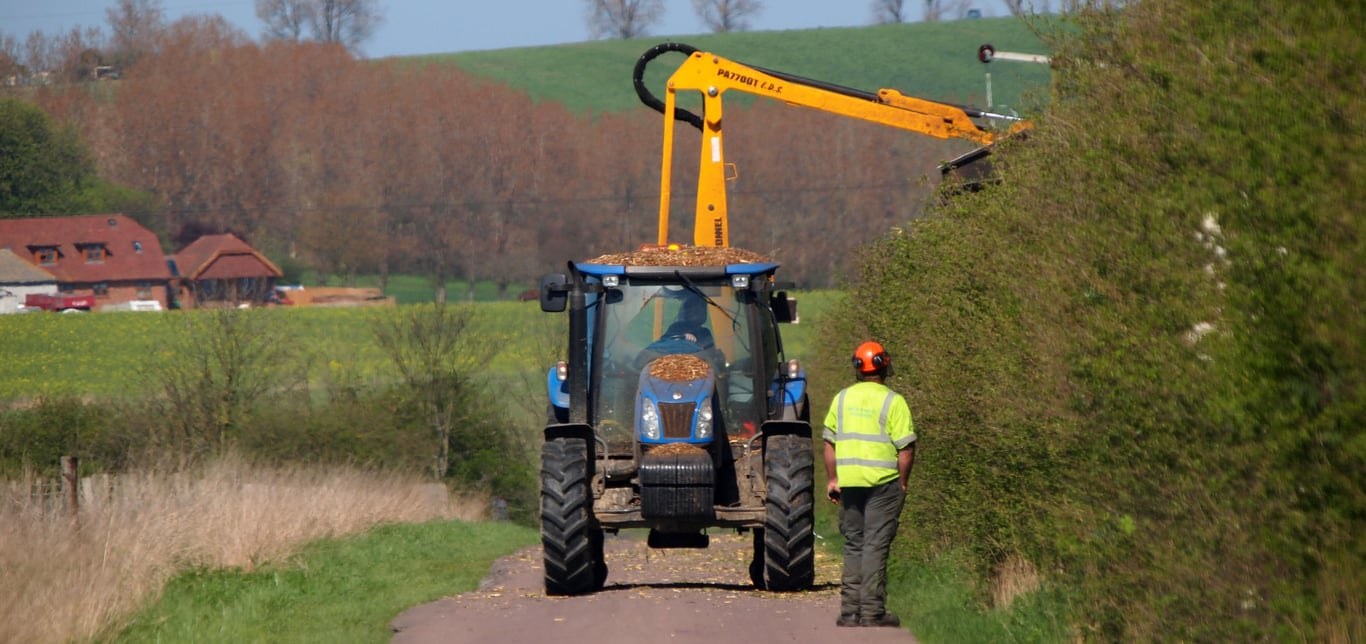
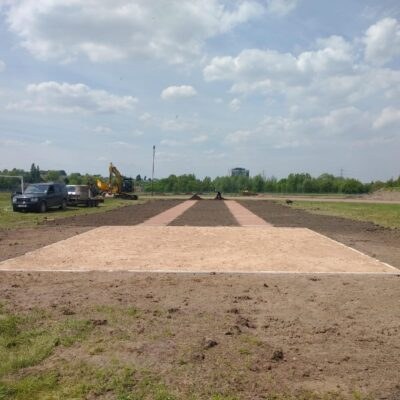
Routine work may include mowing, strimming, edging, hedge reduction, pruning, leaf and litter clearance, weed control, planting, mulching, turf repair and basic drainage observation. Larger tasks can involve removing fallen branches, clearing scrub, reshaping planting beds or preparing ground for new turf. Green waste may be chipped, composted, retained on site or removed, depending on the specification and available space.
The contractor should distinguish routine horticultural maintenance from arboricultural work, invasive-plant treatment, tree surgery, drainage construction or hard landscaping. Those activities may require different equipment, competence or specialist subcontractors. A useful scope records the areas included, finish required, access arrangements, exclusions and how damaged surfaces, gates or irrigation components will be reported.
How the work is done
The contractor first walks the site with the customer, marks boundaries and records access, hazards, drainage features, fragile surfaces, planted areas and any sections requiring a different finish. Photographs or a written schedule can establish the starting condition.
Next, the work is planned around equipment access and the order that prevents rework. Litter, fallen branches and loose obstructions are removed before mowing or mechanical cutting. Grass is cut to the agreed height, edges are trimmed, hedges and shrubs are pruned selectively, and weeds are treated or removed using the specified method. Damaged turf, exposed roots, blocked gullies or unsafe trees are noted rather than concealed.
Cuttings and other waste are gathered, processed or removed as agreed. Paths, entrances and hard surfaces are blown or swept clear, and gates are checked after machinery leaves. The contractor then reports defects needing separate work, such as collapsed edging, poor drainage or tree decay. For recurring service, the visit record should state what was completed, what was deferred and what the next inspection will address.
What affects the cost
The main cost drivers are the area and condition of the grounds, the amount of overgrowth, the number of separate zones and the frequency of visits. Dense scrub, long grass, fallen timber and buried litter require more cutting, handling and waste management than maintained lawns. Slopes, soft ground, narrow gates and long carries from the work area can prevent efficient machine use and increase manual labour.
The specification also changes the price. Fine edging, hand pruning, collection, sweeping and leaving beds undisturbed require more finishing than a basic cut-and-drop service. Turf replacement, planting, mulching, soil improvement, drainage repairs and stump or root removal are usually separate operations. Green waste disposal, chipping, access equipment and traffic or pedestrian controls should be identified rather than hidden in a vague allowance.
For recurring work, ask whether the quotation includes inspections, agreed visit frequency, weather-related rescheduling, seasonal variation in growth, urgent call-outs and reporting. A sound quote lists included areas, finish standards, exclusions, waste arrangements and any work that needs a separate specialist assessment.
Before you hire
Job-specific competence shows in the site survey and in the limits the contractor recognises. Look for a written area schedule, machinery matched to slopes and access, safe handling of cuttings, protection for trunks and surfaces, and clear reporting of drainage, tree and invasive-plant concerns. Good method statements explain exclusion zones, work around occupants, waste arrangements and what happens after mechanical cutting. For larger grounds, ask how visit records will evidence completed zones, defects and follow-up work rather than relying on a generic statement that maintenance was carried out.
Recent work
 Groundskeeping contractors project 1
 Groundskeeping contractors project 1
 Groundskeeping contractors project 1
 Groundskeeping contractors project 1
 Groundskeeping contractors project 1
 Groundskeeping contractors project 1
 Groundskeeping contractors project 2
 Groundskeeping contractors project 2
 Groundskeeping contractors project 2
 Groundskeeping contractors project 2
 Groundskeeping contractors project 2
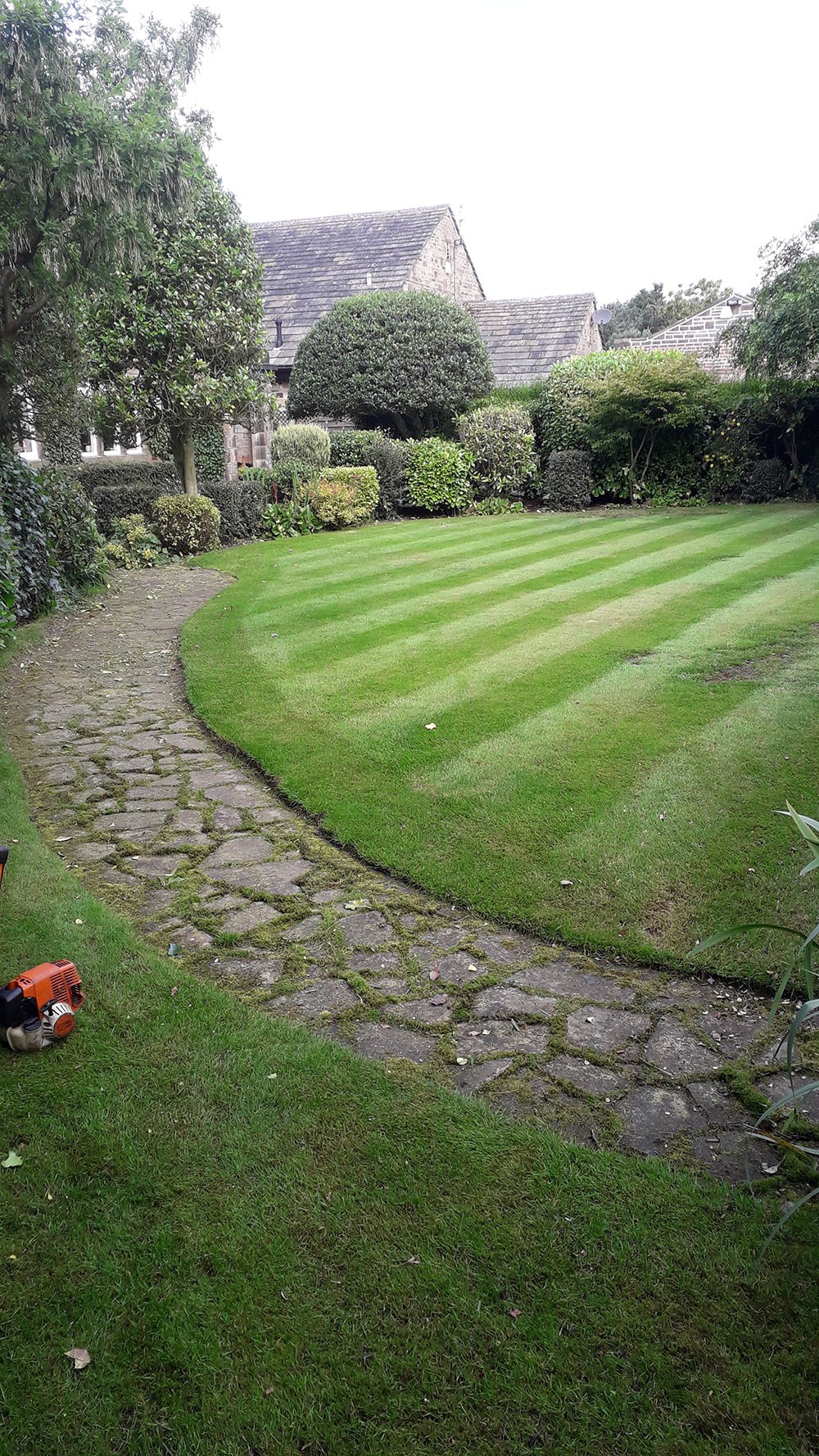 Groundskeeping contractors project 2
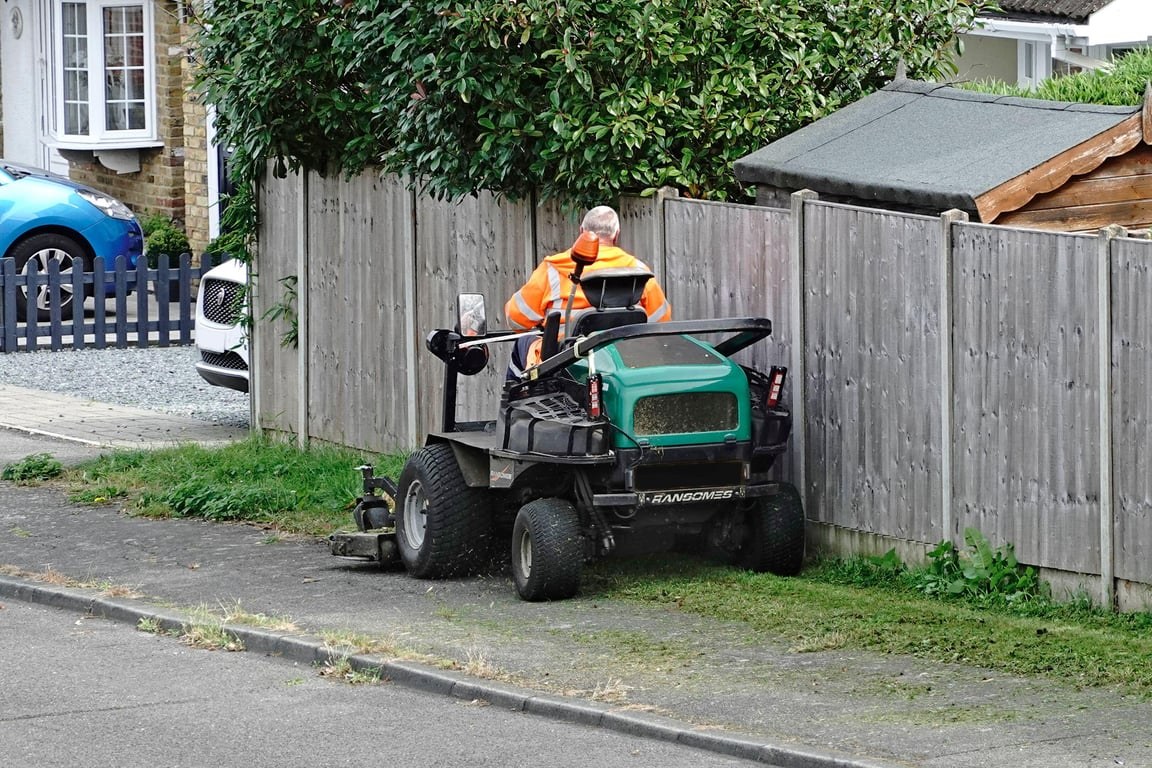 Groundskeeping contractors project 3
 Groundskeeping contractors project 3
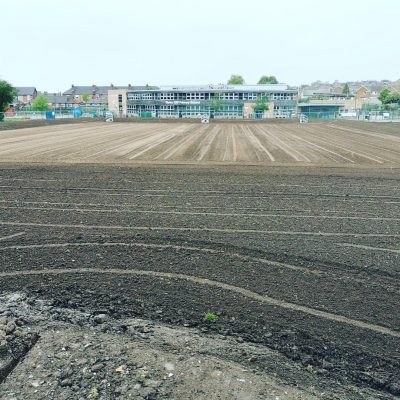 Groundskeeping contractors project 3
 Groundskeeping contractors project 3