Fire alarm systems quotes
Arrange a fire alarm survey when detectors are missing, false alarms persist, an extension changes the layout, or a system no longer matches the building. The work identifies risks, positions detectors and sounders, installs or upgrades equipment, tests every circuit, and leaves documented instructions for ongoing checks.
What this covers
The work starts with a survey of the building rather than simply fixing alarms to convenient ceilings. The installer considers sleeping areas, kitchens, plant rooms, lofts, garages, escape routes, compartmentation, ceiling construction and likely sources of smoke or heat. They then design detector and sounder locations, choose a control panel or linked arrangement, plan cable routes or radio links, and identify how occupants will silence, reset and test the system.
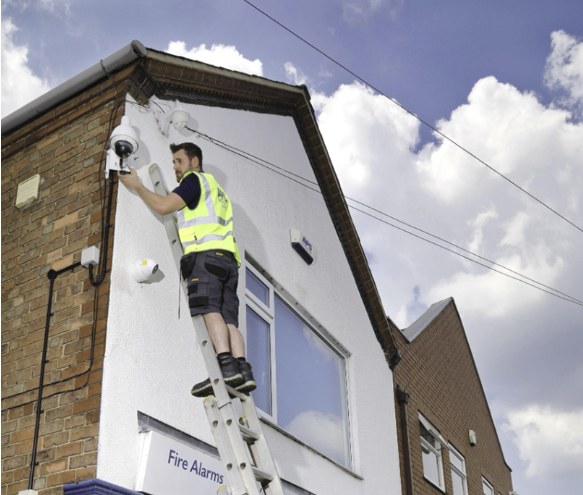
Installation can include mounting detectors, manual call points, sounders, visual indicators, a control panel, standby batteries and interface equipment. Wired systems require cable containment, penetrations and making-good; wireless systems need signal checks, battery access and protection against communication failure. Existing equipment may be removed, retained or integrated only after compatibility is established.
Completion should include device-by-device testing, alarm audibility checks, fault simulation, standby-power checks where applicable, labelling, user instruction and records. The scope is therefore both physical installation and evidence that the completed arrangement operates as intended.
How the work is done
The contractor first surveys rooms, occupancy, escape routes, ceiling construction, existing alarms and likely fire sources. You should receive an explanation of coverage gaps, proposed equipment and any areas requiring access or isolation.
Next, the installer marks detector, sounder, call-point and panel positions, then agrees cable routes, containment, penetrations and making-good. Wired equipment is connected to the control panel; wireless devices are enrolled and checked for reliable communication. Batteries and interfaces are fitted where the design requires them.
After installation, each detector, call point, sounder, indicator and fault circuit is tested. The installer may simulate alarm and fault conditions, check audibility in occupied rooms, confirm panel indications and verify standby operation. Any dust created by drilling should be removed, with disturbed finishes made good according to the quotation.
The handover should explain routine testing, silencing, resetting and fault reporting. Keep zone plans, device locations, instructions, test results and servicing recommendations with the property records.
What affects the cost
The price is driven first by system scale: the number of rooms, floors, detectors, sounders, call points, interfaces and control-panel capacity. A simple replacement is different from a new design requiring coverage review and equipment throughout the building.
Access is another major factor. High ceilings, occupied rooms, restricted working hours, difficult roof spaces, fragile finishes, asbestos-related controls and limited cable routes can increase labour and making-good. Wireless installation may reduce chasing and decoration work but can involve signal surveys, battery provision and more careful device positioning.
Equipment choice affects the quotation through detector type, panel sophistication, visual alarms, remote signalling, standby arrangements and compatibility with retained components. Removal of obsolete equipment, waste disposal, certification or documentation, fault finding on existing wiring, and remedial work should be shown separately. Ask whether testing, user training, call-backs, maintenance visits and making-good are included, because an apparently lower figure may cover installation only.
Before you hire
For this job, competence is visible in the survey record and the reasoning behind device positions. The installer should be able to explain why smoke, heat or multi-sensor detection is used in each area, how sounder audibility was assessed, and how cable routes or wireless signals were checked.
Look for a clear design, labelled zones, test results, fault-handling instructions and a handover pack that matches the installed equipment. A capable provider will identify access, making-good and compatibility issues before work starts, not discover them after devices are fitted. They should also explain how future alterations could affect coverage and maintenance.
Recent work
 Fire safety systems project 1
 Fire safety systems project 1
 Fire safety systems project 1
 Fire safety systems project 1
 Fire safety systems project 1
 Fire safety systems project 1
 Fire safety systems project 1
 Fire safety systems project 1
 Fire safety systems project 1
 Fire safety systems project 1
 Fire safety systems project 1
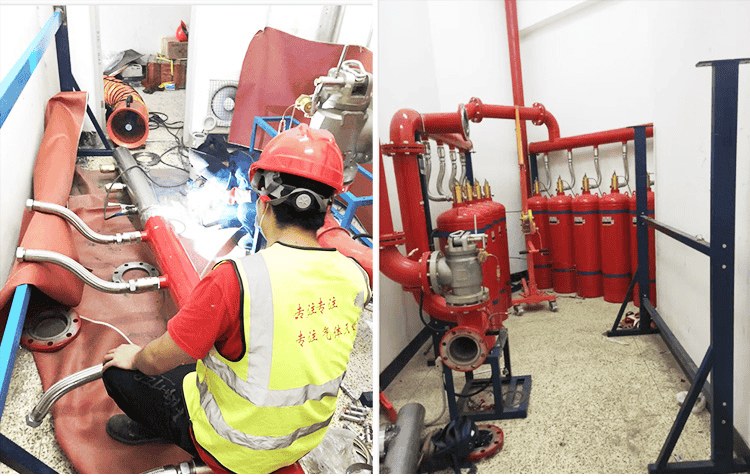 Fire safety systems project 1
 Fire safety systems project 2
 Fire safety systems project 2
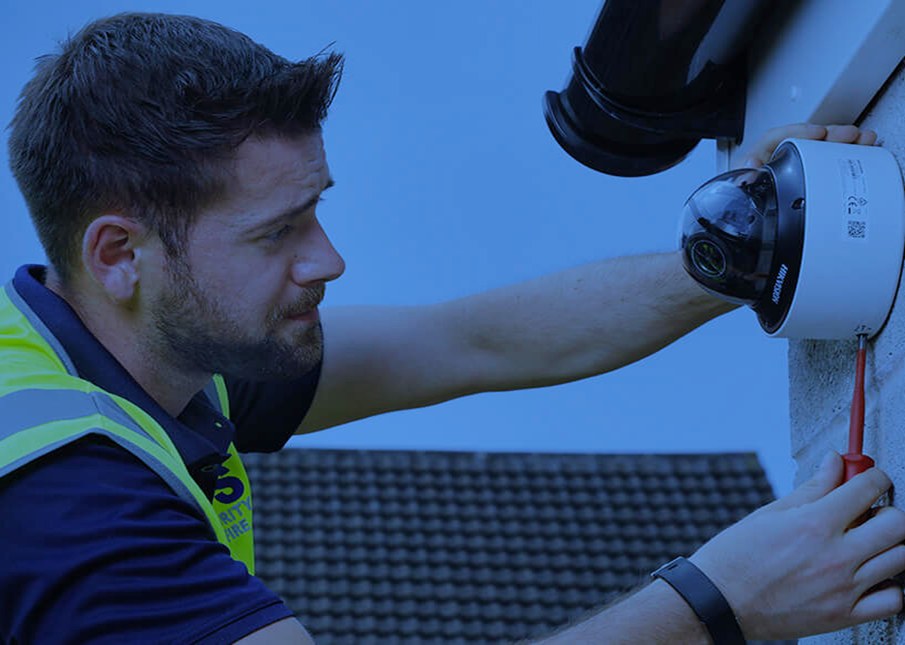 Fire safety systems project 2
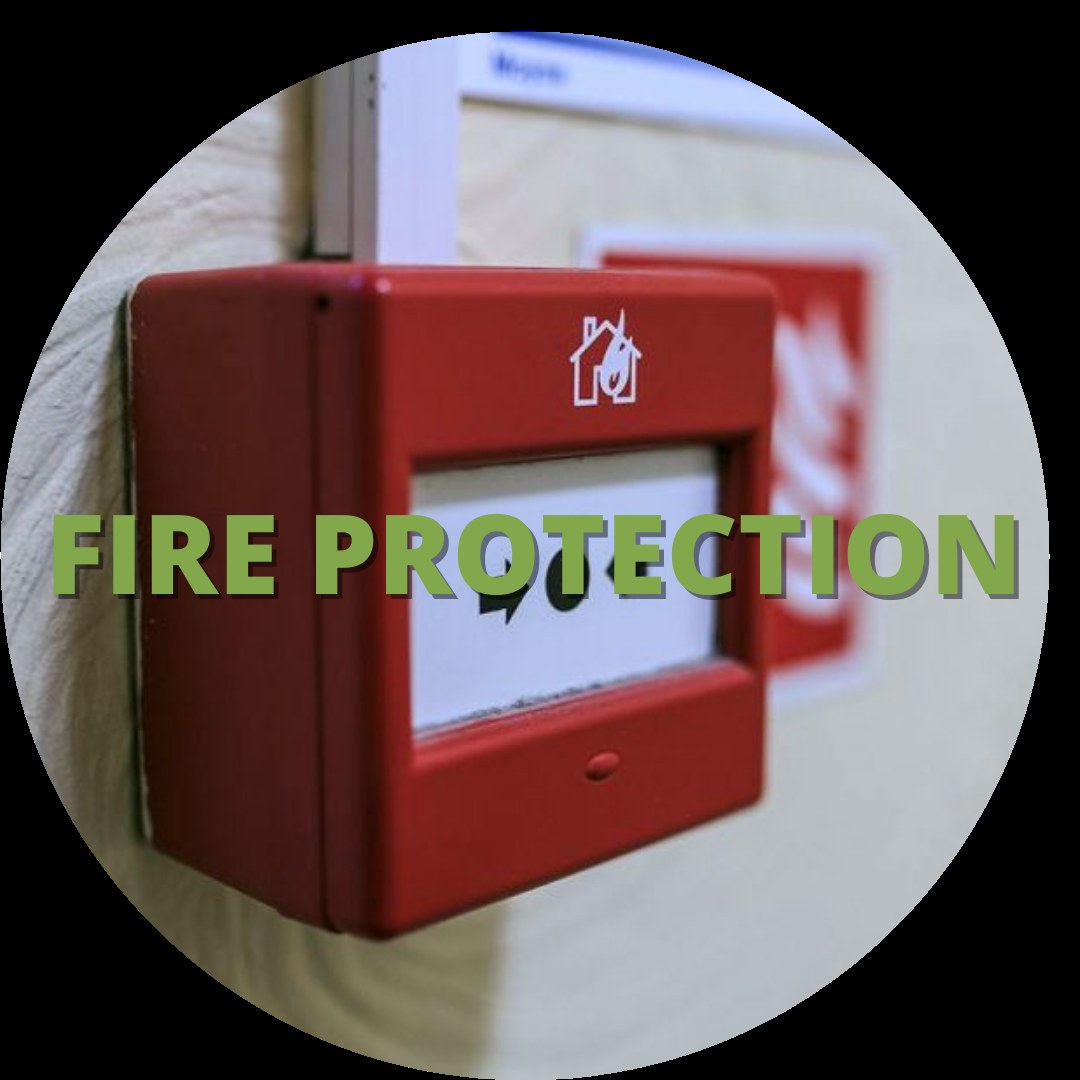 Fire safety systems project 2