Fencing quotes
Choose fencing based on the boundary problem first: replace unstable panels, repair local damage, improve privacy, contain animals or secure access. The work normally includes measuring, removing the old structure, setting posts, fitting rails and panels or boards, then clearing waste and checking the finished line.
What this covers
A fencing job creates, repairs or removes a boundary structure made from posts, rails, panels, boards, wire or other suitable components. The physical scope may include taking down existing fencing, cutting back vegetation, exposing or removing failed concrete, excavating post holes, setting new supports, attaching horizontal rails or gravel boards, and fixing the chosen infill. Gates, hinges, latches and posts may need separate attention because movement in one element can distort the whole run.
The installer should assess the boundary line, changes in level, drainage, wind exposure, soil condition and access for carrying materials. On sloping ground, panels may step between posts or follow the gradient, depending on the appearance and water run-off required. Shared boundaries also need clear agreement about the work area and finished position before removal begins. The result should be stable, reasonably aligned, appropriate for the intended privacy or containment, and finished without leaving concrete, sharp fixings or timber waste in the garden.
How the work is done
The work usually starts with a site measure that records the boundary length, levels, gate positions, access restrictions and the condition of existing posts. The installer then confirms the proposed line and identifies anything that could obstruct excavation, such as dense roots, concrete, paving or buried services.
Old panels, rails and posts are removed selectively or along the whole run. Holes are excavated to suit the post system and ground conditions; unstable concrete may be broken out rather than buried beside a new support. Posts are positioned, aligned and fixed, allowing the setting material to stabilise before rails, gravel boards and infill are attached.
Panels may be trimmed or stepped on sloping ground. Close-boarded boards are fixed individually where a continuous, adaptable screen is needed. Gates are hung with suitable hinges, checked for clearance and adjusted so the latch engages. The installer finally checks line, level, post movement, sharp edges and gate operation, removes waste and discusses any curing or care instructions.
What affects the cost
Fencing costs are driven first by the length and height of the run, followed by the material, post system and amount of groundwork. A straight replacement over clear soil is simpler than removing concrete, roots, paving or densely established planting. Slopes can require stepped sections, additional cutting and careful alignment, while poor or waterlogged ground may need a different support approach.
Access affects labour and handling: a long carry through a property, restricted gate width or lack of vehicle access can increase installation effort and waste movement. Gates, locks, gravel boards, trellis, decorative finishes and bespoke widths add separate components. Removal and disposal should be identified rather than assumed to be included.
A comparable quotation should state measured length, proposed height, panel or board type, post and gravel-board material, gate hardware, excavation, concrete or other fixing method, waste removal and making-good. It should also identify exclusions such as vegetation clearance, damaged paving or boundary changes.
Before you hire
Fencing competence is visible in the details of the proposed build. The provider should distinguish a failed panel from a failed post, explain how the boundary will be set out on a slope, and specify the fixing method rather than writing only ‘standard fencing’. They should measure gate clearances, allow for gravel boards where ground contact is a concern, and identify concrete removal, waste handling and access constraints before quoting. A careful installer also checks alignment after posts are set, trims panels cleanly, protects cut timber where appropriate and leaves no sharp fixings or unstable sections.
Recent work
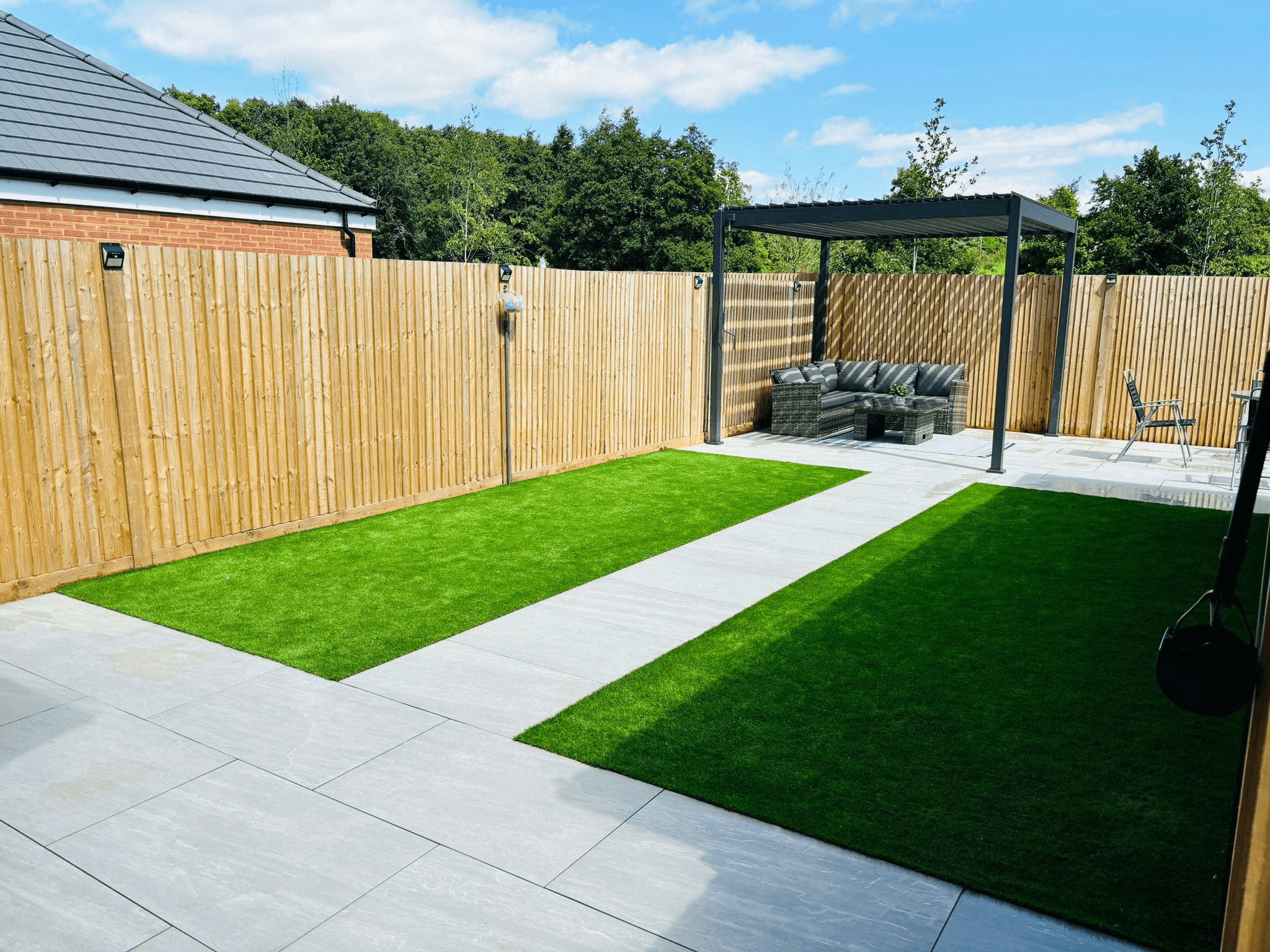 Landscaping & gardens project 1
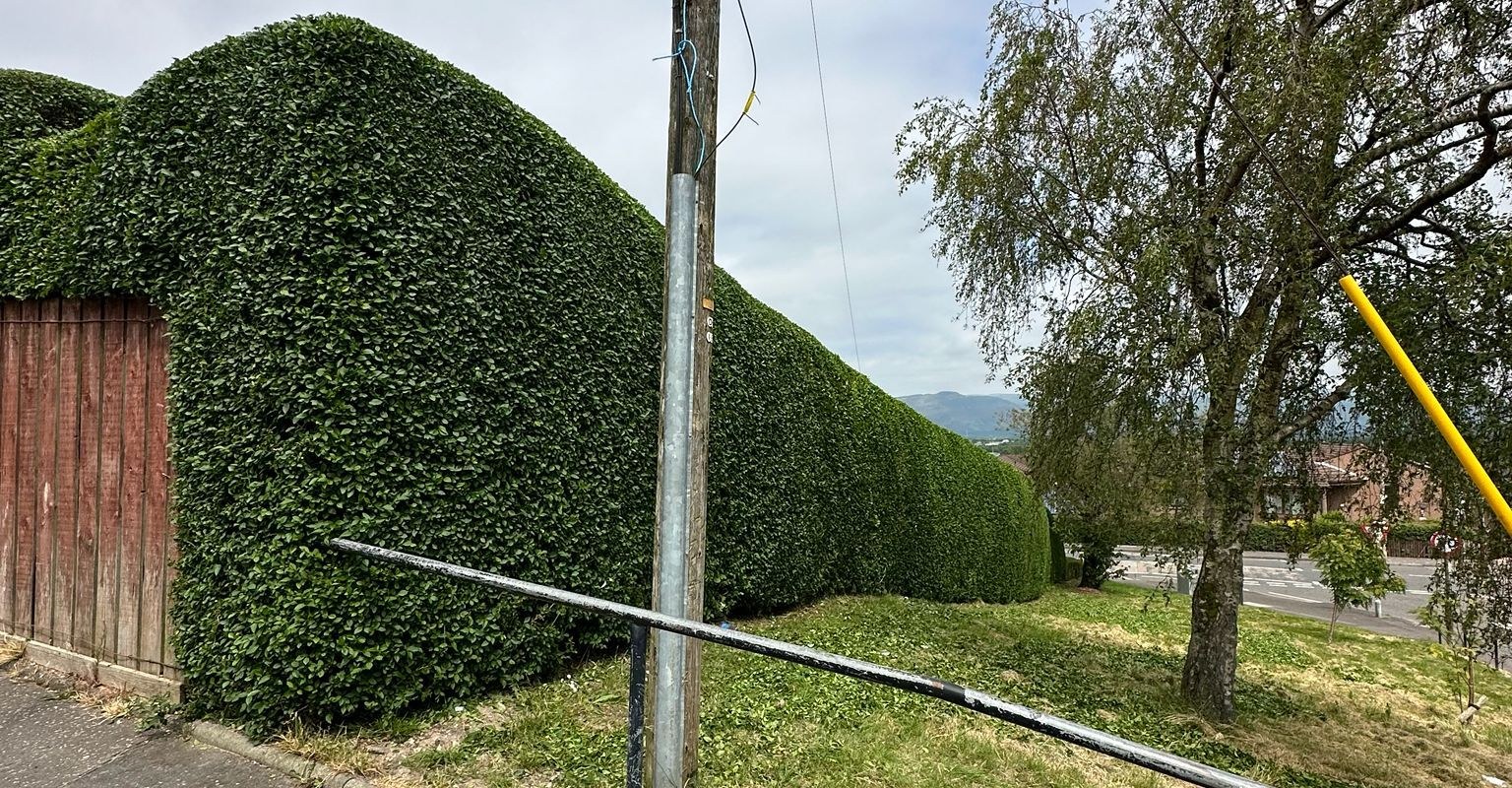 Landscaping & gardens project 1
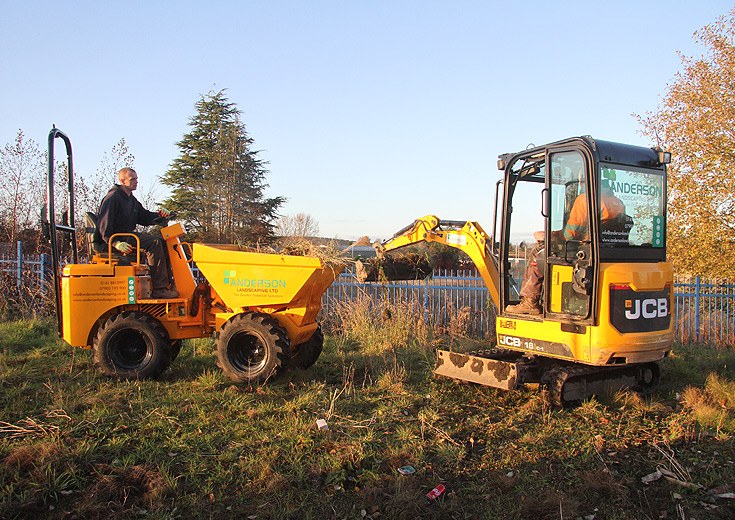 Landscaping & gardens project 1
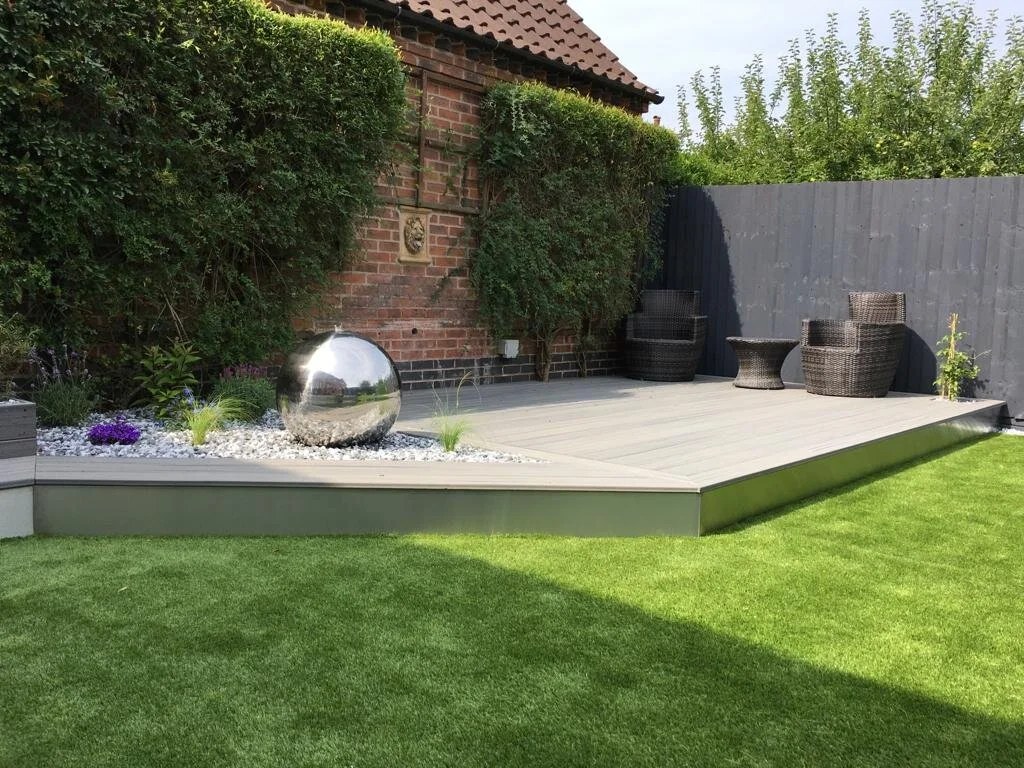 Landscaping & gardens project 1
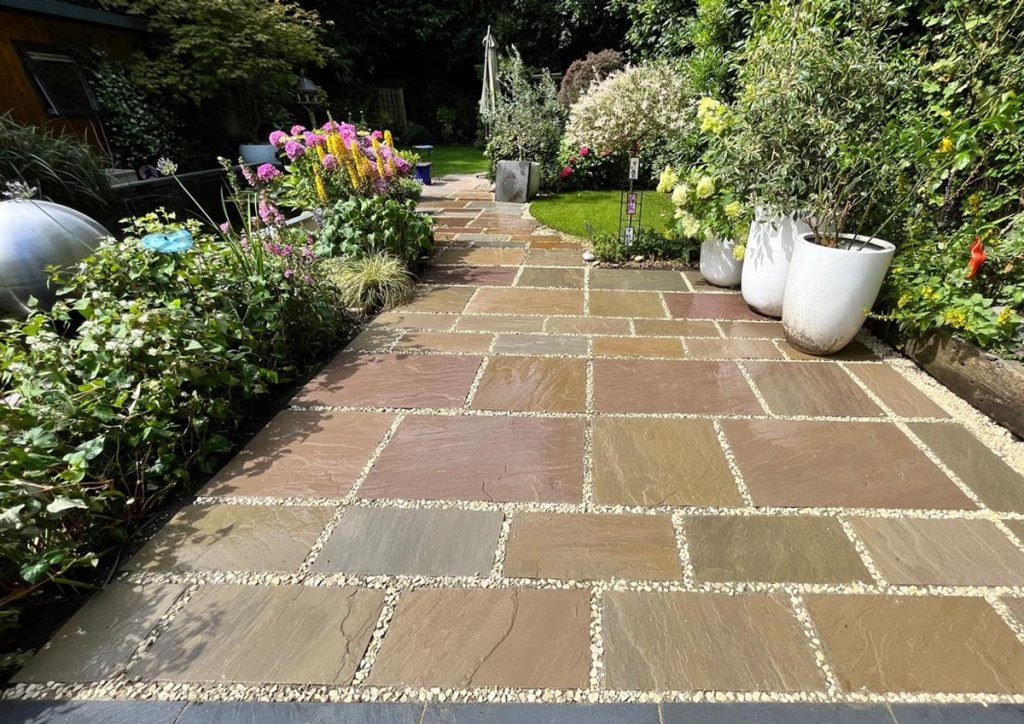 Landscaping & gardens project 1
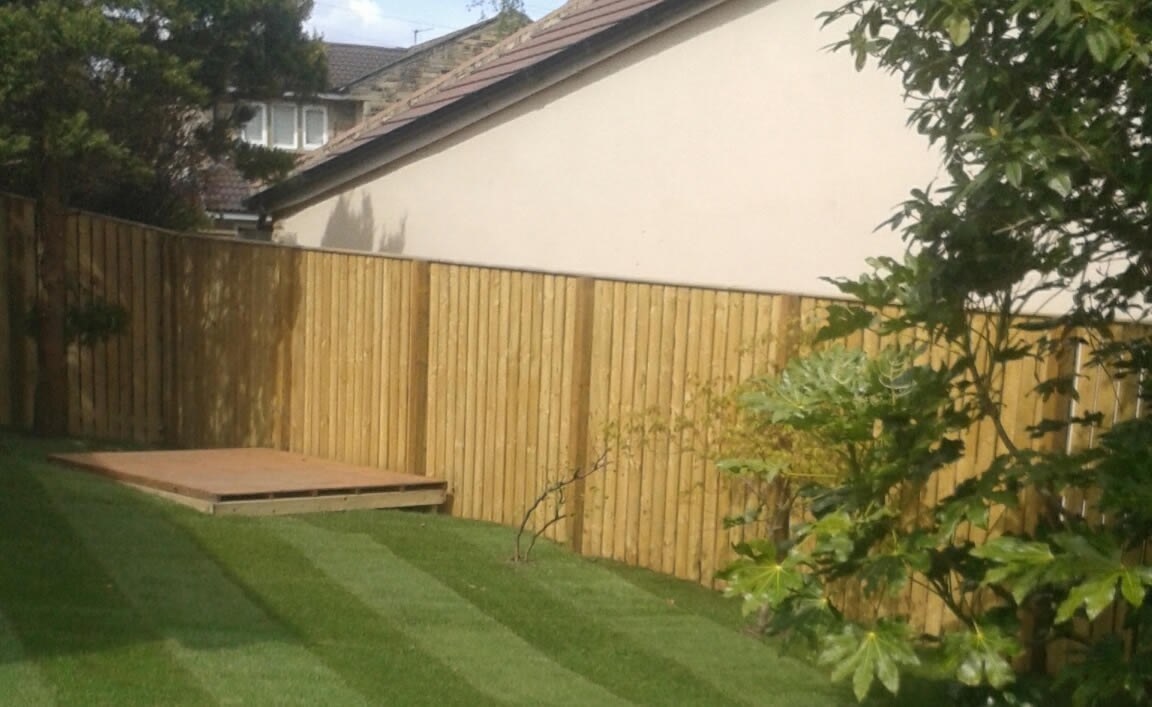 Fence installation project 1
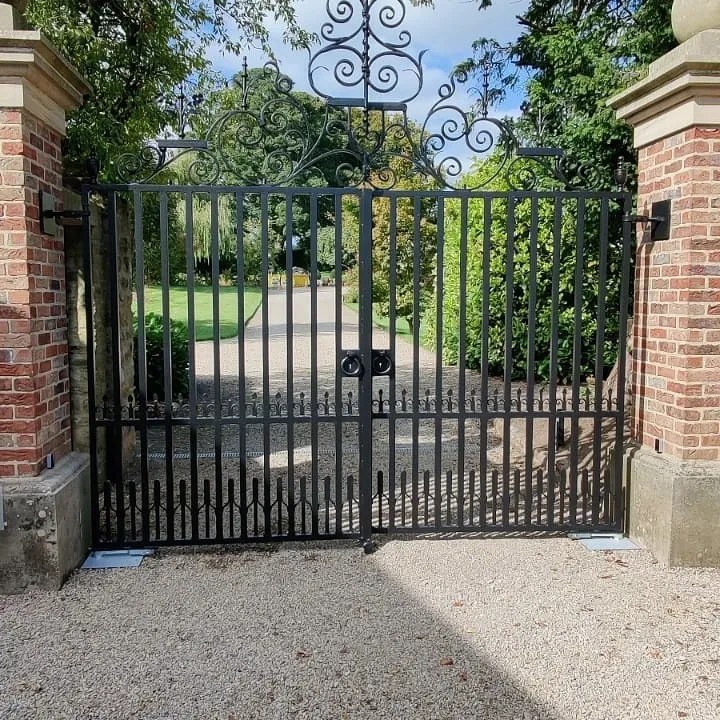 Gates project 1
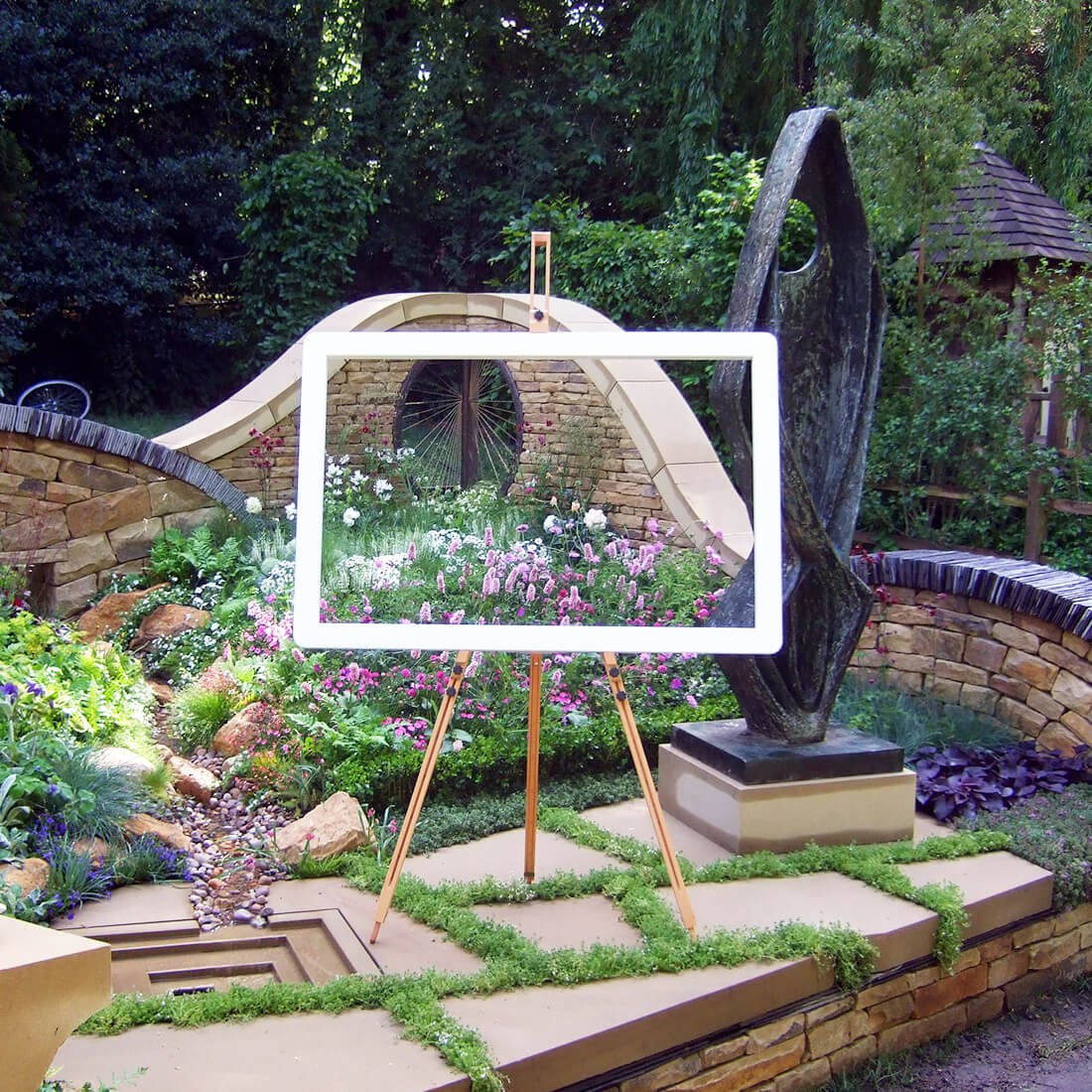 Chelsea frame square
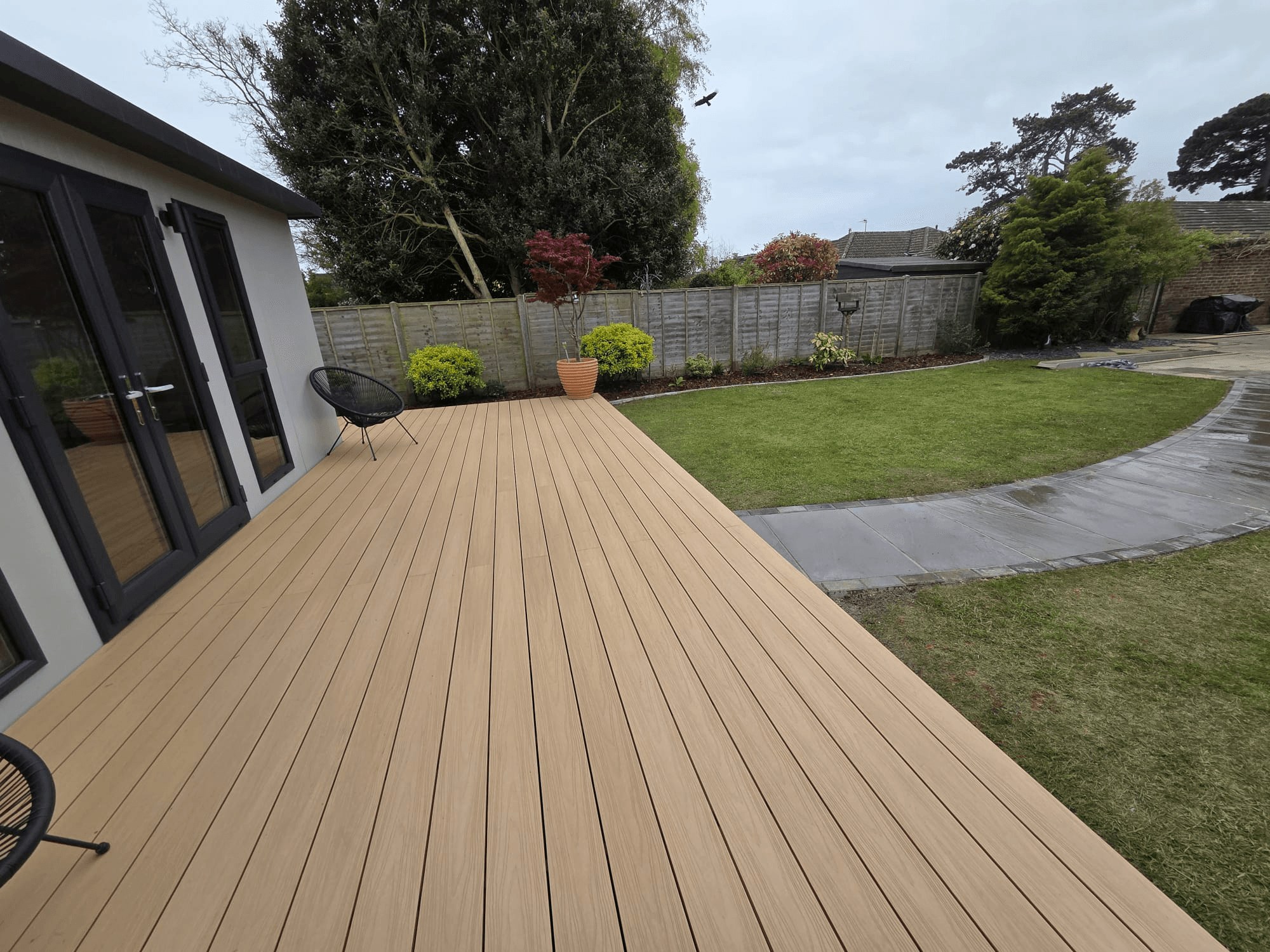 Landscaping & gardens project 2
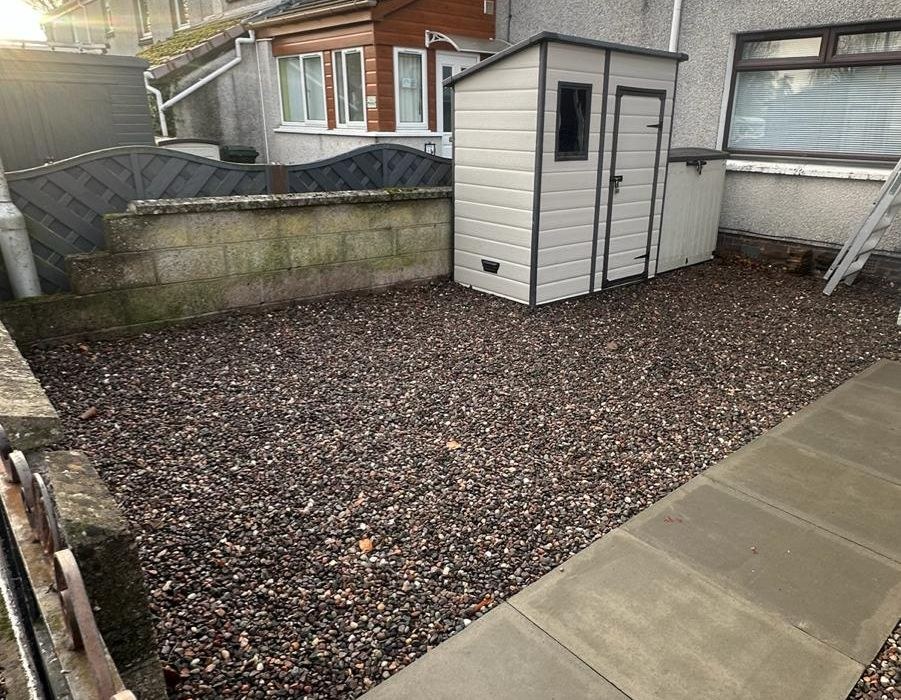 Landscaping & gardens project 2
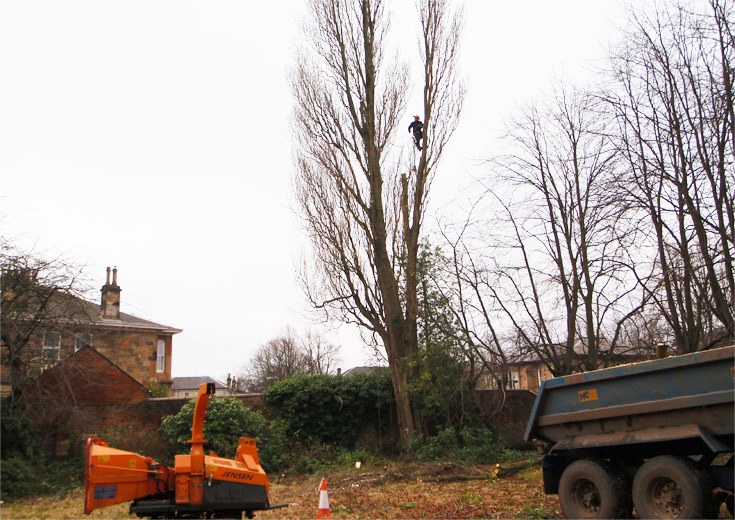 Landscaping & gardens project 2
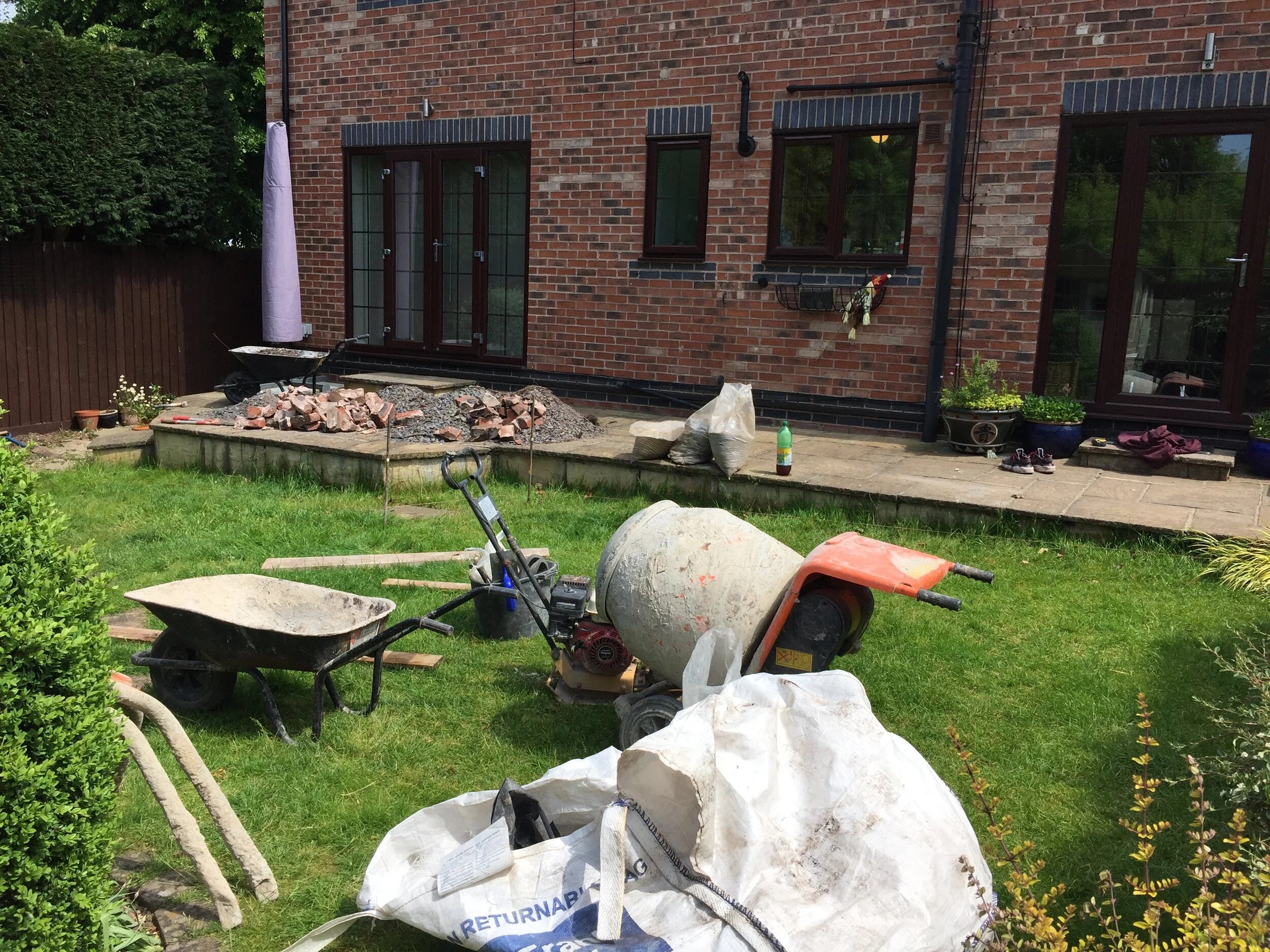 Landscaping & gardens project 2
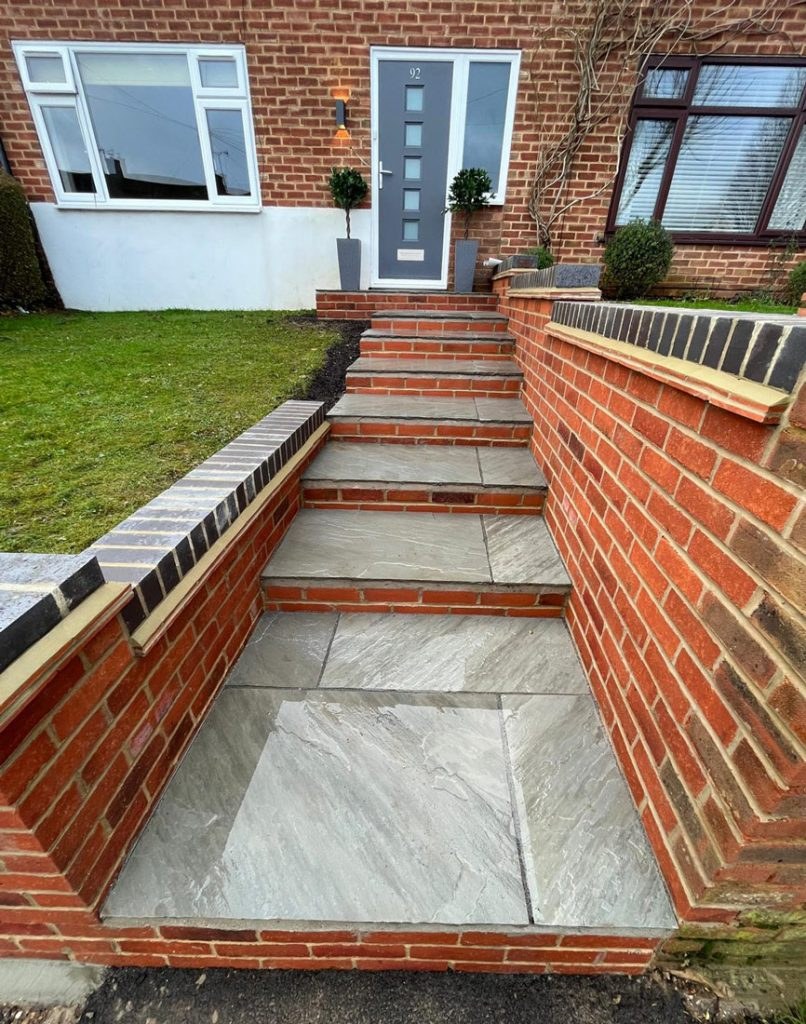 Landscaping & gardens project 2
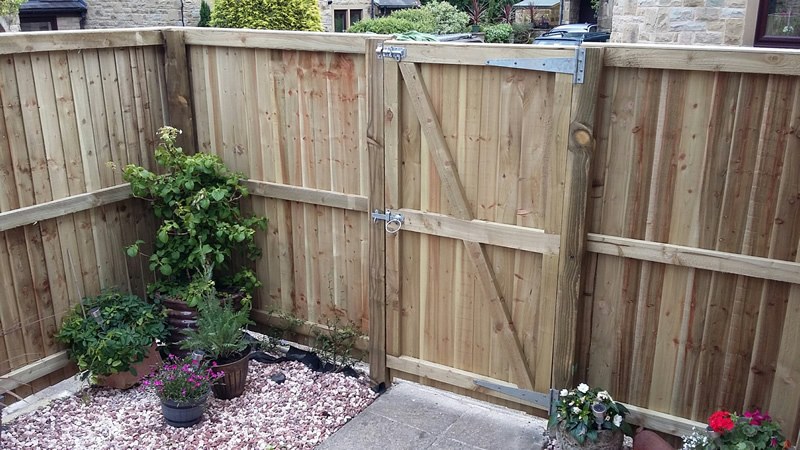 Fence installation project 2
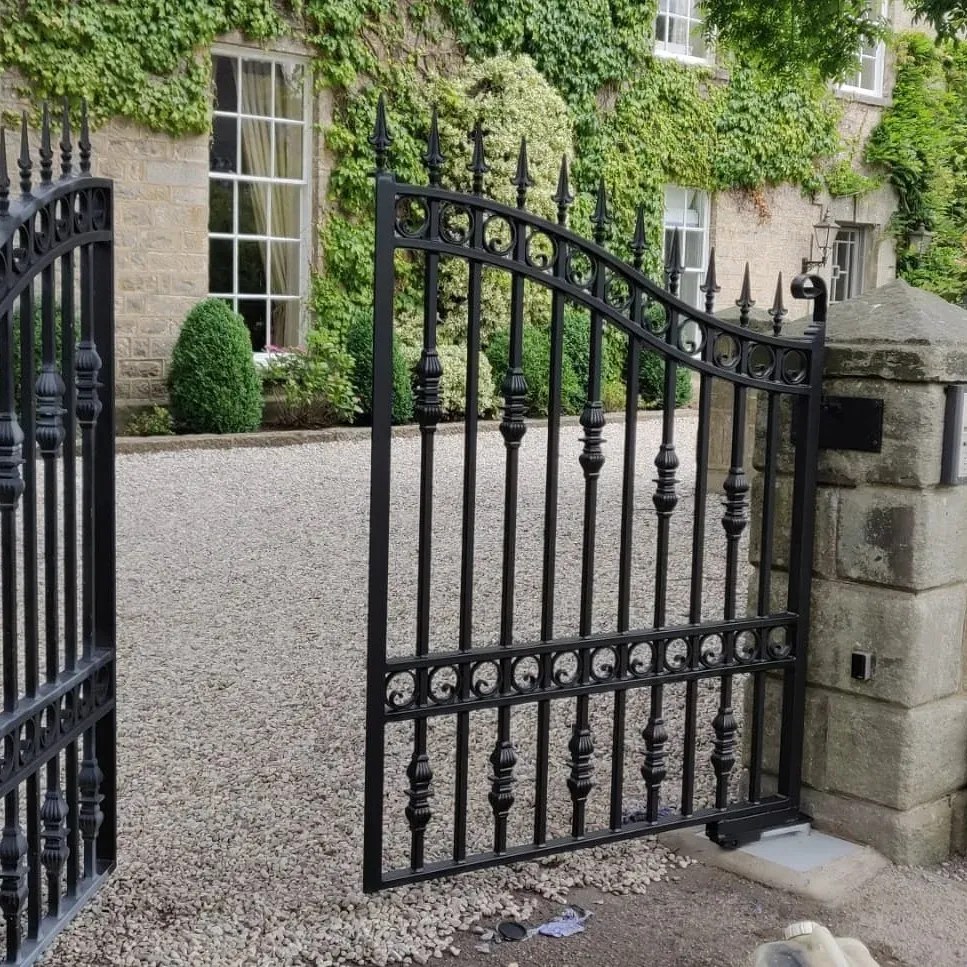 Gates project 2
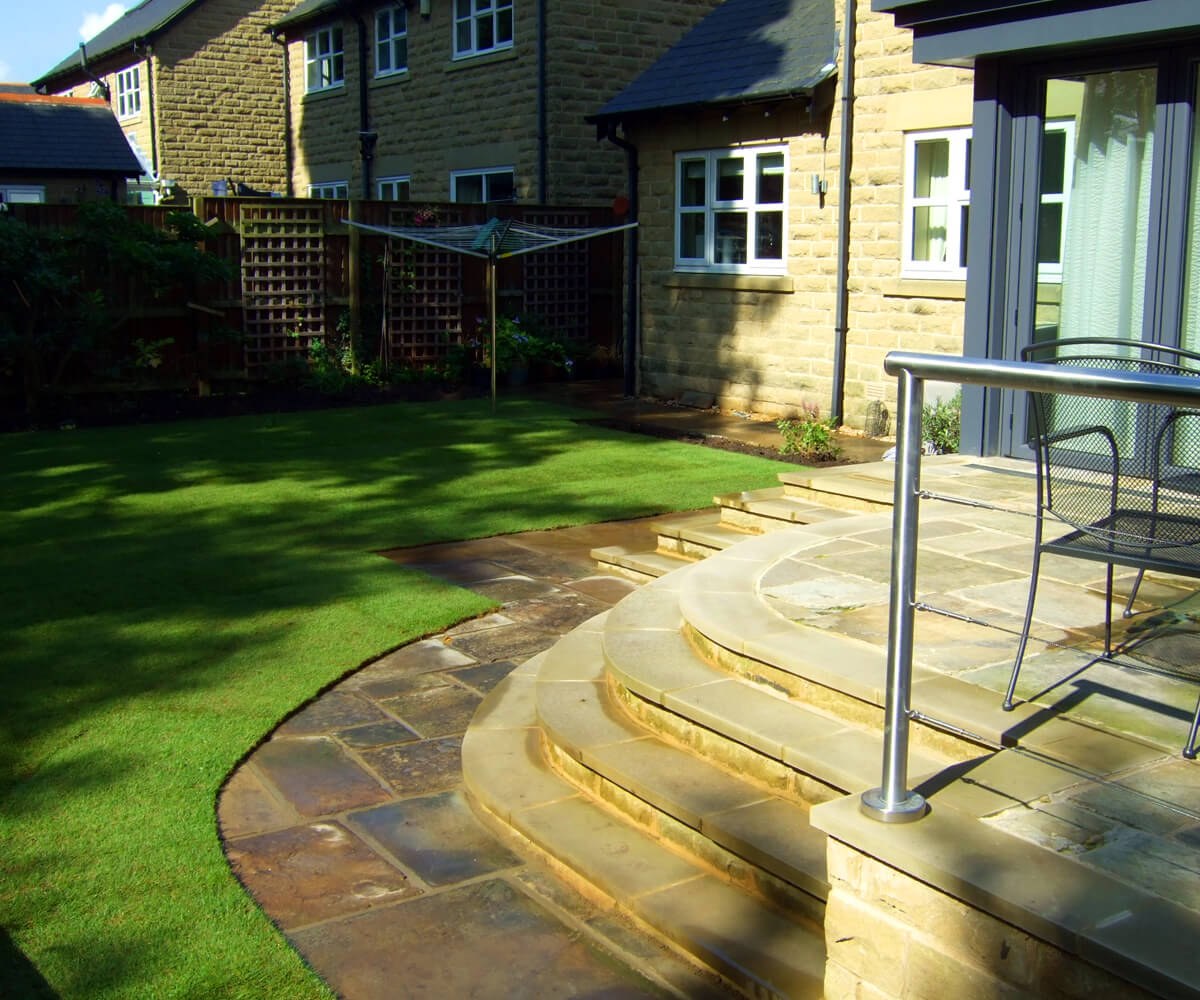 Six large carousel src