Exterior painting quotes
Peeling, cracking or faded external paint usually signals that the coating has reached the end of its useful life or that moisture is entering the surface. Exterior painting involves cleaning, repairing, priming and recoating walls, woodwork or metal so the property looks maintained and exposed materials resist further deterioration.
What this covers
The job starts with inspecting the elevations and identifying failed paint, open joints, rotten timber, rust, algae, loose render or damp-related staining. Surfaces are protected from splashes, dust and falling debris, while plants, paths, windows and neighbouring areas are covered where necessary. The coating is then cleaned by an appropriate method, with loose material scraped or removed without damaging the substrate.
Repairs follow: cracks may be opened and filled, masonry joints made good, timber spliced or replaced, and rust treated on suitable metalwork. Bare or repaired areas receive the primer or stabilising treatment specified for that surface. External walls, trim and metalwork are coated separately where their movement, porosity and exposure differ. Edges, joints and awkward details need controlled brushing, while larger sound areas may suit rollers or spray application where masking and access make that practical. Final checks look for missed sections, runs, weak coverage and unprotected surfaces.
How the work is done
The provider normally begins by inspecting each elevation, noting substrate, coating failure, access, weathering and repairs. You should receive a scope identifying areas included and defects excluded or priced separately. Before preparation, windows, doors, paving, planting and nearby property are protected, and access equipment is positioned where safe working cannot be achieved from ground level.
Cleaning removes dirt, algae, loose paint and chalking by a method suited to the substrate. Scraping, sanding or controlled washing may expose cracks, failed sealant, rotten timber or rust. Repairs are completed and allowed to dry sufficiently. Bare masonry, timber or metal then receives the specified primer, stabiliser or corrosion treatment. The main coats are applied with attention to coverage, edges, joints and changes between materials.
A final inspection checks colour consistency, adhesion risks, runs, splashes, missed trim and disturbed protection. Waste and coverings are removed, while outstanding repairs or areas unsuitable for coating should be recorded rather than concealed.
What affects the cost
The main cost drivers are the total paintable area, the number of separate surfaces and the condition found beneath the existing finish. A straightforward repaint of sound, accessible walls needs less preparation than elevations with peeling layers, deep cracks, algae, failed render, rotten joinery or corroded metal.
Height and access have a direct effect. Scaffolding, towers, lifting equipment, restricted passages and protection for neighbouring surfaces add planning, setup and dismantling work. Roof pitch, dormers, awkward gables and fragile surfaces can make access slower or require a different method. Listed or traditionally built properties may need more careful material selection and repair rather than an unsuitable modern coating.
A useful quotation should identify preparation, repairs, primers, number of coats, materials, access, protection, waste removal and making good. Check whether timber replacement, render repairs, sealant, scaffold alterations and additional coats are included or treated as variations after preparation exposes hidden defects.
Before you hire
Job-specific competence shows in the inspection, not just the finished colour. A capable provider distinguishes chalking from loose paint, surface algae from damp staining, and cosmetic cracks from movement or failed joints. They should explain why a masonry, timber or metal system is suitable, identify where primer or stabiliser is needed, and separate repair work from coating work. Look for a written scope covering access, protection, preparation, repairs, coats and making good, plus clear records of areas that could not be painted safely or soundly.
Recent work
 Painting & decorating project 1
 Painting & decorating project 1
 Painting & decorating project 1
 Painting & decorating project 1
 Painting & decorating project 1
 Painting & decorating project 1
 Painting & decorating project 1
 Painting & decorating project 1
 Painting & decorating project 1
 Painting & decorating project 1
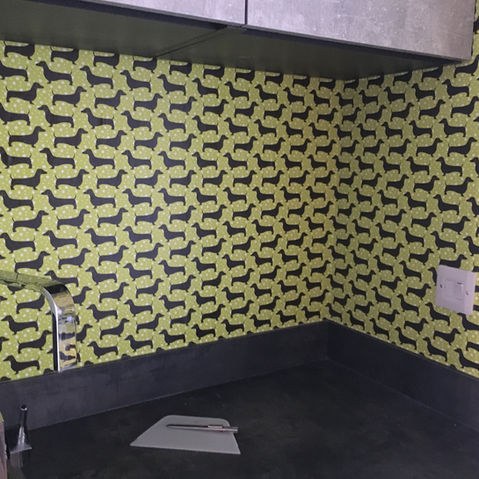 Painting & decorating project 1
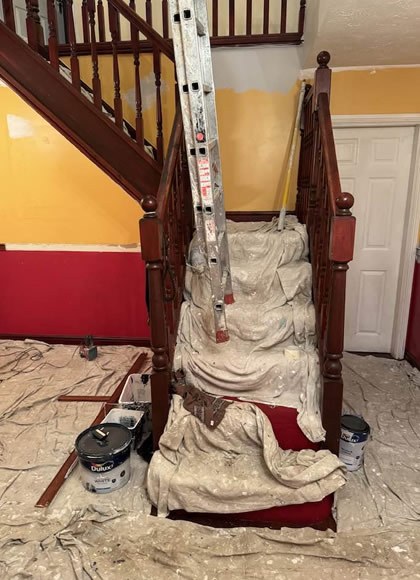 Painting & decorating project 1
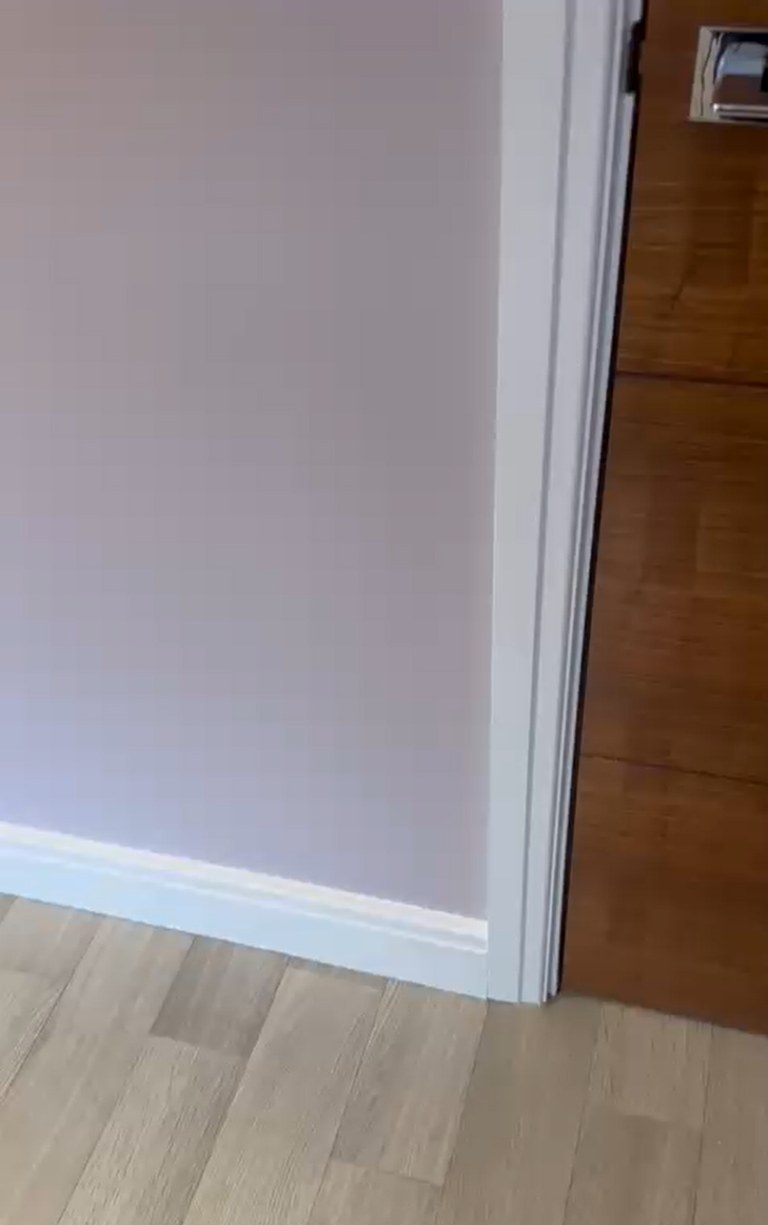 Painting & decorating project 1
 Painting & decorating project 1
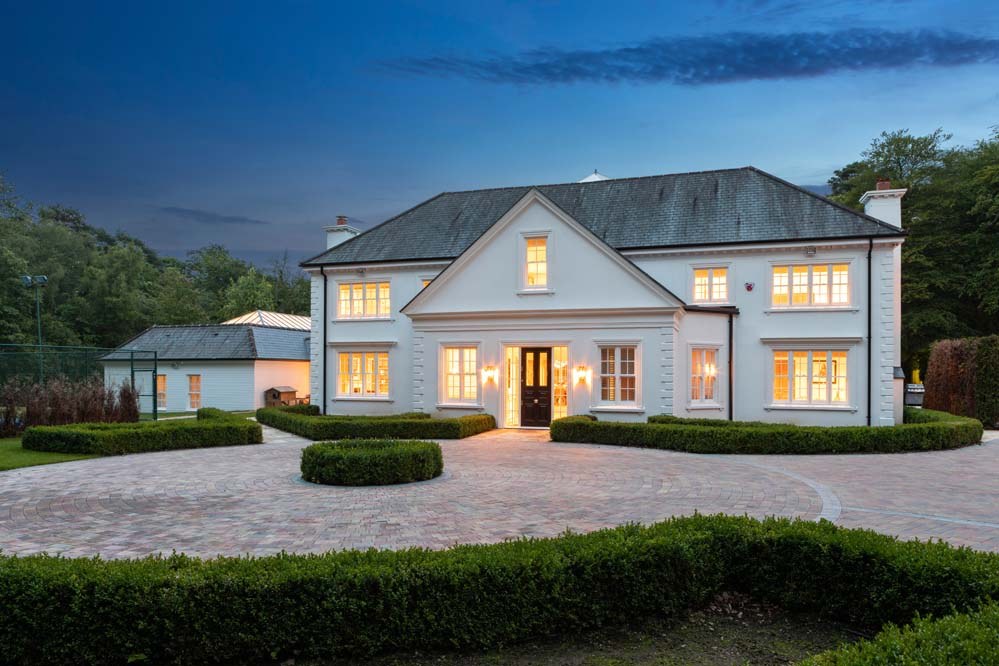 Painting & decorating project 1
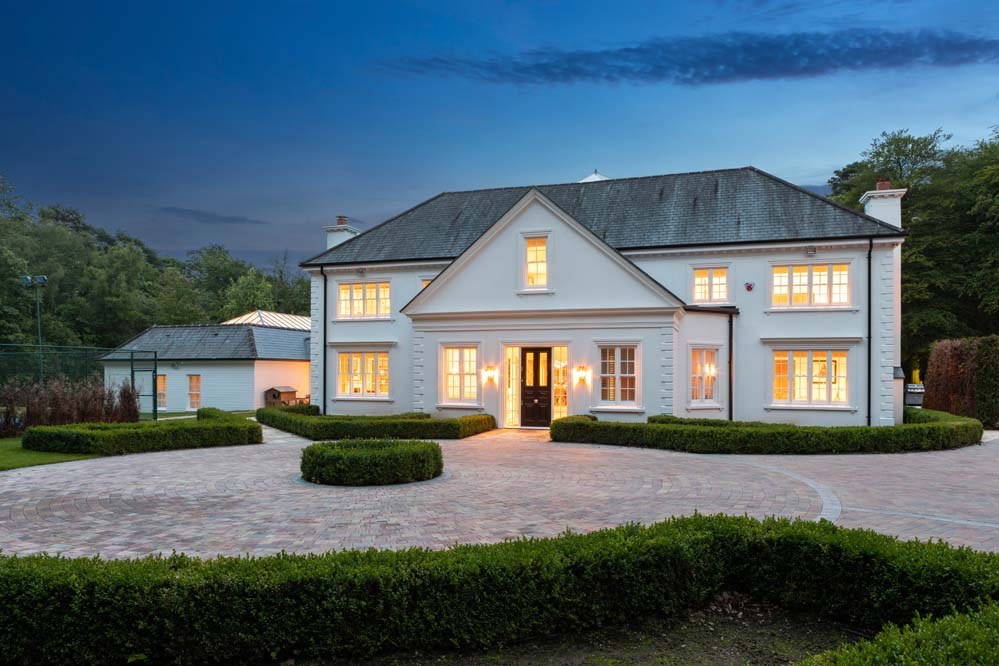 Painting & decorating project 1