Event staffing quotes
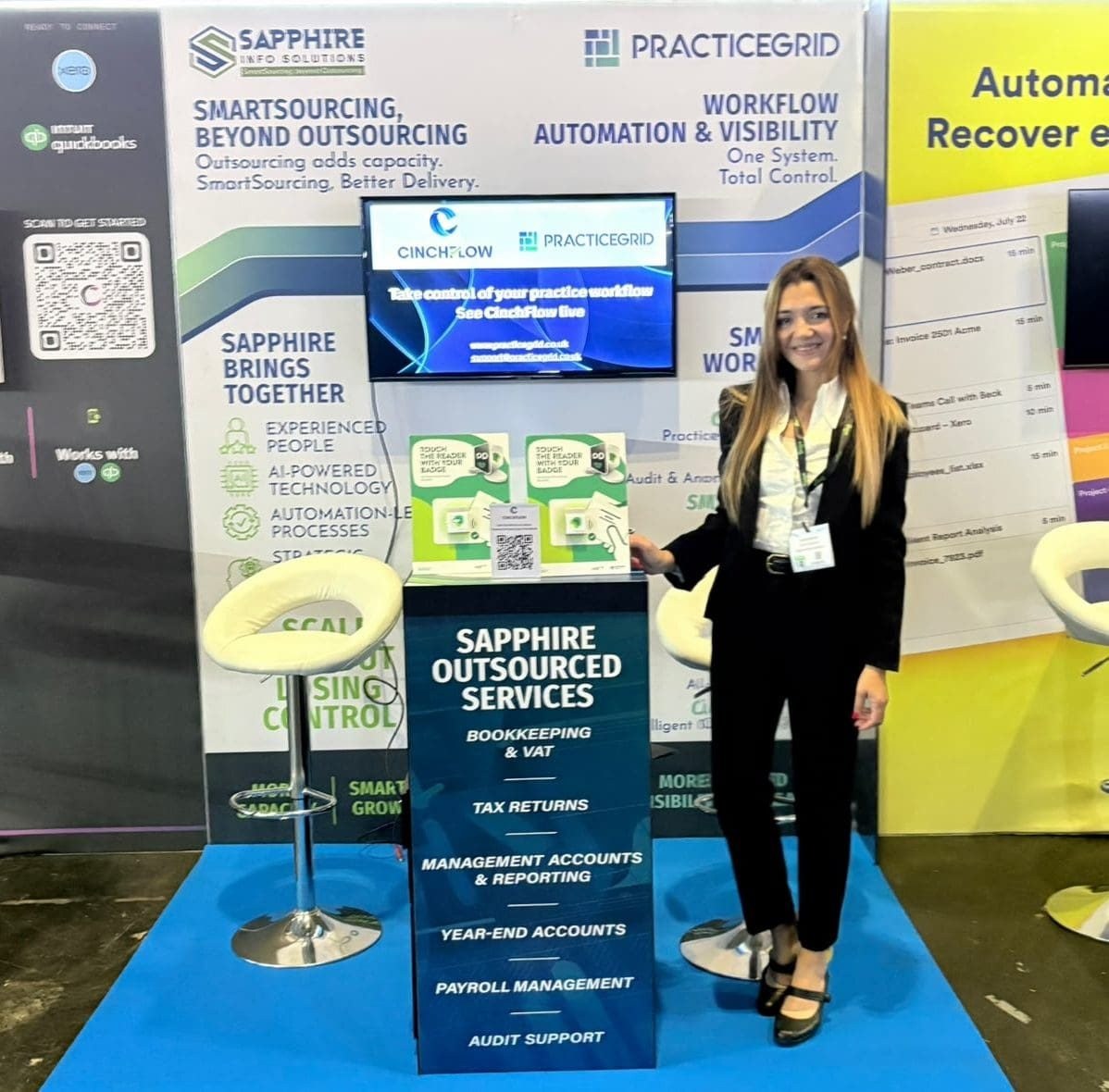
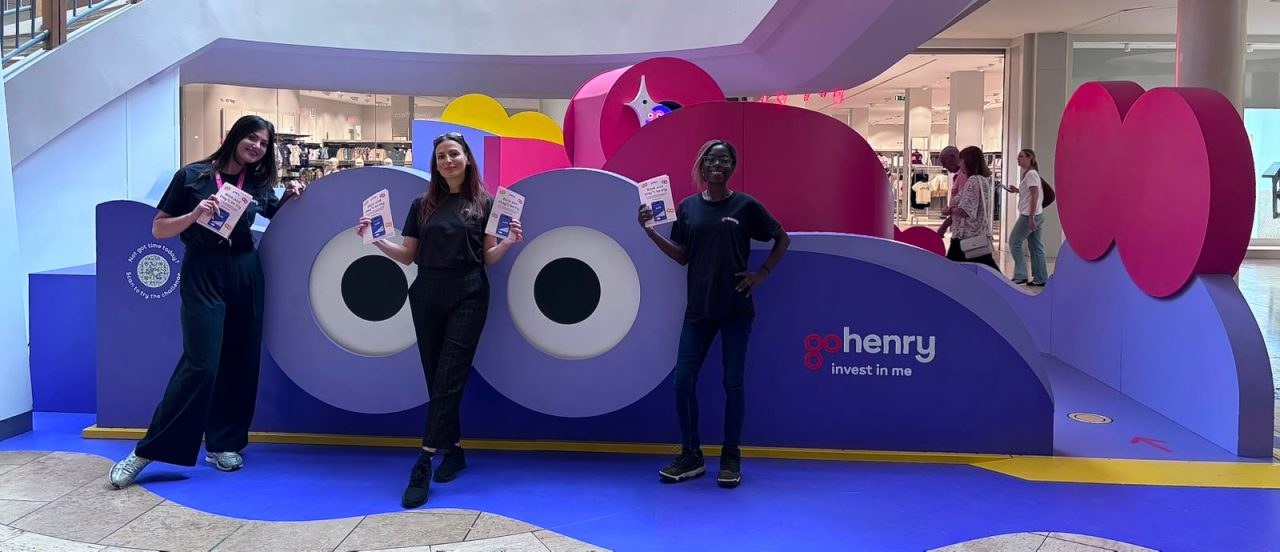
Book event staffing when visitor flow, guest service or operational cover exceeds your existing team. Staff may welcome guests, check tickets, manage queues, support exhibitors, serve hospitality areas, supervise access points or help close the venue safely. A suitable brief matches people and duties to the event.
What this covers
Event staffing supplies people to carry out defined operational, guest-facing or support duties before, during and after an event. The work starts with a staffing brief covering the venue, dates, shift pattern, access arrangements, dress expectations, tasks, reporting lines and likely changes. Staff may prepare registration desks, place signage, check invitations, scan tickets, direct visitors, answer practical questions, control queues, support disabled access, replenish hospitality points or assist exhibitors.
During opening, supervisors allocate positions, monitor attendance and respond to incidents or changing visitor flow. Individual workers remain responsible for their assigned area while escalating problems that exceed their authority. After closing, teams may count equipment, clear guest areas, manage departures, support contractors and report lost property or damage. The scope can therefore include planning and coordination as well as visible floor work.
Event staffing is not a substitute for specialist security, medical cover, licensed bar staff or technical production unless those capabilities are specifically included. The brief should identify where one role ends and another begins, particularly around access control, alcohol service, manual handling and emergency procedures.
How the work is done
The process begins with a call or written brief covering the venue, event format, audience, operating hours, access arrangements and every duty requiring cover. The provider then maps positions against the floor plan and running order, separating guest service from stewarding, hospitality, technical or security responsibilities.
Next, suitable workers are allocated to roles and a supervisor is appointed where coordination is needed. Before arrival, the team receives instructions on presentation, reporting lines, check-in, breaks, escalation routes, prohibited actions and any venue-specific information. At the venue, staff sign in, collect identification or equipment, inspect their stations and attend a briefing with the organiser or venue contact.
During the event, workers remain at agreed posts, guide visitors, manage queues, support programmed changes and report incidents rather than improvising beyond their remit. The supervisor checks coverage and redistributes staff when conditions change. At close, the team assists with departures, clears assigned areas, returns equipment and records outstanding issues.
What affects the cost
The main cost drivers are the number of positions, total staffed hours and the skill required for each duty. A registration assistant, hospitality worker, steward, supervisor and specialist operator should not be treated as interchangeable roles. Costs rise when the brief involves early setup, late breakdown, split shifts, overnight work, multiple access points or a large site that needs relief cover.
Venue access also matters. Remote loading areas, restricted entrances, security checks, difficult parking or long walks between staff facilities and posts can add paid time or require a more careful rota. A complex running order may need a dedicated coordinator rather than extra general staff. Branded clothing, radios, ticketing equipment, catering support, travel arrangements and training should be identified separately if supplied by the provider.
Ask whether the quote includes briefing, supervisor cover, breaks, replacement arrangements, expenses, VAT, equipment, cancellation terms and post-event reporting. Compare like-for-like duties and hours, not just the headline rate.
Before you hire
Useful evidence is a brief that translates the running order into named posts, duties, handovers and escalation routes. Ask how the provider distinguishes guest service from security, medical, technical and licensed hospitality responsibilities. Competent teams can explain their briefing method, supervisor coverage, attendance checks, replacement process and incident reporting without promising that every situation can be handled by general event staff.
Look for role-specific experience with the venue type and audience, familiarity with ticketing or registration systems where relevant, and examples of managing changing queues or room movements. The quote should identify who coordinates the team on site and what the organiser must supply.