EV charger installation quotes
Arrange EV charger installation when home charging is limited by unsuitable wiring, awkward parking access or reliance on public charge points. A qualified installer assesses the supply, selects a compatible unit, fits protective equipment and tests the completed connection so your vehicle can charge safely at the property.
What this covers
The work normally starts with an assessment of the parking space, charger position, cable route, consumer unit and available electrical capacity. The installer checks whether the existing installation can support the intended load, identifies the earthing arrangement and considers how the cable will cross walls, floors, drives or outbuildings. They then agree the charger location and method of protecting the circuit from faults, weather and accidental damage.
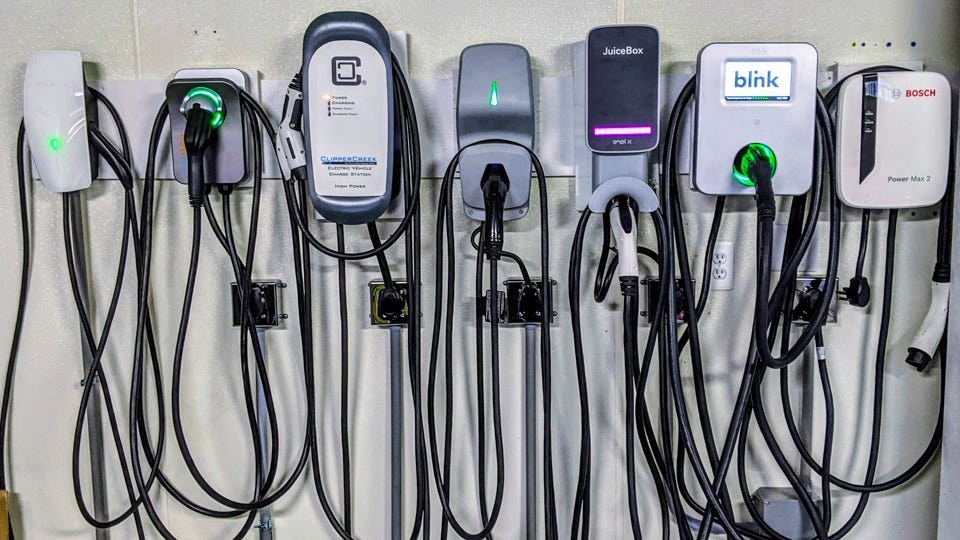
Physical installation can include mounting the charge point, drilling through masonry, fitting conduit or trunking, routing cable internally or externally, connecting a dedicated circuit and installing associated protective devices. A detached garage may require a longer route or underground ducting; a flat or shared car park may need permission and a carefully controlled cable path. The installer should configure the unit for the vehicle and supply, test the circuit, check charging operation and explain isolation, controls and fault indicators. Making-good, labels, app setup and disposal of packaging should be clear in the scope.
How the work is done
The installer first discusses the vehicle, usual parking position, preferred charger location and charging habits. They inspect the consumer unit, meter position, earthing arrangement, cable route and any outbuilding or shared-access constraints. The survey should identify work outside the standard wall-mounted installation, including trenching, access equipment, remedial wiring or permissions.
Next, the proposed route and equipment are agreed. The circuit is isolated before connections are made; cable is drilled, clipped, enclosed or buried according to the property and exposure. The charge point is mounted securely, its supply is connected through the planned protective equipment and external entries are sealed. The installer then configures the unit, including available load-management settings where appropriate.
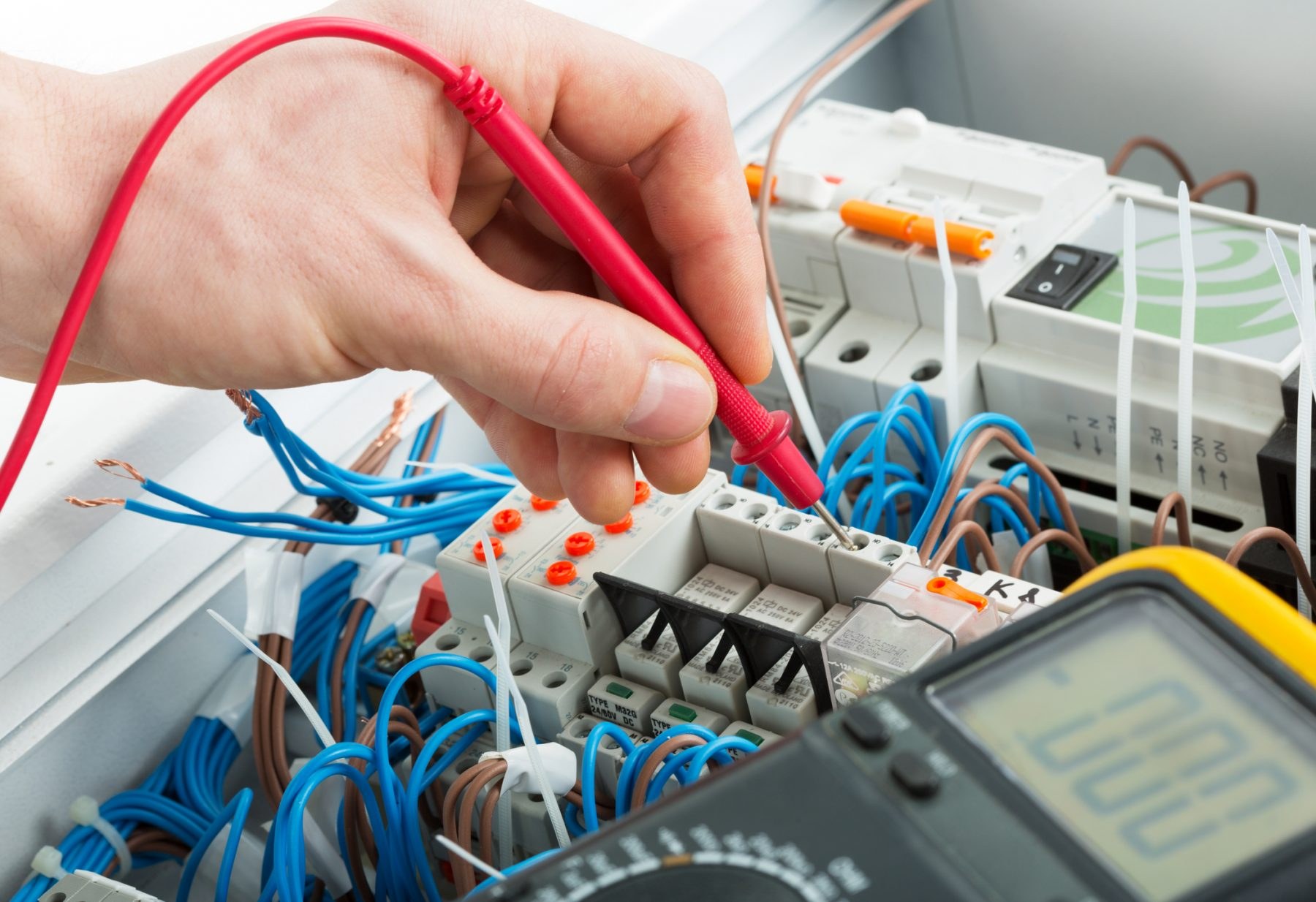
Testing follows connection. The installer checks continuity, insulation, polarity, protective operation and charger communication as applicable, then performs a controlled charging test. Finally, they explain the isolator, indicator lights, app or RFID controls, reset procedure and routine checks, while documenting what was installed and any limitations.
What affects the cost
The main cost drivers are the distance between the consumer unit and charger, the number of walls crossed, and whether the route is internal, surface-mounted, concealed or underground. A detached garage, separate parking area or shared car park can require longer cable, ducting, excavation, reinstatement or additional protection.
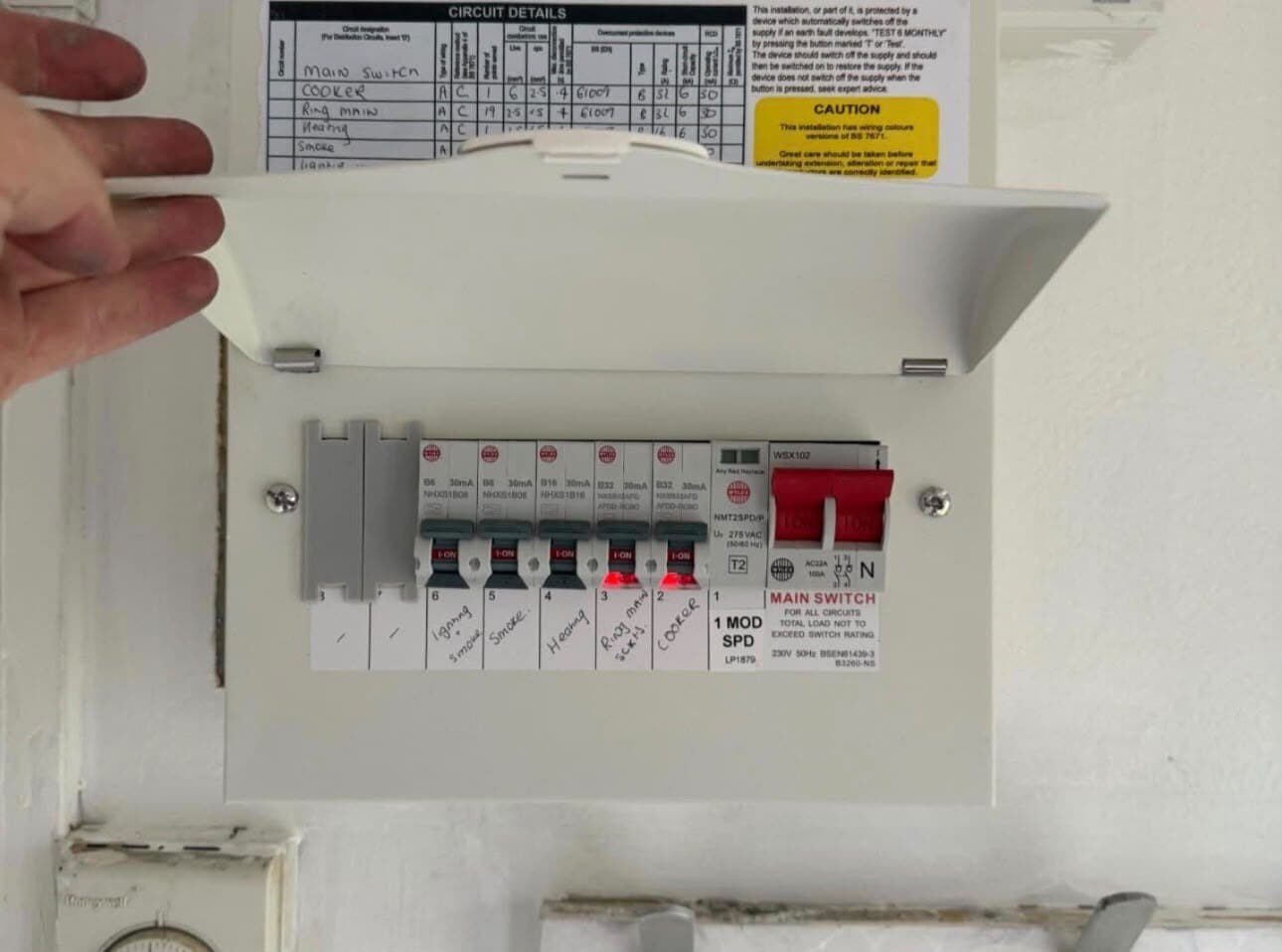
The electrical condition of the property also matters. An older consumer unit, unsuitable earthing arrangement, limited capacity, inaccessible meter position or need for remedial work can expand the scope before the charger is connected. Extra work may include replacing damaged wiring, improving the mounting surface, fitting an external isolator or accommodating load management.
The quotation should state the charger model, cable length allowance, protective equipment, route, drilling, trenching, making-good, testing, commissioning and waste disposal. App setup, grant administration where relevant, access arrangements and any exclusions should also be visible. A lower initial figure may not represent the same scope if it omits surface finishes, outbuilding routes or electrical alterations.
Before you hire
Job-specific competence shows in the survey questions: the installer should discuss earthing, protective-device coordination, load management, cable route, weather exposure and the vehicle’s connector requirements. Their quotation should distinguish a standard wall installation from trenching, consumer-unit alterations or work at a detached garage.
Look for a clear testing and commissioning process, secure mechanical fixing, sealed penetrations and an explanation of fault indicators. A technically credible provider can describe what happens if the existing supply cannot accept the proposed load, rather than assuming the charger can simply be connected. They should also identify who is responsible for making-good, documentation, app configuration and future fault reporting.
Recent work
 EV charge point installers project 1
 EV charge point installers project 1
 EV charge point installers project 1
 EV charge point installers project 1
 EV charge point installers project 1
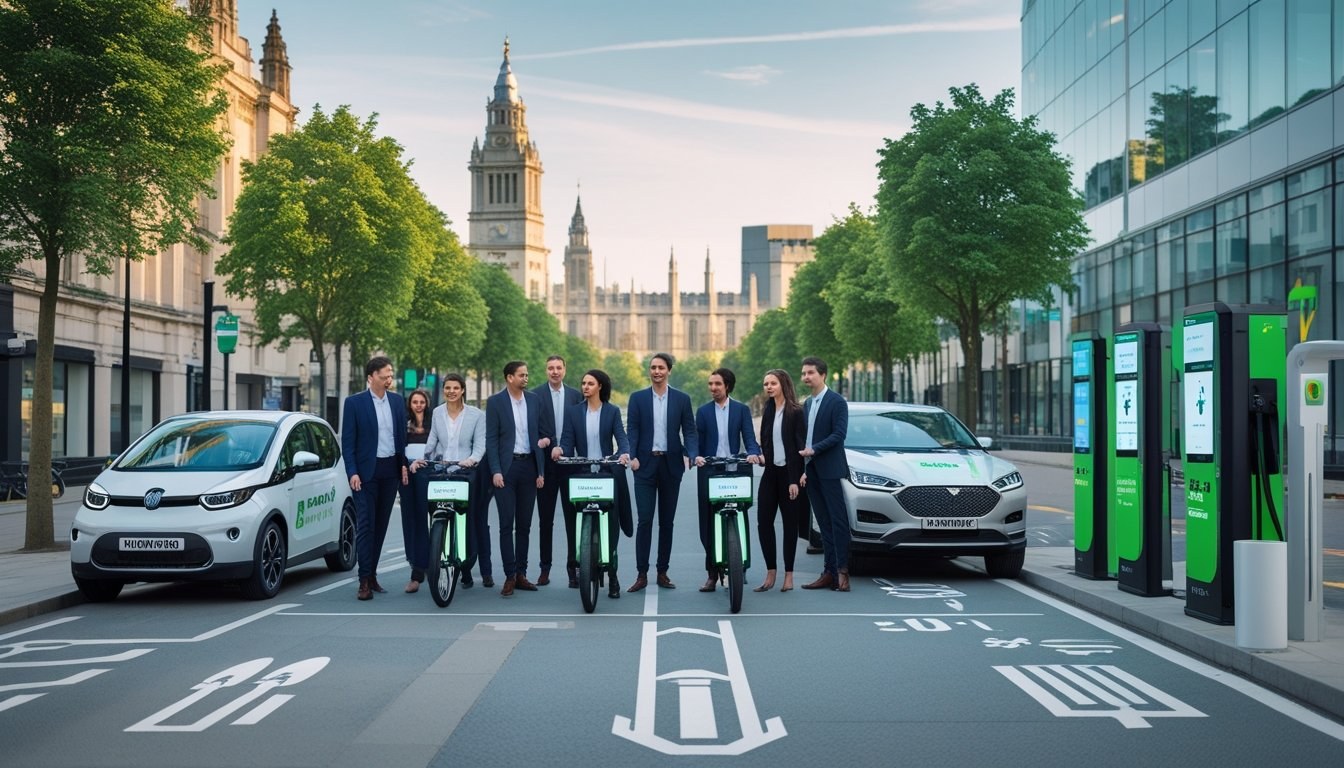 EV charge point installers project 1
 EV charge point installers project 1
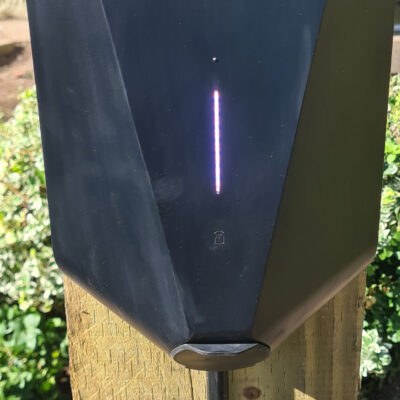 EV charge point installers project 1
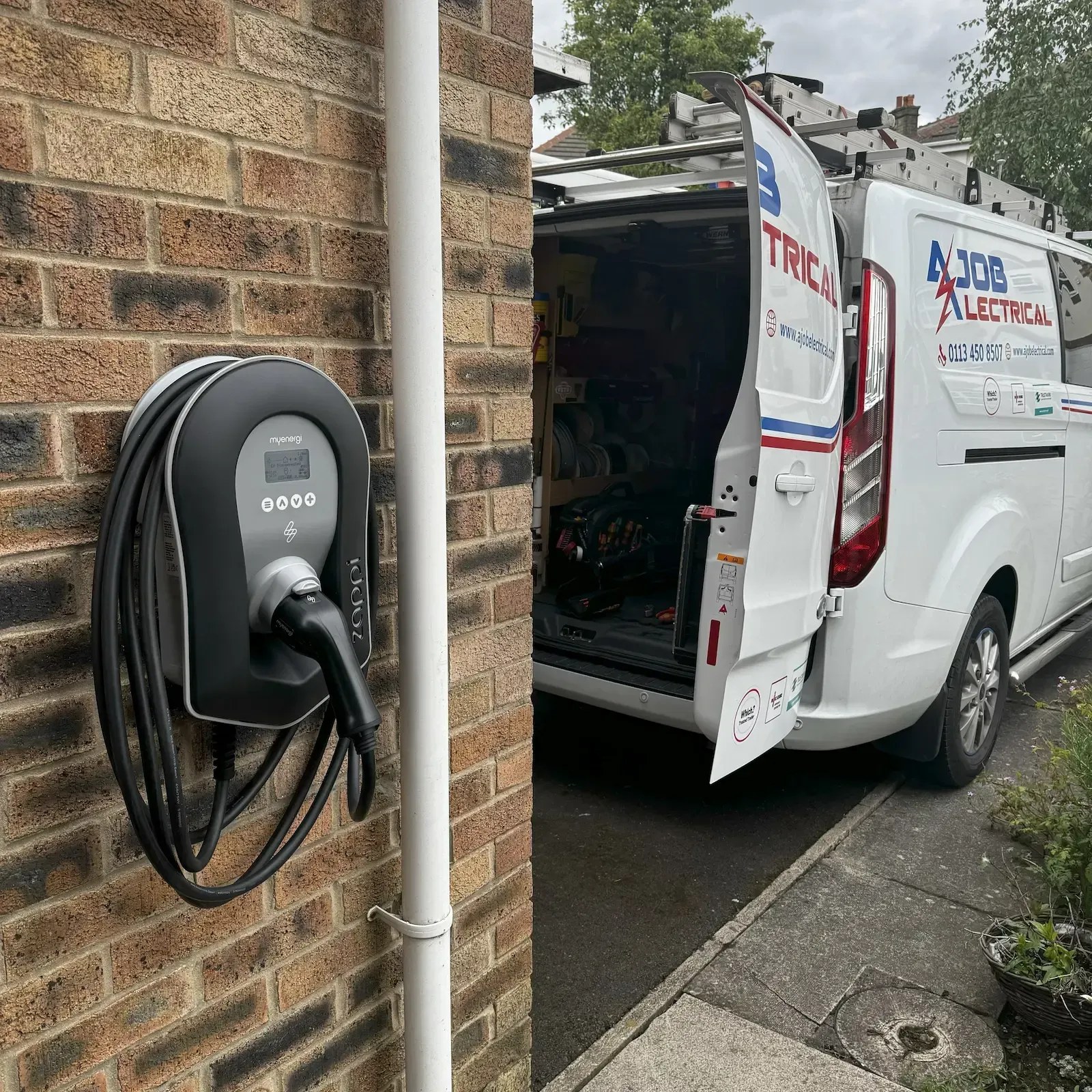 EV charge point installers project 1
 EV charge point installers project 2
 EV charge point installers project 2
 EV charge point installers project 2
 EV charge point installers project 2
 EV charge point installers project 2
 EV charge point installers project 2
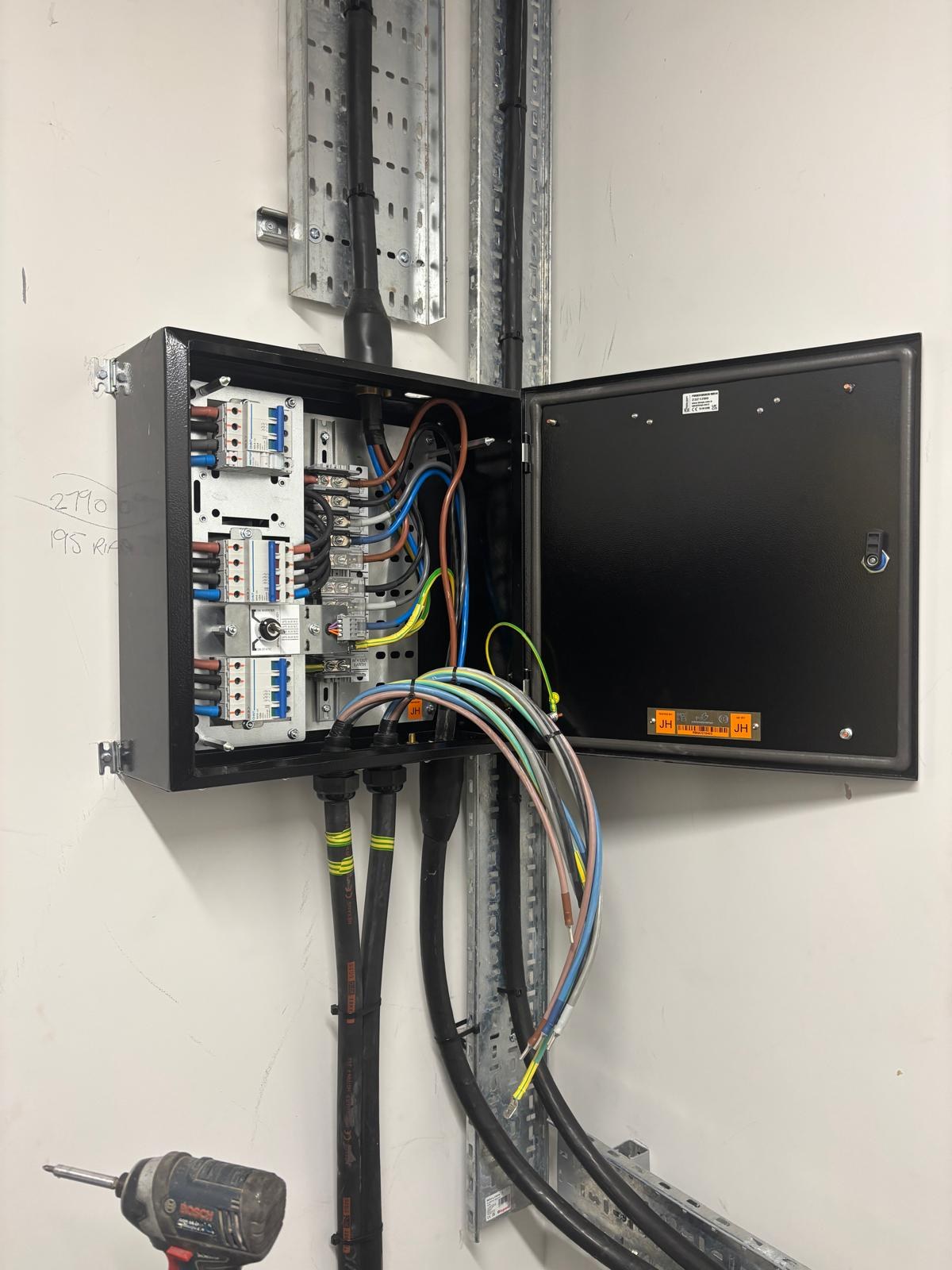 EV charge point installers project 2