EV charge point installers quotes
Choose an EV charge point installer if your home or workplace needs a safe, dedicated charging connection rather than relying on a standard socket. The installer assesses the supply, cable route, mounting surface and parking position, then installs, tests and explains the equipment.
What this covers
The work starts with a site assessment. The installer checks the incoming supply, consumer unit, earthing arrangement, available capacity, parking position, wall construction and the distance between the charger and electrical equipment. They also consider whether the cable must pass through floors, lofts, external walls, paving or shared areas.
After agreeing the position, the installer isolates the relevant circuits, routes suitable cable, protects it from impact and weather, and fixes the charge point to a sound surface. A longer or concealed route may require drilling, clips, conduit, trunking, ground excavation or reinstatement. Where the existing electrical arrangement cannot support the proposed load, the installer may recommend supply alterations, load management or a different charging configuration.
The completed job includes electrical testing, functional checks and instructions for using the charger, controls and app where supplied. The customer should understand which equipment has been installed, how isolation works and what information to retain for future servicing or fault diagnosis.
How the work is done
The installer first discusses the vehicle, charging routine, preferred position and parking arrangement. At the property, they inspect the supply, consumer unit, earthing, wall or post, cable route and any obstacles such as paving, planting or shared access.
They then confirm the charger location and explain consequences of visible conduit, trenching, drilling or changes to existing equipment. Before work begins, relevant circuits are isolated and proved dead. The installer fits protective devices or associated controls where required by the design, runs and secures the cable, makes penetrations weather-resistant and mounts the charger firmly.
If the route crosses ground, they excavate only the agreed area, install suitable protection and reinstate the surface according to the quotation. The final stage is testing: polarity, continuity, insulation, protective operation and charger function are checked as appropriate. The installer powers the unit, pairs any app, demonstrates safe use and gives the customer records, operating information and details of any limitations.
What affects the cost
The main cost drivers are the distance between the supply and charger, the complexity of the route and the condition of the existing electrical installation. A short surface route beside a suitable consumer unit is simpler than wiring through multiple walls, loft spaces, outbuildings or underground paving.
Access also changes the scope. Trenching, lifting and replacing paving, drilling thick masonry, working at height, protecting shared routes and making good decorative finishes all add labour or materials. The charger’s power rating, tethered or untethered design, smart controls and need for load management affect the specification.
Existing capacity matters too. An installer may need to alter protective devices, improve the arrangement around the consumer unit or recommend a managed charging approach. Ask whether the quotation includes the survey, cable, protection, mounting, testing, app commissioning, certification, waste removal, surface reinstatement and explanations. Comparing like-for-like scopes prevents a low headline figure from excluding essential work.
Before you hire
Useful evidence is a survey that discusses supply capacity, earthing, protective devices, cable route and parking behaviour rather than naming a charger alone. The installer should explain why the proposed unit and mounting method suit the property, identify any excavation or making-good, and describe how testing will be completed. Look for clear records of the equipment fitted, circuit arrangements and customer handover. Job-specific competence also shows in the ability to diagnose nuisance tripping, select suitable cable protection and integrate load management without hiding limitations in vague wording.
Recent work
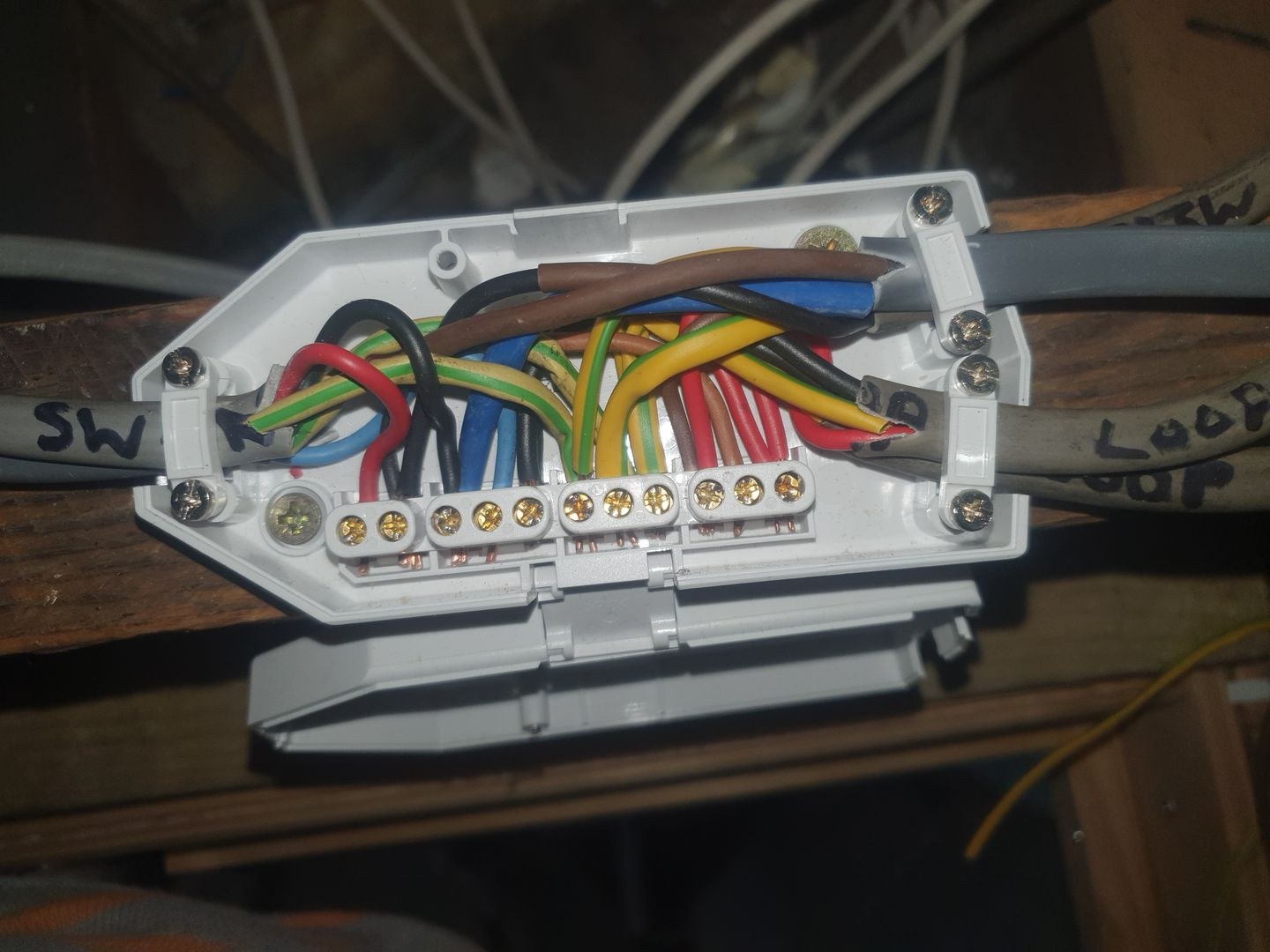 EV charge point installers project 1
 EV charge point installers project 1
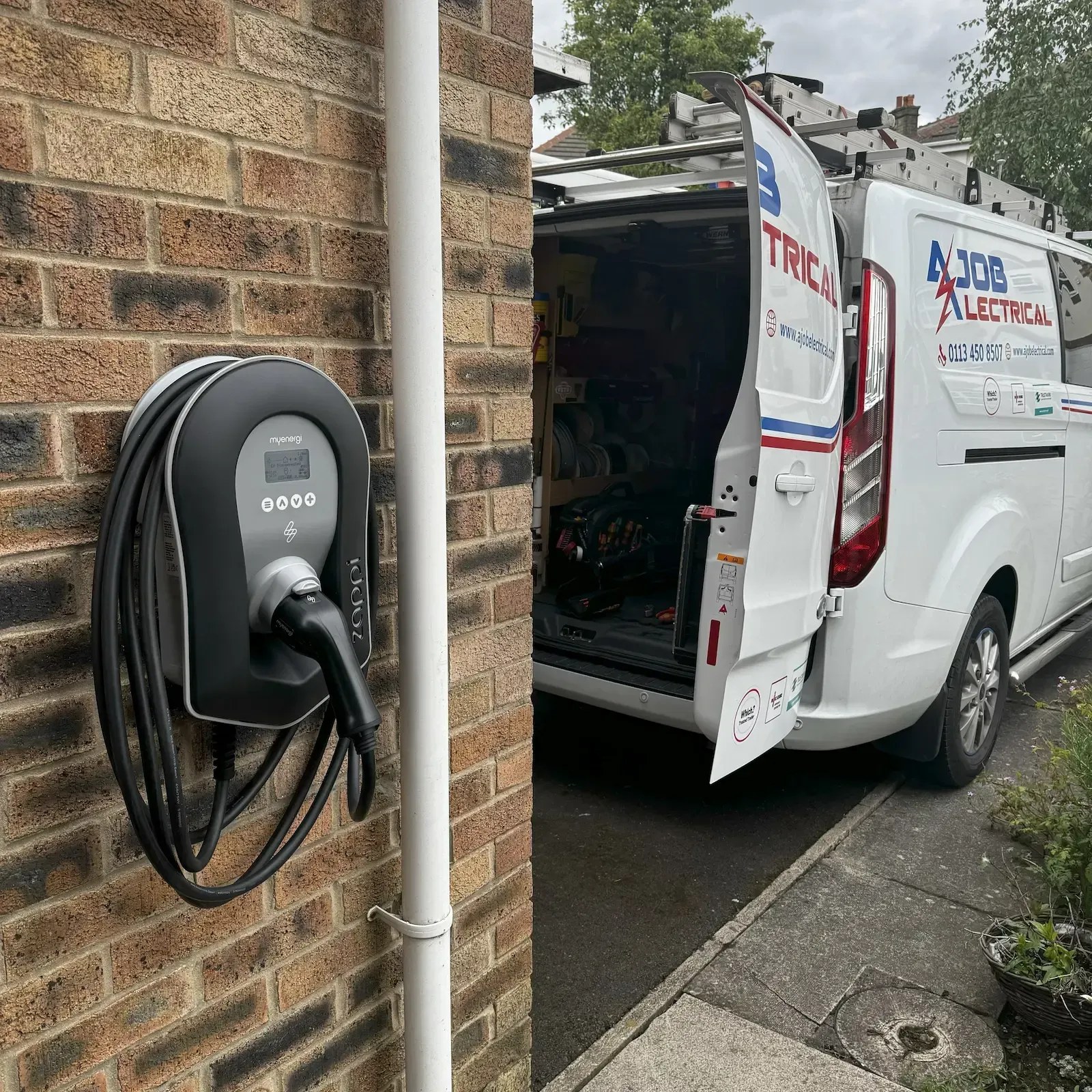 EV charge point installers project 1
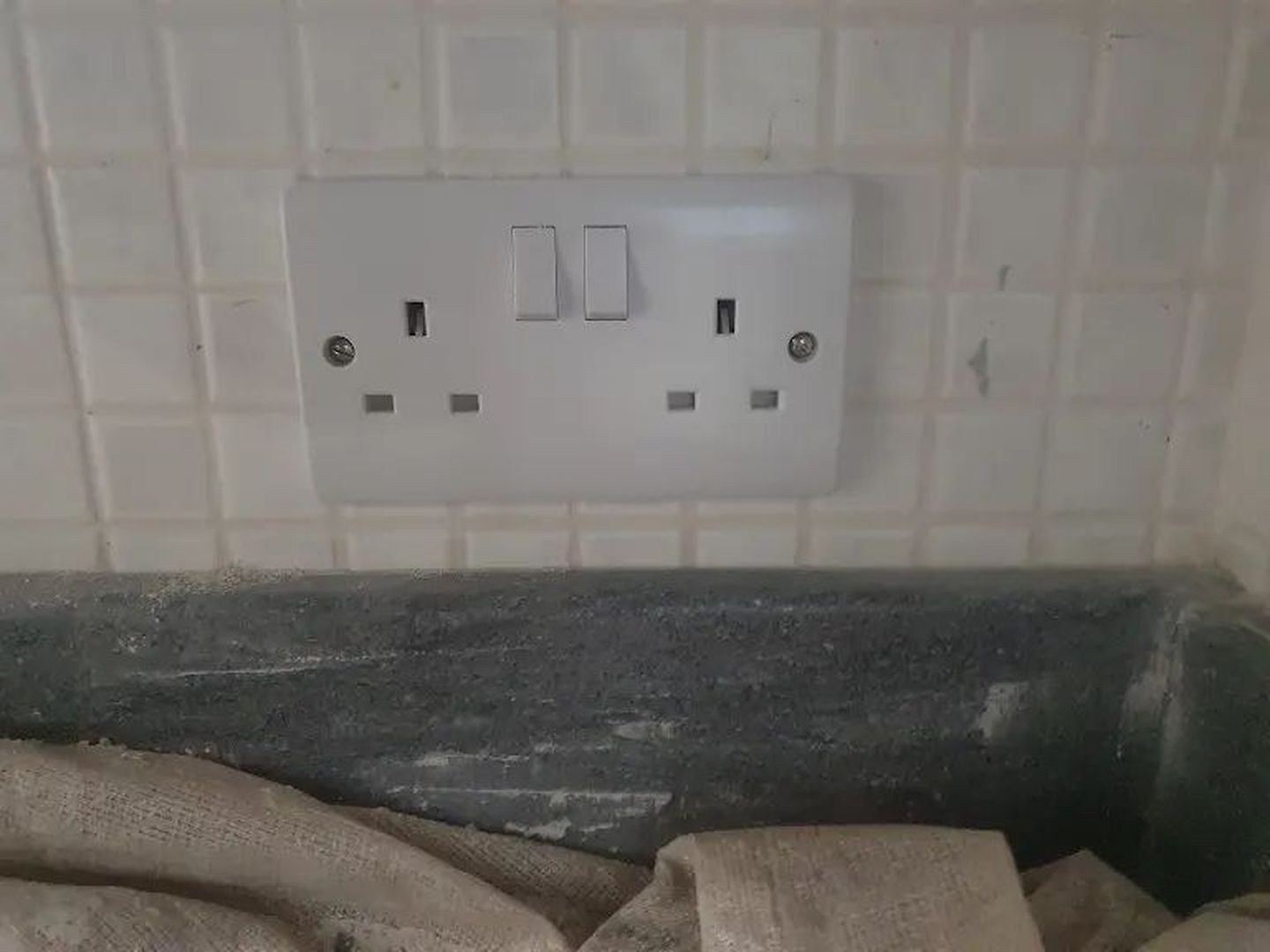 EV charge point installers project 2
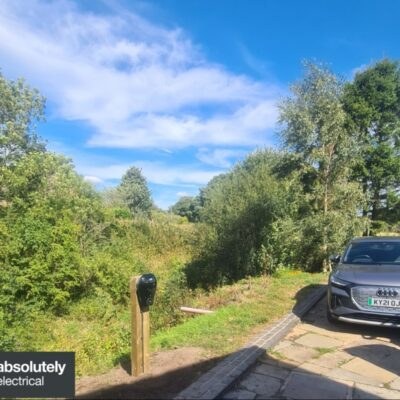 EV charge point installers project 2
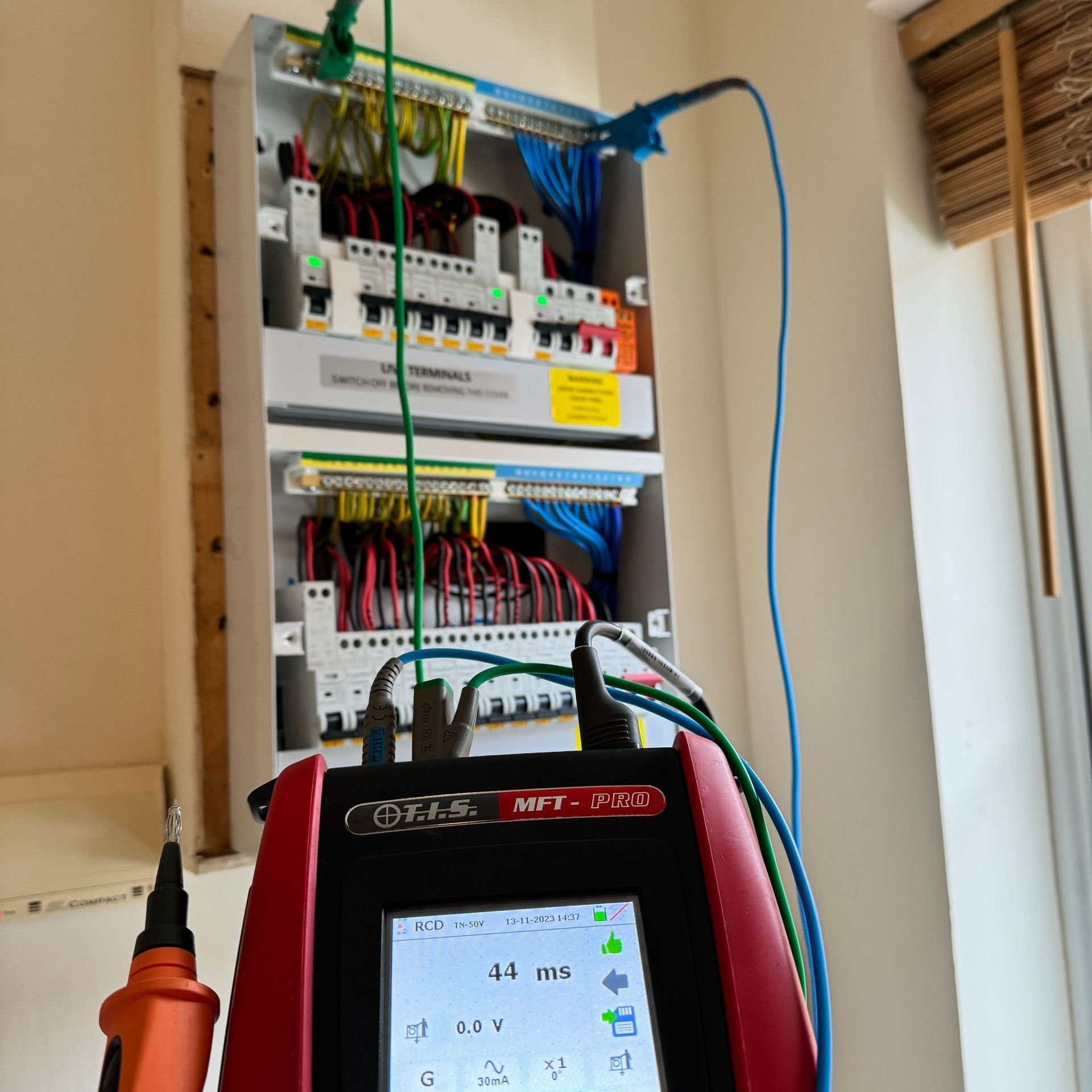 EV charge point installers project 2
 EV charge point installers project 3
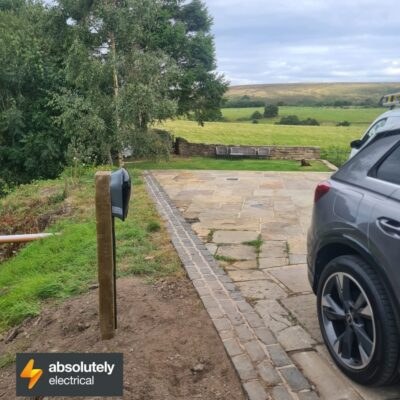 EV charge point installers project 3
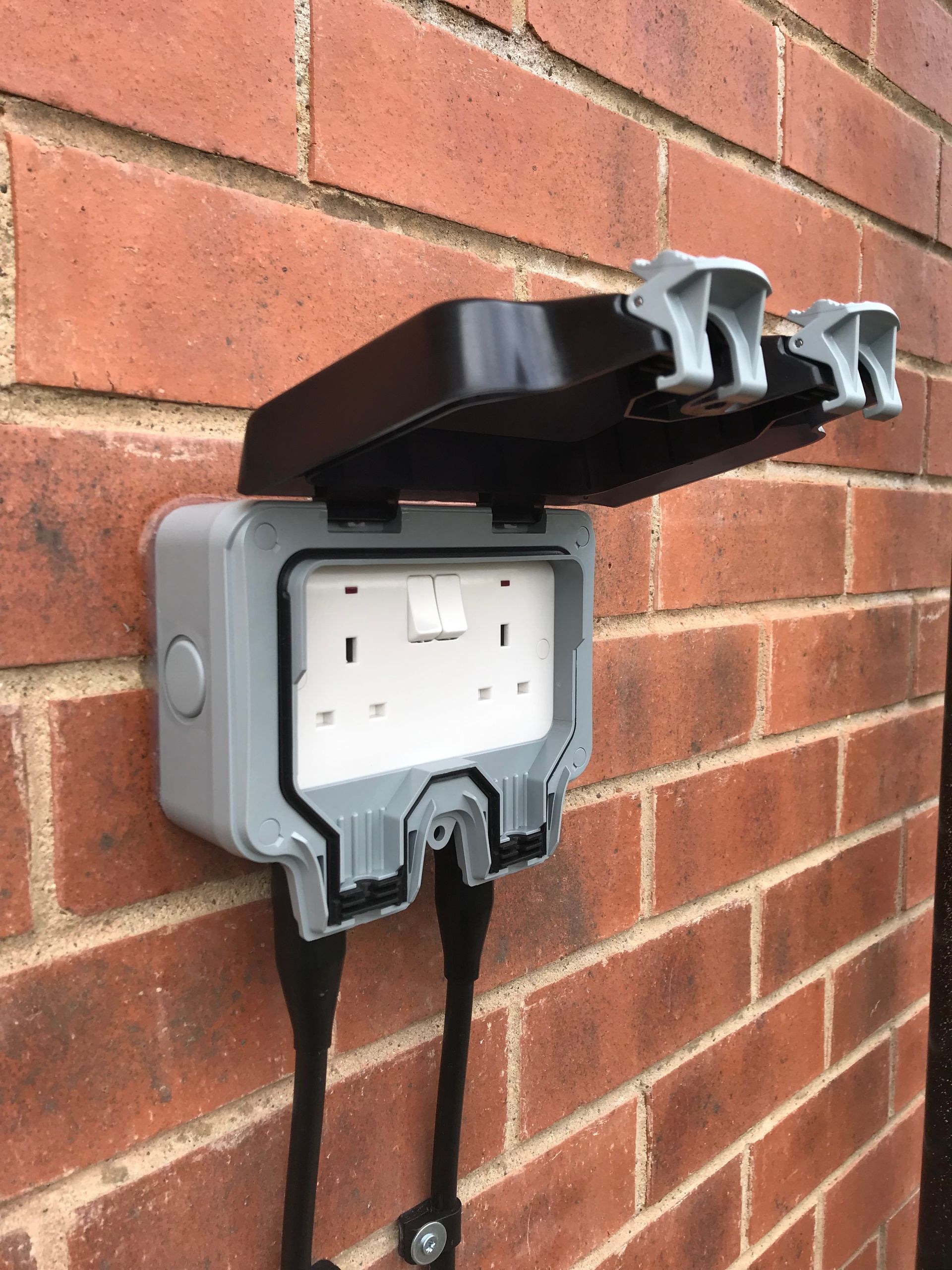 EV charge point installers project 3
 EV charge point installers project 4
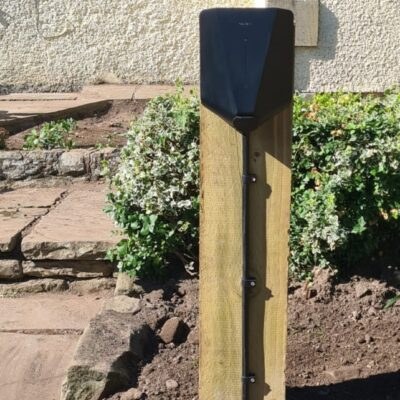 EV charge point installers project 4
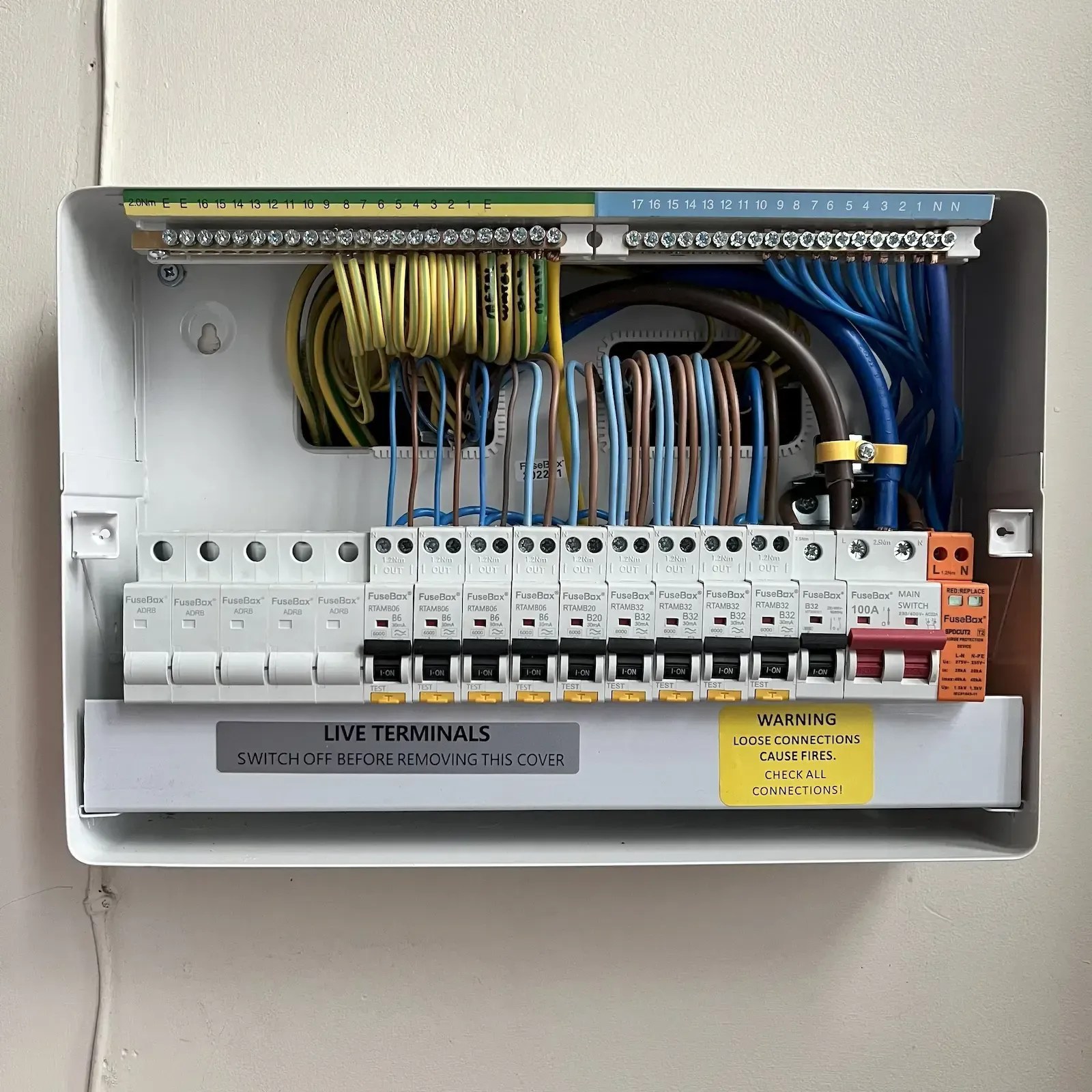 EV charge point installers project 4