Emergency electrician quotes
Switch off the affected circuit if it is safe, keep away from heat, smoke or exposed conductors, and call an emergency electrician. They diagnose dangerous electrical faults, isolate the cause, make a safe repair or temporary disconnection, and explain any follow-up work needed.
What this covers
The work starts with controlling immediate danger: the electrician may isolate a circuit, disconnect a damaged appliance or secure exposed conductors so people cannot touch live parts. They then inspect the consumer unit, accessories, cables and connected equipment, using electrical tests to distinguish a local fault from a wider circuit problem.
A repair can involve replacing a socket, switch, fuse, protective device or damaged cable section. If the cause is unclear, the electrician may separate loads and test insulation, continuity, polarity and protective measures before restoring power. Water ingress, overheating, rodent damage, loose terminations and overloaded extensions can each produce similar symptoms but require different remedies.
An emergency visit does not always complete the whole job. Some faults need access behind walls, under floors or in shared areas; others require replacement parts, making-good or a planned upgrade. The electrician should explain what has been isolated, what has been repaired, what remains unsafe and which tests support the decision to re-energise the circuit.
How the work is done
First, describe the symptom, any smell, sound, visible damage, tripping pattern and equipment connected when it occurred. Keep people away from the affected area and switch off the relevant circuit only if doing so is safe; never touch exposed conductors or water-damaged equipment.
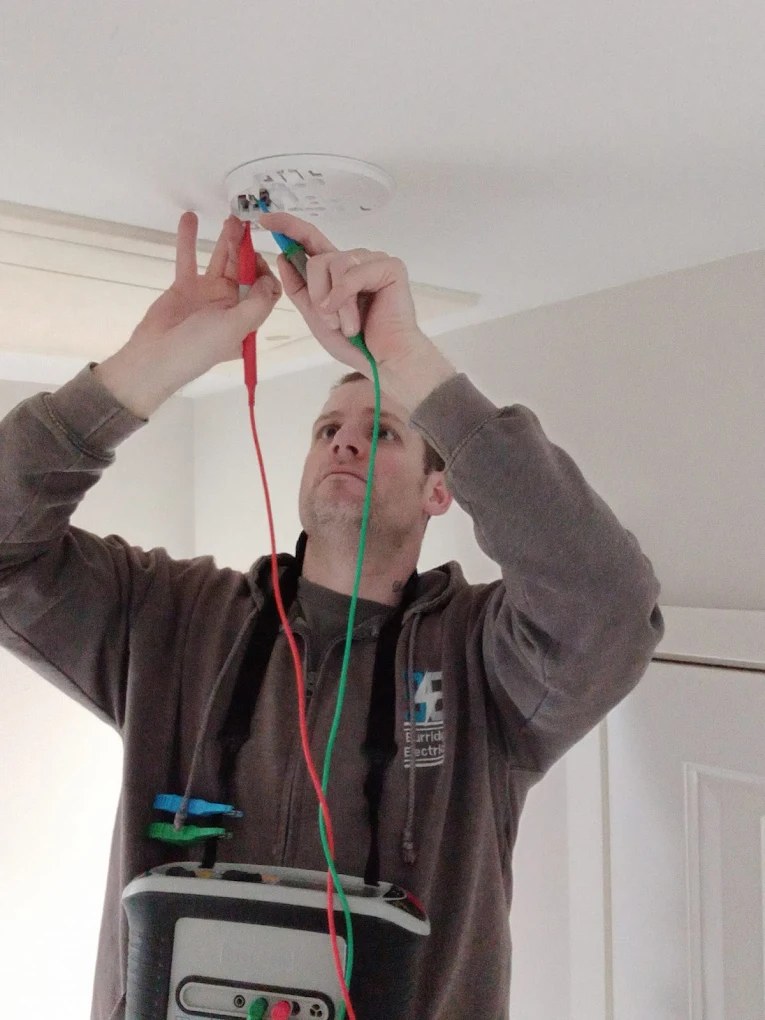
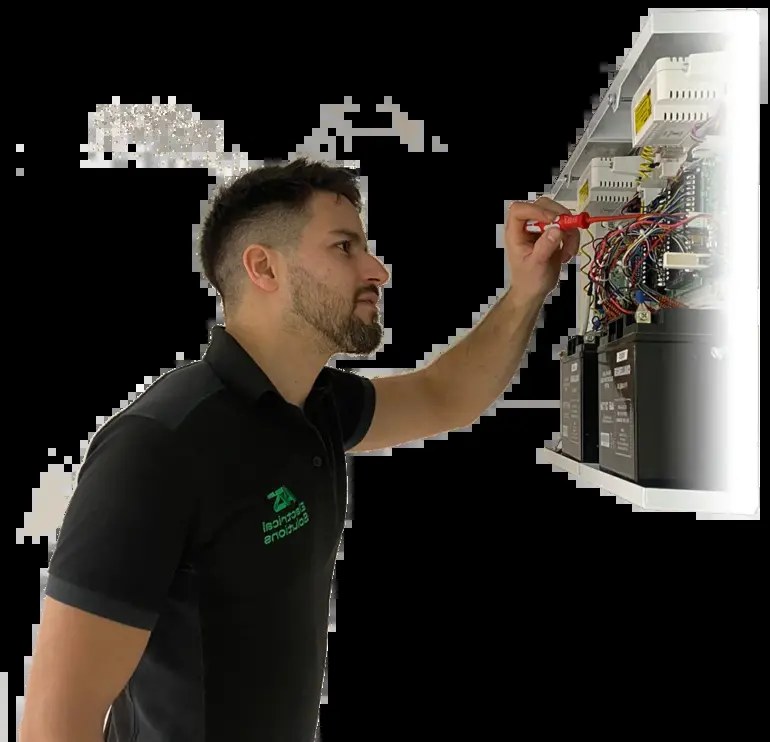
At the property, the electrician assesses immediate hazards, identifies the correct circuit and isolates it at the consumer unit or another suitable point. They prove the circuit is dead before opening accessories or handling conductors. Visual inspection and electrical testing then narrow the fault to an appliance, accessory, cable, connection or protective device.
The immediate remedy may be a replacement component, cable repair, secure termination or safe disconnection. The electrician tests the repaired section, checks protective operation and restores power only where the installation is safe to use. You should receive an explanation of restrictions, photographs or test information where appropriate, and a clear recommendation for follow-up work if the emergency repair is temporary.
What affects the cost
The cost of an emergency electrical visit is driven first by the hazard and the time needed to locate it. A simple failed accessory with accessible cable ends is less involved than intermittent tripping requiring tests across several circuits. Smoke, water ingress, burning, asbestos risk or unstable access can require additional controls before repair begins.
Other drivers include out-of-hours attendance, travel, the need for specialist test equipment, replacement protective devices, cable length, difficult routes, lifting floors, opening walls and making-good. Parts may also differ according to the consumer unit, accessory type, environmental rating and compatibility with the existing installation.
Ask whether the quoted figure covers diagnosis, isolation, labour, replacement parts, testing, waste removal and making good. Confirm what happens if the immediate repair cannot be completed during the visit. A clear quotation should separate essential safety work from recommended upgrades, and identify any follow-up investigation rather than presenting an uncertain total as a completed repair.
Before you hire
Job-specific competence shows in a safe sequence: identifying the circuit, isolating it, proving dead, testing methodically and explaining why power can or cannot be restored. Look for an electrician who can distinguish an appliance fault from fixed wiring, recognise heat and water damage, and leave covers, terminations and protective devices in a safe condition.
Where the work affects domestic installations, ask how the provider approaches Part P and whether appropriate NICEIC or NAPIT registration applies to the work offered. If the incident exposes wider condition concerns, ask whether an EICR or targeted inspection is appropriate rather than treating an emergency repair as a full assessment. References to BS 7671 should support the actual method, not replace an explanation.
Recent work
 Electrical & smart home project 1
 Electrical & smart home project 1
 Electrical & smart home project 1
 Electrical & smart home project 1
 Electrical & smart home project 1
 Electrical & smart home project 1
 Electrical & smart home project 1
 Electrical & smart home project 1
 Electrical & smart home project 1
 Electrical & smart home project 1
 Electrical & smart home project 1
 Electrical & smart home project 1
 Electrical & smart home project 1
 Electrical & smart home project 1
 Electrical & smart home project 1
 Electrical & smart home project 1