Electrical repairs quotes
Arrange electrical repairs when sockets, switches, lights, wiring or protective devices show faults such as burning smells, repeated tripping, heat, sparking or loss of power. The work identifies the failed part, makes the circuit safe, replaces or repairs it, and tests the installation before it is returned to service.
What this covers
Electrical repairs restore a faulty or unsafe part of a fixed installation. A tradesperson may investigate a dead socket, replace a damaged switch, remake a loose termination, repair a lighting circuit, trace nuisance tripping, replace heat-affected accessories or correct exposed wiring. The physical scope depends on where the fault is found: the visible fitting may be defective, or the cause may sit behind the wall, beneath a floorboard or at the consumer unit.
Work normally includes isolating the relevant circuit, proving it is dead, inspecting accessible conductors and connections, replacing compatible components, securing cables and testing the completed circuit. If damage extends into concealed wiring, access may involve lifting boards, opening plaster or removing sections of finish before making good. A repair is not automatically an upgrade; a competent assessment should distinguish a single failed component from wider deterioration, overloading, poor previous alterations or water-related damage. Where the work affects a domestic installation, Part P considerations and testing to BS 7671 may influence the paperwork and scope.
How the work is done
The visit usually starts with questions about the symptom: what stopped working, which switches or appliances were involved, and whether tripping, heat, smell or visible damage occurred. The electrician then isolates the relevant circuit at the consumer unit and proves it dead before removing a fitting or opening an enclosure.
Next, they inspect terminals, cable insulation, accessory condition, protective devices and accessible routes. Electrical tests help distinguish a failed socket from an insulation fault, poor connection, overloaded circuit or problem further along the circuit. The repair may involve tightening or remaking a connection, replacing an accessory, repairing a cable section, changing a protective device or opening additional areas to trace the fault.
After the physical work, the circuit is reassembled, energised in a controlled way and tested. The electrician should explain what failed, identify any unresolved limitation, record relevant results and provide paperwork where the work requires it. Making good may be separate, particularly if walls, ceilings or floors were opened.
What affects the cost
The main cost driver is diagnostic complexity. A visibly failed accessory is usually simpler to scope than intermittent tripping that requires circuit testing, appliance separation and fault tracing through concealed routes. Labour also changes with access: floorboards, fitted units, solid walls, high ceilings and restricted loft spaces can increase investigation and reinstatement work.
Parts vary according to the circuit rating, accessory type, finish, enclosure, cable specification and whether protective equipment or consumer-unit components are involved. Jobs involving heat, water ingress, charring or altered wiring may require a wider safety assessment rather than a like-for-like swap. Properties with older or undocumented installations can take longer to test and explain.
Ask whether the quotation includes fault-finding, isolation, testing, replacement parts, waste removal, certification, travel, out-of-hours attendance and making good. A low initial figure may exclude opening-up, concealed cable replacement or remedial work discovered after testing. The important comparison is the defined scope and assumptions, not a headline amount detached from the fault.
Before you hire
For this work, useful evidence is a clear explanation of the diagnostic method rather than a promise of a quick swap. The electrician should describe isolation and proving dead, identify the tests used, distinguish accessory failure from cable or circuit faults, and explain any limitation caused by inaccessible wiring. Ask how the repair will be tested afterwards and what documentation will be supplied. Where relevant, check that the provider's competence and certification arrangements cover domestic work, including Part P considerations, and that references to BS 7671 relate to the actual repair rather than appearing as generic wording.
Recent work
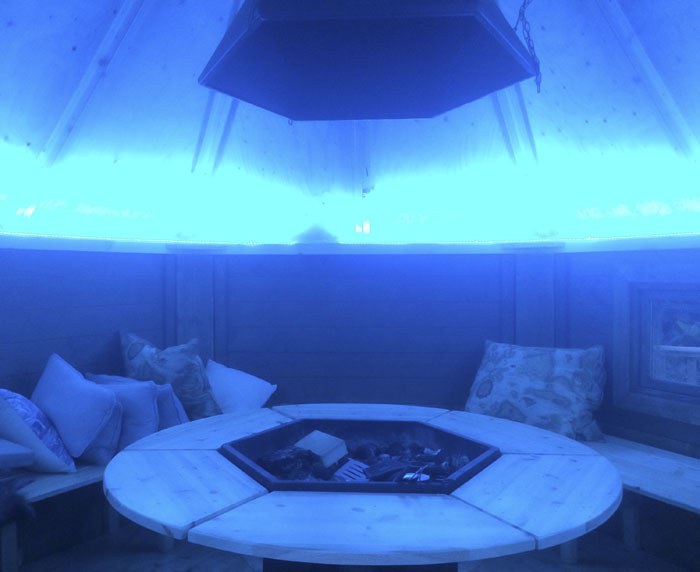 Electrical & smart home project 1
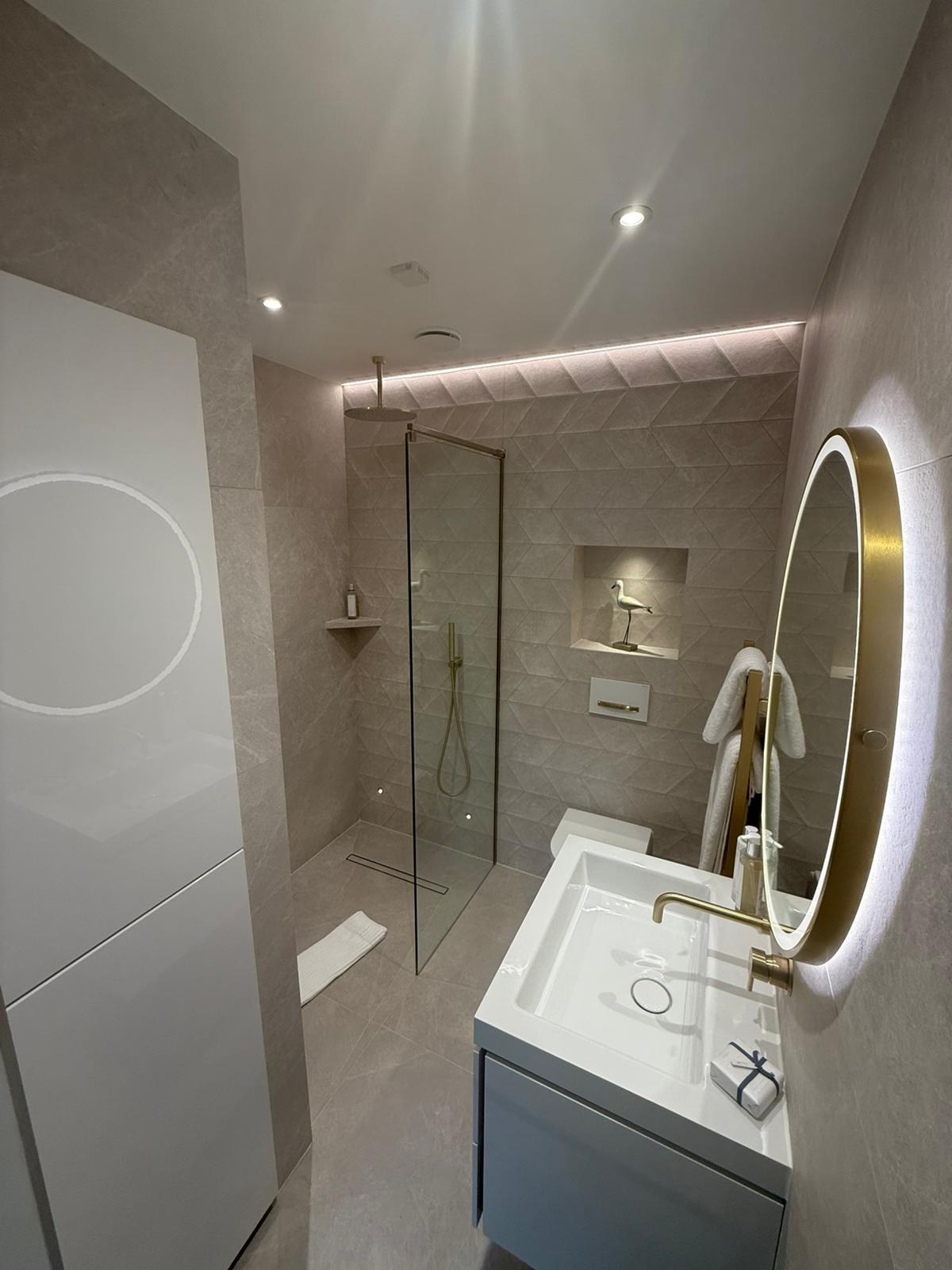 Electrical & smart home project 1
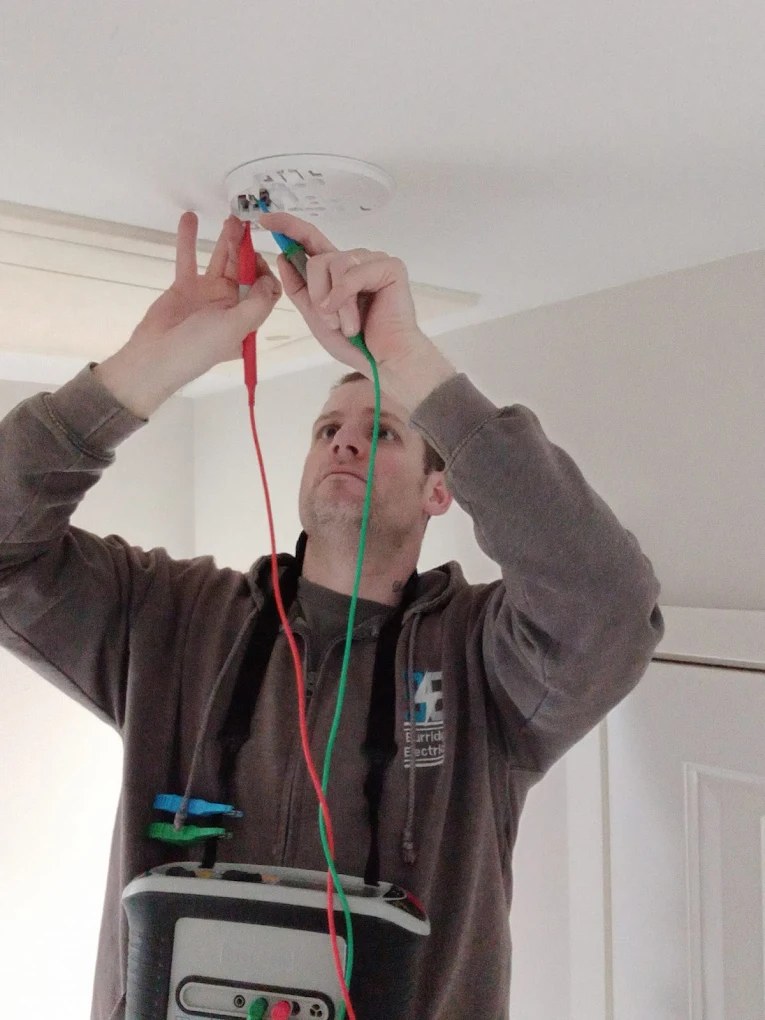 Electrical & smart home project 1
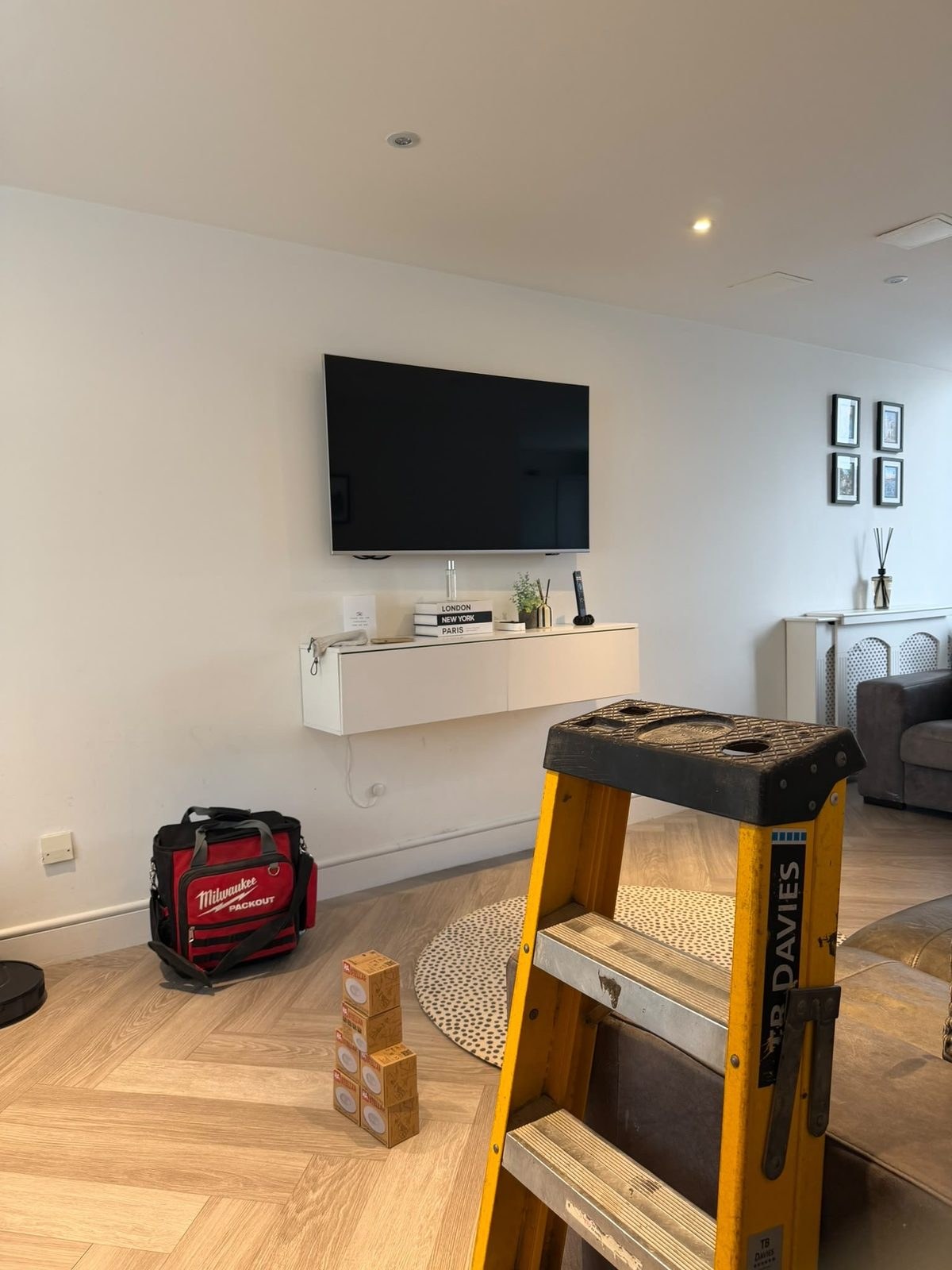 Electrical & smart home project 1
 Electrical & smart home project 1
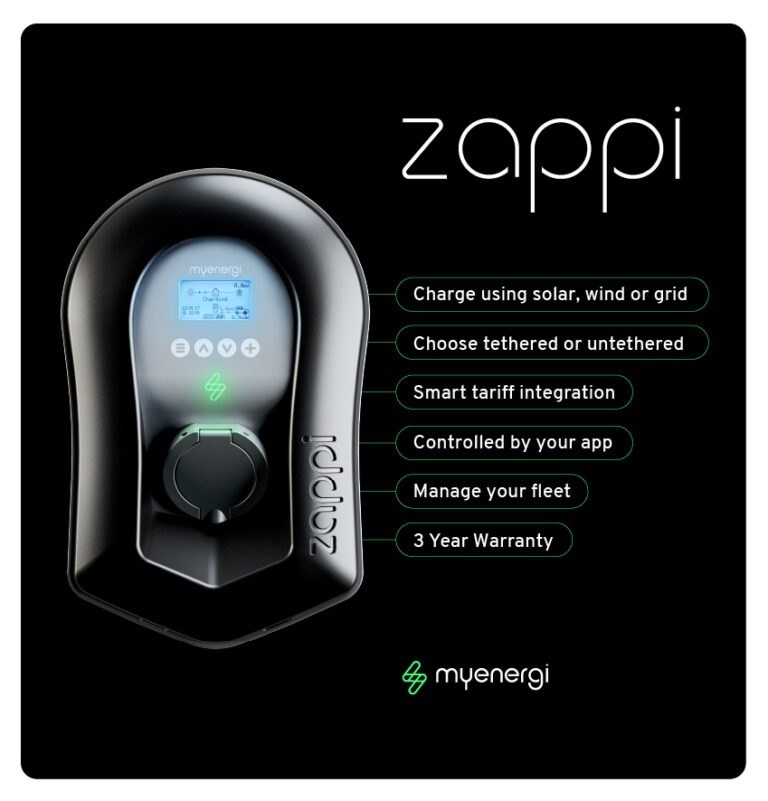 Electrical & smart home project 1
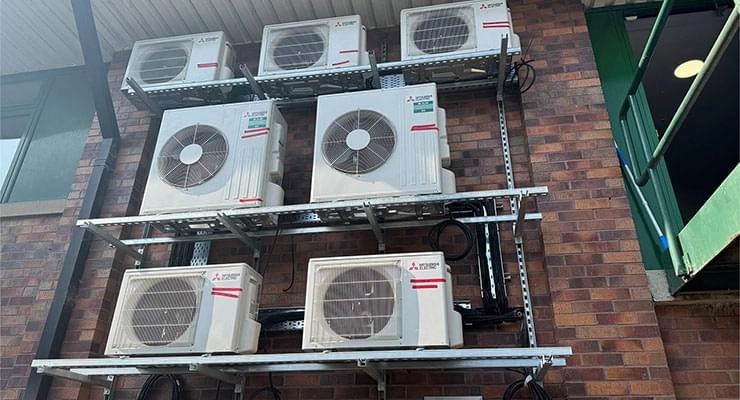 Electrical & smart home project 1
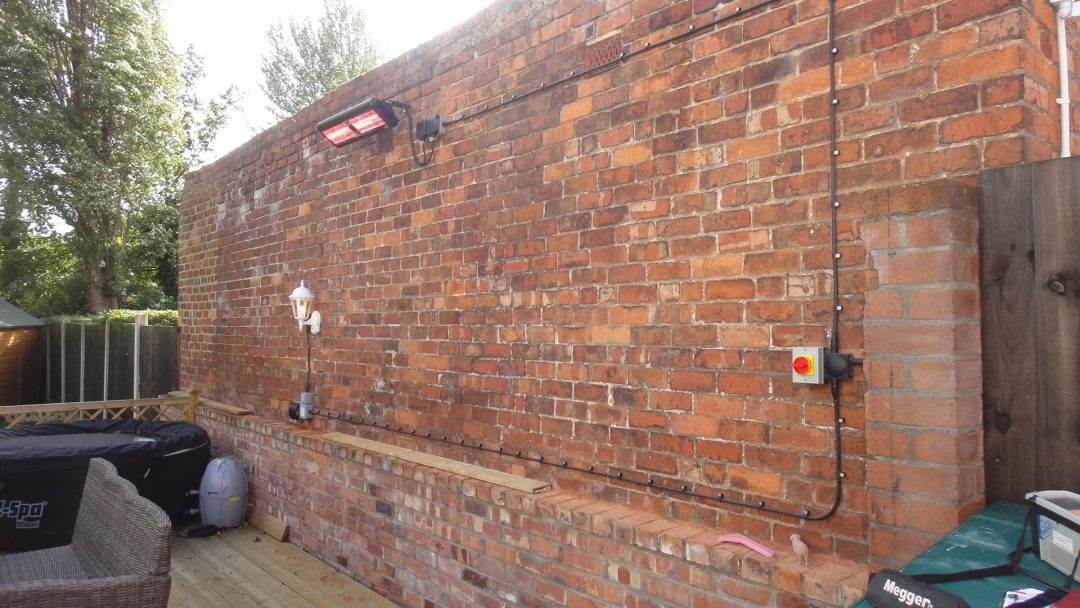 Electrical & smart home project 1
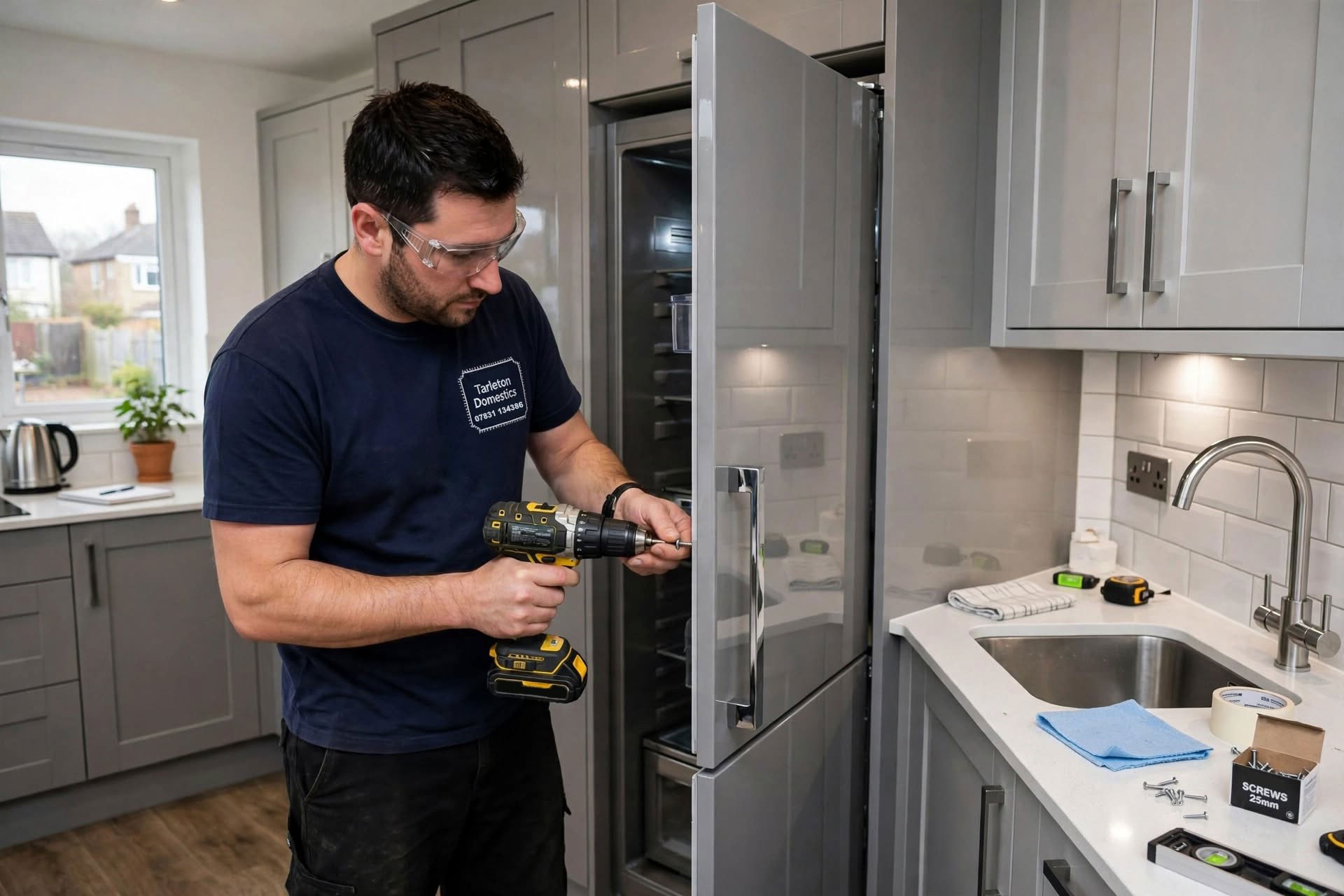 Electrical & smart home project 1
 Electrical & smart home project 1
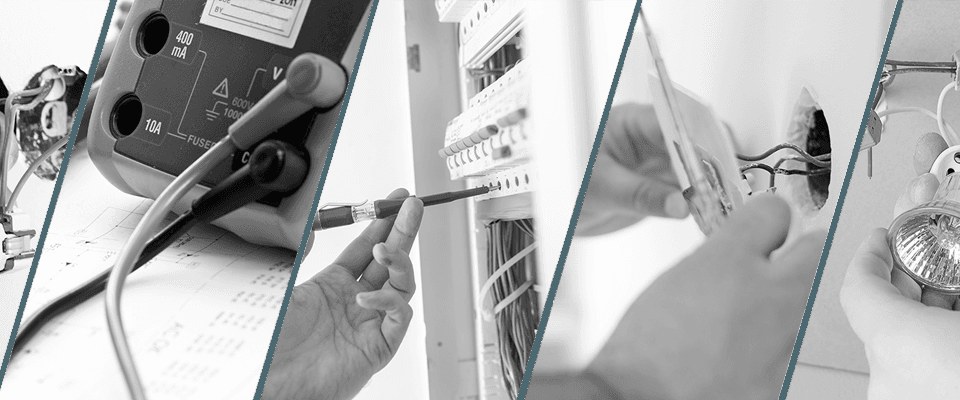 Electrical & smart home project 1
 Electrical & smart home project 1
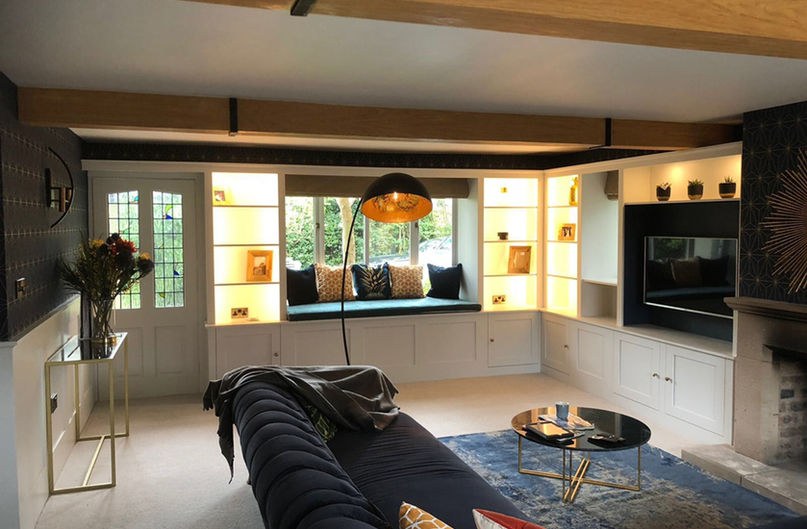 Electrical & smart home project 1
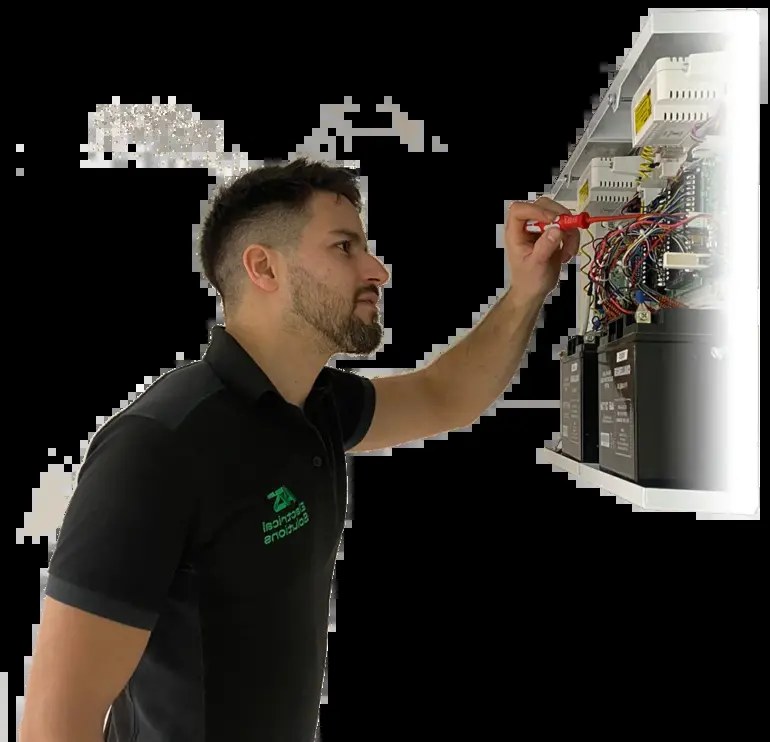 Electrical & smart home project 1
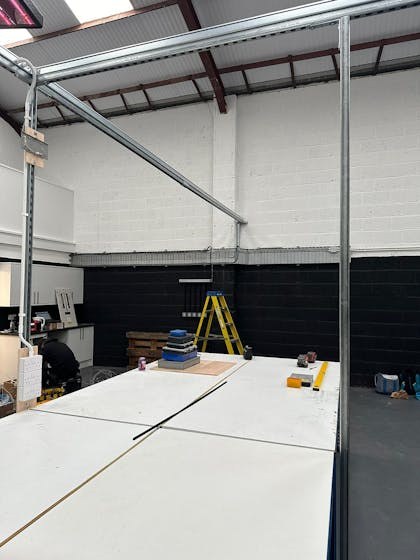 Electrical & smart home project 1
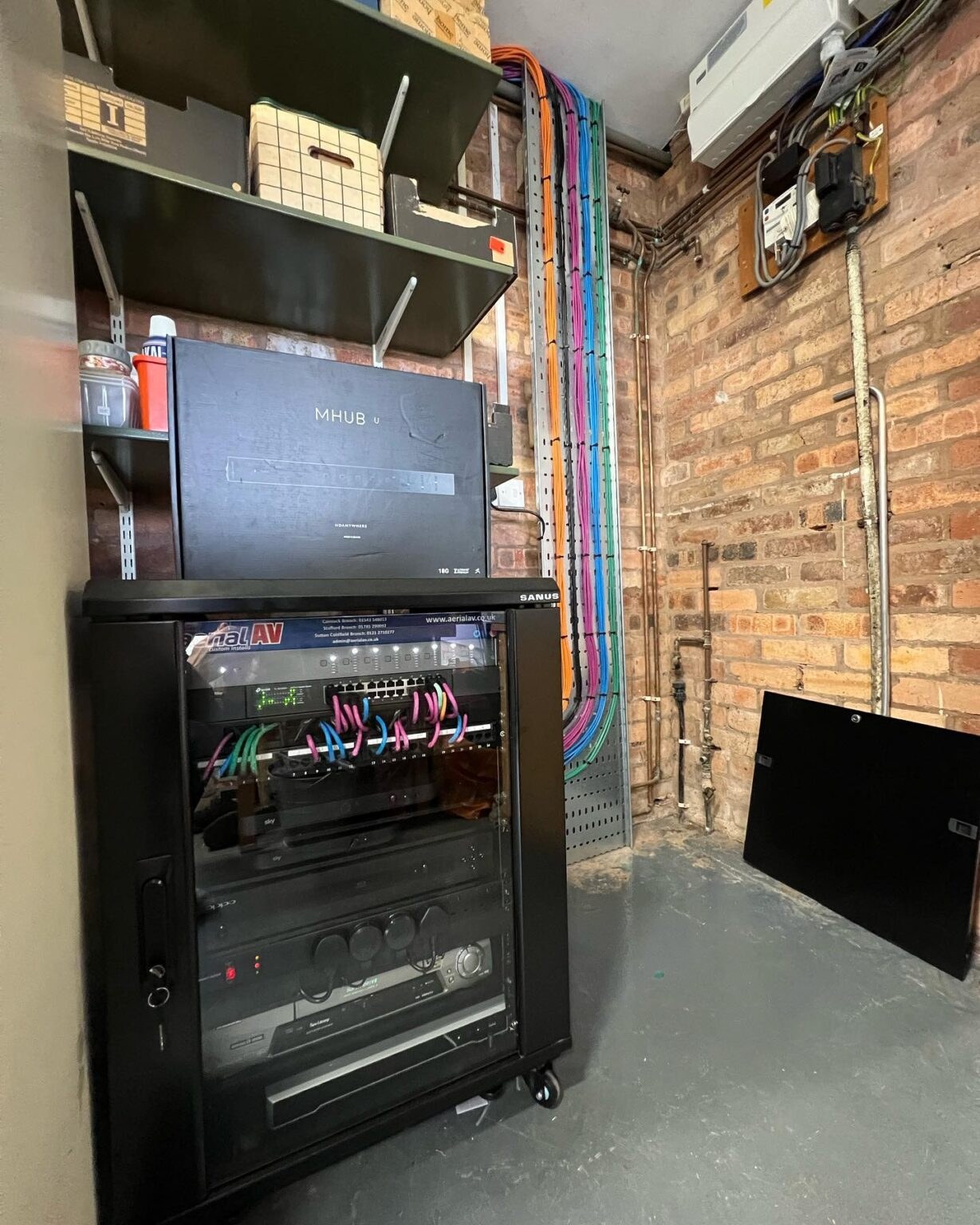 Electrical & smart home project 1