Driving schools quotes
Choose a driving school by matching lesson structure, instructor approach and vehicle type to the learner’s needs. Professional tuition builds vehicle control, observation, road positioning and independent decision-making, while preparing the pupil for the practical test and safer driving beyond it.
What this covers
Driving school tuition is structured practical instruction designed to turn a learner’s separate vehicle-control skills into safe, independent road decisions. The instructor first establishes what the pupil can already do, including seating position, controls, moving away, stopping and use of mirrors. Lessons then build towards steering accuracy, gear selection, speed choice, meeting traffic, junctions, roundabouts, lane discipline, parking and reversing. As control improves, the pupil handles busier roads, higher-speed routes, changing priorities and unfamiliar destinations while the instructor manages risk through explanation, observation and timely intervention.
The work is not limited to test manoeuvres. A thorough programme develops hazard awareness, anticipation, planning and the ability to correct mistakes safely. The instructor may use a dual-controlled car, verbal prompts, demonstration, independent driving tasks and a written or digital record of progress. The appropriate scope depends on prior experience, confidence, learning needs, transmission type and the roads available for practice. Test preparation becomes one part of the programme, alongside habits that remain useful after the pupil passes.
How the work is done
The first lesson normally begins with a conversation about previous experience, confidence, eyesight, learning preferences and the type of driving the pupil expects to do. The instructor checks the driving position and explains the controls before selecting a safe location for moving off, stopping and steering.
Lessons then progress from low-risk control exercises to junctions, meeting traffic, lane changes, roundabouts and more complex road layouts. The instructor demonstrates where necessary, gives directions or prompts, and intervenes through the dual controls if a developing situation becomes unsafe. The pupil gradually takes responsibility for observations, speed, positioning and route decisions.
Later sessions usually combine manoeuvres, independent driving, unfamiliar routes and test-style sections. The instructor reviews errors after each drive, records progress and identifies the next priority rather than repeating every topic automatically. If the pupil is approaching a practical test, preparation may include the test area, vehicle checks, required manoeuvres and managing nerves. Any decision to book should follow demonstrated readiness, not simply the number of lessons completed.
What affects the cost
Driving-school costs are shaped by lesson length, transmission type, instructor availability, travel between pupils, vehicle running costs and the amount of tuition required. A learner starting from scratch may need broader skills development than someone transferring from another instructor or returning after a long break. Nervousness, difficulty with coordination, additional learning needs and limited private practice can also increase the teaching time involved.
The quoted lesson charge may not describe every related cost. Check how assessments, pick-up and drop-off, cancellation notice, intensive courses, mock tests, motorway tuition and use of the instructor’s car for the practical test are handled. A lower headline rate can be less useful if frequent instructor changes, long collection journeys or cancelled sessions interrupt progress.
Ask for the booking terms in writing, including payment timing, lesson length, cancellation rules and what happens if the vehicle is unavailable. Compare the total structure of tuition rather than treating the cheapest individual lesson as the deciding measure.
Before you hire
Job-specific competence shows in how the instructor diagnoses a learner’s error. Rather than saying that a pupil needs more practice, a capable instructor can link late braking to approach speed and observation, or poor roundabout exits to lane planning and mirror timing. They should explain interventions calmly, use dual controls responsibly and adjust the lesson pace to demonstrated ability.
Look for clear progress notes, structured objectives and honest discussion about readiness for a practical test. The training car should be maintained, clean enough for safe visibility and suitable for the learner’s transmission and access needs. Instructor continuity is particularly valuable when the pupil needs a carefully staged return to situations they avoid.
Recent work
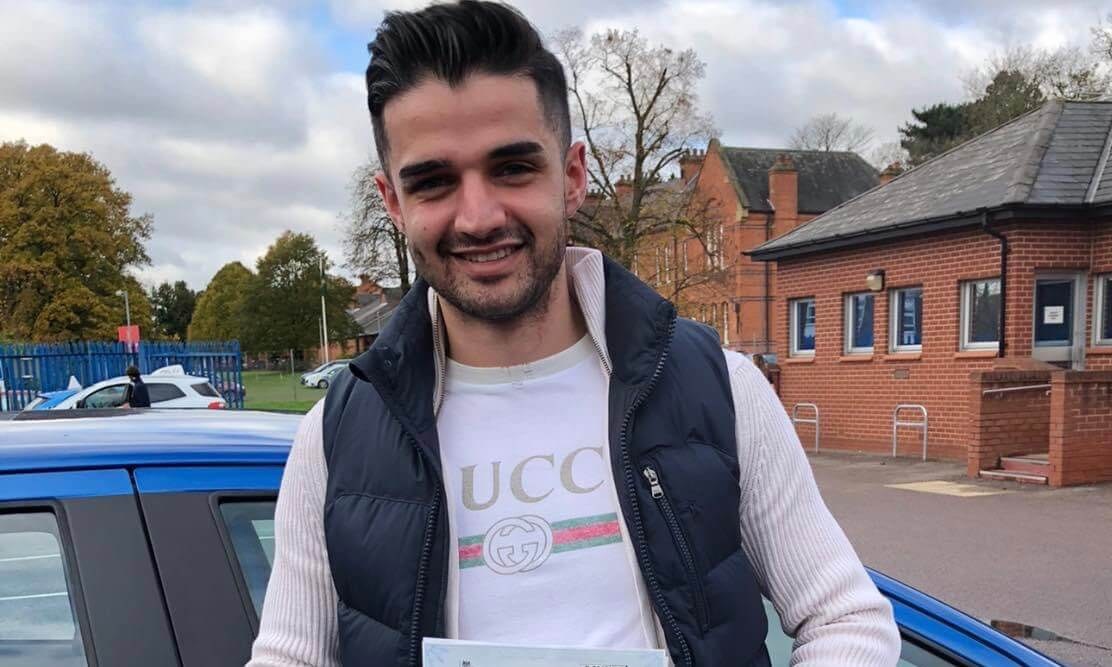 Driving schools project 1
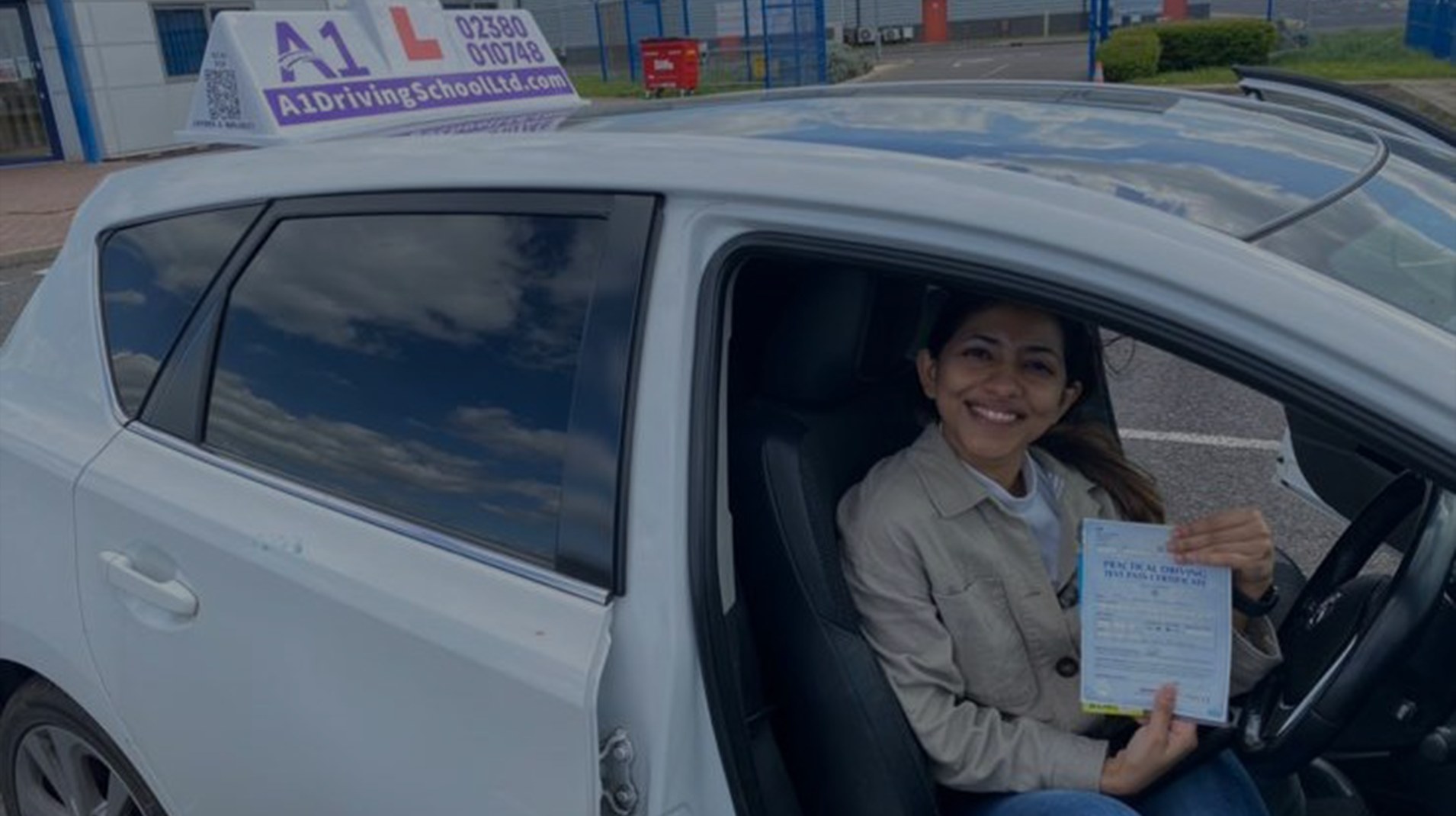 Driving schools project 1
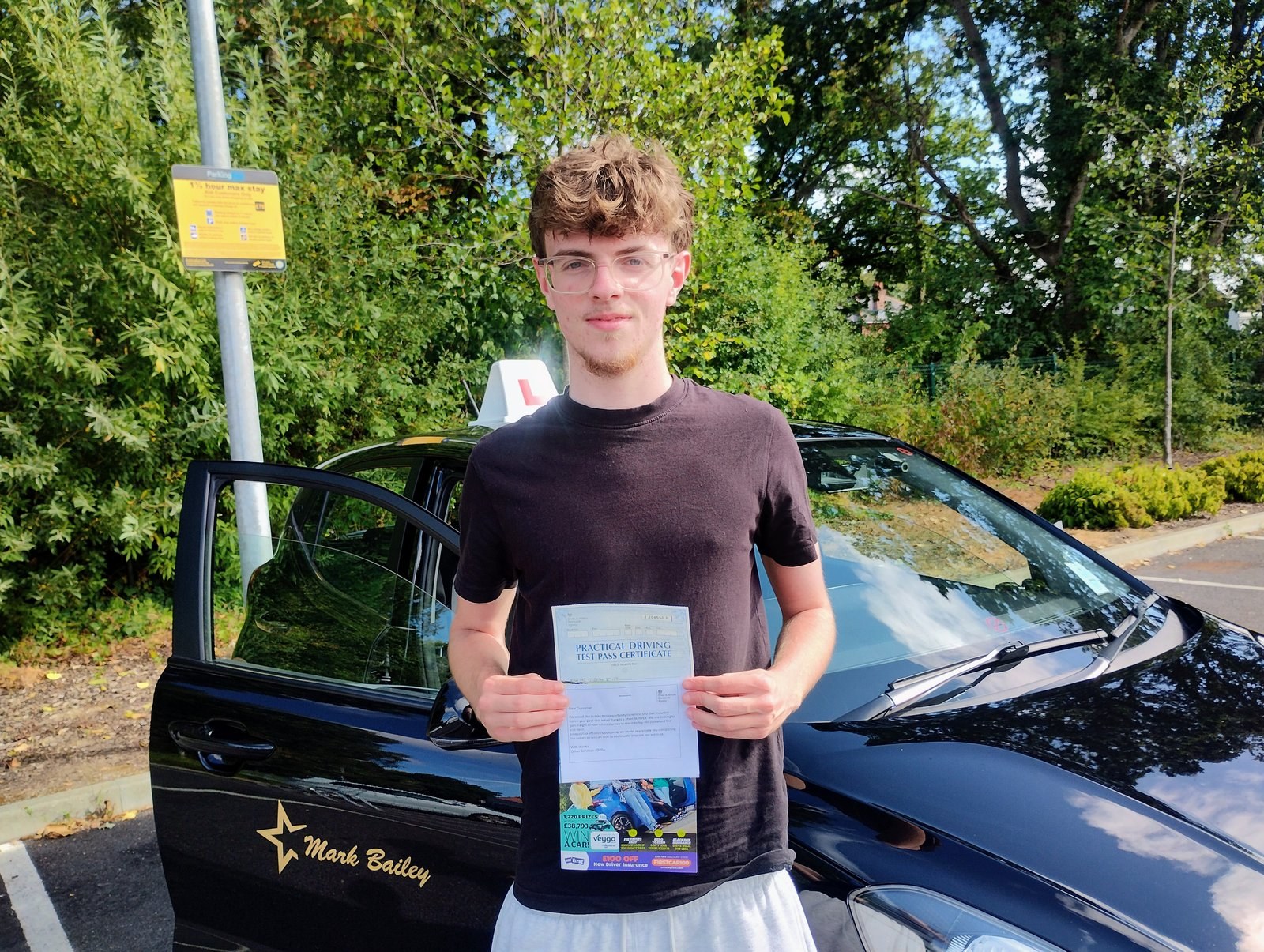 Driving schools project 1
 Driving schools project 1
 Driving schools project 1
 Driving schools project 1
 Driving schools project 1
 Driving schools project 1
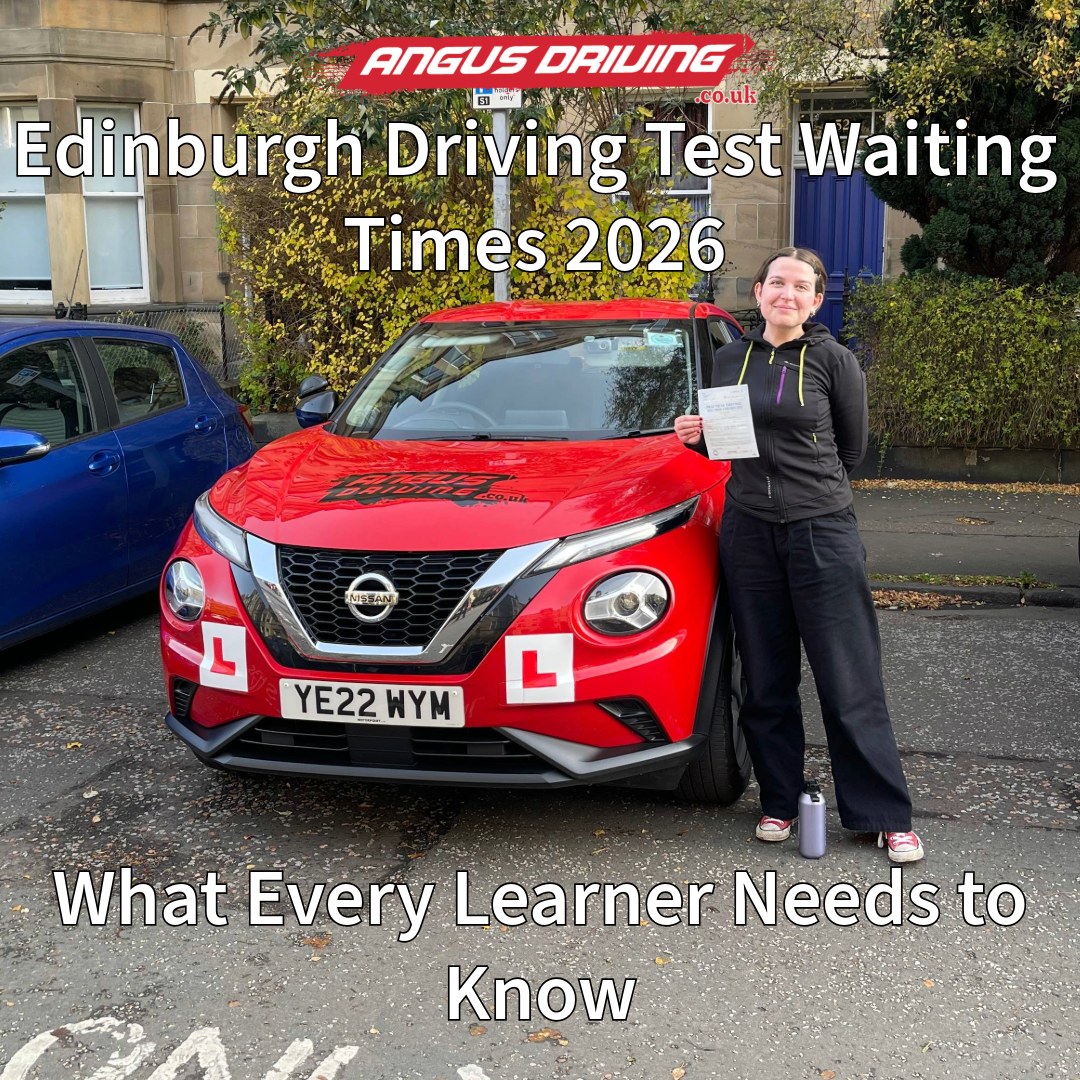 Driving schools project 1
 Driving schools project 1
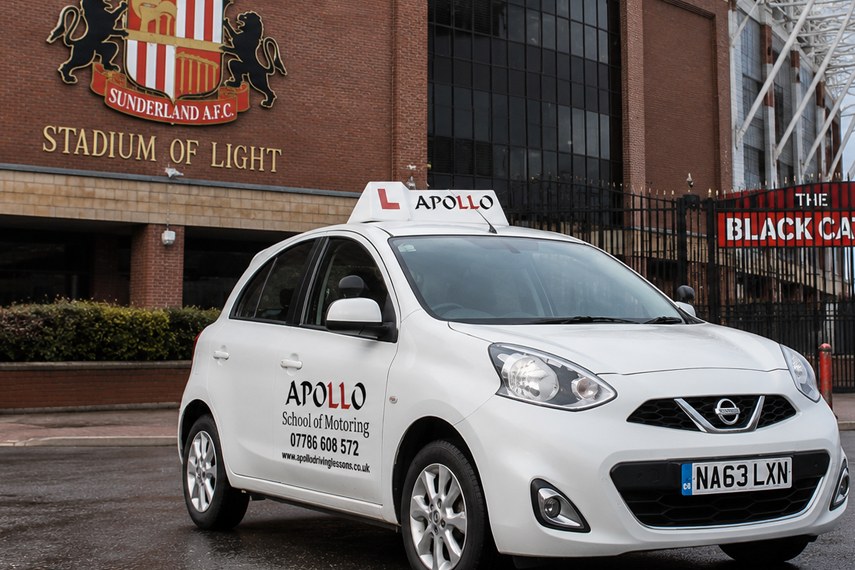 Driving schools project 1
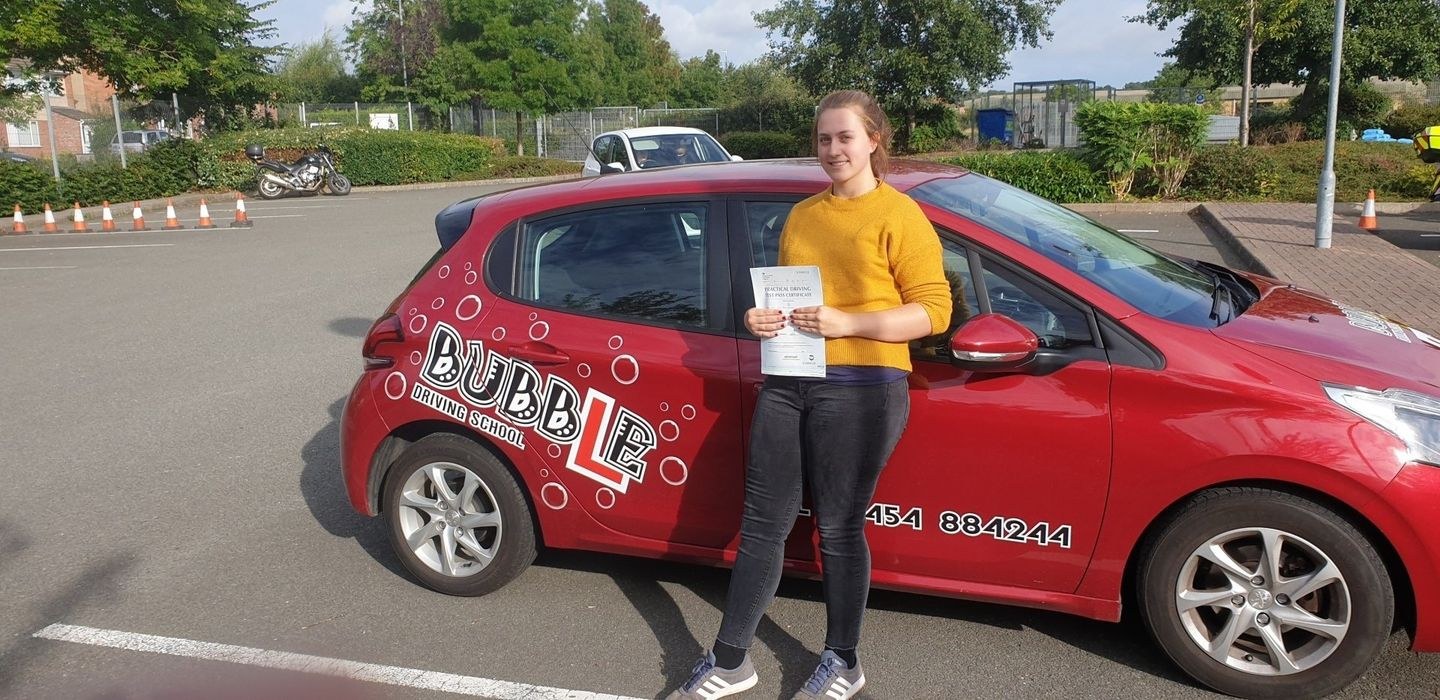 Driving schools project 1
 Driving schools project 1
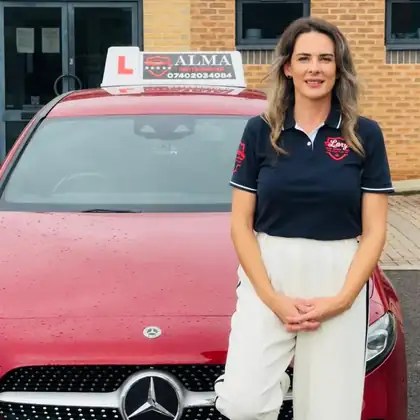 Driving schools project 1
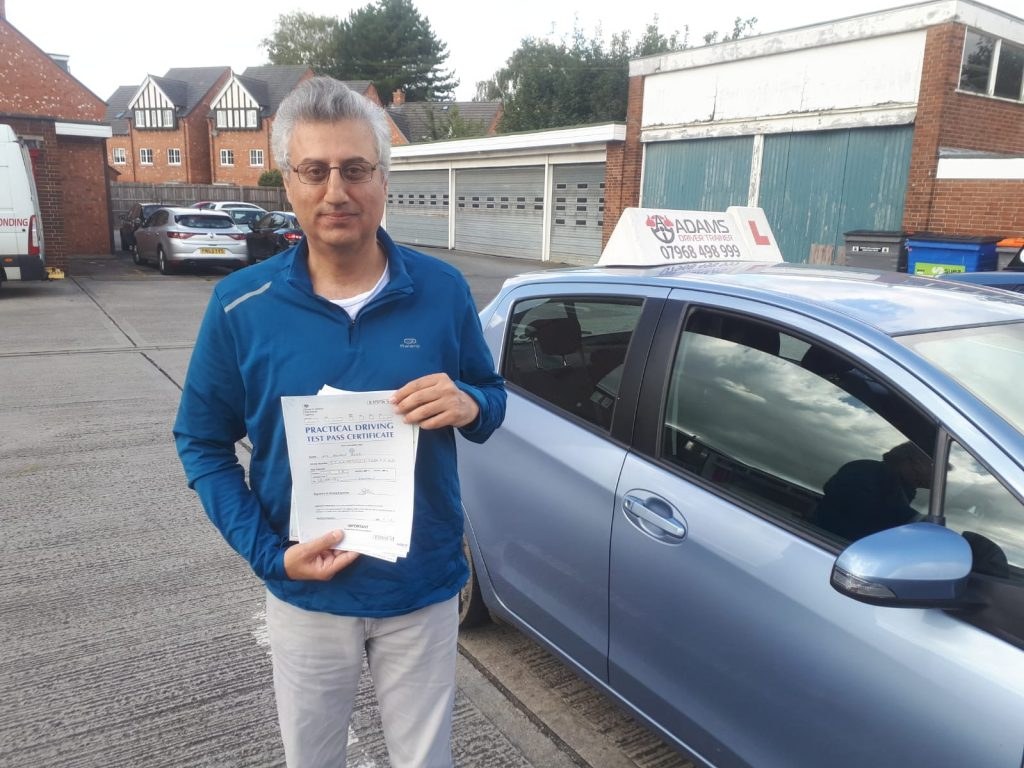 Driving schools project 1
 Driving schools project 1