Driveways quotes
A driveway needs professional attention when standing water, cracking, potholes, rutting or loose surfacing affects access, drainage or vehicle safety. The work normally involves excavation, a stable sub-base, suitable drainage and a finished surface chosen for the property, traffic level and available access.
What this covers
The work begins with assessing the existing driveway, ground conditions, gradients, access for machinery and the route water will take after completion. A contractor may lift paving, break out concrete or asphalt, remove contaminated or unstable ground and excavate until a suitable formation is reached. Services and utility routes should be considered before excavation, particularly where digging or machinery could affect buried infrastructure.
The base is then shaped and compacted, with geotextile separation or additional stone used where the ground is weak or prone to movement. Edge restraints hold the finished surface in position, while drainage channels, permeable construction or a redesigned fall can address runoff. The chosen finish is installed only after the underlying layers are stable. Block paving may include jointing sand and cutting around covers; asphalt needs a properly prepared base and clean edges; resin-bound surfacing requires a suitable, sound substrate. Final checks include levels, thresholds, access covers, drainage flow and safe transitions to paths or roads.
How the work is done
The first visit normally records measurements, existing levels, surface failures, drainage routes, access restrictions and nearby features such as walls, trees and utility covers. The agreed scope should identify what will be removed, how spoil will leave the site and how the property will be accessed during construction.
The old surface is then lifted or broken out. Excavation follows where the formation is weak, too high, contaminated or unable to provide the required falls. The exposed ground is shaped and compacted before sub-base stone is laid in controlled layers and compacted thoroughly. Soft spots may need extra excavation or stabilisation.
Next come kerbs, brick edges, drainage channels and service adjustments. The contractor checks levels before installing the chosen finish. Blocks are laid and jointed, asphalt is placed and compacted, concrete is formed with suitable joints, gravel is spread over a restrained base, or resin-bound aggregate is trowelled onto a compatible substrate. The area is then checked for ponding, loose edges, obstructed covers and safe access before handover.
What affects the cost
Driveway cost is driven first by the amount of failed material and ground that must be removed, not simply by the visible area. Excavation becomes more involved where the formation is soft, contaminated, obstructed or difficult to reach. Disposal is affected by the volume and type of spoil, while restricted access may require smaller plant, more manual handling or staged deliveries.
The surface choice changes both material and preparation requirements. Block paving includes cutting, bedding and jointing; asphalt depends on a suitable base and access for placement; concrete requires forming and joints; resin-bound surfacing needs a compatible substrate; gravel needs effective containment. Drainage channels, soakaway or permeable details, kerbs, steps, walls, gates and service-cover adjustments add scope.
A useful quotation should state excavation depth assumptions, sub-base construction, edge restraints, drainage, surface thickness, waste removal, access arrangements, making good and exclusions. Listed status, Party Wall considerations or utility constraints may also affect planning and working arrangements where relevant.
Before you hire
Driveway competence is visible in the proposed build-up, not just in a sample of finished surfaces. A capable contractor explains formation depth assumptions, compaction, edge restraint, drainage and how weak ground will be handled before discussing the top finish. They should identify utility risks before excavation and show how levels will connect with thresholds, paths and road access. Ask for a written scope that separates excavation, sub-base, drainage, surfacing, waste removal and making good. For resin, the key evidence is a suitable substrate and moisture control; for paving, it is disciplined preparation, accurate falls and restrained edges.
Recent work
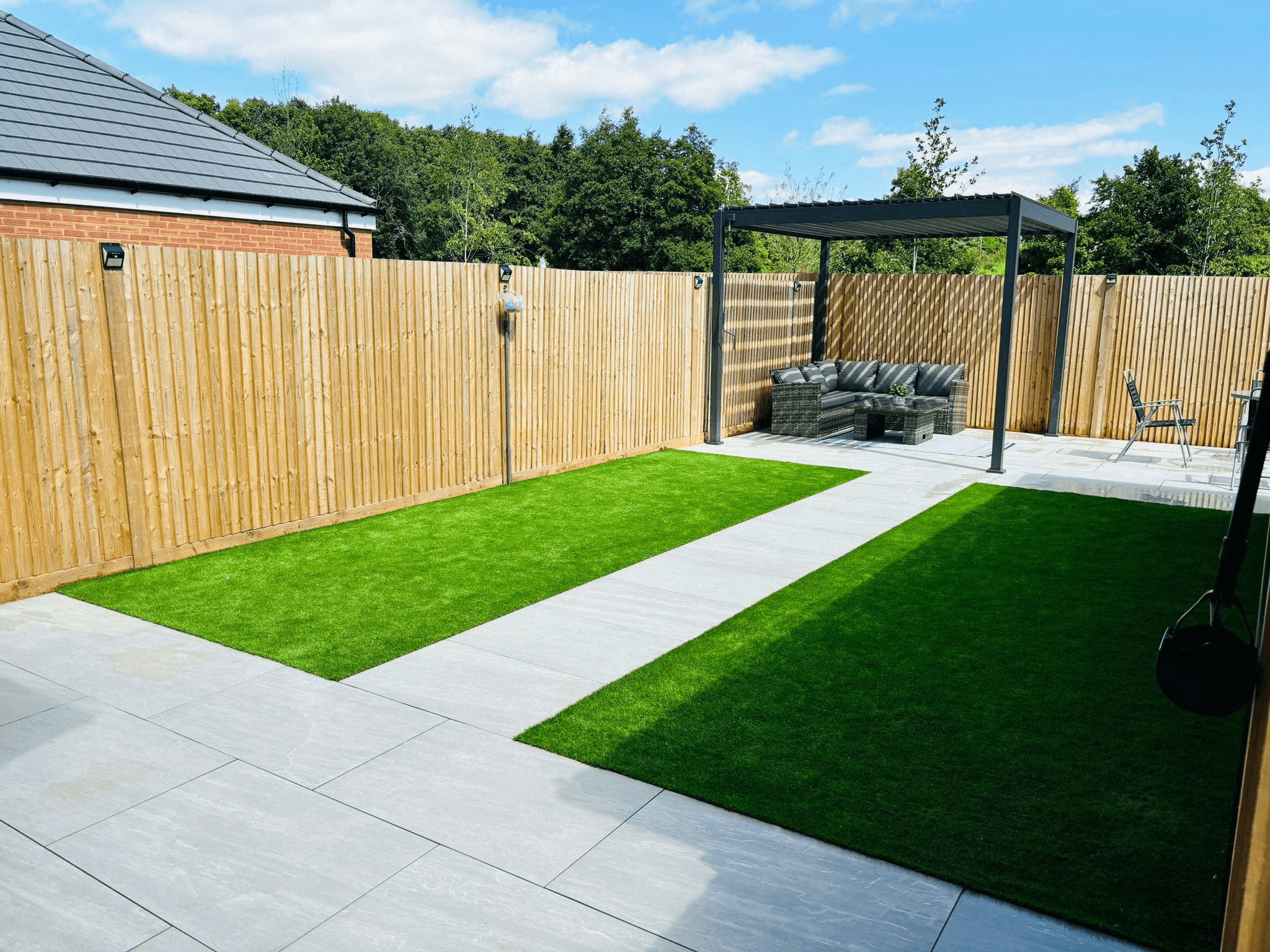 Landscaping & gardens project 1
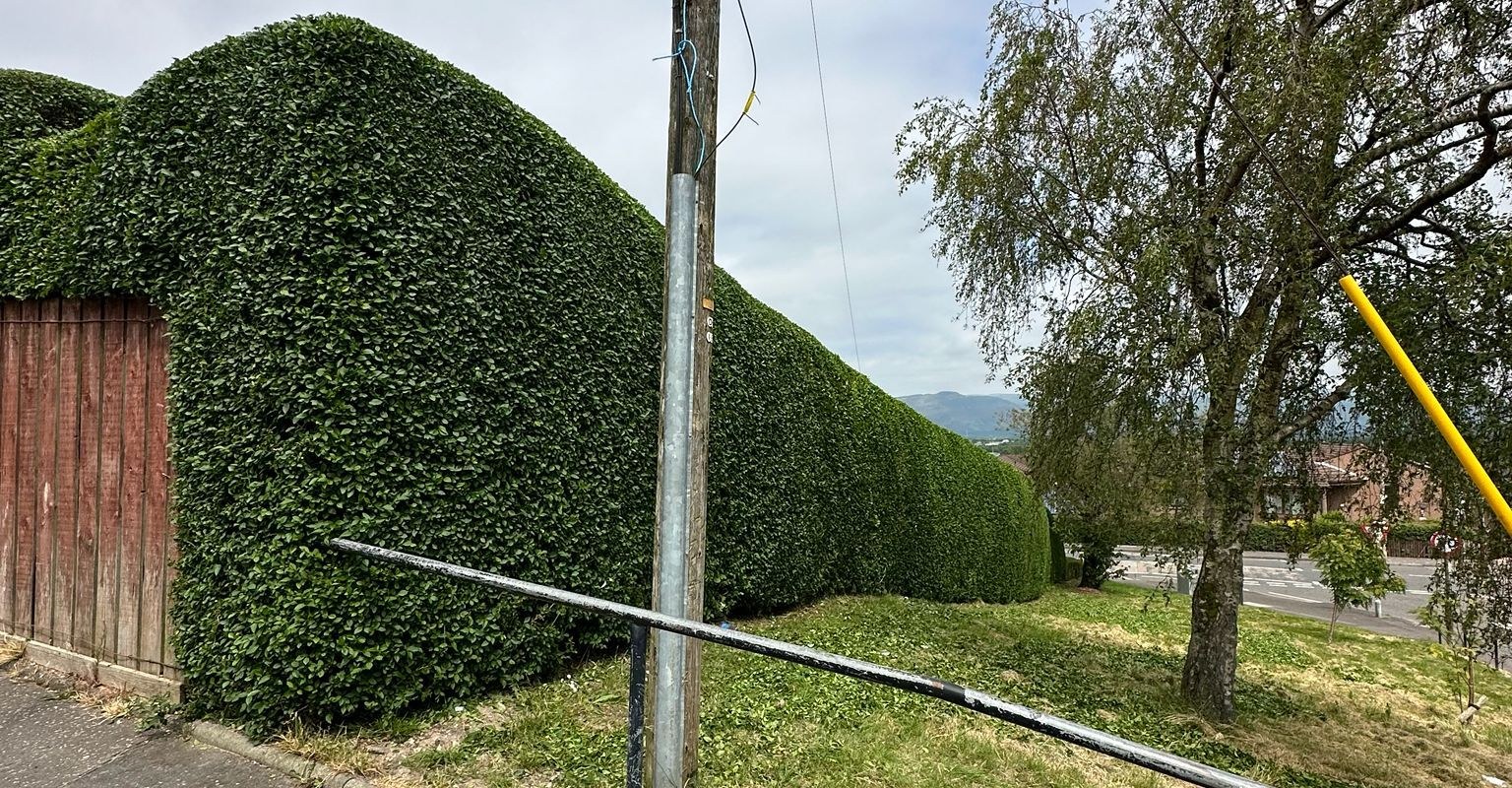 Landscaping & gardens project 1
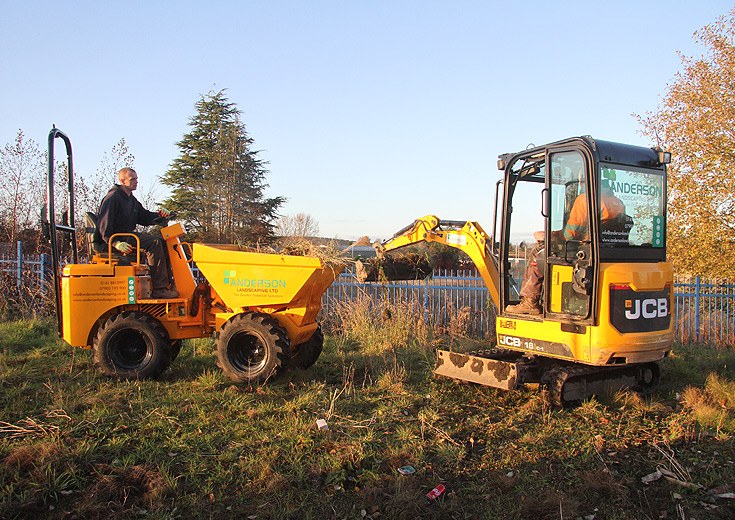 Landscaping & gardens project 1
 Landscaping & gardens project 1
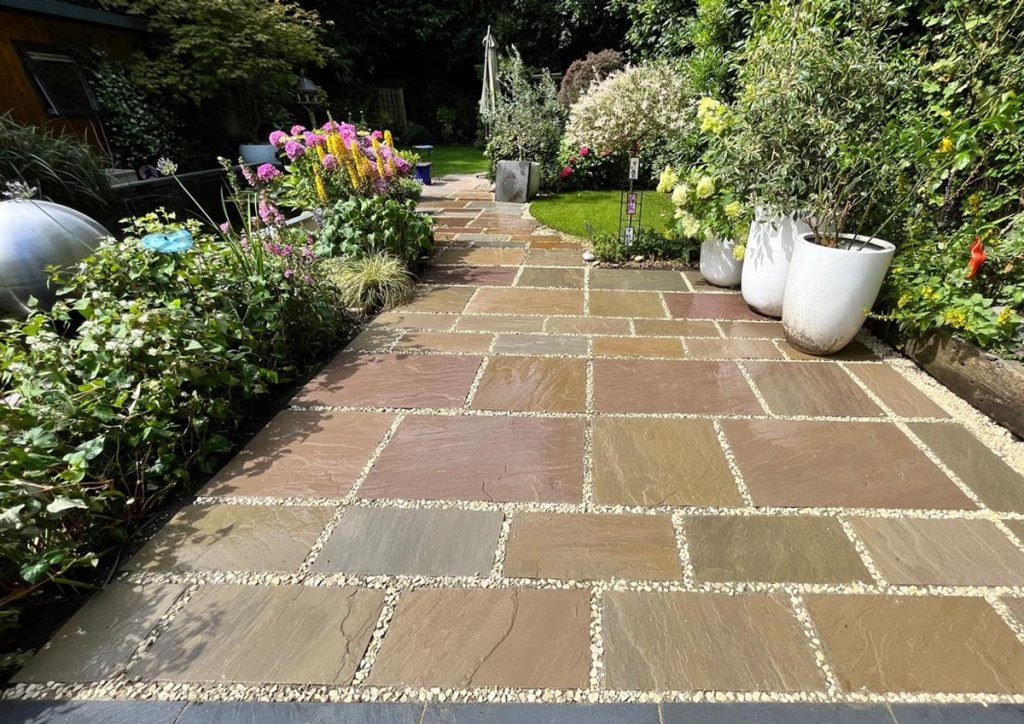 Landscaping & gardens project 1
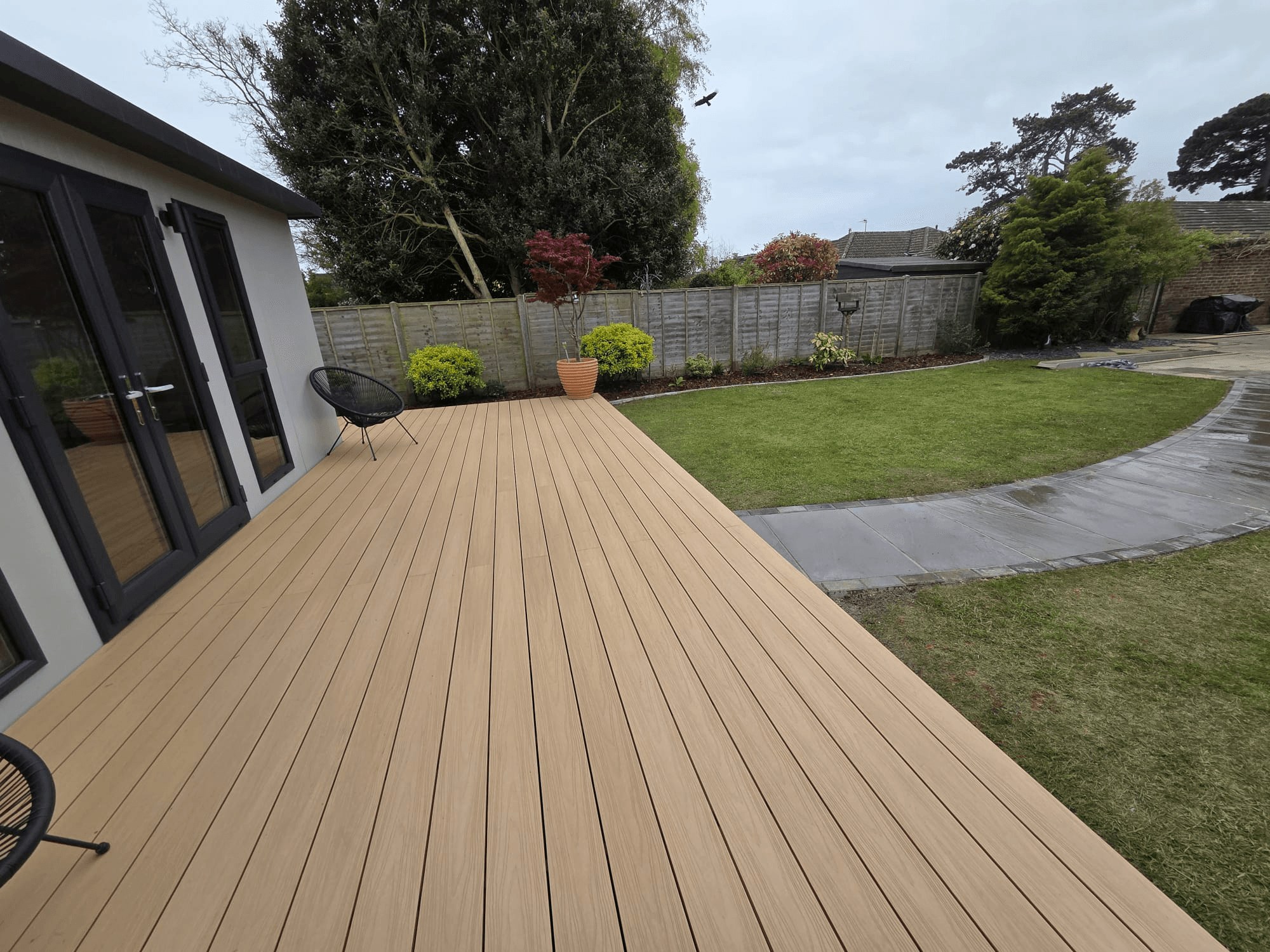 Landscaping & gardens project 2
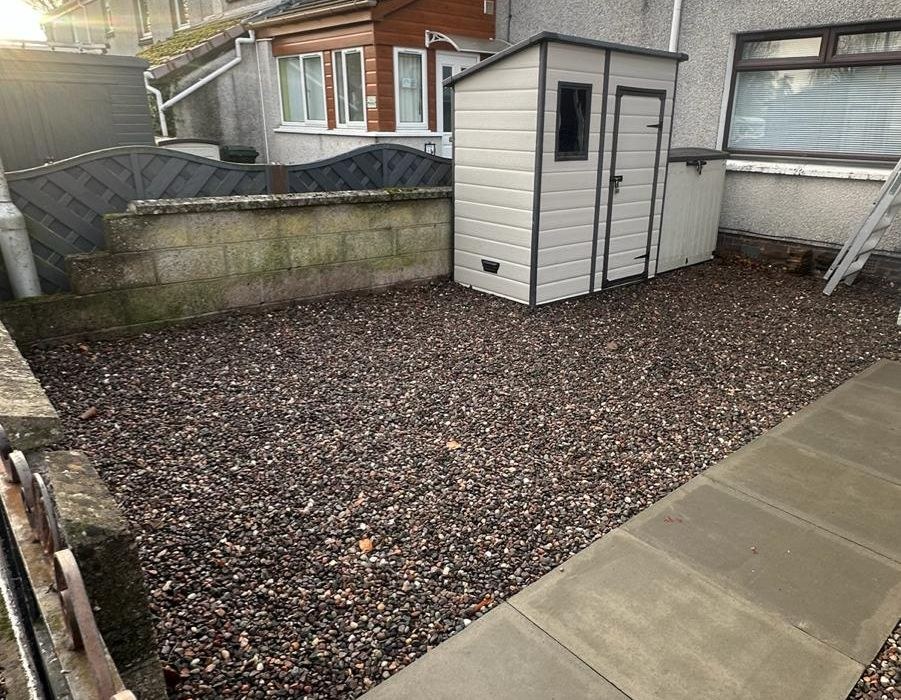 Landscaping & gardens project 2
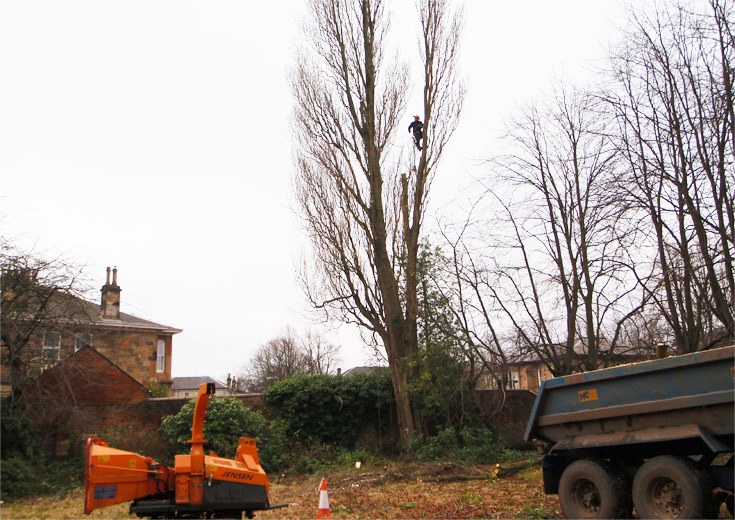 Landscaping & gardens project 2
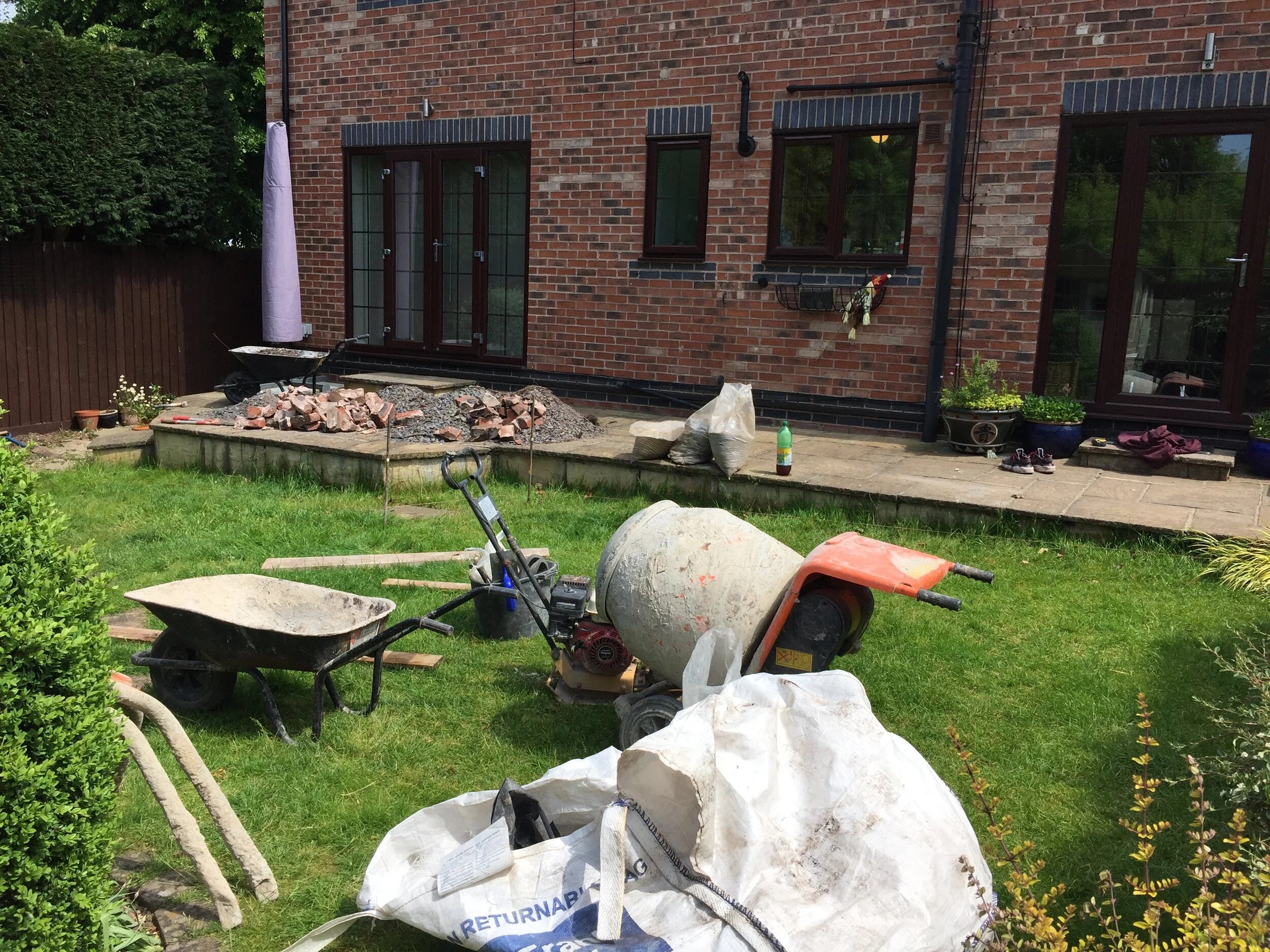 Landscaping & gardens project 2
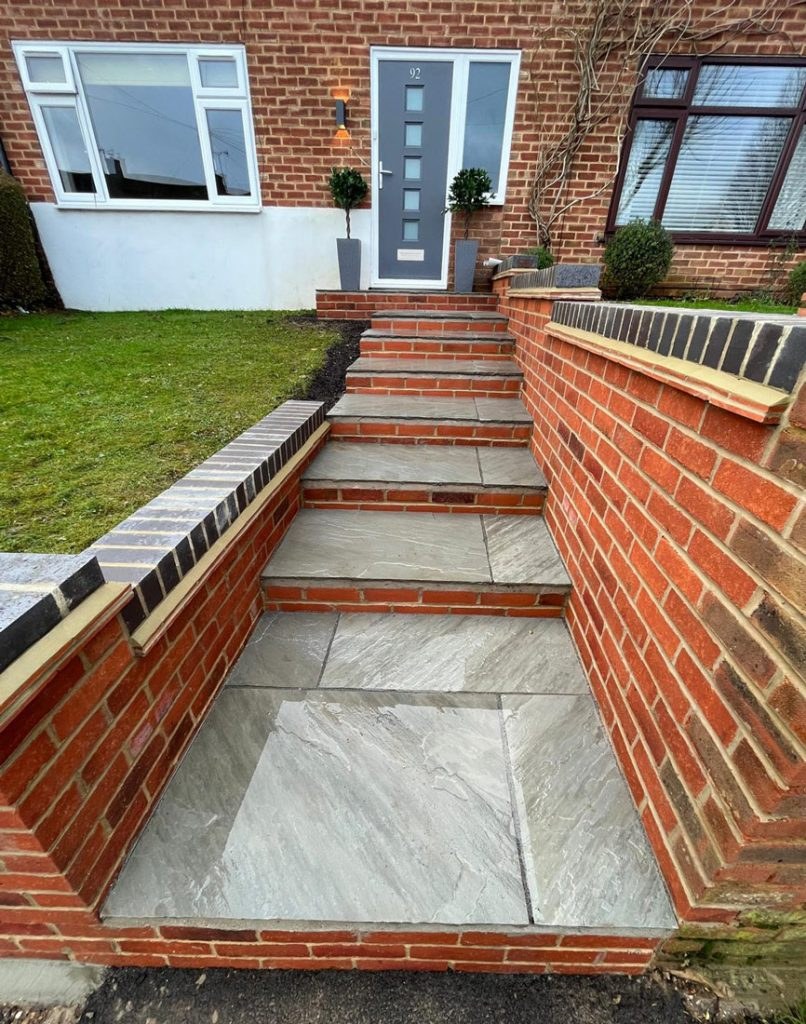 Landscaping & gardens project 2
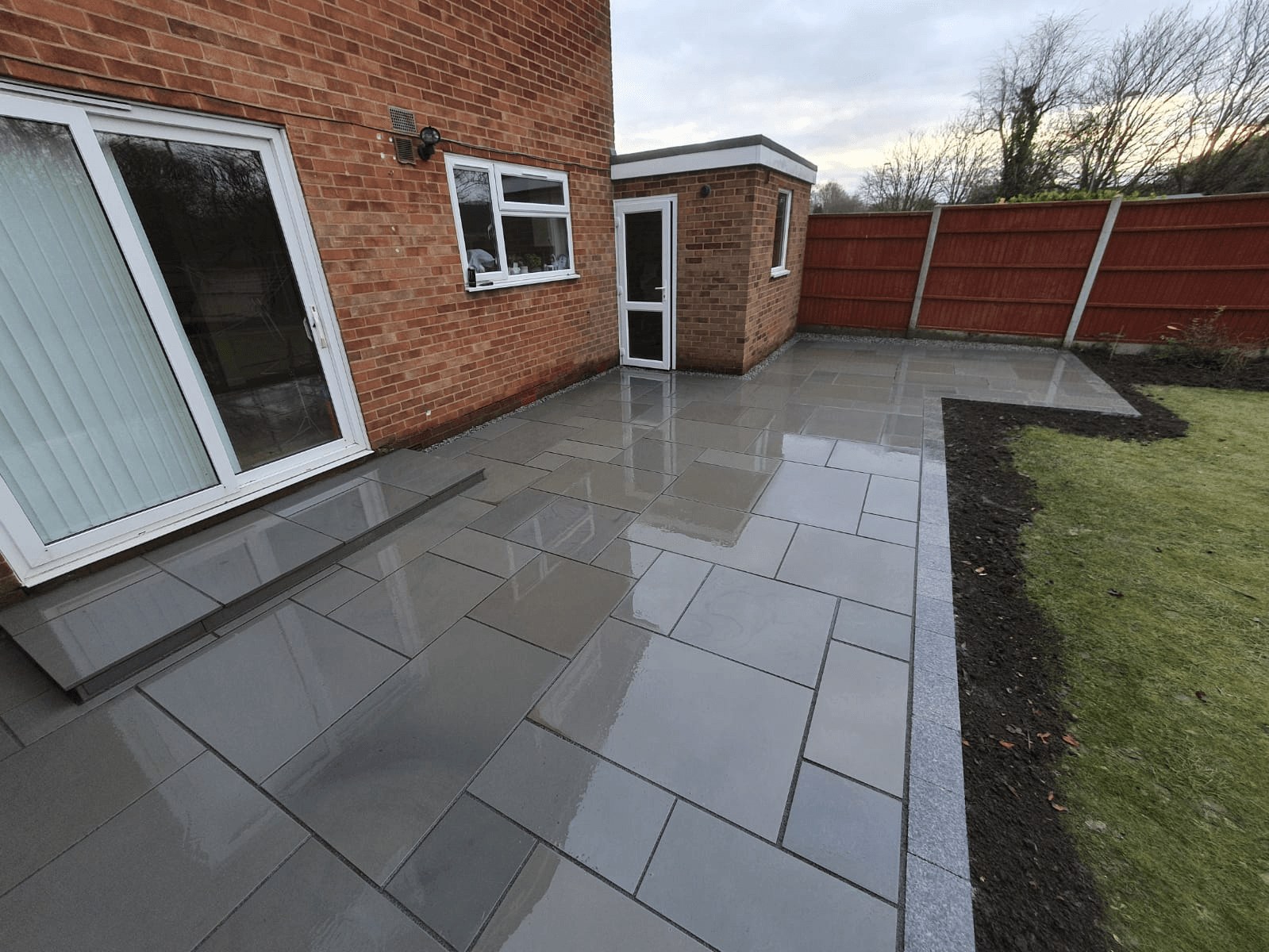 Landscaping & gardens project 3
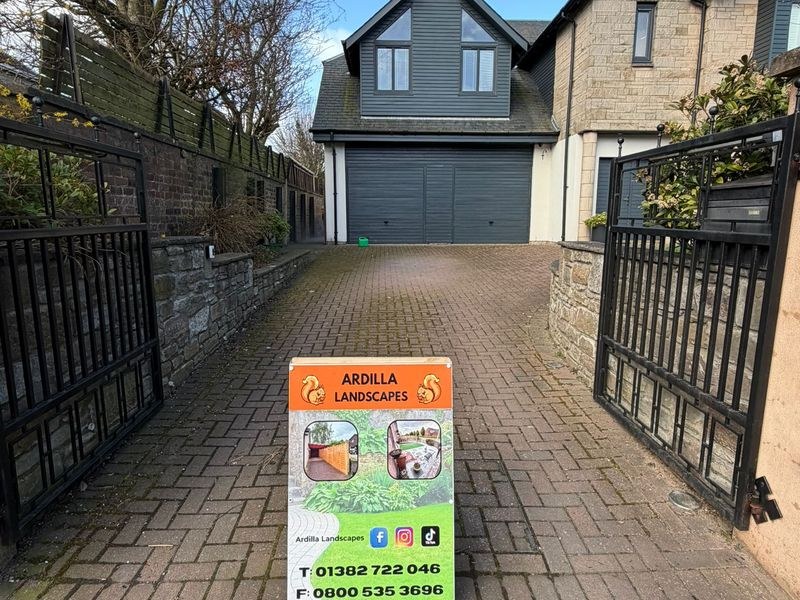 Landscaping & gardens project 3
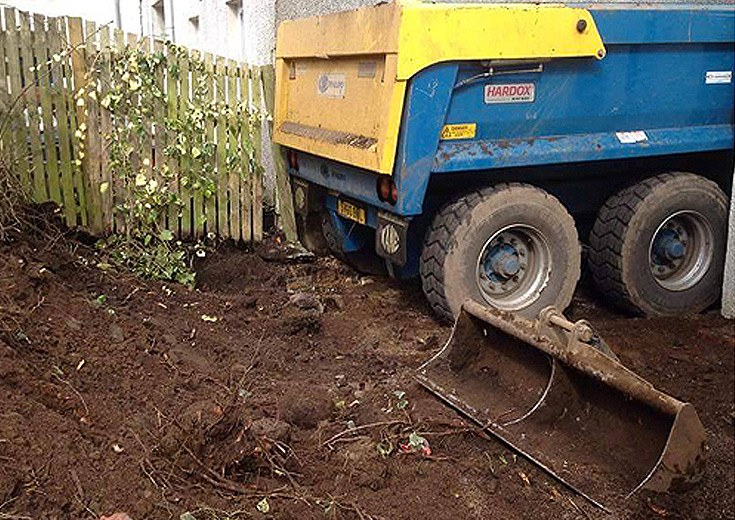 Landscaping & gardens project 3
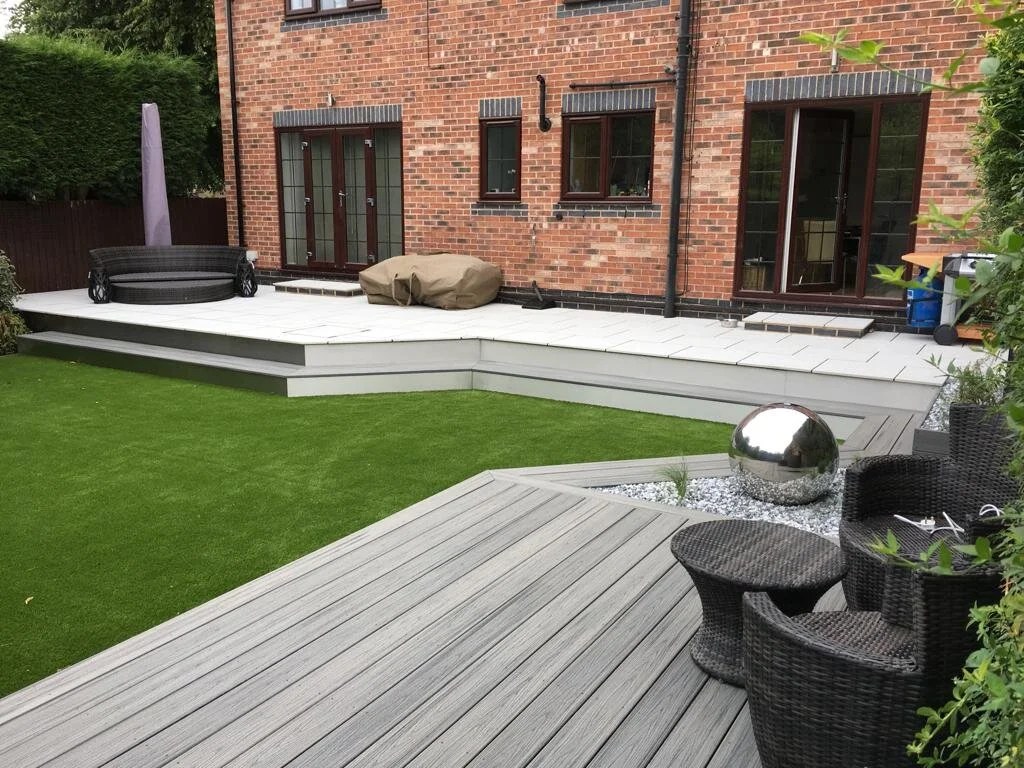 Landscaping & gardens project 3
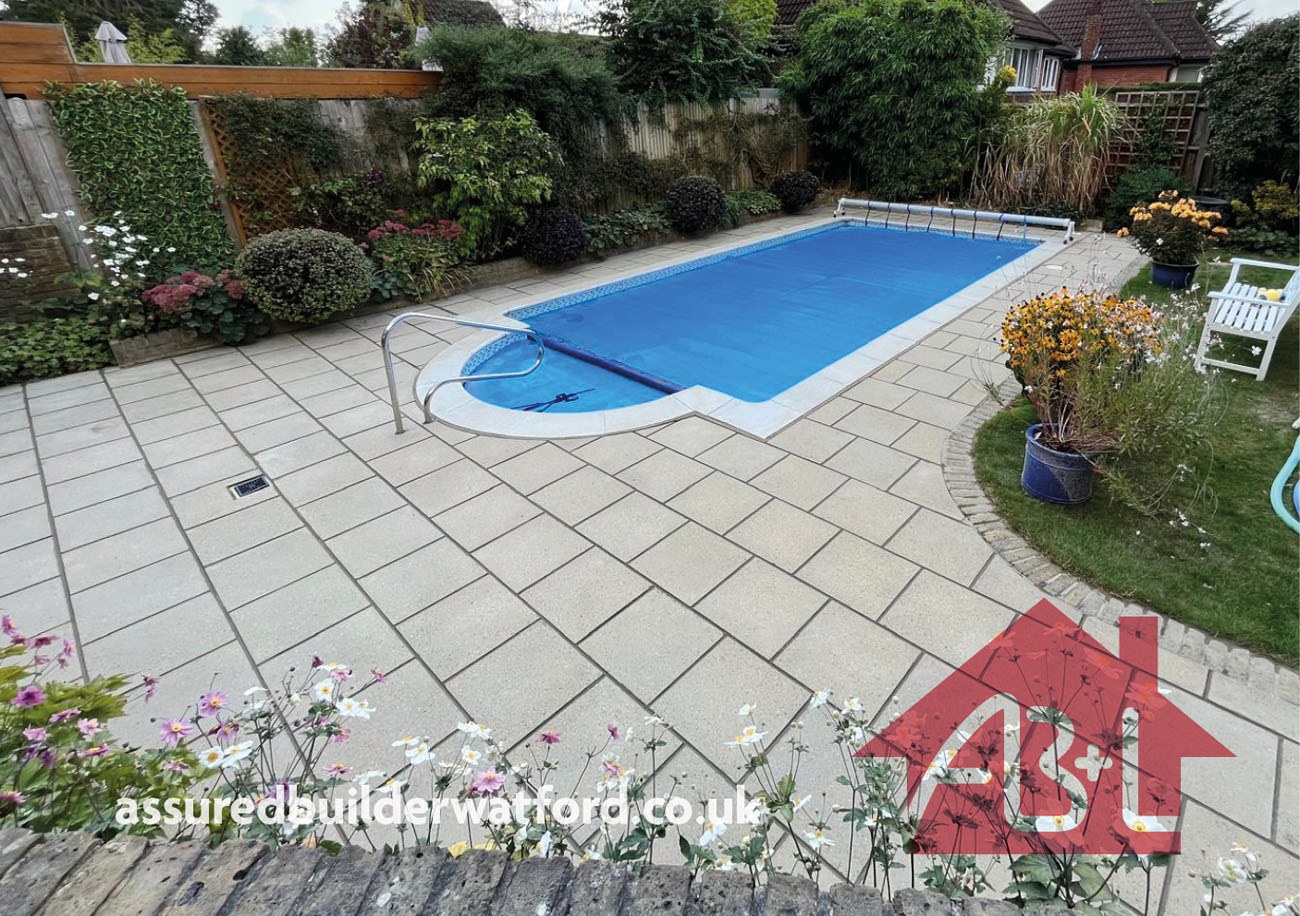 Landscaping & gardens project 3
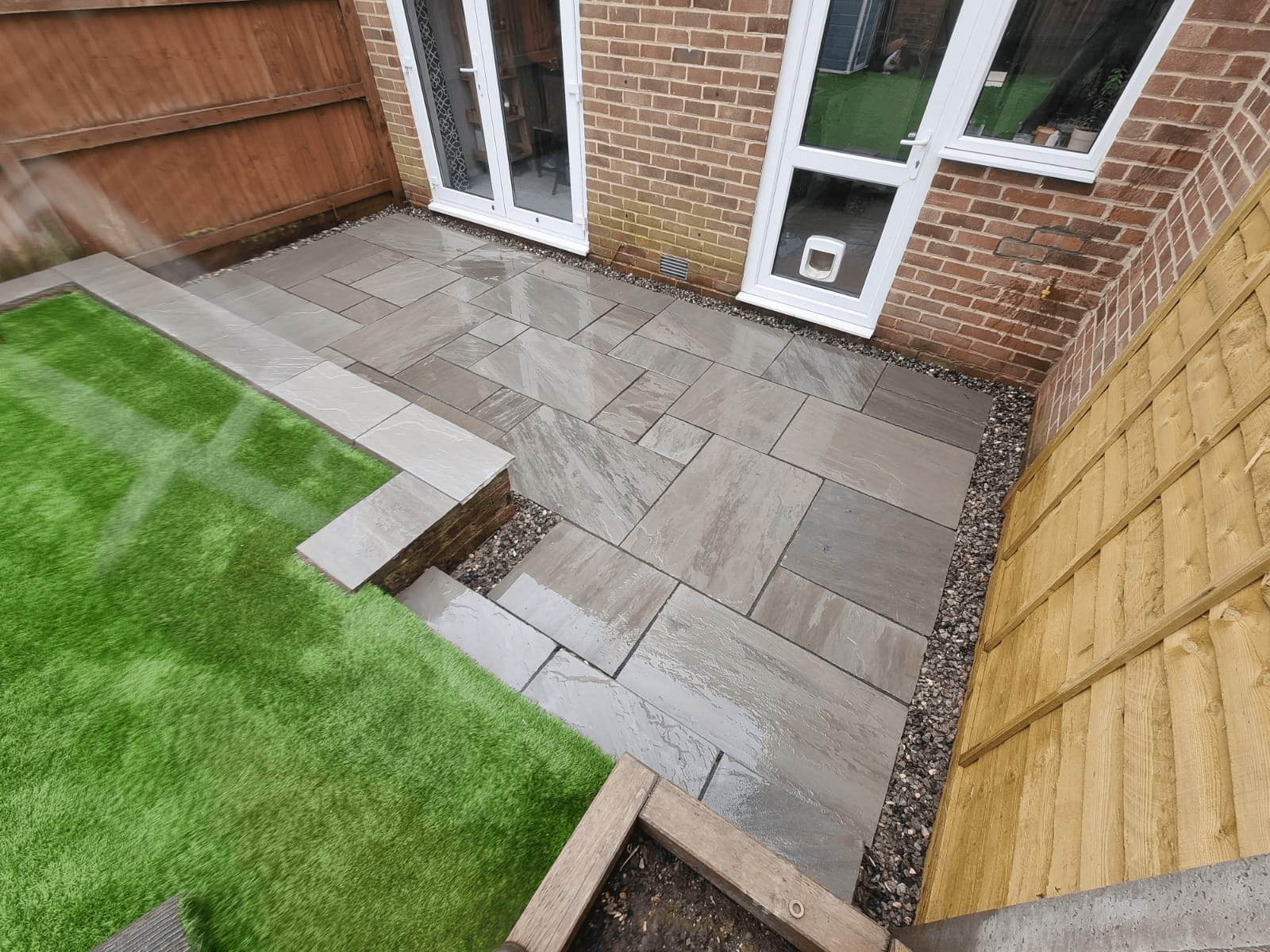 Landscaping & gardens project 4