Driveway repairs quotes
Repairing a driveway means identifying whether cracking, potholes, sinking or drainage failure affects the surface, foundation or edges, then carrying out a targeted repair or replacement. Prompt work can limit water entry, trip hazards and progressive settlement, but the correct method depends on the existing material and underlying ground.
What this covers
A driveway repair begins with inspection of the visible failure and the layers beneath it. The contractor may check whether cracks are superficial or continuing through the base, whether blocks rock under load, and whether standing water indicates inadequate falls, blocked drainage or settlement. Loose material, weeds and failed jointing are removed before the affected area is opened up.
Local repairs can include replacing individual paving blocks, cutting out failed tarmac, patching resin-bound surfacing, repointing joints or rebuilding a sunken edge. If the foundation has lost strength, the damaged section is excavated, unsuitable material removed, and a compacted sub-base installed before the surface is reinstated. Kerbs, channels and thresholds may need resetting so vehicles do not spread the failure.
The finished work should blend with the existing driveway as far as the material and weathering allow. A repair is not always a small cosmetic exercise: repeated cracking, widespread settlement or failed drainage can make sectional reconstruction more sensible than another surface patch.
How the work is done
The process normally starts with photographs, measurements and a close inspection of cracks, depressions, joints, edges and drainage routes. The contractor should identify the repair boundary and explain whether the visible defect is caused by the surface or the supporting ground.
Next, vehicles and obstructions are removed, the work area is marked, and relevant services are considered before excavation. Damaged surfacing is cut, lifted or broken out cleanly. Loose sub-base, contaminated soil and failed bedding are removed to the depth needed for stable reinstatement.
The exposed ground is checked, then suitable foundation material is placed and compacted in controlled layers. Kerbs, channels or drainage details are reset where movement caused the failure. The chosen surface is installed, levelled or jointed to meet the surrounding driveway, with edges sealed or restrained where appropriate.
Waste is removed and the repaired area is inspected for rocking units, open joints, abrupt level changes and water flow. The provider should explain access restrictions, curing or settling requirements and what maintenance is needed before vehicles return.
What affects the cost
Repair cost is driven first by the cause and depth of failure, not simply by the visible size of a crack or pothole. A shallow surface defect may need limited cutting and reinstatement; settlement caused by weak ground requires excavation, new foundation material and compaction.
Other drivers include the driveway material, the difficulty of matching weathered blocks or aggregate, the amount of surfacing to remove, waste disposal, restricted access and the need to protect walls, gates or planting. Resetting kerbs, channels, inspection covers or thresholds adds physical work. Drainage changes can involve additional excavation and consideration of where water can lawfully discharge.
A quote should make clear whether investigation, excavation, sub-base replacement, surface materials, jointing, edge restraint, waste removal and making good are included. If excavation affects groundworks, utility searches may be sensible before breaking ground. SuDS or drainage approval can also influence the proposed solution where altered runoff affects the property or surrounding land.
Before you hire
A capable driveway repairer should distinguish surface damage from sub-base failure and show the proposed repair boundary before work starts. Useful evidence includes photographs of excavation, an explanation of compaction and a clear method for matching the existing material. Ask how the contractor will manage falls, kerbs, channels and thresholds rather than discussing only the top surface.
For ground disturbance, job-specific competence includes awareness of utility searches, CDM 2015 responsibilities where applicable, and the drainage implications of changing runoff. The quotation should identify what happens if unstable ground extends beyond the visible defect, so an unexpected excavation is handled transparently rather than concealed by a thin patch.
Recent work
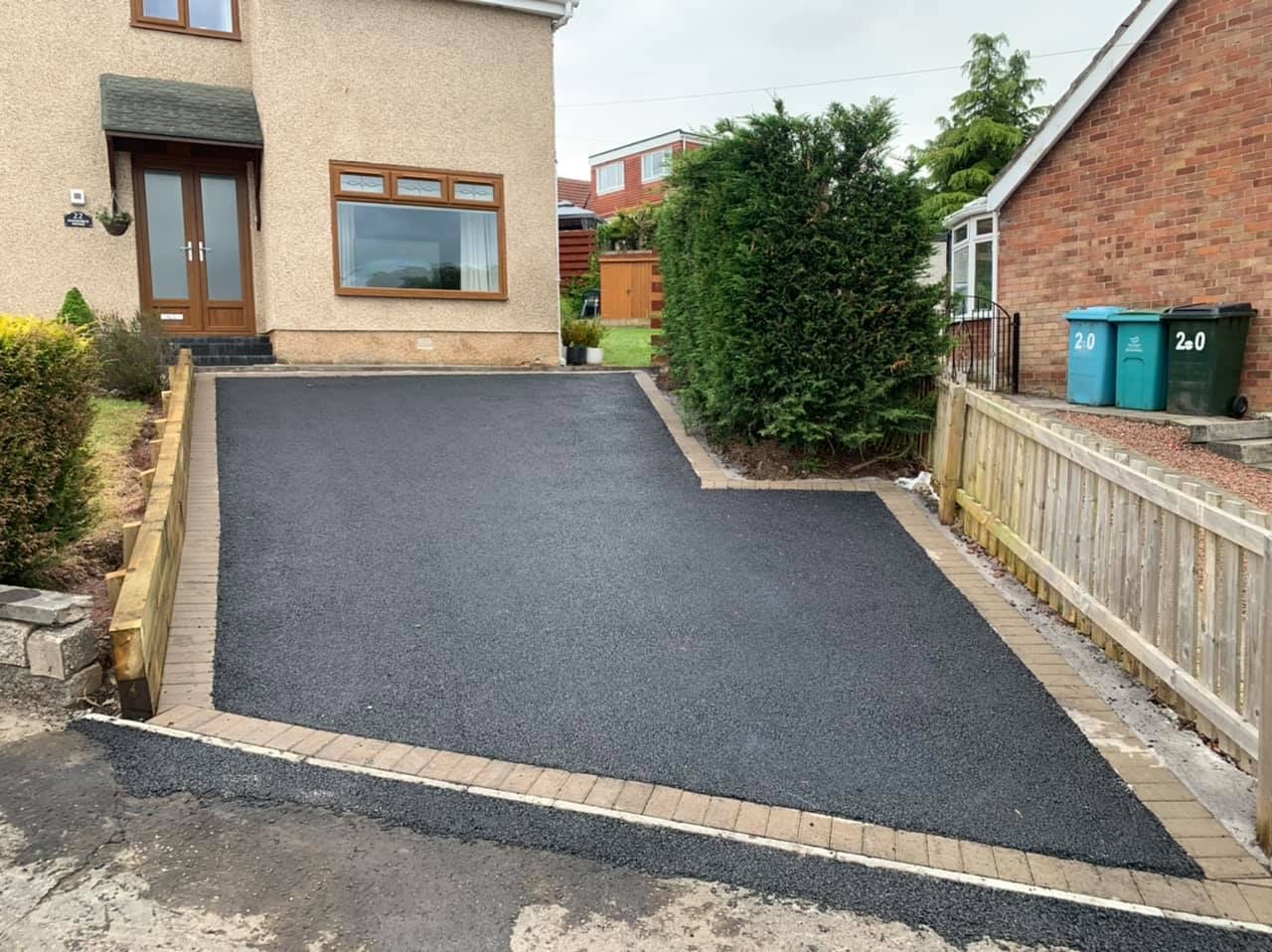 Driveways & paving project 1
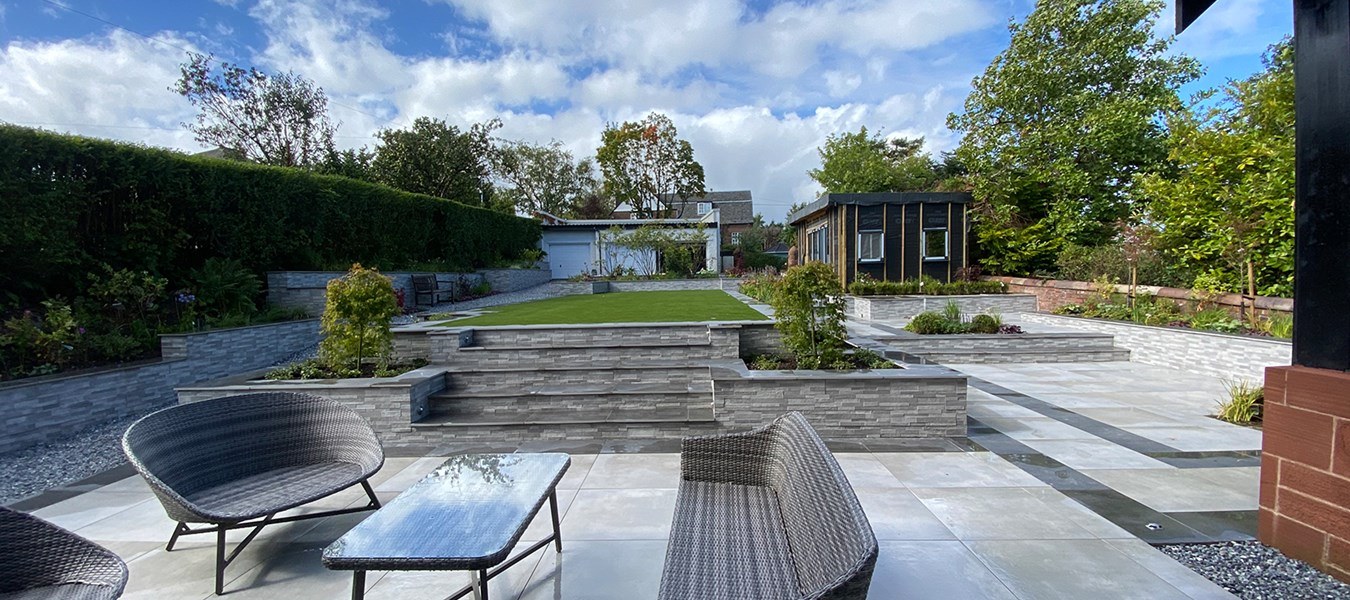 Driveways & paving project 1
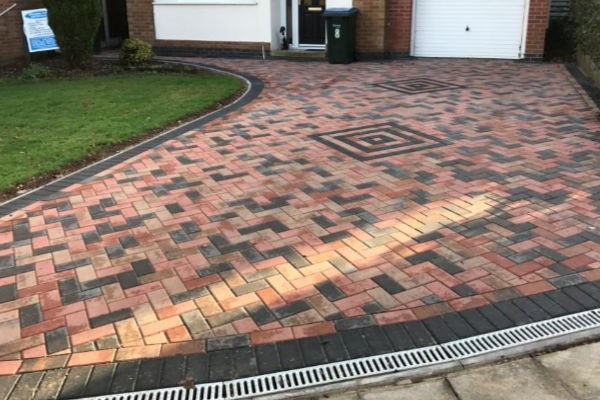 Driveways & paving project 1
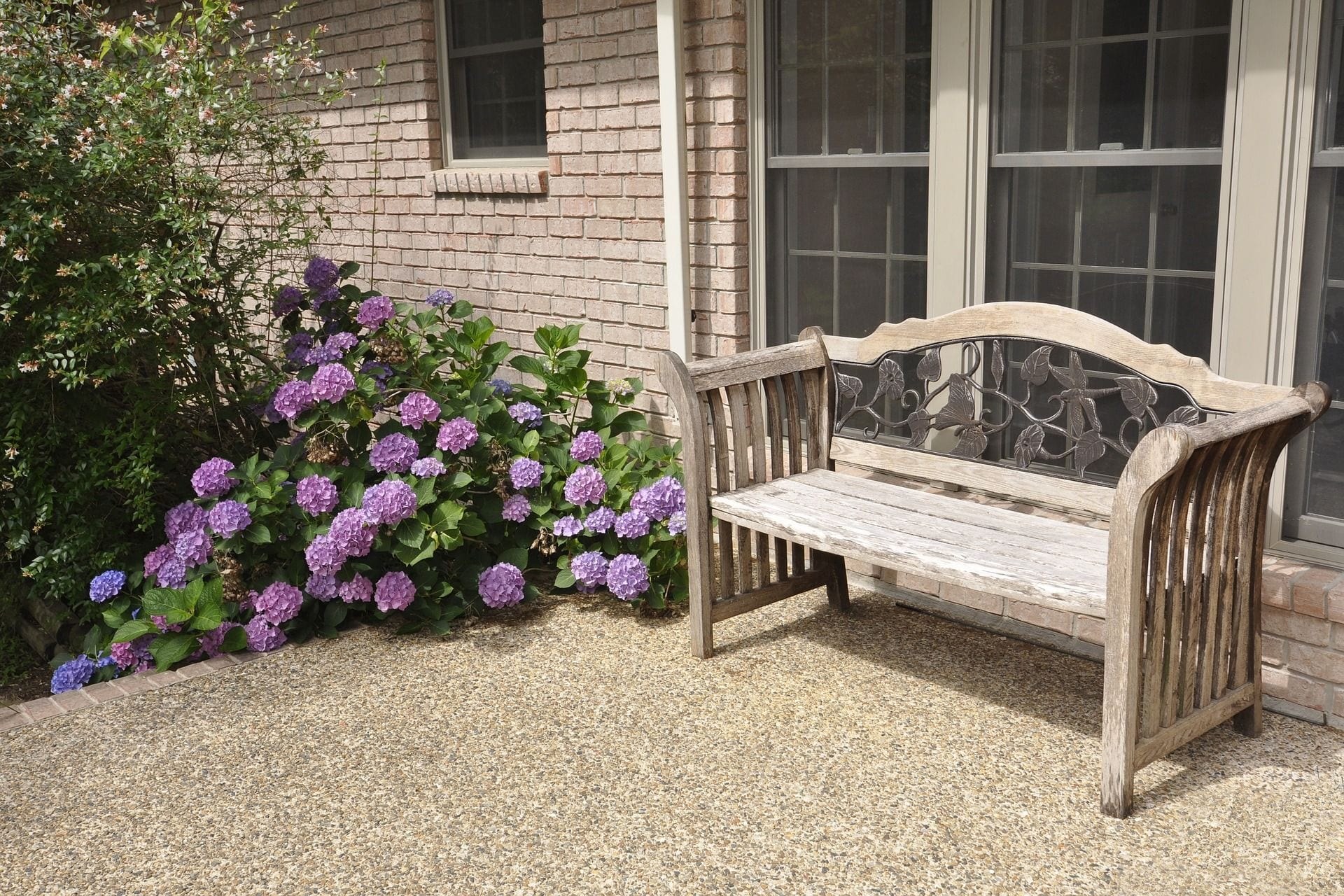 Driveways & paving project 1
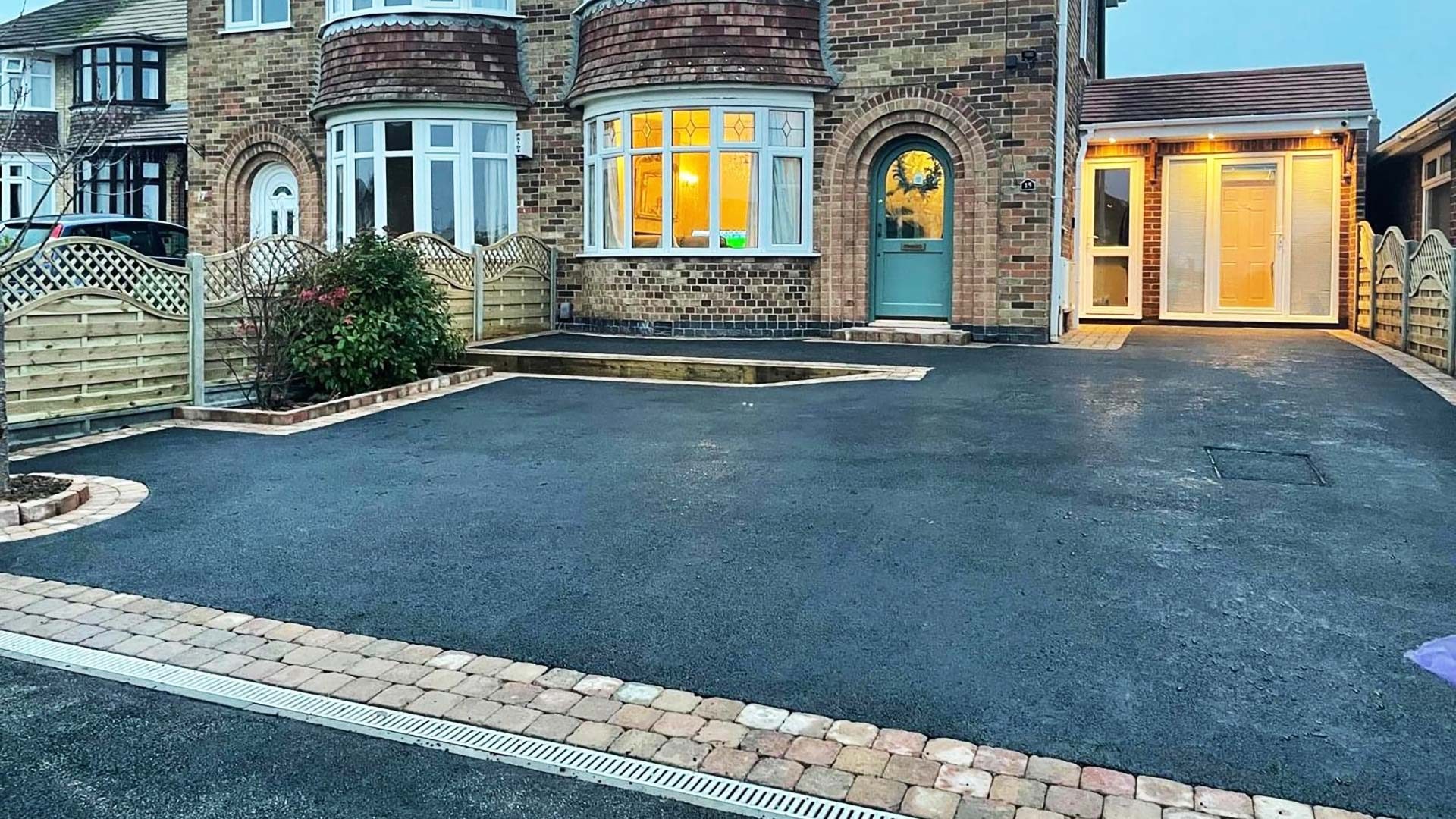 Driveways & paving project 1
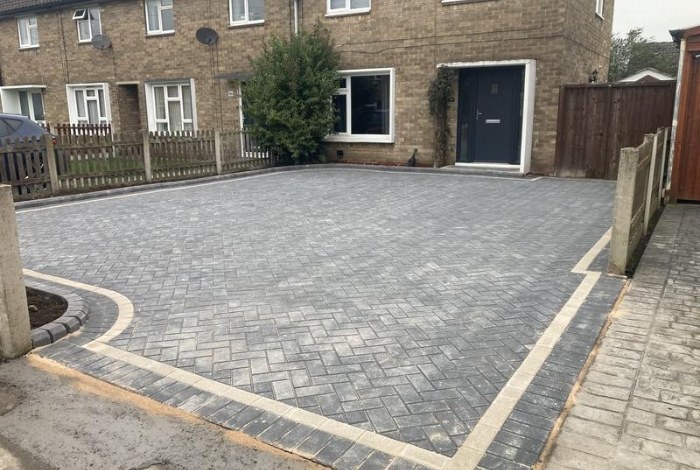 Driveways & paving project 1
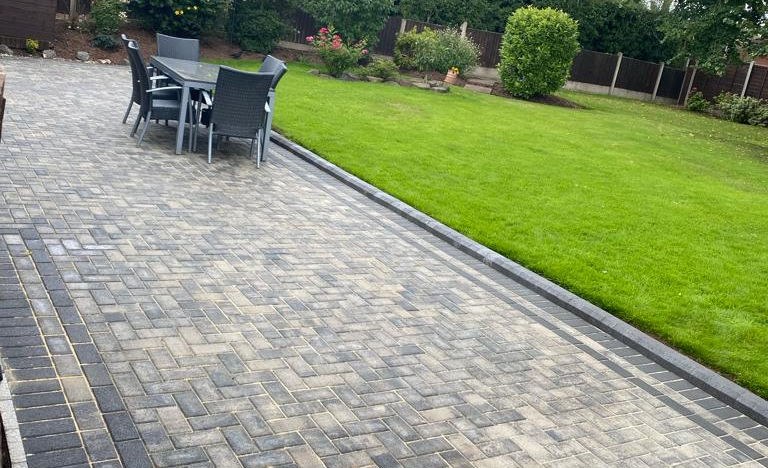 Driveways & paving project 1
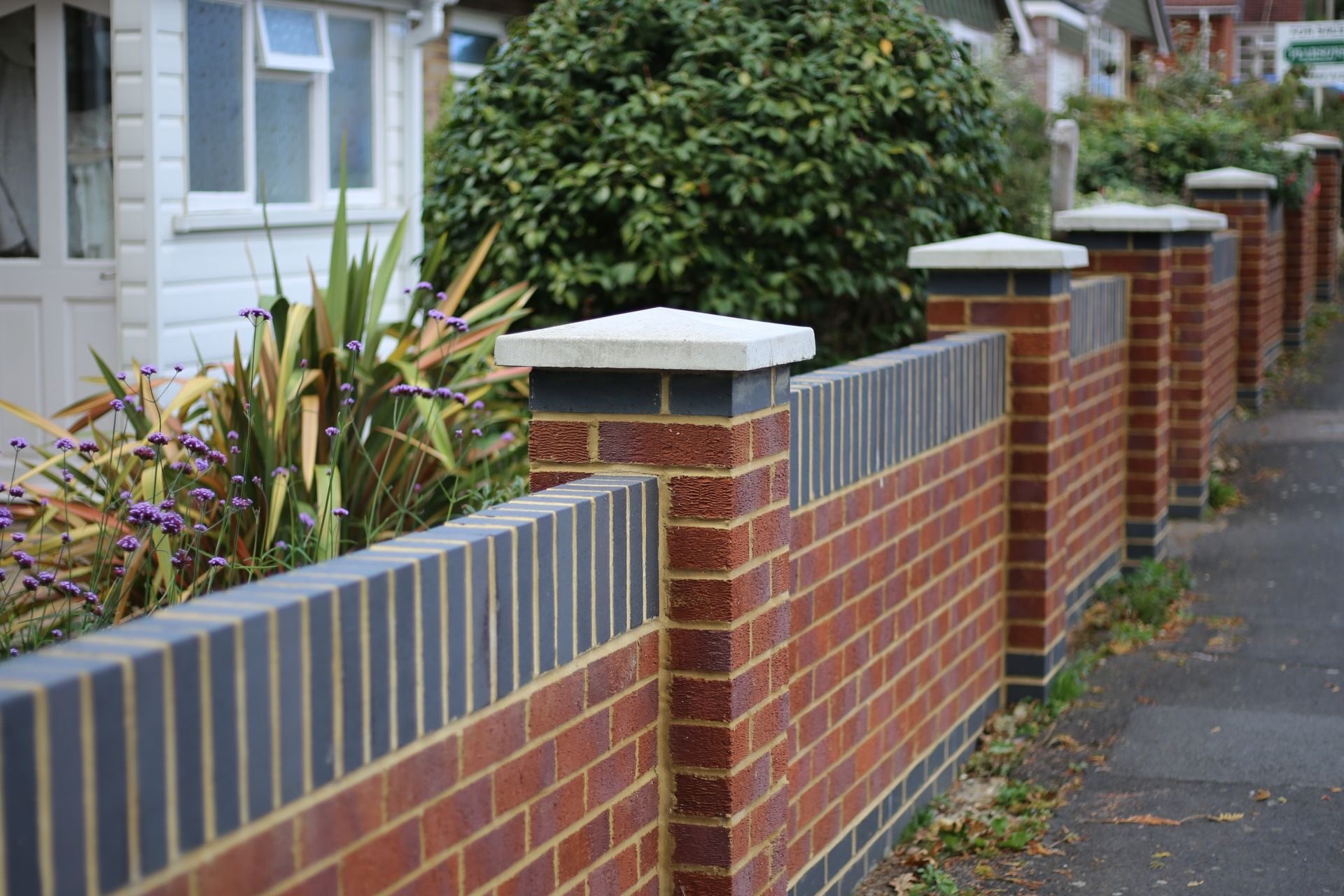 Driveways & paving project 1
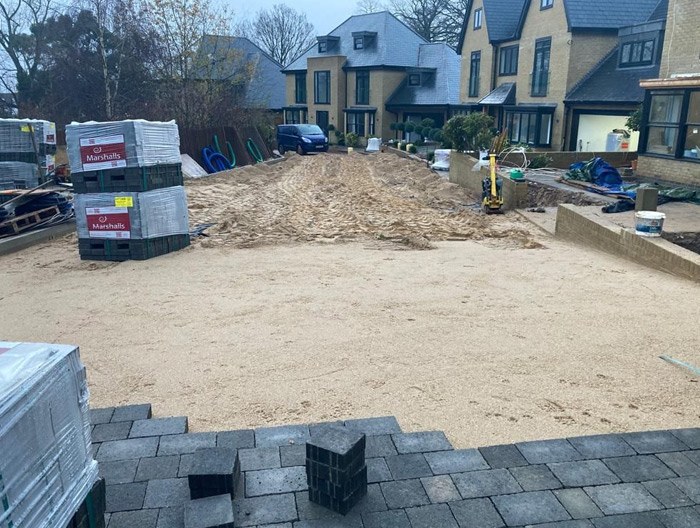 Driveways & paving project 1
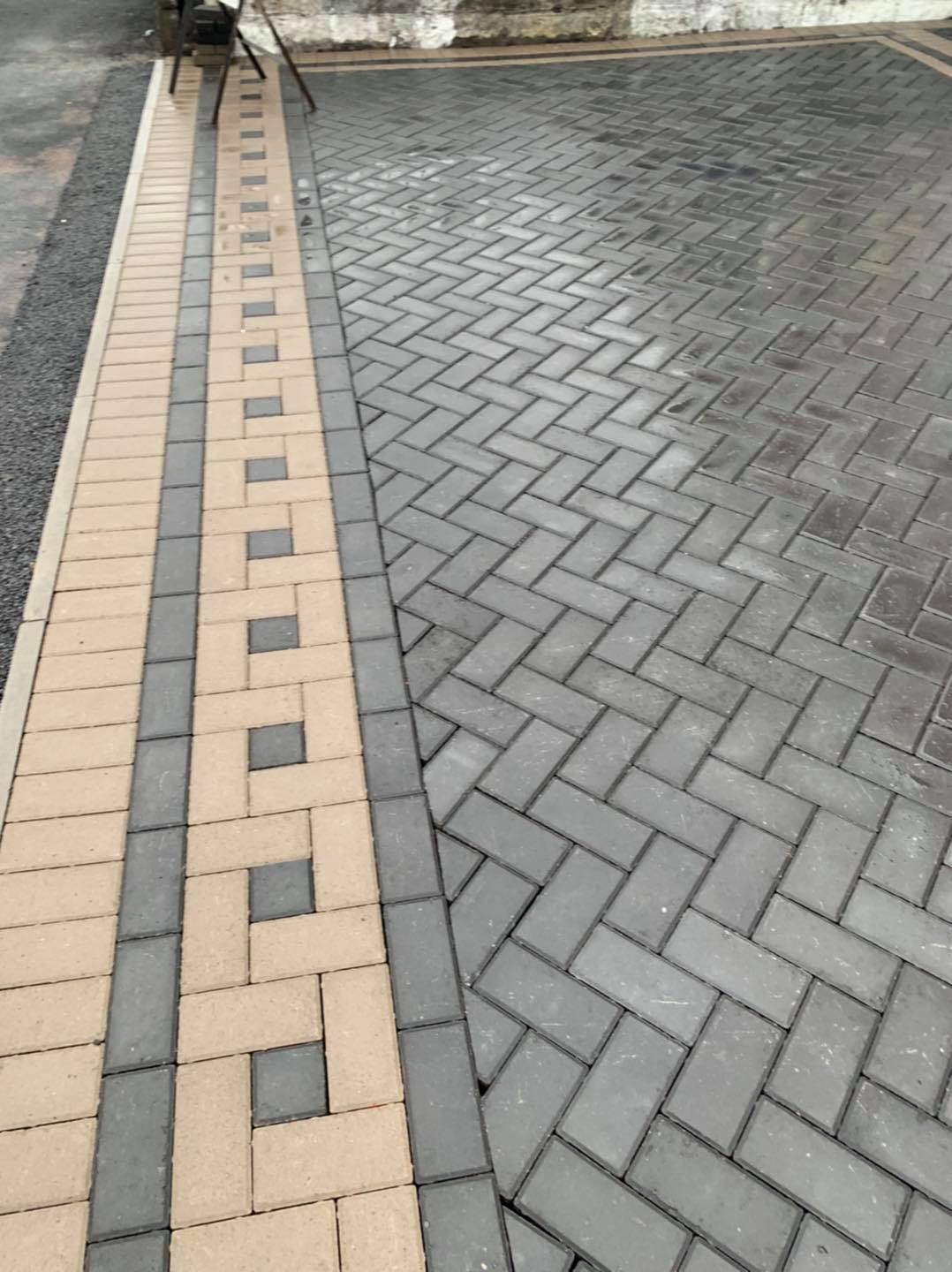 Driveways & paving project 2
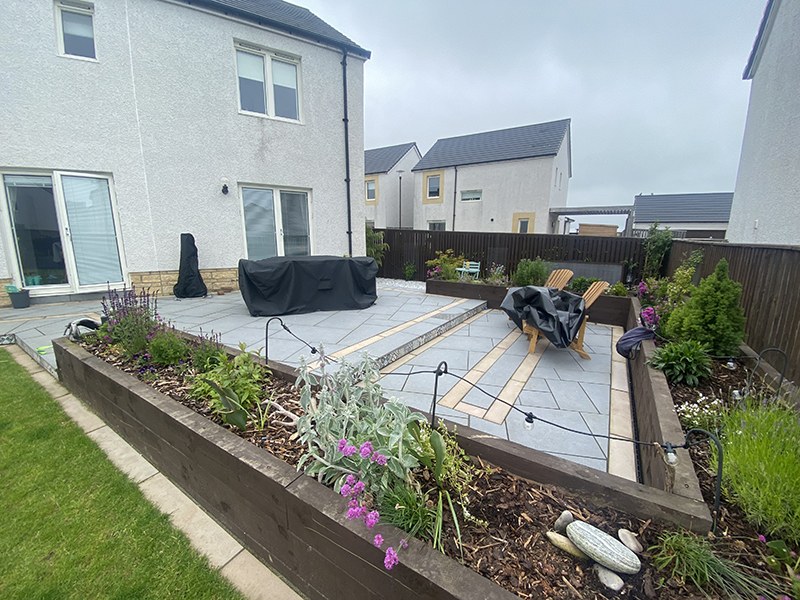 Driveways & paving project 2
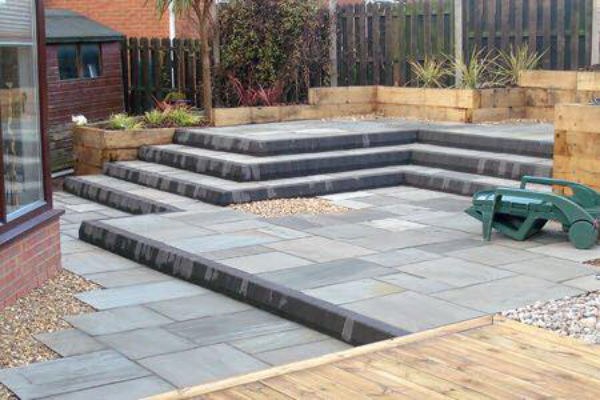 Driveways & paving project 2
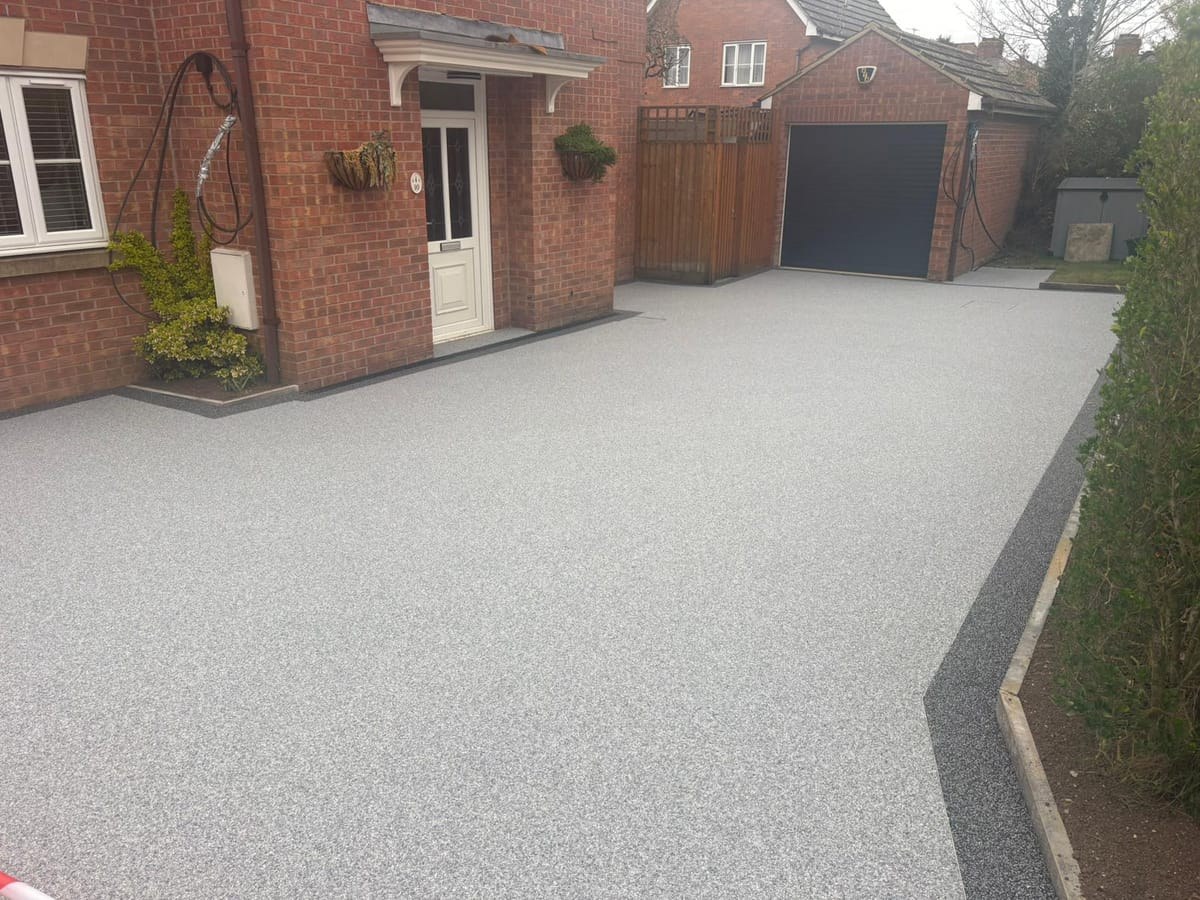 Driveways & paving project 2
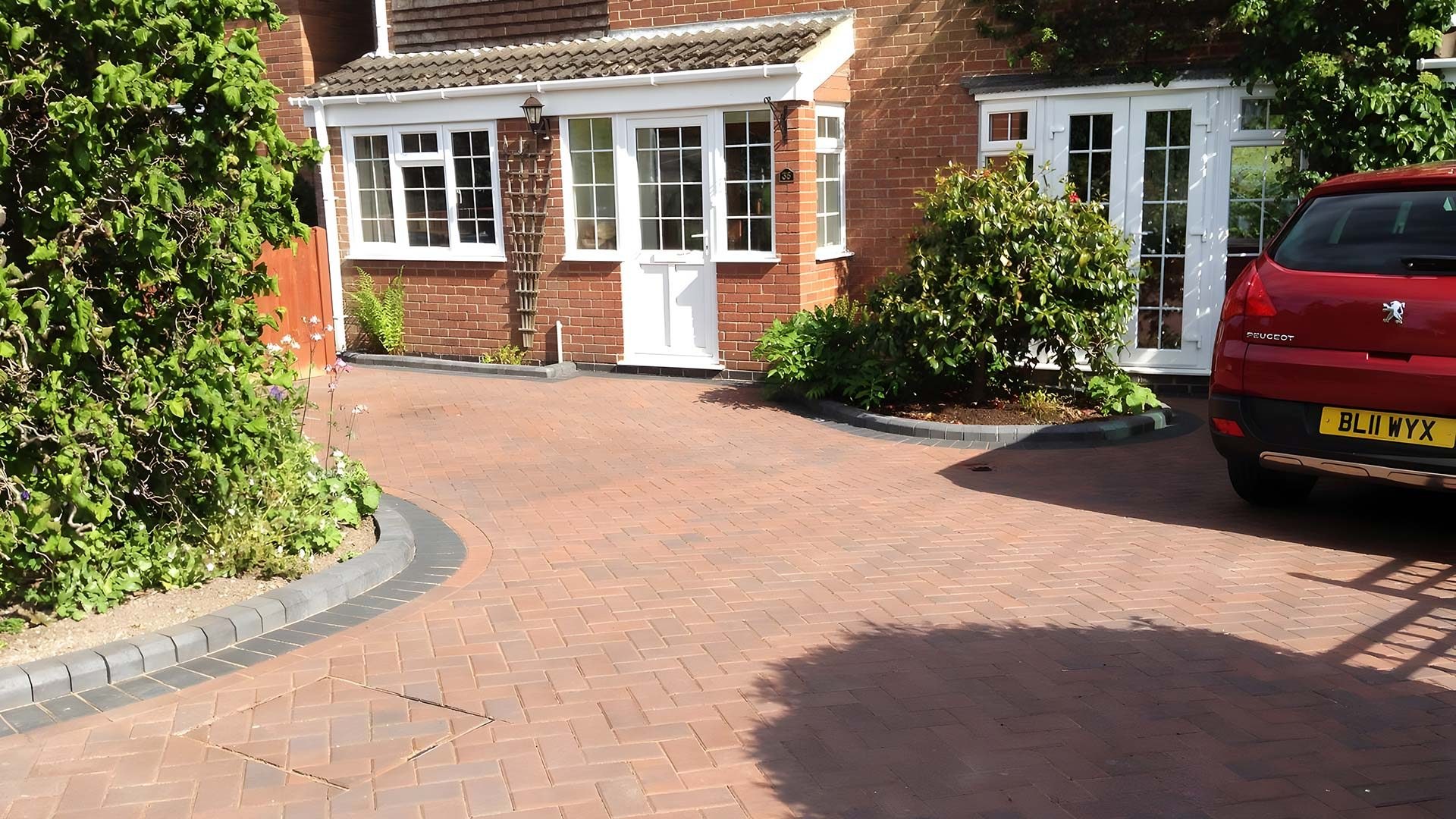 Driveways & paving project 2
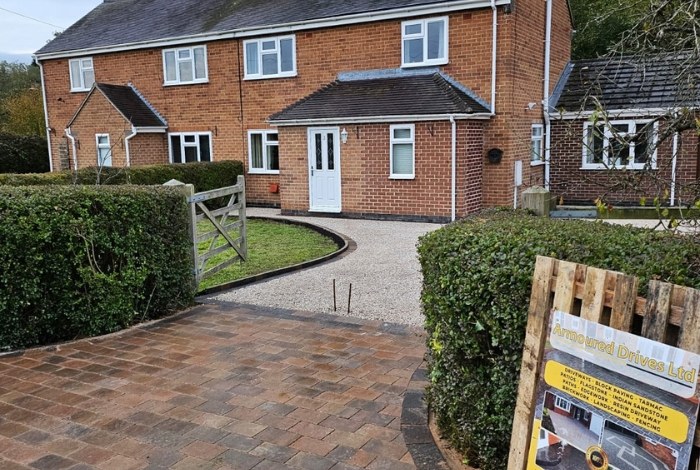 Driveways & paving project 2
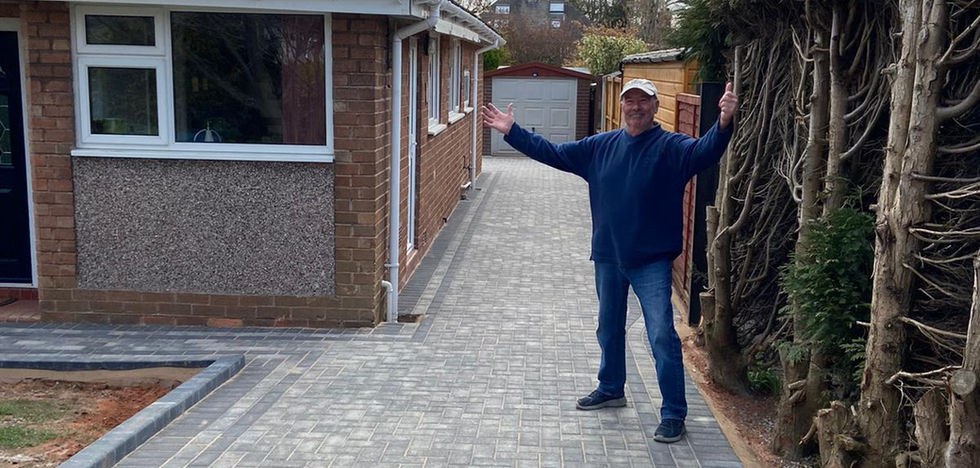 Driveways & paving project 2