Double glazing quotes
Replace double glazing when failed seals, draughts, condensation between panes or damaged frames are affecting comfort, security or heat loss. A specialist can assess whether a sealed unit, hardware component or complete window needs replacing, while secondary glazing may suit listed or architecturally sensitive properties.
What this covers
The work starts with inspecting the frame, opening, hinges, locks, seals, drainage paths and surrounding masonry. A technician checks whether the sealed glass unit has failed or whether the frame itself is warped, rotten, corroded or unsuitable for an upgrade. Glass-only replacement normally involves removing beads, lifting out the old unit, checking support blocks and fitting a correctly measured sealed unit with renewed seals. Full replacement involves careful removal of the frame, preparation of the reveal, installation of the new window, fixing, insulation, sealing and internal or external making-good. Doors may require threshold adjustment, multipoint-lock alignment and checks that the opening remains square. Secondary glazing adds an independent inner pane without removing the original window, which can reduce draughts while retaining historic fabric. The specification may include low-emissivity glass, gas-filled cavities, acoustic or safety glass, trickle ventilation and hardware selected for the opening. FENSA or CERTASS registration may provide relevant installation documentation, while Part L and Part Q considerations can affect thermal performance and security provisions.
How the work is done
First, the provider records each affected opening, measures the visible and concealed dimensions, and identifies the failure rather than assuming every window needs replacement. They inspect glass, seals, frame material, drainage, hinges, locks, reveals and nearby damp or cracking. The quotation should then separate sealed-unit replacement, hardware repair, full-frame replacement and secondary glazing where those routes differ. Before work starts, furniture and floor coverings are protected, access is confirmed and any required scaffolding or permissions are arranged. For a sealed unit, beads are removed, the glass is lifted out safely, packers are checked, the new unit is installed and the beads and seals are refitted. For a full replacement, the existing frame is removed, the opening is prepared, the new frame is fixed square, insulated and sealed, then sashes or panes are hung and adjusted. The installer tests opening, locking, drainage and weather seals, removes waste and completes making-good. Certification or compliance paperwork should be supplied where applicable.
What affects the cost
The main cost driver is scope: replacing one failed sealed unit is materially different from removing several complete frames, altering reveals and making good decoration. Measurements, glass specification, frame material, opening size, door hardware and the number of panes all affect the quotation. Access can add work where upper-storey openings, confined gardens, conservatory roofs or delicate internal finishes require specialist handling, scaffolding or protection. Listed status or conservation controls may require a matching profile, retained glass, secondary glazing or additional consultation rather than a standard replacement. Labour also changes with removal difficulty, masonry repairs, rotten timber, distorted openings, waste disposal and internal finishing. Ask whether the figure includes survey, delivery, protective coverings, old-frame disposal, trims, sealants, plastering, decorating, hardware adjustment and certification. A clear quote should identify each opening, the proposed glass and frame, performance information such as U-values or WER ratings where relevant, and every excluded item.
Before you hire
Job-specific competence shows in accurate surveying of the whole frame and opening, not just the visible pane. The installer should explain why a sealed-unit replacement, hardware repair, full frame or secondary glazing is appropriate, and identify ventilation, escape, safety-glass and security implications. Look for measured specifications covering glass build-up, spacer, seals, frame profile and fixing method. For replacement work, ask how Part L and Part Q considerations are addressed and whether FENSA or CERTASS registration provides the relevant documentation. On older or protected properties, useful expertise includes matching sightlines, retaining original fabric and recognising when consent or a non-removal method needs investigation.
Recent work
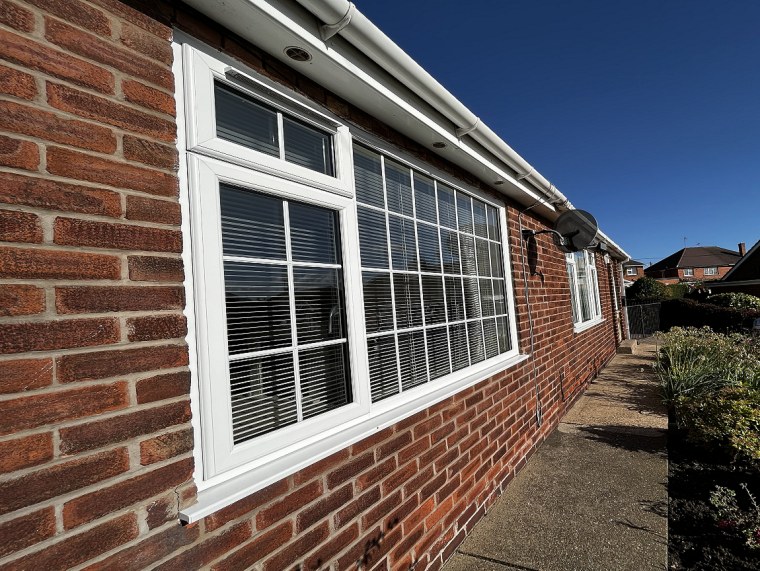 Windows & doors project 1
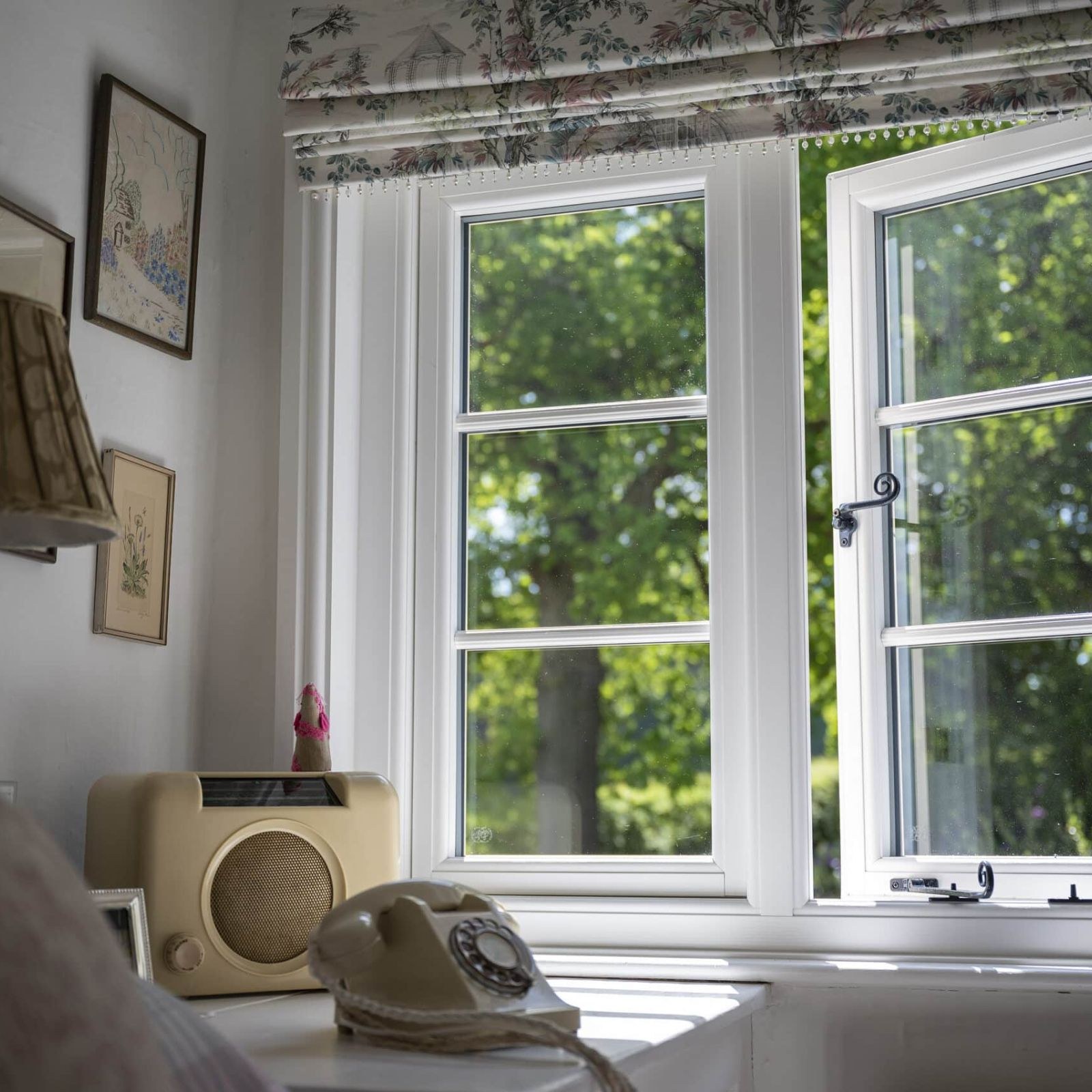 Windows & doors project 1
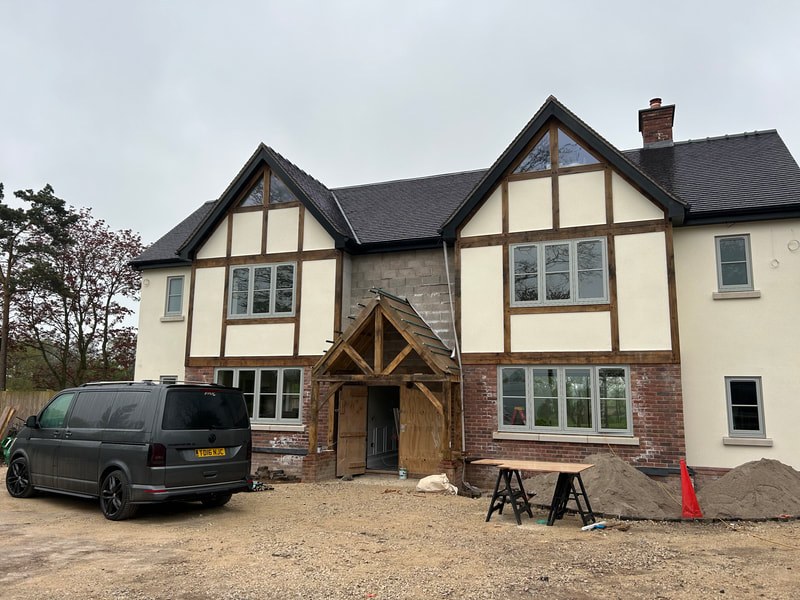 Windows & doors project 1
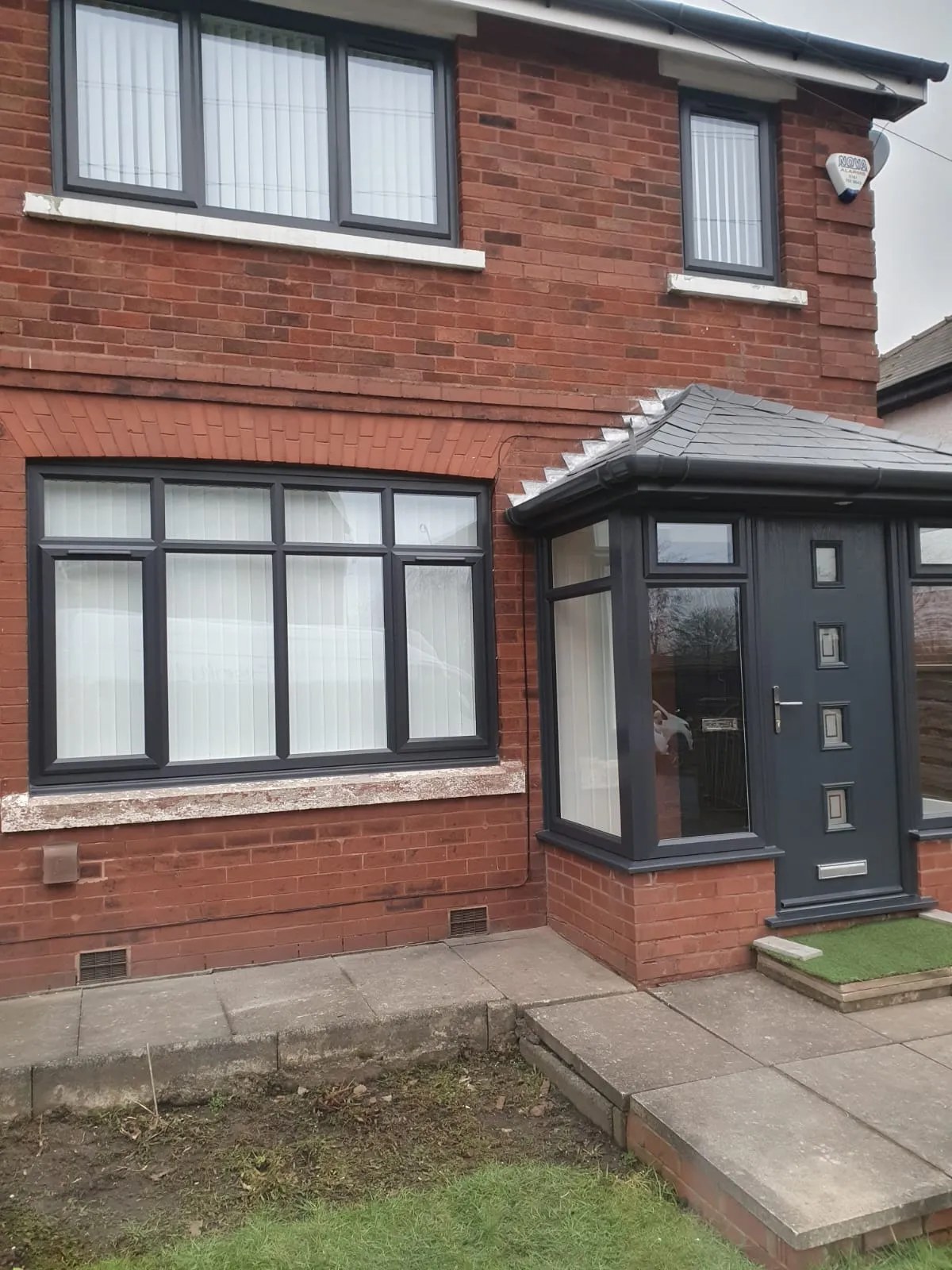 Windows & doors project 1
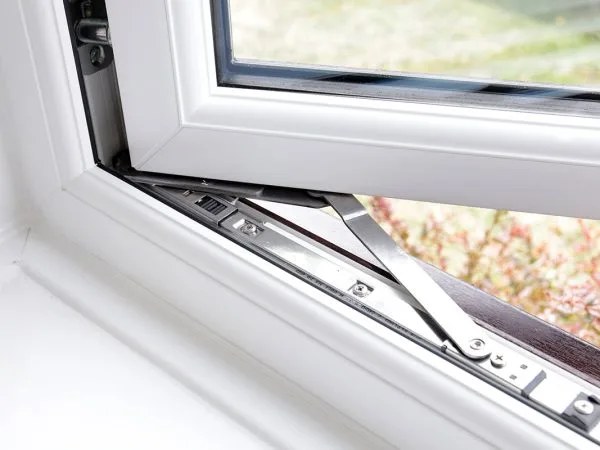 Windows & doors project 1
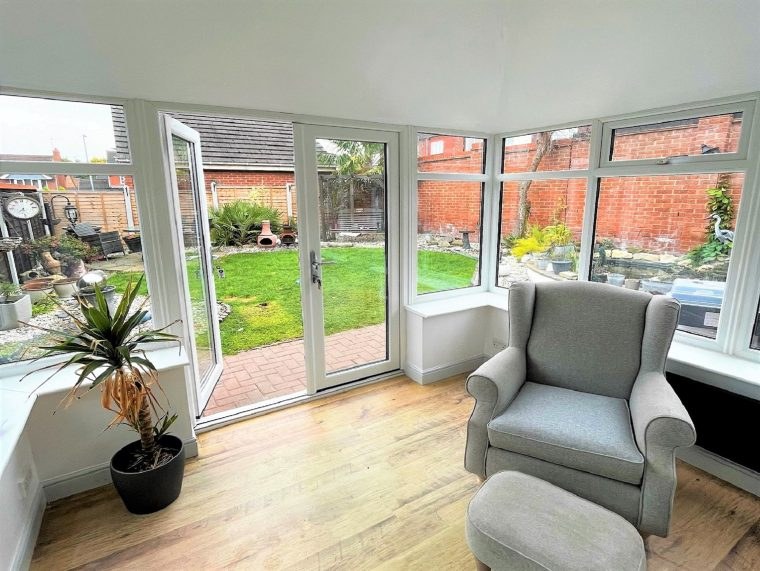 Windows & doors project 2
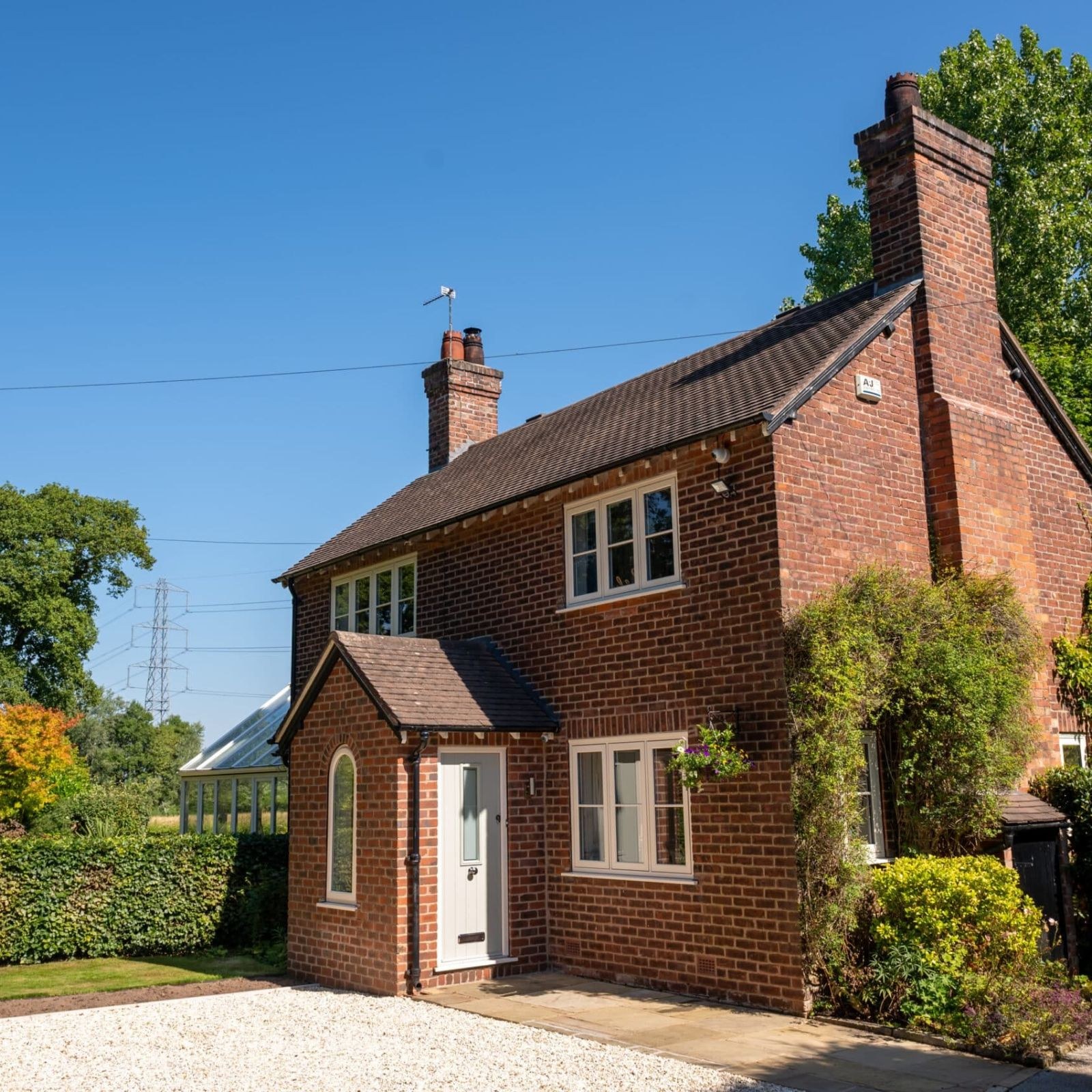 Windows & doors project 2
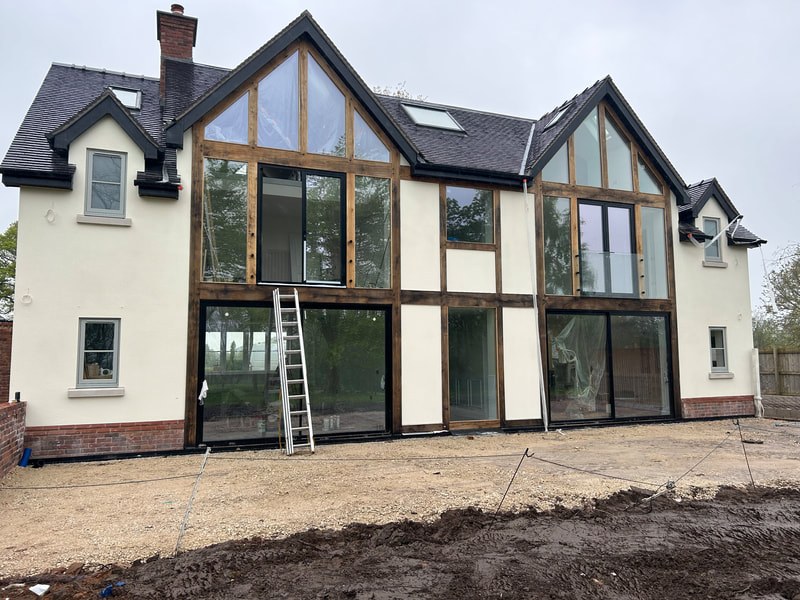 Windows & doors project 2
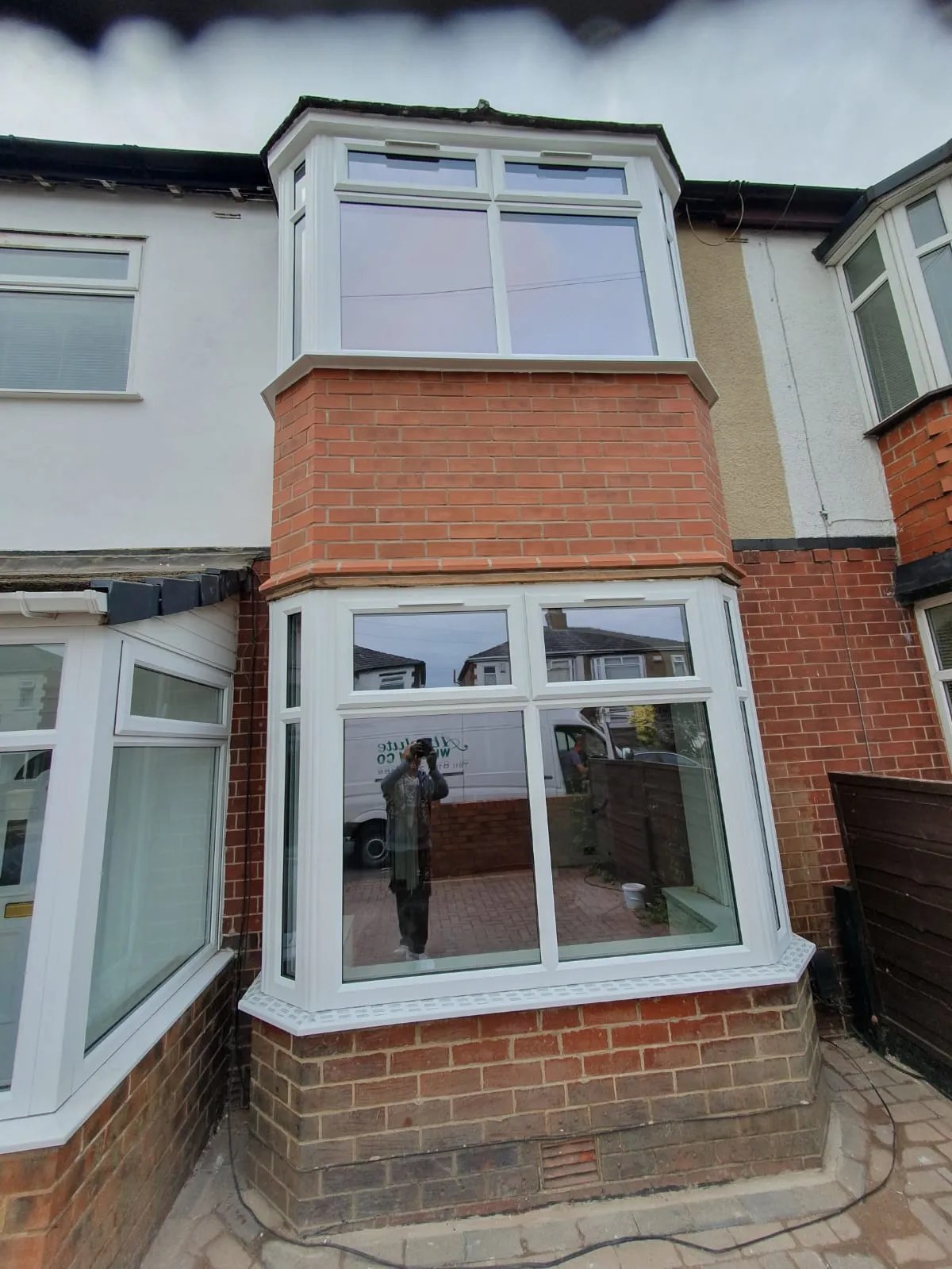 Windows & doors project 2
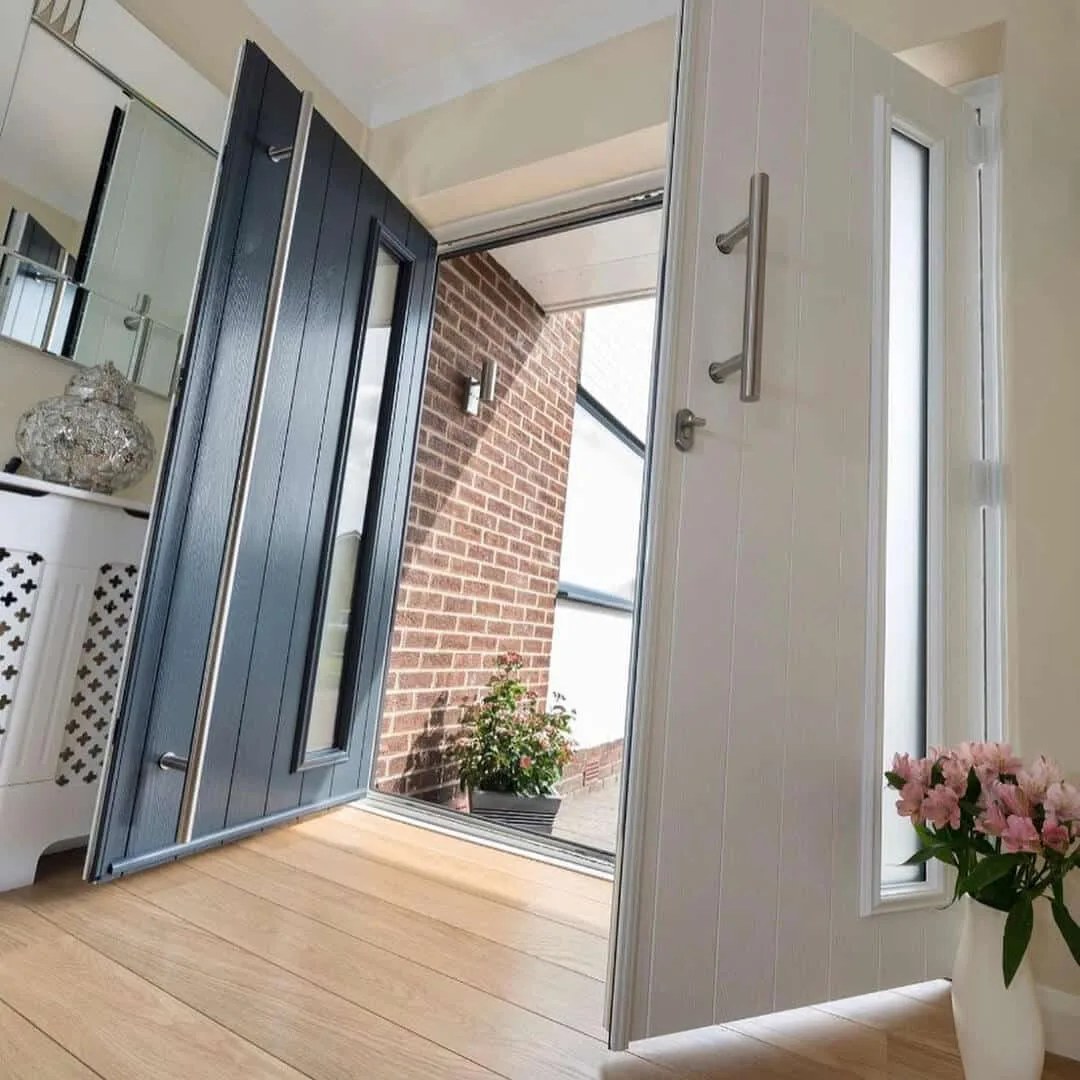 Windows & doors project 2
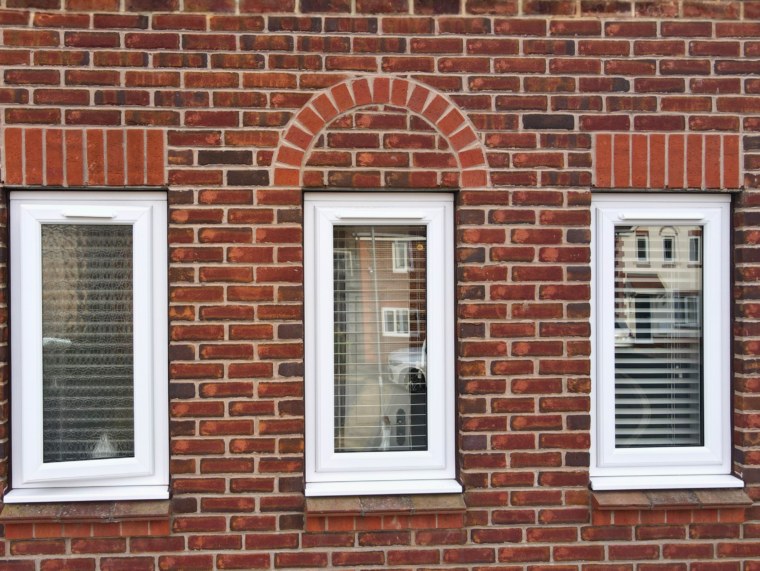 Windows & doors project 3
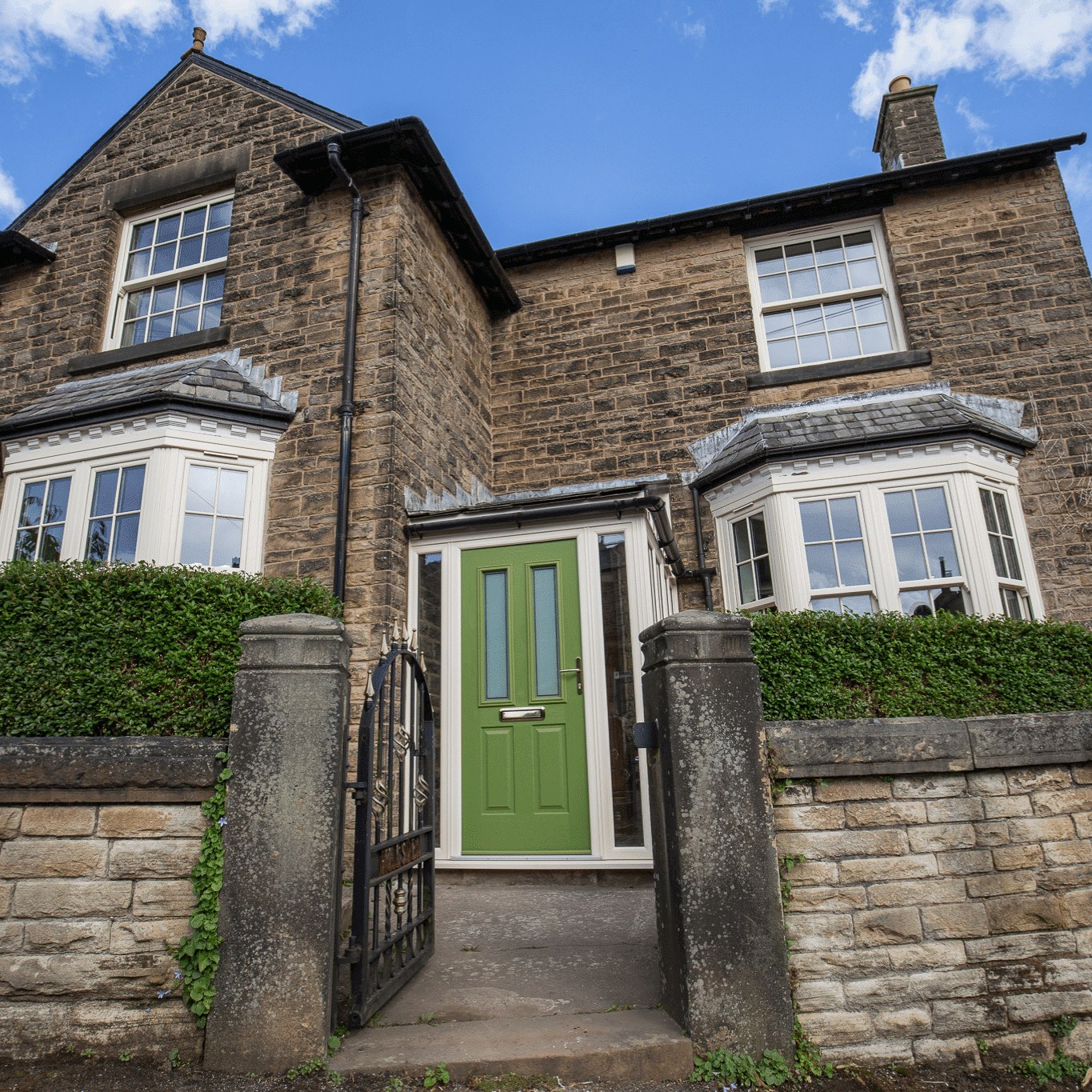 Windows & doors project 3
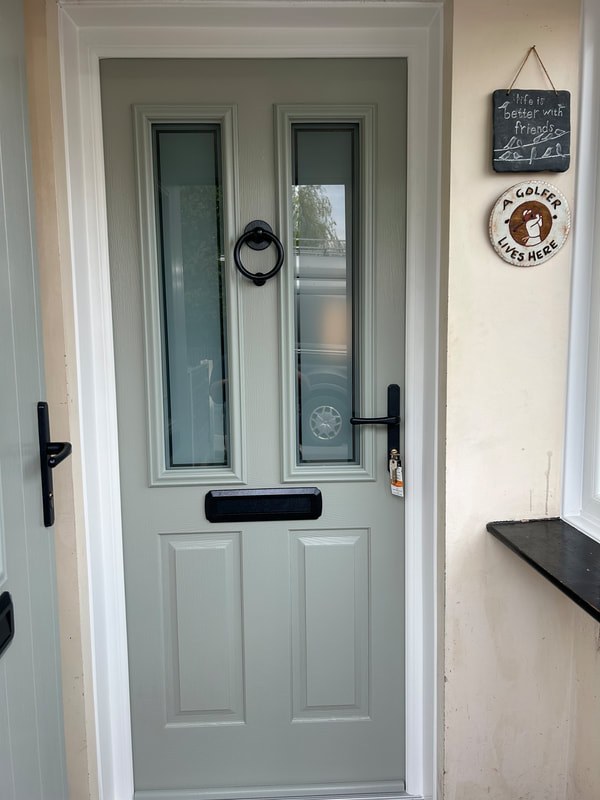 Windows & doors project 3
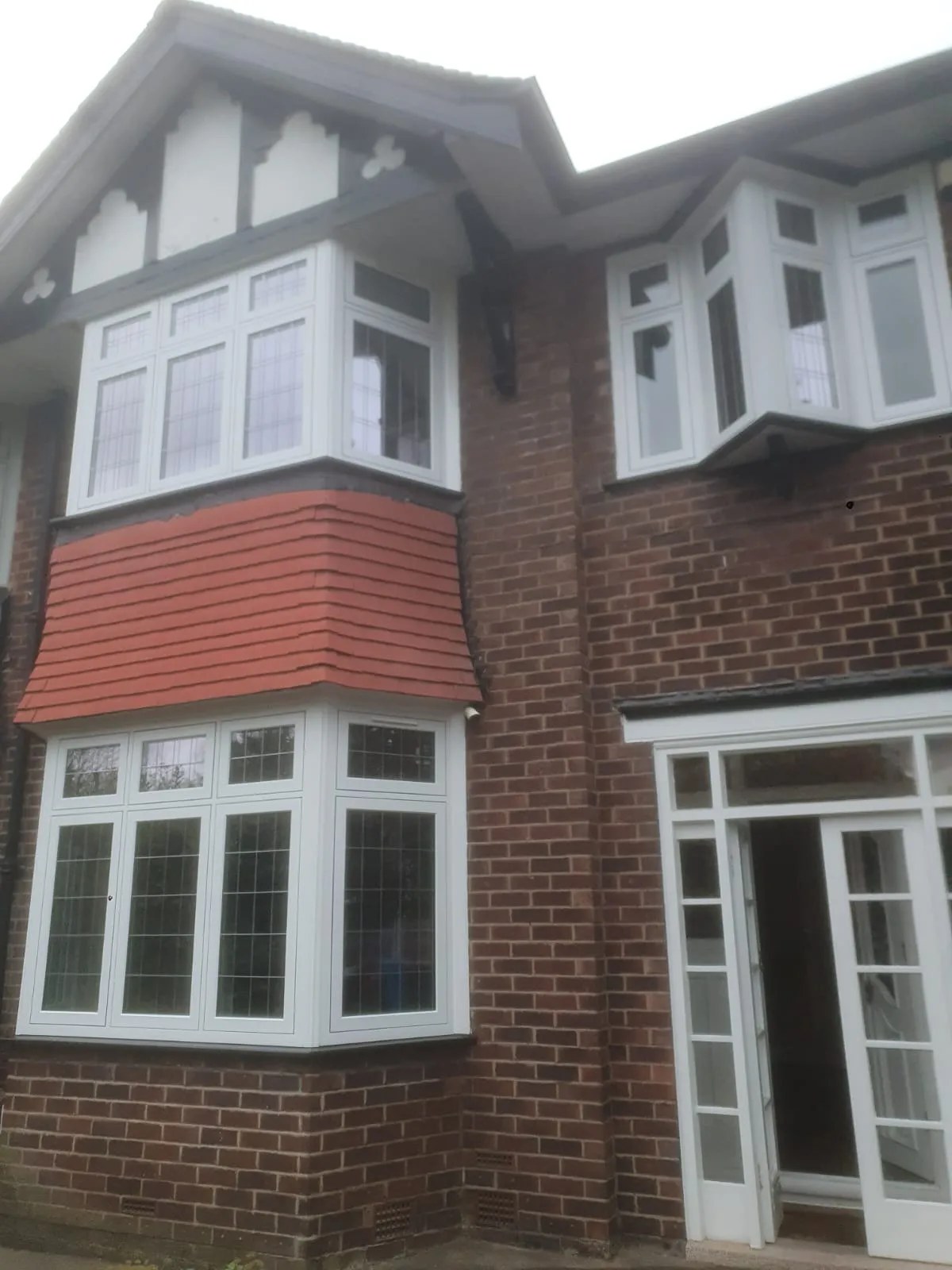 Windows & doors project 3
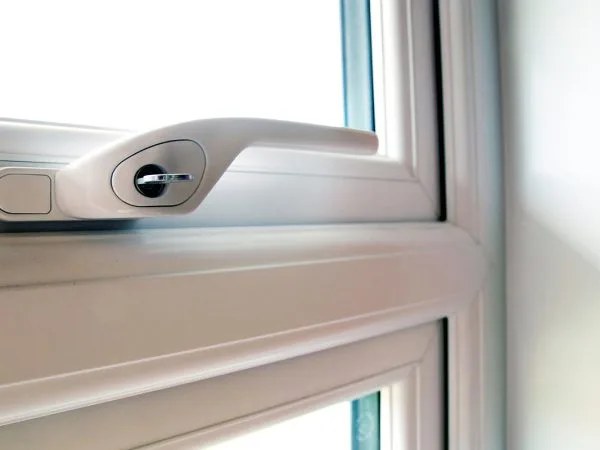 Windows & doors project 3
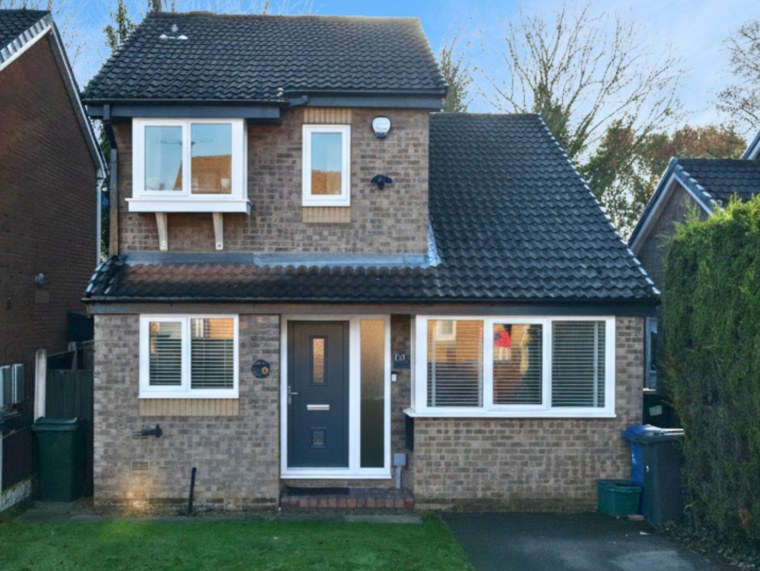 Windows & doors project 4