Door repairs quotes
A door repair restores safe closing, locking, weather resistance or smooth movement without automatically replacing the whole door. It may involve adjusting hinges, replacing hardware, renewing seals, repairing timber or realigning the frame. The correct remedy depends on the failed component, door material, security risk and damage to surrounding structure.
What this covers
Door repairs cover the physical work needed to restore movement, closing, security, weather resistance or structural soundness. A tradesperson may adjust or replace hinges, pack and realign a frame, renew a multipoint mechanism, replace a cylinder, repair a damaged keep, fit new seals, ease swollen timber or replace failed glazing within the door. Timber repairs can include cutting out decay, treating the remaining material and splicing in matching timber before preparation and finishing. uPVC and composite doors often need compatible hardware, rollers, keeps or gaskets rather than improvised parts. Aluminium doors may require component-specific adjustment and replacement. The work should distinguish a local fault from a distorted frame, subsidence-related movement, water ingress or a deteriorating threshold. A repair is appropriate when the main structure remains sound and the failed part can be replaced or corrected. If the leaf, frame or surrounding wall has extensive damage, a broader replacement or building repair may be more suitable. Listed buildings and properties in conservation areas may restrict visible changes, materials or finishes, so proposed alterations should be checked before work starts.
How the work is done
The visit normally starts with questions about the fault, followed by operating the door carefully and inspecting the leaf, hinges, frame, threshold, seals, latch, keeps and locking points. The tradesperson should check for distortion, loose fixings, moisture damage and evidence that the frame or surrounding wall has moved. They then explain whether adjustment, a component replacement, local material repair or full replacement is appropriate. Before dismantling, surfaces and adjacent finishes should be protected, and the correct replacement parts should be confirmed. Repair work may involve removing hardware, packing or realigning hinges, easing the leaf, renewing seals, repairing timber or fitting a new lock mechanism. The door is then tested through repeated opening, closing and locking, with keys, handles and multipoint points checked for smooth engagement. Any gaps, water paths or unsafe weaknesses should be addressed before making good. The final handover should explain the work completed, parts fitted, limitations found and maintenance needed.
What affects the cost
Repair cost is driven first by diagnosis and access: a simple adjustment differs from dismantling a multipoint system, removing glazing, repairing a frame or working in a restricted opening. Door material affects compatible parts, preparation and finishing. Timber decay costs more where sound material must be exposed, treated, cut back and spliced, then painted or stained to match. Hardware availability matters for older, unusual or discontinued mechanisms. The quote should make clear whether it includes inspection, parts, labour, protection, removal of waste, making good and testing. Access, security arrangements and the need to return with ordered components can also affect the scope. Replacement becomes more involved where the frame, threshold, surrounding plaster or brickwork is damaged. For external doors, ask whether proposed upgrades alter thermal or security performance and whether any relevant certification or Building Regulations considerations have been addressed. A low initial price may exclude compatible hardware, finishing or remedial work revealed after dismantling, so compare the described method rather than a headline figure.
Before you hire
Job-specific competence shows in diagnosis, not simply in replacing a visible part. A capable repairer should identify whether movement comes from hinges, keeps, the mechanism, the frame or the surrounding structure, then explain why the chosen repair will hold. Look for accurate measurement of cylinders, handles, seals and multipoint components, careful protection of finishes, and testing of every locking point after adjustment. Timber work should show clean removal of decay, sound splicing and a credible moisture-control plan. For replacement-related work, ask how Part L, Part Q, U-values, WER ratings or conservation constraints affect the proposal where relevant.
Recent work
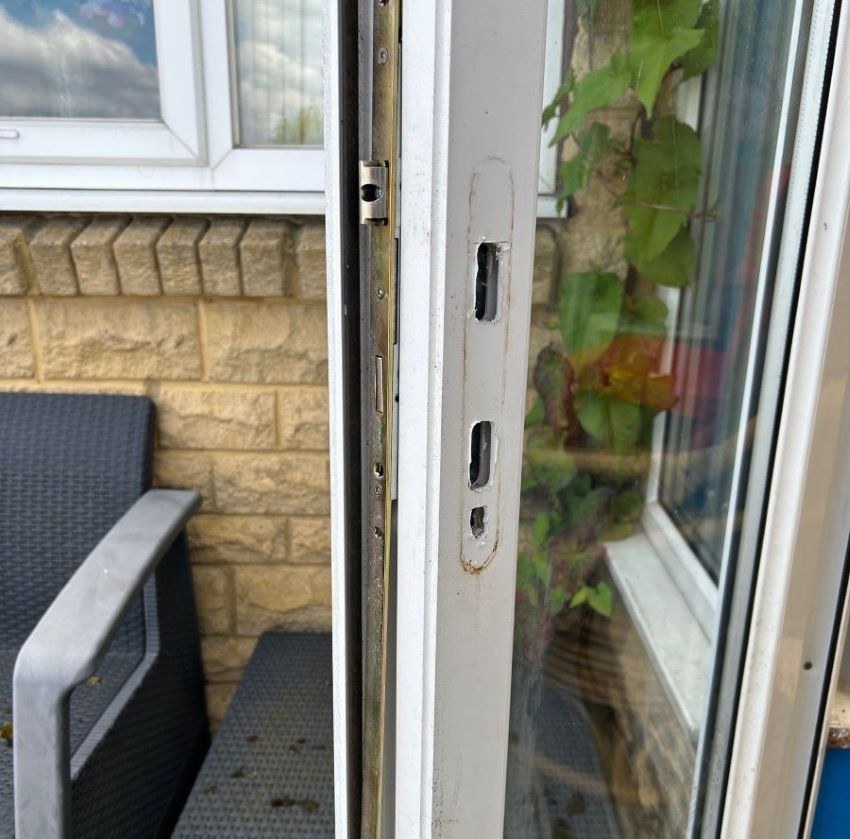 Locksmiths & security installs project 1
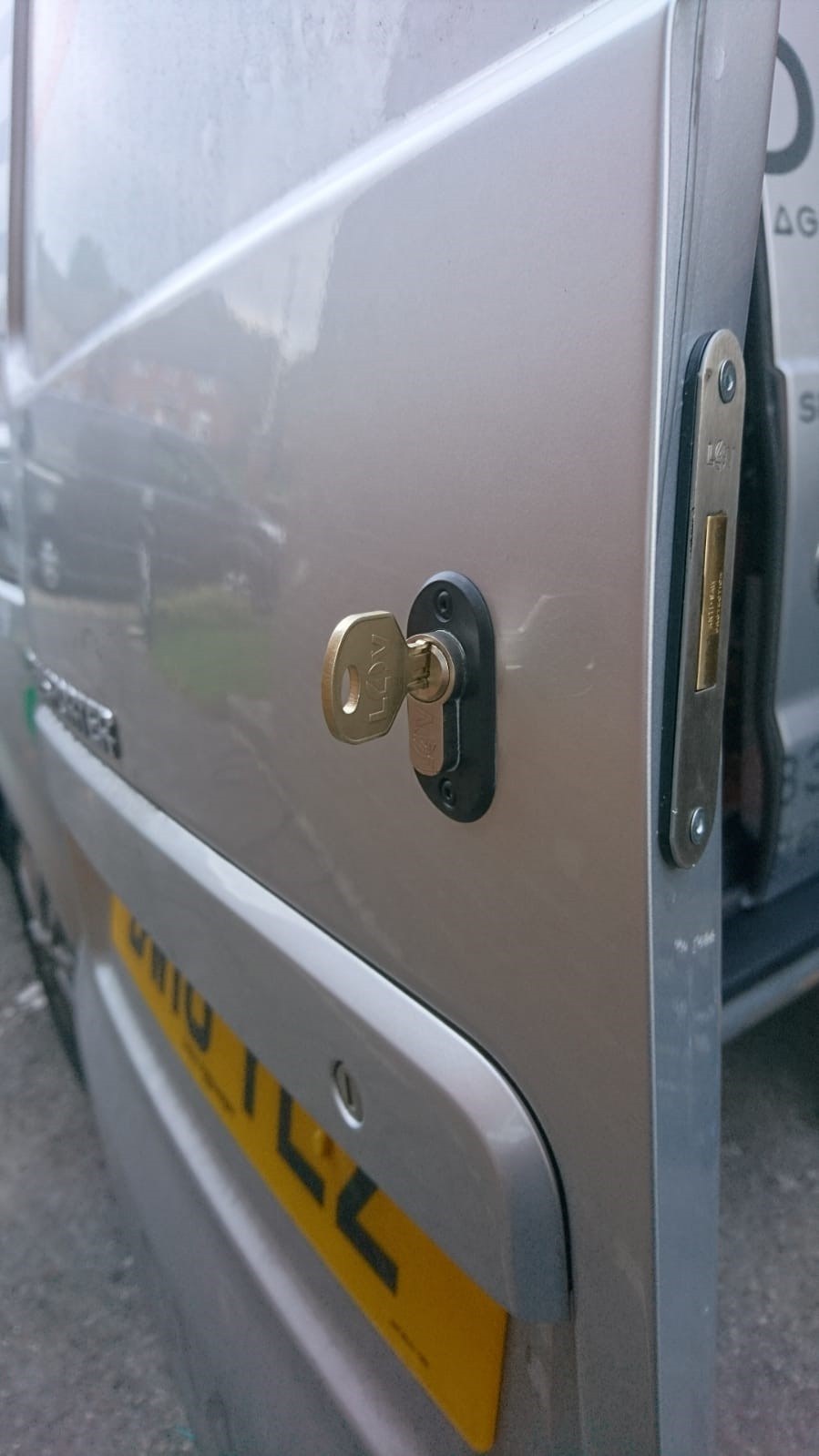 Locksmiths & security installs project 1
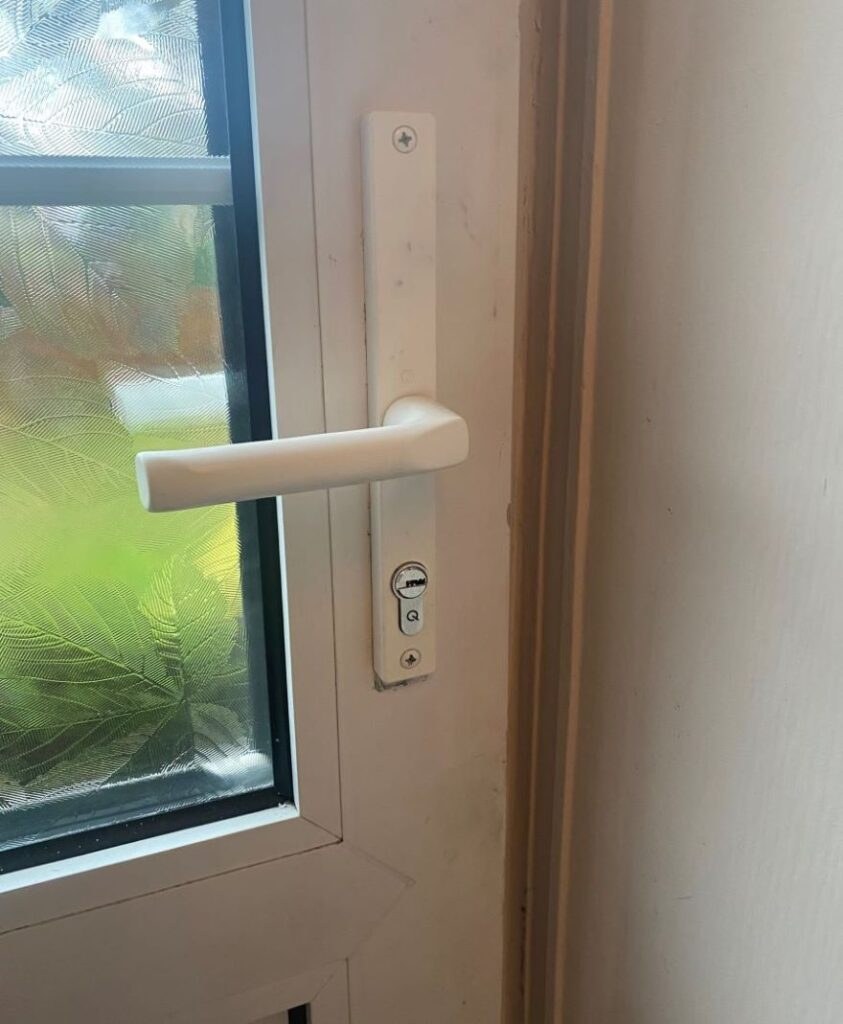 Locksmiths & security installs project 2
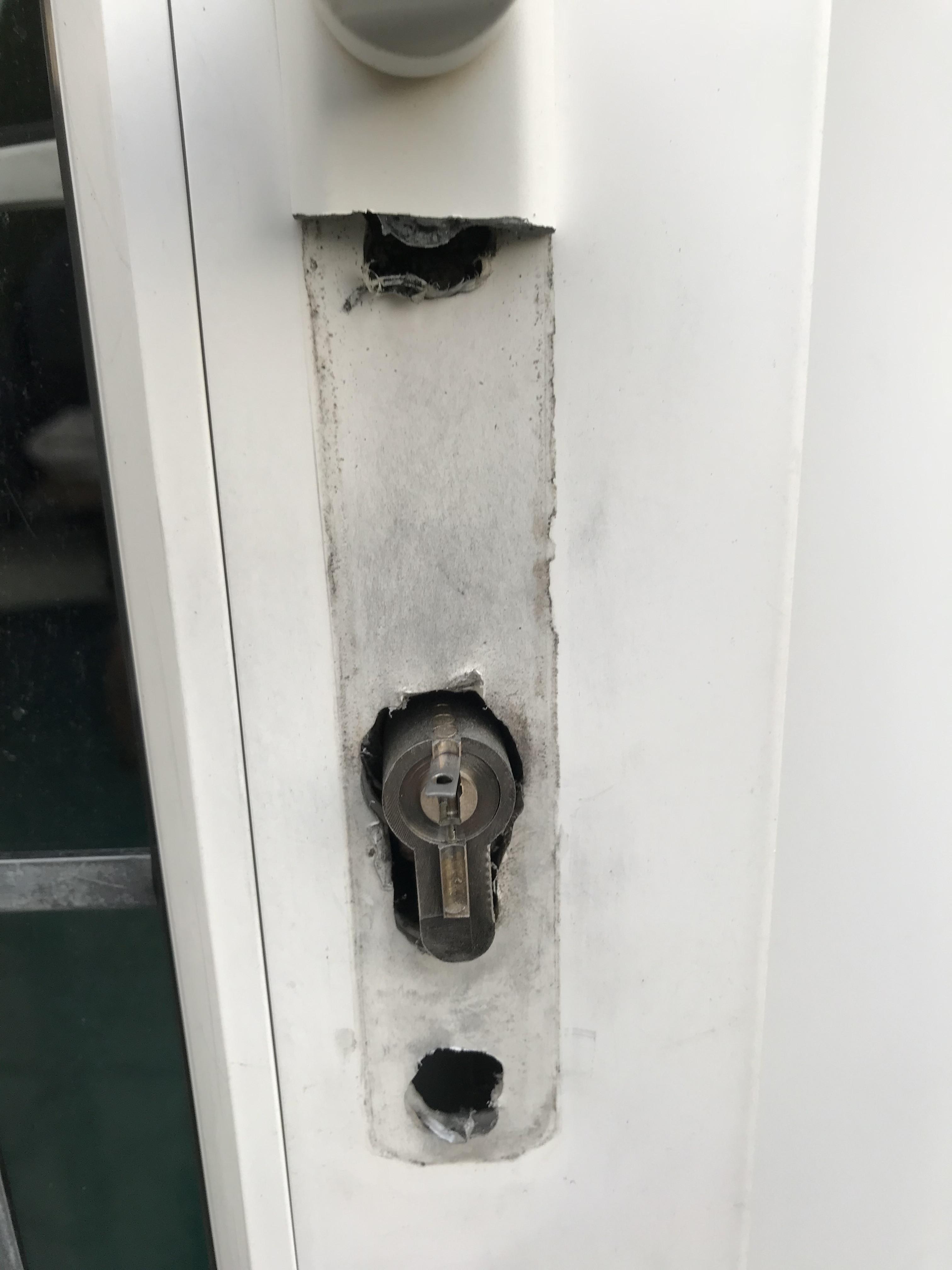 Locksmiths & security installs project 2
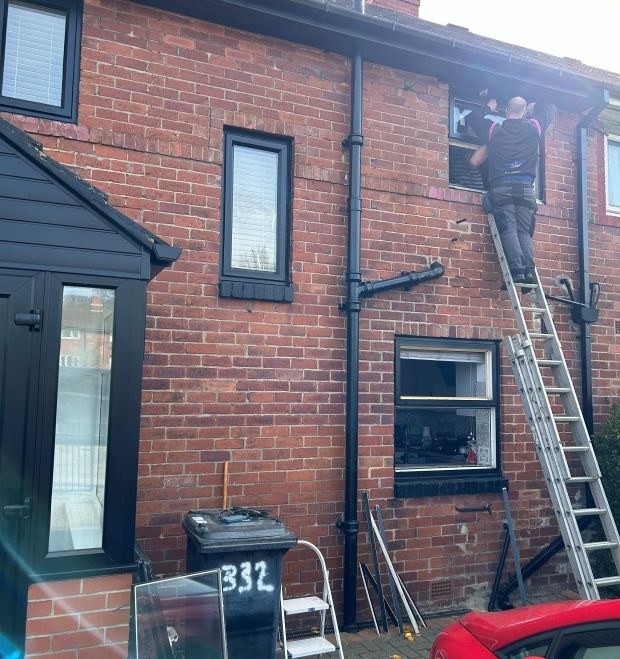 Locksmiths & security installs project 3
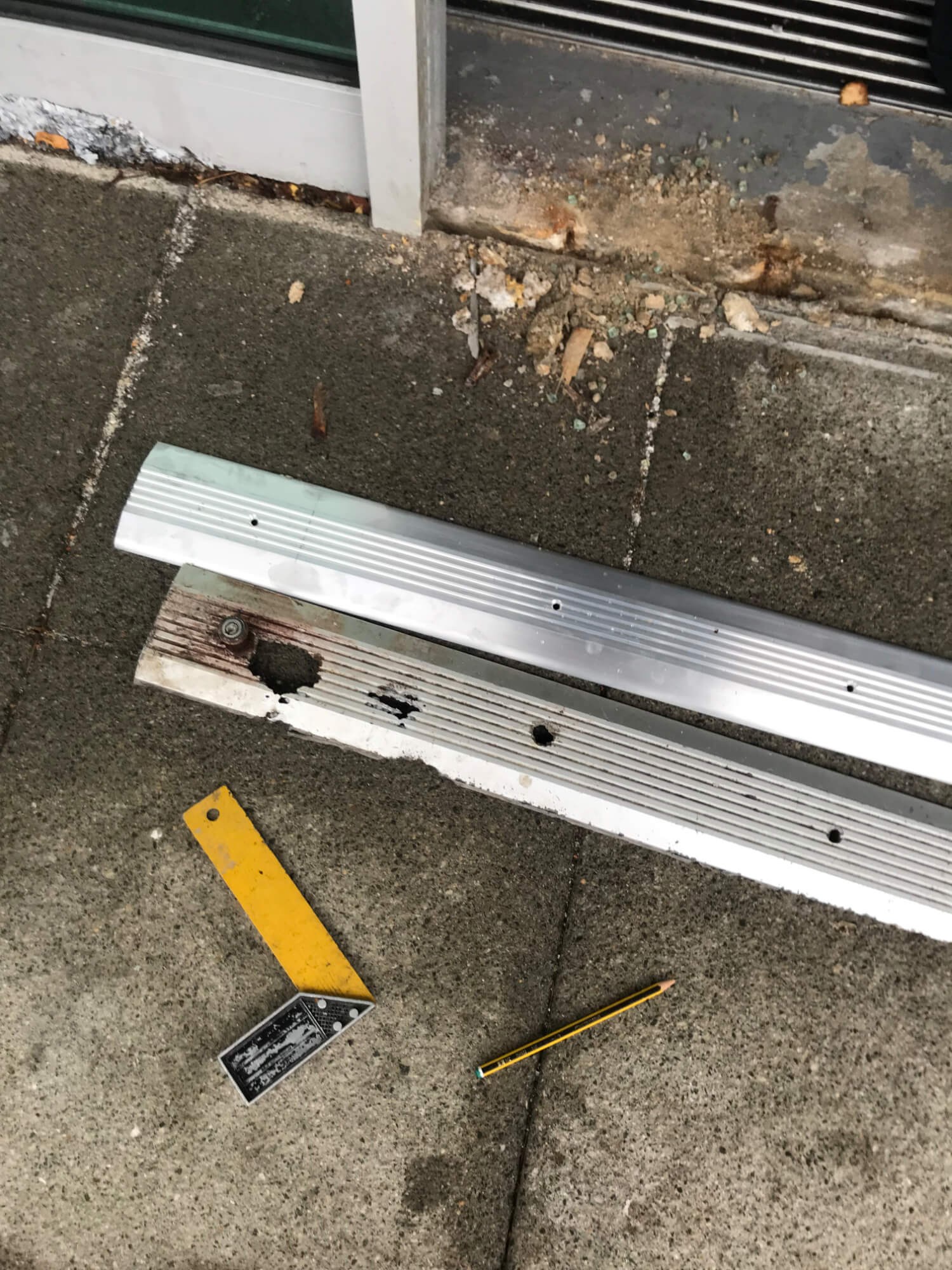 Locksmiths & security installs project 3
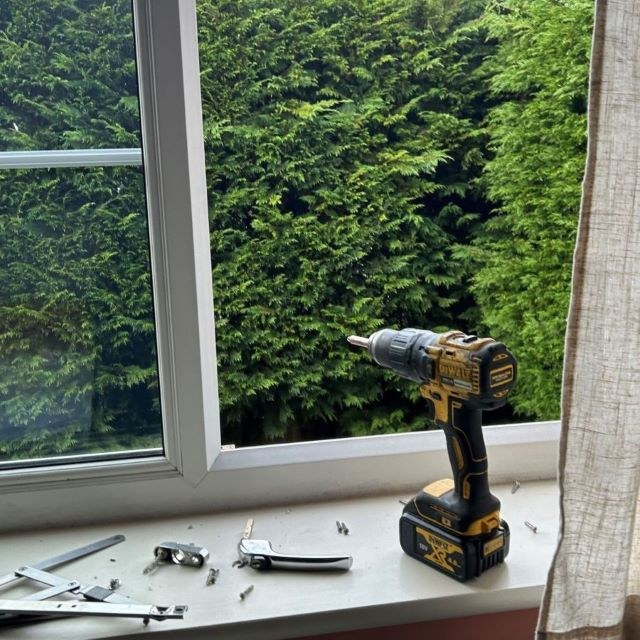 Locksmiths & security installs project 4
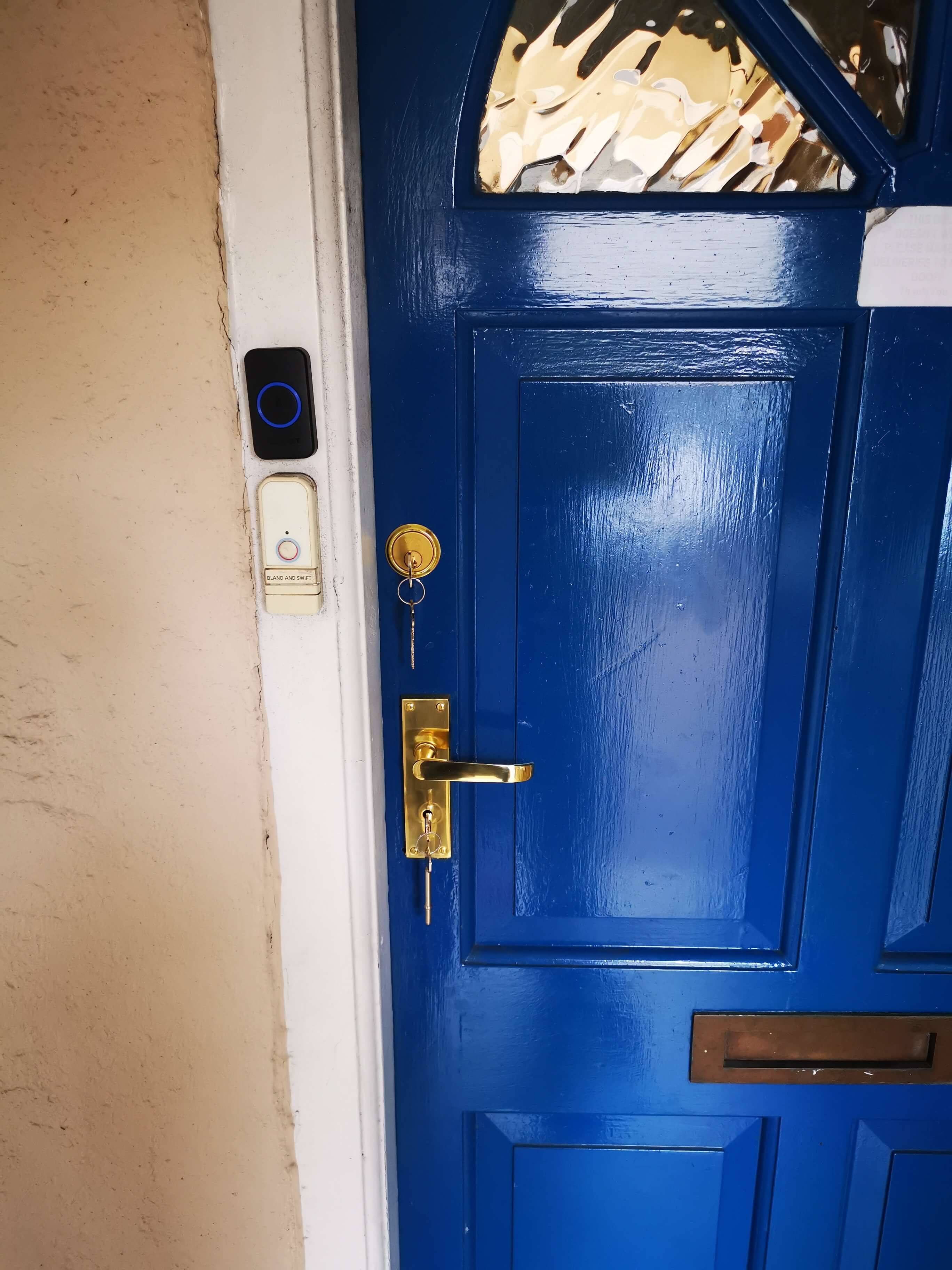 Locksmiths & security installs project 4