DJs & live bands quotes
Choose a DJ, live band or combined setup according to the venue, audience, music brief and available production space. The service covers performance, sound equipment, lighting and timing, solving the practical problem of creating controlled, engaging music without asking guests or venue staff to manage the entertainment.
What this covers
This service may involve a DJ, live musicians, or both, performing selected music and managing the sound required for guests to hear it clearly. The work begins with agreeing the musical brief, special requests, set lengths, announcements and boundaries around unsuitable tracks. The provider then plans equipment, transport, loading access, performance position, power connections and any lighting included in the booking.
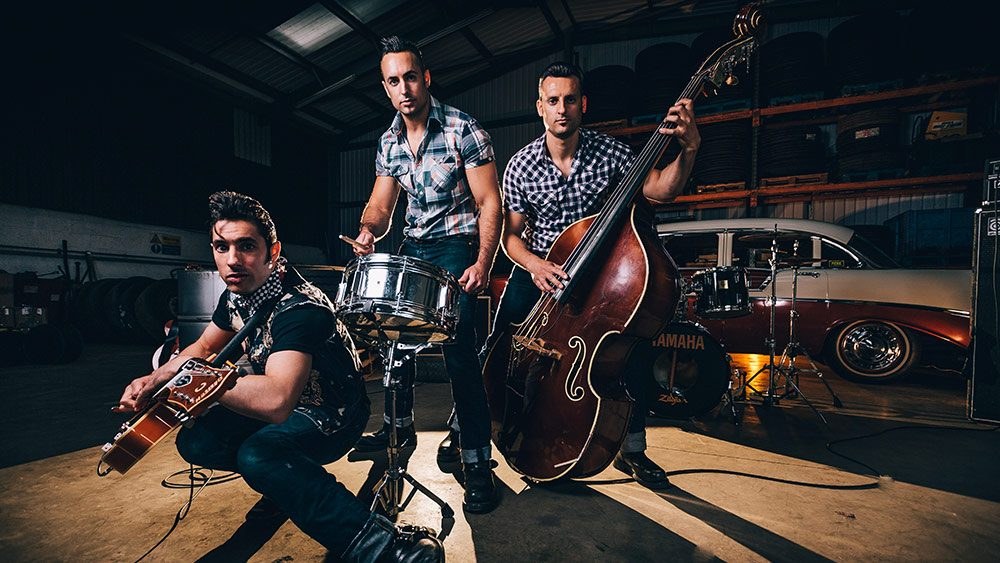
A DJ typically supplies a controller or decks, mixer, laptop or music library, speakers, stands, microphones and sometimes dancefloor lighting. A band adds instruments, amplifiers, microphones, a drum kit, monitor speakers and more involved sound control. At the venue, the team unloads, builds the system, checks levels, tests microphones, performs to the agreed schedule and removes equipment afterwards.
The physical scope varies considerably. A compact DJ setup may suit a small room with restricted access, while a full band needs floor area, safe cable routes and time for soundcheck. Hybrid arrangements can provide live feature sets with recorded music before, between and after performances.
How the work is done
First, the provider confirms the event format, venue layout, audience, preferred genres, prohibited tracks, special requests and the exact performance timetable. They establish whether the booking needs a DJ, band, hybrid arrangement, microphones, announcements, lighting or background music.
Next, they assess access and production requirements: loading route, stairs, lift dimensions, parking restrictions, performance area, nearby sockets, cable paths, sound limits and the time available to build the system. A band may need a stage or defined footprint, while a DJ may work from a smaller table or booth.
On arrival, equipment is unloaded, positioned and connected. Speakers are aimed towards the audience, microphones are checked, instruments are tuned and cables are secured or routed away from traffic. The provider carries out a soundcheck, confirming volume and balance without filling the room unnecessarily.
During the event, they follow the running order, respond to agreed requests and manage transitions. After the final set, they power down, dismantle equipment, remove all items and leave the area clear.
What affects the cost
The cost of this service is driven by the amount of performance and production required, not simply by the name of the act. A solo DJ, duo and full band involve different numbers of performers, instruments, vehicles, setup time and equipment. A longer booking, additional set, early arrival or late finish can increase labour and scheduling demands.
Venue access is another major driver. Stairs, long carrying routes, restricted parking, limited loading windows and distant performance areas make unloading and removal more labour-intensive. Band bookings may need staging, monitor speakers, microphones, instrument amplification and a more detailed soundcheck. Larger rooms can require additional speakers or subwoofers, while sound-sensitive venues may need careful positioning and volume management.
Check whether the quote includes travel, setup and dismantling, sound equipment, lighting, microphones, background music, music requests, breaks, meals, parking, overtime arrangements and removal of waste or packaging. Also confirm who supplies a stage, power distribution and any venue-specific production. Comparing like-for-like inclusions is more useful than comparing the headline performance fee alone.
Before you hire
Job-specific competence is visible in the questions a provider asks before accepting the booking. They should request the venue layout, access details, running order, sound restrictions, performance area and requirements for speeches or announcements. A capable DJ can explain how music will be sourced, backed up and transitioned; a band should describe instrumentation, amplification, monitoring and soundcheck needs.
Look for a clear equipment list rather than an unexplained promise to provide sound. The provider should identify who operates the system, how breaks are covered, what happens if equipment fails and how the act coordinates with the venue. For a hybrid booking, insist on a named plan for handovers between live sets and recorded music.