Damp & mould specialists quotes
Damp and mould specialists investigate moisture sources, remove affected growth safely and specify repairs that address the cause. They may assess condensation, penetrating damp, plumbing leaks or ground moisture, then recommend ventilation, drying, fabric repairs or a suitable treatment rather than simply covering visible staining.
What this covers
The work starts with examining visible mould, staining, salt deposits, damaged finishes and the pattern of moisture across walls, ceilings, floors and window reveals. A specialist may use moisture readings, visual checks and questions about heating, ventilation, leaks and occupancy to separate condensation from penetrating damp, plumbing failure or moisture rising from below.
Treatment then depends on the finding. It can include repairing defective pointing, gutters, seals, pipes or roof details; improving extract ventilation; removing heavily affected plaster or materials; drying the structure; and applying a compatible surface treatment. Mould should not simply be painted over, because trapped moisture can cause recurrence and conceal deterioration.
The scope may also include protection of unaffected areas, controlled removal of contaminated materials, waste handling, stain blocking and redecoration. Timber, insulation and plasterboard need particular attention if they remain damp or have lost their structural or thermal performance. A written report should link each proposed task to an observed mechanism, so the customer can see why the remedy is proportionate.
How the work is done
First, the specialist discusses the symptoms, occupancy, ventilation, heating and any history of leaks or building work. They inspect the outside as well as the affected room, looking at gutters, masonry, roof junctions, ground levels, pipework, windows and air movement.
Next, they map staining and mould growth, take relevant moisture readings and distinguish surface condensation from moisture entering the building fabric. The findings should be explained before disruptive work starts, with uncertainty identified rather than hidden.
The agreed work may then involve isolating the source, protecting furniture and floors, removing unsound finishes, cleaning affected surfaces, opening areas for drying, or carrying out fabric repairs. Ventilation equipment or additional drying may be used where appropriate.
Finally, the specialist checks that the source has been addressed, confirms which surfaces are ready for finishing and completes making-good if included. The customer should receive practical instructions on ventilation, heating, cleaning and any follow-up inspection needed to confirm that moisture levels are falling.
What affects the cost
The main cost drivers are diagnosis, access, affected area and the repair needed to stop moisture entering or forming. A small, accessible patch on sound plaster may require limited preparation, while widespread growth can involve furniture protection, removal of porous materials, drying, waste disposal and extensive making-good.
External defects can add access equipment, roof work, masonry repairs or drainage alterations. Plumbing investigations may require opening boxed-in services or lifting finishes before the leak is confirmed. Ventilation work depends on duct length, wall or ceiling construction, electrical routes and the position of the external outlet.
Listed or traditionally built properties may need more cautious material selection and slower drying, while occupied homes require planning around dust, noise and room access. Check whether the quotation includes testing, source repair, mould treatment, replacement materials, redecoration, waste removal and follow-up visits. A low headline price may exclude the work that prevents recurrence.
Before you hire
Useful job-specific evidence includes a report that distinguishes condensation, penetrating damp, plumbing leaks and moisture rising from below, supported by inspection findings rather than a product-led diagnosis. The specialist should explain readings in context, identify limitations and show how each recommendation addresses a stated moisture pathway.
Look for clear handling of contaminated materials, protection of occupied areas, compatible repair materials and drying before decoration. Competence is also shown by checking external elevations, roof and rainwater goods where the internal pattern indicates ingress, rather than limiting the visit to spraying visible mould.
Recent work
 Damp & mould specialists project 1
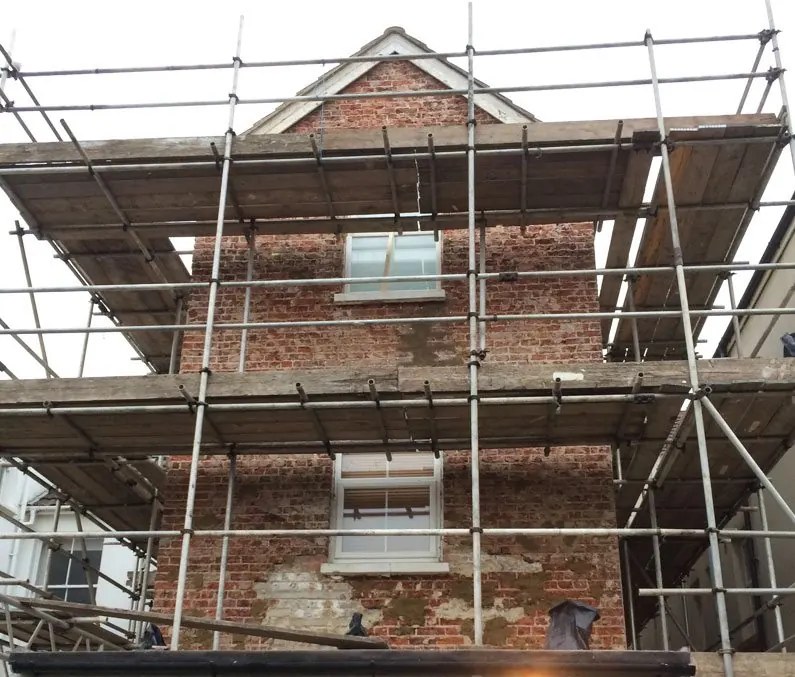 Damp & mould specialists project 1
 Damp & mould specialists project 1
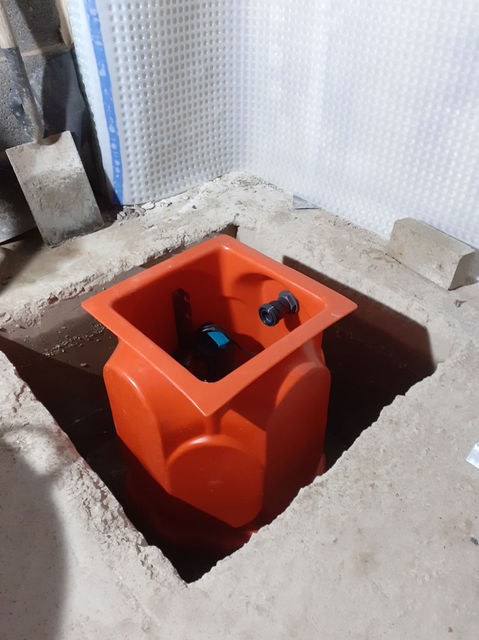 Damp & mould specialists project 1
 Damp & mould specialists project 1
 Damp & mould specialists project 1
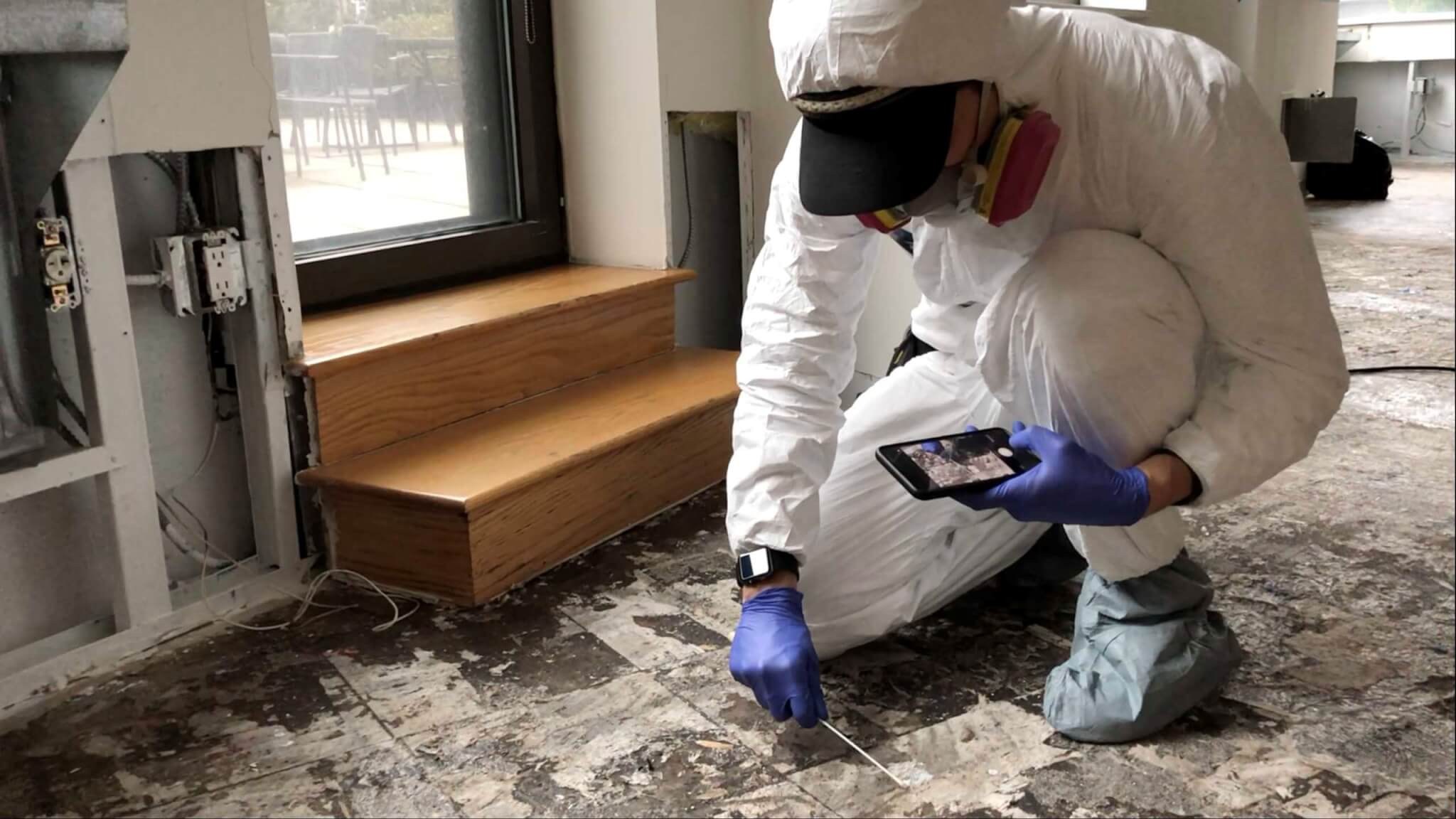 Damp & mould specialists project 2
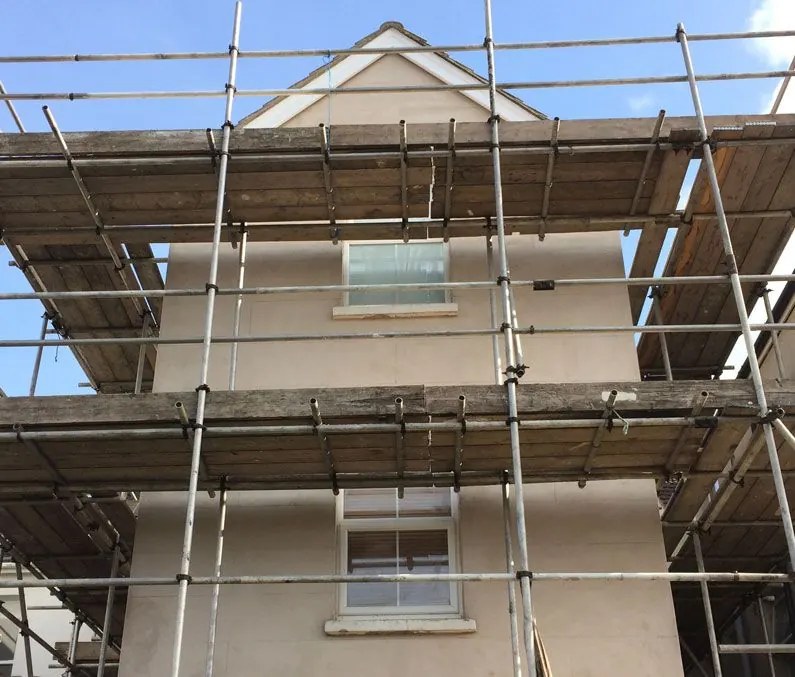 Damp & mould specialists project 2
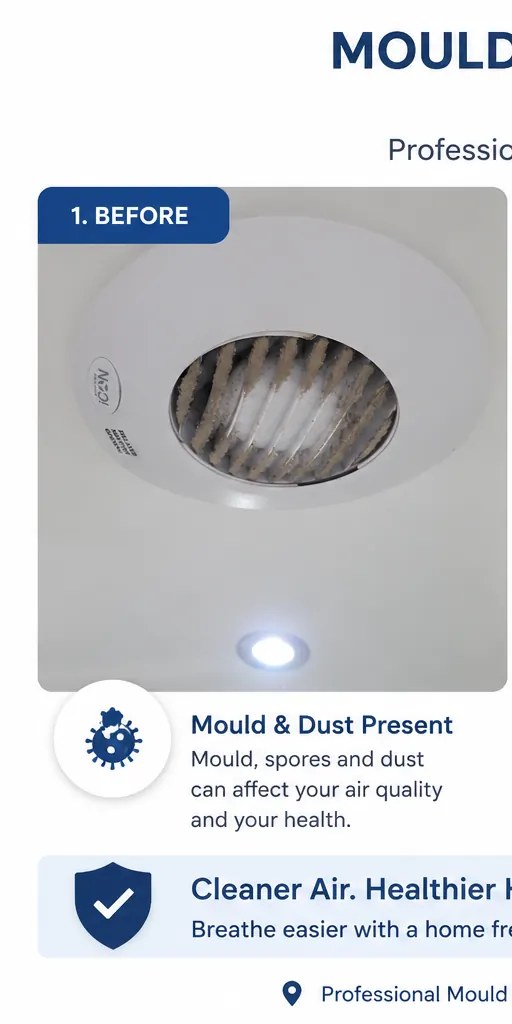 Damp & mould specialists project 2
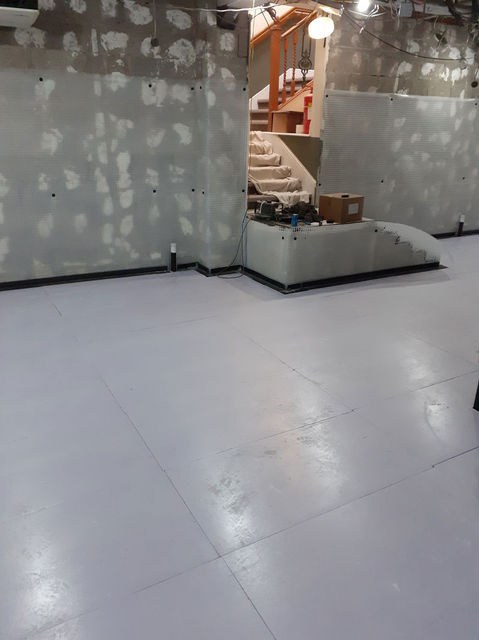 Damp & mould specialists project 2
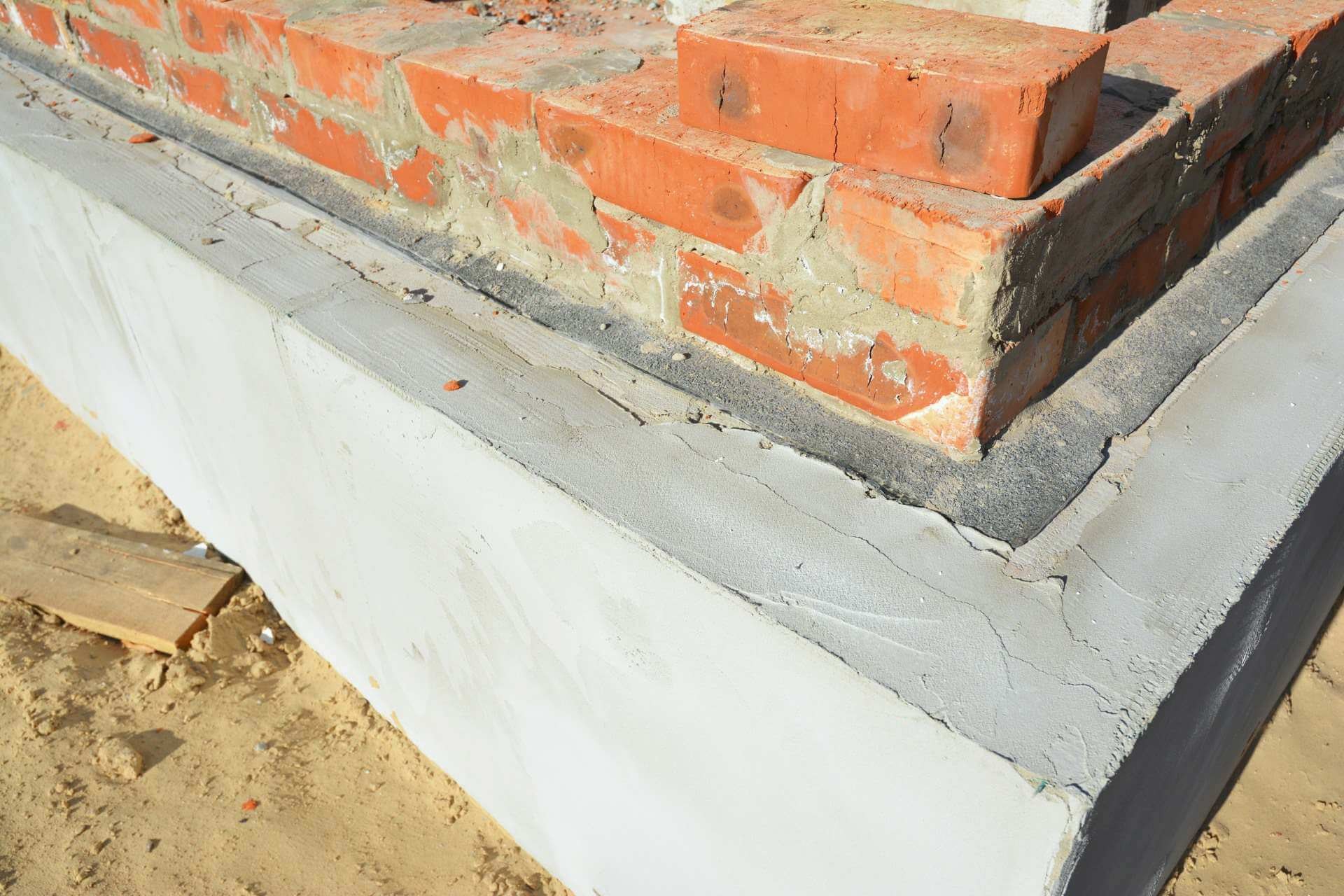 Damp & mould specialists project 2
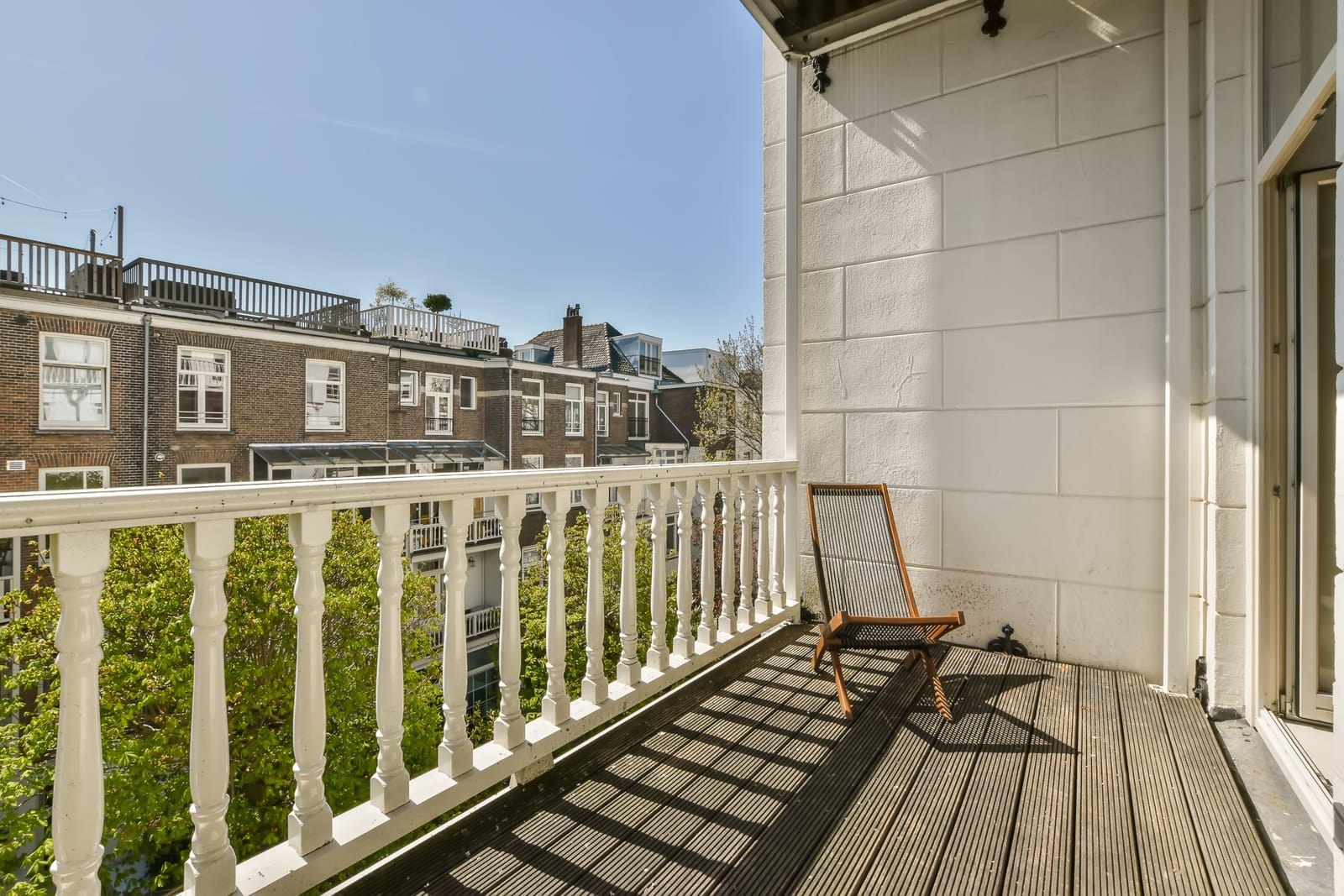 Damp & mould specialists project 2
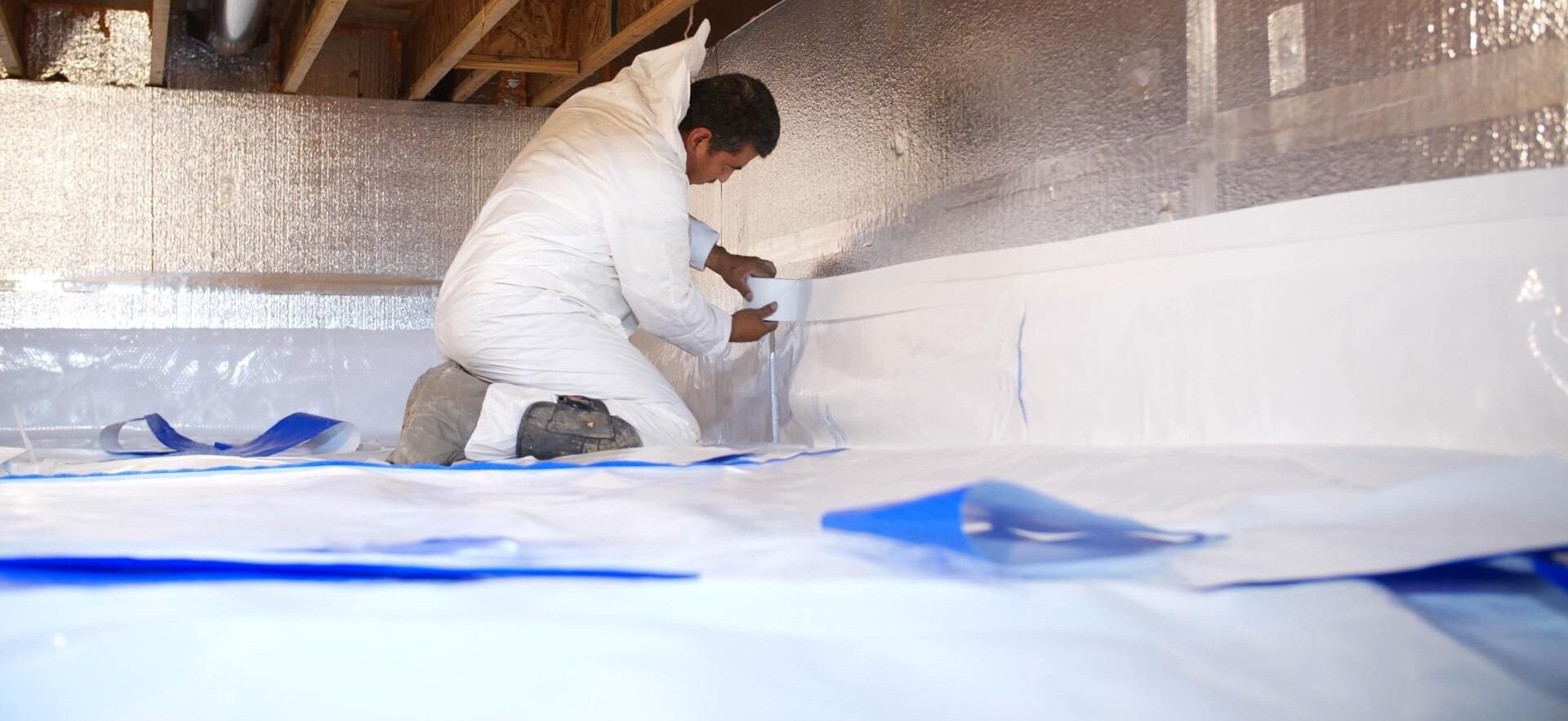 Damp & mould specialists project 3
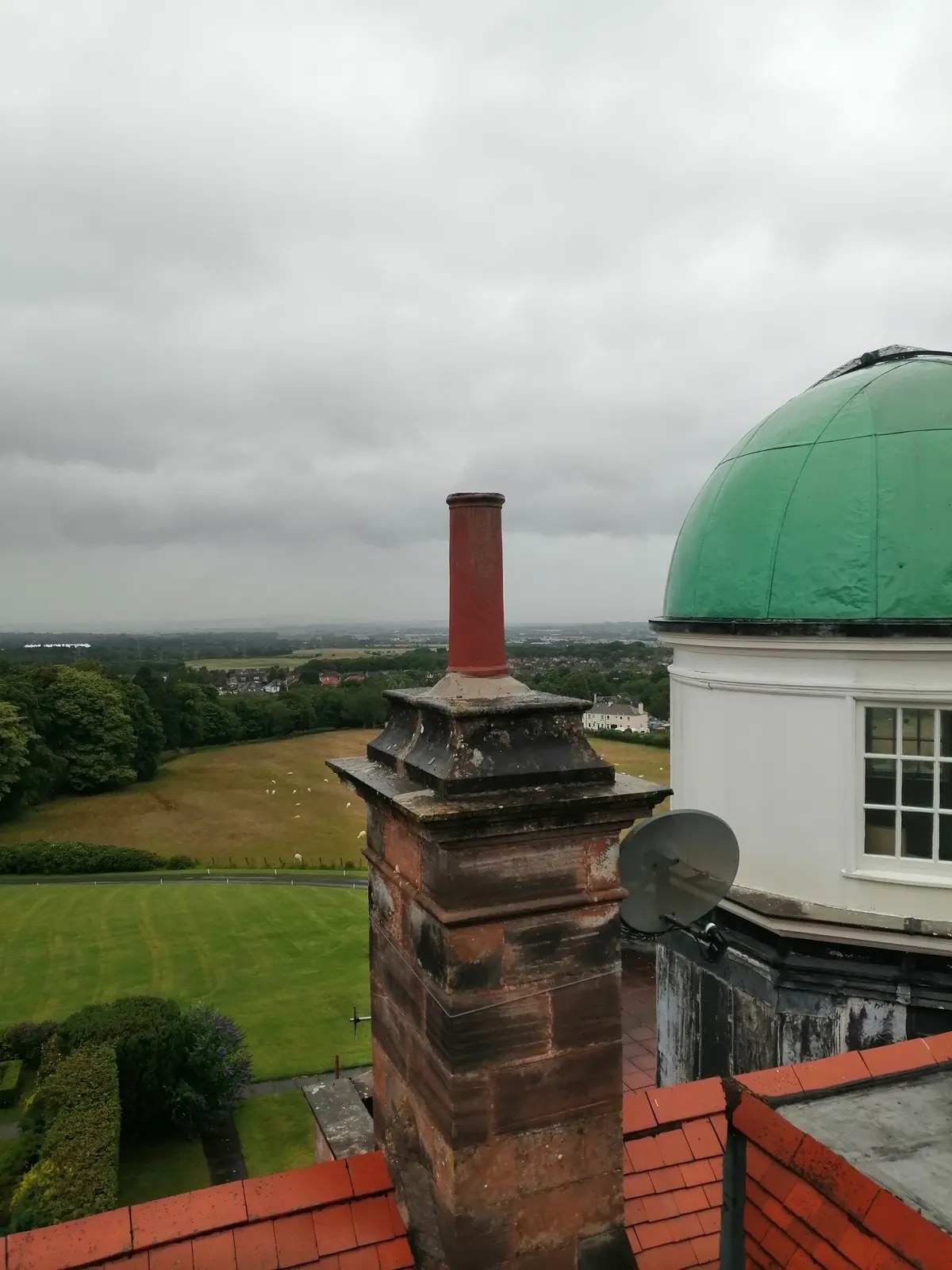 Damp & mould specialists project 3
 Damp & mould specialists project 3
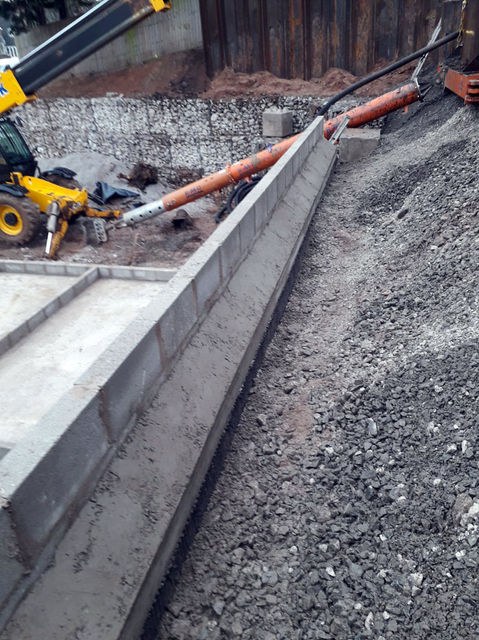 Damp & mould specialists project 3