Corporate training providers quotes
Corporate training providers design and deliver structured learning for employees, managers and leadership teams. They are useful when an organisation needs consistent skills, safer working practices, stronger management capability or evidence of development. The right provider connects course content with measurable workplace tasks rather than generic classroom activity.
What this covers
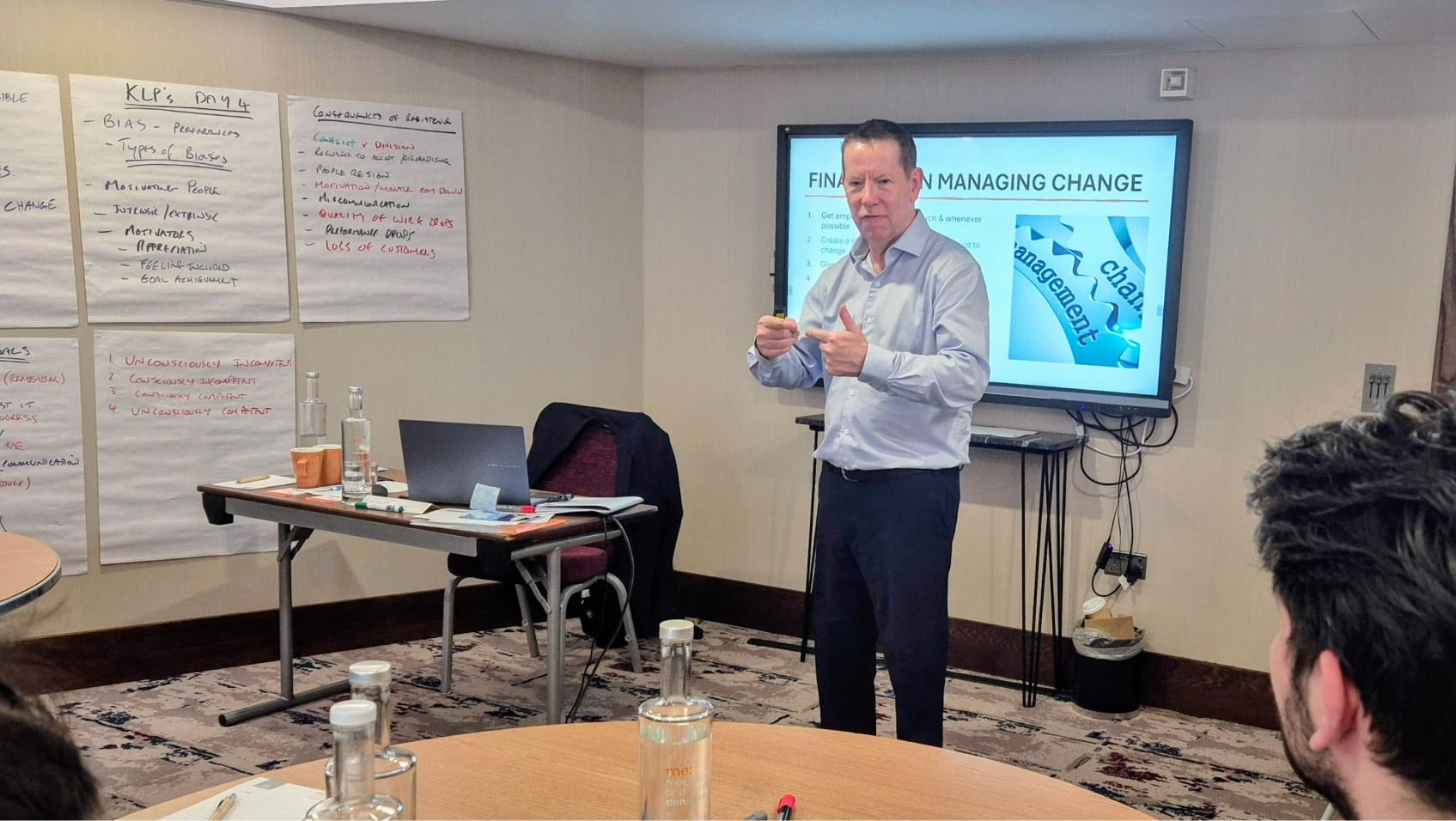
The work begins with diagnosing the gap: a provider may review role profiles, performance evidence, staff feedback, operational risks and the organisation’s objectives. It then translates that diagnosis into learning outcomes, session plans and supporting materials for the relevant audience. Delivery can include facilitated workshops, coaching, simulations, e-learning, blended programmes or assessments. The provider may create examples around your procedures, systems and customer interactions rather than relying on generic exercises.
After delivery, the work should connect learning with workplace application. That can mean manager briefings, practical assignments, observation, knowledge checks, coaching conversations or a later review of performance evidence. Some engagements are one-off courses; others form a structured pathway for onboarding, technical capability, management development or continuing professional development. Scope depends on the number and seniority of learners, the complexity of the subject, content customisation, accessibility requirements and whether materials need to work across multiple teams or sites.
How the work is done
The provider first agrees the business problem, learner groups, desired behaviours and evidence of success. It may review existing materials, interview managers, examine performance information or observe relevant tasks. Next, it designs the programme, selecting objectives, exercises, delivery channels, assessment methods and supporting resources.
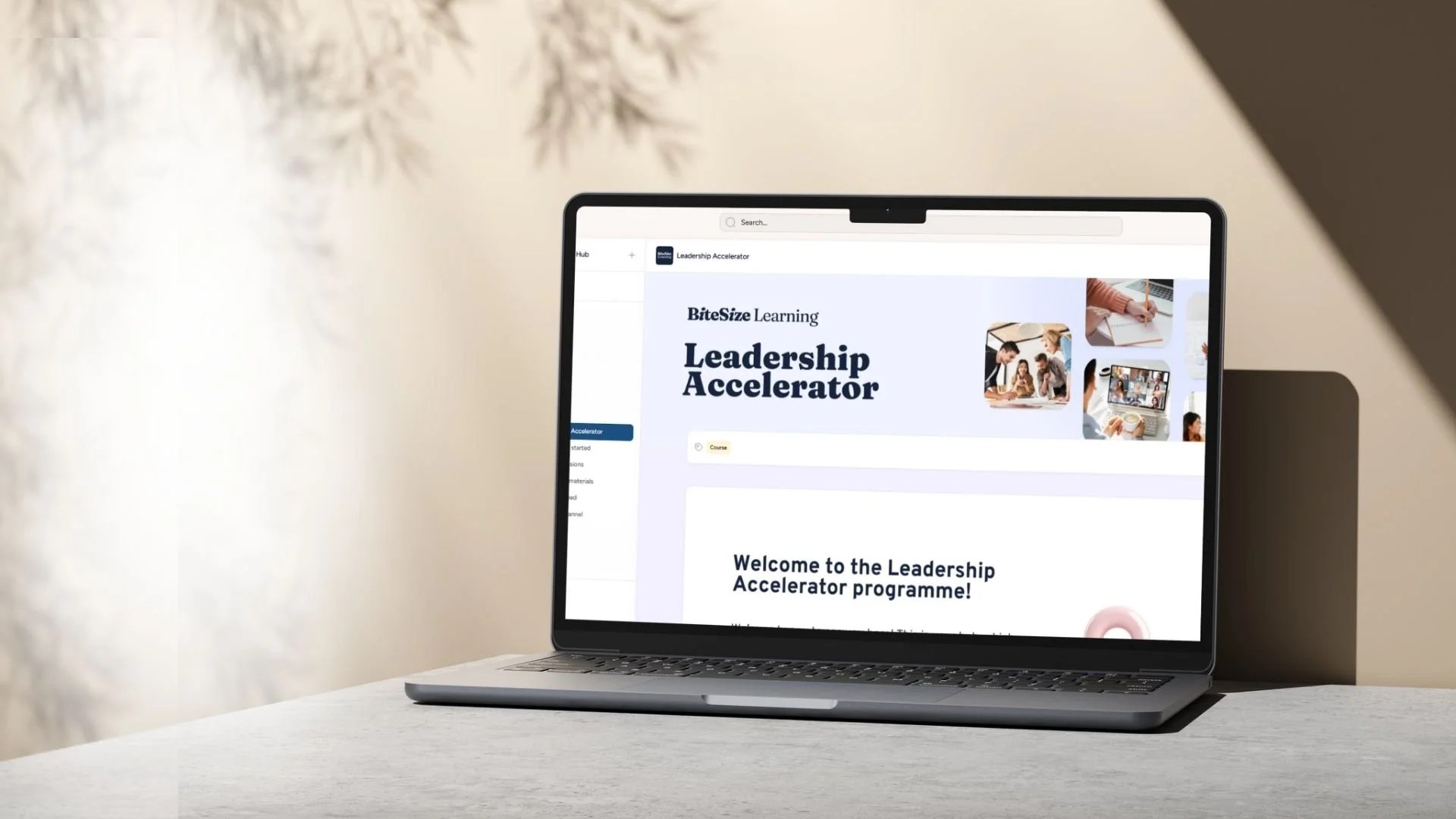
Before delivery, the buyer confirms dates, attendance, technology, rooms, accessibility needs, responsibilities and any internal content that must be protected. During the sessions, learners may discuss examples, practise decisions, complete simulations, receive feedback and test their understanding. Online work may include tutor contact, structured modules and recorded progress.
Afterwards, the provider supplies agreed materials or completion records and may run knowledge checks, coaching or review meetings. Managers then reinforce the learning through team conversations, supervised practice or workplace assignments. A useful close-out examines the evidence collected, unresolved capability gaps and any changes needed to the next learning cycle.
What affects the cost
The main cost drivers are the number and seniority of learners, the subject’s technical complexity, the depth of needs analysis and the amount of bespoke content. A programme using existing materials usually involves less development than one requiring interviews, workflow mapping, new scenarios, assessments and branded resources.
Delivery format also affects the quote. Classroom work may include facilitator travel, venue requirements, equipment and printed materials; online provision may involve platform administration, technical support and digital content production. Coaching, individual assessment, manager briefings and post-course evaluation add professional input beyond the core session.
Ask whether the proposal includes discovery, content design, facilitator preparation, learner materials, accessibility adjustments, platform access, administration, assessment, travel, cancellation terms and follow-up. Compare like with like: a lower initial fee may exclude reinforcement or outcome measurement that the organisation later has to arrange itself.
Before you hire
Relevant expertise shows in the provider’s discovery questions and in the precision of its proposed outcomes. Look for facilitators who can explain how they will translate your roles, systems and working scenarios into practice rather than simply present a catalogue course. Ask to see a sample learning objective, exercise, assessment method and follow-up plan. Subject knowledge should be matched by delivery competence: the provider must manage discussion, give useful feedback, accommodate different starting points and protect confidential business information. For regulated or technically sensitive subjects, check how content is reviewed and how changes are controlled.